Hygiene

MONDAY HEALTH BURST

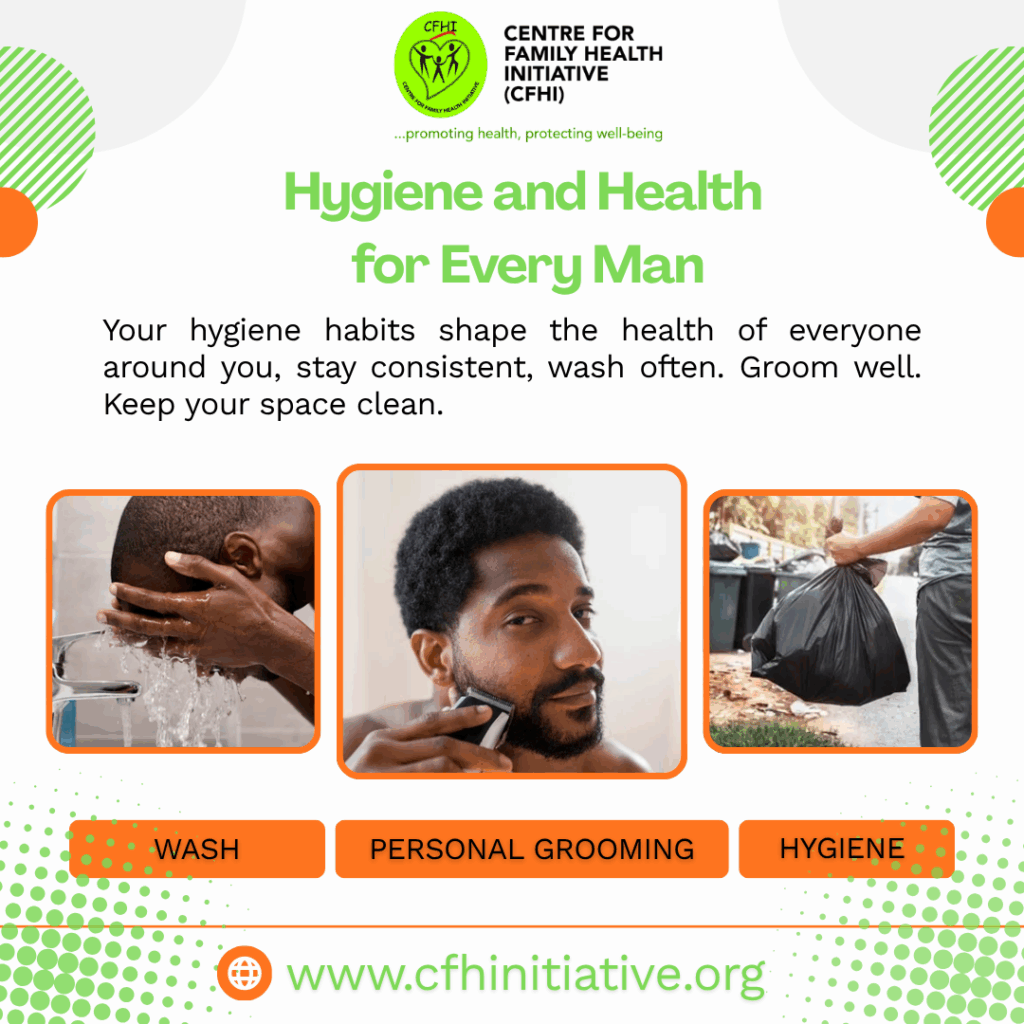
Hygiene and Health for Every Man

Good hygiene is not only a personal responsibility but a fundamental aspect of disease prevention, dignity, and overall well-being for men across all ages. Research shows that poor hygiene contributes significantly to the global burden of infectious diseases. According to the World Health Organization, inadequate hygiene practices account for nearly 432,000 deaths annually from diarrheal diseases alone (1) with millions more suffering from preventable infections linked to poor personal and environmental hygiene. Studies also reveal that men are statistically less likely than women to engage in consistent hygiene routines, including regular handwashing, oral care, and preventive health screenings. A 2022 global survey noted that over 65% of men admit to skipping basic hygiene routines (2) increasing their vulnerability to infections, skin diseases, urinary tract complications, and communicable illnesses. Poor hygiene also affects mental health, social interactions, productivity, and overall quality of life, especially in environments where men are primary earners and caregivers.

The implications of poor hygiene for men extend far beyond physical health. Lack of proper personal and environmental cleanliness can affect workplace productivity, family health, and community wellness. For example, studies show that effective handwashing alone can reduce respiratory infections by over 21% (3) yet many men either neglect this simple act or lack access to clean water and safe sanitation facilities. Globally, 3.5 billion people still lack safe sanitation (4) and this affects men in marginalized communities disproportionately, often exposing them to contaminated environments and increasing their risk of illness. Oral hygiene is another overlooked aspect; research indicates that men are 40% less likely than women to seek dental care (5) leading to higher rates of gum disease, which has been linked to heart disease, stroke, and diabetes. Hygiene is not just cleanliness it is a cornerstone of preventive health.

As we commemorate International Men’s Day and World Toilet Day, we encourage, admonish, and advise men everywhere to stay true to hygiene and neatness. Cleanliness is strength. Hygiene is responsibility. And taking care of your health is an act of leadership and self-respect. Men must break free from harmful cultural norms that label hygiene awareness as weakness or unmanliness. True masculinity includes caring for one’s body, environment, and overall well-being. A healthy man becomes a healthier father, partner, colleague, and community member. The global theme for this period emphasizes dignity, safe sanitation, and improved well-being for everyone and men must be active participants in this movement.

Wash your hands often, maintain proper grooming, care for your oral health, keep your environment clean, use toilets responsibly, practice safe sanitation, and seek regular health checks. Small habits save lives. Hygiene is health, and health is power. Let this be a reminder that healthier men build stronger families, stronger communities, and a stronger nation.

For enquiries, partnerships, or to invite CFHI for sensitization programs, kindly contact us via: info@cfhinitiative.org 


References

  1. World Health Organization. Diarrhoeal disease. 2023. Available from: https://www.who.int/news-room/fact-sheets/detail/diarrhoeal-disease
  2. Global hygiene behaviours survey results. 2022. Available from: https://yougov.co.uk/topics/health/articles-reports
  3. Centers for Disease Control and Prevention. Show Me the Science – How to Wash Your Hands. 2023. Available from: https://www.cdc.gov/handwashing/show-me-the-science-handwashing.html
  4. World Health Organization & UNICEF. Progress on household drinking water, sanitation and hygiene 2023 update. Available from: https://www.who.int/publications/i/item/9789240073347
  5. American Dental Association. Oral health and men’s health. 2022. Available from: https://www.ada.org/resources/research/science-and-research-institute


MONDAY HEALTH BURST Read More »

CFHI and Imo State Ministry of Health Unite for World Diabetes Day 2025!

The Centre for Family Health Initiative (CFHI) partnered with the Imo State Ministry of Health to mark World Diabetes Day 2025, at the Ministry of Health Block, Imo State Secretariat, Port Harcourt Road, Owerri, reaching 50 individuals with vital diabetes awareness and screening services.
focusing on the theme “Diabetes and Well-being: Creating Supportive Environments in the Workplace”.

Key Highlights:
Free BP and Blood Sugar Testing
Expert Dietitians on ground for personalized meal planning
Empowering individuals with diabetes to thrive at all life stages.
Integrated care and support for physical and mental well-being.

Our mission was to spark a movement! We aimed to educate, empower, and encourage employers, employees, and the global community to act towards healthier workplaces.

CFHI and Imo State Ministry of Health Unite for World Diabetes Day 2025! Read More »

MONDAY HEALTH BURST

EFFECTS OF FEMALE GENITAL MUTILATION (FGM)

According to World Health Organization, more than 200 million girls and women alive today have undergone female genital mutilation (FGM) in 30 countries in Africa, mostly in the Middle East and Asia. All forms of FGM are associated with increased health risk in the short- and long-term. Below are some of the health risks.

Short-term health risks of FGM

Severe pain. Cutting the nerve ends and sensitive genital tissue causes extreme pain. The healing period is also painful.

Shock. Can be caused by pain, infection and/or haemorrhage.

Genital tissue swelling. Due to inflammatory response or local infection.

Infections. May spread after the use of contaminated instruments (e.g. use of same instruments in multiple genital mutilation operations), and during the healing period.

Excessive bleeding (haemorrhage). Can result if the clitoral artery or other blood vessel is cut.

Human immunodeficiency virus (HIV). The direct association between FGM and HIV remains unconfirmed, although the cutting of genital tissues with the same surgical instrument without sterilization could increase the risk for transmission of HIV between girls who undergo female genital mutilation together.

Urination problems. These may include urinary retention and pain passing urine. This may be due to tissue swelling, pain or injury to the urethra.

Impaired wound healing. Can lead to pain, infections and abnormal scarring.

Death. Death can result from infections, including tetanus, as well as haemorrhage that can lead to shock.

Mental health problems. The pain, shock and the use of physical force during the event, as well as a sense of betrayal when family members condone and/or organize the practice, are reasons why many women describe FGM as a traumatic event.


Long-term health risks of FGM

Infections:

  • Chronic genital infections. With consequent chronic pain, and vaginal discharge and itching. Cysts, abscesses and genital ulcers may also appear.
  • Chronic reproductive tract infections. May cause chronic back and pelvic pain.
  • Urinary tract infections. If not treated, such infections can ascend to the kidneys, potentially resulting in renal failure, septicaemia and death. An increased risk of repeated urinary tract infections is well documented in both girls and adult women who have undergone FGM.

Painful urination. Due to obstruction of the urethra and recurrent urinary tract infections.

Vaginal problems. Discharge, itching, bacterial vaginosis and other infections.

Menstrual problems. Obstruction of the vaginal opening may lead to painful menstruation (dysmenorrhea), irregular menses and difficulty in passing menstrual blood, particularly among women with Type III FGM.

Excessive scar tissue (keloids). Excessive scar tissue can form at the site of the cutting.

HIV (Human immunodeficiency virus). Given that the transmission of HIV is facilitated through trauma of the vaginal epithelium which allows the direct introduction of the virus, it is reasonable to presume that the risk of HIV transmission may be increased due to increased risk of bleeding during intercourse, because of FGM.

Sexual health problems. FGM damages anatomic structures that are directly involved in female sexual function and can therefore also influence women’s sexual health and well-being. Removal of, or damage to, highly sensitive genital tissue, especially the clitoris, may affect sexual sensitivity and lead to sexual problems, such as decreased sexual desire and pleasure, pain during sex, difficulty during penetration, decreased lubrication during intercourse, and reduced frequency or absence of orgasm (anorgasmia). Scar formation, pain and traumatic memories associated with the procedure can also lead to such problems.

Childbirth complications (obstetric complications). FGM is associated with an increased risk of caesarean section, postpartum haemorrhage, recourse to episiotomy, difficult labour, obstetric tears/lacerations, instrumental delivery, prolonged labour, and extended maternal hospital stay. The risks increase with the severity of FGM.

Obstetric fistula. A direct association between FGM and obstetric fistula has not been established. However, given the causal relationship between prolonged and obstructed labour and fistula, and the fact that FGM is also associated with prolonged and obstructed labour, it is reasonable to presume that both conditions could be linked in women living with FGM.

Perinatal risks. Obstetric complications can result in a higher incidence of infant resuscitation at delivery and intrapartum stillbirth and neonatal death.

Mental health problems. Studies have shown that girls and women who have undergone FGM are more likely to experience post-traumatic stress disorder (PTSD), anxiety disorders, depression and somatic (physical) complaints (e.g. aches and pains) with no organic cause.

Pain. Due to tissue damage and scarring that may result in trapped or unprotected nerve endings.

Though FGM may be normative and considered to be of cultural significance in some settings, the practice is always a violation of human rights, with the risk of causing trauma and leading to problems related to girls’ and women’s mental health and well-being. (WHO,2020)

MONDAY HEALTH BURST Read More »
MONDAY HEALTH BURST

HEALTHY DIETING

According to the Dietary Guidelines for Americans 2015–2020, a healthy eating plan includes eating of fruits, vegetables, whole grains and fat free or low-fat milk and milk products. They are low in saturated fats, trans fats, cholesterol, salt (sodium), and added sugars. While unhealthy diet includes overeating of fatty and greasy food, and of milky products, sweet foods, highly flavoured food, too pungent food, as well as drinking too much alcohol, leading to the formation of Damp-Heat.

Increased production of processed foods, rapid urbanization and changing lifestyles have led to a shift in dietary patterns. People are now consuming more foods high in energy, fats, free sugars and salt/sodium, and many people do not eat enough fruits, vegetables and other dietary fibre such as whole grains. Healthy eating is all about balance. Hence, it is possible to enjoy ones favorite meals, but the key point is eating them less often and balancing them with healthier foods with more physical activities.

Some general tips for healthy dieting include less intake of high-calorie foods and intentionally replace them with lower-calorie versions. Consuming a healthy diet throughout the life-course helps to prevent malnutrition in all its forms as well as a range of non-communicable diseases and conditions.

Monday Health Burst is an initiative of Centre for Family Health Initiative (CFHI) to tackle issues of basic health concerns. Join us every Monday for more health-related articles on all our social media platforms.

MONDAY HEALTH BURST Read More »

MONDAY HEALTH BURST

RABIES: SYMPTOMS, CAUSES, PREVENTION AND TREATMENT

Rabies is a viral disease that causes inflammation of the brain in humans and other mammals. It is caused by lyssaviruses, which includes the rabies virus and Australian bat lyssavirus. Some of the known ways of spreading rabies are scratches or bites from an infected animal on human or other animals, and infected saliva’s contact with the eyes, mouth, or nose.

According to World Health Organization (WHO), dogs are the most common animals infected with rabies globally. In countries where dogs commonly have the disease, majority (99%) of rabies cases are the direct result of dog bites. However in America, bat bite is the most common source of rabies infection in humans, and less than 5% of cases from dogs.

After a bite or other rabies exposure, the rabies virus has to travel through the body to the brain before symptoms can surface. This time between the exposure and the appearance of symptoms is called the incubation period. The incubation period may last for weeks to months depending on the distance between the bite wound and the brain, the type of rabies virus, and existing immunity.

The first symptoms of rabies may be very similar to those of the flu like general weakness, fever, or headache. Symptoms may also be discomfort or a prickling or itching sensation at the site of the bite, progressing within days to acute symptoms of cerebral dysfunction, anxiety, confusion, and agitation. As the disease progresses, the person may experience delirium, abnormal behavior, hallucinations, hydrophobia (fear of water), and insomnia. The acute period of disease typically ends after 2 to 10 days. Generally, by the time the symptoms appear, it is usually too late to save the patient.

Rabies is a serious disease, but individuals and governments can take actions to control and prevent the spread. These preventive strategies include: Regular ant rabies vaccinations for all pets and domestic animals; bans or restrictions on the importation of animals from infected countries; widespread vaccination of humans in high risk areas, and awareness creation.

Once clinical signs of rabies appear, the disease is nearly always fatal, and treatment is typically supportive. After exposure and before symptoms begin, a fast-acting dose of rabies immune globulin should be delivered as soon as possible, close to the bite wound to prevent the virus from infecting the individual. Also, rabies vaccine should be given to train the body to fight the virus whenever it is exposed.

Monday Health Burst is an initiative of Centre for Family Health Initiative (CFHI) to tackle issues of basic health concerns. Join us every Monday for more health related articles on all our social media platforms.

MONDAY HEALTH BURST Read More »

MONDAY HEALTH BURST

IMPACT OF CLIMATE CHANGE ON HUMAN HEALTH

Changes in the overall climate of the planet cannot be over-emphasized. Continuous rise in temperature of the planet is becoming alarming and the root cause is Global warming. Fossil fuels are being continuously used to produce electricity. The burning of these fuels produces gases like carbon dioxide, methane and nitrous oxides which lead to global warming. Also, deforestation leads to warmer temperatures, hence, the hazard of global warming is continuously causing major damage to the Earth’s environment.

According to the Intergovernmental Panel on Climate Change (IPCC) Fifth Assessment Report (AR5) in 2014, the net warming from 1850 to the end of the 20th century was equivalent to nearly 2.5 W/m2 with carbon dioxide contribution about 60% to this figure, methane about 25%, with nitrous oxides and halo-carbons providing the remainder. The major cause of global warming is the greenhouse gases. They include carbon dioxide, methane, nitrous oxides and in some cases chlorine and bromine containing compounds. The build-up of these gases in the atmosphere changes the radiative equilibrium in the atmosphere. The overall effect is to warm the Earth’s surface and the lower atmosphere because greenhouse gases absorb some of the outgoing radiation of Earth and re-radiate it back towards the surface.

Another major cause of global warming is the depletion of ozone layer. This happens mainly due to the presence of chlorine-containing source gases. When ultraviolet light is present, these gases dissociate releasing chlorine atoms which then catalyzes ozone destruction. Many industrial processes produce a wide diversity of aerosols depending on what is being burned or generated in the manufacturing process. These aerosols in the atmosphere also cause global warming by changing the climate in two ways. Firstly, they scatter and absorb solar and infrared radiation and hereby warming the air directly. Secondly, they may alter the micro-physical and chemical properties of clouds and perhaps affect their lifetime and extent.

Effects of climate changes could be very hazardous to human health. Some effects includes; Air pollution and airborne allergens to likely increase, worsening allergy and asthma conditions; climate change including rising temperatures and changes in weather extremes. This will increase health risks and require greater vigilance in food safety practices and regulation because of the exposure of food to certain pathogens and toxins; extreme weather and other events related to climate change will impact health by exacerbating underlying medical conditions like food-borne and waterborne illnesses, and disrupting infrastructures that are essential to maintaining access to health care and emergency response services. Also, climate-related exposures may lead to adverse pregnancy and newborn health outcomes, including low birth weight, preterm birth, dehydration and associated renal failure, diarrhea, and respiratory disease.

Climate action meaning stepped-up efforts to reduce greenhouse gas emissions and strengthen resilience and adaptive capacity to climate-induced impacts is necessary to combat climate change. The most significant solution to put an end to this disaster is the use of alternative energy sources. They include wind, solar, bio mass, geothermal and hydro. The most noteworthy point in using these sources is their clean nature. These sources do not produce any sort of pollution or toxic gases that can lead to global warming. They are friendly to the environment and pose no threat to ecological balance.

Monday Health Burst is an initiative of Centre for Family Health Initiative (CFHI) to tackle issues of basic health concerns. Join us every Monday for more health related articles on all our social media platforms.

MONDAY HEALTH BURST Read More »

SPEAK WEDNESDAY

SPEAK WEDNESDAY – SEXISM

According to Wikipedia, Sexism is prejudice or discrimination based on a person’s sex or gender. Sexism can affect anyone, but it primarily affects women and girls. It has been linked to stereotypes and gender roles, and may include the belief that one sex or gender is intrinsically superior to another.

Sexism manifests in various forms and due to stigmatization from the society, women are forced to accept abuse and neglect. Some females are denied access to proper health care, good nutrition, education and legal rights which is an infringement on their basic human rights as humans. Child marriage, female genital mutilation and other traditional harmful practices, objectification, women trafficking, forced labour, and unequal school participation are other instruments of sexism.

It is pertinent to know that not just violence but other forms of sexism have devastating consequences. Some of these repercussions affect the physical and mental health of the individuals. Sexual transmitted infections, mental disorders, depression, anxiety, low birth weight and sometimes death of the fetus of teenage mothers, obstetric fistula, death of the victim, excessive bleeding, urinary tract infections, neuroses, hatred for any form of sexual relation and psychoses fall into this category.

Education is the key for women to achieve economic independence, yet, Unite Nations (UN) estimates that women make up more than two-third of the world’s 796 million illiterate people. If a nation must achieve sustainable success, education and proper sensitization is essential. According to a popular quote by African Proverb “If you educate a man, you educate an individual. But if you educate a woman, you educate a nation”.

Proper sensitization with full participation of all genders should be encouraged to end gender stereotypes and harmful cultural practices that affect women and girls. The goal is to create a balanced system for everyone.

Speak Wednesday is an initiative of Centre for Family Health Initiative to stop the cycle of domestic violence by breaking the silence around gender based violence. Join us every Wednesday on all our social media handles for more episodes.

SPEAK WEDNESDAY Read More »

SPEAK WEDNESDAY

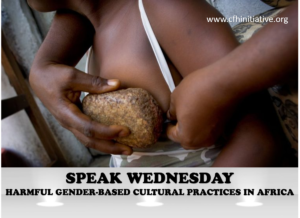
HARMFUL GENDER-BASED CULTURAL PRACTICES IN AFRICA

Africa accommodates various cultural, religious and traditional beliefs and practices that encourage discrimination, marginalization and injustice. Women and girls in Africa are mostly subjected to these harmful practices because these cultures encourage male preference and domination.

Female genital mutilation, breast ironing, early marriage, widowhood rites, girls initiation rites, trokosi, sororate, levirate, inability to access good healthcare especially during childbirth, lack of access to education and good nutrition, lip plate, milk teeth extraction, eyebrow incision are some of the harmful cultural practices melted out to women and girls in Africa. Females are groomed to fit into these stereotypes and are stigmatized when they do otherwise.

Female genital mutilation can lead to serious health complications such as infection, infertility, prolonged bleeding and complications during delivery, often leading to death. Infants of teenage mothers are likely to be still born or die in the first month of life. Pregnant and nursing mothers who suffer malnourishment are majorly victims of early marriage, who dropped out of school and may never get the opportunity to return.

Some victims of harmful cultural practices run away to break free from these practices, only to become vulnerable to sexual predators and human traffickers. They could suffer emotional and psychological damage that may lead to depression and suicide.  Other effects include pain, resentment for sex, premature birth, low birth weight, increased violence against women and girls, increased risk of contracting HIV and STIs, impaired emotional and sexual relations, social stigma and isolation.

Raising awareness on the dangers of harmful gender-based cultural practices in Nigeria is one of the effective ways to curb this silent menace. Just like Centre for Family Health Initiative, other Community Based Organizations and Non-Governmental Organizations can work with communities to source ways to end harmful practices and promote gender equality. The government should enact policies at all levels to protect women and girls, ensuring that these policies are implemented irrespective of the socioeconomic class.

Free education, skill acquisition trainings, increased access to basic health amenities, especially for the poor and vulnerable are measures that can aid the eradication of harmful practices in communities.

Speak Wednesday is an initiative of Centre for Family Health Initiative to stop the cycle of domestic violence by breaking the silence around gender based violence. Join us every Wednesday on all our social media handles for more episodes.

SPEAK WEDNESDAY Read More »

MONDAY HEALTH BURST – JUVENILE ARTHRITIS

MONDAY HEALTH BURST – JUVENILE ARTHRITIS

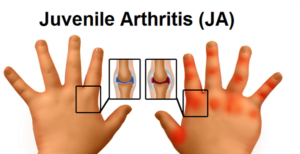
Formerly known as Juvenile Rheumatoid Arthritis (JRA), Juvenile Arthritis according to the initial word “Juvenile” occurs in children, which of course dispels the myth that only adults or the elderly suffer from arthritis. Juvenile Arthritis occurs when the body’s immune system attacks its own cells and tissues and it begins in its patients before the age of 16. However, for it to be referred to as chronic arthritis, symptoms must have persisted for more than 6 weeks.

According to the American College of Rheumatology, United States of America, 1 in a 1000 children develops chronic arthritis. In Nigeria according to Olaosebikan et al (2017) in the journal of advanced rheumatology, there is a fair share of JRA cases but due to lack of paediatric rheumatologists, awareness and diagnosis of cases is low. Hence, the urgent need for awareness creation.

The cause of juvenile arthritis is not yet known, but they may likely be due to a combination of genetic factors, environmental exposures and the child’s immune system, as it is the case with most autoimmune diseases. Symptoms may include but not limited to joint pain, rashes, stiffness, swelling, and fever.

Pain: The child may complain of pains at joints, mostly the leg joints.

Stiffness: Noticeable limping of the child in the mornings and after moments of sleeping.

Swelling: The large joints that bear weight like the knee joint and ankle joints are the first site seen to having swellings.

Fever: Spikes in fever especially at night with accompanying rashes at the trunk and palpable lymph nodes.

Complications of Juvenile Arthritis include inflamation of the eyes which can lead to blindness, growth distruptions, and joint damage. It is also important to note that there is a high ratio of females to males being affected.

To diagnose Juvenile Arthritis, there are a series of blood and body fluid tests as well as Imaging tests that can help the child’s doctor get to the disease, identify the type and possible management which can include medications, physical therapy, improving of child’s nutrition and academic involvement.

There is presently no known means of preventing Juvenile Arthritis, however, breastfeeding, avoiding smoking and not abusing antibiotics are known ways of improving the immune system.

CFHI Monday Health Burst is an initiative of the organization to tackle issues of basic health concerns. Join us every Monday for more health related articles on all our social media platforms.

MONDAY HEALTH BURST – JUVENILE ARTHRITIS Read More »

MONDAY HEALTH BURST

MONDAY HEALTH BURST – COMMON ILLNESSES AND COMPLICATIONS IN ADULTS, CHILDREN AND INFANTS

The common illnesses in adults, children, and infants are treated differently depending on how severe they are and how much they affect the immune system. While some are prevented by getting vaccinations, others are treated with antibiotics (specifically diseases caused by bacteria), antiviral medications for those caused by viruses, and antifungals for those caused by fungi. Since these illnesses and complications are treated differently, it is important to always consult a doctor to get the best treatment option.

For today’s Monday Health Burst, we will be looking at the common illnesses among three different age groups (Adults, Children and Infants). For adults, we have Ischemic Heart Disease; Stroke; Lower Respiratory Tract Infection; Trachea, Bronchus and Lungs Cancers; and Diabetes Mellitus. For children and infants, Acute Pharyngotonsilitis (Sore throat); Ear Pain; and Urinary Tract Infections (UTIS).

ISCHEMIC HEART DISEASE, OR CORONARY ARTERY DISEASE

The deadliest disease in the world is coronary artery disease (CAD), also called ischemic heart disease. CAD occurs when the blood vessels that supply blood to the heart become narrowed. Untreated CAD can lead to chest pain, heart failure, and arrhythmias.

STROKE

A stroke occurs when an artery in the brain is blocked or leaks. This causes the oxygen-deprived brain cells to begin dying within minutes. If left untreated, a stroke can cause long-term disabilities like Hemiplegia, Hemiparesis, Facial palsy, etc.

LOWER RESPIRATORY TRACT INFECTION

A lower respiratory infection is an infection in the airways and lungs. It can be due to viruses or bacteria. Coughing is the main symptom of a lower respiratory infection. One may also feel breathlessness, wheezing, and a tight feeling in the chest. Untreated lower respiratory infections can lead to respiratory failure or death.

TRACHEA, BRONCHUS, AND LUNG CANCERS

Respiratory cancers include cancers of the trachea, larynx, bronchus, and lungs. The main causes are smoking, secondhand smoke, and environmental toxins. Household pollution such as fuels and mold are also causes of Respiratory cancer.

DIABETES MELLITUS

Diabetes is a group of diseases that affect insulin production and use. In type 1 Diabetes, the pancreas can not produce insulin. The cause is not yet known. In type 2 diabetes, the pancreas does not produce enough insulin, or insulin can not be used effectively. Type 2 Diabetes can be caused by a number of factors, including poor diet, lack of exercise, and being overweight. Poorly treated or untreated Diabetes can lead to retinopathy, renal failure, stroke, organ damage or death.


ACUTE PHARYNGOTONSILITIS (SORE THROAT)

Sore throats are common in children and can be really painful. It can be caused by virus or bacteria. A sore throat caused by virus does not need antibiotics. In those cases, no specific medicine is required, and the child should get better after it had ran its course.

EAR PAIN

Ear pain is common in children and can have many causes including ear infection (otitis media), swimmer’s ear (infection of the skin in the ear canal), pressure from a cold or sinus infection, teeth pain radiating up the jaw to the ear, and others.

URINARY TRACT INFECTIONS (UTIS)

UTIs occur when bacteria build up in the urinary tract. UTI can be found in children from infancy through the teen years and into adulthood. Symptoms of a UTI include pain or burning during urination, the need to urinate frequently or urgently, bed wetting. Complications of UTI when left untreated include pyelonephritis which can progress to kidney failure.

Most of these common illnesses are contagious and can spread from person to person, it is hence important to take proper precautions when handling body fluids. Remember the slogan “if it is wet and not yours, do not touch it without a barrier (i.e gloves). Remember to always seek the help of a doctor if any of these symptoms occur, because early diagnosis and treatment is always the best way to survive diseases and complications.

CFHI Monday Health Burst is an initiative of the organization to tackle issues of basic health concerns. Join us every Monday for more health related articles on all our social media platforms.

MONDAY HEALTH BURST Read More »