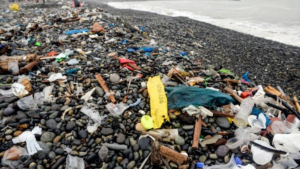
Hygiene

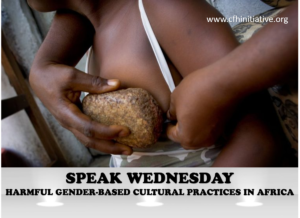
SPEAK WEDNESDAY

HARMFUL GENDER-BASED CULTURAL PRACTICES IN AFRICA

Africa accommodates various cultural, religious and traditional beliefs and practices that encourage discrimination, marginalization and injustice. Women and girls in Africa are mostly subjected to these harmful practices because these cultures encourage male preference and domination.

Female genital mutilation, breast ironing, early marriage, widowhood rites, girls initiation rites, trokosi, sororate, levirate, inability to access good healthcare especially during childbirth, lack of access to education and good nutrition, lip plate, milk teeth extraction, eyebrow incision are some of the harmful cultural practices melted out to women and girls in Africa. Females are groomed to fit into these stereotypes and are stigmatized when they do otherwise.

Female genital mutilation can lead to serious health complications such as infection, infertility, prolonged bleeding and complications during delivery, often leading to death. Infants of teenage mothers are likely to be still born or die in the first month of life. Pregnant and nursing mothers who suffer malnourishment are majorly victims of early marriage, who dropped out of school and may never get the opportunity to return.

Some victims of harmful cultural practices run away to break free from these practices, only to become vulnerable to sexual predators and human traffickers. They could suffer emotional and psychological damage that may lead to depression and suicide.  Other effects include pain, resentment for sex, premature birth, low birth weight, increased violence against women and girls, increased risk of contracting HIV and STIs, impaired emotional and sexual relations, social stigma and isolation.

Raising awareness on the dangers of harmful gender-based cultural practices in Nigeria is one of the effective ways to curb this silent menace. Just like Centre for Family Health Initiative, other Community Based Organizations and Non-Governmental Organizations can work with communities to source ways to end harmful practices and promote gender equality. The government should enact policies at all levels to protect women and girls, ensuring that these policies are implemented irrespective of the socioeconomic class.

Free education, skill acquisition trainings, increased access to basic health amenities, especially for the poor and vulnerable are measures that can aid the eradication of harmful practices in communities.

Speak Wednesday is an initiative of Centre for Family Health Initiative to stop the cycle of domestic violence by breaking the silence around gender based violence. Join us every Wednesday on all our social media handles for more episodes.

SPEAK WEDNESDAY Read More »

MONDAY HEALTH BURST – JUVENILE ARTHRITIS

MONDAY HEALTH BURST – JUVENILE ARTHRITIS

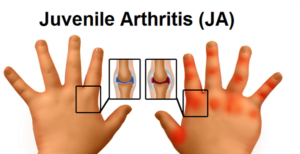
Formerly known as Juvenile Rheumatoid Arthritis (JRA), Juvenile Arthritis according to the initial word “Juvenile” occurs in children, which of course dispels the myth that only adults or the elderly suffer from arthritis. Juvenile Arthritis occurs when the body’s immune system attacks its own cells and tissues and it begins in its patients before the age of 16. However, for it to be referred to as chronic arthritis, symptoms must have persisted for more than 6 weeks.

According to the American College of Rheumatology, United States of America, 1 in a 1000 children develops chronic arthritis. In Nigeria according to Olaosebikan et al (2017) in the journal of advanced rheumatology, there is a fair share of JRA cases but due to lack of paediatric rheumatologists, awareness and diagnosis of cases is low. Hence, the urgent need for awareness creation.

The cause of juvenile arthritis is not yet known, but they may likely be due to a combination of genetic factors, environmental exposures and the child’s immune system, as it is the case with most autoimmune diseases. Symptoms may include but not limited to joint pain, rashes, stiffness, swelling, and fever.

Pain: The child may complain of pains at joints, mostly the leg joints.

Stiffness: Noticeable limping of the child in the mornings and after moments of sleeping.

Swelling: The large joints that bear weight like the knee joint and ankle joints are the first site seen to having swellings.

Fever: Spikes in fever especially at night with accompanying rashes at the trunk and palpable lymph nodes.

Complications of Juvenile Arthritis include inflamation of the eyes which can lead to blindness, growth distruptions, and joint damage. It is also important to note that there is a high ratio of females to males being affected.

To diagnose Juvenile Arthritis, there are a series of blood and body fluid tests as well as Imaging tests that can help the child’s doctor get to the disease, identify the type and possible management which can include medications, physical therapy, improving of child’s nutrition and academic involvement.

There is presently no known means of preventing Juvenile Arthritis, however, breastfeeding, avoiding smoking and not abusing antibiotics are known ways of improving the immune system.

CFHI Monday Health Burst is an initiative of the organization to tackle issues of basic health concerns. Join us every Monday for more health related articles on all our social media platforms.

MONDAY HEALTH BURST – JUVENILE ARTHRITIS Read More »

MONDAY HEALTH BURST

MONDAY HEALTH BURST – COMMON ILLNESSES AND COMPLICATIONS IN ADULTS, CHILDREN AND INFANTS

The common illnesses in adults, children, and infants are treated differently depending on how severe they are and how much they affect the immune system. While some are prevented by getting vaccinations, others are treated with antibiotics (specifically diseases caused by bacteria), antiviral medications for those caused by viruses, and antifungals for those caused by fungi. Since these illnesses and complications are treated differently, it is important to always consult a doctor to get the best treatment option.

For today’s Monday Health Burst, we will be looking at the common illnesses among three different age groups (Adults, Children and Infants). For adults, we have Ischemic Heart Disease; Stroke; Lower Respiratory Tract Infection; Trachea, Bronchus and Lungs Cancers; and Diabetes Mellitus. For children and infants, Acute Pharyngotonsilitis (Sore throat); Ear Pain; and Urinary Tract Infections (UTIS).

ISCHEMIC HEART DISEASE, OR CORONARY ARTERY DISEASE

The deadliest disease in the world is coronary artery disease (CAD), also called ischemic heart disease. CAD occurs when the blood vessels that supply blood to the heart become narrowed. Untreated CAD can lead to chest pain, heart failure, and arrhythmias.

STROKE

A stroke occurs when an artery in the brain is blocked or leaks. This causes the oxygen-deprived brain cells to begin dying within minutes. If left untreated, a stroke can cause long-term disabilities like Hemiplegia, Hemiparesis, Facial palsy, etc.

LOWER RESPIRATORY TRACT INFECTION

A lower respiratory infection is an infection in the airways and lungs. It can be due to viruses or bacteria. Coughing is the main symptom of a lower respiratory infection. One may also feel breathlessness, wheezing, and a tight feeling in the chest. Untreated lower respiratory infections can lead to respiratory failure or death.

TRACHEA, BRONCHUS, AND LUNG CANCERS

Respiratory cancers include cancers of the trachea, larynx, bronchus, and lungs. The main causes are smoking, secondhand smoke, and environmental toxins. Household pollution such as fuels and mold are also causes of Respiratory cancer.

DIABETES MELLITUS

Diabetes is a group of diseases that affect insulin production and use. In type 1 Diabetes, the pancreas can not produce insulin. The cause is not yet known. In type 2 diabetes, the pancreas does not produce enough insulin, or insulin can not be used effectively. Type 2 Diabetes can be caused by a number of factors, including poor diet, lack of exercise, and being overweight. Poorly treated or untreated Diabetes can lead to retinopathy, renal failure, stroke, organ damage or death.


ACUTE PHARYNGOTONSILITIS (SORE THROAT)

Sore throats are common in children and can be really painful. It can be caused by virus or bacteria. A sore throat caused by virus does not need antibiotics. In those cases, no specific medicine is required, and the child should get better after it had ran its course.

EAR PAIN

Ear pain is common in children and can have many causes including ear infection (otitis media), swimmer’s ear (infection of the skin in the ear canal), pressure from a cold or sinus infection, teeth pain radiating up the jaw to the ear, and others.

URINARY TRACT INFECTIONS (UTIS)

UTIs occur when bacteria build up in the urinary tract. UTI can be found in children from infancy through the teen years and into adulthood. Symptoms of a UTI include pain or burning during urination, the need to urinate frequently or urgently, bed wetting. Complications of UTI when left untreated include pyelonephritis which can progress to kidney failure.

Most of these common illnesses are contagious and can spread from person to person, it is hence important to take proper precautions when handling body fluids. Remember the slogan “if it is wet and not yours, do not touch it without a barrier (i.e gloves). Remember to always seek the help of a doctor if any of these symptoms occur, because early diagnosis and treatment is always the best way to survive diseases and complications.

CFHI Monday Health Burst is an initiative of the organization to tackle issues of basic health concerns. Join us every Monday for more health related articles on all our social media platforms.

MONDAY HEALTH BURST Read More »
MONDAY HEALTH BURST

FOOD SAFETY PRECAUTIONS

Food safety is a scientific discipline describing handling, preparation, and storage of food in ways that prevent food-borne illnesses. It is very important to make sure the foods we eat are not contaminated with probable harmful bacteria, toxins, parasites & chemicals.

A critical part of healthy eating is keeping foods safe and the precautions are summarized as clean, separate, cook and chill. Individuals in their own homes can reduce contaminants by following safe food handling practices.

  • Wash hands with soap and water

Wet hands with clean running water and apply soap. Wash for at least 20 seconds under running water and pat dry with a clean paper towel or hand dryer.

  • Sanitize surfaces

Surfaces should be frequently sanitized by washing with mixture of hot soapy water plus disinfectants or bleach.

  • Clean and discard refrigerated foods once a week.

At least once a week, throw out refrigerated foods that should no longer be eaten. Cooked leftovers should be discarded after 4 days; raw poultry and ground meats, 1 to 2 days.

  • Keep appliances clean

Clean cooking appliances regularly inside-out paying attention to the handles and buttons where cross-contamination from hands can occur.

  • Rinse produce

Even if you plan to peel or cut the produce before eating, it is important to thoroughly rinse it first to prevent microbes from transferring from the outside to the inside of the produce.

  • Separate foods when shopping

Separate raw foods in plastic bags and store below ready to eat foods in the refrigerator.

Separate foods when preparing and serving. Never place cooked food back on the same plate or cutting board that previously held raw foods.

  • Use a food thermometer when cooking

A food thermometer is an appliance used to ensure that food is safely cooked and that cooked food is held at safe temperatures until eaten.

  • Cook food to safe internal temperatures

Cook all raw beef, pork, lamb, and veal steaks, chops, and roasts to a safe minimum internal temperature of 145 °F. Cook all poultry, including ground turkey and chicken, to an internal temperature of 165 °F for safety and quality.

  • Keep foods at safe temperatures

Hold cold foods at 40 °F or below. Keep hot foods at 140 °F or above. Foods are no longer safe to eat when they have been in the danger zone between 40-140 °F for more than 2 hours

In order to remain healthy, it is important to observe these food safety precautions. Foods must be safely bought, prepared and stored.

MONDAY HEALTH BURST Read More »
MONDAY HEALTH BURST

MONDAY HEALTH BURST

Studies are limited in how effective the use of face masks on healthy individuals affect the outcome of prevention of a respiratory virus. However, during the Covid-19 pandemic, we have seen nations use the precaution of implementing the use of face masks nationwide and have seen remarkable results on the prevention of the spread of the virus together with hand washing and social distancing. This among other studies led to the recommendation of non medical masks by WHO and Nigeria Centre for Disease Control (NCDC).

According to WHO guidelines, appropriate use and disposal of face masks are essential to ensure that they are effective and to avoid any increase in transmission. Hence, the need for proper sensitization to the proper way of using a face mask and how to dispose it, since so many people had little or no knowledge of what a face mask is prior to the pandemic.

Below are recommended steps on the correct use of face masks by Practices in Healthcare Settings:

  • Place the mask carefully, ensuring it covers the mouth and nose and tie it securely to minimize any gaps between the face and the mask.
  • Avoid touching the mask while wearing it.
  • Remove the mask appropriately by not touching the front of the mask but untie from behind.
  • After removal, clean hands using an alcohol-based hand sanitizer or wash with soap and water.
  • Replace masks as soon as they become dampened.
  • Do not re-use single-use masks.
  • Discard single-use masks after each use and dispose of them immediately upon removal.
  • For non medical masks, make sure to wash with disinfectant as well as soap and water after single use and make sure to dry under the sun. It is also advisable to have more than one non medical mask.

#StaySafe #MondayHealthBurst

MONDAY HEALTH BURST Read More »
MONDAY HEALTH BURST – PROPER HYGIENE AND SANITATION

MONDAY HEALTH BURST – PROPER HYGIENE AND SANITATION:

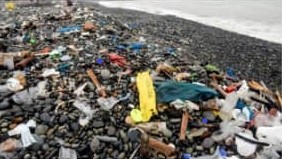
Simply put, hygiene is the personal practices we imbibe that contribute to healthy living like hand washing, hair trimming and keeping nails short and clean, bathing, brushing of teeth morning and evening, among others. Sanitation on the other hand, is the actions and use of tools we combine towards keeping our environment clean, safe and healthy. These include effective drainage and proper waste disposal, how we prepare food, maintain toilet facilities and washing stations.
According to WHO, these practices are important towards the availability of clean water, combating Neglected Tropical Diseases (NTP) like helminths via contaminated soil and water, lymphatic filariasis which affects 1 billion of the world’s poorest people in about 149 countries. It includes prevention of water borne diseases like diarrhoea, cholera and breeding of organisms that cause malaria and onchocerciasis.
Globally, 2.4 billion people lack access to proper toilet facilities, hence, the high rate of open defecation. Over 946 million people worldwide practice open defecation according to a WHO report, leading to contamination of the soil and nearby water bodies, often resulting in diseases affecting communities.
To ensure we understand the scope and scale of the need for hygiene and sanitation, we need to start with us as individuals, making sure we imbibe hygienic practices and sanitize our environment by disposing waste properly, recycling, cleaning of our homes and surroundings, culminating in the next step of community led sanitation. Communities can provide proper latrines and waste disposal means which is an important part of sanitation and can drastically reduce diseases in the communities.
To help build and maintain a healthy community and personal health, especially in this prevailing pandemic, we must embrace proper hygiene and sanitation.
#HygieneAndSanitation #MondayHealthBurst #Stayhome #Staysafe

MONDAY HEALTH BURST – PROPER HYGIENE AND SANITATION Read More »