Monday Health Burst

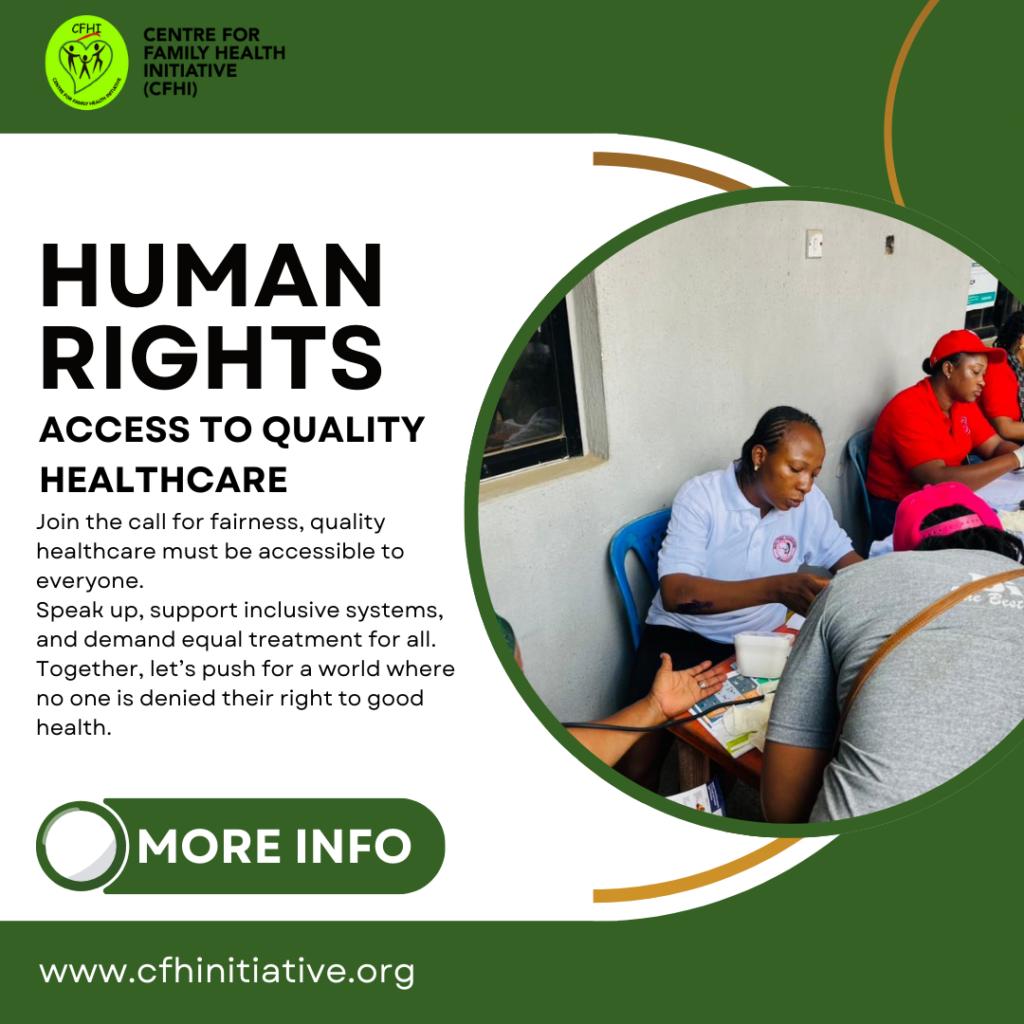
Human Rights and Access to Quality Healthcare for All

Access to quality healthcare is recognized globally as a fundamental human right. Yet, billions of people still cannot exercise this right. Recent WHO and UNICEF estimates, about 1.1 billion people received healthcare in facilities without basic water services, while 3.0 billion lacked access to sanitation services, creating unsafe environments for patients and health workers alike (1). Additionally, 1.7 billion individuals were cared for in facilities without proper hygiene standards, and about 2.8 billion lacked access to safe health-care waste management, exposing communities to preventable infections (1). Another WHO report highlights that nearly one billion people depend on facilities with unreliable or no electricity, making safe childbirth, emergency care, vaccine storage, and laboratory services extremely difficult (2). To address such challenges, CFHI, with support from Grand Challenges Nigeria, recently installed solar birth kits at Rumde PHCC in Adamawa and Gusau PHCC in Zamfara States. These kits provide reliable solar-powered lighting, enabling skilled birth attendants to conduct deliveries safely at night or during power outages, support emergency care, and ensure essential medical equipment can function consistently.

Such deficits represent clear violations of the right to health. Quality healthcare must be safe, clean, affordable, and accessible. Studies further show that poor healthcare access contributes to increased maternal mortality, preventable illnesses among children, late health-seeking behaviour, and financial hardship. Globally, millions face catastrophic out-of-pocket spending on healthcare, pushing vulnerable families into poverty each year (3). Universal Health Coverage frameworks emphasize equity; however, implementation remains slow in many developing countries, especially in rural and underserved communities where health investment is still low.

In Nigeria, although relevant health policies exist, many communities still lack the enabling environment to exercise their health rights, the government has the primary responsibility to provide healthcare services and maintain facilities, the reality is that many health centres remain dilapidated and under-resourced. This situation underscores the urgent need for authorities to prioritize investment in health infrastructure, provide functional equipment, and ensure every facility meets minimum standards to protect the lives of mothers, newborns, and communities. This is where organizations such as Centre for Family Health Initiative (CFHI) contribute meaningfully to bridging the gap. CFHI works to expand equitable healthcare access by implementing interventions that support orphans and vulnerable children, adolescents, caregivers, and low-income households. The organization improves community knowledge on health rights, offers psychosocial support, conducts HIV counselling, testing, and referrals, and assists vulnerable families in navigating access to healthcare facilities (4).

Through capacity building for healthcare workers, stronger health facility linkage, and participatory learning sessions, CFHI promotes informed decision-making and encourages service utilization which are critical elements of health rights implementation. Ultimately, improved health outcomes must go beyond policy frameworks; communities must receive accessible services delivered in dignity, and families must be able to seek care without financial ruin.

Achieving true universal access requires investment in basic facility infrastructure, elimination of discriminatory practices, improved health financing, and strengthened accountability mechanisms. When communities are assured of safety, fairness, and affordability, healthcare becomes a right in practice not merely in principle.

References

  1. World Health Organization and UNICEF. Countries making unprecedented efforts but billions still lack basic services in health-care facilities. WHO website. Available at: https://www.who.int/news/item/24-09-2025-countries-making-unprecedented-efforts-but-billions-still-lack-basic-services-in-health-care-facilities—who-unicef-new-report-warns
  2. World Health Organization. Global progress report on universal access to WASH services in healthcare facilities. WHO website. Available at: https://www.who.int/news/item/24-09-2025-countries-making-unprecedented-efforts-but-billions-still-lack-basic-services-in-health-care-facilities—who-unicef-new-report-warns
  3. World Bank Group. Billions left behind on the path to universal health coverage. World Bank website. Available at: https://www.worldbank.org/en/news/press-release/2023/09/18/billions-left-behind-on-the-path-to-universal-health-coverage
  4. Centre for Family Health Initiative (CFHI). Programme information and reports. CFHI website. Available at: https://www.cfhinitiative.org


Human Rights and Access to Quality Healthcare for All Read More »
World AIDS Day

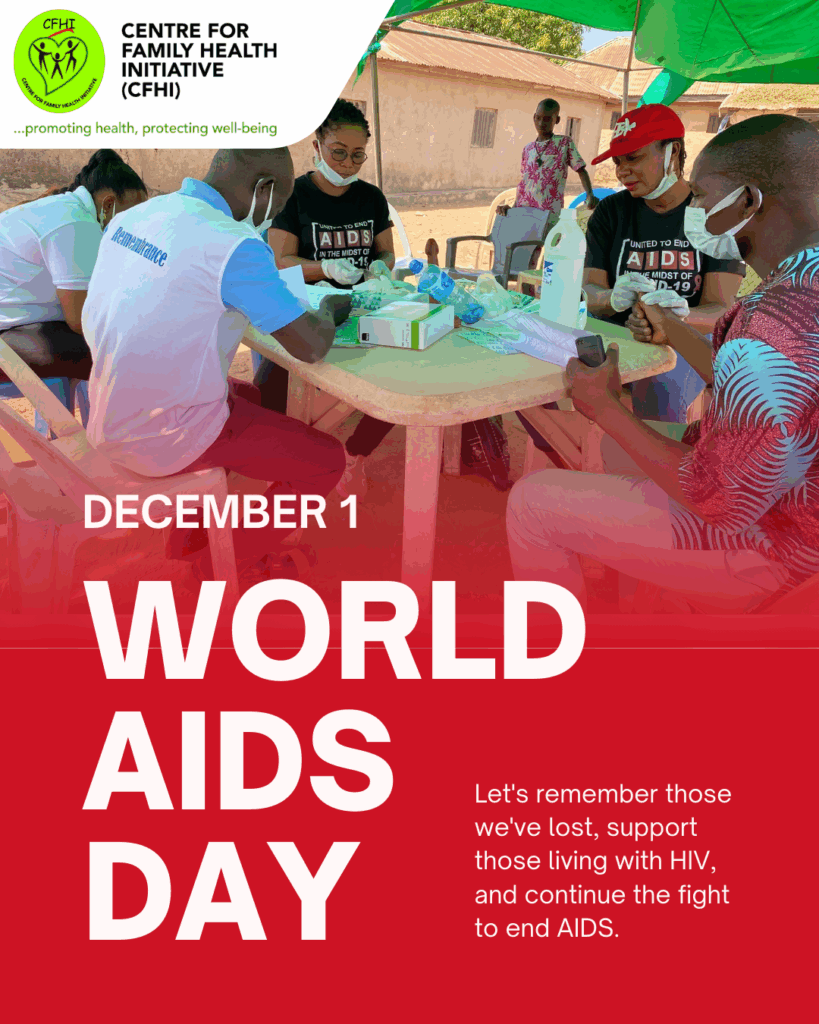
Today, December 1st, the world once again marks World AIDS Day, a global reminder of our shared responsibility to end HIV and support people living with it. This year’s theme, “Overcoming Disruption, Transforming the AIDS Response,” highlights the urgent need to rebuild stronger, more resilient, and equitable systems that ensure no one is left behind in HIV prevention and care [1]. Despite decades of progress, HIV continues to thrive where misinformation, stigma, poverty, and limited access to health services persist, especially among vulnerable groups such as adolescents, young women, and key populations [2].

Understanding how HIV spreads remains essential. The virus is transmitted through unprotected sexual intercourse, sharing contaminated needles, mother-to-child transmission during pregnancy, birth, or breastfeeding, and rarely through unscreened blood transfusion [3]. It is important to emphasize that HIV cannot be transmitted through casual contact, which means stigma rooted in misinformation must continue to be challenged [4]. Prevention remains powerful when individuals consistently use condoms, access regular HIV testing, utilize PrEP when at risk, avoid sharing needles, and ensure pregnant women living with HIV receive PMTCT services [5]. Effective treatment such as antiretroviral therapy suppresses viral load, making HIV untransmittable when undetectable (U=U), a breakthrough in global HIV care [6].

The Centre for Family Health Initiative (CFHI) remains committed to strengthening the HIV response through coordinated community engagements that include HIV testing, counselling, prevention education, PMTCT support, stigma reduction activities, and linkage to care for individuals and families. Over the years, CFHI has collaborated with partners such as Excellence and Friends Management Care Centre (EFMC), the Catholic Caritas Foundation of Nigeria (CCFN), and the Institute of Human Virology Nigeria (IHVN). These partnerships have supported CFHI in reaching over 14,000 children and caregivers with essential HIV-related services. Currently, CFHI continues to work actively with IHVN alongside support from the FCT Social Development Secretariat (SDS) to provide ongoing care, and treatment adherence services to about 6,000 children and their caregivers. Through its OVC programming, CFHI remains committed to improving long-term health, resilience, and stability for vulnerable families affected by HIV.

As Nigeria joins the global community in commemorating World AIDS Day 2025, it is essential for the government to strengthen its leadership in the national HIV response. This includes increasing investment in public health systems, ensuring consistent availability of testing kits and antiretroviral medications, expanding prevention programs such as PrEP and PMTCT, and improving data management for timely decision-making. Government action is also needed to address stigma through nationwide awareness campaigns, to support state-level implementation of HIV programs, and to create enabling environments where community organizations, healthcare workers, and development partners can scale interventions effectively. HIV is preventable and treatable, and with informed choices, prioritizing equitable access to services, sustaining political commitment, and collective action, Nigeria can accelerate progress toward ending AIDS as a public health threat.

Everyone is encouraged to take responsibility by getting tested, reducing risk, supporting those living with HIV, and rejecting stigma in every form.


References

  1. World Health Organization. World AIDS Day 2025 Theme: Overcoming Disruption, Transforming the AIDS Response. Geneva: WHO; 2025. https://www.who.int
  2. UNAIDS. Global HIV & AIDS Statistics — Fact Sheet 2025. Joint United Nations Programme on HIV/AIDS; 2025. https://www.unaids.org/en/resources/fact-sheet
  3. Centers for Disease Control and Prevention. HIV Transmission Overview. Atlanta: CDC; 2024. https://www.cdc.gov/hiv/basics/transmission.html
  4. UNAIDS. Confronting HIV Stigma and Discrimination. Joint United Nations Programme on HIV/AIDS; 2024. https://www.unaids.org/en/key-programmes/stigma-discrimination
  5. World Health Organization. HIV Prevention Guidelines. Geneva: WHO; 2024. https://www.who.int/health-topics/hiv
  6. UNAIDS. Undetectable = Untransmittable (U=U) Scientific Update. Geneva: UNAIDS; 2024. https://www.unaids.org/en/resources/presscentre/featurestories/2024/u-u
  7. Centre for Family Health Initiative. Community HIV Services and OVC Support Report. Abuja: CFHI; 2024. https://www.cfhinitiative.org

World AIDS Day Read More »

MONDAY HEALTH BURST

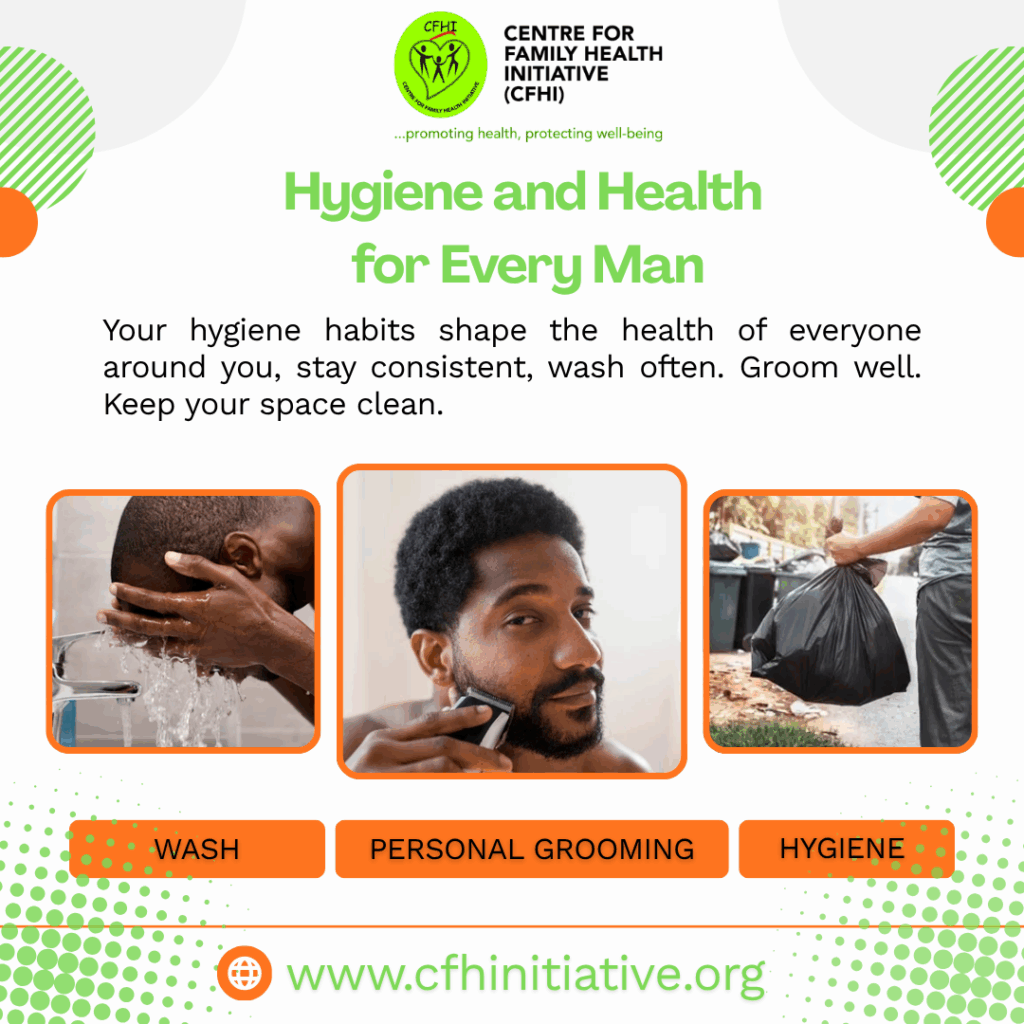
Hygiene and Health for Every Man

Good hygiene is not only a personal responsibility but a fundamental aspect of disease prevention, dignity, and overall well-being for men across all ages. Research shows that poor hygiene contributes significantly to the global burden of infectious diseases. According to the World Health Organization, inadequate hygiene practices account for nearly 432,000 deaths annually from diarrheal diseases alone (1) with millions more suffering from preventable infections linked to poor personal and environmental hygiene. Studies also reveal that men are statistically less likely than women to engage in consistent hygiene routines, including regular handwashing, oral care, and preventive health screenings. A 2022 global survey noted that over 65% of men admit to skipping basic hygiene routines (2) increasing their vulnerability to infections, skin diseases, urinary tract complications, and communicable illnesses. Poor hygiene also affects mental health, social interactions, productivity, and overall quality of life, especially in environments where men are primary earners and caregivers.

The implications of poor hygiene for men extend far beyond physical health. Lack of proper personal and environmental cleanliness can affect workplace productivity, family health, and community wellness. For example, studies show that effective handwashing alone can reduce respiratory infections by over 21% (3) yet many men either neglect this simple act or lack access to clean water and safe sanitation facilities. Globally, 3.5 billion people still lack safe sanitation (4) and this affects men in marginalized communities disproportionately, often exposing them to contaminated environments and increasing their risk of illness. Oral hygiene is another overlooked aspect; research indicates that men are 40% less likely than women to seek dental care (5) leading to higher rates of gum disease, which has been linked to heart disease, stroke, and diabetes. Hygiene is not just cleanliness it is a cornerstone of preventive health.

As we commemorate International Men’s Day and World Toilet Day, we encourage, admonish, and advise men everywhere to stay true to hygiene and neatness. Cleanliness is strength. Hygiene is responsibility. And taking care of your health is an act of leadership and self-respect. Men must break free from harmful cultural norms that label hygiene awareness as weakness or unmanliness. True masculinity includes caring for one’s body, environment, and overall well-being. A healthy man becomes a healthier father, partner, colleague, and community member. The global theme for this period emphasizes dignity, safe sanitation, and improved well-being for everyone and men must be active participants in this movement.

Wash your hands often, maintain proper grooming, care for your oral health, keep your environment clean, use toilets responsibly, practice safe sanitation, and seek regular health checks. Small habits save lives. Hygiene is health, and health is power. Let this be a reminder that healthier men build stronger families, stronger communities, and a stronger nation.

For enquiries, partnerships, or to invite CFHI for sensitization programs, kindly contact us via: info@cfhinitiative.org 


References

  1. World Health Organization. Diarrhoeal disease. 2023. Available from: https://www.who.int/news-room/fact-sheets/detail/diarrhoeal-disease
  2. Global hygiene behaviours survey results. 2022. Available from: https://yougov.co.uk/topics/health/articles-reports
  3. Centers for Disease Control and Prevention. Show Me the Science – How to Wash Your Hands. 2023. Available from: https://www.cdc.gov/handwashing/show-me-the-science-handwashing.html
  4. World Health Organization & UNICEF. Progress on household drinking water, sanitation and hygiene 2023 update. Available from: https://www.who.int/publications/i/item/9789240073347
  5. American Dental Association. Oral health and men’s health. 2022. Available from: https://www.ada.org/resources/research/science-and-research-institute


MONDAY HEALTH BURST Read More »

MONDAY HEALTH BURST

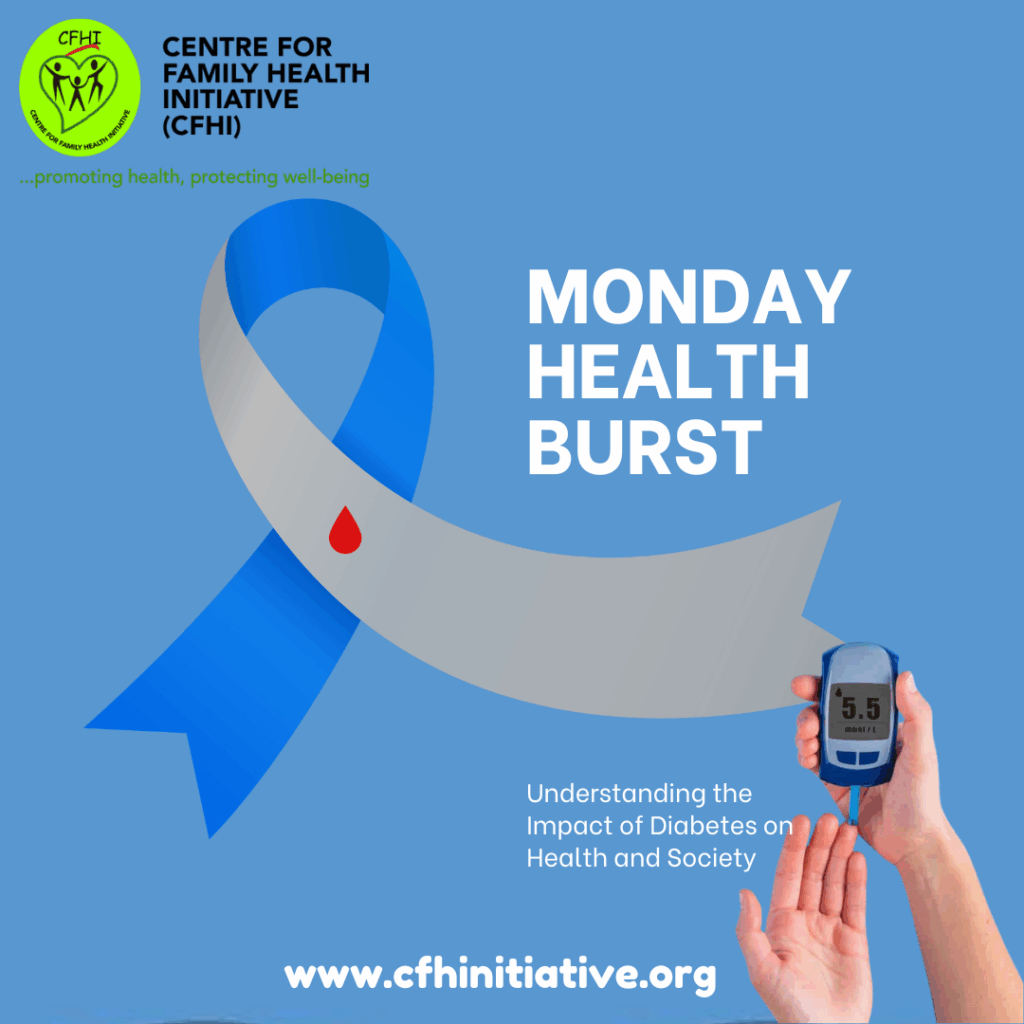
Early Detection and Lifestyle Choices Against Diabetes

Diabetes has become one of the fastest-growing health challenges globally, claiming millions of lives and affecting countless families. According to the World Health Organization (WHO), more than 537 million adults are living with diabetes, and that number is projected to rise to 643 million by 2030. The International Diabetes Federation (IDF) also notes that one in ten adults currently lives with diabetes, and nearly half are undiagnosed meaning millions are silently living with the condition without receiving the care they need [1,2].

Early detection is a vital weapon in the fight against diabetes. Type 2 diabetes, which accounts for around 90% of all cases, often develops gradually, showing little or no symptoms until complications such as heart disease, kidney failure, or vision loss have already set in. Detecting the disease early allows for timely medical intervention, lifestyle modification, and proper management, which significantly reduces the risk of complications and improves long-term outcomes. Studies have shown that early diagnosis and treatment of diabetes reduce cardiovascular and renal complications and lower overall mortality rates [3].

One of the most remarkable pieces of evidence for prevention comes from the Diabetes Prevention Program (DPP), a landmark study in the United States. The research found that participants who adopted healthier diets, engaged in moderate physical activity for about 150 minutes per week, and achieved modest weight loss reduced their risk of developing diabetes by 58% compared to those who did not make lifestyle changes [4]. This clearly shows that lifestyle choices particularly nutrition, exercise, and maintaining a healthy body weight play a powerful role in preventing or delaying diabetes.

Healthy living begins with awareness. Regular screening for blood glucose levels, blood pressure, and weight helps individuals know their risk status early. The Centers for Disease Control and Prevention (CDC) recommends that adults aged 35 and above, or younger people with risk factors such as obesity, family history of diabetes, or sedentary lifestyle, undergo regular diabetes screening [5]. Screenings should not stop at diagnosis; they should be paired with counseling, education, and access to proper care for effective management. The World Health Organization stresses that integrated care, including screening and education, remains essential for effective diabetes control [6].

In Nigeria, diabetes continues to pose significant public health challenges, driven by persistent rise in medication costs7, limited awareness, unhealthy diets, and rapid urban lifestyle changes. Recognizing this, the Centre for Family Health Initiative (CFHI) has consistently raised awareness about diabetes prevention and care. Through its Diabetes Awareness and Care (DAC) project in Imo state, CFHI has conducted free diabetes screening for over 36,000 persons, alongside health education sessions and outreach campaigns reaching about half a million individuals to encourage early testing and lifestyle change. These community-based interventions mirror global best practices, showing that education and early detection can help prevent diabetes and its complications before they start.

Ultimately, combating diabetes requires a joint effort from individuals, communities, health systems, and the government. While early detection helps identify risks, lifestyle choices, healthy eating, regular exercise, and avoiding harmful habits remain the cornerstone of prevention. As CFHI continues to promote healthier communities through advocacy, education, and screening programs, the message remains clear: diabetes can be managed and even prevented when detected early and addressed with healthy lifestyle choices.

As the world marks World Diabetes Day 2025 under the theme “Empowering Lives Through Early Detection and Access to Care”, it is a timely reminder that diabetes prevention starts with awareness and action. CFHI joins the global community in calling for affordable access to care, increased access to screening opportunities, education, and quality healthcare services for all. Together, we can build a future where early detection saves lives, and healthy lifestyle choices protect generations from the silent burden of diabetes.


References

  1. World Health Organization. Diabetes. Geneva: WHO; 2024. Available from: https://www.who.int/health-topics/diabetes
  2. International Diabetes Federation. IDF Diabetes Atlas. Brussels: IDF; 2024. Available from: https://diabetesatlas.org
  3. Herman WH, Ye W, Griffin SJ, et al. Early detection and treatment of type 2 diabetes reduce cardiovascular morbidity and mortality: simulation and trial evidence. Diabetes Care. 2015;38(8):1449–1455. Available from: https://www.ncbi.nlm.nih.gov/pmc/articles/PMC4512138/
  4. Knowler WC, Barrett-Connor E, Fowler SE, et al. Reduction in the incidence of type 2 diabetes with lifestyle intervention or metformin. N Engl J Med. 2002;346:393–403. Available from: https://www.nejm.org/doi/full/10.1056/NEJMoa012512
  5. Centers for Disease Control and Prevention. Diabetes Screening: Who Should Get Tested and When. CDC; 2024. Available from: https://www.cdc.gov/diabetes/data-research/research/diabetes-screening-eligible.html
  6. World Health Organization. World Diabetes Day: Prevention and Early Detection of Diabetes. WHO; 2024. Available from: https://www.who.int/news-room/events/detail/2024/11/14/default-calendar/world-diabetes-day-2024
  7. Punch Health Wise. Diabetes patients lament as cost of medications rises from N70,000 to N180,000. Available from: (NAN, 2024)


MONDAY HEALTH BURST Read More »

MONDAY HEALTH BURST

Clean Water, Healthy Living

Water is the foundation of life, yet many communities continue to live without safe and reliable access to it. Globally, an estimated 2.2 billion people lack safely managed drinking-water services1. Clean water isn’t just a convenience it is a necessity for good health, hygiene, and dignity.

Clean water plays a critical role in preventing illness and supporting overall well-being. Contaminated water is a key driver of diseases such as cholera, typhoid, diarrhoea, and dysentery, which disproportionately affect children under five and other vulnerable populations2. Reliable water access supports proper handwashing, hygiene, and safe food preparation all of which reduce disease transmission and promote healthier communities.

Beyond drinking, safe water is essential for everyday hygiene washing hands, bathing, cleaning, and preparing food. In areas where water is scarce or unsafe, these basic practices become difficult or impossible. Studies show that consistent access to safe water and good hygiene can reduce diarrhoeal diseases by up to 40% and other infections by significant margins2.

In the Federal Capital Territory (FCT) of Nigeria, the gap between water infrastructure and access is stark. For instance, in Takushara (AMAC) and Karshi, residents rely on streams or shallow wells as their main water sources both unreliable and unsafe3. One mother explained that a ₦1,000 water truck might last only two days for her household with a newborn. Similarly, in Gosa Kpai Kpai (AMAC) and several villages in Kuje, such as Kutasa, Tukaba 1, Tukaba 2, and Kabin-Mangoro, open defecation is still common, and pond water remains the only available option4. Another assessment revealed that about 65% of boreholes in rural Abuja are non-functional, further limiting safe water access5.

These realities illustrate how lack of clean water directly impacts community health outcomes. Women and children bear the heaviest burden traveling long distances to fetch water, managing limited supplies for daily needs, and facing greater exposure to water-borne diseases. In maternity and child health settings, the absence of clean water increases the risk of infection, discourages facility delivery, and worsens maternal and neonatal outcomes3.

Efforts to improve access through functional boreholes, piped services, community management, and hygiene education are essential for promoting healthy living. When communities have nearby safe water, children attend school more regularly, families stay healthier, and households are freed from the strain of fetching water. Clean water is not merely a basic service it’s a pathway to health, empowerment, and sustainable development.

At the Centre for Family Health Initiative (CFHI), we continue to advocate for and implement community-based interventions that promote Water, Sanitation, and Hygiene (WASH) practices. Through school health clubs, health education, and sensitization campaigns, CFHI empowers individuals and families to understand the importance of clean water, proper sanitation, and hygiene behaviours. In addition to awareness initiatives, CFHI has provided WASH facilities in schools with support from IHVN. These collective efforts help prevent disease, promote healthy living, and support progress toward Sustainable Development Goal 6 Clean Water and Sanitation for All.

Monday Health Burst is an initiative of CFHI to address issues of basic health concern. Join us every Monday on all our social media platforms for more episodes.

References

  1. World Health Organization. Drinking-water (Fact sheet). Geneva: WHO; 2024. Available from: https://bit.ly/WHO-drinkingwater
  2. World Health Organization/UNICEF Joint Monitoring Programme. Water, sanitation and hygiene (WASH) monitoring: 2.2 billion people lack safely managed drinking water services. Geneva: WHO/UNICEF; 2025. Available from: https://bit.ly/JMP-Water2023
  3. Radio Nigeria. Water scarcity threatens maternal health in FCT communities. Abuja: Federal Radio Corporation of Nigeria; 2024 Jun 21. Available from: https://bit.ly/RadioNG-WaterFCT
  4. ICIR Nigeria. Water crisis deepens in Abuja communities amid unsafe sanitation. Abuja: ICIR; 2024. Available from: https://bit.ly/ICIR-AbujaWater
  5. Nonfunctional boreholes worsening water crisis in Abuja. Nigeria: WASHNIGERIA; 2024. Available from: https://bit.ly/WashNG-Boreholes

MONDAY HEALTH BURST Read More »

MONDAY HEALTH BURST

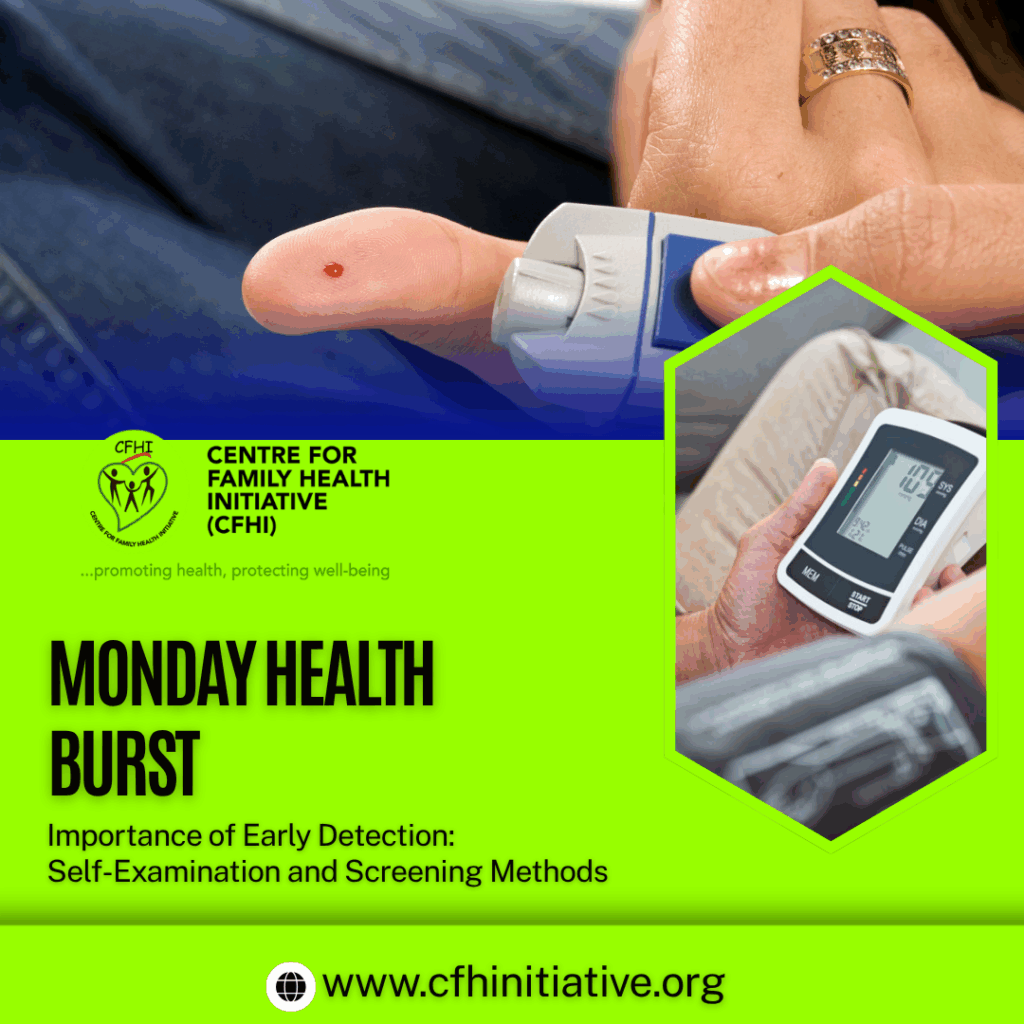
Importance of Early Detection: Self-Examination and Screening Methods
Early detection plays a pivotal role in improving global health outcomes by enabling the prompt diagnosis and management of diseases before they progress to critical stages. According to the World Health Organization (WHO), early detection through regular screening and self-examination significantly reduces mortality rates associated with noncommunicable diseases (NCDs), which account for approximately 74% of global deaths annually1. Diseases such as cancer, diabetes, hypertension, and chronic respiratory illnesses often develop silently, highlighting the necessity for individuals to take proactive measures in monitoring their health2. Evidence shows that screening can lead to a 20–30% reduction in mortality for breast, cervical, and colorectal cancers when implemented consistently3.

Self-examination is a vital preventive health practice that encourages individuals to familiarize themselves with their bodies and recognize unusual changes early. For instance, breast self-examination allows women to detect lumps or abnormalities, which, when reported promptly, can lead to early breast cancer diagnosis and improved survival chances4. Similarly, testicular self-examination helps men identify abnormal growths that could signal testicular cancer, a disease with over 95% survival rate when treated early5. Additionally, individuals can engage in simple health monitoring routines such as checking their blood pressure, blood sugar, and body mass index using approved health tools. However, it is essential to emphasize that self-examination and home monitoring should never replace professional evaluation. They serve as alert systems prompting individuals to seek medical consultation when necessary6

Screening programs complement self-examination by employing medical tests to identify diseases at early stages, often before symptoms manifest. According to the Centers for Disease Control and Prevention (CDC), routine screenings such as Pap smears, mammograms, blood pressure measurements, and HIV testing have been instrumental in reducing the burden of preventable diseases7. For example, the introduction of cervical cancer screening through Pap smears has reduced mortality rates by more than 60% in countries with sustained programs8. Similarly, diabetes screening helps detect prediabetes a condition affecting nearly 10% of adults globally enabling timely lifestyle modification and treatment9. These findings reaffirm that preventive screening is not just a diagnostic tool but a cost-effective strategy for strengthening public health systems.

It is equally important to distinguish between self-examination and self-medication. The WHO warns that misuse of over-the-counter drugs without medical supervision contributes to antimicrobial resistance and adverse health outcomes10. Individuals should instead rely on evidence-based preventive practices regular checkups, health education, and medical screening to maintain their wellbeing. The goal is to empower people to recognize early warning signs while avoiding the dangers of unprescribed medication and misinformation.

At Centre for Family Health Initiative (CFHI), we prioritize early detection as a cornerstone of preventive healthcare. Through our community outreach programs, health education sessions, and screening campaigns, CFHI enlightens individuals on the benefits of routine medical checkups and responsible self-examination. Our interventions promote proactive health-seeking behavior, equip communities with accurate health information, and strengthen early response systems against preventable diseases. By fostering awareness and action, CFHI continues to drive lasting impact in the promotion of health and prevention of illness across Nigeria.

References
[1] World Health Organization. Noncommunicable diseases. WHO.
[2] GBD 2021 Non-Communicable Disease Collaborators. Global burden of disease study 2021. Lancet. 2023;401(10383):1641–1712. https://doi.org/10.1016/S0140-6736(23)00221-2.
[3] International Agency for Research on Cancer. Cancer screening and prevention. IARC.
[4] American Cancer Society. Breast self-exam and awareness. https://www.cancer.org/cancer/breast-cancer/screening-tests-and-early-detection.html.
[5] National Cancer Institute. Testicular cancer treatment (PDQ)–Health professional version. https://www.cancer.gov/types/testicular/hp/testicular-treatment-pdq.
[6] National Institutes of Health. Health monitoring and disease prevention. NIH.
[7] Centers for Disease Control and Prevention. Screening for chronic diseases. CDC.
[8] Arbyn M, Weiderpass E, Bruni L, et al. Estimates of incidence and mortality of cervical cancer in 2020: a worldwide analysis. Lancet Glob Health. 2020;8(2):e191–e203. https://doi.org/10.1016/S2214-109X(19)30482-6.
[9] International Diabetes Federation. IDF Diabetes Atlas, 10th ed. Brussels, Belgium: IDF; 2021. https://diabetesatlas.org/.
[10] World Health Organization. The dangers of self-medication. WHO.

MONDAY HEALTH BURST Read More »

MONDAY HEALTH BURST: OVERVIEW OF BREAST CANCER

Overview of Breast Cancer

Breast cancer remains one of the most prevalent and life-altering diseases affecting millions globally. Despite significant advances in detection and treatment, it continues to pose a major public health challenge.

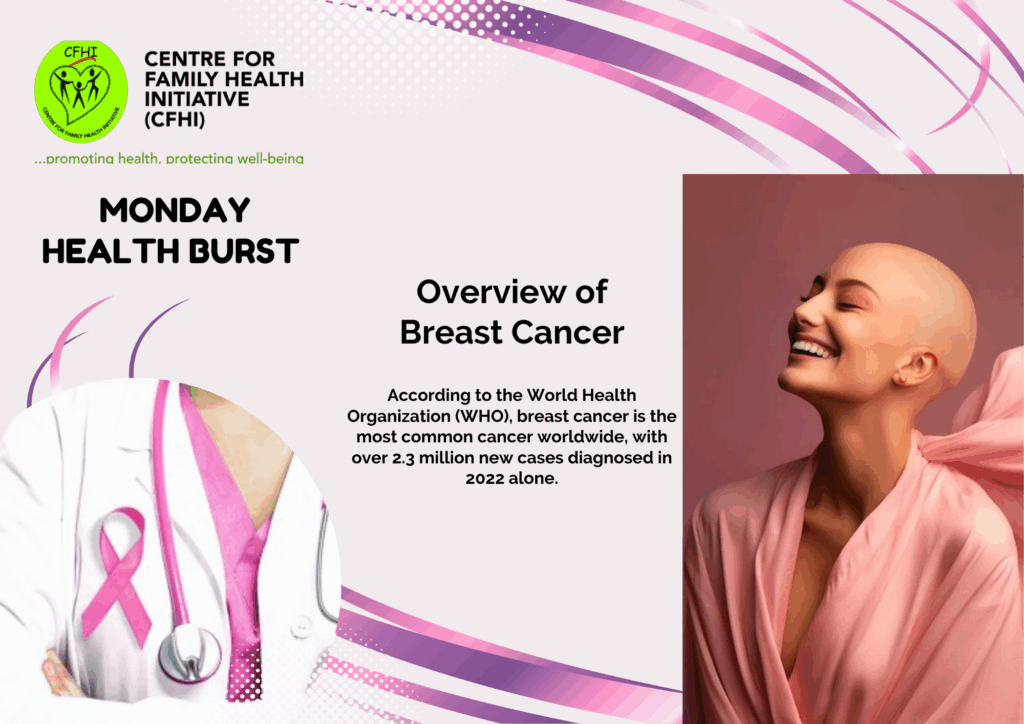
Breast cancer is a malignant tumor that originates in the cells of the breast. It occurs when breast cells mutate and grow uncontrollably, forming a mass of tissue. These cells can invade surrounding tissues and spread to other parts of the body through the lymphatic system or bloodstream—a process known as metastasis. According to the World Health Organization (WHO)1World Health Organization Breast Cancer Fact Sheet. WHO, breast cancer is the most common cancer worldwide, with over 2.3 million new cases diagnosed in 2022 alone.


Types of Breast Cancer

Breast cancer is not a single disease but a group of diseases with various subtypes. The most common types include:

  • Ductal Carcinoma In Situ (DCIS): A non-invasive cancer where abnormal cells are found in the lining of a breast duct but haven’t spread.
  • Invasive Ductal Carcinoma (IDC): The most common type, accounting for about 80% of cases. It begins in the ducts and invades surrounding tissue.
  • Invasive Lobular Carcinoma (ILC): Starts in the lobules (milk-producing glands) and can spread to nearby tissues.
  • Triple-Negative Breast Cancer (TNBC): Lacks estrogen, progesterone, and HER2 receptors, making it more aggressive and difficult to treat.
  • HER2-Positive Breast Cancer: Characterized by overexpression of the HER2 protein, which promotes cancer cell growth.

Each type has different treatment options and prognoses, emphasizing the importance of accurate diagnosis.

Breast cancer development is influenced by genetic, hormonal, and environmental factors. Mutations in genes like BRCA1 and BRCA2 significantly increase the risk. These mutations can be inherited or acquired over time due to exposure to carcinogens, lifestyle factors, or aging.

The process typically follows these stages:

  1. Initiation: Genetic mutations occur in breast cells.
  2. Promotion: Mutated cells begin to multiply.
  3. Progression: Cells form a tumor and may invade surrounding tissues.
  4. Metastasis: Cancer cells spread to other parts of the body.

In Nigeria, breast cancer accounts for 22.7% of all cancer cases among women, globally, 1 in 8 women will be diagnosed with breast cancer in their lifetime. Men are also affected, though less frequently—about 1% of all breast cancer cases occur in men, the highest incidence rates are found in high-income countries, but mortality rates are disproportionately higher in low- and middle-income countries due to late diagnosis and limited access to treatment. Nigerian Cancer Society. Cancer Statistics in Nigeria. NCS


Signs and Symptoms

Common symptoms of breast cancer may include a lump or thickening in the breast or underarm, changes in breast size, shape, or appearance, dimpling or puckering of the skin, nipple discharge (especially if it is bloody), nipple inversion or pain, and redness, scaling, or swelling of the breast or nipple. Regular self-examinations and clinical screenings play a vital role in ensuring early detection. While not all breast cancers are preventable, several strategies can reduce risk:

At CFHI, we are committed to transforming lives through health education, advocacy, and preventive care. We empower individuals and communities with the knowledge and tools they need to make informed health decisions. By fostering a culture of health consciousness, CFHI is helping to reduce the burden of preventable illnesses and build a healthier, more resilient society.

Breast cancer affects millions, but together, we can change the narrative. CFHI invites you to join the movement; whether by attending our health seminars, volunteering in community outreach, sharing educational materials, or simply encouraging loved ones to get screened. Your voice, your time, and your support can save lives.

Monday Health Burst is an initiative of CFHI to address issues of basic health concern. Join us every Monday on all our social media platforms for more episodes.

References

  1. World Health Organization Breast Cancer Fact Sheet. WHO
  2. Nigerian Cancer Society. Cancer Statistics in Nigeria. NCS

MONDAY HEALTH BURST: OVERVIEW OF BREAST CANCER Read More »

MONDAY HEALTH BURST ON SICKLE CELL DISEASE IN PREGNANCY

Sickle Cell Disease (SCD) is a hereditary blood disorder in which red blood cells, normally round and flexible, become rigid and shaped like a crescent or sickle. These abnormal cells can block blood flow, leading to pain crises, organ damage, and increased risk of complications. While SCD affects people at all stages of life, it poses unique challenges for women during pregnancy.

Pregnancy naturally places extra demands on a woman’s body, including increased blood volume and oxygen needs. For women with SCD, these changes can worsen complications, making both mother and baby more vulnerable. Some key risks include:

  • Maternal risks: Severe pain crises, anemia, preeclampsia (high blood pressure in pregnancy), infections, and increased likelihood of needing blood transfusions.
  • Fetal risks: Miscarriage, preterm birth, low birth weight, restricted growth in the womb, and stillbirth.

Despite the risks, many women with SCD go on to have successful pregnancies with proper medical care. Key aspects of management include:

  1. Preconception Counseling: Women with SCD are encouraged to seek genetic counseling and medical advice before pregnancy to understand risks and available options.
  2. Specialist Care: Antenatal care should be provided by a multidisciplinary team, including obstetricians, hematologists, and pediatricians.
  3. Regular Monitoring: Frequent check-ups, blood tests, and ultrasound scans are essential to monitor maternal health and fetal growth.
  4. Preventive Measures: Adequate hydration, folic acid supplementation, malaria prevention (in endemic areas), and vaccines against infections are critical.
  5. Safe Delivery Planning: Mode of delivery (vaginal or caesarean section) should be carefully planned based on the mother’s condition, with access to emergency care and blood transfusion services.

Beyond medical care, social and emotional support is vital. Family and community members can help by ensuring women with SCD have access to balanced nutrition, rest, emotional encouragement, and timely hospital visits.

Sickle Cell Disease in pregnancy is a high-risk condition, but with early diagnosis, specialized medical care, and strong support systems, women can achieve safe pregnancies and healthy babies. Increasing awareness, improving access to quality healthcare, and reducing stigma remain crucial steps toward better outcomes for mothers living with SCD.

References:

Preconception Counseling: Checklist, Benefits & When It Occurs

https://www.who.int/publications/i/item/9789240109124?utm_source

MONDAY HEALTH BURST ON SICKLE CELL DISEASE IN PREGNANCY Read More »

MONDAY HEALTH BURST ON SICKLE CELL DISEASE: RISK FACTORS FOR DEATH

Sickle Cell Disease (SCD) is one of the most common genetic disorders worldwide, affecting millions of people, particularly in sub-Saharan Africa. The condition alters the shape of red blood cells, making them rigid and sickle-like. These abnormal cells block blood flow, reduce oxygen supply, and break down faster than normal red cells. While advances in treatment have improved life expectancy, many individuals with SCD still face a heightened risk of premature death.

One of the leading causes of mortality in SCD is severe infection. Because the spleen gradually loses its function in filtering bacteria, individuals with SCD are highly vulnerable to life-threatening infections such as pneumonia, meningitis, and septicemia.1 Without timely vaccination, antibiotics, and medical attention, these infections remain a major cause of death, especially in children.

Another critical complication is acute chest syndrome, a sudden and severe condition marked by chest pain, cough, and difficulty in breathing. Often triggered by infection, fat embolism, or trapped sickled cells in the lungs, it is one of the deadliest complications and a frequent cause of hospitalization.

Stroke is also a significant risk factor. The blockage of blood vessels in the brain can lead to irreversible damage, disability, or even death. In children with SCD, the risk of stroke is several times higher than in the general population, and without early screening and preventive care, the consequences are often fatal.

In addition, severe anemia can develop when the body rapidly destroys sickled red blood cells. A sudden drop in hemoglobin levels caused by infections, splenic sequestration, or bone marrow suppression can quickly become life-threatening if blood transfusion is not available.

Over time, chronic damage to vital organs such as the kidneys, liver, lungs, and heart also increases the risk of death. Conditions like kidney failure and pulmonary hypertension are particularly common among adults living with SCD and often contribute to premature mortality.

Beyond medical complications, delayed diagnosis and poor access to healthcare remain critical challenges in many parts of the world. Children often die before SCD is even detected, while others lack access to lifesaving treatments like hydroxyurea, routine transfusion therapy, or emergency medical care. Poverty, malnutrition, and stigma further worsen outcomes.

Despite these risks, it is important to emphasize that SCD is not a death sentence. With early diagnosis, comprehensive medical care, preventive measures such as vaccination, and consistent treatment, individuals with SCD can live longer, healthier lives.2 Expanding newborn screening, improving access to affordable treatment, and raising community awareness are crucial steps toward reducing preventable deaths.

References:

  1. https://www.cdc.gov/sickle-cell/complications/complications-of-scd-infection.html

Prevention and Treatment of SCD Complications | Sickle Cell Disease (SCD) | CDC

MONDAY HEALTH BURST ON SICKLE CELL DISEASE: RISK FACTORS FOR DEATH Read More »

MONDAY HEALTH BURST ON SICKLE CELL OVERVIEW: TYPES AND SYMPTOMS

Sickle Cell Disease (SCD) is one of the most common inherited blood disorders, affecting millions of people worldwide, particularly in Africa, including Nigeria. It occurs when the body produces abnormal hemoglobin known as hemoglobin S which causes red blood cells to become rigid, sticky, and shaped like a sickle instead of being round and flexible. These sickle shaped cells can block blood flow, leading to pain and other complications.

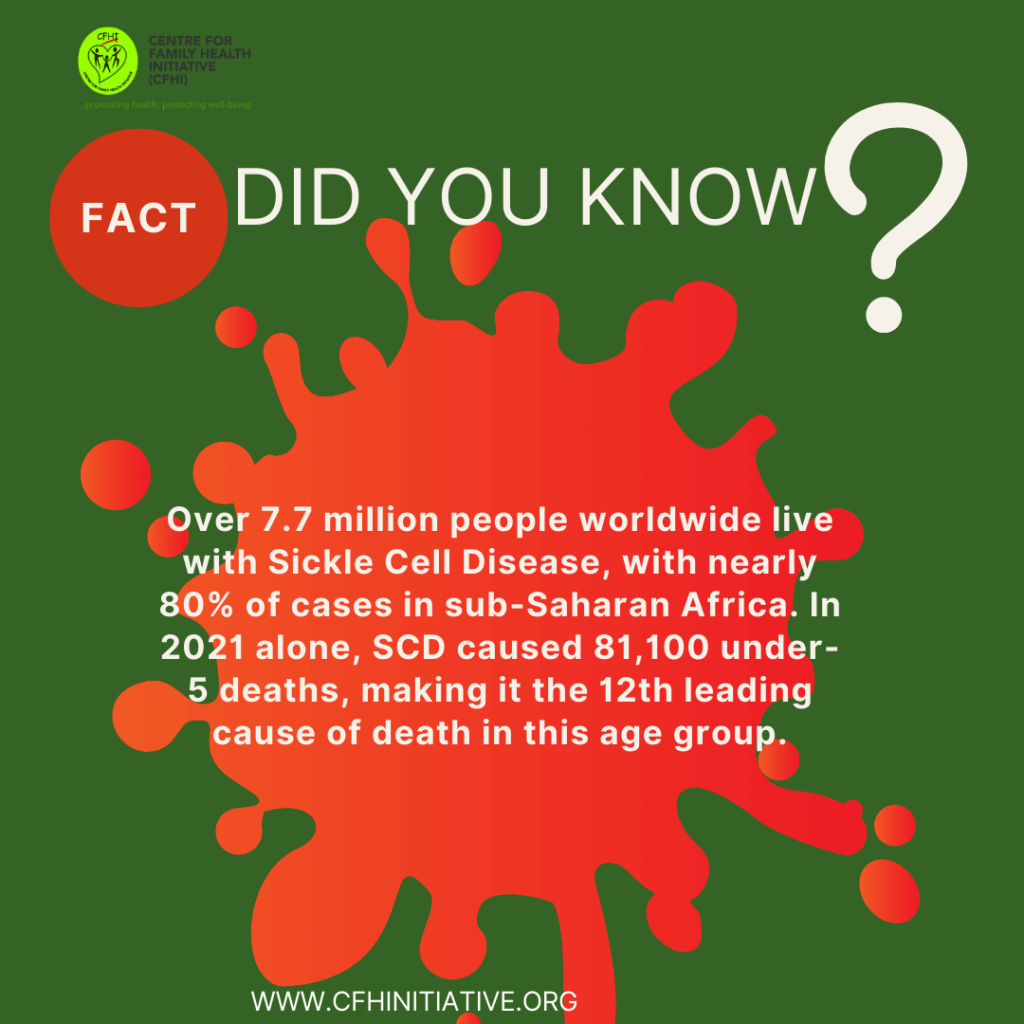
According to the World Health Organization (WHO), an estimated 7.74 million people were living with sickle-cell disease globally, with 515,000 new births recorded, primarily in sub-Saharan Africa, which accounts for nearly 80% of global cases. Sickle-cell disease also contributes significantly to child mortality, causing 81,100 under-5 deaths in 2021, ranking as the 12th leading cause of death in this age group when considering the total mortality burden.

Types of Sickle Cell Disease

There are several forms of SCD, depending on the type of abnormal hemoglobin inherited:

  • HbSS (Sickle Cell Anemia): The most severe type, inherited when a person receives two sickle cell genes, one from each parent.
  • HbSC: Occurs when a person inherits one sickle cell gene and one gene for abnormal hemoglobin C. This type is usually less severe than HbSS but can still cause complications.
  • HbS Beta Thalassemia: Results from inheriting one sickle cell gene and one beta thalassemia gene. Severity depends on the form of thalassemia inherited.
  • Other rare types: Variations occur when the sickle cell gene is combined with other unusual hemoglobin mutations.

Common Symptoms of Sickle Cell Disease

The symptoms of SCD often begin in early childhood and may vary in severity from person to person. They include:

  • Anemia: Caused by the rapid breakdown of sickle cells, leading to fatigue and weakness.
  • Pain Episodes (Crises): Sudden episodes of severe pain in the chest, abdomen, joints, or bones when sickle cells block blood flow.
  • Swelling: Especially in the hands and feet, due to poor circulation of blood caused by blocked blood vessels.
  • Frequent Infections: Sickle cells can damage the spleen, making individuals more prone to infections.
  • Delayed Growth and Puberty: Due to a lack of oxygen and nutrients reaching body tissues.
  • Vision Problems: Blocked blood vessels in the eye can lead to sight issues over time.

Prompt diagnosis and comprehensive care are pivotal in enhancing the lives of those with SCD, involving pain management, blood transfusions, medications, and, in severe cases, bone marrow or stem cell transplantation. Raising awareness and promoting early intervention are essential steps towards alleviating the burden of this disease on affected individuals and their families.

Monday Health Burst is an initiative of CFHI to address issues of basic health concern. Join us every Monday on all our social media platforms for more episodes.

Reference

https://www.who.int/news-room/fact-sheets/detail/sickle-cell-disease

MONDAY HEALTH BURST ON SICKLE CELL OVERVIEW: TYPES AND SYMPTOMS Read More »