Monday Health Burst

MONDAY HEALTH BURST ON SICKLE CELL DISEASE: LIFE EXPECTANCY AND RISK FACTORS FOR DEATH

There is a sickle cell disease (SCD) myth which says that persons with SCD do not live past the age of 21. However, the most recent study (CDC/NCHS, 2013) implies that half of males born with SCD will survive to 78 years and half of females will survive to age 83 years.

 The New England Journal of Medicine states that the peak incidence of death among children with sickle cell anemia occur between 1 and 3 years of age, but this can to a large extent be prevented if newborns are screened and the prophylactic penicillin is administered early to infants with SCD.

 The prominent risk factors for death with persons with SCD are acute chest syndrome, renal failure, seizures, a base-line white-cell count above 15,000 cells per cubic millimeter, and a low level of fetal hemoglobin, but with more awareness and early detection, serious complications may be prevented as SCD patients can obtain information on how to manage the disease.

MONDAY HEALTH BURST ON SICKLE CELL DISEASE: LIFE EXPECTANCY AND RISK FACTORS FOR DEATH Read More »

MONDAY HEALTH BURST ON SICKLE CELL DISEASE IN PREGNANCY

Sickle Cell Disease (SCD) is a genetic blood disorder characterized by the production of abnormal hemoglobin, known as hemoglobin S, which causes red blood cells to assume a rigid, sickle-like shape. These sickle-shaped cells are less flexible and can block blood flow in small blood vessels, leading to pain, organ damage, and increased risk of infection. While SCD presents significant challenges for individuals throughout their lives, pregnancy adds an additional layer of complexity, requiring careful management to ensure the health and safety of both mother and child.

Pregnancy in women with Sickle Cell Disease is considered high-risk due to the potential complications that can arise. The disease can affect almost every aspect of pregnancy, from conception to delivery, with the most common issues including:

Painful Crises: Sickle cell crises, also known as vaso-occlusive episodes, can occur more frequently during pregnancy. These crises are characterized by intense pain, often in the bones, joints, and abdomen, and are caused by the blockage of blood vessels by sickled cells. The stress of pregnancy, along with physiological changes, can trigger these episodes, posing risks to both the mother and the fetus.

Anemia: While anemia is common in all pregnancies, it can be more severe in women with SCD. The sickled red blood cells have a shorter lifespan, leading to chronic anemia, which can worsen during pregnancy. Severe anemia increases the risk of complications such as preterm birth, low birth weight, and intrauterine growth restriction.

Preeclampsia: Women with SCD are at a higher risk of developing preeclampsia, a condition characterized by high blood pressure and damage to other organs, most often the liver and kidneys. Preeclampsia can be life-threatening for both mother and baby if not managed properly, and it may necessitate early delivery.

Infections: SCD increases susceptibility to infections, including urinary tract infections (UTIs) and respiratory infections, which can complicate pregnancy. The spleen, often damaged or non-functional in individuals with SCD, plays a key role in fighting infections, making these women more vulnerable during pregnancy.

Fetal Complications: The fetus is also at risk when the mother has SCD. There is an increased likelihood of miscarriage, stillbirth, preterm delivery, and low birth weight. Moreover, there is a risk that the child may inherit SCD or be born with the sickle cell trait if both parents carry the gene.

Given the potential risks, it is crucial for pregnant women with SCD to receive specialized care from a multidisciplinary team, including obstetricians, hematologists, and pediatricians. The management of SCD during pregnancy involves several key strategies: preconception counseling, regular monitoring, pain management, prevention and treatment of infections, management of anemia, and delivery planning.

Sickle Cell Disease presents significant challenges during pregnancy, but with careful management and comprehensive care, many women with SCD can have successful pregnancies and deliver healthy babies. Early intervention, regular monitoring, and a multidisciplinary approach are key to minimizing risks and ensuring the best possible outcomes. Awareness and education about SCD in pregnancy are vital to empowering women with the knowledge and resources they need to navigate this journey safely.

MONDAY HEALTH BURST ON SICKLE CELL DISEASE IN PREGNANCY Read More »

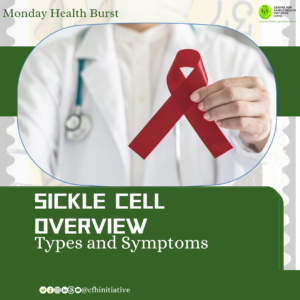
MONDAY HEALTH BURST ON SICKLE CELL OVERVIEW – SYMPTOMS AND TYPES

Sickle cell disease (SCD) is a group of inherited blood disorders that primarily affects the structure and function of hemoglobin, the protein in red blood cells responsible for carrying oxygen throughout the body. Individuals with SCD have abnormal hemoglobin, known as hemoglobin S, which causes red blood cells to become rigid, sticky, and crescent-shaped, resembling a sickle. These deformed cells can obstruct blood flow, leading to a range of complications and symptoms.

Types of Sickle Cell Disease
Sickle cell disease encompasses several related conditions, the most common of which include:

 Sickle Cell Anemia (HbSS):
This is the most severe form of SCD and occurs when an individual inherits two sickle cell genes (one from each parent). The red blood cells primarily contain hemoglobin S, leading to frequent complications.

 Sickle Hemoglobin-C Disease (HbSC):
This type occurs when an individual inherits one sickle cell gene and one gene for hemoglobin C. Hemoglobin C is another abnormal form of hemoglobin, but it’s less severe than hemoglobin S. People with HbSC generally have milder symptoms compared to those with HbSS, though they can still experience significant health issues.

 Sickle Beta-Plus Thalassemia (HbSβ+):
This form results from the inheritance of one sickle cell gene and one gene for beta-thalassemia, a condition that reduces the production of hemoglobin. The severity of symptoms in HbSβ+ can vary, but they are typically milder than HbSS.

 Sickle Beta-Zero Thalassemia (HbSβ0):
This is another form of SCD where the individual inherits one sickle cell gene and one gene for beta-thalassemia. In HbSβ0, the beta-thalassemia gene causes little to no hemoglobin production, making this condition as severe as HbSS.

The symptoms of SCD vary depending on the specific type, but there are common manifestations that many individuals with the condition experience:

Anemia:
The sickle-shaped cells are fragile and prone to breaking apart, leading to a shortage of red blood cells (anemia). This can result in fatigue, weakness, and paleness.

Pain Crises:
Known as vaso-occlusive crises, these episodes occur when sickled red blood cells block blood flow through tiny blood vessels, causing severe pain. Pain can occur in various parts of the body, including the chest, abdomen, and joints.

Swelling of Hands and Feet:
Also known as dactylitis, this symptom is common in infants and young children. It is caused by sickled cells blocking blood flow in the small bones of the hands and feet.

Frequent Infections:
SCD can damage the spleen, an organ that helps fight infections. This makes individuals with SCD more susceptible to infections, particularly pneumonia.
Delayed Growth and Puberty:
Due to chronic anemia and lack of oxygen-rich blood, children with SCD may grow more slowly and reach puberty later than their peers.

Vision Problems:
Sickle cells can block tiny blood vessels in the eyes, leading to damage to the retina and causing vision issues.

Acute Chest Syndrome:
This is a life-threatening complication resembling pneumonia, where sickled cells block blood vessels in the lungs, causing chest pain, fever, and difficulty breathing.

Stroke:
Children and adults with SCD are at risk of stroke due to blocked blood flow to parts of the brain. This can result in severe neurological complications.

Sickle cell disease is a complex and serious condition that requires ongoing medical care and attention. While there is no universal cure, treatments such as pain management, blood transfusions, and bone marrow transplants can help manage symptoms and prevent complications. Advances in research and therapies continue to improve the quality of life for those living with this challenging disease.

MONDAY HEALTH BURST ON SICKLE CELL OVERVIEW – SYMPTOMS AND TYPES Read More »

MONDAY HEALTH BURST ON BREAST CANCER OVERVIEW-CAUSES AND SYMPTOMS

Breast cancer is one of the most common cancers affecting women worldwide, with significant impact on health, families, and communities.1

Breast cancer occurs when cells in the breast tissue begin to grow uncontrollably, forming a tumor that can be felt as a lump or detected through imaging. While most breast cancers are invasive, meaning they have spread from the original ducts or lobules into surrounding breast tissue, there are also non-invasive types that remain confined to the ducts or lobules.

Causes and Risk Factors

The exact cause of breast cancer is not fully understood, but several risk factors have been identified. Approximately 5-10% of breast cancers are linked to inherited gene mutations, such as BRCA1 and BRCA2. Women with these mutations have a significantly higher risk of developing breast cancer.2 Also, prolonged exposure to estrogen and progesterone, whether through early menstruation, late menopause, or hormone replacement therapy, can increase the risk of breast cancer. Additional risk factors are:

Age: The risk of breast cancer increases with age, with most cases diagnosed in women over 50.

Family History: Women with a close relative (mother, sister, daughter) who has had breast cancer are at higher risk.

Lifestyle Factors: Smoking, alcohol consumption, obesity, and lack of physical activity are modifiable risk factors that can contribute to breast cancer development.

Radiation Exposure: Women who have been exposed to radiation, particularly to the chest area, have an increased risk of breast cancer.

Early detection of breast cancer significantly improves the chances of successful treatment. However, symptoms can vary widely, and some women may not experience any noticeable symptoms at all. Common signs to watch for include:

Lump in the Breast or Underarm: A persistent lump or thickening in the breast or underarm area is often the first sign of breast cancer. Not all lumps are cancerous, but they should be evaluated by a healthcare professional.

Changes in Breast Shape or Size: Any unexplained change in the shape, size, or appearance of the breast should be taken seriously.

Nipple Changes: This includes inversion (pulling inward of the nipple), discharge (other than breast milk), or unusual scaling or redness.

Skin Changes: Dimpling, puckering, or redness of the skin over the breast, as well as any changes in texture, can be symptoms of breast cancer.

Breast Pain: While breast pain is more commonly associated with benign conditions, persistent or unexplained pain should be investigated.

Awareness of the causes and symptoms of breast cancer is key to early detection and successful treatment. Regular self-examinations, clinical breast exams, and mammograms are essential tools for catching breast cancer early. If you notice any changes in your breast, it is important to consult with a healthcare provider promptly. Understanding your risk factors and leading a healthy lifestyle can also help reduce the risk of developing breast cancer.

References

  1. https://www.wcrf.org/cancer-trends/breast-cancer-statistics/
  2. https://www.cancer.org/cancer/types/breast-cancer/risk-and-prevention/breast-cancer-risk-factors-you-cannot-change.html


MONDAY HEALTH BURST ON BREAST CANCER OVERVIEW-CAUSES AND SYMPTOMS Read More »

MONDAY HEALTH BURST ON VIRAL HEPATITIS – VACCINE AND TREATMENT

Hepatitis, a viral infection affecting the liver, poses significant global health challenges with various strains leading to potentially severe consequences. Vaccination has proven to be a critical tool in preventing the spread of Hepatitis A and B, while advancements in medical treatments offer hope for those afflicted with Hepatitis C.

Hepatitis A
Vaccine:
The Hepatitis A vaccine is highly effective and is recommended for children over one year of age, travelers to regions with high Hepatitis A rates, and individuals with chronic liver disease. The vaccine is administered in two doses six months apart.

Treatment:
There is no specific treatment for Hepatitis A, as it typically resolves on its own. Supportive care includes rest, hydration, and maintaining a nutritious diet. Patients are advised to avoid alcohol and drugs that can further harm the liver.

Hepatitis B
Vaccine:
The Hepatitis B vaccine is crucial for preventing infection and is administered in a series of three or four shots over six months. It is recommended for all infants at birth, healthcare workers, and individuals at higher risk of exposure.

Treatment:
According to the CDC, there is currently no medication for acute hepatitis B. For mild symptoms, doctors recommend rest, proper nutrition, and adequate hydration. In cases of severe symptoms, hospitalization may be necessary 1. Chronic Hepatitis B may require antiviral medications to reduce liver damage and the risk of liver cancer. Common antivirals include entecavir and tenofovir. Regular monitoring and liver function tests are essential for managing the condition.

Hepatitis C
Vaccine:
Currently, there is no vaccine for Hepatitis C, making prevention through other means, such as safe injection practices and blood screening, vital.

Treatment:
Hepatitis C treatment has advanced significantly with the development of direct-acting antivirals (DAAs). These medications can cure most cases of Hepatitis C, typically within 8 to 12 weeks. Common DAAs include sofosbuvir, ledipasvir, and velpatasvir. Early diagnosis and treatment are crucial to prevent complications such as liver cirrhosis and liver cancer.

Vaccination remains a key preventive measure for Hepatitis A and B, while effective treatments are available for managing and curing Hepatitis B and C. Public health efforts focus on increasing vaccine coverage, improving access to treatments, and promoting safe practices to reduce the incidence of hepatitis infections globally.

REFERENCE:
https://www.cdc.gov/hepatitis-b/treatment/index.html

MONDAY HEALTH BURST ON VIRAL HEPATITIS – VACCINE AND TREATMENT Read More »

OVERVIEW OF HEPATITIS B; CAUSES, TRANSMISSION AND SYMPTOMS

Hepatitis B is a viral infection that attacks the liver and can cause both acute and chronic disease. The hepatitis B virus is highly infectious and can survive outside the body for at least seven days, maintaining its ability to infect. Despite the availability of effective vaccines, hepatitis B remains a major public health challenge.

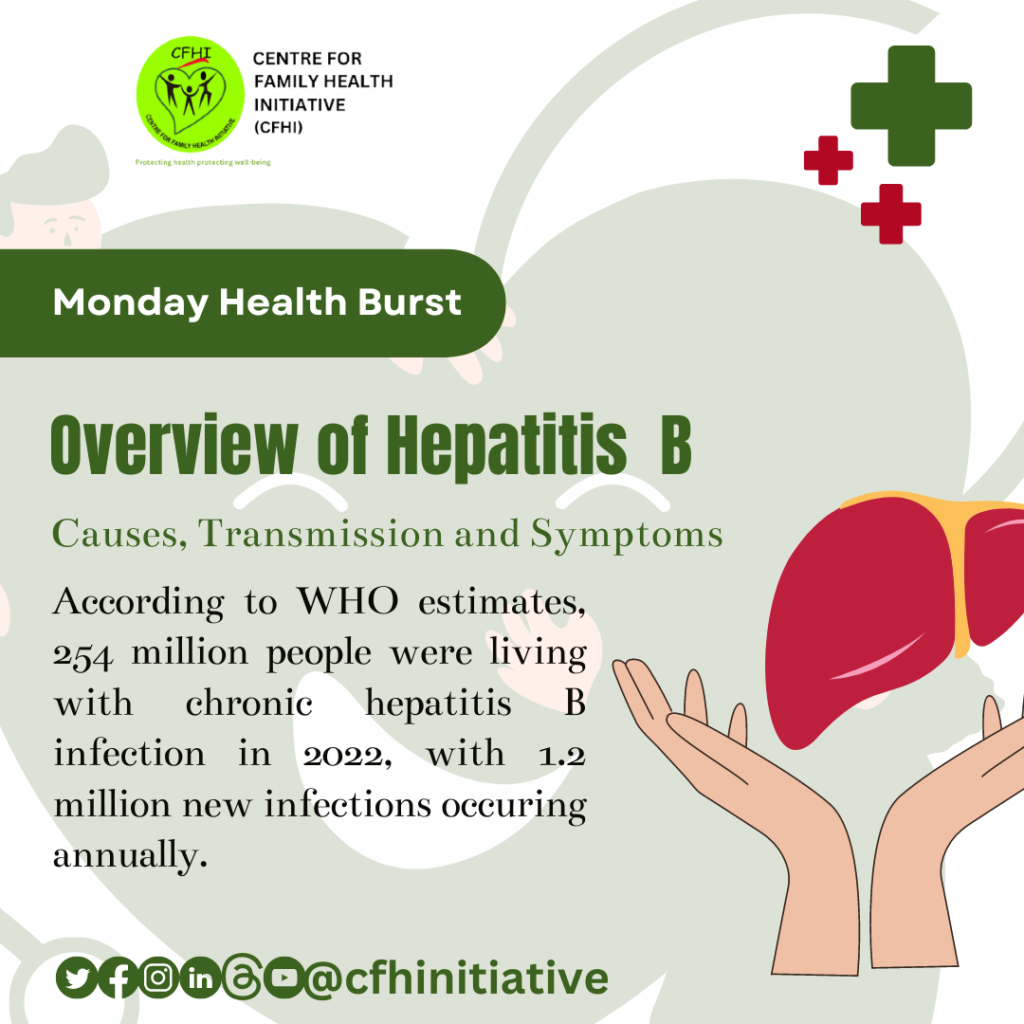
According to WHO estimates, 254 million people were living with chronic hepatitis B infection in 2022, with 1.2 million new infections occurring annually.1

Hepatitis B is primarily transmitted through contact with infectious body fluids, such as blood, semen, and vaginal fluids. Common routes of transmission include:

  • Mother to Child: The most common mode of transmission globally. If a mother is infected with HBV, the virus can be transmitted to the baby during childbirth.
  • Sexual Contact: Unprotected sex with an infected partner can lead to transmission of the virus.
  • Sharing Needles: Using contaminated needles or syringes, especially among intravenous drug users, is a significant risk factor.
  • Blood Transfusions and Medical Procedures: Receiving blood products or undergoing medical procedures with non-sterile equipment can lead to infection.
  • Household Transmission: Sharing personal items like razors or toothbrushes with an infected person can also spread the virus.

The symptoms of hepatitis B can vary from mild to severe and typically appear 1 to 4 months after exposure to the virus. They include:

  • Fatigue
  • Fever
  • Loss of appetite
  • Nausea and vomiting
  • Abdominal pain, particularly near the liver
  • Dark urine
  • Clay-colored stools
  • Joint pain
  • Jaundice (yellowing of the skin and eyes)

In many cases, especially in children, hepatitis B may be asymptomatic, meaning the infected person shows no symptoms.

Over the past five years, CFHI’s hepatitis vaccination campaigns have reached over 5,000 individuals in Nigeria. CFHI joined the global VH Elimination efforts during the 2018 World Hepatitis Day (WHD) to ‘find the missing million.’ In Obi, Nasarawa state, a community with a high prevalence of Hepatitis B and C infections, over 150 people were tested for Hepatitis B and C, and more than 200 individuals received education on viral hepatitis. Also in 2022, CFHI collaborated with Kagini Primary Health Care Centre to commemorate World Hepatitis Day, 2022. Over 100 people were reached and educated about hepatitis and out of those tested, 95 were negative and 5 were positive.

Hepatitis B is a preventable but potentially life-threatening liver infection. Understanding its transmission routes, recognizing symptoms early, and practicing preventive measures are crucial in managing and reducing the spread of hepatitis B. Vaccination remains the most effective tool in preventing HBV infection.


Reference:

https://www.who.int/news-room/fact-sheets/detail/hepatitis-b


OVERVIEW OF HEPATITIS B; CAUSES, TRANSMISSION AND SYMPTOMS Read More »

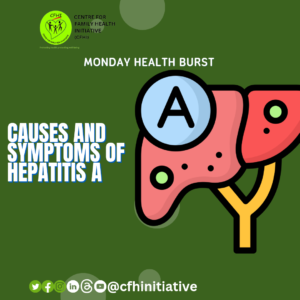
MONDAY HEALTH BURST ON CAUSES, TRANSMISSION AND SYMPTOMS OF HEPATITIS

Hepatitis A is a contagious liver infection caused by the hepatitis A virus (HAV). Unlike other forms of hepatitis, hepatitis A does not cause chronic liver disease, but it can cause acute liver inflammation and is a significant public health concern globally.

According to the Centers for Disease Control and Prevention, in rare cases, hepatitis A can lead to liver failure and even death. This is more common among older adults and individuals with other serious health conditions, such as chronic liver disease.

Causes and Transmission

The hepatitis A virus is typically spread through the fecal-oral route. This means the virus is present in the stool of an infected person and can contaminate food, water, and surfaces. Common sources of infection include:

  • Contaminated Food and Water: Eating raw or undercooked food, especially shellfish from contaminated water, is a common way to contract hepatitis A.
  • Close Personal Contact: Living in the same household or having sexual contact with an infected person increases the risk of transmission.
  • Poor Sanitation and Hygiene: Areas with poor sanitation or overcrowded living conditions are more susceptible to outbreaks.

Symptoms

Symptoms of hepatitis A can range from mild to severe and typically appear 2 to 7 weeks after exposure to the virus. They may include:

  • Fatigue
  • Sudden nausea and vomiting
  • Abdominal pain or discomfort, especially in the upper right side beneath the lower ribs (by your liver)
  • Clay-colored bowel movements
  • Loss of appetite
  • Low-grade fever
  • Dark urine
  • Joint pain
  • Jaundice (yellowing of the skin and eyes)
  • Intense itching

These symptoms usually last less than two months, although some people can be ill for as long as six months. In children under age 6, hepatitis A often causes no symptoms.

Hepatitis A, while typically less severe than other forms of hepatitis, can still cause significant discomfort and disrupt daily life. Understanding the transmission routes, recognizing symptoms early, and practicing preventive measures are crucial in managing and reducing the spread of hepatitis A. Vaccination remains the most effective tool in preventing infection and ensuring public health safety. By staying informed and taking proactive steps, we can protect ourselves and our communities from this contagious disease.

Reference:

https://www.cdc.gov/hepatitis-a/about/index.html


MONDAY HEALTH BURST ON CAUSES, TRANSMISSION AND SYMPTOMS OF HEPATITIS Read More »

MONDAY HEALTH BURST ON HEALTH BENEFITS OF FAMILY PLANNING

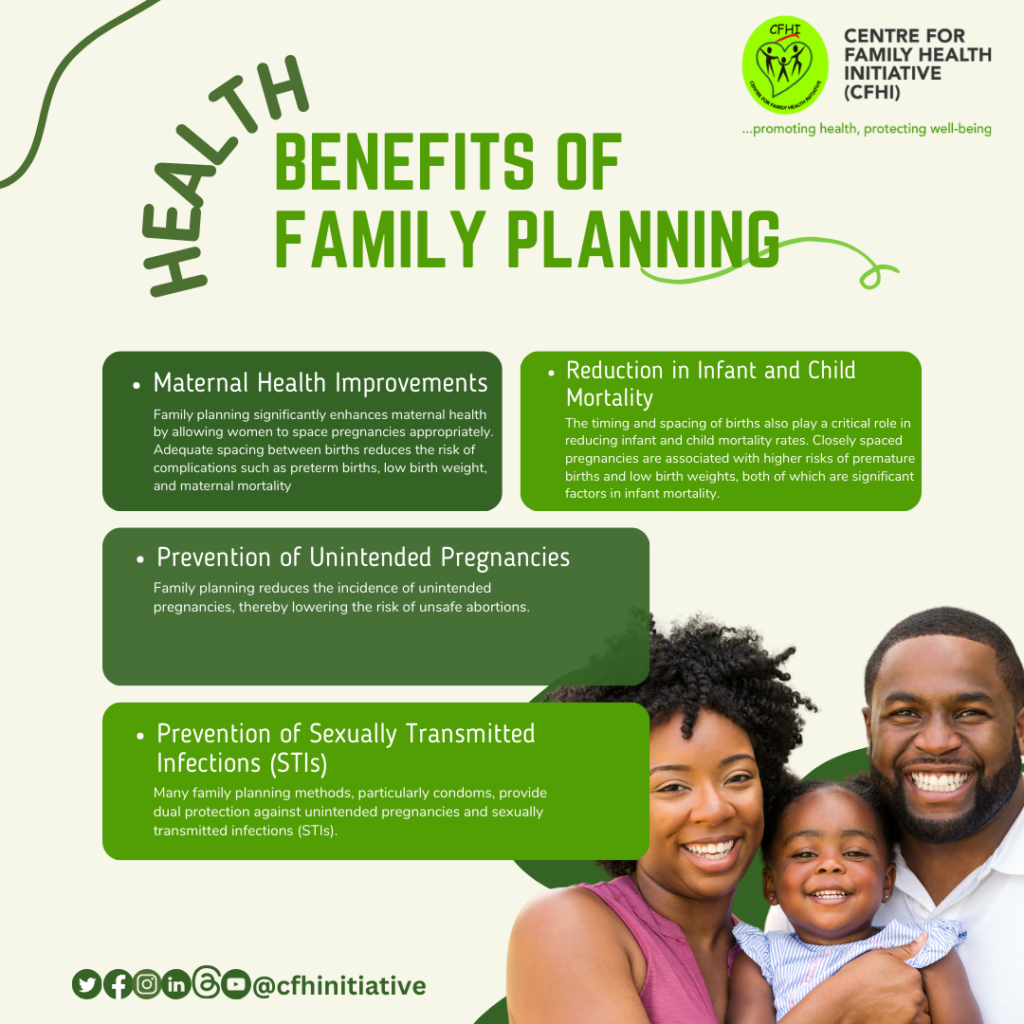
Family planning is an essential component of public health, empowering individuals and couples to determine the number and spacing of their children. Its impact extends beyond individual well-being, fostering healthier families, communities, and societies at large. Access to comprehensive family planning services is therefore crucial for achieving global health and development goals.

  • Maternal Health Improvements

Family planning significantly enhances maternal health by allowing women to space pregnancies appropriately. Adequate spacing between births reduces the risk of complications such as preterm births, low birth weight, and maternal mortality.1 Pregnancies that are too close together can strain a woman’s body, leading to health issues such as anemia and uterine rupture. By using family planning methods, women can recover fully before conceiving again, ensuring a healthier pregnancy and delivery.

  • Reduction in Infant and Child Mortality

The timing and spacing of births also play a critical role in reducing infant and child mortality rates. Closely spaced pregnancies are associated with higher risks of premature births and low birth weights, both of which are significant factors in infant mortality. Furthermore, adequate birth spacing allows parents to provide better care and attention to each child, leading to improved health and developmental outcomes.

  • Prevention of Unintended Pregnancies

Unintended pregnancies can lead to various health risks, including unsafe abortions, which are a significant cause of maternal mortality worldwide. Family planning reduces the incidence of unintended pregnancies, thereby lowering the risk of unsafe abortions. Additionally, it helps women and couples make informed decisions about their reproductive health, contributing to overall well-being.

  • Control of Population Growth

Effective family planning contributes to the control of population growth, which has broader health implications. Rapid population growth can strain healthcare systems, reduce access to medical services, and exacerbate poverty and malnutrition. By managing population growth, family planning helps maintain a balance between population size and available resources, ensuring better health services and living conditions.

  • Empowerment of Women and Gender Equality

Family planning empowers women by giving them control over their reproductive health. This empowerment leads to better educational and economic opportunities, as women who can plan their families are more likely to pursue higher education and participate in the workforce. Enhanced gender equality has been linked to improved health outcomes for women and their families.

At CFHI, we collaborate with donors, healthcare facilities, and relevant organizations to provide reproductive health services in diverse communities. One of these initiatives is the collaboration with Clinton Health Access Initiative (CHAI) to increase awareness of Family Planning and Post-Partum Family Planning services and create linkages between the community and health facilities in 10 Local Government Areas in Kaduna State. Our efforts resulted in reaching significant milestones. CFHI reached 921 traditional birth attendants, 513 leaders, 285 Islamiyah school teachers, 598 community women organizations and Zumuntar Mata members. Additionally, 217 TBA-led community sensitization sessions were conducted, and 150 Islamiyah school cascading sessions were held in 109 wards of the target LGAs.

During Maternal, Newborn, and Child Health (MNCH) week, CFHI annually provides free HIV screening, deworming drugs, immunizations, Vitamin A supplementation, malnutrition screening and referrals, distribution of routine pregnancy drugs, and other essential services to mothers and children.

The health benefits of family planning are extensive and multifaceted. By promoting maternal and child health, preventing unintended pregnancies and STIs, empowering women, and supporting environmental sustainability, family planning is a crucial public health tool.

Reference

https://www.ncbi.nlm.nih.gov/pmc/articles/PMC6667399/

MONDAY HEALTH BURST ON HEALTH BENEFITS OF FAMILY PLANNING Read More »

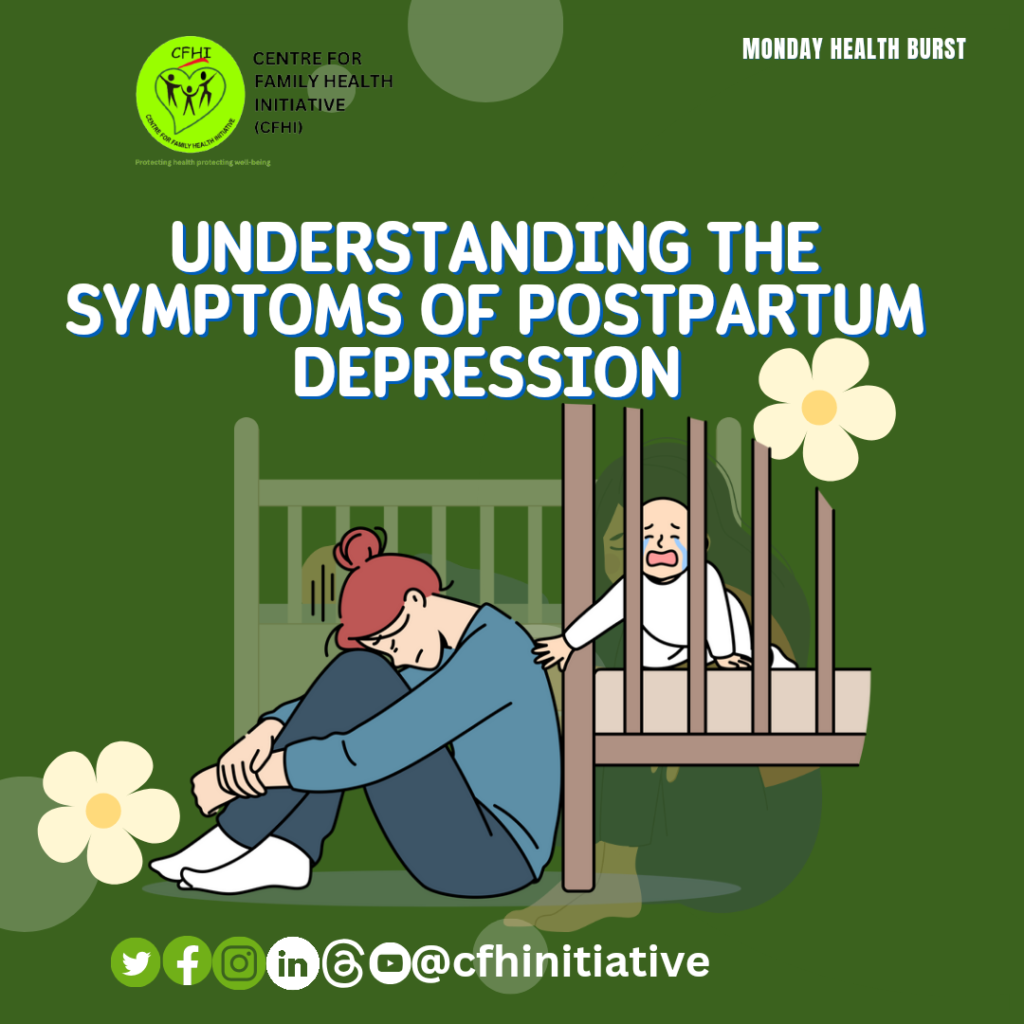
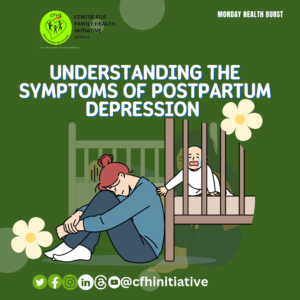
MONDAY HEALTH BURST ON UNDERSTANDING POSTPARTUM DEPRESSION: EARLY SIGNS AND INTERVENTION

Postpartum depression (PPD) is a complex, multifaceted condition that affects many new mothers worldwide.1 It goes beyond the “baby blues,” a common experience characterized by mood swings, crying spells, and anxiety shortly after childbirth, typically resolving within two weeks. PPD, however, is more severe and enduring, requiring timely recognition and intervention to ensure the well-being of both the mother and the child. Understanding the symptoms and early signs of postpartum depression is crucial for effective intervention and support.

Early Signs of Postpartum Depression

Recognizing the early signs of PPD is the first step toward seeking help. These symptoms can appear anytime within the first year after childbirth, often peaking within the first three months. Key indicators include:

  • Persistent Sadness or Low Mood: Unlike the transient sadness of baby blues, PPD is marked by a prolonged feeling of sadness, hopelessness, or emptiness.
  • Loss of Interest or Pleasure: New mothers with PPD often lose interest in activities they once enjoyed, including bonding with their baby.
  • Changes in Appetite and Weight: Significant weight loss or gain and changes in appetite can be symptoms of PPD.
  • Sleep Disturbances: Insomnia or excessive sleeping, especially when not related to the baby’s needs, can indicate PPD.
  • Fatigue and Loss of Energy: A pervasive lack of energy and chronic fatigue, beyond the typical exhaustion of new motherhood, are common signs.
  • Feelings of Worthlessness or Guilt: Intense feelings of guilt, worthlessness, or inadequacy about being a good mother are prevalent in PPD.
  • Difficulty Concentrating: Trouble focusing, making decisions, or remembering things can signal depression.
  • Anxiety and Panic Attacks: Excessive worry about the baby’s health or one’s ability to care for the baby, sometimes escalating into panic attacks, is another symptom.
  • Thoughts of Self-Harm or Harm to the Baby: In severe cases, mothers may have thoughts of harming themselves or their baby, indicating the need for urgent intervention.

Intervention and Support

Early intervention is crucial for improving outcomes for mothers experiencing postpartum depression (PPD). Seeking professional help, including therapy to address negative thought patterns and improve interpersonal relationships, is advisable. In moderate to severe cases, antidepressants may be prescribed, and it is essential to discuss the benefits and risks with a healthcare provider, particularly regarding breastfeeding. Additionally, it is important for mothers to get adequate rest, eat nutritious meals, engage in physical activity, and take time for relaxation. Involving family members in the care process can provide valuable emotional and practical support. Joining a support group can also help reduce feelings of isolation.

Postpartum depression is a serious condition that requires attention and care. By understanding the early signs and knowing when and how to seek intervention, mothers and their families can ensure better mental health outcomes. Early recognition and intervention are key to overcoming postpartum depression, fostering a healthier, happier postpartum experience.

Reference:

https://www.ncbi.nlm.nih.gov/pmc/articles/PMC10400812/

MONDAY HEALTH BURST ON UNDERSTANDING POSTPARTUM DEPRESSION: EARLY SIGNS AND INTERVENTION Read More »

MONDAY HEALTH BURST ON HEALTH IMPLICATIONS OF TOBACCO

Tobacco use remains one of the leading causes of preventable disease and death worldwide. Despite extensive public health campaigns and increasing awareness, millions of people continue to use tobacco in various forms, exposing themselves to numerous health risks.1 Some of the health implications include;

Cardiovascular Disease

Tobacco use is a significant risk factor for cardiovascular diseases (CVD), including heart attacks, strokes, and peripheral artery disease. Nicotine, the addictive component of tobacco, raises blood pressure and heart rate, putting extra strain on the heart. Additionally, carbon monoxide from cigarette smoke reduces the blood’s oxygen-carrying capacity, further exacerbating the risk of heart disease. Smokers are 2 to 4 times more likely to develop heart disease than non-smokers.2

Respiratory Disorders

The respiratory system is directly exposed to the harmful effects of tobacco smoke, leading to chronic obstructive pulmonary disease (COPD), emphysema, and chronic bronchitis. The tar and chemicals in tobacco smoke damage the airways and alveoli, causing inflammation, reduced lung function, and chronic respiratory symptoms. Long-term smokers often experience breathlessness, persistent coughing, and increased susceptibility to respiratory infections.

Cancer

Tobacco use is the leading cause of cancer and cancer-related deaths. It is responsible for approximately 85% of lung cancer cases, the deadliest form of cancer.3 Beyond lung cancer, tobacco use is also linked to cancers of the mouth, throat, esophagus, pancreas, bladder, kidney, cervix, and stomach. The carcinogens in tobacco smoke cause mutations in DNA, leading to uncontrolled cell growth and tumor development.

Impact on Oral Health

Tobacco use significantly affects oral health, causing gum disease, tooth loss, and oral cancers. Smokers are more prone to periodontal disease, which can lead to tooth loss if untreated. The chemicals in tobacco also reduce the blood flow to the gums, impairing healing and making the mouth more susceptible to infections.

Reproductive Health Issues

Tobacco use can adversely affect reproductive health in both men and women. In women, it increases the risk of infertility, complications during pregnancy, and adverse outcomes such as preterm birth, low birth weight, and stillbirth. Men who smoke may experience reduced sperm quality, erectile dysfunction, and decreased fertility.

Secondhand Smoke

The dangers of tobacco are not limited to users themselves. Secondhand smoke, which is the smoke exhaled by smokers and the smoke from the burning end of a cigarette, is a serious health hazard. Non-smokers exposed to secondhand smoke are at increased risk of heart disease, respiratory infections, and cancer. Children exposed to secondhand smoke are particularly vulnerable, experiencing higher rates of asthma, sudden infant death syndrome (SIDS), and ear infections. According to the World Health Organization, tobacco kills more than 8 million people per year, including an estimated 1.3 million nonsmokers who are exposed to second-hand smoke.4

In 2023, the Centre for Family Health Initiative, through the Community Action against Drug misuse (CAADA) project, conducted a road walk in the Dawaki, Dutse Alhaji, and Dutse Sokale areas, educating over 200 youths about the hazards of drug misuse.

The health implications of tobacco use are extensive and severe, affecting virtually every organ in the body and leading to numerous preventable diseases and deaths. Despite these known risks, tobacco addiction continues to pose a significant public health challenge. Combating this issue requires ongoing education, stronger regulatory measures, and support for individuals trying to quit. By reducing tobacco use, we can improve health outcomes and save millions of lives each year.

REFERENCES:

  1. https://www.cdc.gov/mmwr/preview/mmwrhtml/00030927.htm
  2. https://www.hopkinsmedicine.org/health/conditions-and-diseases/smoking-and-cardiovascular-disease
  3. https://www.who.int/news-room/fact-sheets/detail/lung-cancer
  4. https://www.who.int/news-room/fact-sheets/detail/tobacco

MONDAY HEALTH BURST ON HEALTH IMPLICATIONS OF TOBACCO Read More »