Monday Health Burst

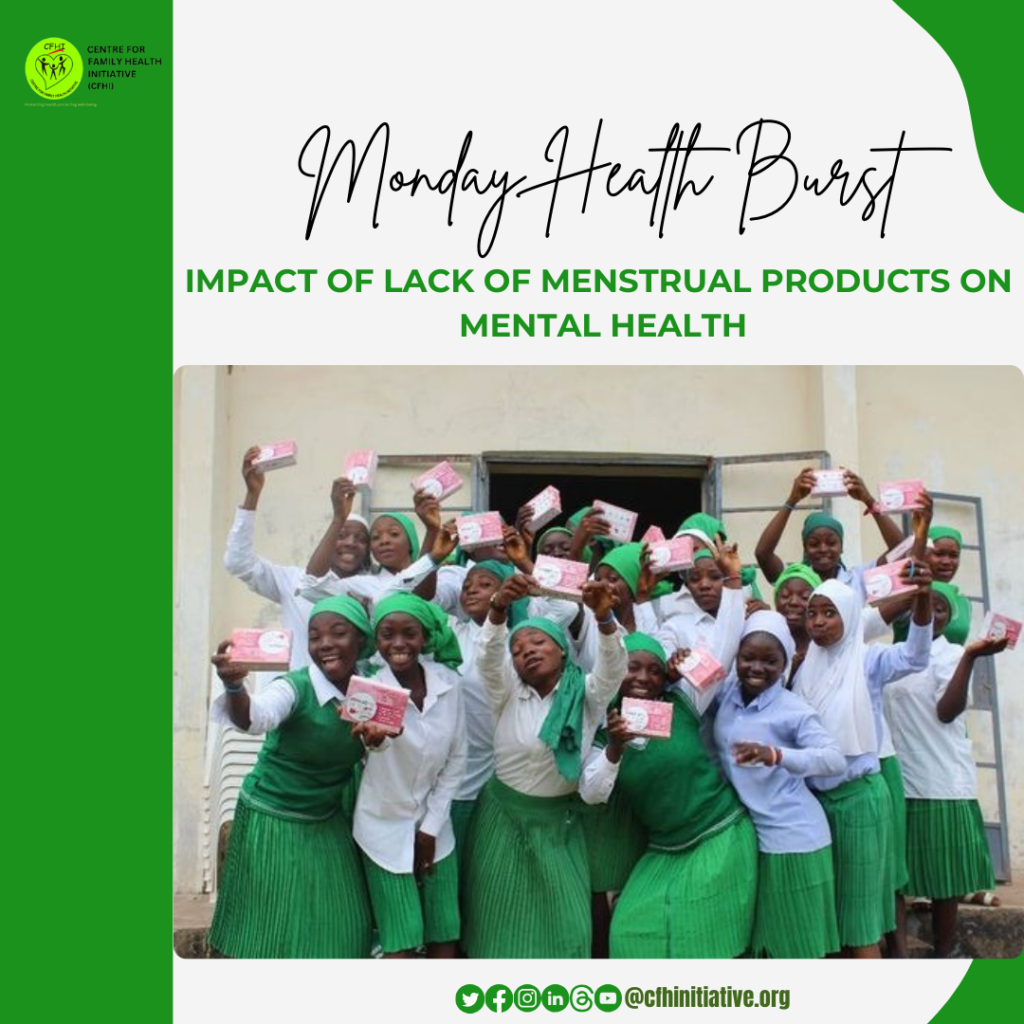
MONDAY HEALTH ON IMPACT OF LACK OF MENSTRUAL PRODUCT ON MENTAL HEALTH

Menstrual hygiene is a crucial aspect of health for individuals who menstruate, yet millions around the world face significant challenges in accessing necessary products and facilities. On any given day, more than 300 million women worldwide are menstruating.  In total, an estimated 500 million lack access to menstrual products and adequate facilities for menstrual hygiene management (MHM).1 The absence of adequate menstrual hygiene products not only affects physical health but also has profound implications for mental health.

Menstruation is often shrouded in stigma and taboo, leading to feelings of shame and embarrassment. Inadequate access to menstrual hygiene products exacerbates this stigma, forcing many individuals to use ineffective alternatives like old clothes, rags, or even paper, which can be uncomfortable and unreliable. This situation often results in leaks and odors, further stigmatizing the individual. The fear of being judged or ridiculed can lead to social isolation, where individuals avoid school, work, or social interactions, perpetuating a cycle of exclusion and loneliness.

The lack of menstrual hygiene products is a significant barrier to education for young girls. Many miss several days of school each month or drop out entirely due to the unavailability of adequate facilities and products. This educational disruption has long-term consequences, including diminished career opportunities and economic instability, which can contribute to chronic stress and anxiety. The constant worry about managing menstruation in public spaces further compounds the mental health burden.

Furthermore, using unsuitable alternatives to sanitary products can cause physical discomfort and health issues, including infections. The constant battle with discomfort and the potential for health complications can create a persistent state of anxiety and stress. The fear of potential health problems and the inability to maintain basic hygiene can severely impact self-esteem and overall mental health.

The recurring monthly challenge of managing menstruation without proper products creates a relentless emotional strain. The inability to afford or access menstrual products can evoke feelings of helplessness, frustration, and inadequacy. For those already struggling with poverty, the added financial burden of purchasing menstrual products can lead to heightened stress and anxiety. The emotional toll of constantly worrying about menstrual hygiene can diminish overall quality of life and lead to more severe mental health issues, such as depression.

Effective menstrual hygiene management (MHM) is crucial for empowering women and girls to reach their full potential. Poor menstrual health and hygiene have far-reaching negative impacts across various sectors. Consequently, the Centre for Family Health Initiative (CFHI) employs a comprehensive approach to improving menstrual hygiene in its operations within vulnerable communities in Nigeria.

Over the years, CFHI has provided SafePadTMfor more than 2000 vulnerable women and girls in underserved communities. We have partnered with many organizations to commemorate Menstrual Hygiene day by campaigning and raising awareness against period poverty, providing education on menstrual hygiene, and distributing free SafePadTM

The impact of lacking menstrual hygiene products extends far beyond physical discomfort, deeply affecting mental health and overall well-being. Addressing this issue is not only a matter of public health but also of human rights and gender equality. By ensuring that everyone has access to the necessary menstrual hygiene products and education, we can alleviate significant mental health burdens and promote a healthier, more inclusive society.

Reference:

https://www.worldbank.org/en/topic/water/brief/menstrual-health-and-hygiene1

https://mailchi.mp/b838e480faa1/cfhi-prioritizing-menstrual-hygeine-in-nigeria


MONDAY HEALTH ON IMPACT OF LACK OF MENSTRUAL PRODUCT ON MENTAL HEALTH Read More »
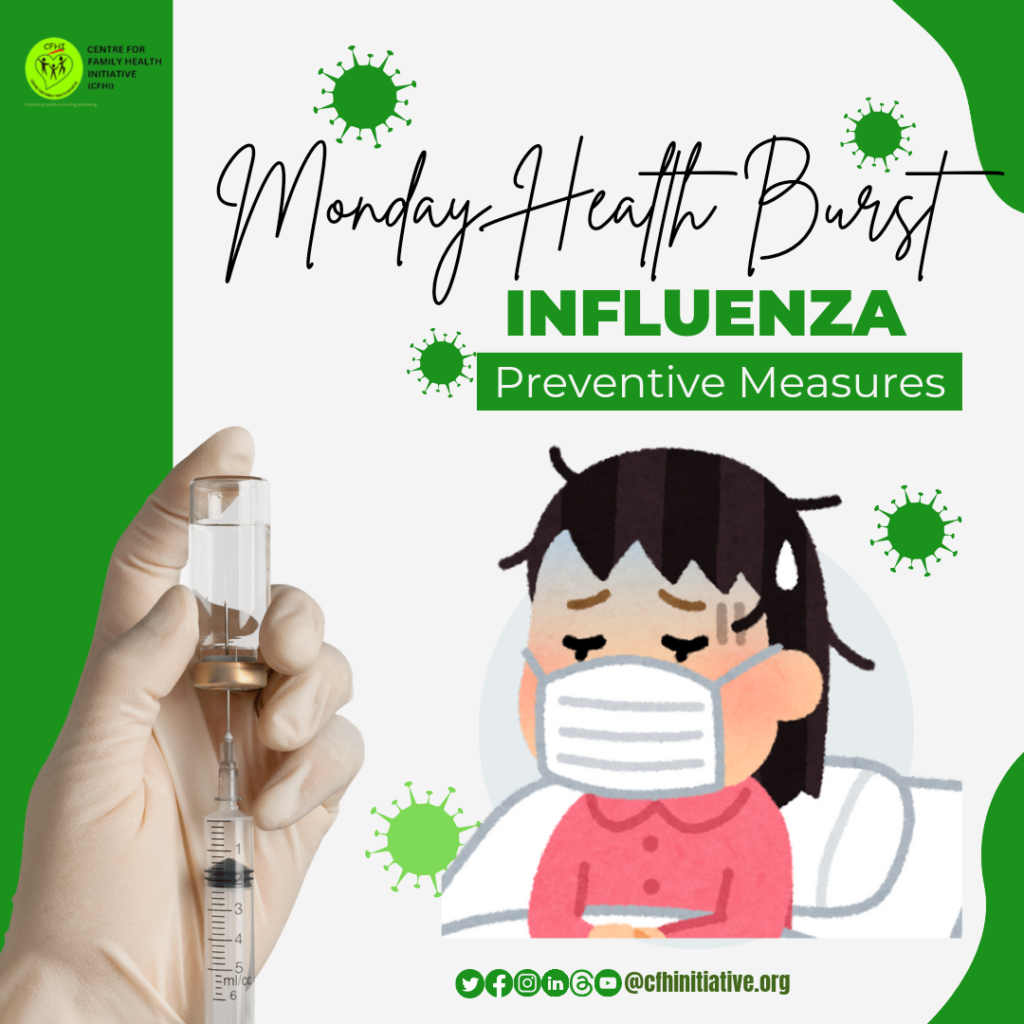
MONDAY HEALTH BURST ON INFLUENZA – PREVENTIVE MEASURES

According to the World Health Organization (WHO), there are approximately one billion cases of seasonal influenza each year, leading to 3–5 million instances of severe disease. Tragically, this results in 290,000–650,000 respiratory deaths annually. 1

Influenza, or the flu, is a contagious respiratory illness caused by influenza viruses, capable of causing mild to severe illness and, in some cases, even death. Seasonal influenza outbreaks are common worldwide, particularly during colder months. However, there are effective preventive measures available to greatly minimize the risk of contracting and spreading the flu.

Vaccination:

Getting an annual influenza vaccine is the most effective way to prevent the flu and its complications. The vaccine stimulates your immune system to produce antibodies against the virus strains included in the vaccine, providing protection throughout the flu season. It’s important to get vaccinated each year as the circulating flu strains can change.

Hand Hygiene:

Frequent handwashing with soap and water or using alcohol-based hand sanitizers is crucial in preventing the spread of influenza viruses. Viruses can live on surfaces for hours, and touching these surfaces and then touching your face can lead to infection. Make it a habit to wash your hands thoroughly, especially before eating or touching your face.

Respiratory Hygiene:

Cover your mouth and nose with a tissue or your elbow when coughing or sneezing to prevent the spread of respiratory droplets containing the virus. Dispose of tissues immediately and wash your hands afterward. Avoid close contact with people who are sick, and if you are sick, stay home to prevent spreading the virus to others.

Boosting Immunity:

Maintaining a healthy lifestyle can strengthen your immune system and help fight off infections. This includes eating a balanced diet rich in fruits and vegetables, staying hydrated, getting regular exercise, managing stress levels, and getting enough sleep. A healthy immune system is better equipped to defend against influenza viruses.

Avoid Touching Your Face:

Influenza viruses can enter your body through your eyes, nose, or mouth. Avoid touching your face, particularly with unwashed hands, to reduce the risk of infection. If you do need to touch your face, ensure your hands are clean.

High-Risk Individuals:

Certain groups are at higher risk of developing complications from the flu, including young children, pregnant women, older adults, and those with underlying health conditions. It’s particularly important for these individuals to get vaccinated and take extra precautions to avoid exposure to the virus. 2

Preventing influenza requires a combination of personal hygiene practices, vaccination, and healthy lifestyle choices. By adopting these preventive measures, you can significantly reduce the risk of getting infected with the flu and protect both yourself and those around you from this contagious illness.

References

https://www.who.int/news-room/fact-sheets/detail/influenza-(seasonal)

https://www.cdc.gov/flu/prevent/whoshouldvax.htm


MONDAY HEALTH BURST ON INFLUENZA – PREVENTIVE MEASURES Read More »

MONDAY HEALTH BURST ON ECTOPIC PREGNANCY

Pregnancy is typically viewed as a joyous and natural event, but sometimes complications can arise that require urgent medical attention. One such complication is an ectopic pregnancy, a condition that can pose serious risks to a woman’s health and requires timely intervention.

An ectopic pregnancy occurs when a fertilized egg implants and grows outside the uterus, most commonly in the fallopian tube. However, it can also occur in other areas such as the cervix, ovary, or abdominal cavity. Since these locations are not designed to support the growth of a developing embryo, an ectopic pregnancy cannot progress normally and poses serious risks to the mother. Ectopic pregnancies occur in about 2% of all pregnancies.1

Recognizing the symptoms of an ectopic pregnancy is crucial for prompt medical intervention. Common symptoms include:

Abdominal or Pelvic Pain: Sharp, stabbing pain in the abdomen or pelvis is a hallmark symptom. The pain may be localized on one side.

Vaginal Bleeding: Light to heavy vaginal bleeding may occur, often different from normal menstruation.

Shoulder Tip Pain: This can be a sign of internal bleeding and occurs when blood irritates nerves around the diaphragm, causing referred pain to the shoulder tip.

Weakness, Dizziness, or Fainting: These symptoms can indicate significant internal bleeding and require immediate medical attention.

Gastrointestinal Symptoms: Nausea, vomiting, diarrhea, or pain during bowel movements.

The majority of ectopic pregnancies occur due to conditions that hinder the normal movement of the egg through the fallopian tube.2 This can be attributed to various factors:

Previous Pelvic Surgery: Scar tissue, adhesions, or inflammation resulting from past pelvic surgeries can impede the egg’s journey through the fallopian tube.

Fallopian Tube Damage: Damage to the fallopian tubes, often caused by sexually transmitted infections (STIs), can disrupt the egg’s passage.

Irregular Fallopian Tube Shape: Some individuals are born with fallopian tubes that have irregular shapes, which can interfere with the egg’s movement.

Blockages: The presence of growths or obstructions within the fallopian tube can physically prevent the egg from traveling towards the uterus, leading to an ectopic pregnancy.

Several factors increase the risk of ectopic pregnancy:

Previous Ectopic Pregnancy: Women who have had one ectopic pregnancy are at increased risk of another.

Pelvic Inflammatory Disease (PID): Infections such as chlamydia or gonorrhea can lead to inflammation and scarring of the fallopian tubes.

Previous Abdominal or Pelvic Surgery: Surgeries such as cesarean section or surgery to the fallopian tubes can increase the risk.

Smoking: Women who smoke have a higher risk of ectopic pregnancy.

Early diagnosis of ectopic pregnancy is crucial to prevent life-threatening complications. Diagnostic methods include ultrasound imaging and blood tests to measure pregnancy hormone levels.

Ectopic pregnancy is a serious condition that requires swift medical attention. Knowing the symptoms and risk factors can help women seek timely care and improve outcomes. With advances in medical technology, most women who experience an ectopic pregnancy can go on to have successful pregnancies in the future, but early detection and treatment are essential. If you suspect an ectopic pregnancy or experience any concerning symptoms, do not hesitate to seek medical advice promptly.

References

  1. https://my.clevelandclinic.org/health/diseases/9687-ectopic-pregnancy
  2. https://my.clevelandclinic.org/health/diseases/9687-ectopic-pregnancy

MONDAY HEALTH BURST ON ECTOPIC PREGNANCY Read More »

IMPORTANCE OF VACCINES

Vaccines are one of the most effective tools we have to prevent infectious diseases and safeguard public health. They have played a crucial role in reducing the burden of numerous illnesses, preventing millions of deaths globally, and improving overall quality of life.1 Despite their proven benefits, there can be misconceptions and hesitancy surrounding vaccines. Understanding the importance of vaccines is essential for promoting individual and community well-being.

1. Disease Prevention

Vaccines are designed to stimulate the immune system to recognize and fight specific pathogens, such as viruses or bacteria. By receiving a vaccine, the body can develop immunity against these pathogens without experiencing the full-blown disease. This process not only protects vaccinated individuals but also helps to prevent the spread of infectious diseases within communities.

2. Eradication and Control of Diseases

Historically, vaccines have been instrumental in eradicating or significantly reducing the prevalence of infectious diseases. For instance, smallpox was eradicated globally through vaccination efforts, and diseases like polio and measles have been controlled in many parts of the world due to widespread vaccination campaigns.

3. Protecting Vulnerable Populations

Vaccination is especially important for vulnerable populations, including infants, elderly individuals, and those with weakened immune systems. These individuals are at higher risk of severe complications from vaccine-preventable diseases. Vaccinating a significant portion of the population creates “herd immunity,” which helps protect those who cannot be vaccinated due to medical reasons. 

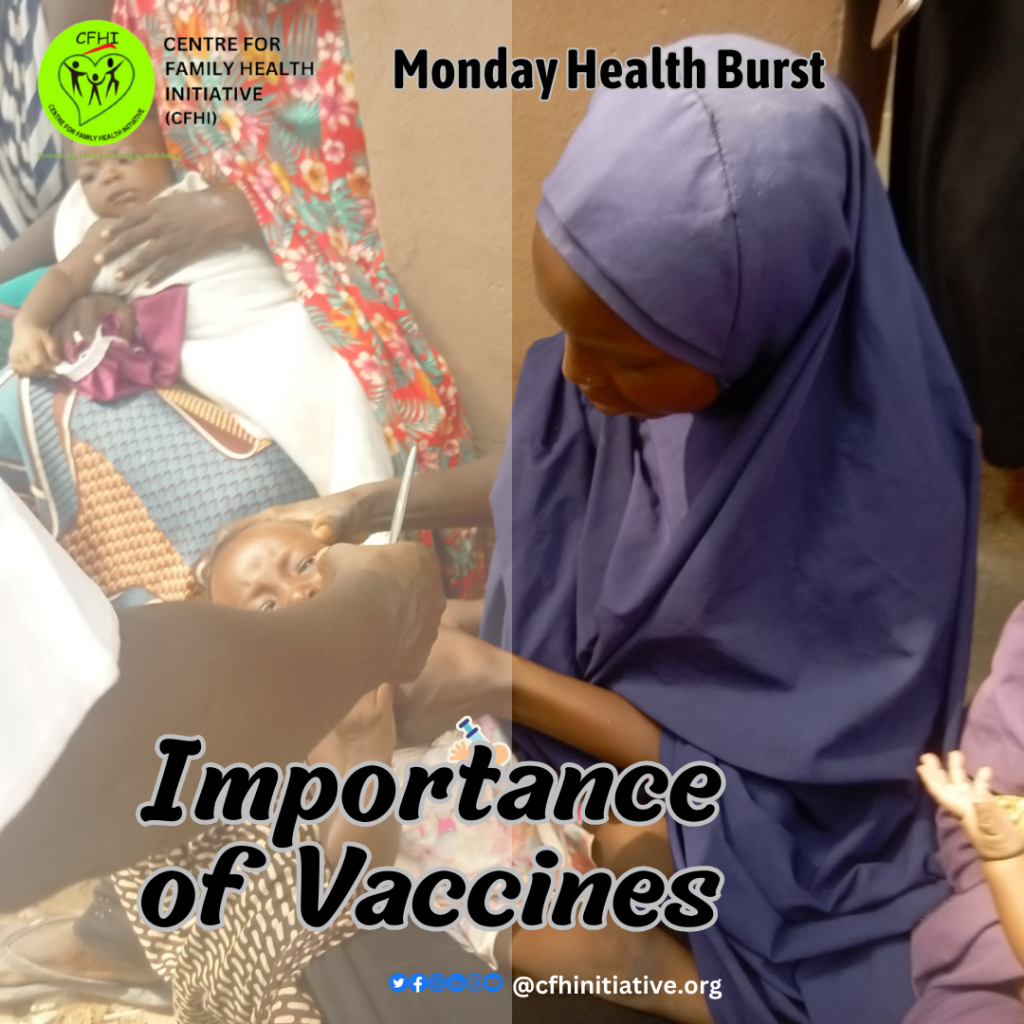
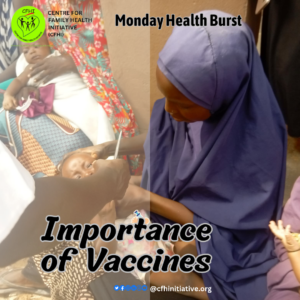
Angwan Guragu, Karonmajiji, locally known as Unguwar Guragu, translating to “a community of disabled people,” comprises of closely packed shanties accommodating over 500 vulnerable inhabitants with diverse disabilities. On April 25, in commemoration of World Immunization week 2023, Centre for Family Health Initiative (CFHI) partnered with the Primary Healthcare Center in Angwan Guragu, Karonmajiji to conducted a comprehensive program that included awareness sessions, immunization, and vaccination services aimed at addressing the healthcare needs of this population comprehensively, with a focus on prevention, education, and empowerment, ultimately leading to improved health outcomes and quality of life for this vulnerable group. Over 50 individuals, including both adults and children, benefited from this initiative, ensuring they received essential vaccinations to protect against preventable diseases. This collaborative effort highlights the importance of community engagement and healthcare partnerships in promoting immunization and safeguarding public health.

4. Prevention of Outbreaks

Vaccines play a critical role in preventing disease outbreaks. When vaccination rates decline, as seen in certain communities with vaccine hesitancy, outbreaks of vaccine-preventable diseases can occur. Recent measles outbreaks in various parts of the world highlight the consequences of falling vaccination rates.

5. Cost-Effective Public Health Measure

Vaccination programs are highly cost-effective compared to the costs associated with treating infectious diseases. Vaccinating individuals against preventable diseases reduces healthcare expenditures related to hospitalizations, treatments, and long-term care for complications.

Vaccines are a cornerstone of public health, saving countless lives and preventing widespread suffering. Emphasizing the importance of vaccination through education, access to vaccines, and strong public health policies is essential for protecting individuals and communities from infectious diseases. By ensuring high vaccination rates and addressing vaccine hesitancy, we can continue to reap the benefits of vaccines and build healthier societies.

Join CFHI’s “Monday Health Burst” initiative on all social media platforms for weekly discussions on basic health concern.

References.

https://www.who.int/health-topics/vaccines-and-immunization#tab=tab_1

https://www.cdc.gov/vaccinesafety/ensuringsafety/history/index.html

https://www.who.int/news/item/16-11-2023-global-measles-threat-continues-to-grow-as-another-year-passes-with-millions-of-chil


IMPORTANCE OF VACCINES Read More »

MONDAY HEALTH BURST ON SYMPTOMS AND TRANSMISSION OF MALARIA

Malaria remains a significant global health challenge, particularly in tropical and subtropical regions. According to recent data, an estimated 249 million cases of malaria were documented globally in 2022, with 608 000 malaria deaths reported across 85 countries. 1

Symptoms of Malaria:

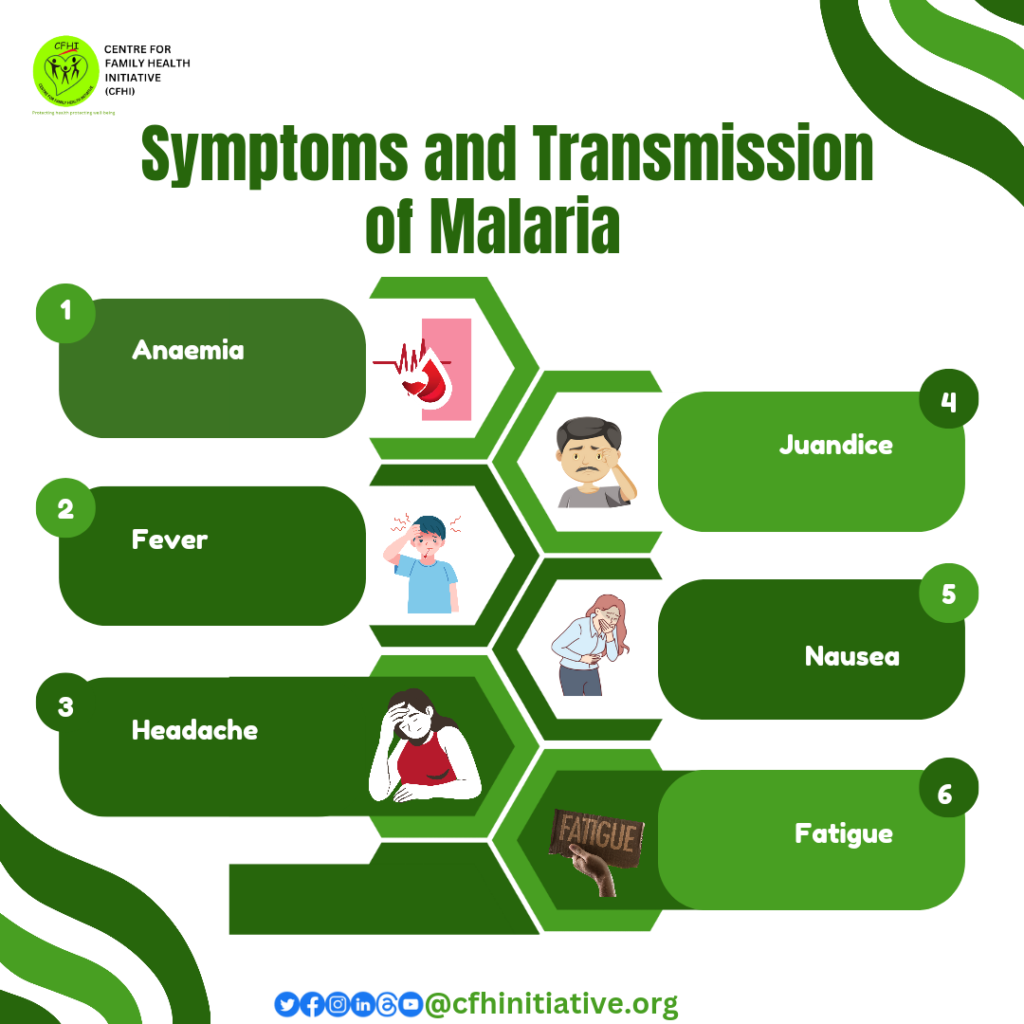
Fever: One of the hallmark symptoms of malaria is a high fever, often accompanied by chills and sweating. The fever may come and go in cycles, depending on the type of Plasmodium parasite causing the infection.

Headaches and Body Aches: Malaria infection typically causes severe headaches and body aches, which can be debilitating.

Nausea and Vomiting: Many individuals with malaria experience nausea, vomiting, and sometimes diarrhea.

Fatigue: Malaria can cause extreme fatigue and weakness, making it difficult to carry out daily activities.

Jaundice: In severe cases, malaria can lead to jaundice, characterized by yellowing of the skin and eyes due to liver dysfunction.

Anemia: The destruction of red blood cells by the Plasmodium parasite can lead to anemia, resulting in weakness, pale skin, and shortness of breath.

Other Symptoms: Some individuals may experience symptoms such as cough, chest pain, and confusion, particularly in severe cases of malaria.

Transmission of Malaria:

Malaria is primarily spread by female Anopheles mosquitoes. It occurs when a mosquito carrying the disease from biting an infected individual then bites another person. Once inside the bloodstream, the parasites travel to the liver, where they mature before invading red blood cells.2

Over the years, CFHI has demonstrated a steadfast commitment to reducing malaria prevalence within various communities. Engaging with over 1000 individuals, our endeavors entail comprehensive education programs emphasizing the importance of environmental hygiene and the adoption of effective malaria prevention and treatment measures. Moreover, we have supplied indispensable resources like mosquito coils and mosquito nets, alongside executing large-scale community sanitation and fumigation campaigns. In observance of World Malaria Day in 2019, CFHI conducted educational sessions for over 127 residents with disabilities in the Karamajiji community of Abuja, focusing on malaria prevention and the crucial role of maintaining a hygienic environment. Additionally, we provided mosquito coils to 98 participants and organized a community-wide sanitation initiative, including fumigation efforts, to further bolster malaria prevention measures within the community.

Recognizing the symptoms and how malaria spreads is vital for prevention and treatment. Through increased awareness and the implementation of thorough control measures, we can strive to alleviate the burden of this fatal disease and enhance the health and welfare of affected communities worldwide.

References: 

https://www.who.int/news-room/fact-sheets/detail/malaria

https://www.mayoclinic.org/diseases-conditions/malaria/multimedia/malaria-transmission-cycle/img-20006373


MONDAY HEALTH BURST ON SYMPTOMS AND TRANSMISSION OF MALARIA Read More »

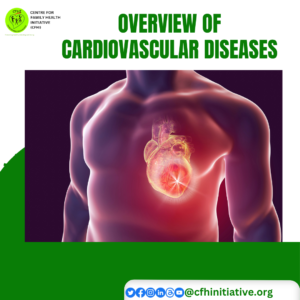
MONDAY HEALTH BURST ON CARDIOVASCULAR DISEASES

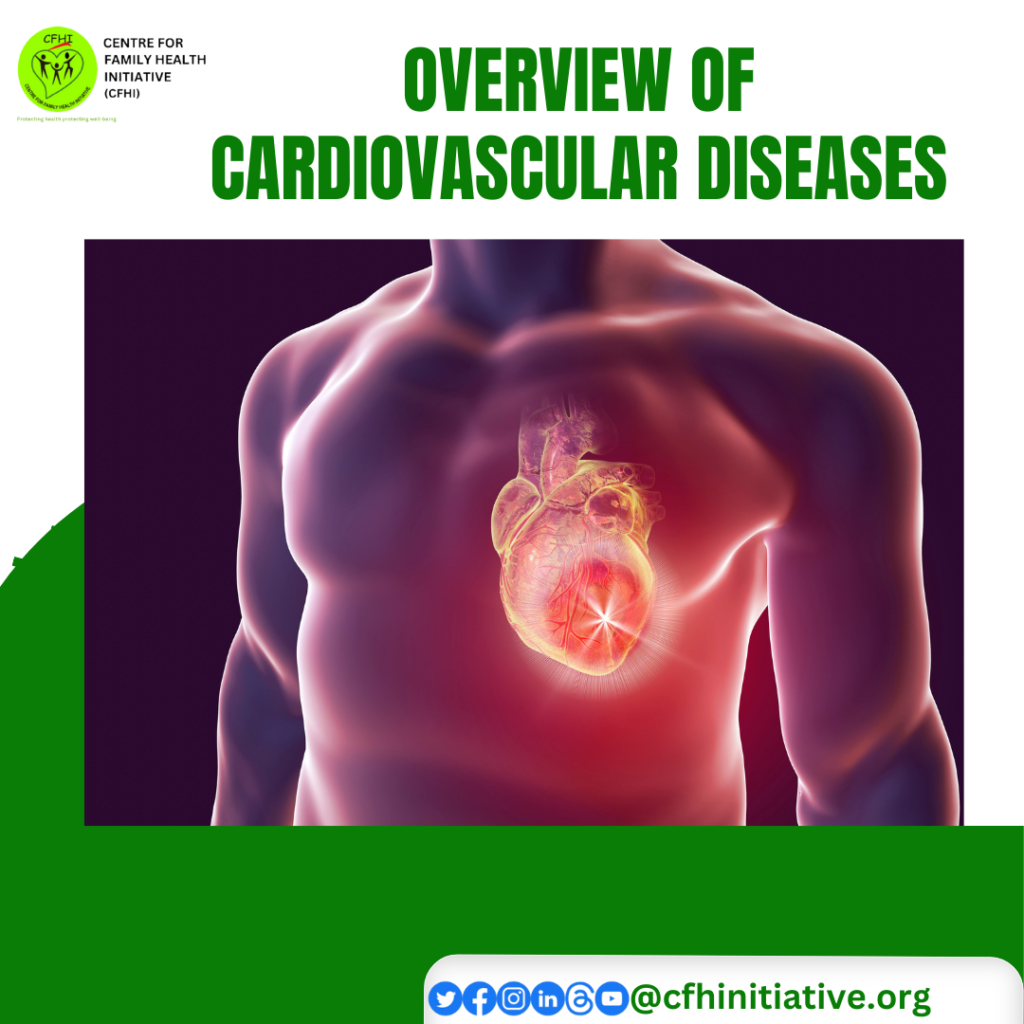
Cardiovascular diseases (CVDs) stand as the leading cause of mortality worldwide, claiming 17.9 million lives annually. Ranging from heart attacks to strokes, these ailments affect the heart and blood vessels in various forms and degrees of severity.1

Some of the cardiovascular diseases include:
1. Coronary Artery Disease (CAD):
CAD, often stemming from atherosclerosis, involves the buildup of plaque in the arteries supplying blood to the heart. This condition can lead to angina (chest pain), heart attacks, and heart failure, significantly impacting an individual’s quality of life and longevity.

2. Hypertension:
Hypertension, or high blood pressure, serves as a silent killer, gradually damaging arteries and increasing the risk of heart attacks, strokes, and other complications. Its prevalence underscores the importance of regular blood pressure monitoring and lifestyle modifications.

3. Stroke:
Strokes, whether ischemic or hemorrhagic, result from disruptions in blood flow to the brain. They can cause devastating consequences such as paralysis, speech impairments, and cognitive deficits, highlighting the urgent need for stroke prevention and prompt medical intervention.

4. Heart Failure:
Heart failure occurs when the heart becomes unable to pump blood effectively, leading to symptoms like fatigue, shortness of breath, and fluid retention. It necessitates comprehensive management strategies to alleviate symptoms and improve prognosis.
Heart attacks and strokes are the primary cause of over four out of every five CVD deaths, with one-third of these deaths occurring prematurely in individuals under the age of 70. 2

5. Arrhythmias:
Arrhythmias encompass irregular heart rhythms, which can range from harmless palpitations to life-threatening cardiac arrest. Understanding the underlying causes and implementing appropriate treatment modalities is crucial for individuals with these conditions.

Risk Factors and Prevention:
Numerous factors contribute to the development of CVDs, including smoking, high blood pressure, high cholesterol, diabetes, obesity, sedentary lifestyle, and genetic predisposition. Adopting a holistic approach to prevention involves lifestyle modifications such as maintaining a balanced diet, engaging in regular physical activity, abstaining from tobacco use, managing stress, and adhering to prescribed medications.

In the fight against CVDs in Nigeria, from 2019 to 2021, CFHI in collaboration with the Health Strategy and Delivery Foundation (HSDF) implemented the Diabetes Awareness and Care Project in Imo state, Nigeria to raise awareness of type 2 diabetes mellitus (T2DM), its risk factors, and prevention in targeted communities across six (6) Local Government Areas. This initiative resulted in reaching 258,997 individuals with T2DM awareness messages, screening 16,194 people for T2DM and hypertension, establishing 12 health clubs in schools, and referring 607 individuals for further healthcare management.3

Cardiovascular diseases represent a multifaceted challenge with far-reaching implications for individuals, families, and societies at large. By promoting awareness, implementing preventive measures, and advancing medical treatments, we can strive to mitigate the impact of CVDs and improve cardiovascular outcomes globally. Empowering individuals with knowledge about risk factors, symptoms, and available resources is paramount in fostering a healthier future free from the grip of cardiovascular diseases.

Join CFHI’s “Monday Health Burst” initiative on all social media platforms for weekly discussions on basic health concern.

References:
1. https://www.who.int/health-topics/cardiovascular-diseases#tab=tab_1
2. https://www.who.int/health-topics/cardiovascular-diseases#tab=tab_1
3.https://www.cfhinitiative.org/home-2/our-projects/dac/


MONDAY HEALTH BURST ON CARDIOVASCULAR DISEASES Read More »

WATERBORNE DISEASES AND PREVENTION

Waterborne diseases pose significant health risks worldwide, particularly in regions with inadequate sanitation and clean water infrastructure. These diseases are caused by pathogens such as bacteria, viruses, and parasites that contaminate water sources, leading to illnesses when consumed or in contact with the human body.

In 2022, globally, at least 1.7 billion people use a drinking water source contaminated with faeces. Microbial contamination of drinking-water as a result of contamination with faeces poses the greatest risk to drinking-water safety.1
Common Waterborne Diseases include:

Cholera: Caused by the bacterium Vibrio cholerae, cholera leads to severe diarrhea and dehydration. It spreads through contaminated water and food, particularly in areas with poor sanitation.

Typhoid Fever: Salmonella typhi bacteria cause this potentially fatal illness. Contaminated water and food, often in areas with inadequate sewage disposal, transmit the disease. Symptoms include high fever, stomach pain, and headache.

Hepatitis A: This viral infection affects the liver and spreads through the ingestion of contaminated water or food. Symptoms include jaundice, fatigue, and abdominal pain.

Dysentery: Caused by various bacteria, parasites, or viruses, dysentery results in bloody diarrhea, abdominal pain, and fever. It spreads through contaminated water, particularly in areas with poor hygiene practices.

Giardiasis: The Giardia intestinalis parasite causes this diarrheal illness. Contaminated water sources, such as rivers and lakes, transmit the parasite, leading to symptoms like diarrhea, gas, and stomach cramps.

Some of the prevention strategies include having access to clean water, proper sanitation infrastructure; including sewage systems and waste disposal facilities, Promoting good hygiene practices, such as handwashing with soap and water, education campaigns on the importance of hygiene in disease prevention, water testing and monitoring, vaccination, proper food handling and fostering community engagement.

Waterborne diseases continue to pose significant health challenges globally, particularly in regions with inadequate access to clean water and sanitation. Effective prevention strategies, including ensuring access to clean water, improving sanitation infrastructure, promoting good hygiene practices, and implementing vaccination programs, are crucial in reducing the burden of waterborne illnesses. By prioritizing prevention efforts and fostering community engagement, we can work towards a healthier and safer future for all.

Reference:

WATERBORNE DISEASES AND PREVENTION Read More »

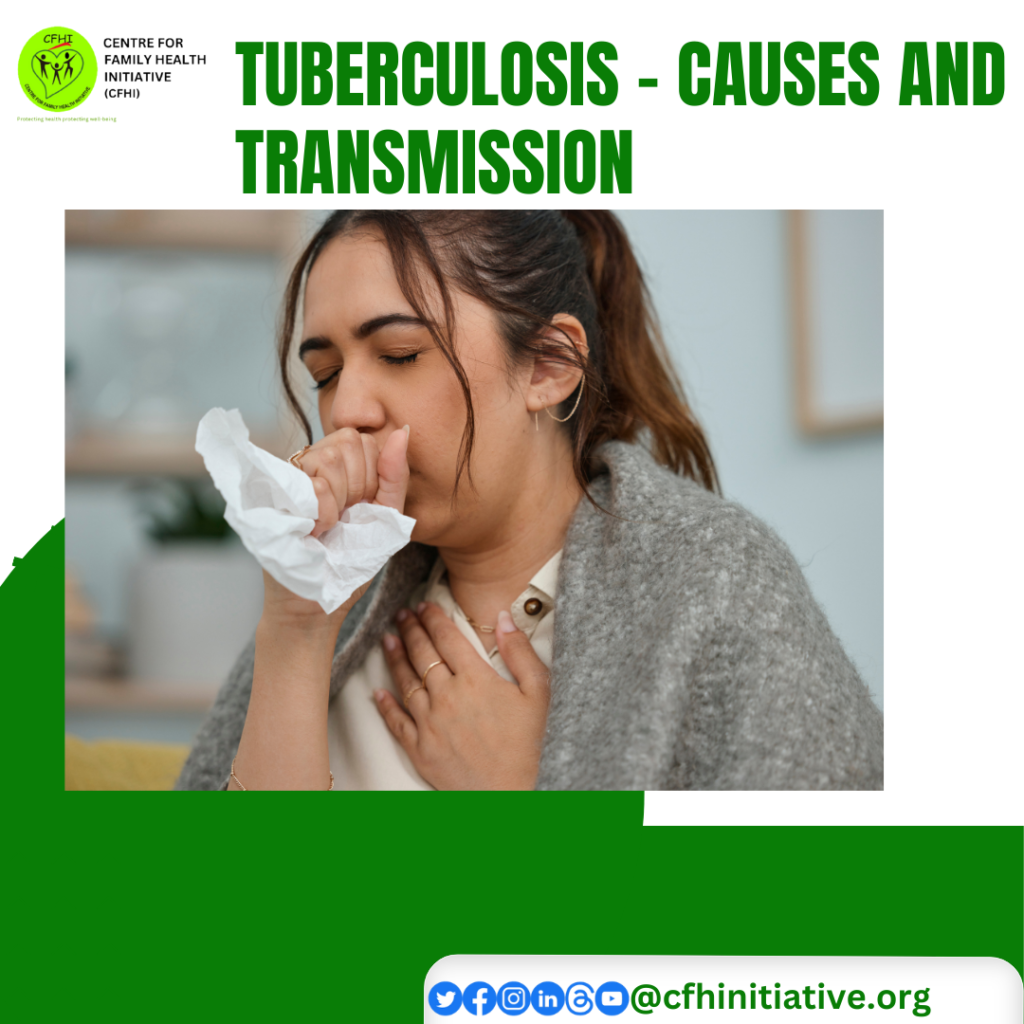
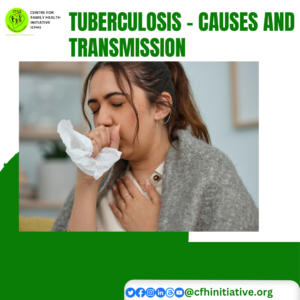
MONDAY HEALTH BURST ON TRANSMISSION AND CAUSES OF TUBERCULOSIS

Tuberculosis (TB) remains a significant global health concern, with millions of new cases reported each year. This infectious disease primarily affects the lungs but can also target other parts of the body. In 2022, an estimated 10.6 million people fell ill with tuberculosis (TB) worldwide, including 5.8 million men, 3.5 million women and 1.3 million children. 1

TB is caused by the bacterium Mycobacterium tuberculosis, which spreads through the air when an infected person coughs, sneezes, speaks, or sings. The primary mode of transmission is through inhalation of airborne droplets containing the bacteria. However, not everyone exposed to TB bacteria becomes infected. Factors such as the duration and proximity of exposure, the infectiousness of the individual with TB, and the immune status of the exposed person play crucial roles in determining the likelihood of transmission. Certain environments can also facilitate TB transmission, particularly crowded and poorly ventilated spaces. Prisons, homeless shelters, refugee camps, and healthcare facilities are examples of settings where TB transmission can occur more readily.

The causes of TB include:

  • Bacterial Infection: Mycobacterium tuberculosis is the main causative agent of TB. When someone with active TB disease coughs or sneezes, they release bacteria into the air, which can then be inhaled by others.
  • Weak Immune System: People with weakened immune systems, such as those living with HIV/AIDS, malnutrition, or other conditions that compromise immunity, are at higher risk of developing TB. The immune system normally helps control TB infection, but when it’s weakened, the bacteria can multiply and cause active disease.
  • Close Contact: Close and prolonged contact with someone who has active TB increases the risk of transmission. This is why household members, close friends, and healthcare workers who care for TB patients are at higher risk.

Drug Resistance: Misuse or inadequate use of antibiotics can lead to the development of drug-resistant strains of TB. Drug-resistant TB is more challenging to treat and requires more prolonged and costly therapy. 

  • Social Determinants: Socioeconomic factors such as poverty, overcrowded living conditions, and limited access to healthcare contribute to the spread of TB. These factors not only increase the risk of transmission but also hinder timely diagnosis and treatment, leading to more severe disease outcomes.

Tuberculosis transmission and causes are multifaceted, involving biological, environmental, and social factors. Preventing the spread of TB requires a comprehensive approach that includes early detection, effective treatment, infection control measures, and addressing the underlying social determinants of health.

Recently, CFHI collaborated with the National Tuberculosis and Leprosy Control Programme (NTBLCP) and other relevant stakeholders to increase public awareness of the symptoms and significance of tuberculosis screening and treatment in Nigeria.

Monday Health Burst is an initiative of CFHI to address issues of basic health concern. Join us every Monday on all our social media platforms for more episodes.


Reference:

https://www.who.int/news-room/fact-sheets/detail/tuberculosis

MONDAY HEALTH BURST ON TRANSMISSION AND CAUSES OF TUBERCULOSIS Read More »

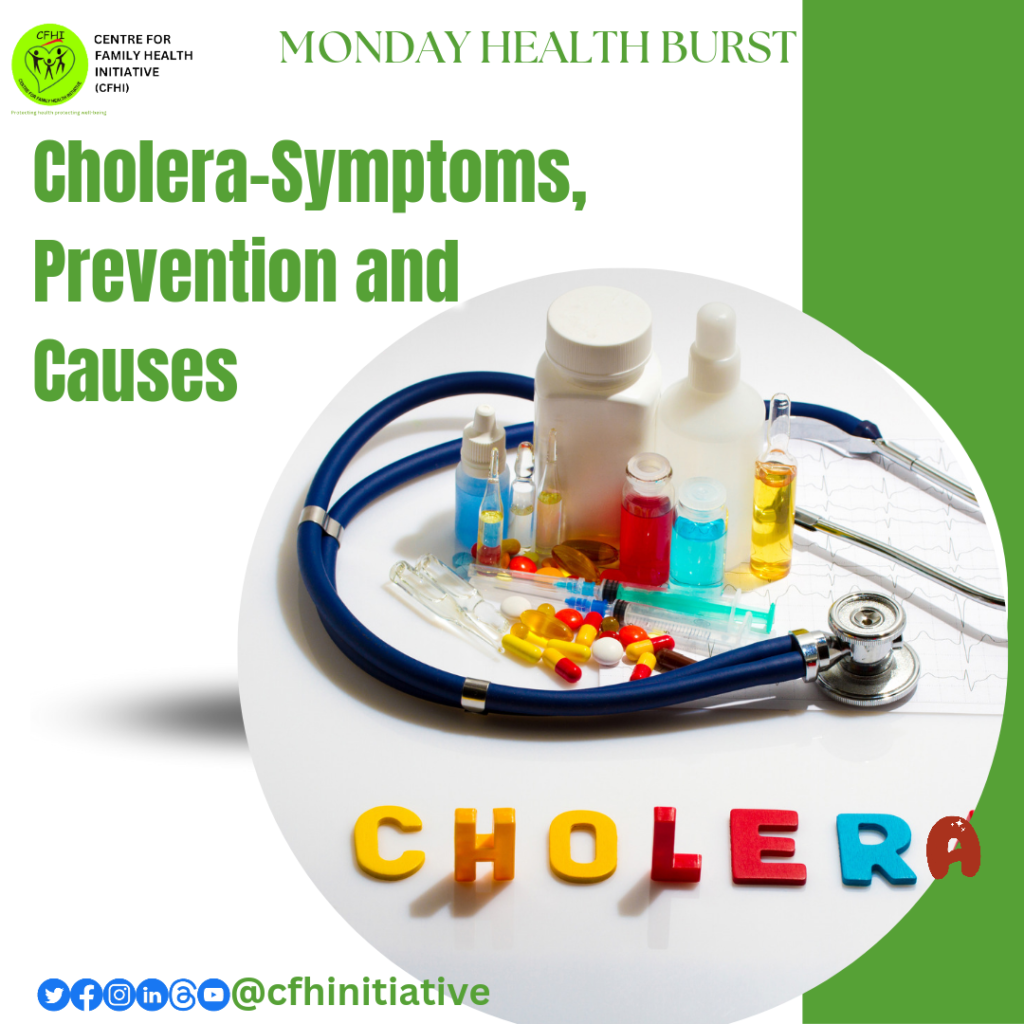
CHOLERA -SYMPTOMS, PREVENTION AND CAUSES

Cholera, a bacterial infection caused by Vibrio cholera, has plagued humanity for centuries, leaving a trail of devastation in its wake. Despite advancements in medical science, cholera remains a significant global health concern, particularly in regions with poor sanitation and limited access to clean water.

According to research estimates, there are between 1.3 and 4.0 million cases of cholera worldwide each year, and between 21 000 and 143 000 fatalities as a result of the disease.1

Cholera manifests primarily through severe diarrhea and vomiting, leading to rapid dehydration. The bacterium Vibrio cholerae produces a toxin that triggers the excessive release of water and electrolytes from the intestines, resulting in watery diarrhea often described as “rice-water stool.” Without prompt intervention, severe dehydration can lead to shock, organ failure, and death.

Cholera spreads through the consumption of contaminated water or food, particularly in areas with inadequate sanitation infrastructure. Human feces, containing the cholera bacterium, can contaminate water sources, leading to outbreaks, especially during natural disasters or humanitarian crises. Additionally, seafood harvested from contaminated waters can also transmit the infection if consumed raw or undercooked.

Preventing cholera hinges on improving access to clean water, ensuring proper sanitation practices, and promoting hygiene education. Communities can implement measures such as water chlorination, sewage treatment, and handwashing to reduce the risk of cholera transmission. Vaccination campaigns targeted at high-risk populations provide an additional layer of protection, particularly in endemic regions or during outbreaks.

Despite significant progress in combating cholera, challenges persist in controlling the disease, especially in resource-limited settings. Weak healthcare infrastructure, inadequate access to clean water, and population displacement due to conflict or environmental disasters exacerbate the risk of cholera outbreaks. Sustainable interventions focusing on infrastructure development, community engagement, and epidemic preparedness are essential in the ongoing fight against cholera.

Cholera remains a formidable foe, claiming thousands of lives annually and burdening healthcare systems worldwide. However, concerted efforts in prevention, early detection, and treatment have shown promising results in reducing the impact of cholera outbreaks. By addressing the root causes of the disease and implementing comprehensive strategies, we can move closer to a world where cholera is no longer a threat to public health.

As we continue to navigate the complexities of infectious diseases, let us remain vigilant in our efforts to combat cholera and to safeguard the well-being of communities globally.

Monday Health Burst is an initiative of CFHI to address issues of basic health concern. Join us every Monday on all our social media platforms for more episodes.

Reference:

https://www.who.int/news-room/fact-sheets/detail/cholera

CHOLERA -SYMPTOMS, PREVENTION AND CAUSES Read More »

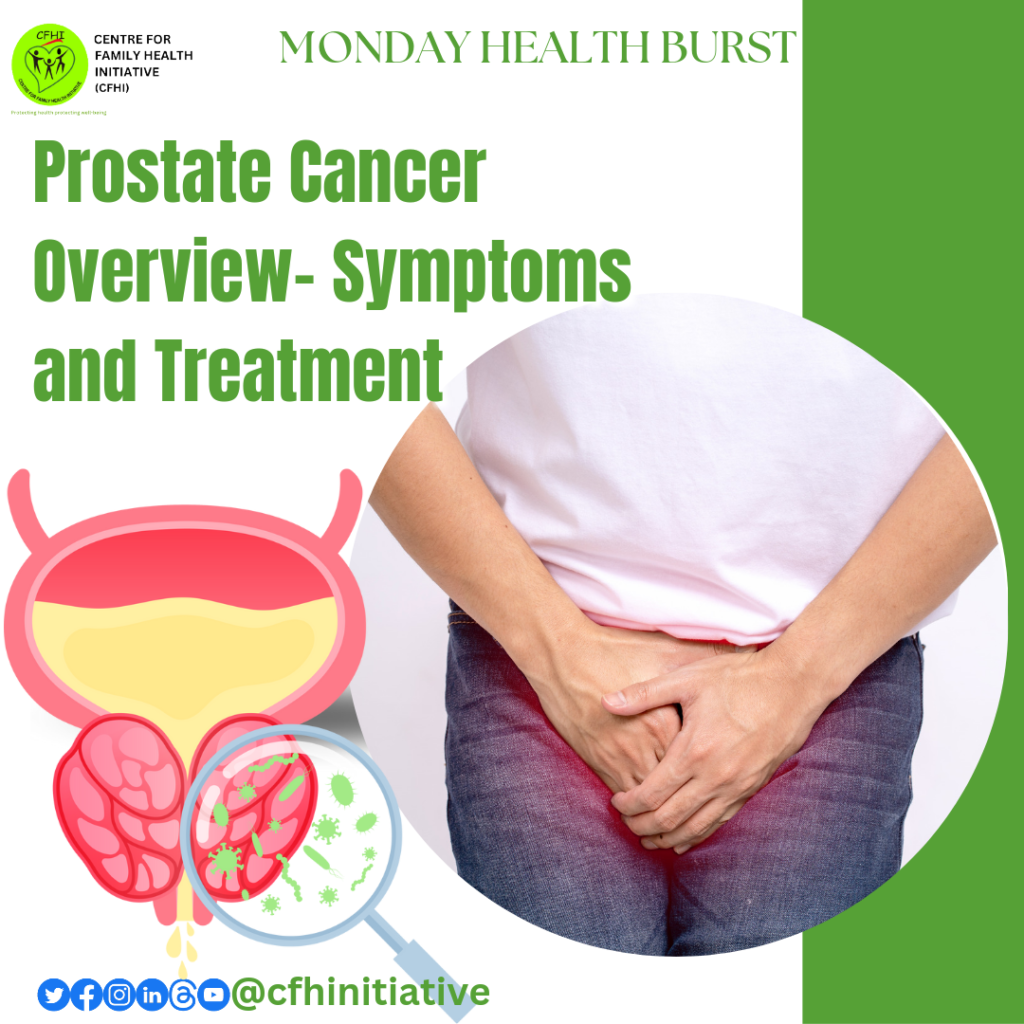
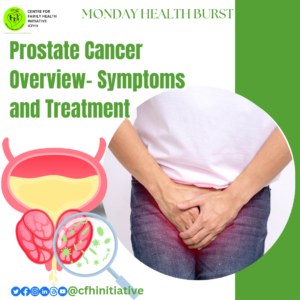
MONDAY HEALTH BURST ON PROSTATE CANCER OVERVIEW-SYMPTOMS AND TREATMENT

In Nigeria, prostate cancer is the most commonly diagnosed malignancy among men and a hospital prevalence of 182.5 per 100,000 male admissions was recorded in 2010 in Osun State.1

Prostate cancer is a type of cancer that develops in the prostate. Males have a little gland called the prostate that resembles a walnut that secretes seminal fluid, which feeds and carries sperm.

In it’s early stage, prostate cancer may not show any symptoms, but may result in indications and symptoms like: difficulty urinating, a weaker stream of pee, blood in the urine, blood in the semen, bone pain, weight loss without attempting, and erectile dysfunction when the cancer becomes advanced.2

Options for treating prostate cancer rely on a number of variables, including how quickly the disease is developing, if it has spread, your general health, and the potential advantages or disadvantages of the treatment. Some of the treatment options include; surgery to remove the prostate, radiation therapy, freezing or heating prostate tissue, and hormone therapy.

Around 1 in 8 males will receive a diagnosis of prostate cancer at some point in their life. However, only 1 in 41 of these will die as a result. This is because treatment is effective, especially in the early stages. Routine screening enables doctors to detect many cases of prostate cancer before they spread.

Individuals and organizations are encouraged to create awareness of the need for routine check-ups to prevent advanced-stage prostate cancer.

Monday Health Burst is an initiative of CFHI to address issues of basic health concern. Join us every Monday on all our social media platforms for more episodes.

#MondayHealthBurst #MensHealth #ProstateCancer


References: 

  1. https://afju.springeropen.com/articles/10.1186/s12301-019-0010-5 
  2. https://www.mayoclinic.org/diseases-conditions/prostate-cancer/symptoms-causes/syc-20353087


MONDAY HEALTH BURST ON PROSTATE CANCER OVERVIEW-SYMPTOMS AND TREATMENT Read More »