VVF

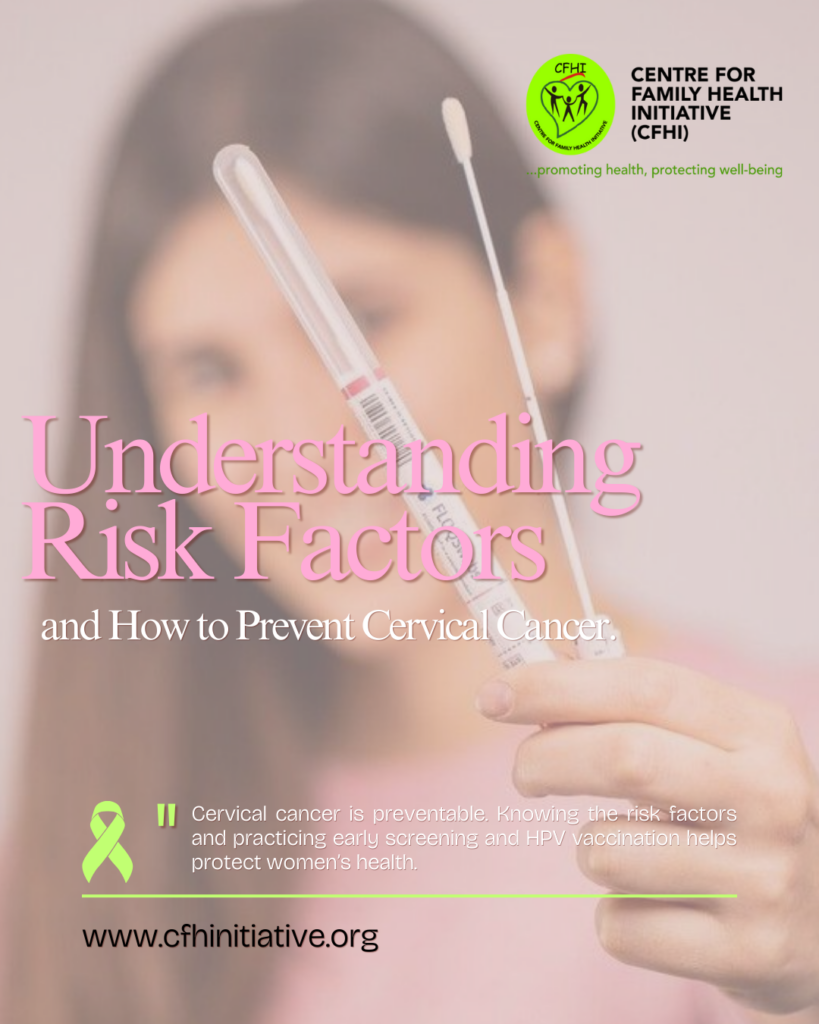
Understanding Risk Factors and How to Prevent Cervical Cancer

Cervical cancer remains one of the most preventable yet deadly cancers affecting women globally and in Nigeria. In 2022 alone, about 660,000 new cases and 350,000 deaths were recorded worldwide, with the highest burden in low- and middle-income countries where access to prevention and care is limited [1]. The disease develops in the cervix and is caused almost entirely by persistent infection with high-risk Human Papillomavirus (HPV), a common sexually transmitted virus that often shows no early symptoms [1].

Several factors increase a woman’s risk of developing cervical cancer. These include early sexual activity, multiple sexual partners, smoking, long-term use of hormonal contraceptives, and weakened immunity, especially among women living with HIV [1]. Women with HIV are up to six times more likely to develop cervical cancer due to reduced immune response to HPV infections [2]. In Nigeria, cervical cancer is the second most common cancer among women, and many cases are detected late due to low screening uptake and limited awareness [2].

The good news is that cervical cancer is largely preventable and treatable when detected early. The HPV vaccine, recommended for girls aged 9–14 years, can prevent up to 70–90% of cervical cancer cases linked to high-risk HPV types [1]. Regular screening through HPV testing or Pap smears helps detect precancerous changes early, allowing timely treatment before cancer develops. However, misinformation, cost, fear, and limited access continue to hinder screening in many communities [3].

In 2023, CFHI partnered with the National Primary Healthcare Development Agency, Women Advocates for Vaccine Access, Johns Hopkins International Vaccine Access Center, and other relevant partners to support HPV vaccine introduction in Nigeria, train ten vaccine champions, and sensitise over 4,000 persons in Bwari LGA, Abuja.

Every woman deserves the chance to prevent cervical cancer. Get screened regularly, ensure eligible girls receive the HPV vaccine, and share accurate information within your community. Together, we can reduce preventable deaths and protect women’s health.

References

  1. World Health Organization. Cervical cancer. Available from: https://www.who.int/news-room/fact-sheets/detail/cervical-cancer
  2. World Health Organization Regional Office for Africa. Cervical cancer early detection saves lives (Nigeria). Available from: https://www.afro.who.int/countries/nigeria/news/cervical-cancer-early-detection-saves-lives
  3. BMC Women’s Health. Cervical cancer screening and vaccination awareness in Nigeria. Available from: https://bmcwomenshealth.biomedcentral.com/articles/10.1186/s12905-023-02345-9


Understanding Risk Factors and How to Prevent Cervical Cancer Read More »

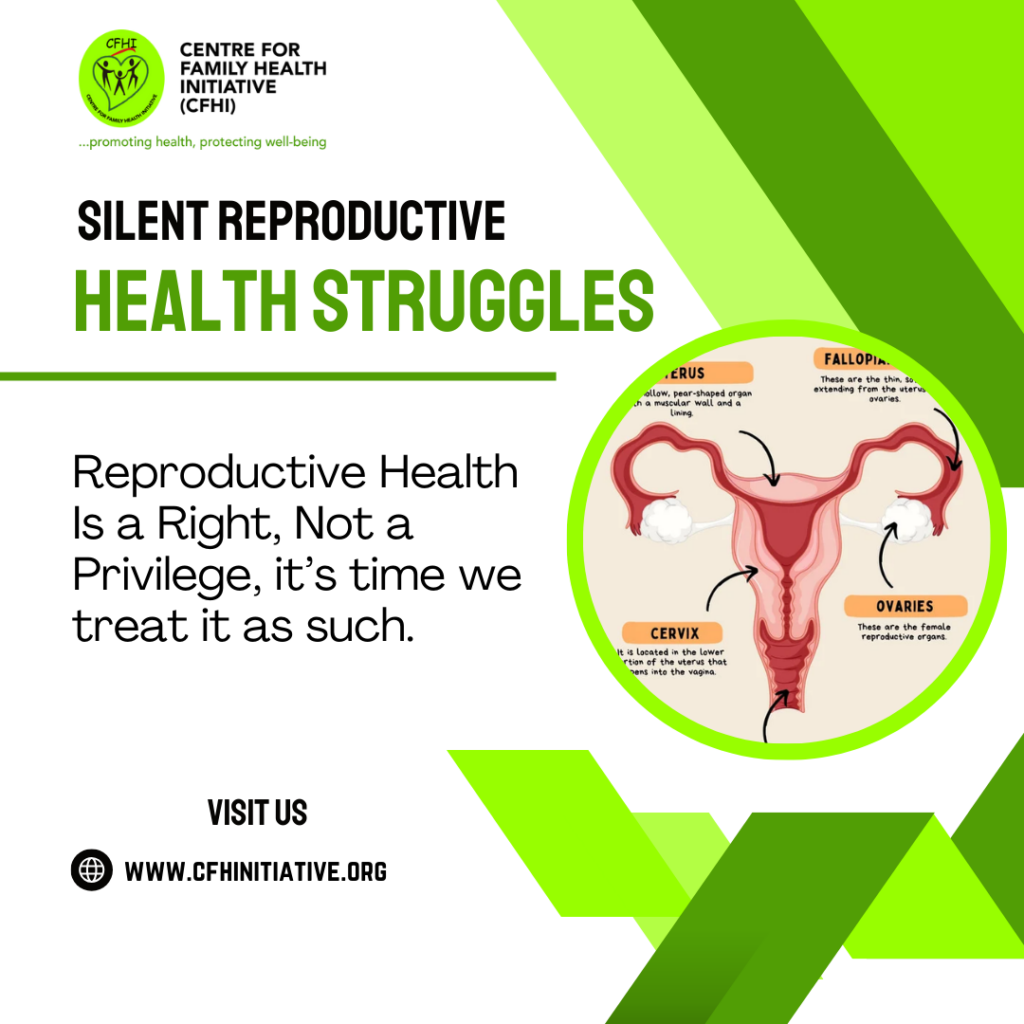
Silent Reproductive Health Struggles

Women’s reproductive health is fundamental to their overall well-being, yet millions of women globally and in Nigeria face persistent, often silent challenges that compromise their health, autonomy, and quality of life [1]. Despite progress in some areas, vast inequities remain in access to services, information, and rights leaving many women vulnerable to preventable health problems [2].

One of the major silent struggles is limited access to essential reproductive health services, including family planning, maternal care, and safe delivery support. In sub-Saharan Africa, one in four women who wish to delay or stop childbearing do not use any contraceptive method, reflecting gaps in availability, choice, and quality of reproductive care [1][5]. These shortfalls contribute to high rates of unintended pregnancies, unsafe abortions, and increased maternal morbidity and mortality. Globally, about 800 women die each day from pregnancy-related causes, many of which are preventable with proper services and support [1].

In Nigeria, reproductive health disparities are stark. A survey of reproductive health concerns found that sexual health, contraception, infections, fertility issues, and reproductive cancers were among the most pressing worries for women, indicating broad unmet needs across the reproductive spectrum [3]. Despite various policies, only a few Nigerian states meet benchmarks for women’s participation in decisions about their sexual and reproductive health, reflecting systemic barriers rooted in socio-cultural norms and limited autonomy [4]. Economic challenges also contribute, with millions of women lacking access to modern contraceptives and comprehensive family planning services due to cost, misinformation, fear of side effects, cultural opposition, and weak health systems [5][6].

Another under-recognized struggle is infertility, which affects a significant portion of women yet remains stigmatized and poorly supported. Recent WHO guidance highlights infertility as a major public health concern, with more than one in six people of reproductive age affected [7]. Access to affordable fertility evaluation and treatment is limited in many countries, forcing women to choose between financial hardship and their desire for children [7].

Maternal health remains a critical issue. Globally, approximately 287,000 women die yearly from complications in pregnancy and childbirth, with nearly all these deaths occurring in low- and middle-income settings where health systems are weak and resources scarce [1]. In areas affected by conflict or economic strain, such as parts of northern Nigeria, women face even greater risks due to disrupted services, insecurity, and collapsed care infrastructure [8].

The impact of these struggles extends beyond physical health. When women cannot access respectful, quality reproductive care, the consequences ripple into social and economic domains limiting educational opportunities, reducing workforce participation, and perpetuating cycles of poverty and inequality [2].

Improving women’s reproductive health requires a holistic approach that ensures affordable and accessible services such as contraception, antenatal care, skilled delivery, and emergency support reach even the most underserved communities [1][5], while also equipping women with accurate, culturally sensitive information to make informed choices about their bodies and health [2]. At the same time, policies must actively protect women’s autonomy and reproductive rights by challenging harmful norms and discrimination [2][4], supported by strong, well-funded health systems with trained personnel to guarantee continuity of care, especially in fragile settings [1][8]. Integrating affordable infertility care and psychosocial support into routine reproductive health services is also essential to address the often hidden emotional and social burdens many women silently endure [7].

Speak Wednesday is an initiative of CFHI to address issues around gender-base violence and gender-bias.

References

  1. WHO Regional Office for Africa. Women’s Health. Available from: https://www.afro.who.int/health-topics/womens-health
  2. United Nations Population Fund (UNFPA). New UNFPA report finds 30 years of progress in sexual and reproductive health has mostly ignored the most marginalized communities. Available from: https://www.unfpa.org/press/new-unfpa-report-finds-30-years-progress-sexual-and-reproductive-health-has-mostly-ignored
  3. Sa’adatu TS, Dieng B, Danmadami AM. Reproductive health issues of concern among Nigerians: an online survey. Int J Community Med Public Health. Available from: https://doi.org/10.18203/2394-6040.ijcmph20234114
  4. Premium Times Nigeria. Only eight Nigerian states meet women’s health benchmark – Report. Available from: https://www.premiumtimesng.com/news/top-news/830200-only-eight-nigerian-states-meet-womens-health-benchmark-report.html
  5. World Health Organization. Sexual and Reproductive Health and Research (SRH): Family planning and contraception. Available from: https://www.who.int/teams/sexual-and-reproductive-health-and-research-%28srh%29
  6. Ballard Brief. Barriers to Family Planning for Women in West Africa. Available from: https://ballardbrief.byu.edu/issue-briefs/barriers-to-family-planning-for-women-in-west-africa
  7. WHO releases first global guideline on infertility care. Reddit; 2025. Available from: https://www.reddit.com/r/EmbryologyIVFSupport/comments/1pcjrzh/who_releases_first_global_guideline_on/
  8. AP News. Pregnancy has become a nightmare for many women in Nigeria’s conflict-hit north. Available from: https://apnews.com/article/c5846961ed87cddd8a24d1c2b04564a0

Silent Reproductive Health Struggles Read More »

Cervical Cancer: What Every Woman Should Know

Cervical cancer remains a significant public health concern for women both globally and in Nigeria, yet it is largely preventable and treatable when detected early. Understanding its causes, risk factors, prevention strategies, and interventions is critical for improving women’s health outcomes. Cervical cancer develops in the cervix, the lower part of the uterus that connects to the vagina and is one of the most common cancers affecting women worldwide. In 2022, an estimated 660,000 new cervical cancer cases were reported globally, with about 350,000 deaths attributed to the disease, largely in low- and middle-income countries due to disparities in prevention and care access [1].

Almost all cervical cancers, over 99%, are caused by persistent infection with high-risk types of Human Papillomavirus (HPV), a sexually transmitted virus. While most HPV infections are naturally cleared by the immune system, persistent infection with oncogenic HPV types, particularly HPV 16 and 18, can lead to abnormal cell changes and eventual cancer over many years if not identified and treated [2]. Beyond HPV infection, several factors increase the risk of cervical cancer in women. HIV infection and weakened immunity accelerate cancer progression [1]. Smoking impairs immune response and promotes cellular changes [3]. Early onset of sexual activity, multiple sexual partners, and long-term use of certain hormonal contraceptives also contribute to heightened risk [4].

Cervical cancer is highly preventable and much more treatable when detected early. HPV vaccination, administered to girls typically aged 9 to 14, is highly effective at preventing infections that cause most cervical cancers [1]. Regular screening through Pap smears or HPV tests allows for the detection of precancerous changes before they progress to cancer, significantly improving treatment outcomes [2]. Despite these preventive measures, in Nigeria, cervical cancer remains the second most frequent cancer among women and a leading cause of cancer-related death [5]. Awareness and screening uptake are low, particularly in rural areas, due to financial barriers, limited access to screening facilities, and insufficient information about prevention [6].

To further reduce the burden of cervical cancer, it is essential to scale up HPV vaccination campaigns targeting adolescent girls before exposure to the virus, expand the availability and affordability of cervical cancer screening at primary healthcare levels, and strengthen health education to promote understanding of cervical health through sustained community engagement. Addressing gender and social barriers that limit women’s access to preventive care is also critical. Cervical cancer should not be a life sentence. With knowledge, preventive action, and supportive community health services, every woman can protect her health and future.

References

  1. World Health Organization. Human papillomavirus (HPV) and cervical cancer fact sheet. Dec 2025. Available from: https://www.who.int/news-room/fact-sheets/detail/human-papillomavirus-%28hpv%29-and-cervical-cancer
  2. World Health Organization. Cervical cancer prevention, diagnosis, and screening overview. Available from: https://www.who.int/cancer/prevention/diagnosis-screening/cervical-cancer/en/
  3. Centers for Disease Control and Prevention. Cervical Cancer Risk Factors. Available from: https://www.cdc.gov/cervical-cancer/risk-factors/index.html
  4. National Cancer Institute. Cervical Cancer Causes, Risk Factors, and Prevention. Available from: https://www.cancer.gov/types/cervical/causes-risk-prevention
  5. World Health Organization Regional Office for Africa. Cervical cancer early detection saves lives (Nigeria). Available from: https://www.afro.who.int/countries/nigeria/news/cervical-cancer-early-detection-saves-lives
  6. The Guardian (Nigeria). Screening, awareness gaps slow cervical cancer elimination. Available from: https://guardian.ng/features/health/screening-awareness-gaps-slow-cervical-cancer-elimination/


Cervical Cancer: What Every Woman Should Know Read More »