The Role of Families and Communities in Preventing FGM
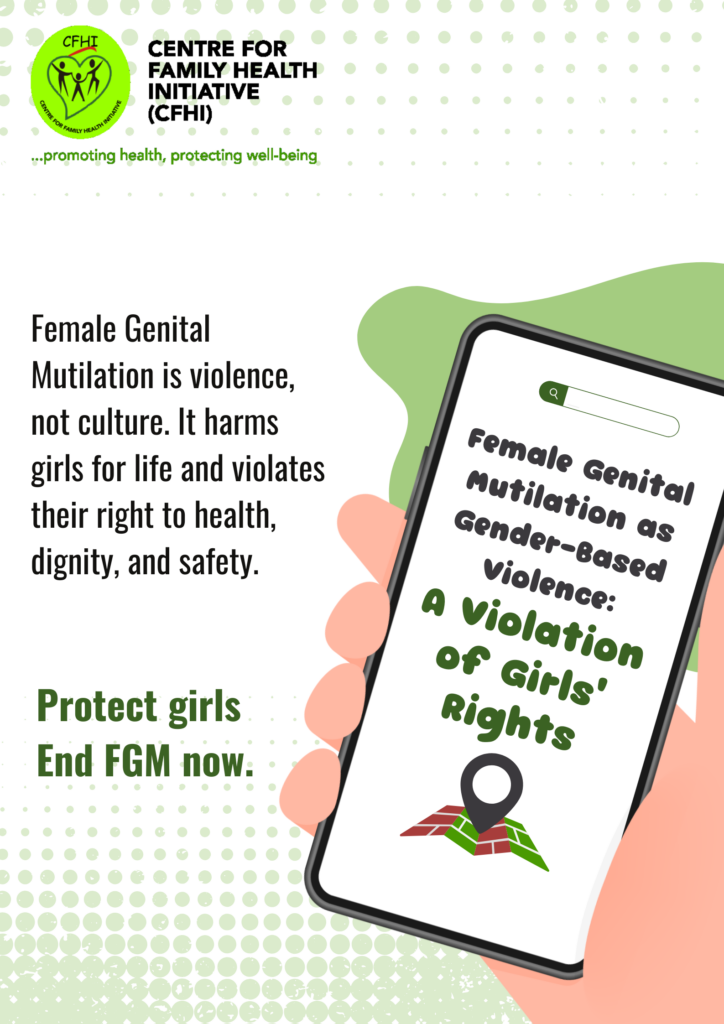
In the landscape of global health in 2026, Female Genital Mutilation (FGM) stands as one of the most persistent violations of human rights, yet the tide is beginning to turn through sophisticated, community-led interventions. As of this year, over 230 million women and girls alive today have undergone the procedure, and UNICEF projects that 4.5 million more remain at risk in 2026 alone [1]. The struggle to end this practice is no longer just a legal battle; it has evolved into a deep-rooted cultural shift focusing on the intersection of family protection and communal health [4].
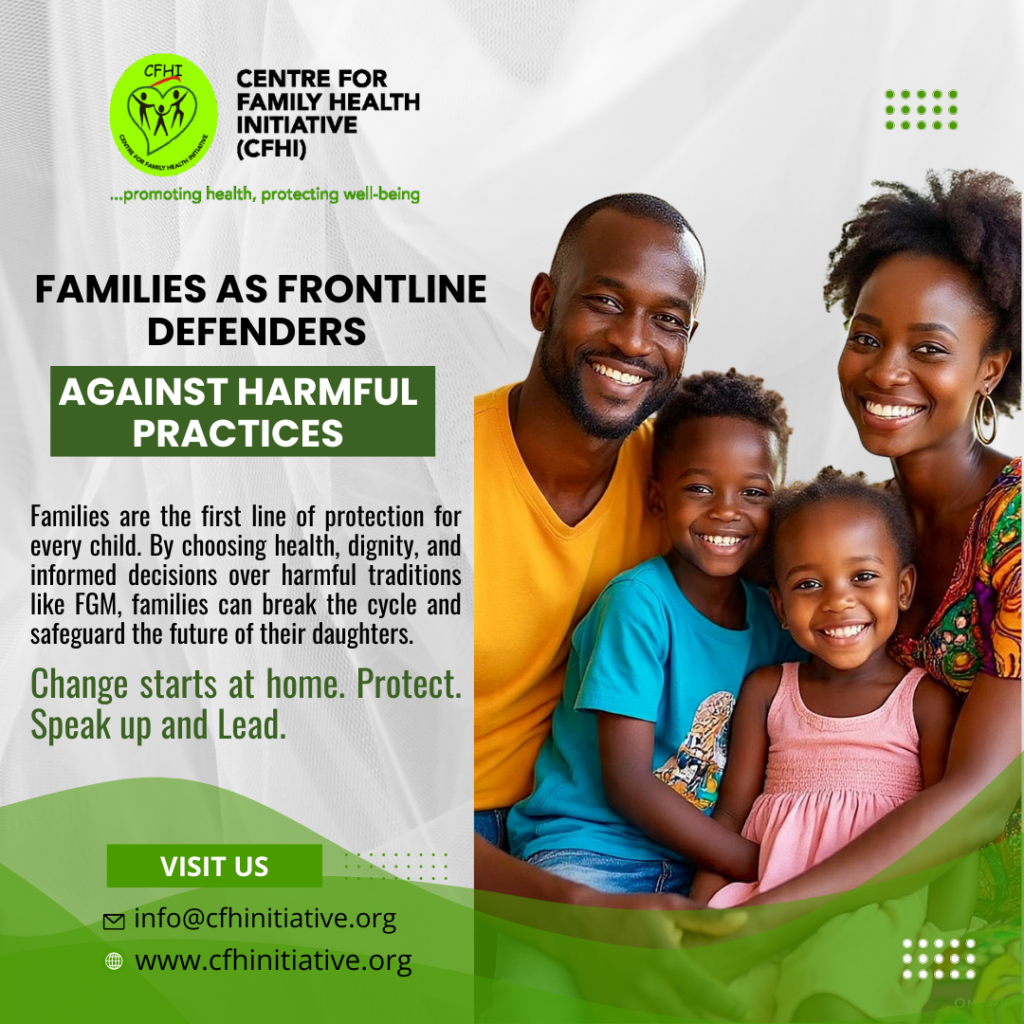
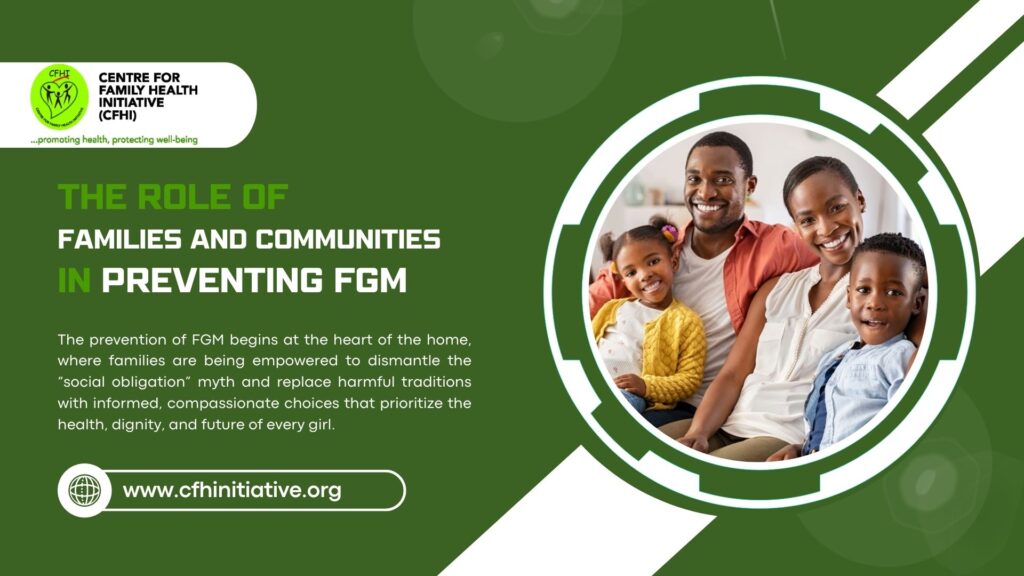
The prevention of FGM begins at the heart of the home, where families are being empowered to dismantle the “social obligation” myth. Recent research from the UNFPA-UNICEF Joint Programme indicates that when mothers are provided with formal education and economic agency, the likelihood of their daughters being cut drops significantly [3]. Families are now being reached through “Positive Masculinity” programs, where over 800,000 men and boys have pledged to protect their female relatives, challenging the outdated notion that FGM is a prerequisite for marriageability [3]. By addressing the family as the primary decision-making unit, advocacy groups are successfully replacing fear of social exclusion with a shared commitment to a daughter’s physical integrity and future health.
Moving beyond the front door, the most effective preventative measure in 2026 has been the rise of Public Declarations of Abandonment within local communities. This collective approach shifts the “social contract,” ensuring that no single family feels isolated in their choice to stop the practice. Many regions have successfully implemented Alternative Rites of Passage (ARP), which preserve the cultural celebration of womanhood through education, mentorship, and gifts minus the physical harm. This allows communities to maintain their rich heritage while evolving their health standards. Simultaneously, health systems are closing the gap on “medicalization” the dangerous trend of health professionals performing the cut. The World Health Organization has recently tightened codes of conduct, training midwives and doctors to serve as the first line of defense, educating parents on the $1.4 billion annual global cost of treating FGM-related complications, ranging from obstetric hemorrhage to lifelong psychological trauma [2].
To ensure these gains are permanent, a robust network of local surveillance and cross-border cooperation has emerged. In 2026, over 3,200 communities have established “watchdog” groups that monitor girls during school holidays, a peak time for the practice [3]. These grassroots efforts, supported by national laws that criminalize “vacation cutting,” create a safety net that follows a girl from her village to the city and beyond. The data proves that this holistic approach works; for every dollar invested in these prevention measures, there is a tenfold return in health savings and economic productivity [2]. By weaving together, the strength of the family unit with the collective will of the community, we are finally moving toward a world where every girl can grow up whole, healthy, and empowered.
Call to Action
The end of FGM is within our reach, but it requires your voice and your action. You can make a difference today:
- Educate and Advocate: Share the facts about the health risks of FGM within your social circles. Silence is where the practice thrives.
- Support Grassroots Organizations: Donate to or volunteer with local NGOs that facilitate Alternative Rites of Passage and provide education to at-risk families.
- Report Risk: If you know a girl is at risk of being subjected to FGM, contact local child protection services or international helplines immediately.
- Engage Men and Boys: Start conversations with the men in your community about the importance of protecting the rights and health of women and girls.
Monday Health Burst is an initiative of CFHI to address issues of basic health concern. Join us every Monday on all our social media platforms for more episodes.
References
- UNICEF Data (2025/2026): FGM Prevalence and Statistics
- WHO Global Health Update: The Cost of FGM and Prevention Strategies
- UNFPA 2025 Annual Report: Eliminating FGM through Community Action
- United Nations: International Day of Zero Tolerance for FGM
The Role of Families and Communities in Preventing FGM Read More »