Understanding Hypertension, A Silent Threat to Family Health
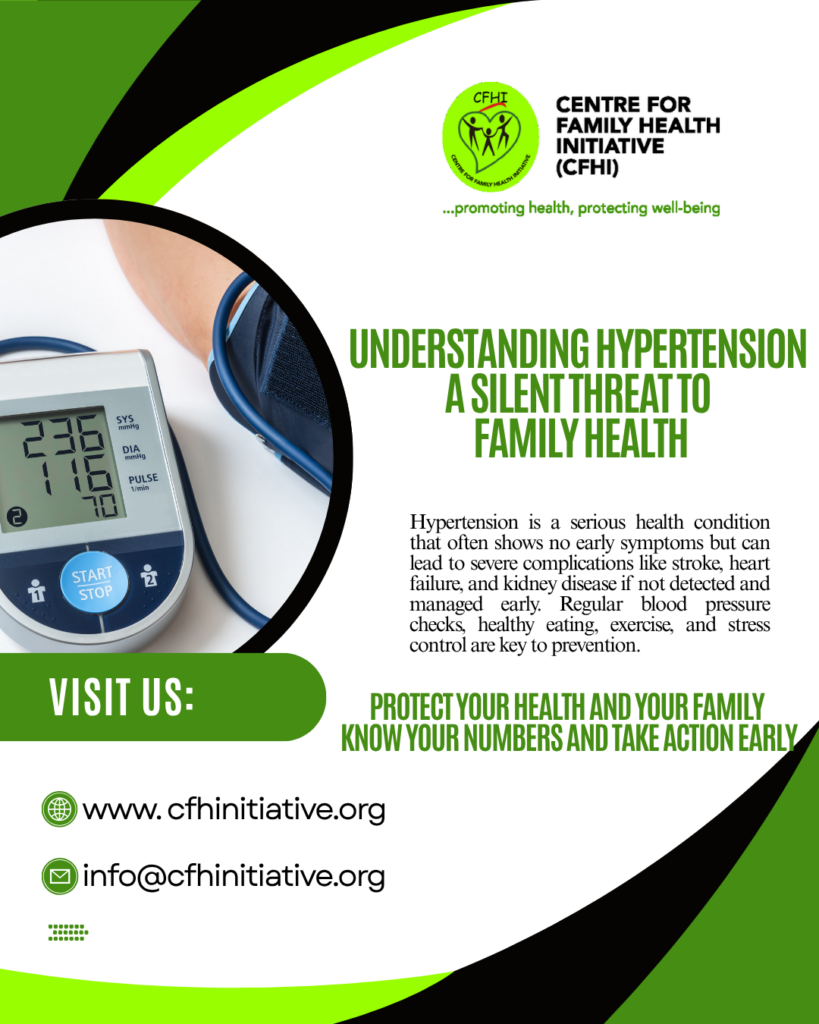
Hypertension, commonly known as high blood pressure, remains one of the most serious but overlooked health challenges affecting millions of people and families worldwide. Often called the “silent killer,” hypertension develops when the force of blood pushing against the walls of blood vessels remains consistently too high, putting excessive pressure on the heart, kidneys, brain, and other organs. What makes hypertension particularly dangerous is that many people may live with the condition for years without noticing symptoms, only discovering it after suffering severe complications such as stroke, heart attack, kidney disease, or heart failure. [1]
Many families wrongly assume hypertension affects only older adults, but research increasingly shows that younger adults and even adolescents may also be at risk due to poor diet, inactivity, obesity, stress, smoking, alcohol use, and family history. Health experts warn that hypertension is becoming a growing public health concern because modern lifestyles involving processed foods, excess salt intake, limited physical activity, poor sleep, and stress continue to increase risk levels across communities. [2][3]
One of the biggest concerns about hypertension is that it often develops silently. In many cases, individuals experience no warning signs at all. Others may occasionally report headaches, dizziness, blurred vision, fatigue, chest pain, shortness of breath, or nosebleeds, but these symptoms often appear when blood pressure has already become dangerously high. According to health experts, the only reliable way to know whether a person has hypertension is through regular blood pressure checks, making routine health screening essential for every family. [2]
Globally, hypertension continues to affect a staggering number of people. According to the World Health Organization, an estimated 1.4 billion adults aged 30–79 years are living with hypertension worldwide, making it one of the leading preventable causes of premature death globally. Research also shows that nearly 600 million adults living with hypertension are unaware they have the condition, while only around one in four people with hypertension have their blood pressure adequately controlled, exposing millions to avoidable health complications. [1][4]
The burden of hypertension is particularly significant in low- and middle-income countries, including many African nations, where limited awareness, poor screening rates, weak healthcare systems, and delayed diagnosis continue to increase the risk of illness and death. Studies suggest that many individuals only seek care after suffering severe complications such as stroke or kidney disease, conditions that could have been prevented through early diagnosis and treatment. Hypertension has also been linked to increased risks of heart disease, cognitive decline, blindness, and pregnancy-related complications, showing that its effects go beyond the heart alone. [2][5]
Cases of hypertension-related complications continue to occur around the world every day. According to public health findings, uncontrolled high blood pressure contributes significantly to heart disease and stroke, two of the leading causes of death globally. In many hospitals, emergency admissions for stroke, kidney complications, and heart attacks are frequently associated with undiagnosed or poorly managed hypertension. Research increasingly shows that hypertension-related illness can reduce productivity, increase healthcare costs, and place heavy emotional and financial burdens on families. [3][5]
The good news is that hypertension can be prevented, controlled, and managed through healthy lifestyle choices and early medical care. Health experts recommend reducing salt intake, eating more fruits and vegetables, engaging in regular physical activity, avoiding tobacco use, limiting alcohol consumption, maintaining a healthy weight, managing stress, and getting adequate sleep. For individuals already diagnosed, taking prescribed medications consistently and attending routine medical check-ups are important for preventing complications. [1][2]
Families also have an important role to play in preventing hypertension. Encouraging healthier meals at home, participating in physical activities together, reducing stress, avoiding harmful habits, and supporting loved ones living with hypertension can improve long-term health outcomes. Parents and caregivers should understand that prevention begins at home and that routine blood pressure checks should become part of family health practices, especially for adults with risk factors such as obesity, diabetes, or family history of high blood pressure. [3]
Another challenge in hypertension management is misinformation and poor health-seeking behaviour. Some individuals stop taking medications once they feel better, while others rely entirely on self-medication or myths rather than professional care. Research continues to show that uncontrolled hypertension significantly increases the risk of preventable disability and premature death. Hypertension treatment is often lifelong, meaning consistent care and monitoring are necessary to maintain healthy outcomes. [1][5]
Hypertension may be silent, but its consequences can be deadly if ignored. Every family should understand the importance of regular blood pressure screening, healthy living, and early medical intervention. Protecting heart health begins with awareness, prevention, and responsible health choices. A simple blood pressure check today may prevent a life-threatening emergency tomorrow.
As we continue to promote healthier families and communities, let us make blood pressure checks a routine habit, encourage healthier lifestyles, support those living with hypertension, and spread awareness about this silent killer. Prevention starts with knowledge, action, and collective responsibility for better health. [1][2][4]
References
[1] https://www.who.int/news-room/fact-sheets/detail/hypertension
[2] https://www.cdc.gov/high-blood-pressure/about/index.html
[3] https://www.cdc.gov/high-blood-pressure/data-research/facts-stats/index.html
[4] https://www.who.int/news-room/events/detail/2026/05/17/default-calendar/world-hypertension-day-2026
[5] https://www.cdc.gov/high-blood-pressure/
Key figures such as the ~1.4 billion people living with hypertension globally and low control rates are based on recent WHO and CDC information. (World Health Organization)
Monday Health Burst is an initiative of CFHI to address issues of basic health concern. Join us every Monday on all our social media platforms for more episodes.
Understanding Hypertension, A Silent Threat to Family Health Read More »