Gender

SPEAK WEDNESDAY

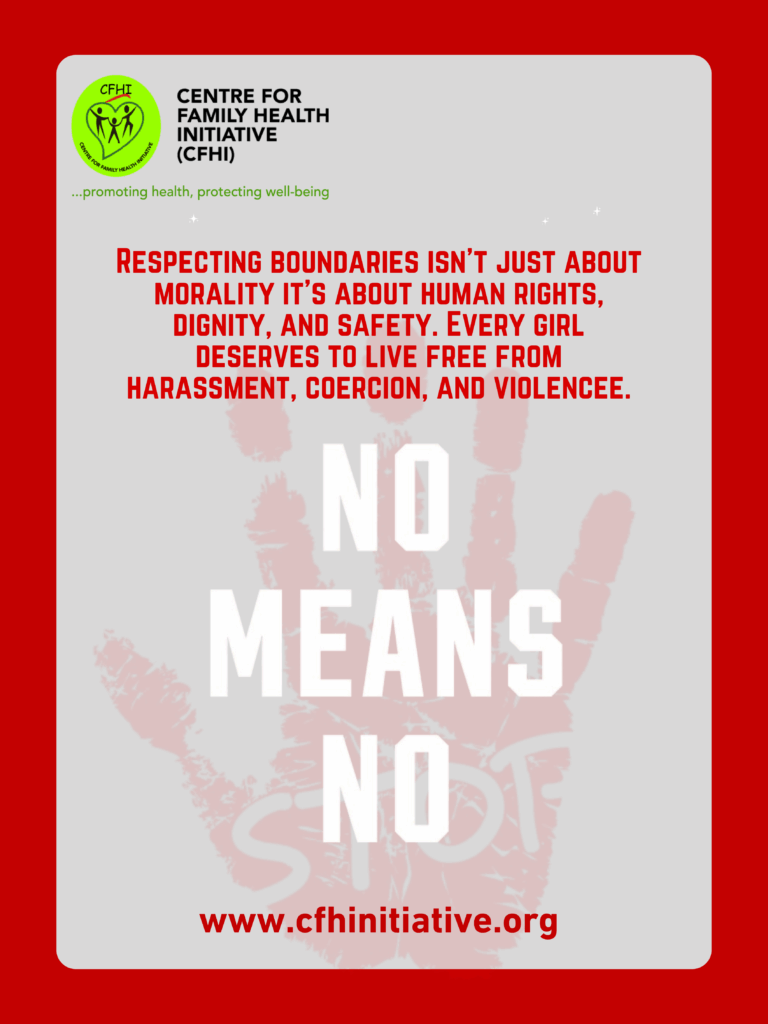
“NO Means NO”

Today, the simple word “No” still struggles to carry the weight it deserves. For many young people, especially girls and young women, saying “no” can come with fear, pressure, or misunderstanding. Yet, “no” should be enough. It is a complete sentence one that should be heard, respected, and never questioned. As we continue to raise awareness around gender equality and safety, understanding the true meaning of consent and personal boundaries becomes essential for building a healthy society.

Consent is more than just permission; it is about respect, autonomy, and communication. It means that every person has the right to decide what happens to their body, their time, and their emotions. Consent must be freely given, not forced, tricked, or coerced. It cannot be assumed from silence or past behaviour, and it can be withdrawn at any time. In relationships, friendships, or social settings, learning to respect a person’s “no” whether spoken or unspoken reflects maturity and integrity.

Unfortunately, the statistics around consent violations remain alarming. According to the World Health Organization (WHO), nearly one in three women globally has experienced physical or sexual violence in her lifetime, most often at the hands of an intimate partner 1. In Nigeria, the National Bureau of Statistics (NBS) reports that many incidents of sexual or domestic violence are never reported, often due to fear of stigma, shame, or disbelief 2. These figures highlight how deeply ingrained gender norms and societal silence can make it difficult for survivors to speak out and for young people to learn what healthy respect truly looks like.

For young girls, learning to say “no” and knowing that it must be respected is an important part of personal development and self-protection. Saying “no” is valid when faced with peer pressure to engage in sexual activity, when uncomfortable with unwanted touching, or when asked to share private information or photos online. “No” is equally powerful in social and emotional spaces: refusing manipulative statements like “If you love me, you’ll do it,” or declining invitations that compromise one’s comfort or safety. Every young person must understand that their voice matters, and their boundaries define who they are.

Equally important is educating boys and young men about consent, empathy, and accountability. True respect means not only hearing “no” but also actively seeking a clear and enthusiastic “yes.” It means understanding that real strength lies in restraint, understanding, and kindness not in control or pressure. When communities, schools, and families foster open conversations about respect and consent, they equip young people with the values needed to build relationships rooted in trust and equality.

Through our gender norms interventions, CFHI empowers young people with knowledge and confidence to challenge and transform harmful gender norms (especially those that disadvantage women and girls) while protecting respect, equality and fairness. Each adolescent club activity, school campaign, and community outreach brings us closer to a society where consent is understood, respected, and upheld where “NO” truly means “NO.

Speak Wednesday is an initiative of CFHI to address issues around gender-base violence and gender-bias.


References

  1. World Health Organization. Violence Against Women: Key Facts. WHO, 2023. Available from: https://www.who.int/news-room/fact-sheets/detail/violence-against-women
  2. National Bureau of Statistics. National Survey on Domestic and Sexual Violence in Nigeria. Abuja: NBS; 2022. Available from: https://nigerianstat.gov.ng/elibrary/read/1241055


SPEAK WEDNESDAY Read More »

Systemic Barriers to Eliminating GBV in Nigeria

  1. Weak Legal Frameworks and Poor Enforcement

Gender-based violence (GBV) in Nigeria is not only a symptom of individual wrongdoing it is a structural problem rooted in weak laws, uneven adoption of protections, and chronically poor enforcement. To end GBV we must look beyond individual cases and address how laws, institutions and social systems consistently fail survivors.

At the federal level, Nigeria enacted the Violence Against Persons (Prohibition) Act (VAPP), 2015, a comprehensive law criminalizing many forms of GBV. Yet the VAPP is a federal law that must be domesticated (adopted) by state legislatures to take full effect in most states. Domestication has been inconsistent and slow: as recently as 2022–2023 different trackers and reports showed wide variation across states in adoption and implementation of VAPP-style protections. The patchwork adoption means many survivors still lack access to the full.

Even where anti-GBV laws exist, legal gaps remain. Some forms of abuse most notably marital rape are still not uniformly criminalized or enforced across Nigeria. Customary and religious legal systems in many communities treat marital relations as private and beyond criminal law, which results in survivors being denied legal redress. Research and rights reports document how legal definitions, exceptions, and cultural exclusions leave key protections unenforced or unavailable to many women and girls. (Human Rights Watch)

A law on the books means little if enforcement agencies are under-resourced, untrained, or indifferent. Investigations and prosecutions for GBV face multiple obstacles: victims face hostile or dismissive police responses, evidence is poorly collected or stored, and prosecution is slow or lacking. Human rights organizations have repeatedly documented cases in which survivors are shamed, blamed, or pressured to withdraw complaints outcomes that deter reporting and allow perpetrators to act with impunity. (Human Rights Watch)

“Survivors’ experiences show how enforcement failures deepen the harm. Human Rights Watch reported that a lawyer who helped a rape survivor in Enugu was herself assaulted after filing the complaint, exposing hostile treatment by police toward survivors and their advocates. Such incidents discourage reporting and let perpetrators act with near impunity.” (Human Rights Watch, Feb 6, 2020). Human Rights Watch

Effective GBV response requires functioning social services: emergency shelters, forensic and medical support, trauma counselling, and legal aid. In Nigeria these services are often underfunded, unevenly distributed, or run by civil society with precarious support. The result: even survivors who do report rarely receive the wraparound care needed for justice and recovery. Multilateral surveys during the COVID era showed the pandemic worsened women’s safety and access to services an acute example of how weak systems fail under stress.

Official statistics dramatically undercount GBV. Survivors often do not report abuse because they distrust institutions, fear stigma, or lack knowledge of legal options. In turn, poor data collection and fragmented record-keeping between police, health services and civil society hide patterns of violence and make evidence-based policy difficult. The lack of a centralized, trusted data system contributes to weak policy responses. (Human Rights Watch)

Civil society monitoring and journalistic investigations reveal spikes in femicide and intimate partner killings, prompting activists to call for emergency measures. These tragic outcomes are the predictable endgame of weak laws, poor enforcement, and under-resourced prevention and protection systems. Public outrage reflects not only grief but the recognition that structural failures make homes and communities unsafe for many women and girls. (The Guardian)

Reports by national and international organizations converge on several priorities:

  • Full domestication of VAPP-style laws in all states and harmonization with customary/religious systems to ensure survivors’ rights everywhere. (wfd.org)
  • Clear criminalization of all forms of GBV including marital rape and other forms often excluded by law. (Human Rights Watch)
  • Police and judicial reform, including specialized GBV units, survivor-sensitive investigation protocols, and fast-track prosecution for sexual and domestic violence. (Human Rights Watch)
  • Investment in survivor services medical forensic care, psychosocial support, shelters, and legal aid with sustainable public funding and coordination with civil society. (Amnesty International)
  • Robust data systems that unify reporting from police, health facilities and NGOs to produce reliable prevalence and response metrics. (UN Women Data Hub)

Nigeria’s VAPP Act and other legal instruments are important steps, but legal texts without consistent, rights-based enforcement become symbolic rather than transformative.


Bibliography

  • Partners Nigeria — VAPP Tracker (domestication status across states). (partnersnigeria.org)
  • WFD: Impact of the VAPP and related laws in 12 states (2023). (wfd.org)
  • Human Rights Watch — Violence against women pervasive in Nigeria (2019). (Human Rights Watch)
  • UN Women / Measuring the Shadow Pandemic: Violence against women during COVID-19 in Nigeria (2021). (UN Women Data Hub)
  • Amnesty International — Nigeria reports on rights and GBV (2021/2023 reports). (Amnesty International)
  • The Guardian — Activists call for state of emergency over GBV in Nigeria (Feb 2025). (The Guardian)


TO BE CONTINUED…WATCH OUT FOR

NO 2 BARRIER

Systemic Barriers to Eliminating GBV in Nigeria Read More »

SPEAK WEDNESDAY

Safe Spaces, Safe Girls

Every girl deserves to feel safe at home, in school, online, and within her community. Yet, for many adolescent girls, safety is not always guaranteed. From bullying and harassment to harmful gender norms and abuse, too many young girls are forced to grow up in environments that threaten their confidence, education, and dreams.

Safe spaces are not just physical places; they are environments where girls can freely express themselves, learn, share experiences, and access guidance without fear of judgment or harm. They are spaces where girls’ voices are heard, their ideas are valued, and their rights are respected.

When girls feel safe, they thrive, they speak up, lead, innovate. But when fear replaces safety, silence grows and with silence comes vulnerability. According to the United Nations, https://www.un.org/en/observances/ending-violence-against-women-day one in three women worldwide experiences physical or sexual violence in her lifetime, much of which begins during adolescence. Unsafe spaces often normalize this violence, teaching young girls that their safety and dignity can be negotiated; but they cannot.

Why Safe Spaces Matter

Safe spaces help girls:

  • Build self-esteem and confidence through open conversations and mentorship.
  • Access accurate health information, including sexual and reproductive health education.
  • Develop leadership skills that empower them to challenge stereotypes and discrimination.
  • Find support networks to overcome trauma, bullying, and gender-based violence.

Beyond protection from physical harm, girls also need safety in the digital world; shielding them from cyberbullying, online exploitation, and exposure to harmful content. As the digital world becomes a second home for adolescents, creating safe online communities is just as important as protecting physical spaces.

Parents, guardians, teachers, and instructors play a vital role in shaping the safety and confidence of young girls. They must create nurturing environments that make girls feel protected, valued, and always heard.

Adults should provide constant reassurance, letting girls know they are not alone in their challenges. They should encourage them to brace up against the trials of adolescence, reminding them that every challenge is part of growth. Girls should be motivated to stay focused on their goals, believe in their dreams, and never let temporary setbacks define their worth.

When caregivers listen with empathy and guide with love, they give girls the courage to rise above fear, pressure, or self-doubt; building strong, confident women who will lead tomorrow.


Through our gender norms transformation programs, school and community outreaches, and Gender-Based Violence (GBV) prevention campaigns, CFHI continues to educate adolescents and their caregivers on creating supportive, respectful, and inclusive environments. We work to ensure that every girl has access to information, mentorship, and opportunities that build resilience and confidence.

To every adolescent girl reading this: your voice matters. You have the right to safety, respect, and dignity. Speak up when something feels wrong, support your peers, and stand for what is right even when it’s hard.

To parents, teachers, and guardians be the reason a girl feels safe. Create spaces filled with trust, understanding, and love. Encourage her to stay focused, stay brave, and never give up on her dreams.

Because when girls are safe, they are unstoppable. And when girls are unstoppable, communities thrive.

As the African proverb says, “Train a girl, and you train a nation.” This reminds us that creating safe spaces for girls is not only a moral duty but a foundation for building stronger, safer, and more prosperous communities.

Speak Wednesday is an initiative of CFHI to address issues around gender-base violence and gender-bias.


SPEAK WEDNESDAY Read More »

CFHI Participates in 2024 VAPP Act Validation Meeting

CFHI Participates in Validation Meeting on the 2024 Annual Implementation Report of the VAPP Act

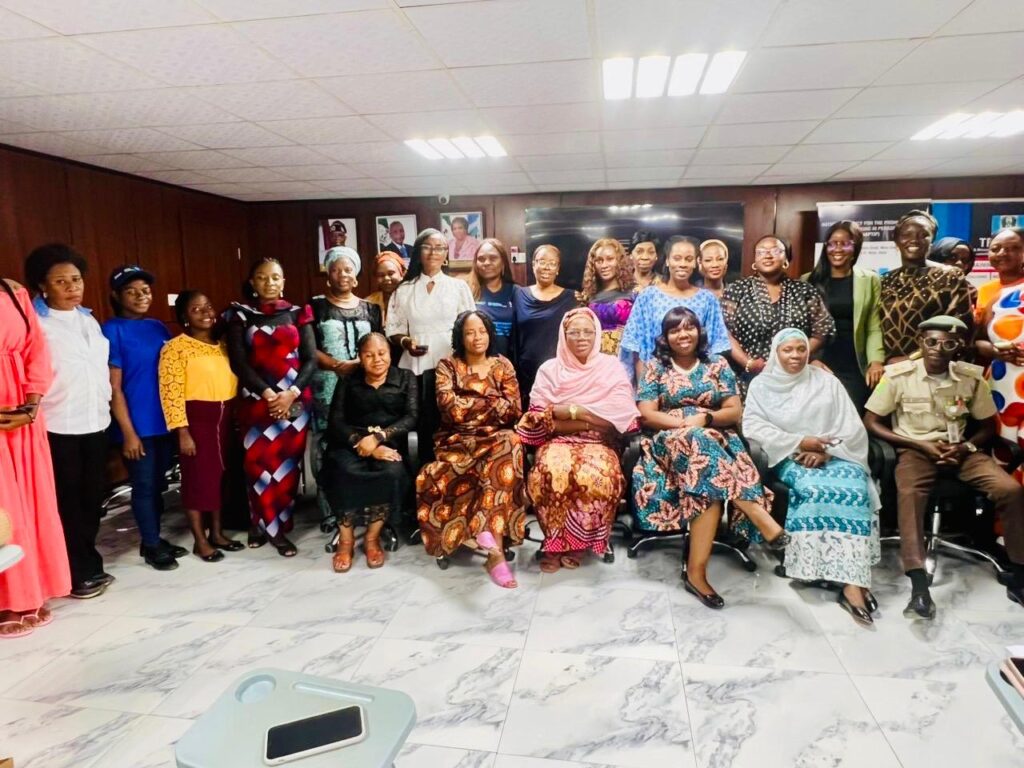
The Centre for Family Health Initiative (CFHI) joined other key stakeholders at the Validation Meeting on the 2024 Annual Implementation Report of the Violence Against Persons (Prohibition) Act, 2015, held today at the NAPTIP Training Resource Centre, Federal Secretariat, Abuja.

The meeting brought together representatives from government agencies, civil society organizations, and development partners to review and validate progress made in implementing the VAPP Act across Nigeria. Discussions centered on strengthening coordination, addressing implementation gaps, and improving service delivery to survivors of gender-based violence.

CFHI’s participation underscores its ongoing commitment to advancing gender equality and promoting a society free from all forms of violence. Through collaboration and evidence-based advocacy, the organization continues to support national efforts in ensuring the effective enforcement of the VAPP Act.

By engaging in such strategic dialogues, CFHI reaffirms its role in driving accountability and fostering partnerships that protect the rights and dignity of all persons, particularly women and vulnerable groups. 

CFHI Participates in 2024 VAPP Act Validation Meeting Read More »

SPEAK WEDNESDAY

Democracy Fails Women When It Ignores Gender Violence

Democracy is more than ballots, parliaments, and courtrooms it is the everyday reality that allows every person to live with dignity and safety. When a democratic system pretends that voting and institutions alone guarantee equality while turning a blind eye to the daily threat of gender-based violence (GBV), it is failing a fundamental promise: protection for all citizens. For millions of women, the “freedoms” democracy claims to protect are hollow if public systems, laws, and practices do not prevent, punish, and deter gendered violence.

The hard numbers refuse to let us look away. Globally, roughly one in three women has experienced physical and/or sexual violence by an intimate partner or sexual violence by a non-partner in her lifetime a staggering indicator that violence is not an exception but a systemic condition that persists across democratic and non-democratic states alike. (World Health Organization)

Nigeria’s statistics reflect this painful truth at home. National data and large-scale studies point to around a third of women experiencing intimate partner violence (IPV), with some surveys showing 31–35% having experienced some form of IPV in recent measures. These are not abstract percentages they translate to millions of women whose bodily autonomy, mental health, economic participation and civic engagement are continuously undermined. (DHS Program)

Worse, the trendlines in some places show an alarming rise in certain forms of violence over time. Comparative analyses of regional data (for example, conflict-affected northeast Nigeria) demonstrate increases in emotional and sexual IPV between survey rounds a decade apart; a signal that crises, weak accountability, and institutional neglect worsen GBV even within states that hold elections. When democratic systems fail to protect women in times of stress, the social contract fractures. (ResearchGate)

 There are three recurring failures because democracy fail in practice:

  1. Visibility without remedy. Democracies can record crimes and produce statistics, but if police, health systems and courts do not follow through, documentation becomes an exercise in moral hygiene rather than justice. Survivors who report violence often encounter blame, delays, unsafe processes, or outright dismissal.
  2. Law without implementation. Nigeria has laws criminalizing domestic and sexual violence, but enforcement is uneven. Where patriarchy is embedded in institutions, legal protections are toothless. Laws on paper become meaningless when budgets, training, and survivor-centered services are absent.
  3. Public indifference normalized as “private matters.” When GBV is repeatedly framed as a private or cultural problem, democratic debate excludes the voices of survivors and diminishes the urgency required for structural change.

These failures matter because gender violence is not merely a private tragedy it is a public, democratic harm. GBV shrinks women’s political voice (fear limits public participation), undermines economic independence (injury, trauma, time away from work), and burdens health systems. Democracies that do not treat GBV as a governance and human-rights priority are sustaining inequality disguised as civility.

It’s not enough to pass new laws; democracies must transform institutions and social norms. That means guaranteeing emergency health and legal services; training and holding police and judiciary accountable; funding safe shelters; integrating GBV prevention in schools and workplaces; and centering survivors in policy design. It also means political leaders must stop treating GBV as a “women’s issue” and recognize it as a democracy and development crisis.

At the Centre for Family Health Initiative (CFHI), we approach this challenge on three complementary fronts: prevention, survivor support, and advocacy. On prevention, we run community dialogues and gender norms activities that challenge the attitudes that normalize violence and silence survivors. For survivors, CFHI facilitates safe referrals and trains Community Health Workers to provide trauma-informed first response and linkages to legal and psychosocial support. On advocacy, we engage local leaders and stakeholders to press for funded, accountable GBV services and to include GBV metrics in local governance performance reviews.

These actions are small in the face of a systemic problem, but democracy is built from local actions. When community-level institutions protect women’s rights and when civic actors demand accountability, national democracy is strengthened. CFHI’s work shows that when communities are empowered to respond and when survivors are listened to, trust grows, and that trust is the living tissue of democratic life.

A call to action

Democracy will keep failing women until citizens and leaders act as if their safety is a public good. If you read this and care about democracy, do three things today:

  • Speak up publicly: challenge the narrative that GBV is a “private” problem.
    • Support survivors and local organizations: fund and volunteer with groups offering direct services.
    • Hold institutions to account: demand transparent budgets for GBV response and regular reporting on prosecutions, service availability, and survivor outcomes.

Democracy isn’t earned through election cycles alone it is preserved by institutions and communities that protect the most vulnerable. Ignoring gender violence is not neutrality; it is complicity. Let us insist that our democracy lives up to its promise not only in rhetoric but in the daily safety and dignity of every woman.

Speak Wednesday is an initiative of CFHI to address issues around gender-base violence and gender-bias.

SPEAK WEDNESDAY Read More »

MONDAY HEALTH BURST: OVERVIEW OF BREAST CANCER

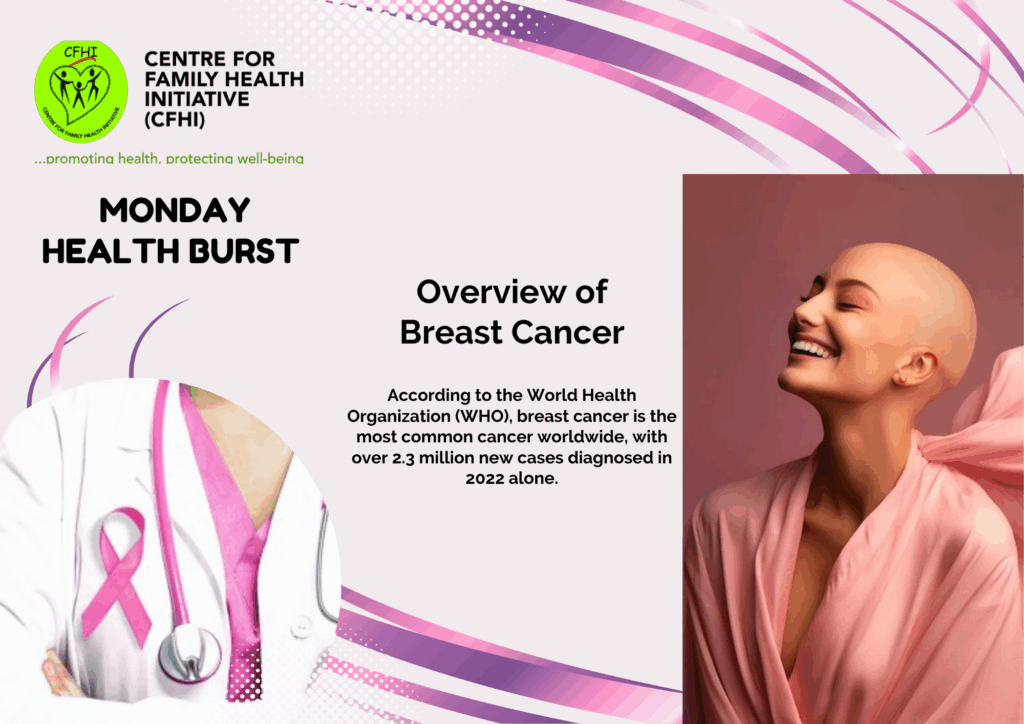
Overview of Breast Cancer

Breast cancer remains one of the most prevalent and life-altering diseases affecting millions globally. Despite significant advances in detection and treatment, it continues to pose a major public health challenge.

Breast cancer is a malignant tumor that originates in the cells of the breast. It occurs when breast cells mutate and grow uncontrollably, forming a mass of tissue. These cells can invade surrounding tissues and spread to other parts of the body through the lymphatic system or bloodstream—a process known as metastasis. According to the World Health Organization (WHO)1World Health Organization Breast Cancer Fact Sheet. WHO, breast cancer is the most common cancer worldwide, with over 2.3 million new cases diagnosed in 2022 alone.


Types of Breast Cancer

Breast cancer is not a single disease but a group of diseases with various subtypes. The most common types include:

  • Ductal Carcinoma In Situ (DCIS): A non-invasive cancer where abnormal cells are found in the lining of a breast duct but haven’t spread.
  • Invasive Ductal Carcinoma (IDC): The most common type, accounting for about 80% of cases. It begins in the ducts and invades surrounding tissue.
  • Invasive Lobular Carcinoma (ILC): Starts in the lobules (milk-producing glands) and can spread to nearby tissues.
  • Triple-Negative Breast Cancer (TNBC): Lacks estrogen, progesterone, and HER2 receptors, making it more aggressive and difficult to treat.
  • HER2-Positive Breast Cancer: Characterized by overexpression of the HER2 protein, which promotes cancer cell growth.

Each type has different treatment options and prognoses, emphasizing the importance of accurate diagnosis.

Breast cancer development is influenced by genetic, hormonal, and environmental factors. Mutations in genes like BRCA1 and BRCA2 significantly increase the risk. These mutations can be inherited or acquired over time due to exposure to carcinogens, lifestyle factors, or aging.

The process typically follows these stages:

  1. Initiation: Genetic mutations occur in breast cells.
  2. Promotion: Mutated cells begin to multiply.
  3. Progression: Cells form a tumor and may invade surrounding tissues.
  4. Metastasis: Cancer cells spread to other parts of the body.

In Nigeria, breast cancer accounts for 22.7% of all cancer cases among women, globally, 1 in 8 women will be diagnosed with breast cancer in their lifetime. Men are also affected, though less frequently—about 1% of all breast cancer cases occur in men, the highest incidence rates are found in high-income countries, but mortality rates are disproportionately higher in low- and middle-income countries due to late diagnosis and limited access to treatment. Nigerian Cancer Society. Cancer Statistics in Nigeria. NCS


Signs and Symptoms

Common symptoms of breast cancer may include a lump or thickening in the breast or underarm, changes in breast size, shape, or appearance, dimpling or puckering of the skin, nipple discharge (especially if it is bloody), nipple inversion or pain, and redness, scaling, or swelling of the breast or nipple. Regular self-examinations and clinical screenings play a vital role in ensuring early detection. While not all breast cancers are preventable, several strategies can reduce risk:

At CFHI, we are committed to transforming lives through health education, advocacy, and preventive care. We empower individuals and communities with the knowledge and tools they need to make informed health decisions. By fostering a culture of health consciousness, CFHI is helping to reduce the burden of preventable illnesses and build a healthier, more resilient society.

Breast cancer affects millions, but together, we can change the narrative. CFHI invites you to join the movement; whether by attending our health seminars, volunteering in community outreach, sharing educational materials, or simply encouraging loved ones to get screened. Your voice, your time, and your support can save lives.

Monday Health Burst is an initiative of CFHI to address issues of basic health concern. Join us every Monday on all our social media platforms for more episodes.

References

  1. World Health Organization Breast Cancer Fact Sheet. WHO
  2. Nigerian Cancer Society. Cancer Statistics in Nigeria. NCS

MONDAY HEALTH BURST: OVERVIEW OF BREAST CANCER Read More »

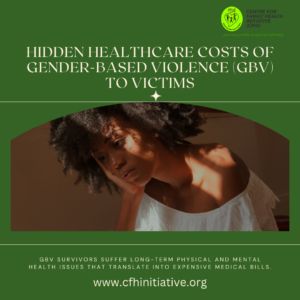
SPEAK WEDNESDAY ON THE HIDDEN HEALTHCARE COSTS OF GENDER-BASED VIOLENCE (GBV) TO VICTIMS

Gender-Based Violence (GBV) is a health issue that affects millions of people, predominantly women and girls, across different cultures, socioeconomic statuses, and geographic locations. Beyond the immediate physical and emotional toll, GBV also imposes significant hidden healthcare costs on its victims, presenting challenges that extend far beyond the initial incident.

One of the most direct healthcare costs of GBV is medical treatment for physical injuries. Domestic abuse victims, as well as victims of other gender-based violence, such as sexual assault, frequently need emergency care, surgery, and continuous medical support. These services come with substantial financial burdens, especially for those without adequate health insurance or access to affordable healthcare.

WHO reports that victims of intimate partner violence are more likely to seek healthcare services, resulting in increased medical costs compared to non-abused individuals. The expenses include emergency room visits, hospitalisations, and treatments for physical injuries, contributing to the hidden healthcare costs of GBV.

Beyond the immediate physical consequences, GBV takes a profound toll on victims’ mental health. The enduring psychological impact of GBV on survivors, with many experiencing anxiety, depression, and post-traumatic stress disorder (PTSD), is underscored by UNICEF. The need for mental health services, including therapy and counselling, is crucial but often comes with financial barriers, adding to the overall healthcare burden.

Furthermore, children who witness violence at home are more likely to develop behavioural problems, academic challenges, and mental health disorders. This perpetuates a cycle of intergenerational trauma and escalates healthcare costs for society as a whole.

The healthcare system also bears indirect costs related to GBV, such as increased demand for emergency services, specialised care for trauma survivors, and public health interventions. These expenses strain healthcare resources and contribute to rising healthcare expenditures for individuals, insurers, and governments.

Ultimately, addressing the hidden healthcare costs of GBV requires a collective commitment from healthcare providers, policymakers, law enforcement agencies, advocacy groups, and society at large. By recognising the full extent of these costs and investing in comprehensive solutions, we can create a safer, healthier future for women.

Speak Wednesday is an initiative of CFHI to address issues around gender-based violence and gender bias.

#SpeakWednesday #GBV #Women’srights #RightToHealth #genderequality #genderbias

SPEAK WEDNESDAY ON THE HIDDEN HEALTHCARE COSTS OF GENDER-BASED VIOLENCE (GBV) TO VICTIMS Read More »

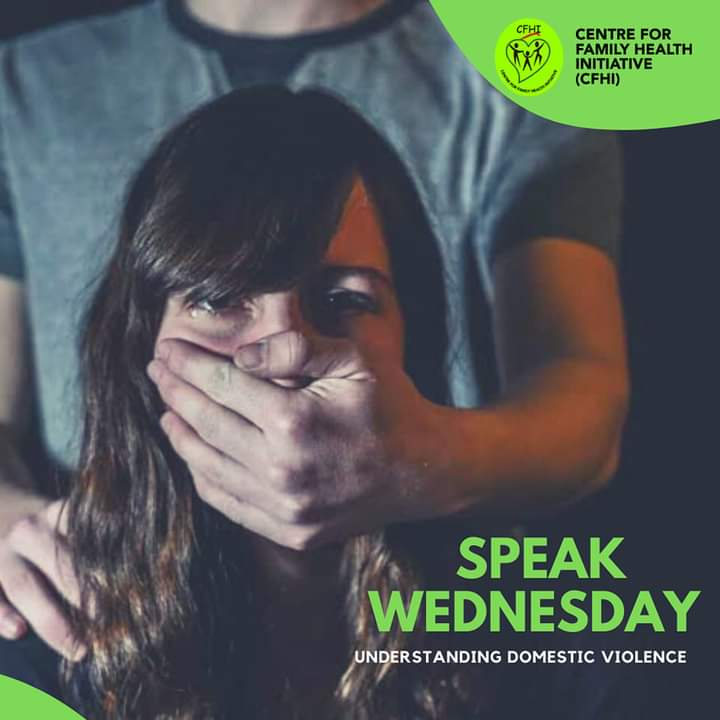
SPEAK WEDNESDAY ON UNDERSTANDING DOMESTIC VIOLENCE

The Nigerian federal law, Violence Against persons (prohibition) Act (VAPP) which was passed to address violence against women defines domestic violence as any act perpetrated on any person in a domestic relationship where such act causes harm or may cause imminent harm to the safety, and health, or well-being of any person.

The forms of domestic violence according to VAPP Act include physical abuse, sexual abuse, emotional, verbal and psychological abuse, intimidation, economic abuse, sexual harassment, forceful eviction from a person’s home except on court order, stalking, damage to property, isolation from family and friends, abandonment of children, spouse and other persons, depriving a person of his or her liberty, harmful widowhood practices, harmful traditional practices, spousal battery and others.

Domestic violence is a global problem that has been condemned internationally and nationally through the legal instruments. It is also recognized as a human rights violation. Domestic violence can be suffered by both genders, however, women are at a higher risk of which is more prevalent in Nigeria today.

The Guardian Nigeria on the 27th of February 2021, reported that cases of domestic violence are on the high, especially the spousal battery. According to the report, at least once a week, there is a case of a man beating, maiming or killing his wife, and in some very rare cases, a woman dealing with her husband in like manner.

It is applauding to know that Nigerians in recent times have been able to start a movement on social media calling our pepetrators of domestic violence and encouraging victims to speak up and take actions. This movement has also made victims and surveyors come out to share their stories.

Cases of domestic violence can be highly mitigated if they are not treated as family affairs. Whereas anyone can report cases with evidence, and pepetrators be made to stand a trial against the state. The society, culture and religion must encourage victims of domestic violence to speak up and seek justice.

Speak Wednesday is an initiative of Centre for Family Health Initiative to address issues around gender based violence and gender bias. Join us every Wednesday for more episodes on all our social media platforms.

#SpeakWednesday #UnderstandingDomesticViolence #EndGBVNow!
Break The Silence Against Domestic Violence
The National Network to End Domestic Violence
Domestic and Family Violence Prevention Queensland

SPEAK WEDNESDAY ON UNDERSTANDING DOMESTIC VIOLENCE Read More »

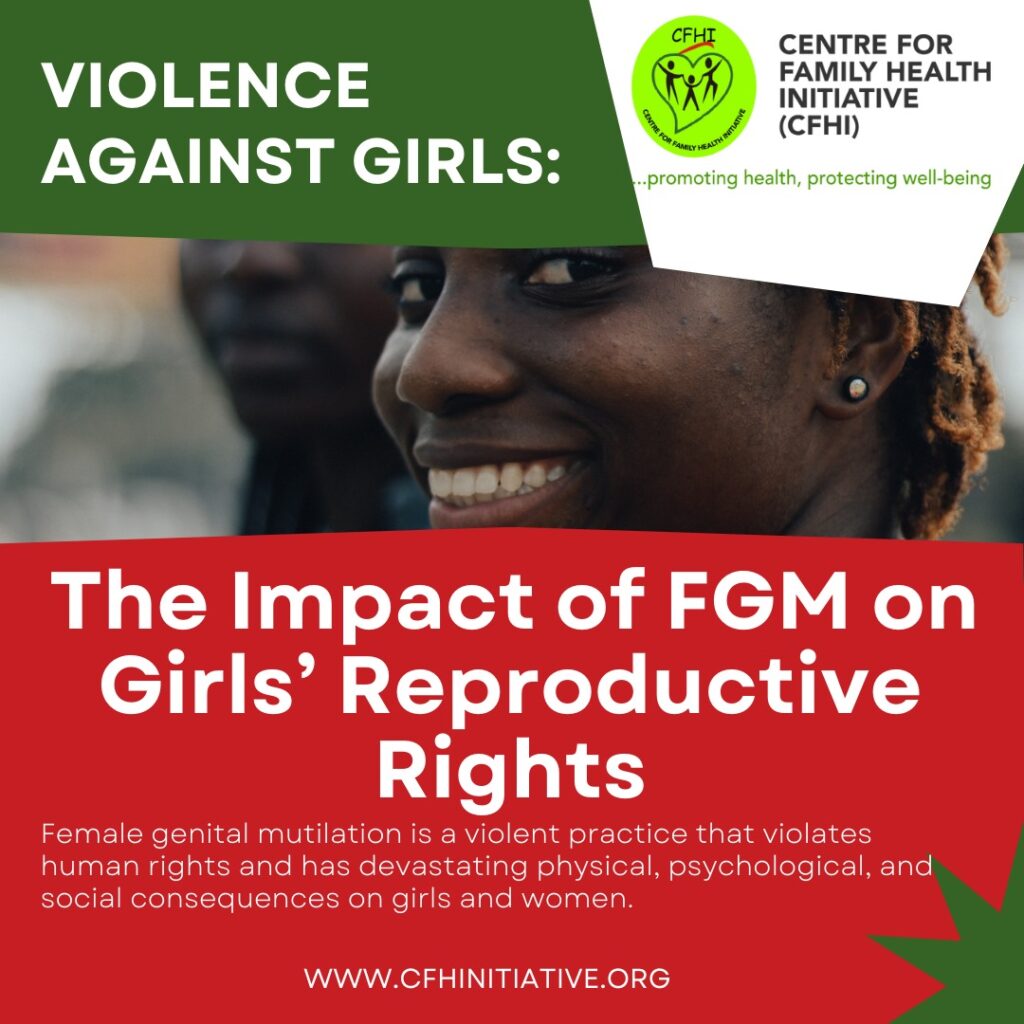
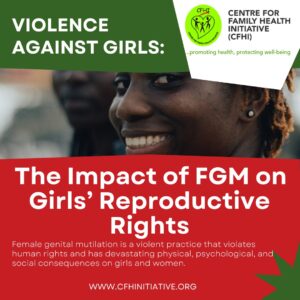
SPEAK WEDNESDAY ON THE IMPACT OF FGM ON GIRLS’ REPRODUCTIVE RIGHTS

I could barely walk after the cut. My mother and the old woman who helped to hold me down during the process tried to help me up, but I collapsed. I almost bled to death. ~ FGM Survivor

Female Genital Mutilation is a form of gender-based violence that girls have suffered for ages. It has been recognized internationally as a violation of the reproductive rights of girls and women.

FGM can be described as the practice of the partial or total removal of the external genital organs in young girls and women. This procedure predominantly occurs in females from infancy to adolescence, and sometimes in adult women. This procedure is carried out by a religious leader, elder, or amateur medical practitioner using a razor or a sharp glass.

The fact that there are no health benefits of FGM but harm cannot be overemphasized.

The World Health Organization states that girls who undergo the practice of FGM run the immediate risk of hemorrhage, excruciating pain, fever, genital tissue swelling, infections like tetanus, urinary problems, problems with wound healing, shock, and death.

Due to their lack of knowledge about the act’s effects, girls and women who undergo FGM run a higher risk of developing accumulated life-long health issues that may not be discovered immediately after the cut. The long-term side effects also include a higher risk of complications during childbirth and urinary, vaginal, menstrual, and scar tissue issues. It is pertinent to note that all forms and types of FGM can result in immediate or long-term health complications, and a victim can suffer multiple complications.

To this extent, research has unquestionably demonstrated that FGM is only connected to endangering the well-being of women and girls, with consequences that may last a lifetime.

The Convention on the Rights of the Child (Article 24 (3)) mandates states to abolish traditional practices prejudicial to children’s health. Therefore, it is urgent to step up efforts to end FGM, educate the general public about the health effects of FGM, and provide medical help to victims of FGM.

FGM is a violation of the reproductive rights of children. Say no to FGM!

Speak Wednesday is an initiative of CFHI to address issues around gender-based violence and gender bias.
#SpeakWednesday # FGM #EndFGM #ChildHealth #ChildRights #GenderStereotype #GenderBias #GenderInequality

SPEAK WEDNESDAY ON THE IMPACT OF FGM ON GIRLS’ REPRODUCTIVE RIGHTS Read More »

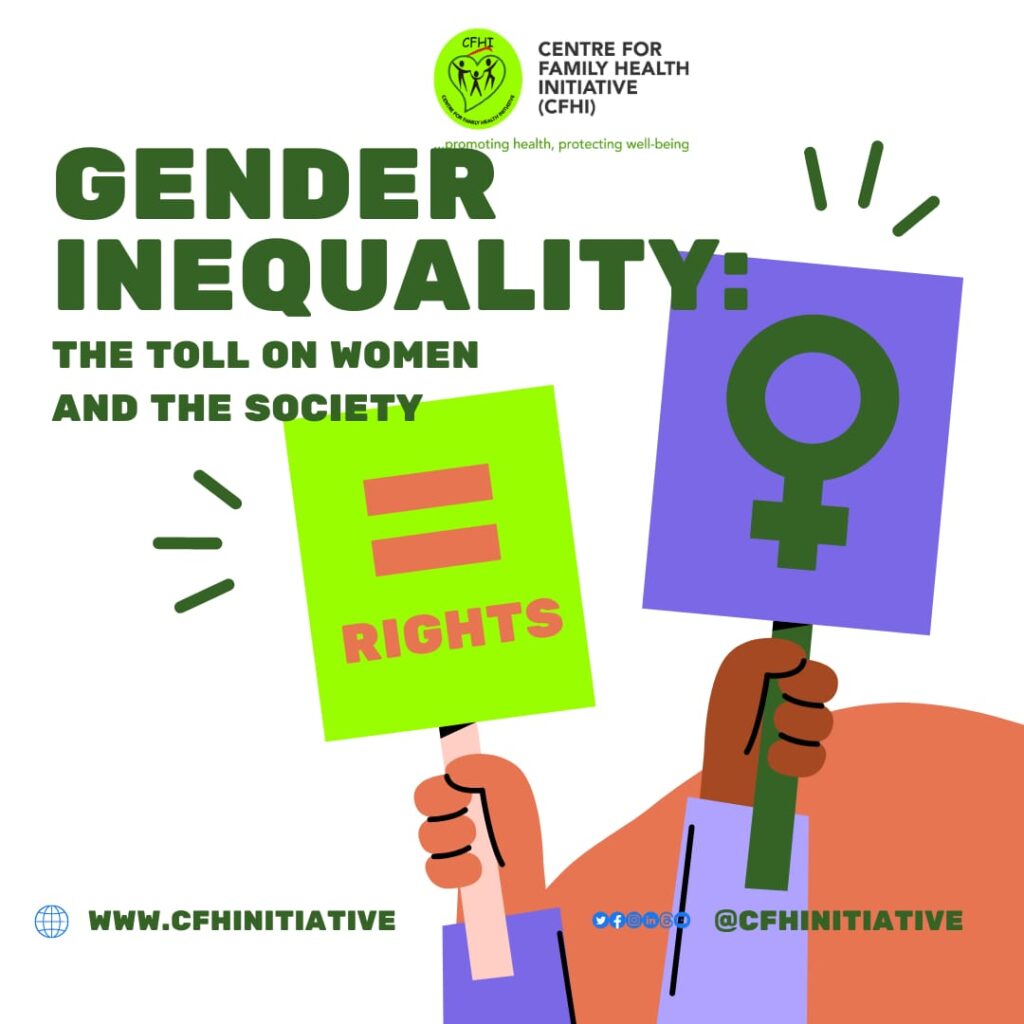
SPEAK WEDNESDAY ON GENDER INEQUALITY: THE TOLL ON WOMEN AND SOCIETY

Gender inequality is a pervasive issue that has plagued societies for centuries. While considerable progress has been made in recent years to address this problem, it continues to exert a profound toll on women and society at large. This article explores the multifaceted impacts of gender inequality, shedding light on the challenges faced by women and the broader repercussions for society.

1. Economic Disparities
One of the most evident consequences of gender inequality is economic disparity. Women often earn less than their male counterparts for equivalent work, leading to a persistent gender pay gap. This disparity not only affects women’s financial independence but also contributes to a cycle of poverty that can be passed down through generations.

2. Limited Educational Opportunities
In many parts of the world, gender inequality restricts women’s access to education. This lack of educational opportunities hampers their personal growth and economic prospects. Moreover, when women are denied access to education, society as a whole miss out on their potential contributions to various fields.
3. Unequal Representation in Leadership
Gender inequality is glaringly evident in the underrepresentation of women in leadership positions. Whether in politics, business, or academia, women continue to face barriers that hinder their ascent to influential roles. This imbalance deprives society of diverse perspectives and innovative solutions that women leaders can bring.

4. Health and Healthcare Disparities
Women often face disparities in healthcare access and quality, with some countries lacking comprehensive reproductive health services and family planning options. This inequity can lead to adverse health outcomes for women and their families. Furthermore, gender-based violence and discrimination can have severe mental and physical health consequences for women.

5. Unpaid Domestic Labour
Women disproportionately shoulder the burden of unpaid domestic labour, including childcare and household chores. This leaves them with less time and energy to pursue personal and professional aspirations. Society misses out on their full potential when this unpaid labour goes unrecognized and unvalued.

6. Gender-Based Violence
Gender inequality is closely linked to gender-based violence, which includes physical, sexual, and emotional abuse. The prevalence of such violence affects not only individual women but also disrupts social cohesion and contributes to a culture of fear and mistrust.

7. Hindrance to Social Progress
Gender inequality poses a significant hindrance to overall social progress. When half of the population is systematically marginalized and denied equal opportunities, society as a whole cannot reach its full potential. Gender equality is a fundamental human right and a cornerstone of a just and prosperous society.

8. The Path to Gender Equality
Efforts to address gender inequality must involve individuals, communities, governments, and institutions working together. Key steps include:

– Implementing and enforcing equal pay policies
– Promoting education and educational access for girls and women
– Encouraging women’s participation in leadership roles
– Providing comprehensive healthcare services, including reproductive health
– Recognizing and valuing unpaid domestic labour
– Combatting gender-based violence through legislation and awareness campaigns

Gender inequality takes a toll on both women and society. It hampers individual potential, perpetuates economic disparities, and fosters social injustice. Achieving gender equality is not just a moral imperative; it is essential for building a fair, prosperous, and progressive society. It is the responsibility of all individuals and institutions to work tirelessly towards a future where gender inequality is eradicated, and the full potential of all members of society can be realized.

Speak Wednesday is an initiative of CFHI to address issues around gender-based violence and gender bias.

#SpeakWednesday #GenderEquality #GenderDiscrimination #WomensFinance

SPEAK WEDNESDAY ON GENDER INEQUALITY: THE TOLL ON WOMEN AND SOCIETY Read More »