Gender

SPEAK WEDNESDAY ON GENDER BASED VIOLENCE; MEDIA’S ROLE IN RESHAPING PERCEPTION

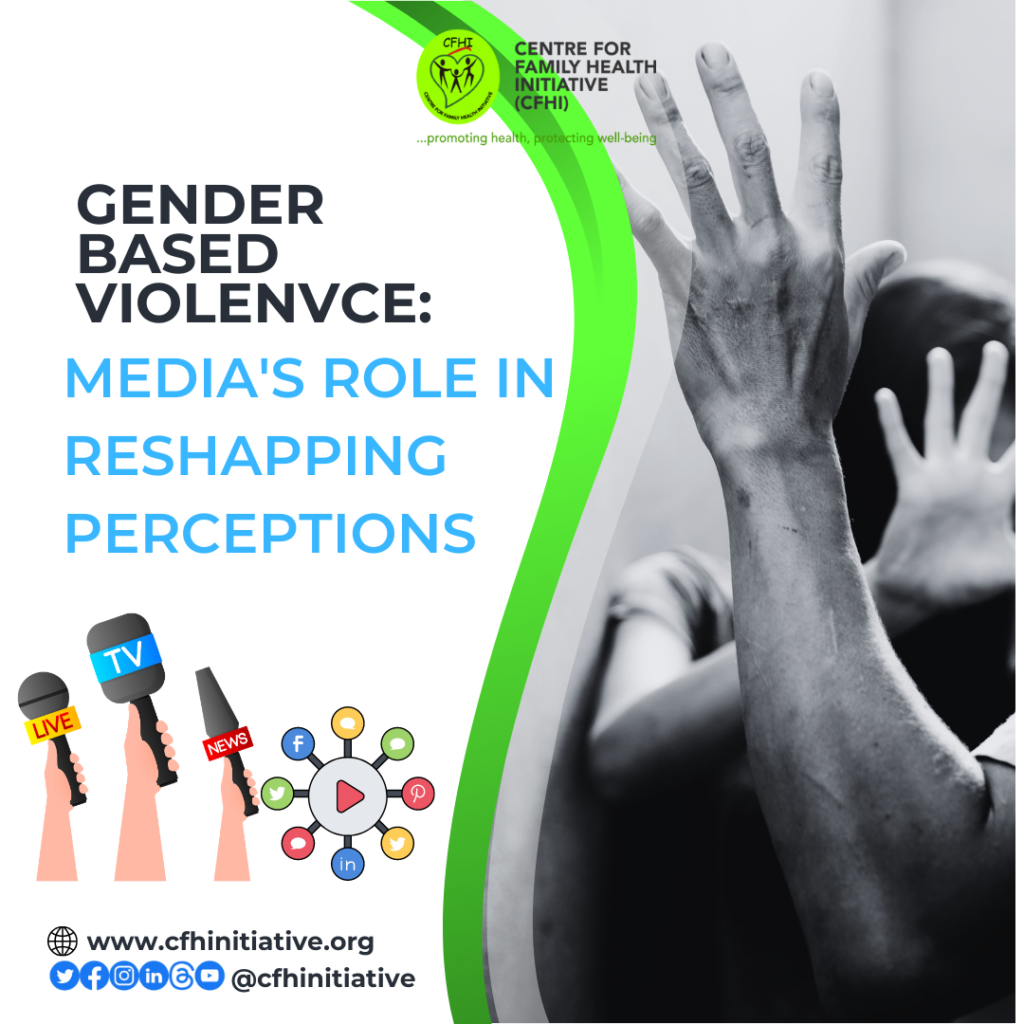
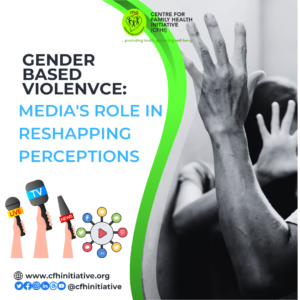
Gender-Based Violence: Media’s Role in Reshaping Perceptions

Media plays a crucial role in reshaping gender-based violence (GBV) perceptions by influencing public awareness, attitudes, and understanding of GBV. Through various platforms like news, movies, TV shows, and social media, media can raise awareness, challenge stereotypes, empower survivors, educate the public, and influence policy and advocacy. However, the media’s responsibility in reporting GBV comes with pitfalls that can perpetuate harmful norms and hinder efforts to address the issue effectively. Examples:

  1. Normalization of Violence:

   – Lack of coverage can create an illusion that GBV is not a prevalent issue, normalizing abusive behaviour and attitudes.

  1. Victim Blaming:

   – When incidents go unreported or underreported, it can reinforce victim-blaming attitudes, suggesting that survivors are responsible for the violence they experience.

  1. Silencing Survivors:

   – Media silence may discourage survivors from coming forward, fearing stigmatization and disbelief, further isolating them and hindering their path to justice and healing.

  1. Lack of Public Awareness:

   – Insufficient reporting prevents the public from understanding the scale and severity of GBV, leading to complacency and inaction.

  1. Impeding Policy and Legal Reforms:

   – Without media attention, the urgency for policy changes and legal reforms to protect victims and hold perpetrators accountable may be undermined.

  1. Missed Opportunities for Prevention:

   – Media can be a powerful tool in promoting prevention efforts, but these opportunities are lost without adequate reporting.

  1. Misrepresentation and Stereotyping:

   – When incidents are reported, media portrayals may perpetuate harmful stereotypes, reinforcing gender norms and biases.

  1. Undermining Advocacy Efforts:

   – Media serves as a conduit for advocacy efforts, but insufficient coverage can hamper campaigns and awareness-raising initiatives.

  1. Fostering a Culture of Silence:

   – A lack of media attention can create a culture of silence around GBV, hindering collective efforts to challenge and combat it.

  1. Impact on Funding and Resources:

   – Insufficient reporting may lead to reduced funding and resources for organizations working to address GBV, impeding their ability to support survivors and prevent future violence.

The Media’s role in reshaping perceptions of gender-based violence is undeniable and carries a significant responsibility in how it reports on the issue.

Speak Wednesday is an initiative of CFHI to address issues around gender-based violence and gender bias.

#SpeakWednesday #GenderEquality #GenderDiscrimination #Women’sFinance

SPEAK WEDNESDAY ON GENDER BASED VIOLENCE; MEDIA’S ROLE IN RESHAPING PERCEPTION Read More »

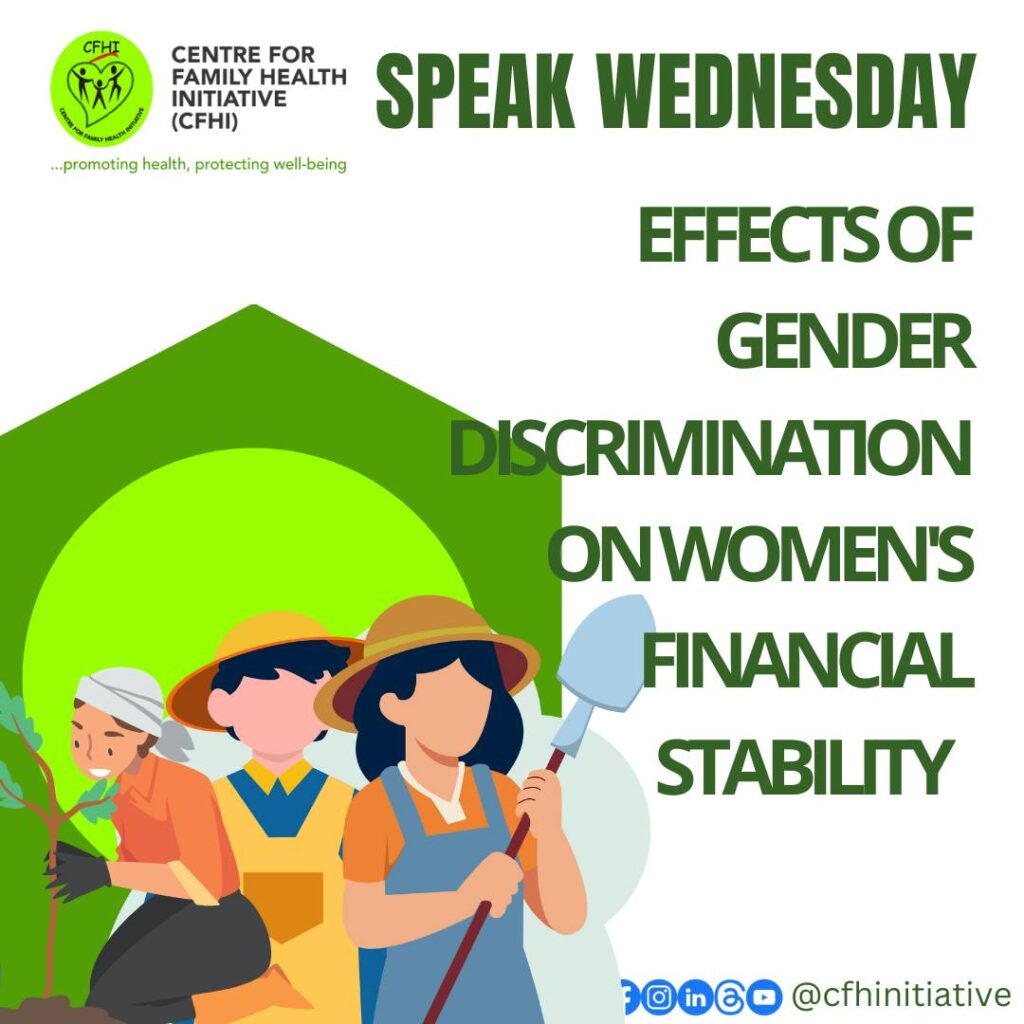
SPEAK WEDNESDAY ON EFFECTS OF GENDER DISCRIMINATION ON WOMEN’S FINANCIAL STABILITY

Article 1 of the Universal Declaration of Human Rights provides that all human beings are born free and equal in dignity and rights. However, women experience gender discrimination in both the public and private spheres, which profoundly impacts their life, including their financial stability and status.
The World Bank reports that Nigeria has one of the highest rates of out-of-school girls worldwide. Without adequate education, women’s chances of securing formal employment and escaping low-wage, informal sectors are severely restricted, leaving them vulnerable to financial instability.
Additionally, the gender wage gap still exists despite the Nigerian Labour Act prohibiting wage discrimination based on gender. The World Bank estimates that women in Nigeria make an average of 30% less money than males. The lack of equal pay makes it more difficult for women to save money, invest it, and ensure their financial future.
In Nigeria, there is a sizable gender difference in account ownership, with fewer women than males having access to formal financial services, according to the World Bank’s Global Findex Database.
The bias against women hinders their potential to establish or expand businesses, engage in politics, save finances, and participate in entrepreneurial activities. This, in turn, sustains the vicious cycle of poverty. Additionally, women’s economic empowerment, safety, and autonomy are hindered by gender discrimination, which impacts the country’s GDP and economy.
The World Bank states that achieving gender equality in financial inclusion can help accomplish eight of the 17 United Nations Sustainable Development Goals. This can be achieved through implementing genuine policies and practices promoting gender equality.
By working together to tear down the barriers of gender discrimination in Nigeria, the government, civil society, international organizations, and individuals can change this narrative.
Speak Wednesday is an initiative of CFHI to address issues around gender-based violence and gender bias.
#SpeakWednesday #GenderEquality #GenderDiscrimination #Women’sFinance
SPEAK WEDNESDAY ON EFFECTS OF GENDER DISCRIMINATION ON WOMEN’S FINANCIAL STABILITY Read More »

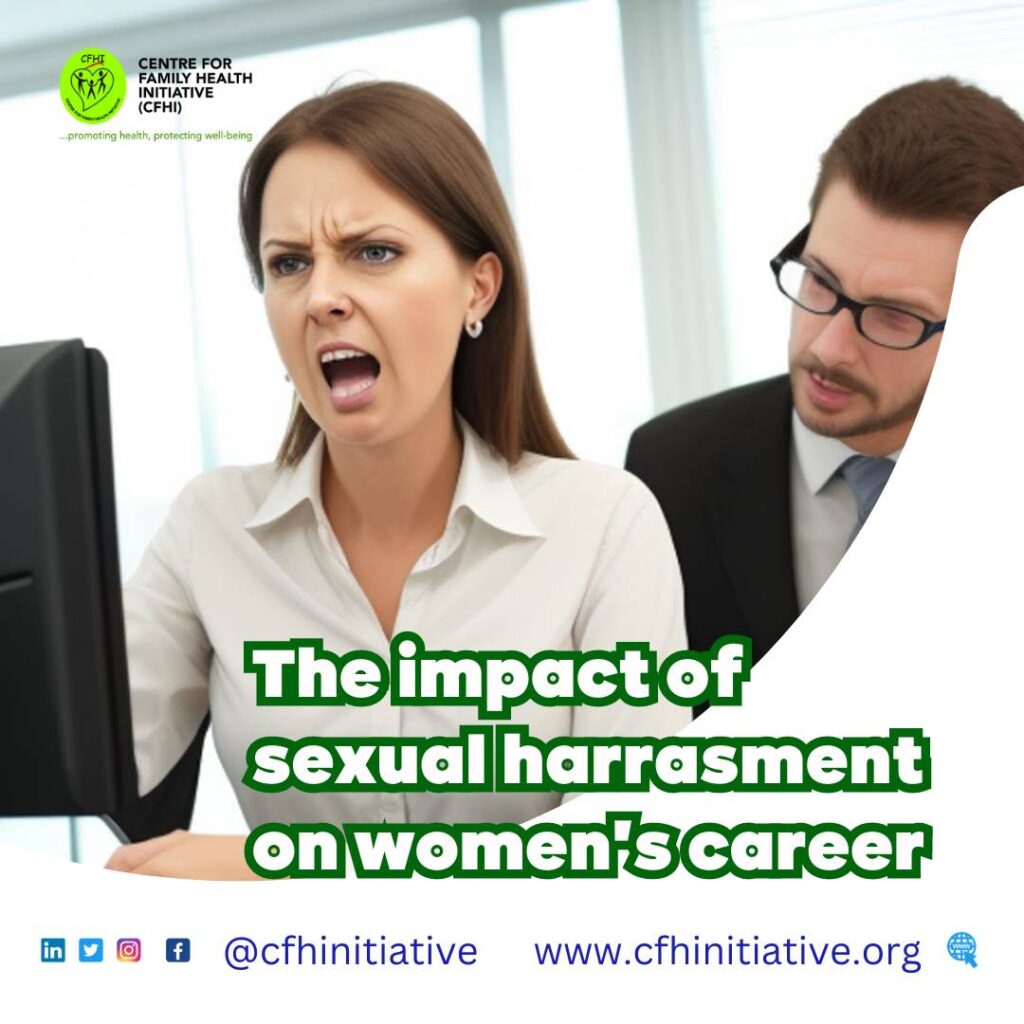
SPEAK WEDNESDAY ON THE IMPACT OF SEXUAL HARRASSMENT ON WOMEN’S CAREERS.


The Impact of Sexual Harassment on Women’s Careers

The International Labour Organization defines sexual harassment as unwelcome and offensive behavior of a sexual nature that targets individuals based on their sex. Sexual harassment is a widespread problem that impacts women’s careers more than any other area of their lives. The prevalence of sexual harassment at work impedes women’s advancement and limits their ability to advance professionally.

According to a study conducted by the International Centre for Research on Women in collaboration with ActionAid Nigeria, approximately 80% of Nigerian women have experienced some form of sexual harassment in their workplaces.

Sexual harassment fosters a toxic workplace culture, which lowers women’s job satisfaction and increases their departure rates. According to the ICRW survey, 45% of Nigerian women who had experienced sexual harassment at work decided to leave their positions, which interfered with their professional trajectories and reduced their possibilities for progress.

Furthermore, women’s careers are severely disrupted by sexual harassment, which results in traumatic events that affect their ability to advance professionally. The research by the Women in Law and Development in Africa (WILDAF) shows that sexual harassment frequently causes affected women to have lower job satisfaction, lower productivity, and higher turnover rates. The trauma brought on by such events can also cause ongoing emotional anguish, impacting one’s self-worth and confidence at work.

In Nigeria, sexual harassment affects women’s careers negatively, impeding their personal and professional advancement. The fact that this problem is so common highlights the urgent need for all-encompassing measures to combat and eliminate sexual harassment in the workplace. Creating inclusive workplaces that promote gender equality and guarantee the unrestricted career advancement of Nigerian women requires strengthening regulatory frameworks, raising awareness, and cultivating a supportive environment that empowers women.

Speak Wednesday is an initiative of CFHI to address issues around gender-based violence and gender bias.

#SpeakWednesday #SexualHarassment #SayNoToSexualHarassment #Women’srights #genderequality #genderbias

SPEAK WEDNESDAY ON THE IMPACT OF SEXUAL HARRASSMENT ON WOMEN’S CAREERS. Read More »

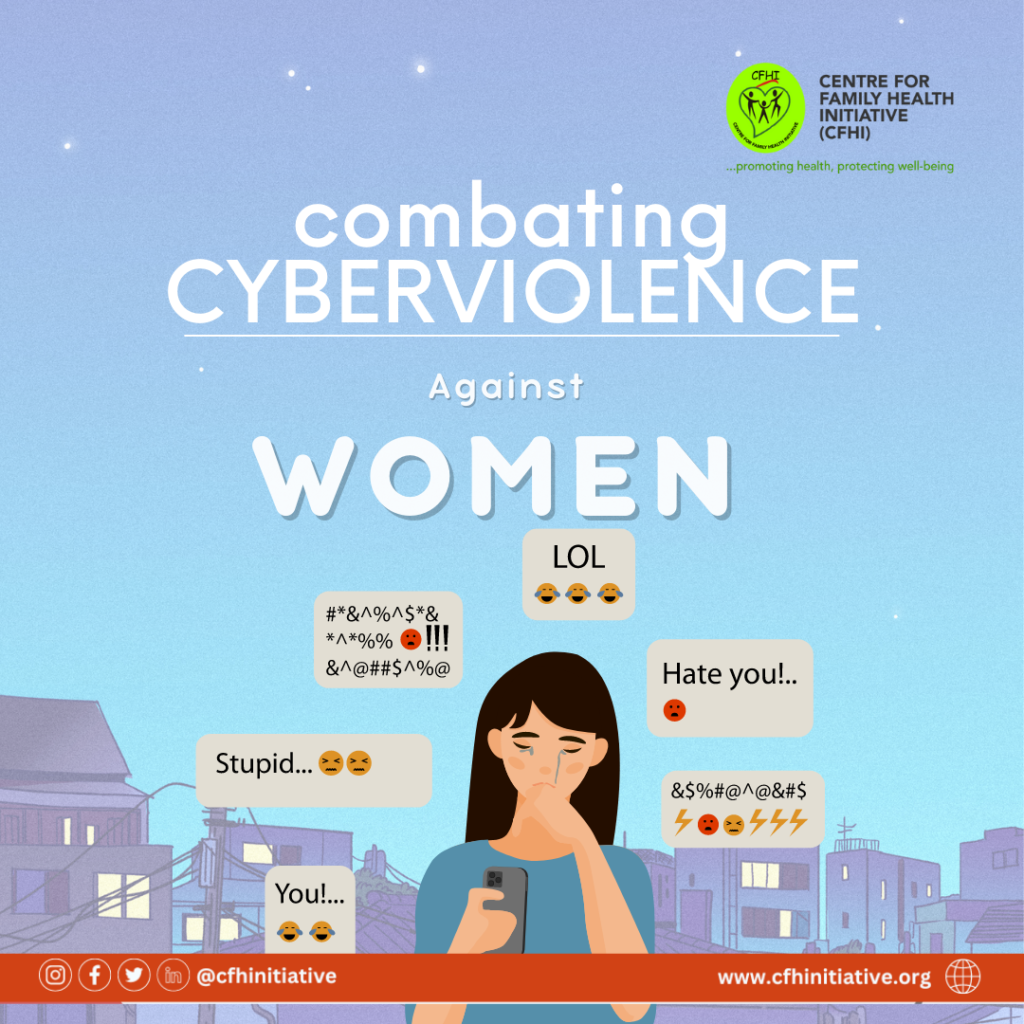
SPEAK WEDNESDAY – Combating Cyberviolence Against Women

The widespread usage of the internet and the quick development of technology have had various positive effects on society. They have, however, also contributed to a worrying development: cyberviolence against women. Women’s safety, privacy, and wellbeing are seriously threatened by this type of online assault. This, the UN identified as a kind of gender-based violence that exacerbates existing inequities.

According to UN Women, cyberviolence against women takes various forms, such as sexual harassment, stalking, intimate image abuse, trolling, doxing, and misogynistic hate speech. Additionally, technology is used to facilitate other forms of violence, including intimate partner or domestic violence and trafficking. These digital tools enable abusers to monitor, track, threaten, and perpetrate violence, while traffickers exploit technology to profile, recruit, control, and exploit their victims. Reports by UN Women and the UN Special Rapporteur on Violence Against Women highlight the adverse impacts of cyberviolence, including psychological and emotional distress, fear, social isolation, and educational and professional consequences faced by victims.

Women at heightened risks of cyberviolence includes young women and girls, women in public life including women’s rights activists, women human rights defenders, women in politics, and women journalists.

Nigeria has taken significant steps to address cyberviolence against women through its legal system. The Cybercrime Act of 2015 criminalizes various forms of cyberviolence, including cyberstalking, cyberbullying, identity theft, and the distribution of sexually explicit materials without consent. This legislation plays a crucial role in protecting women from online abuse and provides a legal framework to prosecute perpetrators. Furthermore, legal frameworks like the Violence Against Persons (Prohibition) Act, and the Convention on the Elimination of All Forms of Discrimination Against Women (CEDAW) recognizes cyberviolence as a form of violence against women. These legislative measures provide a foundation for protecting women from online abuse and prosecuting perpetrators.

Although Nigeria has made strides in addressing cyberviolence against women, stronger enforcement measures are required to guarantee that existing laws are implemented. 

Raising awareness and promoting legislative changes are essential components in the fight against cyberviolence against women, in addition to legal measures. Public campaigns, educational initiatives, and media outreach should emphasize raising awareness of the seriousness of the problem, encouraging appropriate online conduct, and creating an environment where women may feel respected and safe.

Speak Wednesday is an initiative of CFHI to address issues around gender-based violence and gender bias.

#SpeakWednesday #Cyberviolence #GenderBasedViolence #Women’sRights #GenderStereotype #GenderBias #GenderInequality


SPEAK WEDNESDAY – Combating Cyberviolence Against Women Read More »

SPEAK WEDNESDAY – Gender-Based Restrictions on Career Choices

Gender-Based Restrictions on Career Choices: Examining the Impact on Female Children in Nigeria


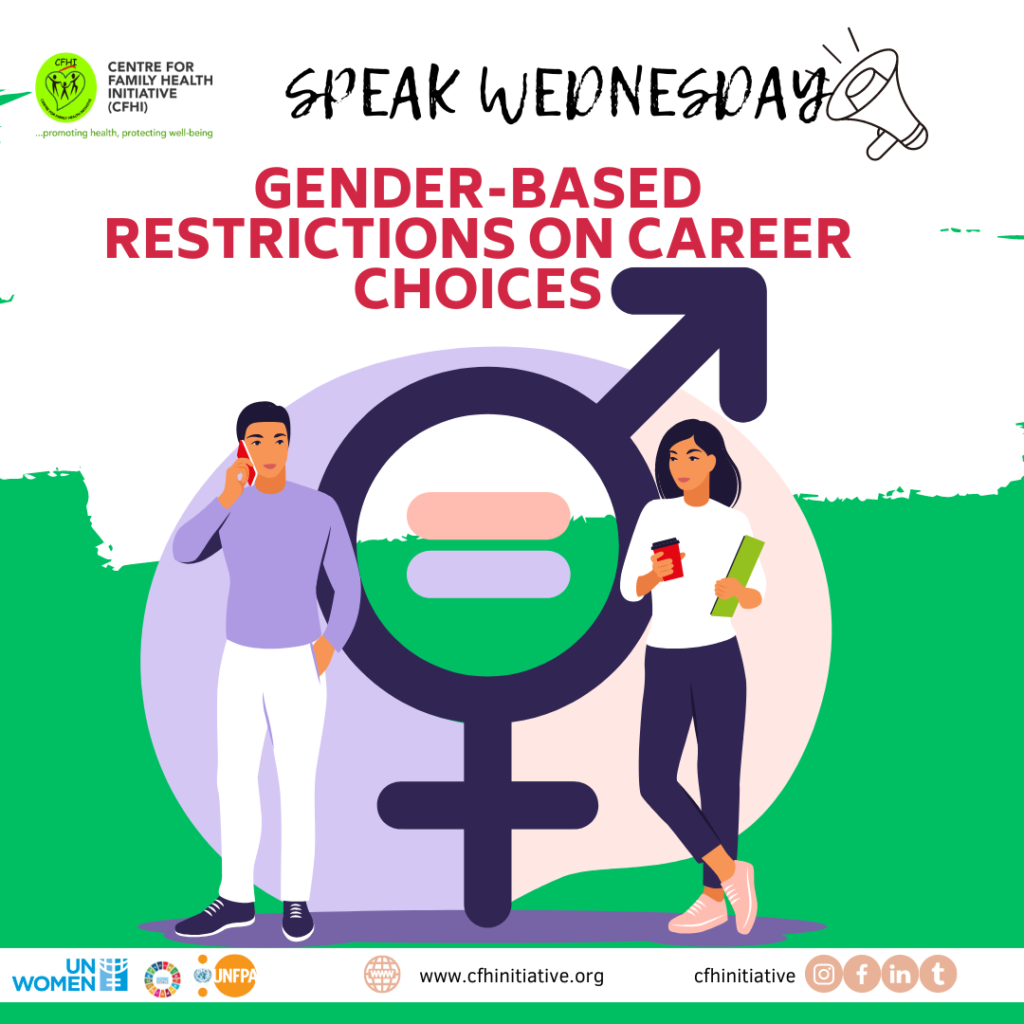
In Nigeria, young girls face significant challenges when choosing their career paths due to gender-based limitations. Despite progress in women’s rights and gender equality, traditional views, cultural norms, and socioeconomic factors still limit the career options available to girls. These biases have contributed to a significant gender gap in many professions. Unfortunately, like many others, Nigerian society continues to adhere to gender norms that restrict the career opportunities available to female children. Cultural factors like patriarchal standards and expectations of women’s domestic responsibilities have perpetuated the belief that certain professions are better suited for men.


According to the World Bank’s report on gender disparities in Nigeria, cultural biases discourage girls from pursuing careers in fields like science, technology, engineering, and mathematics (STEM), often considered male-dominated. This leads to a persistent gender gap in these fields and limits educational and employment opportunities for girls. Factors such as limited access to quality education, early marriage, poverty, inadequate educational infrastructure, and cultural norms favoring boys’ education further restrict girls’ career choices in Nigeria.


The limitations placed on female students’ career options based on gender in Nigeria profoundly impact both the individual and the larger society. Limiting girls’ goals undermines their personal growth, perpetuates gender inequality, and obstructs the nation’s progress towards achieving gender equality and socioeconomic development.


In 2022, the Centre for Family Health Initiative (CFHI) celebrated the International Day of the Girl Child by educating over 40 students and teachers from Junior Secondary School Gosa – Abuja about the negative impacts of gender-based violence and encouraging students to pursue their preferred fields, including STEM-related ones, regardless of gender.


Addressing gender-based restrictions on career choices for female children in Nigeria requires a holistic approach encompassing education, awareness, and equal opportunities. By challenging traditional gender roles, providing role models, ensuring access to quality education, and promoting options in male-dominated fields, we can empower girls to pursue their dreams and contribute to the nation’s progress. Through these concerted efforts, Nigeria can build a more inclusive and equitable society where all children have the freedom to choose their desired career paths, irrespective of gender.


Speak Wednesday is an initiative of CFHI to address issues around gender-based violence and gender bias.


#SpeakWednesday #Career #Girl’sRights #Women’sRights #GenderStereotype #GenderBias #GenderInequality #Nigeria #Progress


SPEAK WEDNESDAY – Gender-Based Restrictions on Career Choices Read More »

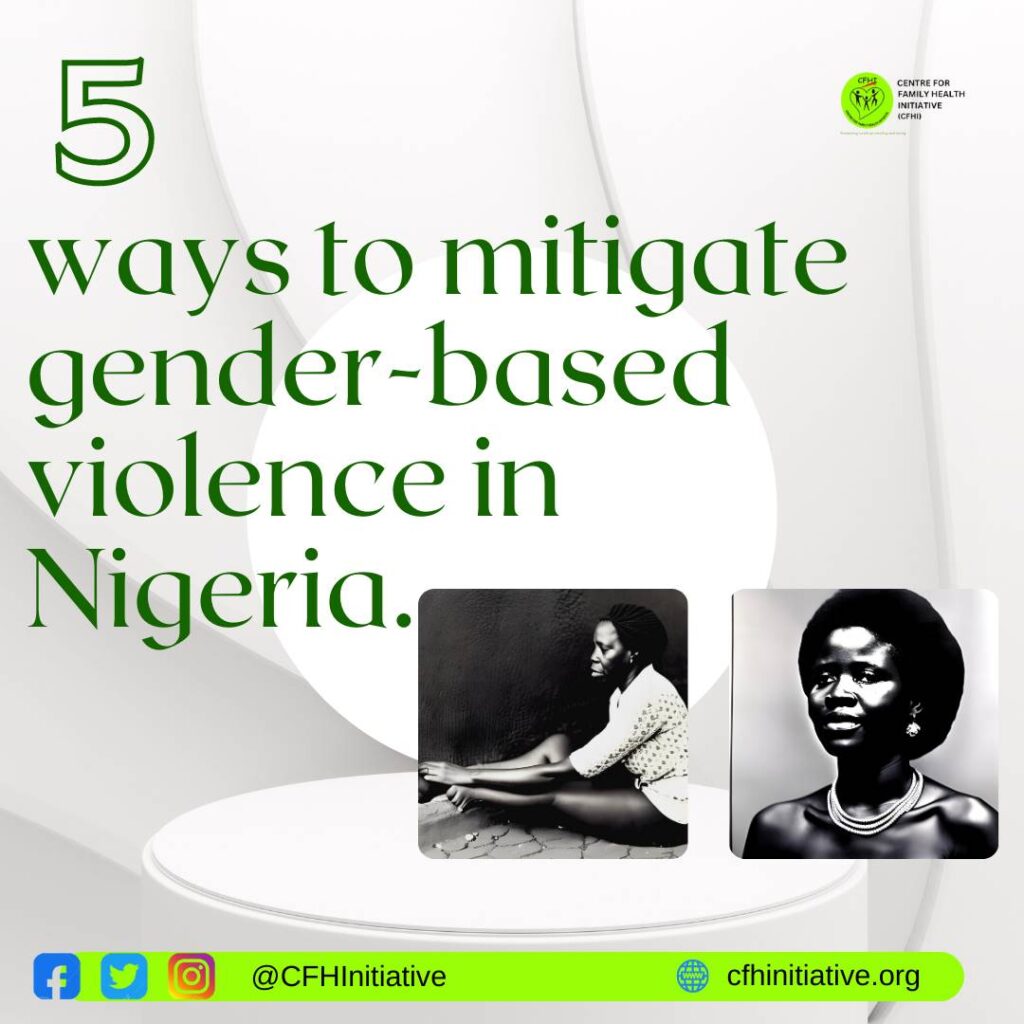
SPEAK WEDNESDAY ON MITIGATING GENDER-BASED VIOLENCE

Gender-based violence refers to violence, harm, or discrimination based on gender. It affects primarily women and girls but can impact others too. It includes physical, sexual, psychological, and economic abuse. This form of violence arises from unequal power dynamics and harmful social norms. It violates human rights and has severe consequences. Addressing it is essential for gender equality and creating a violence-free society.

Education and Awareness. 

Promoting comprehensive and gender-sensitive education programs challenge harmful stereotypes, promotes gender equality, and fosters respectful relationships among people. 

Empowerment and economic opportunities. 

The provision of economic empowerment initiatives, skills training, and access to resources for women and marginalized communities will help to reduce economic dependence and enhance their autonomy.

Men and boys engagement. 

Engaging men and boys as allies and change agents in addressing gender-based violence through education, awareness programs, and promoting positive masculinity will reduce the rate of gender-based violence in society.

Speak Out! Break the Silence!

GBV thrives in silence and secrecy. By speaking out, survivors break the silence, giving voice to their experiences and empowering others to do the same. This collective voice exposes the magnitude of the problem and encourages others to come forward.

Legal reforms and implementation.

Strengthen legal frameworks and ensure their effective implementation to provide protection, support, and justice for survivors of gender-based violence. This includes enforcing laws, improving access to legal aid, and training law enforcement and judicial personnel.


SPEAK WEDNESDAY ON MITIGATING GENDER-BASED VIOLENCE Read More »

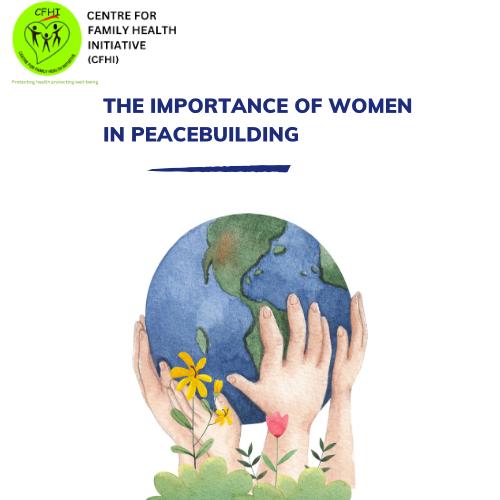
SPEAK WEDNESDAY ON THE IMPORTANCE OF WOMEN IN PEACE BUILDING

 Women have often demonstrated their ability to bring about constructive change in conflict-affected societies. According to UNICEF, involving women in peace processes increases the likelihood of long-term peace. In their peacebuilding efforts, women frequently prioritize communal welfare and human security, developing understanding, compassion, and conversation. Their involvement can assist to establish bridges, foster reconciliation, and more effectively address the core causes of conflict.

The significance of women’s engagement in peacebuilding initiatives has grown in recent decades. Women bring unique perspectives, abilities, and experiences to the table, making them vital change agents in the development of peaceful and inclusive societies. Women have distinct viewpoints that are molded by their experiences and positions in communities. The competence of women in fields including healthcare, education, and community development is critical for post-conflict reconstruction, according to the World Health Organization.

Furthermore, the presence of women in peacebuilding guarantees that peacebuilding initiatives are thorough, encompassing various facets of society. The SDGs; SDG 5 (Gender Equality), SDG 16 (Peace, Justice, and Strong Institutions), and SDG 17 (Partnerships for the Goals) are all aligned with women’s involvement in peacebuilding.

Consequently, women’s active involvement in peacebuilding is essential for achieving long-lasting peace in addition to being an issue of equity and justice. By respecting the perspectives, skills, and voices of women, we can build a more inclusive world.

Speak Wednesday is an initiative of CFHI to address issues around gender-based violence and gender bias.
#SpeakWednesday #WomenInPeacebuilding #Women’sRights #HumanRights #GenderStereotype #GenderBias #GenderInequality


SPEAK WEDNESDAY ON THE IMPORTANCE OF WOMEN IN PEACE BUILDING Read More »

GENDER DIGITAL DIVIDE IMAGE

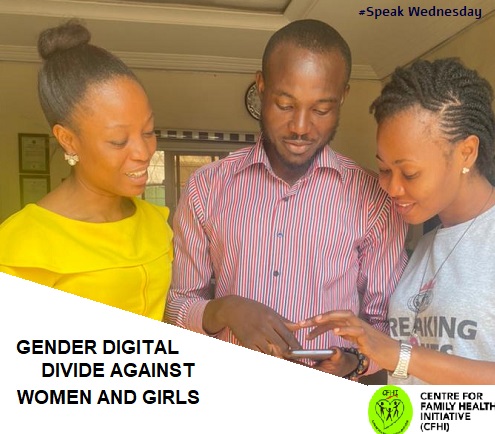
GENDER DIGITAL DIVIDE AGAINST WOMEN AND GIRLS

Digital divide according to Investopedia, encompasses the technical and financial ability to utilize available technology, along with access (or a lack of access) to the internet.

As observed in education and other areas of life, women and girls face a wide divide in the digital space which is significantly taking over the universe and economic opportunities with the world adjusting to the change. This indicates that gender disparity has also found its undeserving place in the digital world.

This wide gender gap in digital access, literacy and skills is caused by the social norms, gender roles and expectations of women in the household. This includes the negative stereotyping of women and girls in their career paths and the assumptions that boys and men do better in science, technology, engineering, and mathematics (STEM) fields than girls.

The digital divide against women and girls will worsen gender discrimination and promote unequal access to employment opportunities for girls, which can lead to financial lack and poverty.

Government and stakeholders can work towards the inclusion of girls and women in the digital ecosystem and close the gap by ensuring that girls are educated and have access to ICT, improve gender-responsive systems and programs, and the like.

Speak Wednesday is an initiative of CFHI to address issues around gender-based violence and gender bias.

#SpeakWednesday #Genderbias #GenderDigitalDivide

GENDER DIGITAL DIVIDE AGAINST WOMEN AND GIRLS Read More »

Gender Equality_SDG

ROLE OF GENDER EQUALITY IN ACHIEVING SDGs IN 2030

Gender equality, according to United Nations International Children’s Emergency Fund (UNICEF) is defined as women and men, girls and boys having equal conditions, treatment, and opportunities for realizing their full potential, human rights, and dignity, and for contributing to (and benefitting from) economic, social, cultural and political development. It is the state of equal ease of access to resources and opportunities regardless of gender, including economic participation and decision-making; and the state of valuing different behaviors, aspirations, and needs equally, regardless of gender.


There is a growing global recognition that gender is a key determinant of health inequalities and health sector performance. In framing the Sustainable Development Goals and 2030 Global agenda for All, it was widely recognized that integrating gender equality and women and girls’ empowerment perspectives into policies and programs is important to the achievement of global commitments and targets. More precisely, global best practices in health care delivery demonstrate that gender mainstreaming and human rights-based approaches lead to better health outcomes for men and women, boys and girls.


Women and girls make up half of the population of the world yet are marginalized in every area of life. Extreme poverty is higher among women because of the societal and cultural belief that women are homemakers while men are said to be breadwinners. The popular saying “Educate a girl educate a nation” is a call for action that should be championed by all. Poverty would end in all its forms in society and will improve if women have access to decent work and pay.

Also, maternal and child mortality will reduce if women have full rights and protection to reproductive rights, especially the eradication of female genital mutilation done on girls and women. This will indirectly bring a significant change in the promotion of life and well-being of all which is one of the global goals.

Every gender prejudice has an undermining effect on all other global goals because women make up half of the population of the world, and women’s right is a human right. 

Once given the right tools, and privilege, women will achieve more success across all disciplines and live a self-empowered and independent life that will benefit the overall betterment of society.

Speak Wednesday is an initiative of CFHI to address issues around gender-based violence and gender bias.

#SpeakWednesday #GenderEquality #SDG5 #GenderBias #EqualityEqualsProgress

ROLE OF GENDER EQUALITY IN ACHIEVING SDGs IN 2030 Read More »

SUSTAINABLE DEVELOPMENT GOAL (SDG) 5

Among the 17 Sustainable Development Goals established by the United Nations in 2015 is Sustainable Development Goal 5, whose mission is to achieve gender equality and empower all women and girls.

According to Wikipedia, SDG 5 has nine targets and 14 indicators. Six of the targets are “outcome-oriented”: ending all forms of discrimination against all women and girls everywhere; ending violence and exploitation of women and girls; eliminating harmful practices such as child, early and forced marriage, and female genital mutilation; the increasing value of unpaid care and promoting shared domestic responsibilities; ensuring full participation of women in leadership and decision-making, and ensuring access to universal reproductive rights and health. The three “means of achieving” targets are: fostering equal rights to economic resources, property ownership, and financial services for women; promoting the empowerment of women through technology; and adopting, strengthening policies, and enforcing legislation for gender equality.

It is a fundamental right of a woman to live free of all discrimination or violence, to have a quality education, work, equal pay, health care, and a wholesome inclusion in political and economic decision-making. Our government needs to take substantial actions to help achieve SDG 5 because the inclusion of women and girls in economic and political decision-making will essentially drive more sustainable development outcomes for all.

Speak Wednesday is an initiative of CFHI to address issues around gender-based violence and gender bias.

#SpeakWednesday #SDG5 #GenderBias #Genderequality


SUSTAINABLE DEVELOPMENT GOAL (SDG) 5 Read More »