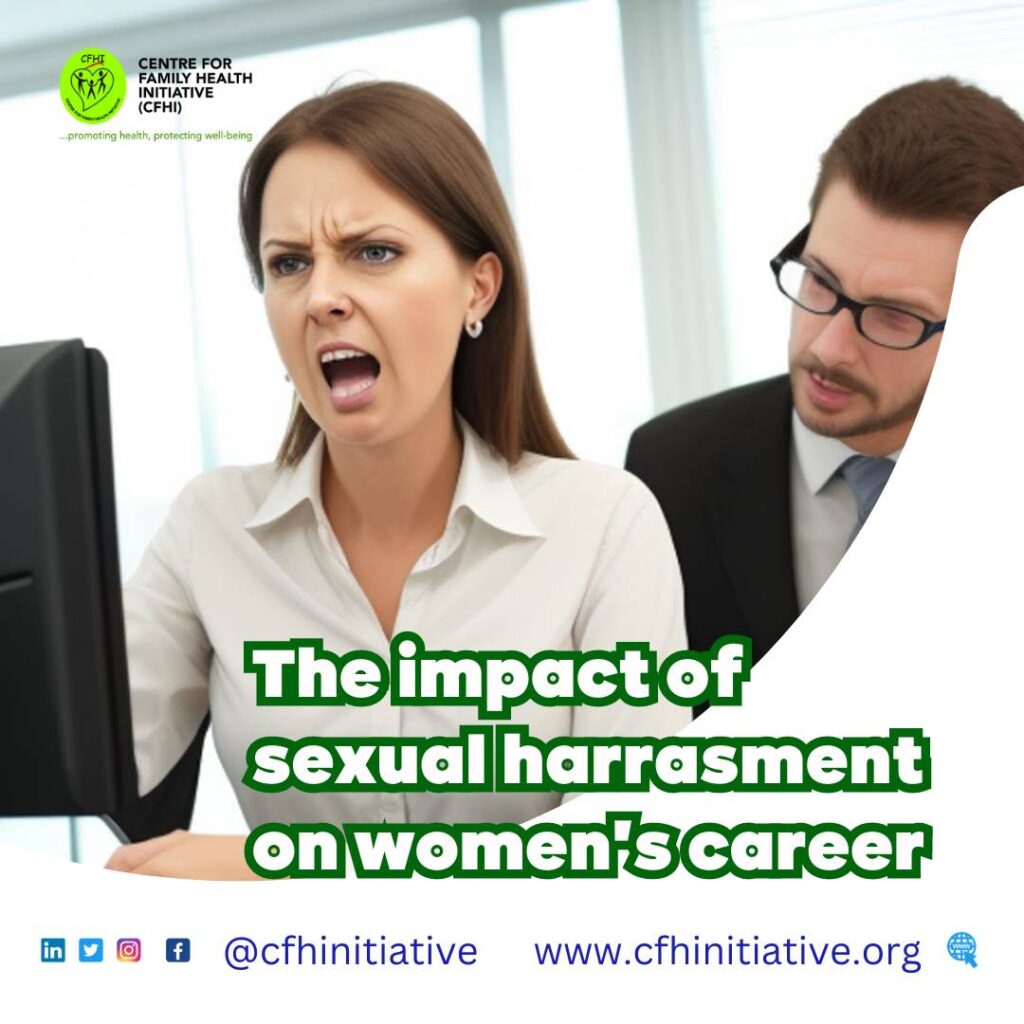
SPEAK WEDNESDAY ON THE IMPACT OF SEXUAL HARRASSMENT ON WOMEN’S CAREERS.
The Impact of Sexual Harassment on Women’s Careers
The International Labour Organization defines sexual harassment as unwelcome and offensive behavior of a sexual nature that targets individuals based on their sex. Sexual harassment is a widespread problem that impacts women’s careers more than any other area of their lives. The prevalence of sexual harassment at work impedes women’s advancement and limits their ability to advance professionally.
According to a study conducted by the International Centre for Research on Women in collaboration with ActionAid Nigeria, approximately 80% of Nigerian women have experienced some form of sexual harassment in their workplaces.
Sexual harassment fosters a toxic workplace culture, which lowers women’s job satisfaction and increases their departure rates. According to the ICRW survey, 45% of Nigerian women who had experienced sexual harassment at work decided to leave their positions, which interfered with their professional trajectories and reduced their possibilities for progress.
Furthermore, women’s careers are severely disrupted by sexual harassment, which results in traumatic events that affect their ability to advance professionally. The research by the Women in Law and Development in Africa (WILDAF) shows that sexual harassment frequently causes affected women to have lower job satisfaction, lower productivity, and higher turnover rates. The trauma brought on by such events can also cause ongoing emotional anguish, impacting one’s self-worth and confidence at work.
In Nigeria, sexual harassment affects women’s careers negatively, impeding their personal and professional advancement. The fact that this problem is so common highlights the urgent need for all-encompassing measures to combat and eliminate sexual harassment in the workplace. Creating inclusive workplaces that promote gender equality and guarantee the unrestricted career advancement of Nigerian women requires strengthening regulatory frameworks, raising awareness, and cultivating a supportive environment that empowers women.
Speak Wednesday is an initiative of CFHI to address issues around gender-based violence and gender bias.
#SpeakWednesday #SexualHarassment #SayNoToSexualHarassment #Women’srights #genderequality #genderbias
SPEAK WEDNESDAY ON THE IMPACT OF SEXUAL HARRASSMENT ON WOMEN’S CAREERS. Read More »