Health

SPEAK WEDNESDAY

DATING ABUSE/RAPE

Dating abuse or dating violence is the perpetration of an act of violence by at least one member of an unmarried couple on the other member in the context of dating or courtship. According to a recent report by different researchers, 1 in 3 young people experience this form of abuse which is not only physical, but can be emotional or psychological like in the case of name calling, bullying, shaming, intentionally embarrassing and constant monitoring; sexual abuse like engaging in sexual act without the consent of the partner, and stalking.

Despite the increasing level of dating violence in Nigeria, some people still regard them as normal or a sign of love, hence find it difficult to walk away. These victims condone or rarely report the violence inflicted on them for different reasons like lack of steady income, low self-esteem, lack of exposure to information, false hopes, stigmatization, lack of shelter, and many more. In few cases where these victims summon the courage to report, they will be asked to find a way to resolve their differences, rather than punish the perpetrators.

Some of these relationships end in violent marriages and to this end, many have died and many more are held in severe bondage they cannot easily escape from for the fear of shame, stigmatization, fear of losing the custody of children and ridicule. It is important to know that abuse is never a one off occurrence, the perpetrators often come back begging for forgiveness, only to repeat it again and again.

In recent days, there have been different cases of rape, killings, bulling of women across different states in Nigeria. From the case of Tina to Uwa and then Jennifer. From physical and verbal abuse, to rape and even murder and it is evident that the authorities are not doing enough to stem the tide of abuse which manifests itself in many forms in Nigeria today.

For there to be a healthy society for everyone, we must step up in the fight against any form of abuse and continue to sensitize women and men in some cases to information about the Violence Against Persons Prohibition Act of 2015 and their human rights. This way, we will have more people speaking up and justice served.

Centre for Family Health Initiative has been able to sensitize hundreds of girls and provided legal and psycho-social support to many victims through our community activities, but the fight is not just for the government and NGOs. Community leaders, religious leaders, and everyone must spearhead the fight against all forms of abuse.

SPEAK WEDNESDAY Read More »

MONDAY HEALTH BURST

FOOD SAFETY PRECAUTIONS

Food safety is a scientific discipline describing handling, preparation, and storage of food in ways that prevent food-borne illnesses. It is very important to make sure the foods we eat are not contaminated with probable harmful bacteria, toxins, parasites & chemicals.

A critical part of healthy eating is keeping foods safe and the precautions are summarized as clean, separate, cook and chill. Individuals in their own homes can reduce contaminants by following safe food handling practices.

  • Wash hands with soap and water

Wet hands with clean running water and apply soap. Wash for at least 20 seconds under running water and pat dry with a clean paper towel or hand dryer.

  • Sanitize surfaces

Surfaces should be frequently sanitized by washing with mixture of hot soapy water plus disinfectants or bleach.

  • Clean and discard refrigerated foods once a week.

At least once a week, throw out refrigerated foods that should no longer be eaten. Cooked leftovers should be discarded after 4 days; raw poultry and ground meats, 1 to 2 days.

  • Keep appliances clean

Clean cooking appliances regularly inside-out paying attention to the handles and buttons where cross-contamination from hands can occur.

  • Rinse produce

Even if you plan to peel or cut the produce before eating, it is important to thoroughly rinse it first to prevent microbes from transferring from the outside to the inside of the produce.

  • Separate foods when shopping

Separate raw foods in plastic bags and store below ready to eat foods in the refrigerator.

Separate foods when preparing and serving. Never place cooked food back on the same plate or cutting board that previously held raw foods.

  • Use a food thermometer when cooking

A food thermometer is an appliance used to ensure that food is safely cooked and that cooked food is held at safe temperatures until eaten.

  • Cook food to safe internal temperatures

Cook all raw beef, pork, lamb, and veal steaks, chops, and roasts to a safe minimum internal temperature of 145 °F. Cook all poultry, including ground turkey and chicken, to an internal temperature of 165 °F for safety and quality.

  • Keep foods at safe temperatures

Hold cold foods at 40 °F or below. Keep hot foods at 140 °F or above. Foods are no longer safe to eat when they have been in the danger zone between 40-140 °F for more than 2 hours

In order to remain healthy, it is important to observe these food safety precautions. Foods must be safely bought, prepared and stored.

MONDAY HEALTH BURST Read More »
MONDAY HEALTH BURST – MAY 25, 2020

SAFETY MEASURES FOR CHILDREN DURING LOCKDOWN

Children witness families struggling with government lock downs that prevent their parents from earning a living and bringing their education to a stand-still. It is important to keep the children busy at home so they can adhere to the lock down rules and still have a stable mental health.

Children can do the following to keep themselves busy at home

  • Talk on the phone or do a video call with family and friends
  • Text or use other messaging apps to talk with family and friends.
  • Play online games that let them play with other kids from home.
  • Exercise daily
  • Trying out new skills and reading new books/story books

Important safety precautions at home to help prevent infection and spread of COVID-19 in children includes:

  • Regular hand washing with soap and running water
  • Regular laundry of their wears
  • Disinfecting frequently used surfaces such as doorknobs, switch, toys, remote, sink handles, etc
  • Adequate nutrition such as lots of fruits and vegetables to help build their immune system.
  • Avoid self-medication. When a child is noticed to have developed any symptom of ill health, visit a health facility.

Important safety precautions at the health facilities during the pandemic

  • Collaborate to ensure child-friendly health facilities/access to health care, including guidance for health staff on child-friendly communication and special measures to support children’s psycho-social well-being when undergoing treatment and quarantine.
  • Support child safeguarding training for health workers (particularly where children are separated from their families or caregivers).
  • Establish safe, child-friendly complaints and feedback mechanisms in health care facilities.
  • Strengthen capacity on clinical management of rape (CMR) and ensure minimum CMR supplies are available in key facilities to appropriately respond to sexual violence.
  • Collaborate on mental health and psycho-social support care and messaging for children and caregivers affected by COVID-19.
  • Collaborate to ensure child-friendly hand-washing stations are available at health facilities, schools, childcare centres, alternative care centres, and other locations children are likely to visit.

Psychologists and economists have considered parenting style such as how warm, strict, or communicative a parent is, is an important determinant of a child’s skills. During a period of home schooling, parents will try to enforce rules and boundaries so that their children can learn. However, harsh parenting including shouting at or smacking children particularly when the socio-emotional skills of children are low, will exacerbate children’s behavioral and emotional problems. Instead, moving to a more sensitive style of parenting can help close the socio-emotional gaps observed across children. Policy makers should also ensure that information, education, and communication (IEC) materials, including information on available services, are produced, and displayed with limited text in child-friendly versions.

MONDAY HEALTH BURST – MAY 25, 2020 Read More »

MONDAY HEALTH BURST – COMPLEMENTARY FEEDING

MONDAY HEALTH BURST – COMPLEMENTARY FEEDING

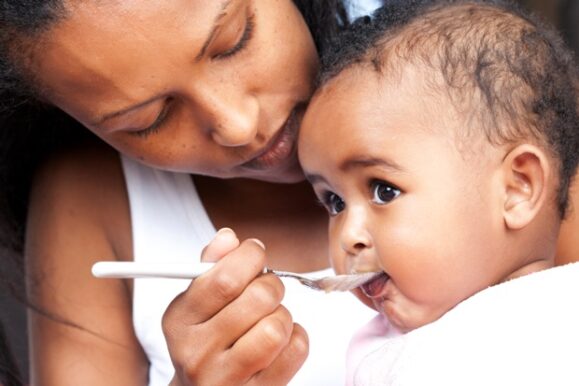
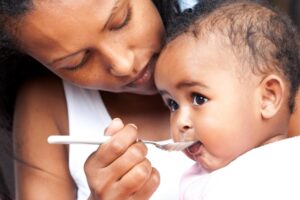
Complementary feeding is defined as the process starting when breast milk alone is not sufficient to meet the nutritional requirements of infants, and therefore other foods and liquids are needed along with breast milk. It is the transition from exclusive breastfeeding to family foods which typically covers the period from 6-24 months of age.

Complementary feeding prevents malnutrition, deficiency diseases, like anaemia and promotes growth. Children who are not started on complementary feeding by 6 months of age consume in-adequate variety and amount of food to meet their nutritional needs.

It is important to note that complimentary feeding is done during “weaning” and should be a gradual process. It could be tweaked or limited to semi solids for the first trials and then stepped up to solids. These feeds range from grains, vegetables, fruits, meat, dairy and other classes of food.

To meet evolving nutritional requirements, infants should receive nutritionally adequate and safe complementary foods, while continuing to breastfeed for up to two years. Exclusive breastfeeding is essential for the first 6months of life to achieve optimal growth, development, and health, after which weaning can commence.

When weaning is not instituted in time, children may be deprived of adequate nutrition to continue their growth and can affect the immunity and health.

MONDAY HEALTH BURST – COMPLEMENTARY FEEDING Read More »

MONDAY HEALTH BURST

MONDAY HEALTH BURST

Studies are limited in how effective the use of face masks on healthy individuals affect the outcome of prevention of a respiratory virus. However, during the Covid-19 pandemic, we have seen nations use the precaution of implementing the use of face masks nationwide and have seen remarkable results on the prevention of the spread of the virus together with hand washing and social distancing. This among other studies led to the recommendation of non medical masks by WHO and Nigeria Centre for Disease Control (NCDC).

According to WHO guidelines, appropriate use and disposal of face masks are essential to ensure that they are effective and to avoid any increase in transmission. Hence, the need for proper sensitization to the proper way of using a face mask and how to dispose it, since so many people had little or no knowledge of what a face mask is prior to the pandemic.

Below are recommended steps on the correct use of face masks by Practices in Healthcare Settings:

  • Place the mask carefully, ensuring it covers the mouth and nose and tie it securely to minimize any gaps between the face and the mask.
  • Avoid touching the mask while wearing it.
  • Remove the mask appropriately by not touching the front of the mask but untie from behind.
  • After removal, clean hands using an alcohol-based hand sanitizer or wash with soap and water.
  • Replace masks as soon as they become dampened.
  • Do not re-use single-use masks.
  • Discard single-use masks after each use and dispose of them immediately upon removal.
  • For non medical masks, make sure to wash with disinfectant as well as soap and water after single use and make sure to dry under the sun. It is also advisable to have more than one non medical mask.

#StaySafe #MondayHealthBurst

MONDAY HEALTH BURST Read More »
MONDAY HEALTH BURST – PROPER HYGIENE AND SANITATION

MONDAY HEALTH BURST – PROPER HYGIENE AND SANITATION:

Simply put, hygiene is the personal practices we imbibe that contribute to healthy living like hand washing, hair trimming and keeping nails short and clean, bathing, brushing of teeth morning and evening, among others. Sanitation on the other hand, is the actions and use of tools we combine towards keeping our environment clean, safe and healthy. These include effective drainage and proper waste disposal, how we prepare food, maintain toilet facilities and washing stations.
According to WHO, these practices are important towards the availability of clean water, combating Neglected Tropical Diseases (NTP) like helminths via contaminated soil and water, lymphatic filariasis which affects 1 billion of the world’s poorest people in about 149 countries. It includes prevention of water borne diseases like diarrhoea, cholera and breeding of organisms that cause malaria and onchocerciasis.
Globally, 2.4 billion people lack access to proper toilet facilities, hence, the high rate of open defecation. Over 946 million people worldwide practice open defecation according to a WHO report, leading to contamination of the soil and nearby water bodies, often resulting in diseases affecting communities.
To ensure we understand the scope and scale of the need for hygiene and sanitation, we need to start with us as individuals, making sure we imbibe hygienic practices and sanitize our environment by disposing waste properly, recycling, cleaning of our homes and surroundings, culminating in the next step of community led sanitation. Communities can provide proper latrines and waste disposal means which is an important part of sanitation and can drastically reduce diseases in the communities.
To help build and maintain a healthy community and personal health, especially in this prevailing pandemic, we must embrace proper hygiene and sanitation.
#HygieneAndSanitation #MondayHealthBurst #Stayhome #Staysafe

MONDAY HEALTH BURST – PROPER HYGIENE AND SANITATION Read More »

WORLD MALARIA DAY 2020

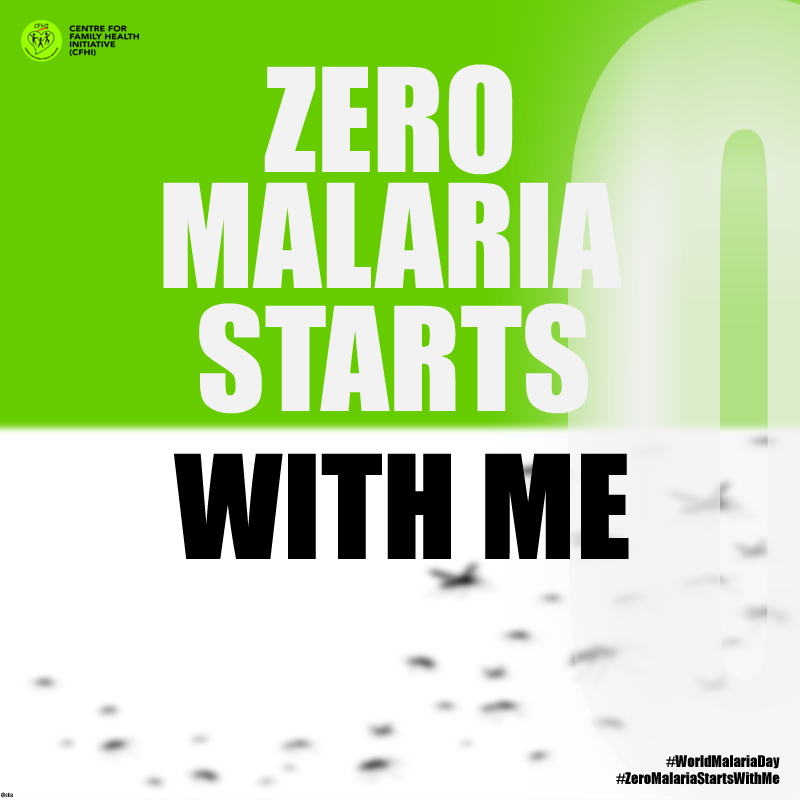
WORLD MALARIA DAY 2020: ZERO MALARIA STARTS WITH ME:

“From 2000 to 2015, several countries made tremendous progress in the fight against malaria. Globally, malaria deaths fell by more than 50%. Seventeen countries eliminated malaria, and six were certified by the WHO as malaria-free”. This exceptional progress demonstrated that malaria elimination is achievable.

Despite the progress made in the fight against malaria, half of the world population is still at risk of this devastating disease. According to WHO’s World Malaria Report for 2019, the scourge of malaria continues to strike hardest against pregnant women and young children in Africa. Scaling up efforts to reduce cases and deaths among these two populations would provide significant boost in the fight against malaria.

With the present Covid-19 pandemic concerns taking the front line, there is need to ensure that efforts and progress gained in the fight against malaria are not lost and there is continued testing and treatment of malaria cases even within this pandemic. WHO warned on Thursday, April 23, that the number of deaths caused by malaria in Sub-Saharan Africa could double to 769,000 this year, as efforts to curb the disease are disrupted by the COVID-19 pandemic.

It is essential that we keep to the guidelines of cleaning the environment and dispensing stagnant waters around homes, ensuring proper covering of openings, fumigate regularly, appropriate clothing especially for children at night and most importantly the use of insecticide treated mosquito net. In as much as we enjoin everyone to stay at home, never hesitate to seek medical help if fever occurs.

Happy World Malaria Day!

#StaySafe #WMD2020

WORLD MALARIA DAY 2020 Read More »