Health

SPEAK WEDNESDAY

“NO Means NO”

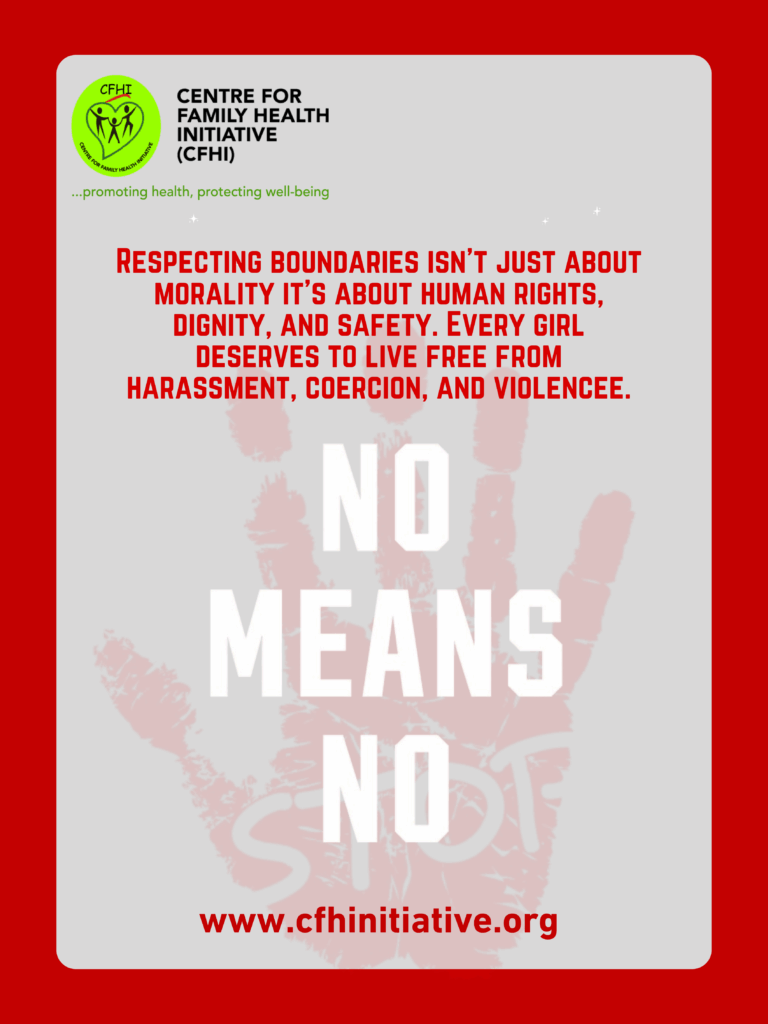
Today, the simple word “No” still struggles to carry the weight it deserves. For many young people, especially girls and young women, saying “no” can come with fear, pressure, or misunderstanding. Yet, “no” should be enough. It is a complete sentence one that should be heard, respected, and never questioned. As we continue to raise awareness around gender equality and safety, understanding the true meaning of consent and personal boundaries becomes essential for building a healthy society.

Consent is more than just permission; it is about respect, autonomy, and communication. It means that every person has the right to decide what happens to their body, their time, and their emotions. Consent must be freely given, not forced, tricked, or coerced. It cannot be assumed from silence or past behaviour, and it can be withdrawn at any time. In relationships, friendships, or social settings, learning to respect a person’s “no” whether spoken or unspoken reflects maturity and integrity.

Unfortunately, the statistics around consent violations remain alarming. According to the World Health Organization (WHO), nearly one in three women globally has experienced physical or sexual violence in her lifetime, most often at the hands of an intimate partner 1. In Nigeria, the National Bureau of Statistics (NBS) reports that many incidents of sexual or domestic violence are never reported, often due to fear of stigma, shame, or disbelief 2. These figures highlight how deeply ingrained gender norms and societal silence can make it difficult for survivors to speak out and for young people to learn what healthy respect truly looks like.

For young girls, learning to say “no” and knowing that it must be respected is an important part of personal development and self-protection. Saying “no” is valid when faced with peer pressure to engage in sexual activity, when uncomfortable with unwanted touching, or when asked to share private information or photos online. “No” is equally powerful in social and emotional spaces: refusing manipulative statements like “If you love me, you’ll do it,” or declining invitations that compromise one’s comfort or safety. Every young person must understand that their voice matters, and their boundaries define who they are.

Equally important is educating boys and young men about consent, empathy, and accountability. True respect means not only hearing “no” but also actively seeking a clear and enthusiastic “yes.” It means understanding that real strength lies in restraint, understanding, and kindness not in control or pressure. When communities, schools, and families foster open conversations about respect and consent, they equip young people with the values needed to build relationships rooted in trust and equality.

Through our gender norms interventions, CFHI empowers young people with knowledge and confidence to challenge and transform harmful gender norms (especially those that disadvantage women and girls) while protecting respect, equality and fairness. Each adolescent club activity, school campaign, and community outreach brings us closer to a society where consent is understood, respected, and upheld where “NO” truly means “NO.

Speak Wednesday is an initiative of CFHI to address issues around gender-base violence and gender-bias.


References

  1. World Health Organization. Violence Against Women: Key Facts. WHO, 2023. Available from: https://www.who.int/news-room/fact-sheets/detail/violence-against-women
  2. National Bureau of Statistics. National Survey on Domestic and Sexual Violence in Nigeria. Abuja: NBS; 2022. Available from: https://nigerianstat.gov.ng/elibrary/read/1241055


SPEAK WEDNESDAY Read More »

MONDAY HEALTH BURST

Early Detection and Lifestyle Choices Against Diabetes

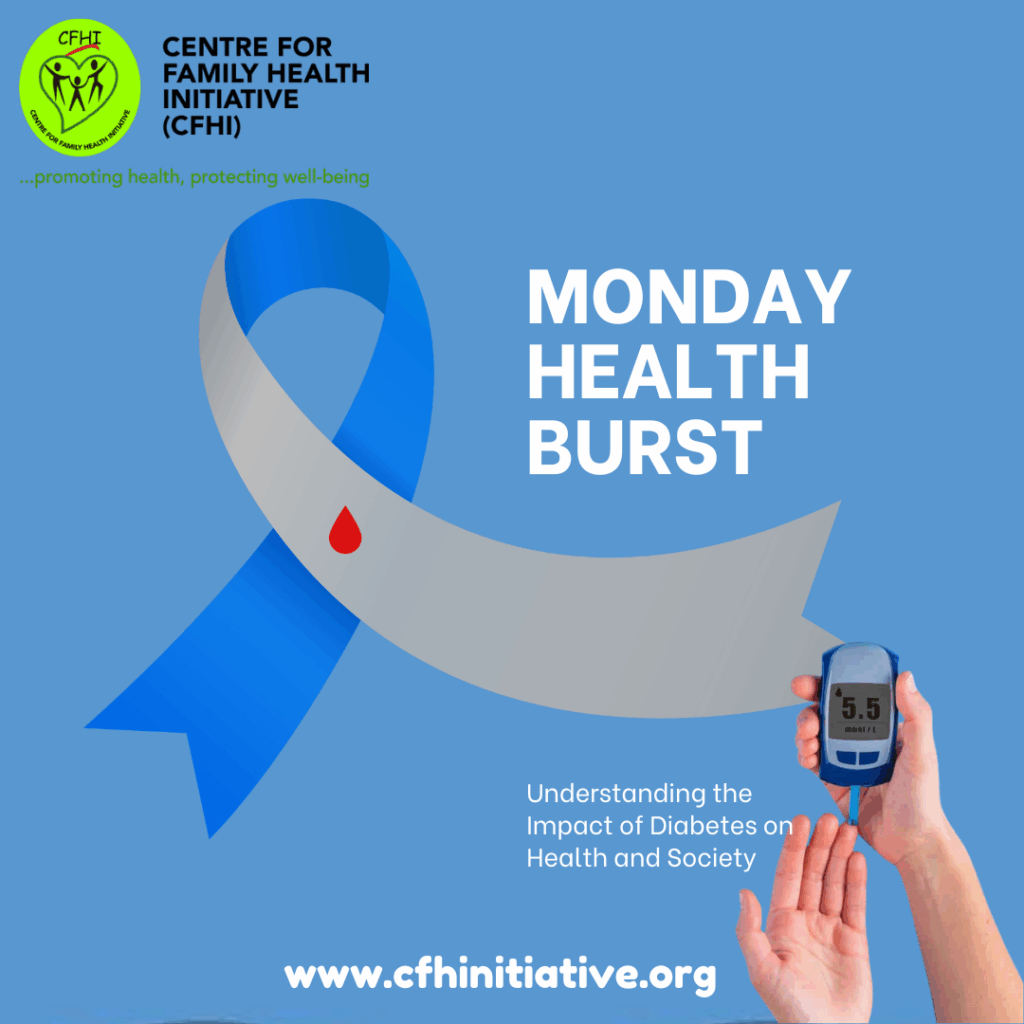
Diabetes has become one of the fastest-growing health challenges globally, claiming millions of lives and affecting countless families. According to the World Health Organization (WHO), more than 537 million adults are living with diabetes, and that number is projected to rise to 643 million by 2030. The International Diabetes Federation (IDF) also notes that one in ten adults currently lives with diabetes, and nearly half are undiagnosed meaning millions are silently living with the condition without receiving the care they need [1,2].

Early detection is a vital weapon in the fight against diabetes. Type 2 diabetes, which accounts for around 90% of all cases, often develops gradually, showing little or no symptoms until complications such as heart disease, kidney failure, or vision loss have already set in. Detecting the disease early allows for timely medical intervention, lifestyle modification, and proper management, which significantly reduces the risk of complications and improves long-term outcomes. Studies have shown that early diagnosis and treatment of diabetes reduce cardiovascular and renal complications and lower overall mortality rates [3].

One of the most remarkable pieces of evidence for prevention comes from the Diabetes Prevention Program (DPP), a landmark study in the United States. The research found that participants who adopted healthier diets, engaged in moderate physical activity for about 150 minutes per week, and achieved modest weight loss reduced their risk of developing diabetes by 58% compared to those who did not make lifestyle changes [4]. This clearly shows that lifestyle choices particularly nutrition, exercise, and maintaining a healthy body weight play a powerful role in preventing or delaying diabetes.

Healthy living begins with awareness. Regular screening for blood glucose levels, blood pressure, and weight helps individuals know their risk status early. The Centers for Disease Control and Prevention (CDC) recommends that adults aged 35 and above, or younger people with risk factors such as obesity, family history of diabetes, or sedentary lifestyle, undergo regular diabetes screening [5]. Screenings should not stop at diagnosis; they should be paired with counseling, education, and access to proper care for effective management. The World Health Organization stresses that integrated care, including screening and education, remains essential for effective diabetes control [6].

In Nigeria, diabetes continues to pose significant public health challenges, driven by persistent rise in medication costs7, limited awareness, unhealthy diets, and rapid urban lifestyle changes. Recognizing this, the Centre for Family Health Initiative (CFHI) has consistently raised awareness about diabetes prevention and care. Through its Diabetes Awareness and Care (DAC) project in Imo state, CFHI has conducted free diabetes screening for over 36,000 persons, alongside health education sessions and outreach campaigns reaching about half a million individuals to encourage early testing and lifestyle change. These community-based interventions mirror global best practices, showing that education and early detection can help prevent diabetes and its complications before they start.

Ultimately, combating diabetes requires a joint effort from individuals, communities, health systems, and the government. While early detection helps identify risks, lifestyle choices, healthy eating, regular exercise, and avoiding harmful habits remain the cornerstone of prevention. As CFHI continues to promote healthier communities through advocacy, education, and screening programs, the message remains clear: diabetes can be managed and even prevented when detected early and addressed with healthy lifestyle choices.

As the world marks World Diabetes Day 2025 under the theme “Empowering Lives Through Early Detection and Access to Care”, it is a timely reminder that diabetes prevention starts with awareness and action. CFHI joins the global community in calling for affordable access to care, increased access to screening opportunities, education, and quality healthcare services for all. Together, we can build a future where early detection saves lives, and healthy lifestyle choices protect generations from the silent burden of diabetes.


References

  1. World Health Organization. Diabetes. Geneva: WHO; 2024. Available from: https://www.who.int/health-topics/diabetes
  2. International Diabetes Federation. IDF Diabetes Atlas. Brussels: IDF; 2024. Available from: https://diabetesatlas.org
  3. Herman WH, Ye W, Griffin SJ, et al. Early detection and treatment of type 2 diabetes reduce cardiovascular morbidity and mortality: simulation and trial evidence. Diabetes Care. 2015;38(8):1449–1455. Available from: https://www.ncbi.nlm.nih.gov/pmc/articles/PMC4512138/
  4. Knowler WC, Barrett-Connor E, Fowler SE, et al. Reduction in the incidence of type 2 diabetes with lifestyle intervention or metformin. N Engl J Med. 2002;346:393–403. Available from: https://www.nejm.org/doi/full/10.1056/NEJMoa012512
  5. Centers for Disease Control and Prevention. Diabetes Screening: Who Should Get Tested and When. CDC; 2024. Available from: https://www.cdc.gov/diabetes/data-research/research/diabetes-screening-eligible.html
  6. World Health Organization. World Diabetes Day: Prevention and Early Detection of Diabetes. WHO; 2024. Available from: https://www.who.int/news-room/events/detail/2024/11/14/default-calendar/world-diabetes-day-2024
  7. Punch Health Wise. Diabetes patients lament as cost of medications rises from N70,000 to N180,000. Available from: (NAN, 2024)


MONDAY HEALTH BURST Read More »

MONDAY HEALTH BURST

Clean Water, Healthy Living

Water is the foundation of life, yet many communities continue to live without safe and reliable access to it. Globally, an estimated 2.2 billion people lack safely managed drinking-water services1. Clean water isn’t just a convenience it is a necessity for good health, hygiene, and dignity.

Clean water plays a critical role in preventing illness and supporting overall well-being. Contaminated water is a key driver of diseases such as cholera, typhoid, diarrhoea, and dysentery, which disproportionately affect children under five and other vulnerable populations2. Reliable water access supports proper handwashing, hygiene, and safe food preparation all of which reduce disease transmission and promote healthier communities.

Beyond drinking, safe water is essential for everyday hygiene washing hands, bathing, cleaning, and preparing food. In areas where water is scarce or unsafe, these basic practices become difficult or impossible. Studies show that consistent access to safe water and good hygiene can reduce diarrhoeal diseases by up to 40% and other infections by significant margins2.

In the Federal Capital Territory (FCT) of Nigeria, the gap between water infrastructure and access is stark. For instance, in Takushara (AMAC) and Karshi, residents rely on streams or shallow wells as their main water sources both unreliable and unsafe3. One mother explained that a ₦1,000 water truck might last only two days for her household with a newborn. Similarly, in Gosa Kpai Kpai (AMAC) and several villages in Kuje, such as Kutasa, Tukaba 1, Tukaba 2, and Kabin-Mangoro, open defecation is still common, and pond water remains the only available option4. Another assessment revealed that about 65% of boreholes in rural Abuja are non-functional, further limiting safe water access5.

These realities illustrate how lack of clean water directly impacts community health outcomes. Women and children bear the heaviest burden traveling long distances to fetch water, managing limited supplies for daily needs, and facing greater exposure to water-borne diseases. In maternity and child health settings, the absence of clean water increases the risk of infection, discourages facility delivery, and worsens maternal and neonatal outcomes3.

Efforts to improve access through functional boreholes, piped services, community management, and hygiene education are essential for promoting healthy living. When communities have nearby safe water, children attend school more regularly, families stay healthier, and households are freed from the strain of fetching water. Clean water is not merely a basic service it’s a pathway to health, empowerment, and sustainable development.

At the Centre for Family Health Initiative (CFHI), we continue to advocate for and implement community-based interventions that promote Water, Sanitation, and Hygiene (WASH) practices. Through school health clubs, health education, and sensitization campaigns, CFHI empowers individuals and families to understand the importance of clean water, proper sanitation, and hygiene behaviours. In addition to awareness initiatives, CFHI has provided WASH facilities in schools with support from IHVN. These collective efforts help prevent disease, promote healthy living, and support progress toward Sustainable Development Goal 6 Clean Water and Sanitation for All.

Monday Health Burst is an initiative of CFHI to address issues of basic health concern. Join us every Monday on all our social media platforms for more episodes.

References

  1. World Health Organization. Drinking-water (Fact sheet). Geneva: WHO; 2024. Available from: https://bit.ly/WHO-drinkingwater
  2. World Health Organization/UNICEF Joint Monitoring Programme. Water, sanitation and hygiene (WASH) monitoring: 2.2 billion people lack safely managed drinking water services. Geneva: WHO/UNICEF; 2025. Available from: https://bit.ly/JMP-Water2023
  3. Radio Nigeria. Water scarcity threatens maternal health in FCT communities. Abuja: Federal Radio Corporation of Nigeria; 2024 Jun 21. Available from: https://bit.ly/RadioNG-WaterFCT
  4. ICIR Nigeria. Water crisis deepens in Abuja communities amid unsafe sanitation. Abuja: ICIR; 2024. Available from: https://bit.ly/ICIR-AbujaWater
  5. Nonfunctional boreholes worsening water crisis in Abuja. Nigeria: WASHNIGERIA; 2024. Available from: https://bit.ly/WashNG-Boreholes

MONDAY HEALTH BURST Read More »

MONDAY HEALTH BURST

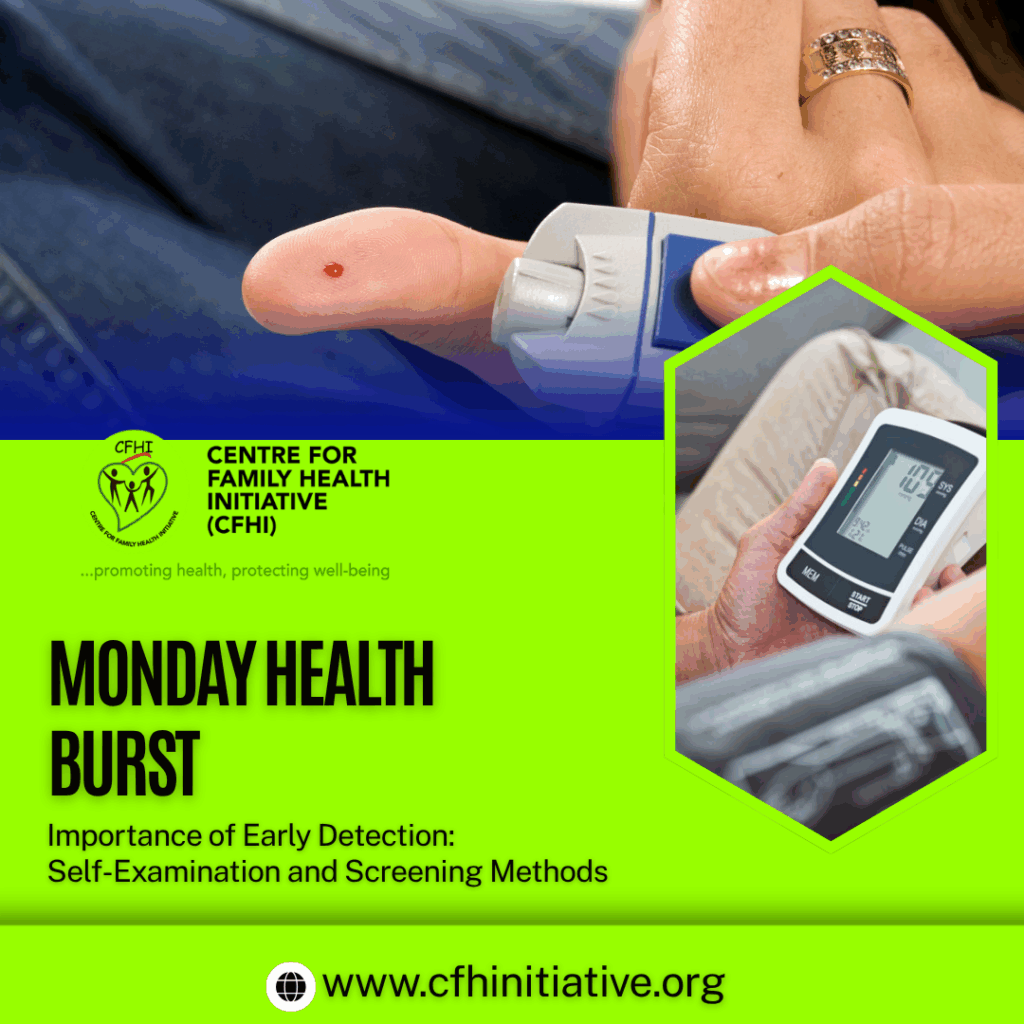
Importance of Early Detection: Self-Examination and Screening Methods
Early detection plays a pivotal role in improving global health outcomes by enabling the prompt diagnosis and management of diseases before they progress to critical stages. According to the World Health Organization (WHO), early detection through regular screening and self-examination significantly reduces mortality rates associated with noncommunicable diseases (NCDs), which account for approximately 74% of global deaths annually1. Diseases such as cancer, diabetes, hypertension, and chronic respiratory illnesses often develop silently, highlighting the necessity for individuals to take proactive measures in monitoring their health2. Evidence shows that screening can lead to a 20–30% reduction in mortality for breast, cervical, and colorectal cancers when implemented consistently3.

Self-examination is a vital preventive health practice that encourages individuals to familiarize themselves with their bodies and recognize unusual changes early. For instance, breast self-examination allows women to detect lumps or abnormalities, which, when reported promptly, can lead to early breast cancer diagnosis and improved survival chances4. Similarly, testicular self-examination helps men identify abnormal growths that could signal testicular cancer, a disease with over 95% survival rate when treated early5. Additionally, individuals can engage in simple health monitoring routines such as checking their blood pressure, blood sugar, and body mass index using approved health tools. However, it is essential to emphasize that self-examination and home monitoring should never replace professional evaluation. They serve as alert systems prompting individuals to seek medical consultation when necessary6

Screening programs complement self-examination by employing medical tests to identify diseases at early stages, often before symptoms manifest. According to the Centers for Disease Control and Prevention (CDC), routine screenings such as Pap smears, mammograms, blood pressure measurements, and HIV testing have been instrumental in reducing the burden of preventable diseases7. For example, the introduction of cervical cancer screening through Pap smears has reduced mortality rates by more than 60% in countries with sustained programs8. Similarly, diabetes screening helps detect prediabetes a condition affecting nearly 10% of adults globally enabling timely lifestyle modification and treatment9. These findings reaffirm that preventive screening is not just a diagnostic tool but a cost-effective strategy for strengthening public health systems.

It is equally important to distinguish between self-examination and self-medication. The WHO warns that misuse of over-the-counter drugs without medical supervision contributes to antimicrobial resistance and adverse health outcomes10. Individuals should instead rely on evidence-based preventive practices regular checkups, health education, and medical screening to maintain their wellbeing. The goal is to empower people to recognize early warning signs while avoiding the dangers of unprescribed medication and misinformation.

At Centre for Family Health Initiative (CFHI), we prioritize early detection as a cornerstone of preventive healthcare. Through our community outreach programs, health education sessions, and screening campaigns, CFHI enlightens individuals on the benefits of routine medical checkups and responsible self-examination. Our interventions promote proactive health-seeking behavior, equip communities with accurate health information, and strengthen early response systems against preventable diseases. By fostering awareness and action, CFHI continues to drive lasting impact in the promotion of health and prevention of illness across Nigeria.

References
[1] World Health Organization. Noncommunicable diseases. WHO.
[2] GBD 2021 Non-Communicable Disease Collaborators. Global burden of disease study 2021. Lancet. 2023;401(10383):1641–1712. https://doi.org/10.1016/S0140-6736(23)00221-2.
[3] International Agency for Research on Cancer. Cancer screening and prevention. IARC.
[4] American Cancer Society. Breast self-exam and awareness. https://www.cancer.org/cancer/breast-cancer/screening-tests-and-early-detection.html.
[5] National Cancer Institute. Testicular cancer treatment (PDQ)–Health professional version. https://www.cancer.gov/types/testicular/hp/testicular-treatment-pdq.
[6] National Institutes of Health. Health monitoring and disease prevention. NIH.
[7] Centers for Disease Control and Prevention. Screening for chronic diseases. CDC.
[8] Arbyn M, Weiderpass E, Bruni L, et al. Estimates of incidence and mortality of cervical cancer in 2020: a worldwide analysis. Lancet Glob Health. 2020;8(2):e191–e203. https://doi.org/10.1016/S2214-109X(19)30482-6.
[9] International Diabetes Federation. IDF Diabetes Atlas, 10th ed. Brussels, Belgium: IDF; 2021. https://diabetesatlas.org/.
[10] World Health Organization. The dangers of self-medication. WHO.

MONDAY HEALTH BURST Read More »

SPEAK WEDNESDAY

Closing the Gender Wealth Gap to End Violence Against Women

Economic justice is the key to safety, health, and empowerment for women worldwide. Every Wednesday, we raise our voices to challenge injustice, and today we confront one of the most entrenched roots of gender-based violence: economic inequality. The gender wealth gap isn’t just a financial statistic; it’s a silent enabler of abuse, a barrier to freedom, and a public health emergency.

Globally, women earn less than men for the same work3, own less property, have limited access to leadership4 and fewer financial safety nets1. This economic disparity creates a cycle of dependency that heightens exposure to violence and limits the ability to escape abusive environments. In Nigeria, for instance, the Minister of Women Affairs recently emphasized that closing the gender gap could add ₦15 trillion to the country’s GDP annually by 20252, underscoring the economic potential of gender equity.

These issues are persistent and global. In the EU, despite the “Women on Boards” directive aiming for 40% female representation by 2026, progress is slow. Women currently hold only 35% of non-executive roles and 21% of senior executive positions 4. This is despite evidence from a 2025 report showing that companies with greater gender diversity are 25% more likely to be more profitable3. In sectors like tech and finance, women continue to report being passed over for promotions, excluded from decision-making, and subjected to gender-based microaggressions, which stifles their economic advancement4.

Call To Action

To end violence against women, we must invest in their economic power. As outlined in a UN Women 2025 advocacy paper, closing the funding gap in programs that support survivors and prevent violence is critical1. We call on Governments, NGOs, and private sector to collaborate on expanding access to education and vocational training, supporting women-led businesses and financial literacy programs, funding essential services for survivors, including shelters, legal aid, and healthcare, and advocating for and enforcing equal pay and robust workplace protections.

At the Centre for Family Health Initiative (CFHI), we are committed to this work. Through collaborations with partners like the Institute of Human Virology Nigeria (IHVN), Caritas Nigeria, FCT Social Development Secretariat (SDS), TY Danjuma Foundation (TYDF), and Global Philanthropy Alliance (GPA), we have empowered over 2500 women and girls with education, vocational training, business start-up kits, and financial support.

Financial inequality isn’t just unfair; it’s dangerous. It limits women’s choices, increases health risks, and perpetuates cycles of violence and poverty. Empowering women economically is not merely a matter of justice; it is the essential foundation for building safer, healthier societies for all.

Speak Wednesday is an initiative of CFHI to address issues around gender-based violence and gender bias.

References

  1. UN Women. Closing the funding gap to end violence against women and girls [Internet]. 2025 [cited 2025 Oct 21]. Available from: https://knowledge.unwomen.org/sites/default/files/2025-06/closing-the-funding-gap-to-end-violence-against-women-and-girls-en.pdf
  2. The Guardian Nigeria. Closing gender gap will add ₦15tr to Nigeria’s GDP by 2025 [Internet]. 2025 [cited 2025 Oct 21]. Available from: https://guardian.ng/news/closing-gender-gap-will-add-n15tr-to-nigerias-gdp-by-2025/
  3. Women in the workplace 2025: Research and trends [Internet]. 2025 [cited 2025 Oct 21]. Available from: https://www.wellable.co/blog/women-in-the-workplace-2025-research-and-trends
  1. IMD. Gender inequality in the workplace: Why it persists? [Internet]. 2025 [cited 2025 Oct 21]. Available from: https://www.imd.org/research-knowledge/articles/gender-inequality-in-the-workplace-why-it-persists/

SPEAK WEDNESDAY Read More »

MONDAY HEALTH BURST: OVERVIEW OF BREAST CANCER

Overview of Breast Cancer

Breast cancer remains one of the most prevalent and life-altering diseases affecting millions globally. Despite significant advances in detection and treatment, it continues to pose a major public health challenge.

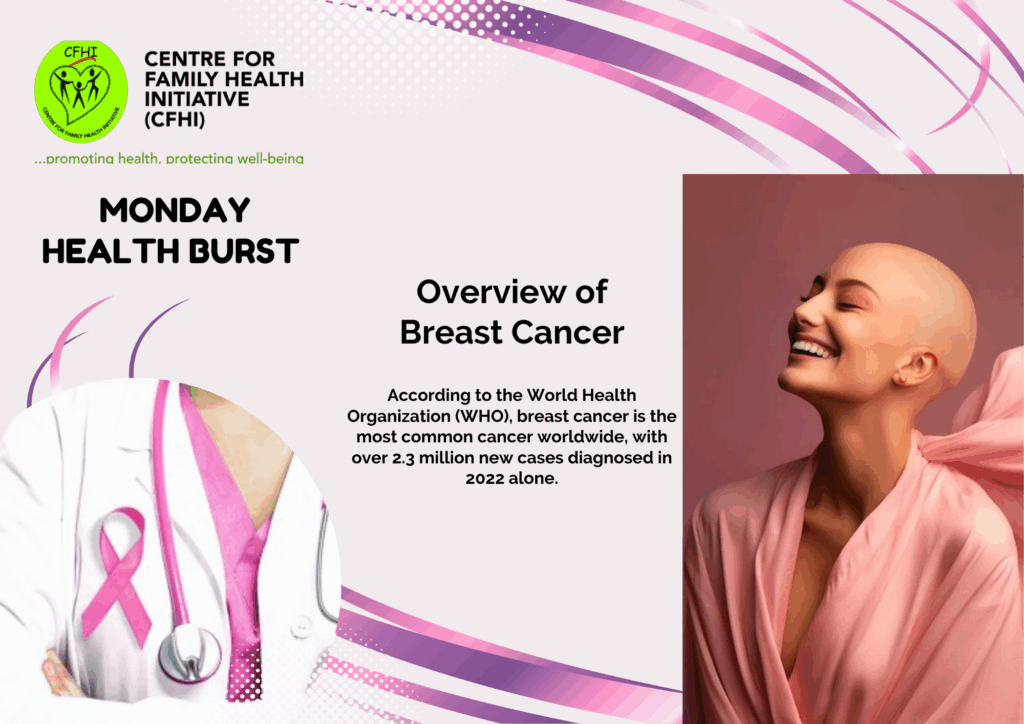
Breast cancer is a malignant tumor that originates in the cells of the breast. It occurs when breast cells mutate and grow uncontrollably, forming a mass of tissue. These cells can invade surrounding tissues and spread to other parts of the body through the lymphatic system or bloodstream—a process known as metastasis. According to the World Health Organization (WHO)1World Health Organization Breast Cancer Fact Sheet. WHO, breast cancer is the most common cancer worldwide, with over 2.3 million new cases diagnosed in 2022 alone.


Types of Breast Cancer

Breast cancer is not a single disease but a group of diseases with various subtypes. The most common types include:

  • Ductal Carcinoma In Situ (DCIS): A non-invasive cancer where abnormal cells are found in the lining of a breast duct but haven’t spread.
  • Invasive Ductal Carcinoma (IDC): The most common type, accounting for about 80% of cases. It begins in the ducts and invades surrounding tissue.
  • Invasive Lobular Carcinoma (ILC): Starts in the lobules (milk-producing glands) and can spread to nearby tissues.
  • Triple-Negative Breast Cancer (TNBC): Lacks estrogen, progesterone, and HER2 receptors, making it more aggressive and difficult to treat.
  • HER2-Positive Breast Cancer: Characterized by overexpression of the HER2 protein, which promotes cancer cell growth.

Each type has different treatment options and prognoses, emphasizing the importance of accurate diagnosis.

Breast cancer development is influenced by genetic, hormonal, and environmental factors. Mutations in genes like BRCA1 and BRCA2 significantly increase the risk. These mutations can be inherited or acquired over time due to exposure to carcinogens, lifestyle factors, or aging.

The process typically follows these stages:

  1. Initiation: Genetic mutations occur in breast cells.
  2. Promotion: Mutated cells begin to multiply.
  3. Progression: Cells form a tumor and may invade surrounding tissues.
  4. Metastasis: Cancer cells spread to other parts of the body.

In Nigeria, breast cancer accounts for 22.7% of all cancer cases among women, globally, 1 in 8 women will be diagnosed with breast cancer in their lifetime. Men are also affected, though less frequently—about 1% of all breast cancer cases occur in men, the highest incidence rates are found in high-income countries, but mortality rates are disproportionately higher in low- and middle-income countries due to late diagnosis and limited access to treatment. Nigerian Cancer Society. Cancer Statistics in Nigeria. NCS


Signs and Symptoms

Common symptoms of breast cancer may include a lump or thickening in the breast or underarm, changes in breast size, shape, or appearance, dimpling or puckering of the skin, nipple discharge (especially if it is bloody), nipple inversion or pain, and redness, scaling, or swelling of the breast or nipple. Regular self-examinations and clinical screenings play a vital role in ensuring early detection. While not all breast cancers are preventable, several strategies can reduce risk:

At CFHI, we are committed to transforming lives through health education, advocacy, and preventive care. We empower individuals and communities with the knowledge and tools they need to make informed health decisions. By fostering a culture of health consciousness, CFHI is helping to reduce the burden of preventable illnesses and build a healthier, more resilient society.

Breast cancer affects millions, but together, we can change the narrative. CFHI invites you to join the movement; whether by attending our health seminars, volunteering in community outreach, sharing educational materials, or simply encouraging loved ones to get screened. Your voice, your time, and your support can save lives.

Monday Health Burst is an initiative of CFHI to address issues of basic health concern. Join us every Monday on all our social media platforms for more episodes.

References

  1. World Health Organization Breast Cancer Fact Sheet. WHO
  2. Nigerian Cancer Society. Cancer Statistics in Nigeria. NCS

MONDAY HEALTH BURST: OVERVIEW OF BREAST CANCER Read More »

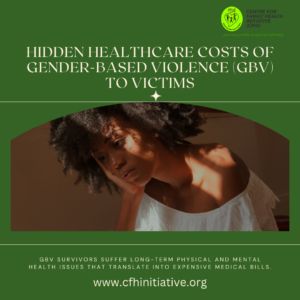
SPEAK WEDNESDAY ON THE HIDDEN HEALTHCARE COSTS OF GENDER-BASED VIOLENCE (GBV) TO VICTIMS

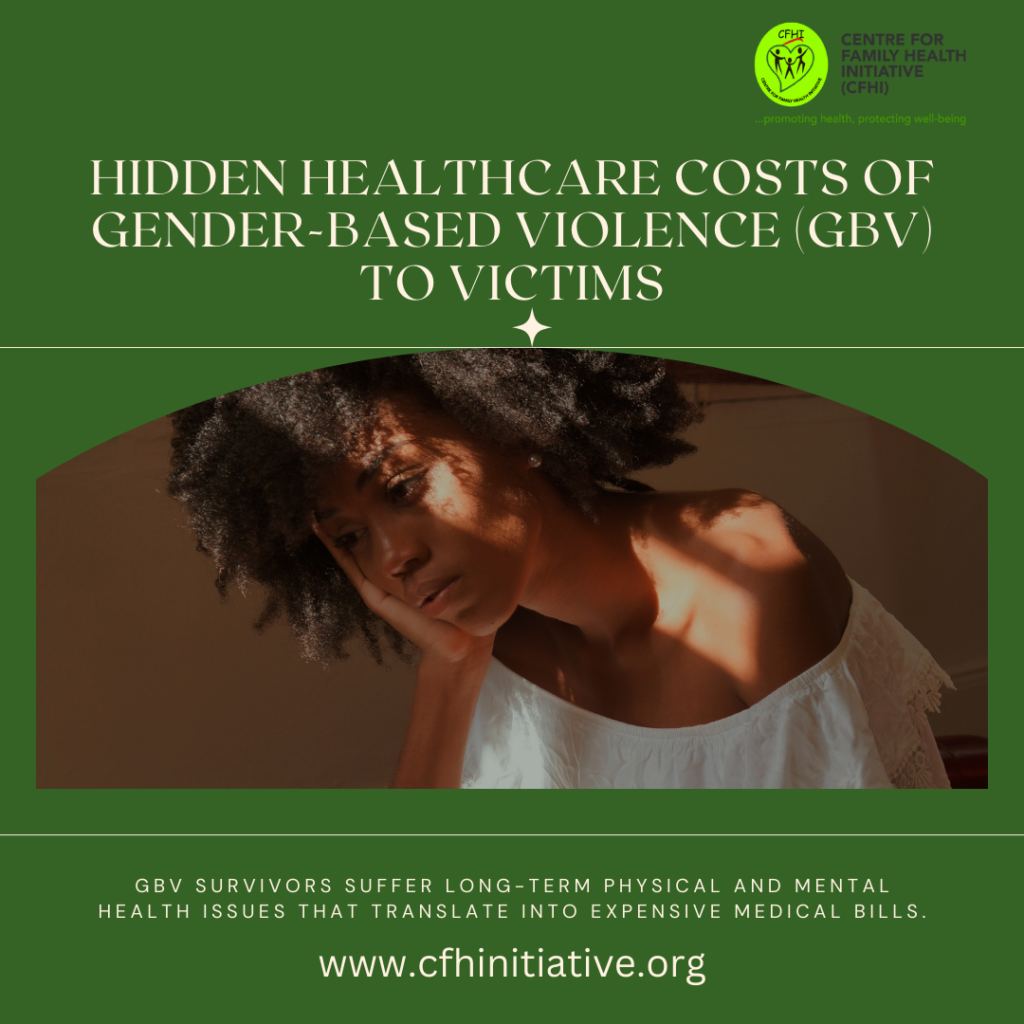
Gender-Based Violence (GBV) is a health issue that affects millions of people, predominantly women and girls, across different cultures, socioeconomic statuses, and geographic locations. Beyond the immediate physical and emotional toll, GBV also imposes significant hidden healthcare costs on its victims, presenting challenges that extend far beyond the initial incident.

One of the most direct healthcare costs of GBV is medical treatment for physical injuries. Domestic abuse victims, as well as victims of other gender-based violence, such as sexual assault, frequently need emergency care, surgery, and continuous medical support. These services come with substantial financial burdens, especially for those without adequate health insurance or access to affordable healthcare.

WHO reports that victims of intimate partner violence are more likely to seek healthcare services, resulting in increased medical costs compared to non-abused individuals. The expenses include emergency room visits, hospitalisations, and treatments for physical injuries, contributing to the hidden healthcare costs of GBV.

Beyond the immediate physical consequences, GBV takes a profound toll on victims’ mental health. The enduring psychological impact of GBV on survivors, with many experiencing anxiety, depression, and post-traumatic stress disorder (PTSD), is underscored by UNICEF. The need for mental health services, including therapy and counselling, is crucial but often comes with financial barriers, adding to the overall healthcare burden.

Furthermore, children who witness violence at home are more likely to develop behavioural problems, academic challenges, and mental health disorders. This perpetuates a cycle of intergenerational trauma and escalates healthcare costs for society as a whole.

The healthcare system also bears indirect costs related to GBV, such as increased demand for emergency services, specialised care for trauma survivors, and public health interventions. These expenses strain healthcare resources and contribute to rising healthcare expenditures for individuals, insurers, and governments.

Ultimately, addressing the hidden healthcare costs of GBV requires a collective commitment from healthcare providers, policymakers, law enforcement agencies, advocacy groups, and society at large. By recognising the full extent of these costs and investing in comprehensive solutions, we can create a safer, healthier future for women.

Speak Wednesday is an initiative of CFHI to address issues around gender-based violence and gender bias.

#SpeakWednesday #GBV #Women’srights #RightToHealth #genderequality #genderbias

SPEAK WEDNESDAY ON THE HIDDEN HEALTHCARE COSTS OF GENDER-BASED VIOLENCE (GBV) TO VICTIMS Read More »

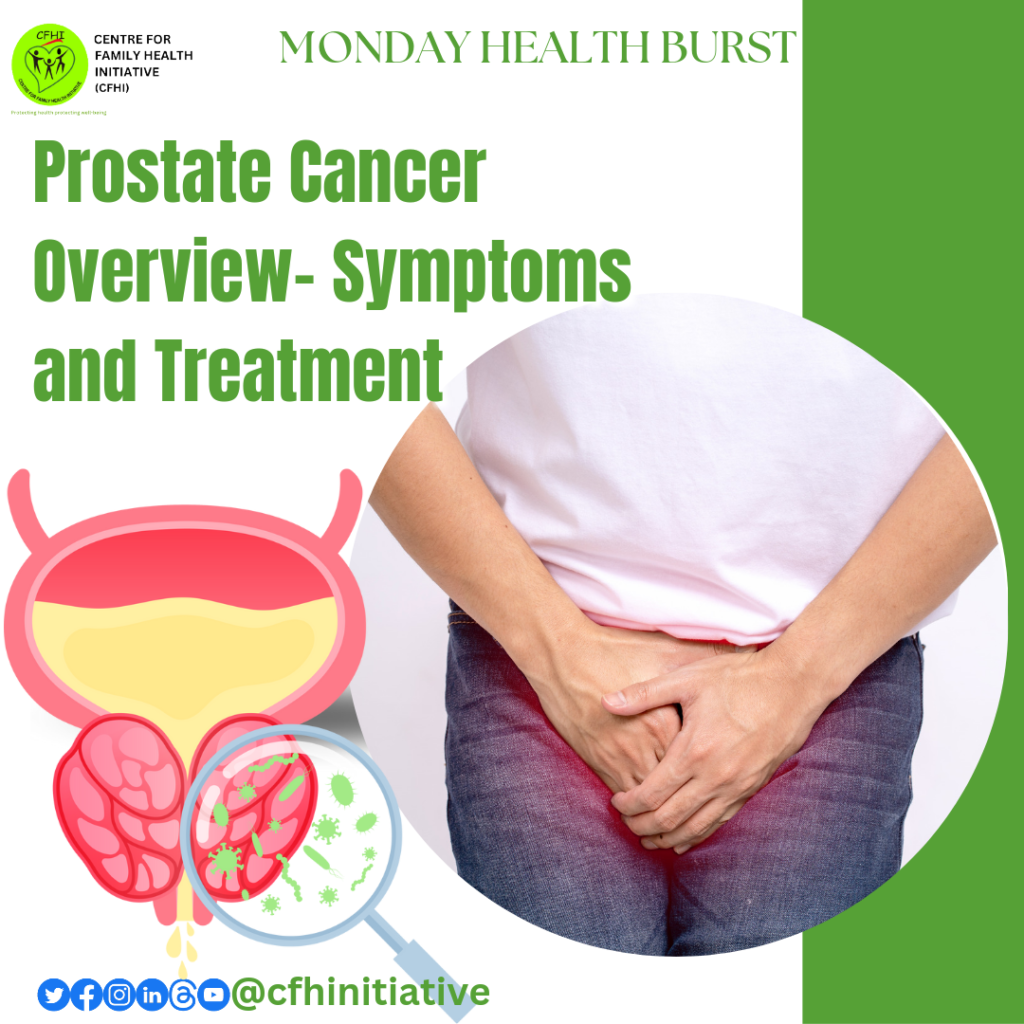
MONDAY HEALTH BURST ON PROSTATE CANCER OVERVIEW-SYMPTOMS AND TREATMENT

In Nigeria, prostate cancer is the most commonly diagnosed malignancy among men and a hospital prevalence of 182.5 per 100,000 male admissions was recorded in 2010 in Osun State.1

Prostate cancer is a type of cancer that develops in the prostate. Males have a little gland called the prostate that resembles a walnut that secretes seminal fluid, which feeds and carries sperm.

In it’s early stage, prostate cancer may not show any symptoms, but may result in indications and symptoms like: difficulty urinating, a weaker stream of pee, blood in the urine, blood in the semen, bone pain, weight loss without attempting, and erectile dysfunction when the cancer becomes advanced.2

Options for treating prostate cancer rely on a number of variables, including how quickly the disease is developing, if it has spread, your general health, and the potential advantages or disadvantages of the treatment. Some of the treatment options include; surgery to remove the prostate, radiation therapy, freezing or heating prostate tissue, and hormone therapy.

Around 1 in 8 males will receive a diagnosis of prostate cancer at some point in their life. However, only 1 in 41 of these will die as a result. This is because treatment is effective, especially in the early stages. Routine screening enables doctors to detect many cases of prostate cancer before they spread.

Individuals and organizations are encouraged to create awareness of the need for routine check-ups to prevent advanced-stage prostate cancer.

Monday Health Burst is an initiative of CFHI to address issues of basic health concern. Join us every Monday on all our social media platforms for more episodes.

#MondayHealthBurst #MensHealth #ProstateCancer


References: 

  1. https://afju.springeropen.com/articles/10.1186/s12301-019-0010-5 
  2. https://www.mayoclinic.org/diseases-conditions/prostate-cancer/symptoms-causes/syc-20353087


MONDAY HEALTH BURST ON PROSTATE CANCER OVERVIEW-SYMPTOMS AND TREATMENT Read More »

MONDAY HEALTH BURST ON MOTHER TO CHILD TRANSMISSION OF HIV

Mother-to-child transmission (MTCT) of HIV remains a significant public health concern, posing a threat to the well-being of infants worldwide. Despite advances in medical science and increased awareness, preventing the transmission of the virus from mother to child remains a complex challenge that requires a comprehensive approach.
The World Health Organization (WHO) estimates that 1.3 million women and girls living with HIV become pregnant annually worldwide.
HIV can be transmitted from an infected mother to her child during pregnancy, childbirth, or breastfeeding. The virus can pass through the placenta, be present in the birth canal and maternal genital fluids during delivery, and can be present in breast milk. Each of these stages presents a risk of transmission, underscoring the need for targeted interventions.

Prevention Strategies:
Antiretroviral Therapy (ART): Initiating ART during pregnancy significantly reduces the risk of MTCT. This treatment helps control the viral load in the mother, minimizing the chances of transmission to the child.
Elective Cesarean Section: In cases where the mother’s viral load is high, opting for a cesarean section before the onset of labor can further reduce the risk of transmission.
Avoiding Breastfeeding: While breastfeeding is generally recommended for infant health, in the context of HIV, alternative feeding methods are often advised to eliminate the risk of transmission through breast milk.
Prevention of unintended pregnancies: Family planning services and education play a crucial role in preventing unintended pregnancies among HIV-positive women, contributing to better management and prevention of MTCT.
Preventing mother-to-child transmission of HIV requires a multifaceted approach that addresses medical, social, and economic factors. Continued research, education, and global collaboration are crucial to achieving the goal of an HIV-free generation. As we strive for an AIDS-free world, prioritizing the well-being of both mothers and children remains at the forefront of public health efforts. It’s essential for infected pregnant women to receive proper medical care and follow the guidance of healthcare providers to minimize the risk to their babies.

Monday Health Burst is an initiative of CFHI to address issues of basic health concern. Join us every Monday on all our social media platforms for more episodes.


MONDAY HEALTH BURST ON MOTHER TO CHILD TRANSMISSION OF HIV Read More »

MONDAY HEALTH BURST ON URINARY TRACT INFECTIONS

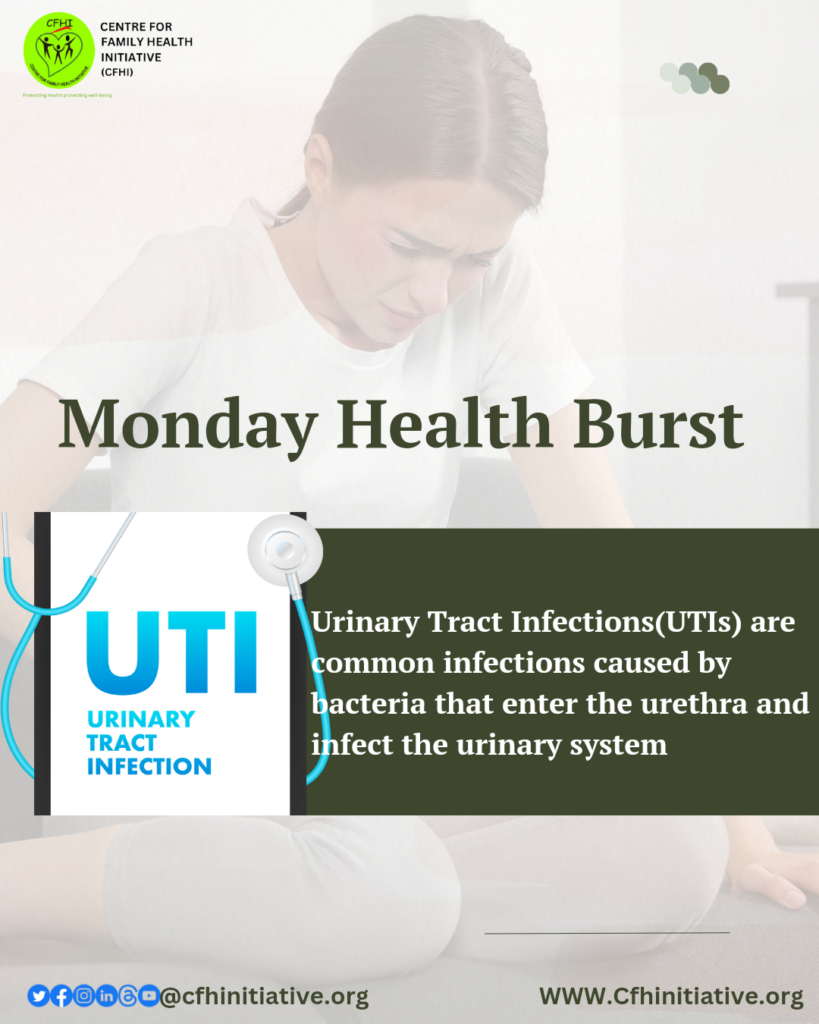
Urinary Tract Infections(UTIs) are common infections caused by bacteria that enter the urethra and infect the urinary system. These germs are usually from the skin or the rectum. While the infections can affect any region of the urinary tract, bladder infections (cystitis) are the most prevalent form. Another kind of UTI is pyelonephritis, or kidney infection. Though less frequent, they are more dangerous than bladder infections.(Centre for Disease Control,CDC).
Causes of UTIs:
Bacterial Invasion: The majority of UTIs are caused by bacteria entering the urethra and traveling up to the bladder.
Risk Factors: Women are more prone to UTIs due to a shorter urethra. Other risk factors include sexual activity, urinary tract abnormalities, a weakened immune system, and catheter use.

Symptoms of UTIs:
Painful Urination: A burning sensation during urination is a common symptom.

Frequent Urination: The urge to urinate more often than usual.

Cloudy or Strong-Smelling Urine: Changes in urine color and odor may indicate an infection.

Pelvic Pain: Discomfort or pressure in the lower abdomen.

Diagnosis:
If you suspect a UTI, a healthcare professional will typically perform a urinalysis to check for bacteria and white blood cells. In some cases, imaging tests may be ordered to identify any structural issues in the urinary tract.

Treatment:
Antibiotics: The primary treatment for UTIs involves a course of antibiotics to eliminate the infection.

Pain Relief: Over-the-counter pain relievers can help alleviate symptoms.

Hydration: Drinking plenty of water can help flush out bacteria from the urinary system.

Prevention:
Hygiene Practices: Wipe from front to back after using the toilet to prevent bacteria from entering the urethra.

Stay Hydrated: Adequate fluid intake promotes regular urination, helping to flush out bacteria.

Urinate After Intercourse: Emptying the bladder after sexual activity can reduce the risk of UTIs.

Conclusion:
Urinary tract infections are a common health concern, especially among women. Understanding the causes, symptoms, and preventive measures is crucial for prompt diagnosis and effective treatment. If you suspect a UTI, consult with a healthcare professional for personalized advice and care.
#MondayHealthBurst
#UrinaryTractInfection

Monday Health Burst is an initiative of CFHI to address issues of basic health concern. Join us every Monday on all our social media platforms for more episodes.

MONDAY HEALTH BURST ON URINARY TRACT INFECTIONS Read More »