HIV/AIDS

Beyond Stigma: Community-Led Support for Women and Girls Living with HIV

Stigma remains one of the greatest obstacles to ending HIV: globally, according to the latest UNAIDS estimates, about 40.8 million people were living with HIV as of the end of 2024, with women and girls accounting for approximately 53% of all infections [1]. Despite progress in expanding treatment access bringing lifesaving antiretroviral therapy to over 31 million people worldwide millions still face stigma, discrimination, and social exclusion, which continue to limit their ability to seek testing, care, and long-term support [1].

Evidence shows that stigma discourages people from testing, delays linkage to treatment, and undermines adherence; pooled analyses across African surveys and facility studies find that people who experience stigma are significantly less likely to know their status or remain engaged in care, which in turn reduces chances of viral suppression and worsens health outcomes [2,3]. The scientific consensus that “U=U” (Undetectable = Untransmittable) underscores why ending stigma is also a prevention strategy: people on effective antiretroviral therapy (ART) who achieve and maintain an undetectable viral load do not sexually transmit HIV [4]. Despite these advances, gaps remain UNAIDS reports that while millions are on treatment, about 31.6 million people were accessing ART in 2024, leaving a substantial number still unreached by life-saving services [1].

Community-led support is central to bridging those gaps for women and girls. Practical, evidence-based community interventions peer support groups, community health worker follow-up, safe disclosure spaces, integrated mental-health services, and targeted outreach to adolescents have been shown to increase testing uptake, improve retention on ART, and reduce internalized stigma [5,6]. In Nigeria and other countries, facility-level and community studies link stigma with lower adherence and higher loss to follow up, highlighting the need for local, culturally sensitive responses that engage families, faith leaders, youth networks, and women’s groups [3,7]. Gender-sensitive programming is particularly important: women and girls face intersectional stigma driven by gender norms, economic dependence, and the risk of gender-based violence barriers that require combined social protection, livelihood support, and confidential clinical services to overcome [5].

At the Centre for Family Health Initiative (CFHI), community-led support is operationalized through sustained activities that go beyond one-day events. CFHI provides community HIV testing and counselling, adolescent-friendly education, psychosocial support, and peer navigation to link women and girls to care and keep them on treatment [8]. The organization integrates stigma-reduction messaging into gender-norms dialogues, trains community health volunteers in respectful care, and runs livelihood and empowerment sessions that reduce economic vulnerability an important factor that often forces women to remain in situations where disclosure is dangerous. CFHI’s community outreach also emphasizes U=U messaging to demystify treatment and encourage adherence and last year’s community testing and sensitization activities in Imo State reached hundreds with counselling and referrals, reinforcing the role of sustained local engagement in improving outcomes [8].

Ending HIV stigma requires action across sectors. Health facilities must adopt anti-discrimination policies and provide confidential, quality services; community leaders and faith institutions must publicly reject harmful narratives; schools and youth groups must deliver age-appropriate HIV education; and social protection programmes should prioritize women and girls so economic dependence does not block access to care. Donors and governments must sustain funding for community-led responses, which evidence shows are cost-effective and essential for reaching the UN targets to end AIDS as a public health threat [5,6].

Now is the time for communities to move from awareness to durable action. Support people living with HIV by learning and sharing accurate facts, joining, or starting peer support groups, encouraging friends and family to test, demanding respectful care at clinics, and supporting empowerment programmes that reduce vulnerability. CFHI and partners stand ready to work with communities, faith groups, schools, and health services to build safe, supportive environments where women and girls living with HIV can thrive. Together we can make stigma a thing of the past because when communities lead, lives change.


References

  1. Global HIV & AIDS statistics — Fact sheet. Geneva: Joint United Nations Programme on HIV/AIDS; 2025.
    Available from: https://www.unaids.org/en/resources/fact-sheet
  2. Doyle CM, Kuchukhidze S, Stannah J, Flores Anato JL, Xia Y, Logie CH, et al. The impact of HIV stigma and discrimination on HIV testing, antiretroviral treatment, and viral suppression in Africa: a pooled analysis of population-based surveys.
    Available from: https://www.researchgate.net/publication/391079137_The_Impact_of_HIV_Stigma_and_Discrimination_on_HIV_Testing_Antiretroviral_Treatment_and_Viral_Suppression_in_Africa_A_Pooled_Analysis_of_Population-Based_Surveys
  3. Mahlalela NB, et al. The association between HIV-related stigma and health-seeking behaviour, testing and adherence: a systematic review. J Public Health. 2024.
    Available from: https://www.ncbi.nlm.nih.gov/pmc/articles/PMC10896802/
  4. UNAIDS / IAS / Prevention Access Campaign. Undetectable = Untransmittable (U=U) consensus and evidence. Geneva: UNAIDS; 2018–2024.
    Available from: https://www.unaids.org/en/resources/presscentre/featurestories/2018/july/undetectable-untransmittable
  5. World Health Organization. Eliminating stigma and discrimination in HIV responses: evidence and interventions. Geneva: WHO; 2022.
    Available from: https://www.who.int/teams/global-hiv-hepatitis-and-stis-programmes/hiv/strategic-information/hiv-data-and-statistics
  6. Community-led monitoring / Community-led responses — evidence and good practice. Geneva: UNAIDS; 2023.
    Available from: https://www.unaids.org/en/resources/documents/2023/community-led-monitoring-in-action
  7. Okunola A, et al. The impact of stigma on ART adherence in Ondo State clinics: cross-sectional evidence. Int J Res Innov Social Sci. 2025.
    Available from: https://rsisinternational.org/journals/ijriss/articles/the-impact-of-stigma-and-discrimination-on-adherence-levels-in-hiv-positive-patients-evidence-from-ondo-state-clinics/
  8. Centre for Family Health Initiative (CFHI). Community HIV services, stigma reduction and outreach report. Owerri: CFHI; 2024–2025.
    Available from: https://www.cfhinitiative.org


Beyond Stigma: Community-Led Support for Women and Girls Living with HIV Read More »
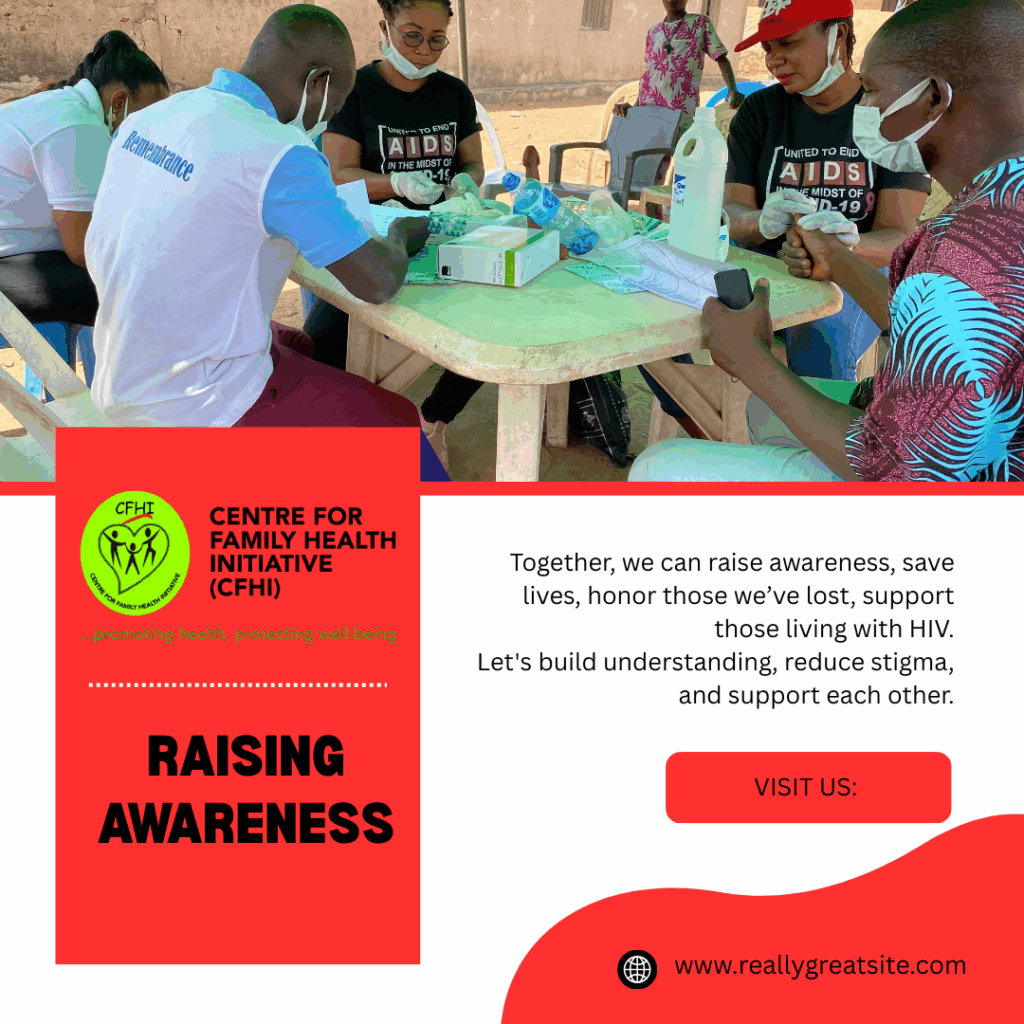
Ending HIV Stigma: Community Support Beyond World AIDS Day

Ending HIV stigma remains one of the most critical steps in achieving an effective HIV response globally. Even though scientific progress has transformed HIV from a life-threatening illness to a manageable condition, stigma continues to undermine prevention, testing, treatment, and quality of life. Studies show that nearly 1 in 4 people living with HIV report experiencing discrimination in healthcare settings, which discourages timely care-seeking and contributes to poor health outcomes (1). Community stigma also remains widespread; in sub-Saharan Africa, where the burden of HIV is highest, research found that over 35% of adults still hold discriminatory attitudes toward people living with HIV (2). These attitudes are deeply rooted in misinformation, fear, cultural norms, and moral judgments that continue to silence individuals and limit their ability to access support.

Stigma does not only affect individuals emotionally; it has direct medical consequences. Evidence shows that people who experience HIV-related stigma are three times more likely to delay or avoid HIV testing and up to 50% less likely to adhere to treatment due to fear of being discovered (3). This delay fuels the cycle of transmission and reduces the chances of achieving viral suppression. Yet, viral suppression keeping HIV levels undetectable is proven to eliminate the risk of sexual transmission entirely, a fact summarized in the principle U=U (Undetectable = Untransmittable) (4). Ending stigma, therefore, is not only a human rights issue but a powerful public health strategy.

Beyond World AIDS Day, communities must unite to promote supportive environments where people living with HIV feel safe to disclose, access services, and receive continuous care. Community-led awareness, inclusive language, youth-friendly education, and culturally sensitive advocacy have proven to reduce stigma by strengthening empathy and understanding (5). Empowering young people with evidence-based information also plays a vital role since adolescents remain vulnerable to societal misconceptions and pressure surrounding HIV.

At the Centre for Family Health Initiative, efforts to end HIV stigma go beyond commemoration events. CFHI continues to create safe spaces within communities through targeted HIV education, gender-sensitive communication, counselling support for adolescents and caregivers, and stigma-reduction sessions integrated into school and community health activities. Through the ASPIRE project and other community interventions, CFHI consistently promotes testing uptake, linkage to care, and treatment adherence especially among vulnerable populations. Last year in Imo State, CFHI carried out a community HIV awareness and testing outreach that reached dozens of individuals with prevention messages, counselling, and referrals, reinforcing the message that HIV is manageable and that stigma must never stand between anyone and access to care. As we move beyond World AIDS Day, CFHI encourages everyone to be intentional about kindness, to challenge myths, to stand against discrimination, and to help build communities where people living with HIV are treated with dignity. Ending stigma begins with each of us, and together we can create a society where support is stronger than silence


References

  1. Joint United Nations Programme on HIV/AIDS (UNAIDS). Confronting Discrimination: Overcoming HIV-related Stigma and Discrimination in Health-care Settings. 2020. Available from: https://www.unaids.org
  2. United Nations Children’s Fund (UNICEF). HIV and AIDS Statistical Update. 2023. Available from: https://www.unicef.org
  3. Turan B, et al. The Impact of HIV-related Stigma on Treatment Adherence. AIDS Behav. 2017;21(1):283–291. Available from: https://link.springer.com
  4. Prevention Access Campaign. The U=U Declaration. 2016. Available from: https://preventionaccess.org
  5. World Health Organization (WHO). Global HIV Programme: Eliminating Stigma and Discrimination. 2022. Available from: https://www.who.int


Ending HIV Stigma: Community Support Beyond World AIDS Day Read More »

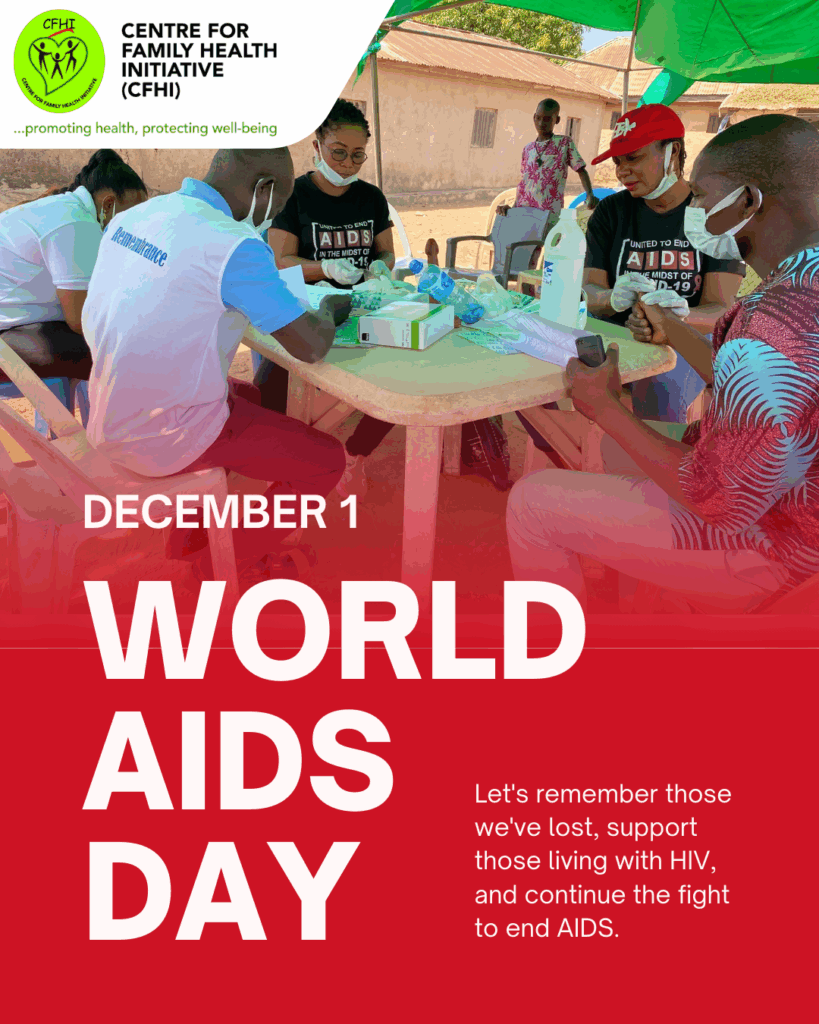
World AIDS Day

Today, December 1st, the world once again marks World AIDS Day, a global reminder of our shared responsibility to end HIV and support people living with it. This year’s theme, “Overcoming Disruption, Transforming the AIDS Response,” highlights the urgent need to rebuild stronger, more resilient, and equitable systems that ensure no one is left behind in HIV prevention and care [1]. Despite decades of progress, HIV continues to thrive where misinformation, stigma, poverty, and limited access to health services persist, especially among vulnerable groups such as adolescents, young women, and key populations [2].

Understanding how HIV spreads remains essential. The virus is transmitted through unprotected sexual intercourse, sharing contaminated needles, mother-to-child transmission during pregnancy, birth, or breastfeeding, and rarely through unscreened blood transfusion [3]. It is important to emphasize that HIV cannot be transmitted through casual contact, which means stigma rooted in misinformation must continue to be challenged [4]. Prevention remains powerful when individuals consistently use condoms, access regular HIV testing, utilize PrEP when at risk, avoid sharing needles, and ensure pregnant women living with HIV receive PMTCT services [5]. Effective treatment such as antiretroviral therapy suppresses viral load, making HIV untransmittable when undetectable (U=U), a breakthrough in global HIV care [6].

The Centre for Family Health Initiative (CFHI) remains committed to strengthening the HIV response through coordinated community engagements that include HIV testing, counselling, prevention education, PMTCT support, stigma reduction activities, and linkage to care for individuals and families. Over the years, CFHI has collaborated with partners such as Excellence and Friends Management Care Centre (EFMC), the Catholic Caritas Foundation of Nigeria (CCFN), and the Institute of Human Virology Nigeria (IHVN). These partnerships have supported CFHI in reaching over 14,000 children and caregivers with essential HIV-related services. Currently, CFHI continues to work actively with IHVN alongside support from the FCT Social Development Secretariat (SDS) to provide ongoing care, and treatment adherence services to about 6,000 children and their caregivers. Through its OVC programming, CFHI remains committed to improving long-term health, resilience, and stability for vulnerable families affected by HIV.

As Nigeria joins the global community in commemorating World AIDS Day 2025, it is essential for the government to strengthen its leadership in the national HIV response. This includes increasing investment in public health systems, ensuring consistent availability of testing kits and antiretroviral medications, expanding prevention programs such as PrEP and PMTCT, and improving data management for timely decision-making. Government action is also needed to address stigma through nationwide awareness campaigns, to support state-level implementation of HIV programs, and to create enabling environments where community organizations, healthcare workers, and development partners can scale interventions effectively. HIV is preventable and treatable, and with informed choices, prioritizing equitable access to services, sustaining political commitment, and collective action, Nigeria can accelerate progress toward ending AIDS as a public health threat.

Everyone is encouraged to take responsibility by getting tested, reducing risk, supporting those living with HIV, and rejecting stigma in every form.


References

  1. World Health Organization. World AIDS Day 2025 Theme: Overcoming Disruption, Transforming the AIDS Response. Geneva: WHO; 2025. https://www.who.int
  2. UNAIDS. Global HIV & AIDS Statistics — Fact Sheet 2025. Joint United Nations Programme on HIV/AIDS; 2025. https://www.unaids.org/en/resources/fact-sheet
  3. Centers for Disease Control and Prevention. HIV Transmission Overview. Atlanta: CDC; 2024. https://www.cdc.gov/hiv/basics/transmission.html
  4. UNAIDS. Confronting HIV Stigma and Discrimination. Joint United Nations Programme on HIV/AIDS; 2024. https://www.unaids.org/en/key-programmes/stigma-discrimination
  5. World Health Organization. HIV Prevention Guidelines. Geneva: WHO; 2024. https://www.who.int/health-topics/hiv
  6. UNAIDS. Undetectable = Untransmittable (U=U) Scientific Update. Geneva: UNAIDS; 2024. https://www.unaids.org/en/resources/presscentre/featurestories/2024/u-u
  7. Centre for Family Health Initiative. Community HIV Services and OVC Support Report. Abuja: CFHI; 2024. https://www.cfhinitiative.org

World AIDS Day Read More »

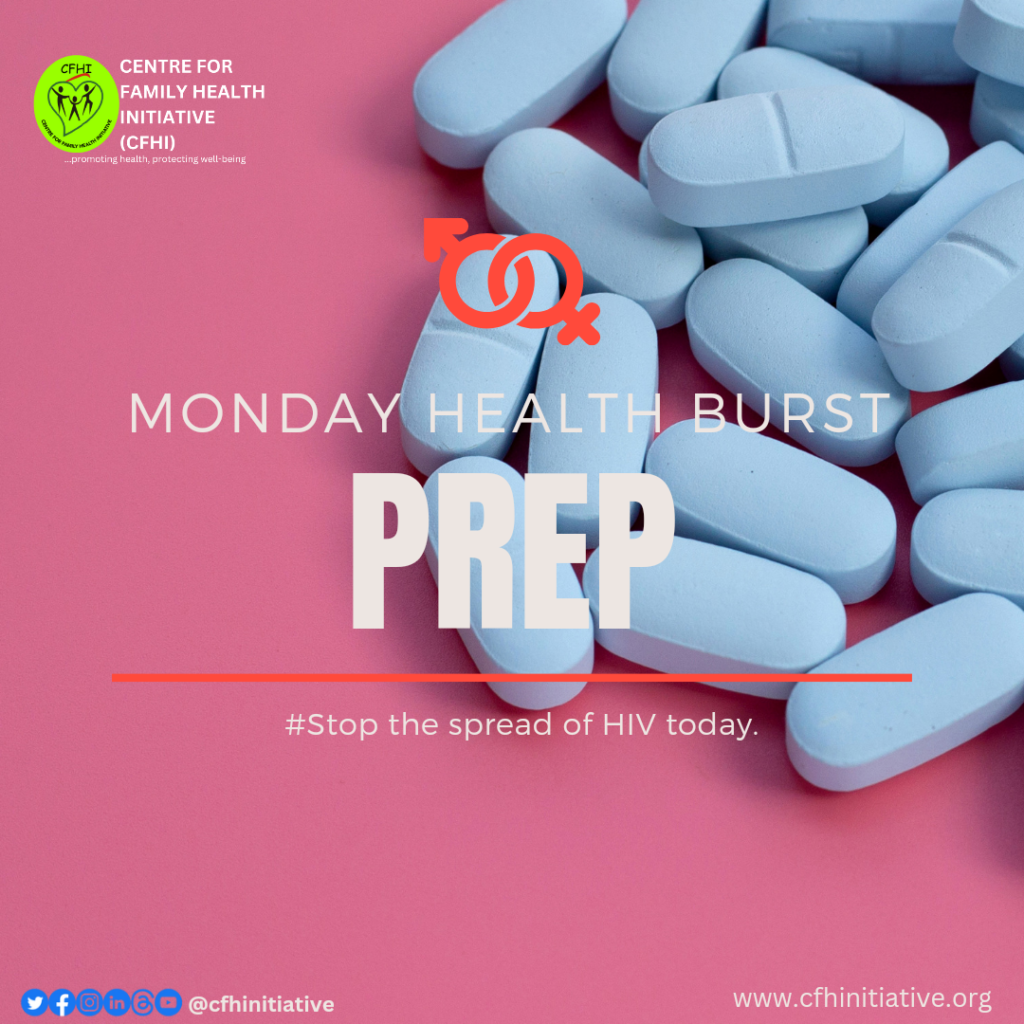
MONDAY HEALTH BURST ON POST- EXPOSURE PROPHYLAXIS

According to Centre for Disease Control (CDC), PrEP is the medicine people at risk for HIV take to prevent getting HIV from sex or injection drug use. When taken as prescribed, PrEP is highly effective for preventing HIV.

PrEP is advisable if one tests negative for HIV, yet has had unprotected sex (oral or vaginal) in the past 6 months with a sexual partner who is living with HIV/AIDs; had unprotected sex (oral or vaginal) in the past 6 months without consistently using condom; had unprotected sex (oral or vaginal) in the past 6 months and have been diagnosed with an STD; shares needles, syringes, or other equipment to inject drugs used by someone who is HIV positive; and someone who has been prescribed PEP (post-exposure prophylaxis) and report continued risk behaviour, or have used multiple courses of PEP.

According to research, PrEP reduces the risk of getting HIV from sex by about 99%, reduces the risk of getting HIV from injection drug use by at least 74%. However, PrEP is less effective when not taken as prescribed.

Aside HIV, there are other sexually transmitted diseases. Since PrEP only protects against HIV, condom use is still important for the protection against other STDs. Condom use is also important to help prevent HIV if PrEP is not taken as prescribed. Anyone considering PrEP should consult a doctor. Let’s stop HIV together.

#MondayHealthBurst #HIVAIDSPrevention #HealthForAll #PrEP CDC World Health Organization (WHO) PEPFAR Vietnam


MONDAY HEALTH BURST ON POST- EXPOSURE PROPHYLAXIS Read More »

MONDAY HEALTH BURST ON MOTHER TO CHILD TRANSMISSION OF HIV

Mother-to-child transmission (MTCT) of HIV remains a significant public health concern, posing a threat to the well-being of infants worldwide. Despite advances in medical science and increased awareness, preventing the transmission of the virus from mother to child remains a complex challenge that requires a comprehensive approach.
The World Health Organization (WHO) estimates that 1.3 million women and girls living with HIV become pregnant annually worldwide.
HIV can be transmitted from an infected mother to her child during pregnancy, childbirth, or breastfeeding. The virus can pass through the placenta, be present in the birth canal and maternal genital fluids during delivery, and can be present in breast milk. Each of these stages presents a risk of transmission, underscoring the need for targeted interventions.

Prevention Strategies:
Antiretroviral Therapy (ART): Initiating ART during pregnancy significantly reduces the risk of MTCT. This treatment helps control the viral load in the mother, minimizing the chances of transmission to the child.
Elective Cesarean Section: In cases where the mother’s viral load is high, opting for a cesarean section before the onset of labor can further reduce the risk of transmission.
Avoiding Breastfeeding: While breastfeeding is generally recommended for infant health, in the context of HIV, alternative feeding methods are often advised to eliminate the risk of transmission through breast milk.
Prevention of unintended pregnancies: Family planning services and education play a crucial role in preventing unintended pregnancies among HIV-positive women, contributing to better management and prevention of MTCT.
Preventing mother-to-child transmission of HIV requires a multifaceted approach that addresses medical, social, and economic factors. Continued research, education, and global collaboration are crucial to achieving the goal of an HIV-free generation. As we strive for an AIDS-free world, prioritizing the well-being of both mothers and children remains at the forefront of public health efforts. It’s essential for infected pregnant women to receive proper medical care and follow the guidance of healthcare providers to minimize the risk to their babies.

Monday Health Burst is an initiative of CFHI to address issues of basic health concern. Join us every Monday on all our social media platforms for more episodes.


MONDAY HEALTH BURST ON MOTHER TO CHILD TRANSMISSION OF HIV Read More »

MONDAY HEALTH BURST ON HIV AND AIDS: ADVANCES IN TREATMENT AND REDUCING STIGMA

Antiretroviral therapy, also known as ART, is a treatment for HIV. Thanks to advancements in medical research, the therapy has become more efficient with fewer adverse effects. ART therapy has allowed those infected with HIV to live healthier and longer lives. Also, pre-exposure prophylaxis (PrEP) is available for people at high risk of contracting HIV.

According to the Joint United Nations Programme on HIV/AIDS (UNAIDS), there are 23.3 million people globally on HIV treatment currently. An individual who is living with HIV and starts taking antiretroviral therapy today can expect to have the same life expectancy as someone who is HIV-negative and of the same age. (UNAIDS)

HIV medication comes in two forms: Pills and Shots.

Several FDA-approved medications are available for HIV treatment, which can be taken either as a single pill or a combination therapy. If you have recently started HIV treatment, taking drugs is recommended. However, you may consider getting shots if you have been virally suppressed for at least three months or have an undetectable viral load. Shots are long-acting injections used to treat HIV. Your doctor must schedule routine office appointments to administer the doses. Depending on your treatment plan, you may receive an HIV therapy shot once a month or once every other month.

Although there are HIV treatments available, stigma and discrimination remain significant barriers to HIV prevention, treatment, care, and support. Research has demonstrated that stigma and prejudice, in particular, impair HIV prevention efforts by causing people to be unwilling to seek HIV information, services, and therapies to lower their risk of infection and to adopt safer behaviours for fear that doing so may raise questions about their HIV status. (UNAIDS). Research has also indicated that people living with HIV are discouraged from disclosing their status, even to family members and romantic partners, and that this hinders their ability and motivation to seek and adhere to treatment. This fear of stigma and discrimination is also linked to a fear of violence. (UNAIDS).

Over the years, CFHI, in collaboration with the Institute of Human Virology Nigeria (IHVN), Catholic Caritas Foundation Nigeria (CCFN), and other funders, provides community-based interventions to more than 20,000 vulnerable children and their caregivers. These interventions include but are not limited to, healthcare services, nutritional support, education and vocational training, psychosocial support, and household economic strengthening.

It is important to note that HIV cannot be cured, but it can be managed with the help of HIV medication. Within six months, the majority of people can control the infection. (UNAIDS)

Monday Health Burst is an initiative of CFHI to address issues of basic health concern. Join us every Monday on all our social media platforms for more episodes


MONDAY HEALTH BURST ON HIV AND AIDS: ADVANCES IN TREATMENT AND REDUCING STIGMA Read More »

Speak Wednesday

WOMEN AND GIRLS, HIV/AIDS

WOMEN AND GIRLS, HIV/AIDS

HIV (Human Immunodeficiency Virus) is a sexually transmitted infection (STI) which can be transmitted through contact with infected blood, semen or vaginal fluids.

According to AVERT (2020), since the start of the global HIV epidemic, women in many regions have been disproportionately affected by HIV. Today, women constitute more than half of all people living with HIV, and AIDS-related illnesses remain the leading cause of death for women aged between 15 and 49. Young women (aged 15-24), and adolescent girls (aged 10-19) in particular, account for a disproportionate number of new HIV infections. In 2017, 7,000 adolescent girls and young women became HIV-positive. This is a far higher rate than new infections among young men, with young women twice as likely to acquire HIV as their male peers.

Also AVERT (2020) states that in sub-Saharan Africa, despite making up just 10% of the population, one out of every five new HIV infections happens among adolescent girls and young women. In the worse-affected countries, 80% of new HIV infections among adolescents are among girls, who are up to eight times more likely to be living with HIV than adolescent boys. It is estimated that around 50 adolescent girls die every day from AIDS-related illnesses. Nigeria has the second largest HIV epidemic in the world. Although HIV prevalence among adults is much less (1.3%) than other sub-Saharan African countries such as South Africa (19%) and Zambia (11.5%), the size of Nigeria’s population means 1.8 million people were living with HIV in 2019. According to United Nations AIDS (UNAIDS), Nigeria has the second largest HIV epidemic in the world and one of the highest rates of new infection in sub-Saharan Africa.

In the article “How does HIV/AIDS affect women” by the National Institute of Child Health and Human Development (2017), HIV disproportionately affects women and girls because of their unequal cultural, social and economic status in society. HIV is most often spread through sex. Women may be at greater risk of being infected with HIV during sexual contact than men are. This is because the fragile tissues of the female ex organ can tear slightly during sex and let the virus enter the body. (This is especially likely among girls under age 18.) Studies show that the female sex organ due its large surface is easily exposed to the virus, thus increasing risk of infection and most women around the world who have HIV were mostly infected through sex with a man.

Furthermore, unaccommodating attitudes towards sex outside of marriage and the restricted social autonomy of women and young girls can reduce their ability to access sexual health and HIV services. Other factors as opined by AVERT (2020) which have contributed to this disparity include; poverty, lack of access to education, gender-based violence, “sugar-daddy culture” and transactional sex, child marriage, etc. Intimate partner violence, inequitable laws and harmful traditional practices reinforce unequal power dynamics between men and women, with young women particularly disadvantaged. HIV is not only driven by gender inequality, but it also entrenches gender inequality, leaving women more vulnerable to its impact.

A call for new approaches to reducing HIV rates among women is highly encouraged at this stage. Firstly, more efforts should be geared towards a universal access to sexual and reproductive health for women and girls. Secondly, increased public awareness campaigns for gender equality that stigmatize violence and discrimination against women and girls and the use of female-controlled prevention methods should be encouraged.

However, CFHI through her HIV/AIDS based programs and its social media platforms has continually advocated and still continues to advocate for the Sexual and Reproductive Health and Rights (SRHRs) of women and girls whilst providing and catering to the special needs of women and girls with HIV/AIDS and Orphans and Vulnerable Children in the society.


Speak Wednesday is an initiative of Centre for Family Health Initiative (CFHI) to address issues around gender-based violence and gender bias. Join us every Wednesday on all our social media platforms for more interesting episodes.

Speak Wednesday Read More »

MONDAY HEALTH BURST

EFFECTS OF FEMALE GENITAL MUTILATION (FGM)

According to World Health Organization, more than 200 million girls and women alive today have undergone female genital mutilation (FGM) in 30 countries in Africa, mostly in the Middle East and Asia. All forms of FGM are associated with increased health risk in the short- and long-term. Below are some of the health risks.

Short-term health risks of FGM

Severe pain. Cutting the nerve ends and sensitive genital tissue causes extreme pain. The healing period is also painful.

Shock. Can be caused by pain, infection and/or haemorrhage.

Genital tissue swelling. Due to inflammatory response or local infection.

Infections. May spread after the use of contaminated instruments (e.g. use of same instruments in multiple genital mutilation operations), and during the healing period.

Excessive bleeding (haemorrhage). Can result if the clitoral artery or other blood vessel is cut.

Human immunodeficiency virus (HIV). The direct association between FGM and HIV remains unconfirmed, although the cutting of genital tissues with the same surgical instrument without sterilization could increase the risk for transmission of HIV between girls who undergo female genital mutilation together.

Urination problems. These may include urinary retention and pain passing urine. This may be due to tissue swelling, pain or injury to the urethra.

Impaired wound healing. Can lead to pain, infections and abnormal scarring.

Death. Death can result from infections, including tetanus, as well as haemorrhage that can lead to shock.

Mental health problems. The pain, shock and the use of physical force during the event, as well as a sense of betrayal when family members condone and/or organize the practice, are reasons why many women describe FGM as a traumatic event.


Long-term health risks of FGM

Infections:

  • Chronic genital infections. With consequent chronic pain, and vaginal discharge and itching. Cysts, abscesses and genital ulcers may also appear.
  • Chronic reproductive tract infections. May cause chronic back and pelvic pain.
  • Urinary tract infections. If not treated, such infections can ascend to the kidneys, potentially resulting in renal failure, septicaemia and death. An increased risk of repeated urinary tract infections is well documented in both girls and adult women who have undergone FGM.

Painful urination. Due to obstruction of the urethra and recurrent urinary tract infections.

Vaginal problems. Discharge, itching, bacterial vaginosis and other infections.

Menstrual problems. Obstruction of the vaginal opening may lead to painful menstruation (dysmenorrhea), irregular menses and difficulty in passing menstrual blood, particularly among women with Type III FGM.

Excessive scar tissue (keloids). Excessive scar tissue can form at the site of the cutting.

HIV (Human immunodeficiency virus). Given that the transmission of HIV is facilitated through trauma of the vaginal epithelium which allows the direct introduction of the virus, it is reasonable to presume that the risk of HIV transmission may be increased due to increased risk of bleeding during intercourse, because of FGM.

Sexual health problems. FGM damages anatomic structures that are directly involved in female sexual function and can therefore also influence women’s sexual health and well-being. Removal of, or damage to, highly sensitive genital tissue, especially the clitoris, may affect sexual sensitivity and lead to sexual problems, such as decreased sexual desire and pleasure, pain during sex, difficulty during penetration, decreased lubrication during intercourse, and reduced frequency or absence of orgasm (anorgasmia). Scar formation, pain and traumatic memories associated with the procedure can also lead to such problems.

Childbirth complications (obstetric complications). FGM is associated with an increased risk of caesarean section, postpartum haemorrhage, recourse to episiotomy, difficult labour, obstetric tears/lacerations, instrumental delivery, prolonged labour, and extended maternal hospital stay. The risks increase with the severity of FGM.

Obstetric fistula. A direct association between FGM and obstetric fistula has not been established. However, given the causal relationship between prolonged and obstructed labour and fistula, and the fact that FGM is also associated with prolonged and obstructed labour, it is reasonable to presume that both conditions could be linked in women living with FGM.

Perinatal risks. Obstetric complications can result in a higher incidence of infant resuscitation at delivery and intrapartum stillbirth and neonatal death.

Mental health problems. Studies have shown that girls and women who have undergone FGM are more likely to experience post-traumatic stress disorder (PTSD), anxiety disorders, depression and somatic (physical) complaints (e.g. aches and pains) with no organic cause.

Pain. Due to tissue damage and scarring that may result in trapped or unprotected nerve endings.

Though FGM may be normative and considered to be of cultural significance in some settings, the practice is always a violation of human rights, with the risk of causing trauma and leading to problems related to girls’ and women’s mental health and well-being. (WHO,2020)

MONDAY HEALTH BURST Read More »

MONDAY HEALTH BURST

HUMAN IMMUNODEFICIENCY VIRUS (HIV) PREVENTION AND CARE 

PREVENTION

The US Centre for Disease Control and Prevention (CDC) places abstinence as the first practice to reduce the risk of HIV transmission. This includes abstinence from oral, anal or vaginal sex, and avoiding sharing of sharps (needles, blades, clippers etc) with an infected person.

In cases where abstinence becomes difficult, the following must be put into consideration:

Use of condoms: Male latex condoms are most effective in preventing HIV and other Sexually Transmitted Infections (STIs) during an intercourse. Because a man does not need to ejaculate to give or get some STIs, make sure to put the condom on before the penis touches the vagina, mouth, or anus. Female condoms can also help to prevent HIV infection.

Routine testing: It is  important to carry out routine HIV testing. Sexual partners Should endeavour to speak to each other about their HIV and STI status. This is because having an STI increases the chances of becoming infected with HIV during sex. If a partner has an STI in addition to HIV, the chances of transmitting the virus increases. The CDC recommends at least one HIV test for everyone ages 13 to 64 years. Yearly testing is recommended if one is at higher risk of infection. For gays and bisexual men, CDC recommends that HIV testing is carried out every three to six months.

Be monogamous: Having sex with just one partner can lower the risk of contacting the HIV virus and other STIs. After being tested for STIs, be faithful to each other. That means that you have sex only with each other and no one else. The risk of getting HIV and other STIs goes up with the number of sexual partners.

Get vaccinated: You can get a vaccine to protect against Human papillomavirus (HPV) and hepatitis B, which are STIs. There is no vaccine to prevent or treat HIV.

Do not douche: Douching (washing or cleaning out the inside of the vagina with water or other mixtures of fluidsremoves some of the normal bacteria in the vagina that protects one from infections. This may increase the risk of getting HIV and other STIs.

Do not abuse alcohol or drugs: Alcohol or drug abuse may lead to risky behaviours such as sharing needles to inject drugs or not using a condom when having sex.

Pre-exposure prophylaxis (PrEP)
PrEP is an HIV prevention method for people who do not have HIV infection but who may be at high risk. For example,  mixed-status couples (also known as serodiscordant), people with multiple sex partners,  inject illegal drugs or share needles. For mixed-status couples who are interested in having a child, PrEP may help protect the mother and child. CDC estimates that PrEP could prevent transmission in as many as 140,000 serodiscordant heterosexual couples.

Post-exposure prophylaxis (PEP)
PEP is an anti-HIV medicine for people who may have been recently exposed to HIV, like in cases of a condom break or sexual assault. However, PEP must be taken within three days of exposure to help lower the risk for HIV. It is also important to take two to three antiretroviral medicines for 28 days to prevent the virus from copying itself and spreading through the body. While taking PEP, one still needs to take steps to prevent HIV, including using a condom with sex partners.

HIV/AIDS CARE

Use of Antiretroviral (ARV) Drugs becomes important when one tests positive  to HIV to help reduce the viral load (the amount of HIV in the blood). Knowing the viral load measurement and how to control it by reducing it to undetectable levels can protect mother to child transmission of HIV during pregnancy, labour, and delivery. It can also help prevent spreading HIV to a sexual partner, or people who come in contact with the infected blood.

In conclusion, HIV is a preventable disease. Effective HIV prevention interventions have been proven to reduce HIV transmission, and people who get tested for HIV and are well sensitized can make significant behavioural changes to improve their health and reduce the risk of transmitting HIV to others.

Centre for Family Health Initiative (CFHI) has worked in different states across Nigeria for over 10 years to tackle issues around HIV/AIDS. Some of its interventions include communication/house-to-house testing of HIV, health facility testing, counselling, community sensitization, provision of ARV drugs, household economic strengthening, among others. Join us every Monday on Monday Health Burst on all our social media platforms for more health related articles of basic health concerns.


MONDAY HEALTH BURST Read More »

MONDAY HEALTH BURST

MONDAY HEALTH BURST –  HIV/AIDS (INTRODUCTION)

HIV (Human Immunodeficiency Virus) is a sexually transmitted infection (STI) which can be transmitted through contact with infected blood, semen or vaginal fluids. According to Institute of Human Virology, AIDS (Acquired Immune Deficiency Syndrome) is the final and most serious stage of HIV disease, which causes severe damage to the immune system, leaving the body vulnerable to a variety of life-threatening illnesses like Cancer.

Centre for Disease Control (CDC) reports that about 47 million people worldwide have been infected with HIV since the start of the epidemic, and it is the fifth leading cause of death among persons between ages 25 and 44 in the United States. According to United Nations AIDS (UNAIDS), Nigeria has the second largest HIV epidemic in the world and one of the highest rates of new infection in sub-Saharan Africa. Also in 2019 alone, 45,000 people died from AIDS-related illnesses in Nigeria.

There are several means of HIV transmission like the mother to child during pregnancy, childbirth or breast-feeding, but the most common ways that HIV is passed from person to person include sexual contact with infected persons and sharing of needles or syringes. In recent times, a cure has been said to be found from stem cell therapy according to researchers from University College London, but this is not widely used yet. So, medications are used to dramatically slow the progression of the disease.

Monday Health Burst is an initiative of Centre for Family Health Initiative (CFHI) to tackle issues of basic health concerns. Join us next week for details on HIV/AIDS prevention, care, and CFHI’s intervention in curbing this menace.
#WorldAIDSDay2020.

MONDAY HEALTH BURST Read More »