Monday Health Burst

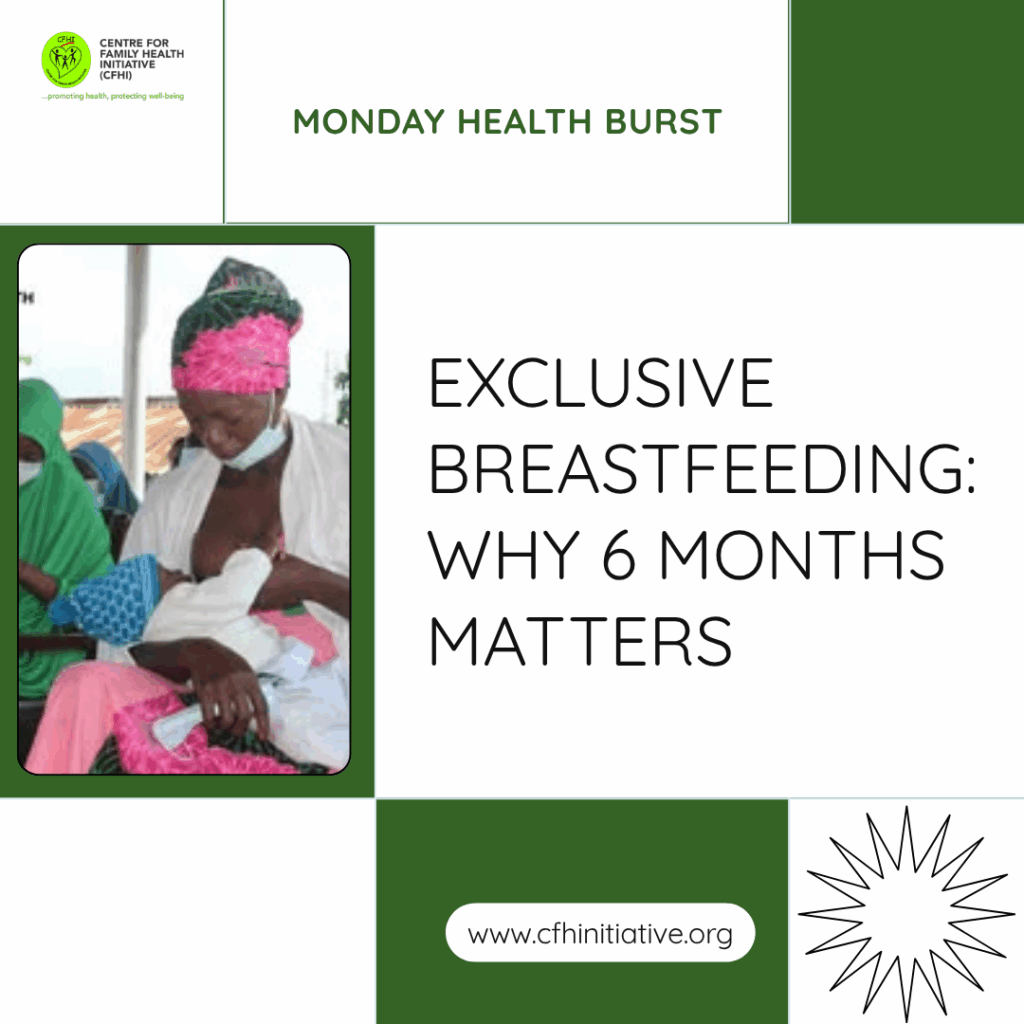
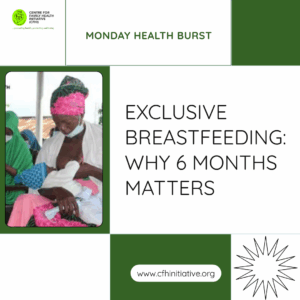
MONDAY HEALTH BURST ON EXCLUSIVE BREASTFEEDING: WHY 6 MONTHS MATTERS.

Breastfeeding is more than just a feeding method it’s a powerful tool for nurturing healthy babies and building stronger communities. According to the World Health Organization (WHO) and UNICEF, “infants should be exclusively breastfed for the first six months of life to achieve optimal growth, development and health” (WHO & UNICEF, 2003)1. But why is this six-month period so crucial?

What is Exclusive Breastfeeding?

Exclusive breastfeeding means giving a baby only breast milk, no water,2formula, or solid food for the first six months of life. The only exceptions are oral rehydration salts (ORS), drops, and syrups (vitamins, minerals, or medicines) when medically necessary.

Why the First 6 Months?

  1. Optimal Nutrition
    Breast milk contains the perfect mix of nutrients, antibodies, and enzymes tailored to meet a baby’s developmental needs. It changes in composition over time to keep up with the baby’s growing body. (UNICEF). 2
  2. Strong Immunity
    Breast milk acts as a baby’s first vaccine, packed with antibodies that help fight off infections like diarrhea, pneumonia, and ear infections conditions that are among the leading causes of child mortality in low- and middle-income countries. (UNICEF USA). 3
  3. Gut Health and Growth
    Babies’ digestive systems are still developing. Breast milk is gentle and easily digestible. Introducing other foods too early can disrupt gut development and lead to food allergies or malnutrition. ((PAHO). 4
  4. Protection Against Malnutrition and Obesity
    Exclusive breastfeeding helps establish healthy growth patterns and reduces the risk of undernutrition, overweight, and obesity later in life.(WHO) 5
  5. Bonding and Emotional Development
    The close skin-to-skin contact during breastfeeding enhances bonding, fosters emotional security, and supports brain development. (UNICEF Ghana). 6

Achieving six months of exclusive breastfeeding requires community support, including:

  • Maternity leave and breastfeeding-friendly workplaces
  • Support from health workers and peer counsellors.
  • Encouraging messages from family and communities
  • Access to skilled lactation counselling.

Exclusive breastfeeding for six months is not just a recommendation, it’s a lifesaving practice. It gives babies the healthiest start in life and strengthens maternal health.7 By supporting and empowering mothers to breastfeed exclusively, we invest in the health of the next generation.

The Centre for Family Health Initiative (CFHI) consistently promoted exclusive breastfeeding through several targeted interventions. As part of its maternal and child health outreach, CFHI conducted antenatal and postnatal health education sessions in primary healthcare centers and communities, where pregnant and nursing mothers were sensitized on the benefits of exclusive breastfeeding for six months. During its Safe Motherhood campaigns, breastfeeding demonstrations and Q&A sessions were held to address common misconceptions, particularly in rural areas. In collaboration with traditional birth attendants and community volunteers, CFHI also distributed visual educational materials on infant feeding practices and supported breastfeeding mothers through home visits under its OVC program. These activities ensured that women received the encouragement and accurate information needed to exclusively breastfeed their infants, even in resource-limited settings.

References

  1. https://www.who.int/publications/i/item/9241562218
  2. https://www.unicefusa.org/what-unicef-does/childrens-health/breastfeeding
  3. https://www.unicef.cn/en/parenting-site/8-facts-on-breastfeeding
  4. https://www.paho.org/en/enlace/exclusive-breastfeeding-infant-under-six-months-age
  5. https://www.who.int/news-room/fact-sheets/detail/infant-and-young-child-feeding
  6. https://www.unicef.org/ghana/stories/6-ways-breastfeeding-boosts-childrens-future
  7. https://www.unicef.org/nutrition/why-breastfeeding-best-babies
MONDAY HEALTH BURST ON EXCLUSIVE BREASTFEEDING: WHY 6 MONTHS MATTERS. Read More »

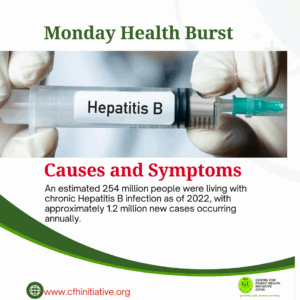
MONDAY HEALTH BURST ON HEPATITIS B: SYMPTOMS, AND CAUSES

Hepatitis B is a viral infection that attacks the liver and can cause both acute and chronic diseases. Having chronic hepatitis B raises your risk of getting liver cancer, liver failure, or cirrhosis, which permanently scars the liver.
According to the World Health Organization (WHO), an estimated 254 million people were living with chronic Hepatitis B infection as of 2022, with approximately 1.2 million new cases occurring annually.

SYMPTOMS
Hepatitis B may occasionally go undetected without any obvious signs. This is common among children.Acute hepatitis B symptoms can start to show about 1 to 4 months after contact with the virus. Some of these symptoms include:
• Weakness and exhaustion
• Appetite loss
• Vomiting
• Jaundice
• Clay-colored stool
• The aching in one’s joints

CAUSES:
According to MayoClinic, the causes of Hepatitis B include:
• Sexual contact: It is possible to contract hepatitis B if one engages in unprotected sexual activity with an infected individual. The virus can be transmitted through bodily fluids such as blood, saliva, semen, or vaginal secretions.
• Sharing of needles/Accidental needle sticks: HBV easily spreads through needles and syringes contaminated with infected blood. Sharing IV drug paraphernalia puts one at high risk of hepatitis B.
• Mother to child: Pregnant women infected with HBV can pass the virus to their babies during childbirth. However, the newborn can be vaccinated to avoid getting infected in almost all cases. It is advisable to discuss with a healthcare provider the option of getting tested for hepatitis B if you are pregnant or planning to conceive.

Monday Health Burst is an initiative of CFHI to address issues of basic health concern. Join us every Monday on all our social media platforms for more episodes.

References:

  1. https://www.who.int/news-room/fact-sheets/detail/hepatitis-b
  2. https://www.mayoclinic.org/diseases-conditions/hepatitis-b/symptoms-causes/syc-20366802

MONDAY HEALTH BURST ON HEPATITIS B: SYMPTOMS, AND CAUSES Read More »

MONDAY HEALTH BURST ON THE ROLE OF IMMUNIZATION IN PROTECTING PREGNANT WOMEN

Immunization plays a critical role in safeguarding the health of pregnant women and their unborn babies. During pregnancy, physiological changes in a woman’s immune system make her more vulnerable to certain infections, which can result in serious health complications for both mother and child. Vaccines provide a proven, effective line of defense by preventing these diseases and promoting safer pregnancies and deliveries1.

Beyond protecting the mother, immunization offers a crucial benefit to the unborn baby. Antibodies produced by the mother in response to vaccines are passed on to the fetus, offering early-life protection until the baby is old enough to receive their own vaccinations. This is especially important for diseases like tetanus, influenza, and pertussis (whooping cough), which can be life-threatening for newborns2.

As part of its commitment to improving maternal and child health, the Centre for Family Health Initiative (CFHI) has consistently championed immunization through community-based efforts. In 2022, CFHI marked World Immunization Week by partnering with the Idu Primary Health Care facility to provide vaccines to over 30 children in the Angwan Shahu community of Karimo, Abuja. This outreach was a direct response to barriers such as overcrowded health centers and limited transportation, which often prevent caregivers from accessing routine immunization services for their children.

Building on that momentum, in 2023 CFHI collaborated with the Primary Healthcare Center in Angwan Guragu, Karonmajiji. This event integrated community sensitization with the delivery of essential vaccines and reached over 50 individuals, including children and adults. These initiatives not only increased vaccine coverage but also reinforced public trust in immunization as a safe and necessary part of preventive healthcare.

Health stakeholders must continue to strengthen immunization systems, expand awareness, and eliminate barriers to access. Empowering women with accurate information and accessible services ensures they can make informed decisions to protect themselves and their children—laying the foundation for healthier families and communities.

Monday Health Burst is an initiative of Centre for Family Health Initiative (CFHI) to tackle issues of basic health concerns. Join us every Monday for more health-related articles on all our social media platforms.

References

  1. Centers for Disease Control and Prevention. (2022). Pregnancy and Vaccination. Retrieved from https://www.cdc.gov/vaccines/pregnancy
  2. World Health Organization. (2020). Vaccines in Pregnancy: Protecting Mother and Child. Retrieved from https://www.who.int/news-room/fact-sheets/detail/vaccines-in-pregnancy

MONDAY HEALTH BURST ON THE ROLE OF IMMUNIZATION IN PROTECTING PREGNANT WOMEN Read More »

MONDAY HEALTH BURST ON CERVICAL CANCER: KNOW THE FACTS, PROTECT YOUR HEALTH

Cervical cancer is a silent but serious public health concern, especially in low- and middle-income countries where access to screening and vaccination is limited. According to the World Health Organization (WHO), it is the 4th most common cancer among women worldwide, primarily caused by persistent infection with high-risk types of the human papillomavirus (HPV).1

The good news? Cervical cancer is largely preventable and treatable with early detection and the right preventive measures!

🚨 What Causes Cervical Cancer?

The #1 cause of cervical cancer is persistent HPV infection. Other key risk factors include: ✔️ Weakened immune system – Women with conditions like HIV are more vulnerable to persistent HPV infections. ✔️ Smoking – Tobacco damages cervical cells, increasing the risk of cancer. ✔️ Long-term use of oral contraceptives – Prolonged use may slightly increase the risk. ✔️ Multiple pregnancies – More full-term pregnancies can increase exposure to HPV and hormonal changes.

⚠️ Warning Signs & Symptoms

Cervical cancer often develops without symptoms in its early stages, making regular screening crucial! As it progresses, symptoms may include: 🔴 Unusual vaginal bleeding (between periods, after intercourse, or post-menopause) 🔴 Pelvic pain or pain during sexual intercourse 🔴 Abnormal vaginal discharge (watery, bloody, or foul-smelling) 🔴 Frequent or painful urination (in advanced cases)

🚩 Who is at Risk? Know Your Risks!

Certain factors increase the likelihood of cervical cancer, such as: ✅ Persistent HPV Infection – The leading risk factor. ✅ Early sexual activity – Exposure to HPV at a young age. ✅ Multiple sexual partners – Increases the risk of HPV transmission. ✅ Smoking – Toxic chemicals in tobacco damage cervical cells. ✅ Family history – A genetic link may contribute to risk. ✅ Immunosuppression – Conditions like HIV/AIDS weaken the body’s defense against HPV. ✅ Lack of screening – Not undergoing regular Pap smears or HPV tests increases late-stage diagnosis risk.

Prevention is Key: What You Can Do!

💉 Get vaccinated! The HPV vaccine is a powerful tool in preventing cervical cancer. 🩺 Go for regular screenings – Pap smears & HPV tests can catch abnormalities early. 🚭 Quit smoking – Reducing tobacco use lowers your risk. 🔍 Practice safe sex – Using condoms can help reduce HPV transmission.

Cervical cancer does not have to be a death sentence. With awareness, screening, and vaccination, we can eliminate cervical cancer and save countless lives. Share this message, encourage women to get screened, and let’s fight cervical cancer together! 💪

#CervicalCancerAwareness #HPVPrevention #WomensHealth #ScreeningSavesLives #NPHCDA

Reference:

  1. Cervical cancer


MONDAY HEALTH BURST ON CERVICAL CANCER: KNOW THE FACTS, PROTECT YOUR HEALTH Read More »

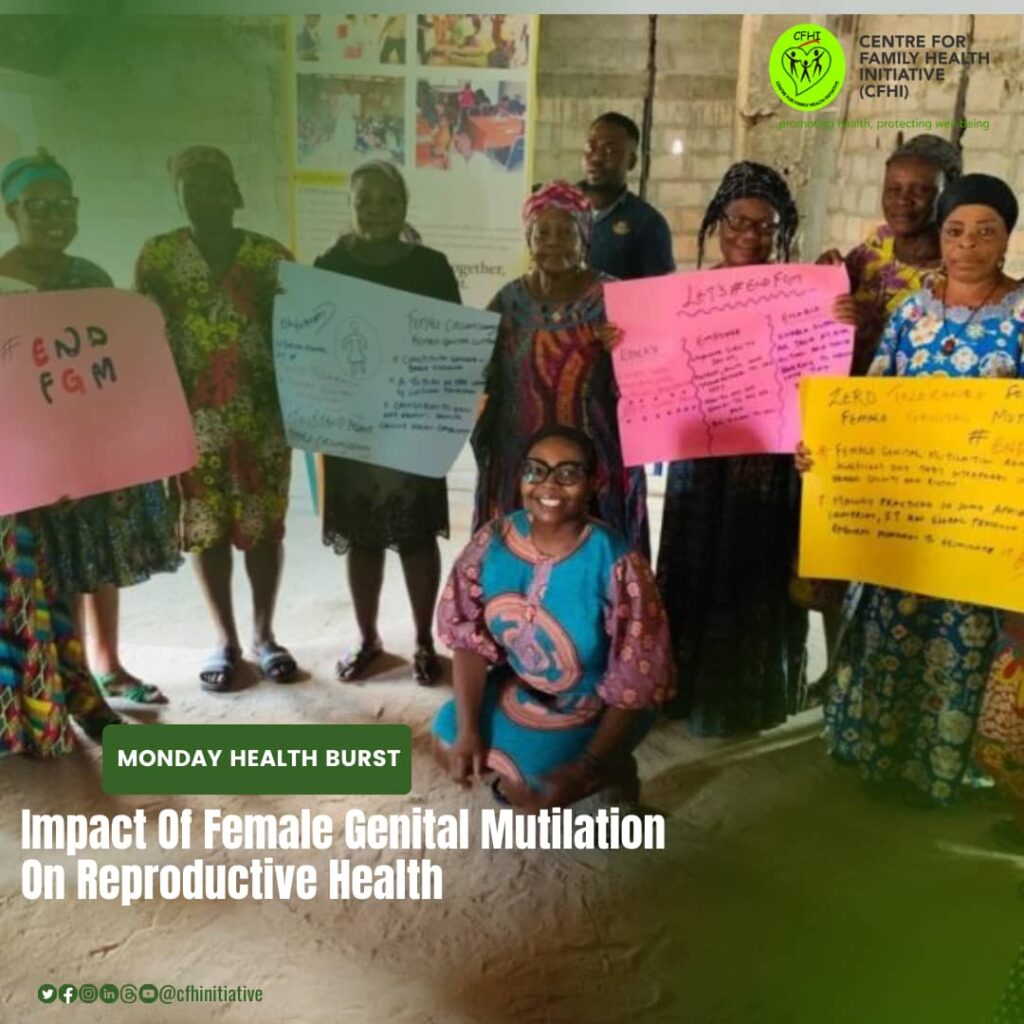
MONDAY HEALTH BURST ON IMPACT OF FEMALE GENITAL MUTILATION ON REPRODUCTIVE HEALTH

The Impact of Female Genital Mutilation (FGM) on Reproductive Health

Female Genital Mutilation (FGM) is a harmful practice involving the partial or total removal of external female genitalia for non-medical reasons. Prevalent in various regions across the world, it has severe consequences on women’s reproductive health. According to United Nations International Children’s Emergency Fund (UNICEF), over 230 million girls and women have been cut worldwide, with Africa accounting for the largest share at over 144 million.

FGM often leads to severe pain, excessive bleeding, infections, and even death due to non-sterile procedures. In the long term, women face chronic infections, painful intercourse due to scarring, complications during childbirth, menstrual problems, and in severe cases, fistula formation leading to continuous urine or fecal leakage. Additionally, FGM contributes to PTSD, anxiety, depression, and social stigma, impacting relationships and self-esteem.

Efforts to eradicate FGM include global advocacy, legal enforcement, and community education. Many organizations promote alternative rites of passage to replace the practice while respecting cultural traditions.

As part of this ongoing fight, the Centre for Family Health Initiative (CFHI) actively engages in grassroots advocacy. In 2023, CFHI observed the International Day of Zero Tolerance for Female Genital Mutilation by educating over 60 female residents of Umuawuka Village in Emii, Owerri, Imo State on the dangers of FGM and the importance of its eradication. Through awareness campaigns, CFHI continues to empower communities with knowledge and resources to end this harmful practice.

FGM is a human rights violation with lasting reproductive health effects. Raising awareness and strengthening legal frameworks are crucial in eliminating this harmful practice.

Reference:

https://data.unicef.org/topic/child-protection/female-genital-mutilation/


MONDAY HEALTH BURST ON IMPACT OF FEMALE GENITAL MUTILATION ON REPRODUCTIVE HEALTH Read More »

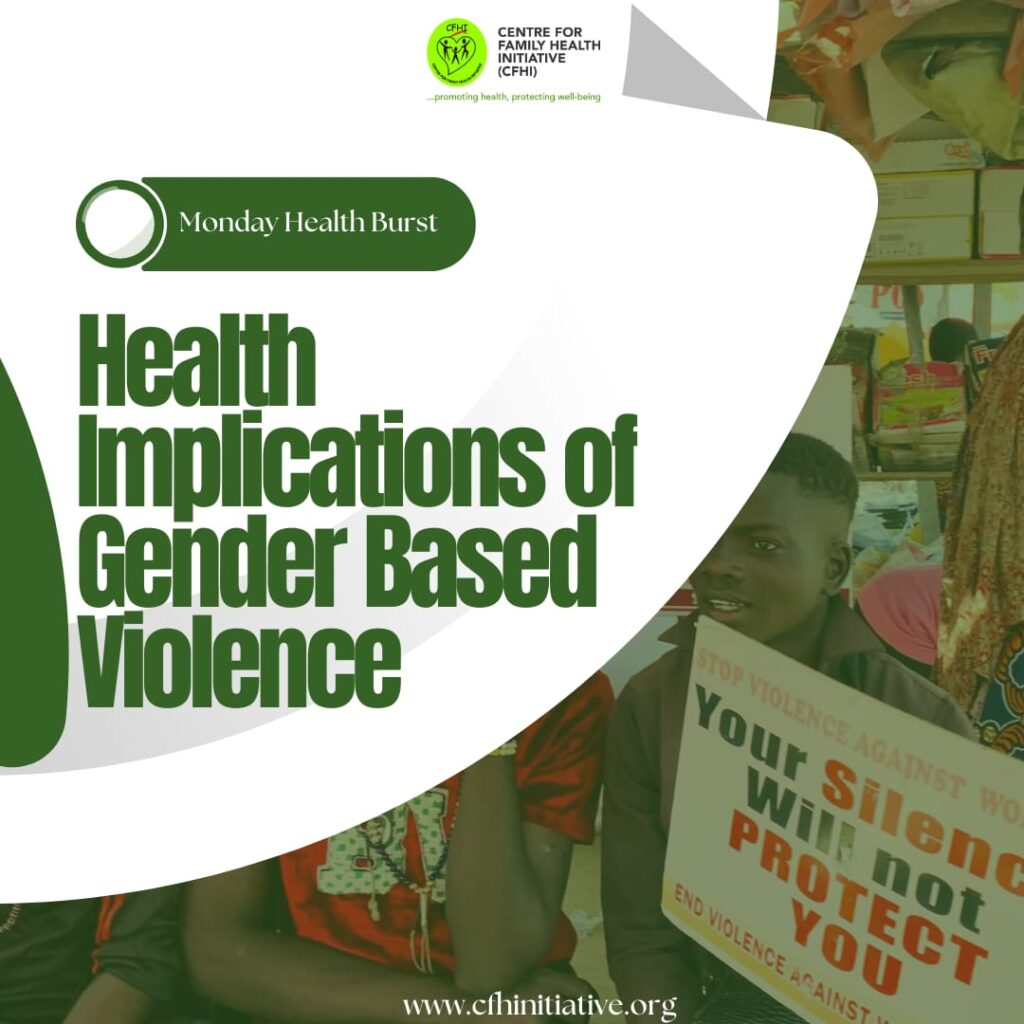
MONDAY HEALTH BURST ON THE HEALTH IMPLICATIONS OF GENDER BASED VIOLENCE

Gender-Based Violence (GBV) is a grave human rights violation with profound and far-reaching effects on the health and well-being of individuals and communities. It manifests in various forms, including physical, sexual, psychological, and economic harm, stemming from entrenched gender norms and power imbalances. The impact of GBV extends beyond the immediate survivors, affecting public health systems, economic productivity, and societal stability.

The physical consequences of GBV are often severe and enduring. Survivors frequently suffer injuries such as fractures, bruises, burns, and, in cases of sexual violence, sexually transmitted infections, unintended pregnancies, and complications like pelvic inflammatory disease and chronic pain. For pregnant women, GBV can lead to miscarriage, preterm labor, and low birth weight, posing risks to both maternal and child health. These physical effects often require extensive medical attention, straining healthcare resources.

An illustrative example is an intervention by the Centre for Family Health Initiative (CFHI), where a maid who was molested by her caregiver suffered severe damage to her genital organs. CFHI provided critical medical assistance, ensuring she received treatment until her full recovery. This case highlights the physical devastation of GBV and the vital role of timely medical intervention in mitigating long-term harm.

The psychological toll of GBV is equally devastating. Survivors commonly experience anxiety, depression, post-traumatic stress disorder (PTSD), and, in many cases, suicidal thoughts or behaviors. The trauma inflicted by abuse often disrupts cognitive and emotional functioning, leading to difficulties in personal relationships, social interactions, and daily activities. For children exposed to GBV, the consequences are particularly alarming, as they may develop behavioral problems, emotional distress, and long-term mental health challenges that can persist into adulthood.

In addition to mental health impacts, GBV has dire effects on reproductive and sexual health. Survivors of sexual violence face heightened risks of infections, including HIV/AIDS, as well as unintended pregnancies and complications from unsafe abortions. The stigma associated with such violence often deters survivors from seeking necessary medical attention, exacerbating health problems, and deepening feelings of isolation and shame.

Beyond individual health outcomes, the public health implications of GBV are vast. Healthcare systems are often overwhelmed by the demand for services, including medical treatment and psychological support for survivors. Maternal mortality rates, the spread of sexually transmitted infections, and the intergenerational transmission of trauma further strain public health infrastructures.

The societal and economic costs of GBV are equally alarming. Survivors may lose their livelihoods due to physical or psychological impairments, contributing to decreased productivity and financial instability. This not only affects individuals and their families but also undermines national development, perpetuating cycles of poverty and inequality. The economic burden of GBV, which includes healthcare costs, legal expenses, and lost workforce participation, highlights the urgency of addressing this pervasive issue.

To mitigate the impact of GBV, a multifaceted approach is essential. Governments must enforce robust legal frameworks to protect survivors and prosecute perpetrators, while healthcare providers must integrate GBV screening and survivor-centered care into their services. Community-level interventions are critical for challenging harmful gender norms and fostering awareness, creating an environment where GBV is recognized and condemned. Providing accessible support systems, such as counseling, safe shelters, and legal aid, is equally vital to helping survivors rebuild their lives.

The health impacts of GBV underscore its significance as a public health crisis that requires immediate and sustained action. Addressing the root causes of GBV and providing comprehensive care for survivors is not just a moral imperative but a societal necessity. By prioritizing the fight against GBV, societies can promote health, equality, and well-being for all, paving the way for a more just and equitable future.

Reference:

Gender based violence is a public health issue: using a health systems approach


MONDAY HEALTH BURST ON THE HEALTH IMPLICATIONS OF GENDER BASED VIOLENCE Read More »

MONDAY HEALTH BURST ON PREVENTING UTIs: WHY TOILET HYGIENE MATTERS

Preventing urinary tract infections (UTIs) begins with understanding the importance of toilet hygiene. UTIs, a common health issue affecting millions globally, occur when harmful bacteria enter the urinary system, causing discomfort, pain, and potentially severe complications like kidney infections. Poor toilet hygiene is a leading cause of UTIs, as it can introduce bacteria, such as Escherichia coli (E. coli), from the digestive tract into the urinary system. Practices like improper wiping or neglecting to wash hands after using the restroom significantly increase the risk of infection.

To reduce the likelihood of UTIs, it’s essential to adopt proper hygiene practices. Wiping from front to back prevents bacteria from the anal area from reaching the urethra, while thorough handwashing eliminates germs that could spread to other surfaces or the body. Keeping the genital area clean and dry is equally important since damp environments encourage bacterial growth. Regularly cleaning toilets, whether at home or in public spaces, also minimizes exposure to harmful bacteria. Avoiding the habit of holding urine is crucial, as regular urination flushes out bacteria, preventing them from multiplying.

Staying hydrated is another vital aspect of UTI prevention. Drinking plenty of water helps dilute urine and flush out bacteria, promoting frequent urination that naturally cleanses the urinary tract. This practice, combined with good hygiene, creates a strong defense against infections.

Women, due to their shorter urethras, are more prone to UTIs, making toilet hygiene even more critical. Specific measures, such as avoiding harsh soaps and wearing breathable cotton underwear, help reduce irritation and bacterial growth.

In 2020, CFHI commemorated World Toilet Day in Saburi Community, Abuja, where over 55 community members were sensitized on the dangers of open defecation, the importance of proper hygiene practices, the need to promote climate action, and the benefits of embracing effective waste disposal methods. This impactful initiative highlighted CFHI’s dedication to improving sanitation, fostering healthier living conditions, and driving environmental sustainability within the community.

Toilet hygiene, when paired with good hydration and regular urination habits, serves as a powerful tool in preventing UTIs and promoting overall urinary tract health. By maintaining these simple yet effective practices, individuals can protect their health and avoid the discomfort of infections. Prevention is always better than cure, and prioritizing hygiene is a step toward long-term well-being.

MONDAY HEALTH BURST ON PREVENTING UTIs: WHY TOILET HYGIENE MATTERS Read More »

MONDAY HEALTH BURST ON GESTATIONAL DIABETES: WHAT PREGNANT WOMEN SHOULD KNOW

Gestational diabetes is a form of diabetes that develops during pregnancy due to elevated blood sugar levels. Although it typically resolves after childbirth, managing it carefully is essential for the health of both mother and baby. Pregnancy induces various hormonal changes, some of which interfere with insulin, the hormone responsible for controlling blood sugar. When the body cannot produce enough insulin, gestational diabetes can result. This condition can occur even in women with no history of diabetes.

Certain factors such as age, family history, pre-pregnancy weight, previous gestational diabetes, and ethnicity can increase the likelihood of developing gestational diabetes. Gestational diabetes often has no clear symptoms, making regular screening essential. Some women may experience thirst, frequent urination, fatigue, and blurred vision, but these symptoms are common in pregnancy, so they may go unnoticed.

Screening and Diagnosis:
Routine screening for gestational diabetes is generally conducted between the 24th and 28th weeks of pregnancy, though high-risk individuals may be tested earlier. The glucose tolerance test (GTT) is frequently used, requiring the mother to consume a sugary drink followed by blood sugar level checks.

Proper management of gestational diabetes is crucial to avoid complications. A balanced diet, emphasizing vegetables, whole grains, lean proteins, and controlled carbohydrates, helps stabilize blood sugar. Consulting a dietitian can aid in creating a personalized meal plan, Physical activity improves insulin sensitivity. Low-impact exercises like walking or swimming can be helpful, Regular monitoring is necessary to understand the body’s response to food and exercise, and in some cases, insulin or other medications may be required to maintain safe blood sugar levels.

Unmanaged gestational diabetes can lead to large birth weight, preterm birth, low blood sugar in the baby, and increased Type 2 diabetes (T2DM) risk for both mother and child. Blood sugar levels usually return to normal after childbirth. However, women who had gestational diabetes face a higher risk of developing type 2 diabetes in the future. Maintaining a healthy lifestyle and regular diabetes screenings can help monitor and reduce this risk.
Though gestational diabetes may seem daunting, early diagnosis and proactive management allow most women to have healthy pregnancies and babies. Attending prenatal appointments, following healthcare advice, and adopting a healthy lifestyle are essential steps in managing gestational diabetes effectively and ensuring a positive pregnancy experience.

CFHI in collaboration with Health Strategy and Delivery Foundation (HSDF) conducts T2DM and hypertension awareness, and free screening aimed at improving Diabetes health outcomes among the populations in selected communities of Imo state.

MONDAY HEALTH BURST ON GESTATIONAL DIABETES: WHAT PREGNANT WOMEN SHOULD KNOW Read More »

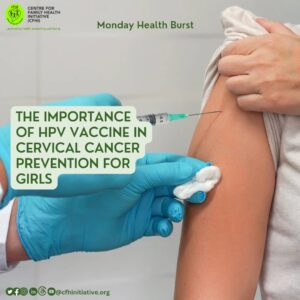
MONDAY HEALTH BURST ON THE IMPORTANCE OF HPV VACCINE IN CERVICAL CANCER PREVENGTION FOR GIRLS

Cervical cancer is one of the leading causes of cancer-related deaths among women globally, with the Human Papillomavirus (HPV) being the primary cause. Fortunately, advances in medical science have made cervical cancer largely preventable through the HPV vaccine. This vaccine plays a critical role in safeguarding girls’ health by preventing HPV infections, which can lead to cervical cancer and other related diseases.

HPV is a common virus, with more than 100 strains, out of which certain high-risk types like HPV-16 and HPV-18 are responsible for approximately 70% of cervical cancer cases. The virus is transmitted through skin-to-skin contact, primarily during sexual activity. Most HPV infections resolve on their own, but persistent infections with high-risk strains can cause abnormal changes in the cells of the cervix, eventually leading to cervical cancer.

Benefits of the HPV Vaccine for Girls

Preventing Cervical Cancer: The primary benefit of the HPV vaccine is its ability to prevent cervical cancer. By protecting against the high-risk HPV strains, the vaccine dramatically reduces the incidence of precancerous cervical lesions and, over time, cervical cancer itself. Countries that have achieved high vaccination coverage have observed declines of 73–85% in vaccine-type HPV prevalence, and declines of 41–57% in high grade lesions (cervical intraepithelial neoplasia, grade 2 or worse) among young women, less than 10 years after implementation of HPV vaccination.1

Protection Against Other Cancers: In addition to cervical cancer, the HPV vaccine also provides protection against other cancers caused by HPV, including cancers of the vagina, vulva, and oropharynx (throat). This broad protection further underscores the importance of the vaccine in promoting long-term health for girls.

Reducing Healthcare Burden: By preventing cervical cancer, the HPV vaccine helps to reduce the overall healthcare burden. Fewer cases of cervical cancer mean fewer medical treatments, surgeries, and long-term care needs, benefiting both individual families and healthcare systems.

For the HPV vaccine to have its full impact, it is essential to ensure that all girls have access to it, regardless of their socioeconomic status or location.

Many low- and middle-income countries face challenges in providing widespread access to the vaccine, but initiatives by governments, global health organizations, and non-governmental organizations (NGOs) are working to close this gap.

In 2023, CFHI took part in a training for Civil Society Organizations focused on integrating the Human Papillomavirus (HPV) vaccine into Nigeria’s Expanded Program on Immunization (EPI) schedule. After the training, CFHI with support from the National Primary Health Care Development Agency (NPHCDA) led several weeks of intensive community dialogue, training of community workers, sensitization, and referral efforts to promote HPV vaccine uptake in the Kuduru Community, Abuja. These efforts reached around 4,000 individuals, resulting in the successful mobilization of 2,300 girls for HPV vaccination in the Kurudu ward.

The HPV vaccine is a powerful tool in the fight against cervical cancer, offering girls protection against the virus that causes most cervical cancer cases. By getting vaccinated early, girls can significantly reduce their risk of developing cervical cancer, as well as other HPV-related cancers. With widespread adoption of the vaccine, we can move closer to a future where cervical cancer is a preventable disease, ensuring that girls grow up healthy, empowered, and free from the threat of this life-threatening condition.

It is vital for families, communities, and healthcare providers to work together in promoting HPV vaccination and addressing any misconceptions. Visit the nearest healthcare facility or reach out to the National Primary Health Care Development Agency for more details on HPV vaccination.

Reference:

  1. https://www.thelancet.com/journals/lancet/article/PIIS0140-6736(20)30068-4/fulltext


MONDAY HEALTH BURST ON THE IMPORTANCE OF HPV VACCINE IN CERVICAL CANCER PREVENGTION FOR GIRLS Read More »

MONDAY HEALTH BURST ON ATTENTION DEFICIT/HYPERACTIVITY DISORDER(ADHD)-SYMPTOMS AND CAUSES

Attention Deficit/Hyperactivity Disorder (ADHD) is a neurodevelopmental disorder that affects both children and adults. Characterized by persistent patterns of inattention, hyperactivity, and impulsivity, ADHD can significantly impact an individual’s daily functioning, academic or professional performance, and social relationships. With increasing awareness, it is important to understand the symptoms, diagnosis, and management strategies for ADHD to provide the necessary support and improve quality of life for those affected.

Symptoms of ADHD

ADHD symptoms are typically grouped into two categories: inattention and hyperactivity-impulsivity. While individuals may present symptoms from either category, many experience a combination of both.

Inattention:

  • Difficulty sustaining attention during tasks or play.
  • Frequent careless mistakes in schoolwork or work-related activities.
  • Easily distracted by external stimuli.
  • Difficulty organizing tasks and managing time.
  • Often avoids or dislikes tasks requiring sustained mental effort.
  • Frequently loses items like keys, books, or homework.

Hyperactivity and Impulsivity:

  • Inability to sit still or remain seated in appropriate situations.
  • Excessive fidgeting or tapping.
  • Frequently interrupts conversations or intrudes on others’ activities.
  • Talks excessively or blurts out answers before questions are completed.
  • Difficulty waiting their turn, whether in conversation or during activities.
  • These symptoms often appear before the age of 12, and for a diagnosis of ADHD, they must be present in multiple settings (e.g., home, school, or work) and impact the individual’s social or occupational functioning.

Causes and Risk Factors

The exact cause of ADHD is not well understood, but research suggests that it is a combination of genetic, environmental, and neurological factors. Key factors include:

Genetic Factors: ADHD tends to run in families, indicating a strong genetic component. Studies show that children with a parent or sibling with ADHD are at a higher risk of developing the condition.

Neurological Differences: Differences in brain structure and function, particularly in areas involved in attention, self-control, and planning, have been observed in individuals with ADHD.

Prenatal and Early Life Factors: Exposure to tobacco, alcohol, or drugs during pregnancy, premature birth, low birth weight, and exposure to environmental toxins (e.g., lead) during infancy may increase the risk of ADHD.

ADHD is a complex disorder that requires a nuanced approach to diagnosis and treatment. Greater awareness and understanding can help break down the stigma around ADHD and lead to more effective support systems for those affected. Whether through behavioral interventions, medication, or tailored educational strategies, individuals with ADHD can achieve their full potential and enjoy a fulfilling life. With continued research and advocacy, society can create an environment where those with ADHD thrive alongside their peers.

MONDAY HEALTH BURST ON ATTENTION DEFICIT/HYPERACTIVITY DISORDER(ADHD)-SYMPTOMS AND CAUSES Read More »