WHO

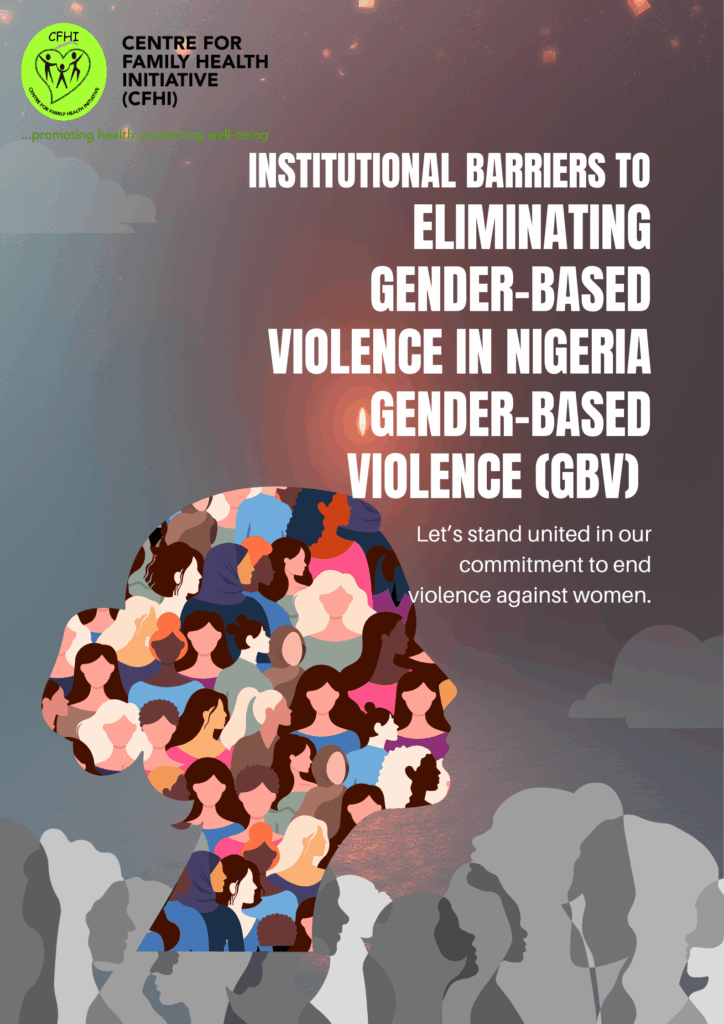
Institutional Barriers to Eliminating Gender-Based Violence in Nigeria

Gender-Based Violence (GBV) remains one of the most pervasive human rights violations in Nigeria, cutting across age, class, religion, and region. Despite significant progress through policies such as the Violence Against Persons (Prohibition) Act (VAPP) 2015 and the National Gender Policy, the persistence of GBV points to a deeper problem institutional barriers that hinder real progress. While advocacy, awareness, and community engagement have improved over the years, the systems designed to protect survivors and hold perpetrators accountable often fail to function effectively, leaving many victims without justice or support (WHO, UN Women Nigeria).

One of the major institutional barriers lies within the legal and policy framework itself. Although the VAPP Act was enacted at the federal level, its domestication across Nigeria has been uneven. Several states are yet to fully implement the Act, creating inconsistencies in protection and enforcement. Even where laws exist, weak sanctions, unclear definitions of offences, and a lack of gender-sensitive judicial processes often discourage survivors from seeking justice. Studies reveal that institutional delays, corruption, and lack of trust in law enforcement agencies further compound the challenge, allowing perpetrators to act with impunity while survivors continue to suffer in silence (UNIZIK Journal of Contemporary Law).

Another critical issue is institutional capacity and accountability. Many key institutions from the police and judiciary to hospitals and social welfare departments are under-resourced and poorly coordinated. A BMC Women’s Health (2025) study found that more than half of young women surveyed in Nigeria reported not knowing where or how to access post-violence services, indicating major gaps in awareness and accessibility. Furthermore, the lack of training among personnel on survivor-centred approaches leads to secondary victimization, where victims experience stigma, judgment, or even blame when they report abuse. Without adequate funding, coordination, and monitoring systems, institutions cannot effectively carry out their mandates in the fight against GBV (PubMed).

Institutional culture also plays a silent but powerful role. In many organizations and workplaces, gender inequality is embedded in the structure itself from male-dominated leadership to discriminatory workplace practices. Research in Nigerian universities has shown a high prevalence of sexual harassment and bullying, often perpetuated by hierarchical power systems that silence victims (BMC Women’s Health, 2021). The absence of internal reporting mechanisms, confidentiality policies, and disciplinary structures reinforces a culture of impunity. When institutions themselves tolerate or ignore acts of violence, it sends a dangerous message that such behaviour is acceptable or can be overlooked.

Finally, the lack of effective data systems and poor inter-agency coordination weaken national response efforts. Many institutions fail to collect or share accurate data on GBV cases, making it difficult to track progress or design informed interventions. Without reliable evidence, resource allocation becomes arbitrary, and survivors remain invisible in policy decisions (MDPI Social Sciences Journal). These systemic weaknesses mean that even well-intentioned programs struggle to achieve lasting change.

The Centre for Family Health Initiative (CFHI) continues to advocate for institutional reforms that promote gender equality, justice, and survivor centred GBV response systems. Through its gender norms interventions and community engagement projects, CFHI works to sensitize service providers, law enforcement officers, and community leaders on the importance of implementing the VAPP Act effectively. The organization also conducts awareness campaigns under its SpeakWednesday platform to highlight barriers that hinder justice for survivors. By fostering collaboration between government agencies, CSOs, and communities, CFHI contributes to strengthening institutional frameworks that ensure women and girls live free from violence and discrimination.

Eliminating GBV in Nigeria requires more than awareness it demands institutional transformation. Laws must not only exist but be enforced; systems must not only respond but protect. As CFHI and partners continue to push for accountability and systemic change, a safer, more equitable Nigeria becomes achievable for all.

References

  1. Violence Against Persons (Prohibition) Act (VAPP) 2015. Policy Vault Africa. Available from: https://policyvault.africa/wp-content/uploads/policy/NGA1408.pdf
  2. Federal Ministry of Women Affairs. National Gender Policy. Available from: https://nigeriarising.org.ng/wp-content/uploads/2021/06/National-Gender-Policy.pdf
  3. World Health Organization (WHO). Violence against women. Available from: https://www.who.int/news-room/fact-sheets/detail/violence-against-women
  4. UN Women Nigeria. Gender-Based Violence in Nigeria: Review of Institutional Responses. Available from: https://nigeria.un.org/en/222675-gender-based-violence-nigeria-review-institutional-responses
  5. Ezeibe CC. The Challenges of Implementing the VAPP Act in Nigeria. UNIZIK Journal of Contemporary Law. Available from: https://journals.unizik.edu.ng/jcpl/article/download/6488/5405/14850
  6. BMC Women’s Health (2025). Institutional Barriers and Women’s Access to GBV Services in Nigeria. Available from: https://bmcwomenshealth.biomedcentral.com/articles/10.1186/s12905-025-03714-2
  7. PubMed Central. Barriers to Accessing GBV Services in Nigeria. Available from: https://pubmed.ncbi.nlm.nih.gov/37830664/
  8. BMC Women’s Health (2021). Sexual Harassment in Nigerian Universities. Available from: https://bmcwomenshealth.biomedcentral.com/articles/10.1186/s12905-021-01273-w
  9. MDPI Social Sciences Journal (2024). Institutional Weakness and Gender-Based Violence Response in Nigeria. Available from: https://www.mdpi.com/2076-0760/14/6/336
  10. Centre for Family Health Initiative (CFHI). Official Website. Available from: https://www.cfhinitiative.org/

TO BE CONTINUED…WATCH OUT FOR

NO 3 BARRIER

Institutional Barriers to Eliminating Gender-Based Violence in Nigeria Read More »
SPEAK WEDNESDAY

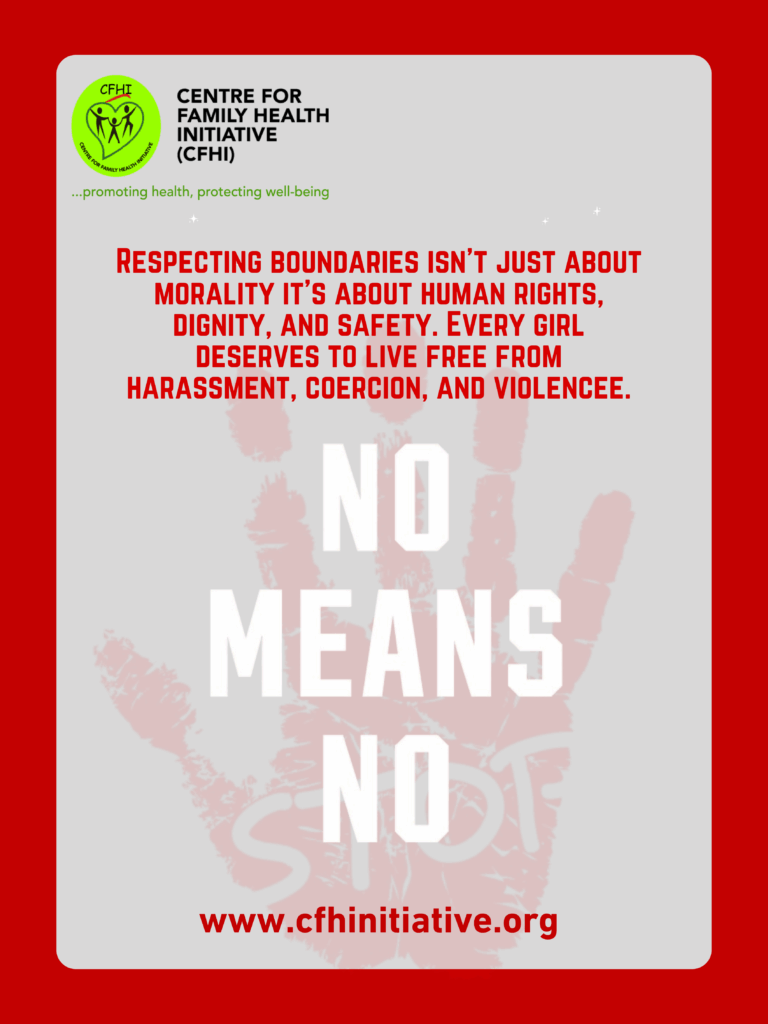
“NO Means NO”

Today, the simple word “No” still struggles to carry the weight it deserves. For many young people, especially girls and young women, saying “no” can come with fear, pressure, or misunderstanding. Yet, “no” should be enough. It is a complete sentence one that should be heard, respected, and never questioned. As we continue to raise awareness around gender equality and safety, understanding the true meaning of consent and personal boundaries becomes essential for building a healthy society.

Consent is more than just permission; it is about respect, autonomy, and communication. It means that every person has the right to decide what happens to their body, their time, and their emotions. Consent must be freely given, not forced, tricked, or coerced. It cannot be assumed from silence or past behaviour, and it can be withdrawn at any time. In relationships, friendships, or social settings, learning to respect a person’s “no” whether spoken or unspoken reflects maturity and integrity.

Unfortunately, the statistics around consent violations remain alarming. According to the World Health Organization (WHO), nearly one in three women globally has experienced physical or sexual violence in her lifetime, most often at the hands of an intimate partner 1. In Nigeria, the National Bureau of Statistics (NBS) reports that many incidents of sexual or domestic violence are never reported, often due to fear of stigma, shame, or disbelief 2. These figures highlight how deeply ingrained gender norms and societal silence can make it difficult for survivors to speak out and for young people to learn what healthy respect truly looks like.

For young girls, learning to say “no” and knowing that it must be respected is an important part of personal development and self-protection. Saying “no” is valid when faced with peer pressure to engage in sexual activity, when uncomfortable with unwanted touching, or when asked to share private information or photos online. “No” is equally powerful in social and emotional spaces: refusing manipulative statements like “If you love me, you’ll do it,” or declining invitations that compromise one’s comfort or safety. Every young person must understand that their voice matters, and their boundaries define who they are.

Equally important is educating boys and young men about consent, empathy, and accountability. True respect means not only hearing “no” but also actively seeking a clear and enthusiastic “yes.” It means understanding that real strength lies in restraint, understanding, and kindness not in control or pressure. When communities, schools, and families foster open conversations about respect and consent, they equip young people with the values needed to build relationships rooted in trust and equality.

Through our gender norms interventions, CFHI empowers young people with knowledge and confidence to challenge and transform harmful gender norms (especially those that disadvantage women and girls) while protecting respect, equality and fairness. Each adolescent club activity, school campaign, and community outreach brings us closer to a society where consent is understood, respected, and upheld where “NO” truly means “NO.

Speak Wednesday is an initiative of CFHI to address issues around gender-base violence and gender-bias.


References

  1. World Health Organization. Violence Against Women: Key Facts. WHO, 2023. Available from: https://www.who.int/news-room/fact-sheets/detail/violence-against-women
  2. National Bureau of Statistics. National Survey on Domestic and Sexual Violence in Nigeria. Abuja: NBS; 2022. Available from: https://nigerianstat.gov.ng/elibrary/read/1241055


SPEAK WEDNESDAY Read More »

Systemic Barriers to Eliminating GBV in Nigeria

  1. Weak Legal Frameworks and Poor Enforcement

Gender-based violence (GBV) in Nigeria is not only a symptom of individual wrongdoing it is a structural problem rooted in weak laws, uneven adoption of protections, and chronically poor enforcement. To end GBV we must look beyond individual cases and address how laws, institutions and social systems consistently fail survivors.

At the federal level, Nigeria enacted the Violence Against Persons (Prohibition) Act (VAPP), 2015, a comprehensive law criminalizing many forms of GBV. Yet the VAPP is a federal law that must be domesticated (adopted) by state legislatures to take full effect in most states. Domestication has been inconsistent and slow: as recently as 2022–2023 different trackers and reports showed wide variation across states in adoption and implementation of VAPP-style protections. The patchwork adoption means many survivors still lack access to the full.

Even where anti-GBV laws exist, legal gaps remain. Some forms of abuse most notably marital rape are still not uniformly criminalized or enforced across Nigeria. Customary and religious legal systems in many communities treat marital relations as private and beyond criminal law, which results in survivors being denied legal redress. Research and rights reports document how legal definitions, exceptions, and cultural exclusions leave key protections unenforced or unavailable to many women and girls. (Human Rights Watch)

A law on the books means little if enforcement agencies are under-resourced, untrained, or indifferent. Investigations and prosecutions for GBV face multiple obstacles: victims face hostile or dismissive police responses, evidence is poorly collected or stored, and prosecution is slow or lacking. Human rights organizations have repeatedly documented cases in which survivors are shamed, blamed, or pressured to withdraw complaints outcomes that deter reporting and allow perpetrators to act with impunity. (Human Rights Watch)

“Survivors’ experiences show how enforcement failures deepen the harm. Human Rights Watch reported that a lawyer who helped a rape survivor in Enugu was herself assaulted after filing the complaint, exposing hostile treatment by police toward survivors and their advocates. Such incidents discourage reporting and let perpetrators act with near impunity.” (Human Rights Watch, Feb 6, 2020). Human Rights Watch

Effective GBV response requires functioning social services: emergency shelters, forensic and medical support, trauma counselling, and legal aid. In Nigeria these services are often underfunded, unevenly distributed, or run by civil society with precarious support. The result: even survivors who do report rarely receive the wraparound care needed for justice and recovery. Multilateral surveys during the COVID era showed the pandemic worsened women’s safety and access to services an acute example of how weak systems fail under stress.

Official statistics dramatically undercount GBV. Survivors often do not report abuse because they distrust institutions, fear stigma, or lack knowledge of legal options. In turn, poor data collection and fragmented record-keeping between police, health services and civil society hide patterns of violence and make evidence-based policy difficult. The lack of a centralized, trusted data system contributes to weak policy responses. (Human Rights Watch)

Civil society monitoring and journalistic investigations reveal spikes in femicide and intimate partner killings, prompting activists to call for emergency measures. These tragic outcomes are the predictable endgame of weak laws, poor enforcement, and under-resourced prevention and protection systems. Public outrage reflects not only grief but the recognition that structural failures make homes and communities unsafe for many women and girls. (The Guardian)

Reports by national and international organizations converge on several priorities:

  • Full domestication of VAPP-style laws in all states and harmonization with customary/religious systems to ensure survivors’ rights everywhere. (wfd.org)
  • Clear criminalization of all forms of GBV including marital rape and other forms often excluded by law. (Human Rights Watch)
  • Police and judicial reform, including specialized GBV units, survivor-sensitive investigation protocols, and fast-track prosecution for sexual and domestic violence. (Human Rights Watch)
  • Investment in survivor services medical forensic care, psychosocial support, shelters, and legal aid with sustainable public funding and coordination with civil society. (Amnesty International)
  • Robust data systems that unify reporting from police, health facilities and NGOs to produce reliable prevalence and response metrics. (UN Women Data Hub)

Nigeria’s VAPP Act and other legal instruments are important steps, but legal texts without consistent, rights-based enforcement become symbolic rather than transformative.


Bibliography

  • Partners Nigeria — VAPP Tracker (domestication status across states). (partnersnigeria.org)
  • WFD: Impact of the VAPP and related laws in 12 states (2023). (wfd.org)
  • Human Rights Watch — Violence against women pervasive in Nigeria (2019). (Human Rights Watch)
  • UN Women / Measuring the Shadow Pandemic: Violence against women during COVID-19 in Nigeria (2021). (UN Women Data Hub)
  • Amnesty International — Nigeria reports on rights and GBV (2021/2023 reports). (Amnesty International)
  • The Guardian — Activists call for state of emergency over GBV in Nigeria (Feb 2025). (The Guardian)


TO BE CONTINUED…WATCH OUT FOR

NO 2 BARRIER

Systemic Barriers to Eliminating GBV in Nigeria Read More »

CFHI Participates in 2024 VAPP Act Validation Meeting

CFHI Participates in Validation Meeting on the 2024 Annual Implementation Report of the VAPP Act

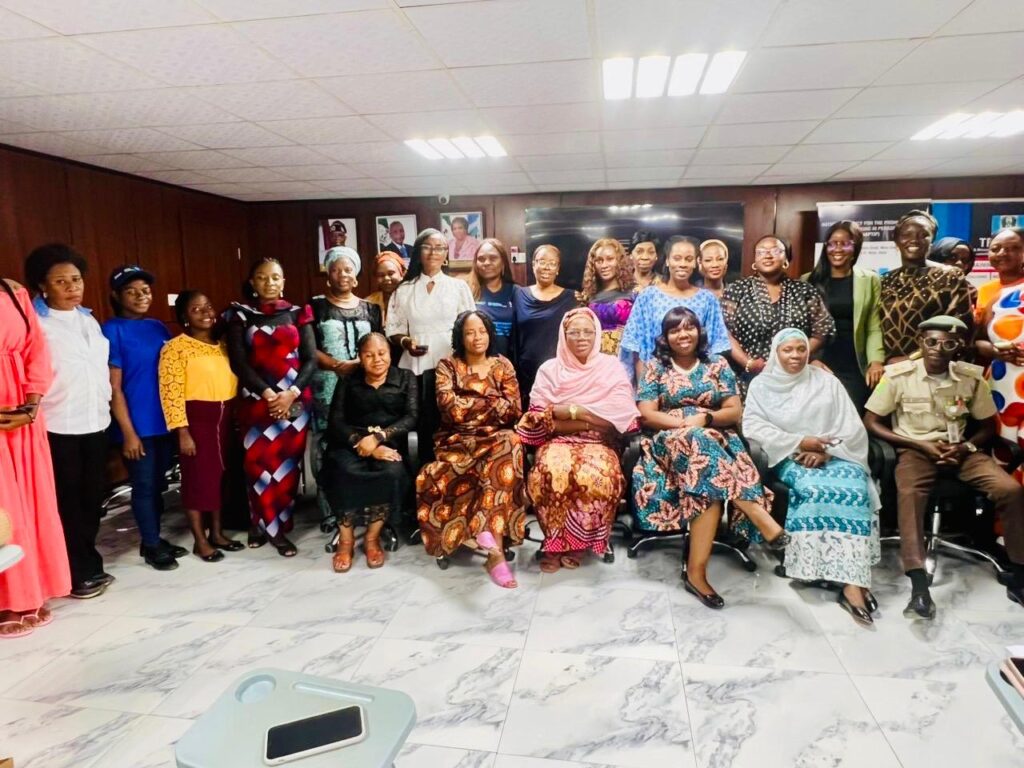
The Centre for Family Health Initiative (CFHI) joined other key stakeholders at the Validation Meeting on the 2024 Annual Implementation Report of the Violence Against Persons (Prohibition) Act, 2015, held today at the NAPTIP Training Resource Centre, Federal Secretariat, Abuja.

The meeting brought together representatives from government agencies, civil society organizations, and development partners to review and validate progress made in implementing the VAPP Act across Nigeria. Discussions centered on strengthening coordination, addressing implementation gaps, and improving service delivery to survivors of gender-based violence.

CFHI’s participation underscores its ongoing commitment to advancing gender equality and promoting a society free from all forms of violence. Through collaboration and evidence-based advocacy, the organization continues to support national efforts in ensuring the effective enforcement of the VAPP Act.

By engaging in such strategic dialogues, CFHI reaffirms its role in driving accountability and fostering partnerships that protect the rights and dignity of all persons, particularly women and vulnerable groups. 

CFHI Participates in 2024 VAPP Act Validation Meeting Read More »

MONDAY HEALTH BURST

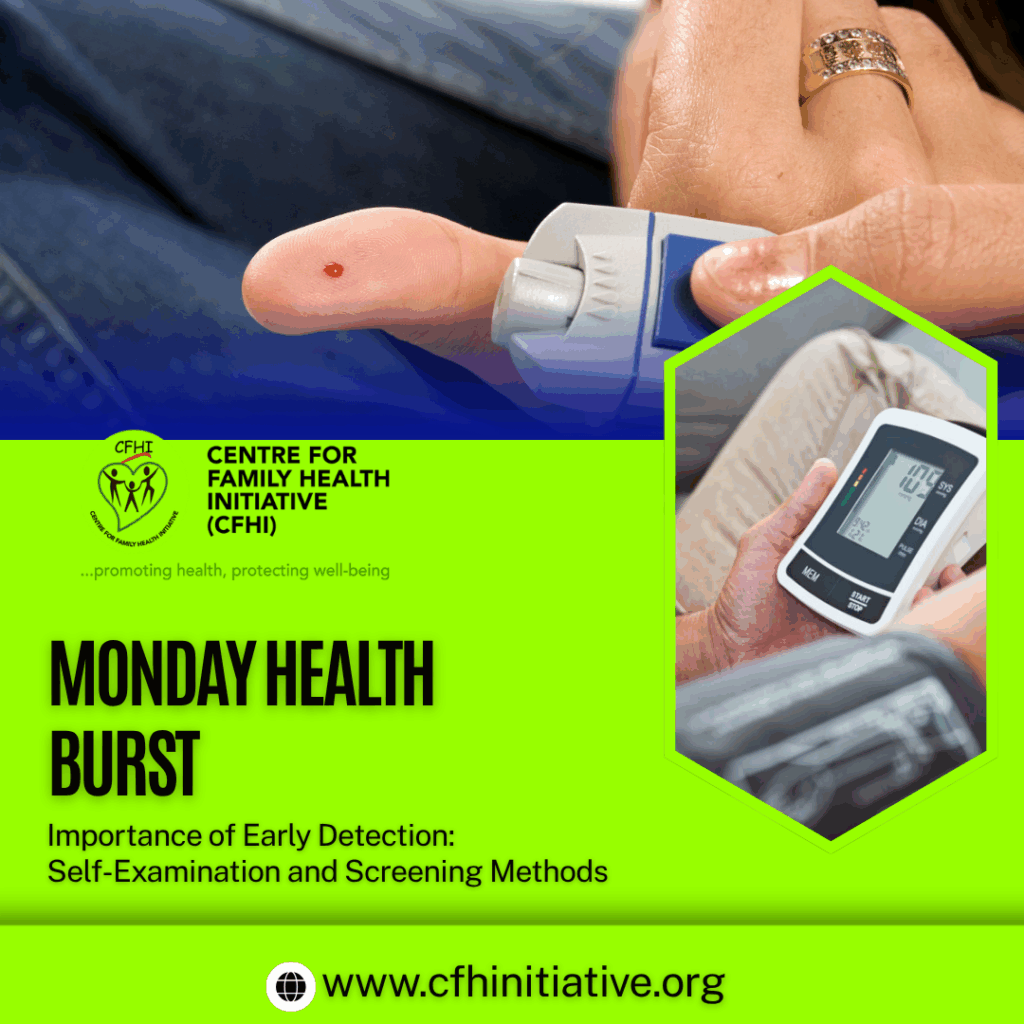
Importance of Early Detection: Self-Examination and Screening Methods
Early detection plays a pivotal role in improving global health outcomes by enabling the prompt diagnosis and management of diseases before they progress to critical stages. According to the World Health Organization (WHO), early detection through regular screening and self-examination significantly reduces mortality rates associated with noncommunicable diseases (NCDs), which account for approximately 74% of global deaths annually1. Diseases such as cancer, diabetes, hypertension, and chronic respiratory illnesses often develop silently, highlighting the necessity for individuals to take proactive measures in monitoring their health2. Evidence shows that screening can lead to a 20–30% reduction in mortality for breast, cervical, and colorectal cancers when implemented consistently3.

Self-examination is a vital preventive health practice that encourages individuals to familiarize themselves with their bodies and recognize unusual changes early. For instance, breast self-examination allows women to detect lumps or abnormalities, which, when reported promptly, can lead to early breast cancer diagnosis and improved survival chances4. Similarly, testicular self-examination helps men identify abnormal growths that could signal testicular cancer, a disease with over 95% survival rate when treated early5. Additionally, individuals can engage in simple health monitoring routines such as checking their blood pressure, blood sugar, and body mass index using approved health tools. However, it is essential to emphasize that self-examination and home monitoring should never replace professional evaluation. They serve as alert systems prompting individuals to seek medical consultation when necessary6

Screening programs complement self-examination by employing medical tests to identify diseases at early stages, often before symptoms manifest. According to the Centers for Disease Control and Prevention (CDC), routine screenings such as Pap smears, mammograms, blood pressure measurements, and HIV testing have been instrumental in reducing the burden of preventable diseases7. For example, the introduction of cervical cancer screening through Pap smears has reduced mortality rates by more than 60% in countries with sustained programs8. Similarly, diabetes screening helps detect prediabetes a condition affecting nearly 10% of adults globally enabling timely lifestyle modification and treatment9. These findings reaffirm that preventive screening is not just a diagnostic tool but a cost-effective strategy for strengthening public health systems.

It is equally important to distinguish between self-examination and self-medication. The WHO warns that misuse of over-the-counter drugs without medical supervision contributes to antimicrobial resistance and adverse health outcomes10. Individuals should instead rely on evidence-based preventive practices regular checkups, health education, and medical screening to maintain their wellbeing. The goal is to empower people to recognize early warning signs while avoiding the dangers of unprescribed medication and misinformation.

At Centre for Family Health Initiative (CFHI), we prioritize early detection as a cornerstone of preventive healthcare. Through our community outreach programs, health education sessions, and screening campaigns, CFHI enlightens individuals on the benefits of routine medical checkups and responsible self-examination. Our interventions promote proactive health-seeking behavior, equip communities with accurate health information, and strengthen early response systems against preventable diseases. By fostering awareness and action, CFHI continues to drive lasting impact in the promotion of health and prevention of illness across Nigeria.

References
[1] World Health Organization. Noncommunicable diseases. WHO.
[2] GBD 2021 Non-Communicable Disease Collaborators. Global burden of disease study 2021. Lancet. 2023;401(10383):1641–1712. https://doi.org/10.1016/S0140-6736(23)00221-2.
[3] International Agency for Research on Cancer. Cancer screening and prevention. IARC.
[4] American Cancer Society. Breast self-exam and awareness. https://www.cancer.org/cancer/breast-cancer/screening-tests-and-early-detection.html.
[5] National Cancer Institute. Testicular cancer treatment (PDQ)–Health professional version. https://www.cancer.gov/types/testicular/hp/testicular-treatment-pdq.
[6] National Institutes of Health. Health monitoring and disease prevention. NIH.
[7] Centers for Disease Control and Prevention. Screening for chronic diseases. CDC.
[8] Arbyn M, Weiderpass E, Bruni L, et al. Estimates of incidence and mortality of cervical cancer in 2020: a worldwide analysis. Lancet Glob Health. 2020;8(2):e191–e203. https://doi.org/10.1016/S2214-109X(19)30482-6.
[9] International Diabetes Federation. IDF Diabetes Atlas, 10th ed. Brussels, Belgium: IDF; 2021. https://diabetesatlas.org/.
[10] World Health Organization. The dangers of self-medication. WHO.

MONDAY HEALTH BURST Read More »

SPEAK WEDNESDAY

Closing the Gender Wealth Gap to End Violence Against Women

Economic justice is the key to safety, health, and empowerment for women worldwide. Every Wednesday, we raise our voices to challenge injustice, and today we confront one of the most entrenched roots of gender-based violence: economic inequality. The gender wealth gap isn’t just a financial statistic; it’s a silent enabler of abuse, a barrier to freedom, and a public health emergency.

Globally, women earn less than men for the same work3, own less property, have limited access to leadership4 and fewer financial safety nets1. This economic disparity creates a cycle of dependency that heightens exposure to violence and limits the ability to escape abusive environments. In Nigeria, for instance, the Minister of Women Affairs recently emphasized that closing the gender gap could add ₦15 trillion to the country’s GDP annually by 20252, underscoring the economic potential of gender equity.

These issues are persistent and global. In the EU, despite the “Women on Boards” directive aiming for 40% female representation by 2026, progress is slow. Women currently hold only 35% of non-executive roles and 21% of senior executive positions 4. This is despite evidence from a 2025 report showing that companies with greater gender diversity are 25% more likely to be more profitable3. In sectors like tech and finance, women continue to report being passed over for promotions, excluded from decision-making, and subjected to gender-based microaggressions, which stifles their economic advancement4.

Call To Action

To end violence against women, we must invest in their economic power. As outlined in a UN Women 2025 advocacy paper, closing the funding gap in programs that support survivors and prevent violence is critical1. We call on Governments, NGOs, and private sector to collaborate on expanding access to education and vocational training, supporting women-led businesses and financial literacy programs, funding essential services for survivors, including shelters, legal aid, and healthcare, and advocating for and enforcing equal pay and robust workplace protections.

At the Centre for Family Health Initiative (CFHI), we are committed to this work. Through collaborations with partners like the Institute of Human Virology Nigeria (IHVN), Caritas Nigeria, FCT Social Development Secretariat (SDS), TY Danjuma Foundation (TYDF), and Global Philanthropy Alliance (GPA), we have empowered over 2500 women and girls with education, vocational training, business start-up kits, and financial support.

Financial inequality isn’t just unfair; it’s dangerous. It limits women’s choices, increases health risks, and perpetuates cycles of violence and poverty. Empowering women economically is not merely a matter of justice; it is the essential foundation for building safer, healthier societies for all.

Speak Wednesday is an initiative of CFHI to address issues around gender-based violence and gender bias.

References

  1. UN Women. Closing the funding gap to end violence against women and girls [Internet]. 2025 [cited 2025 Oct 21]. Available from: https://knowledge.unwomen.org/sites/default/files/2025-06/closing-the-funding-gap-to-end-violence-against-women-and-girls-en.pdf
  2. The Guardian Nigeria. Closing gender gap will add ₦15tr to Nigeria’s GDP by 2025 [Internet]. 2025 [cited 2025 Oct 21]. Available from: https://guardian.ng/news/closing-gender-gap-will-add-n15tr-to-nigerias-gdp-by-2025/
  3. Women in the workplace 2025: Research and trends [Internet]. 2025 [cited 2025 Oct 21]. Available from: https://www.wellable.co/blog/women-in-the-workplace-2025-research-and-trends
  1. IMD. Gender inequality in the workplace: Why it persists? [Internet]. 2025 [cited 2025 Oct 21]. Available from: https://www.imd.org/research-knowledge/articles/gender-inequality-in-the-workplace-why-it-persists/

SPEAK WEDNESDAY Read More »

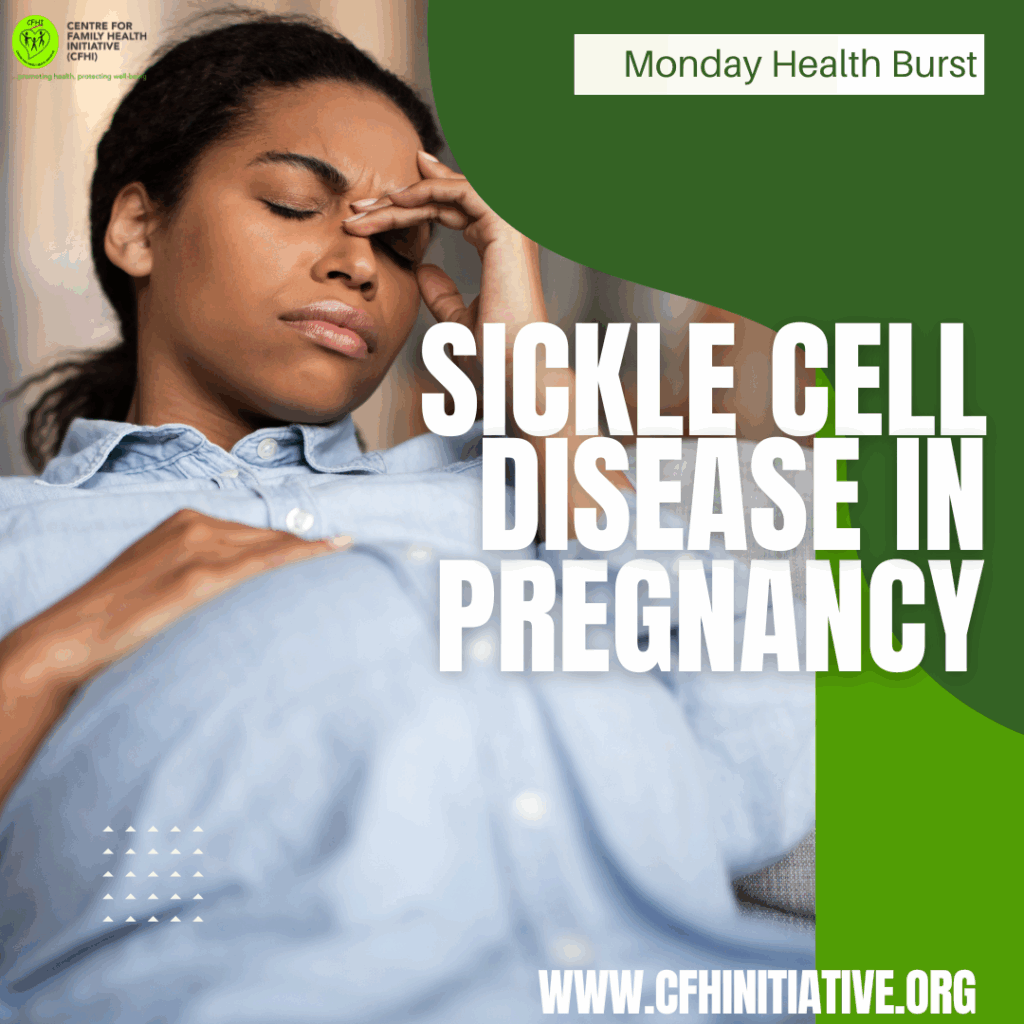
MONDAY HEALTH BURST ON SICKLE CELL DISEASE IN PREGNANCY

Sickle Cell Disease (SCD) is a hereditary blood disorder in which red blood cells, normally round and flexible, become rigid and shaped like a crescent or sickle. These abnormal cells can block blood flow, leading to pain crises, organ damage, and increased risk of complications. While SCD affects people at all stages of life, it poses unique challenges for women during pregnancy.

Pregnancy naturally places extra demands on a woman’s body, including increased blood volume and oxygen needs. For women with SCD, these changes can worsen complications, making both mother and baby more vulnerable. Some key risks include:

  • Maternal risks: Severe pain crises, anemia, preeclampsia (high blood pressure in pregnancy), infections, and increased likelihood of needing blood transfusions.
  • Fetal risks: Miscarriage, preterm birth, low birth weight, restricted growth in the womb, and stillbirth.

Despite the risks, many women with SCD go on to have successful pregnancies with proper medical care. Key aspects of management include:

  1. Preconception Counseling: Women with SCD are encouraged to seek genetic counseling and medical advice before pregnancy to understand risks and available options.
  2. Specialist Care: Antenatal care should be provided by a multidisciplinary team, including obstetricians, hematologists, and pediatricians.
  3. Regular Monitoring: Frequent check-ups, blood tests, and ultrasound scans are essential to monitor maternal health and fetal growth.
  4. Preventive Measures: Adequate hydration, folic acid supplementation, malaria prevention (in endemic areas), and vaccines against infections are critical.
  5. Safe Delivery Planning: Mode of delivery (vaginal or caesarean section) should be carefully planned based on the mother’s condition, with access to emergency care and blood transfusion services.

Beyond medical care, social and emotional support is vital. Family and community members can help by ensuring women with SCD have access to balanced nutrition, rest, emotional encouragement, and timely hospital visits.

Sickle Cell Disease in pregnancy is a high-risk condition, but with early diagnosis, specialized medical care, and strong support systems, women can achieve safe pregnancies and healthy babies. Increasing awareness, improving access to quality healthcare, and reducing stigma remain crucial steps toward better outcomes for mothers living with SCD.

References:

Preconception Counseling: Checklist, Benefits & When It Occurs

https://www.who.int/publications/i/item/9789240109124?utm_source

MONDAY HEALTH BURST ON SICKLE CELL DISEASE IN PREGNANCY Read More »

MONDAY HEALTH BURST ON SICKLE CELL OVERVIEW: TYPES AND SYMPTOMS

Sickle Cell Disease (SCD) is one of the most common inherited blood disorders, affecting millions of people worldwide, particularly in Africa, including Nigeria. It occurs when the body produces abnormal hemoglobin known as hemoglobin S which causes red blood cells to become rigid, sticky, and shaped like a sickle instead of being round and flexible. These sickle shaped cells can block blood flow, leading to pain and other complications.

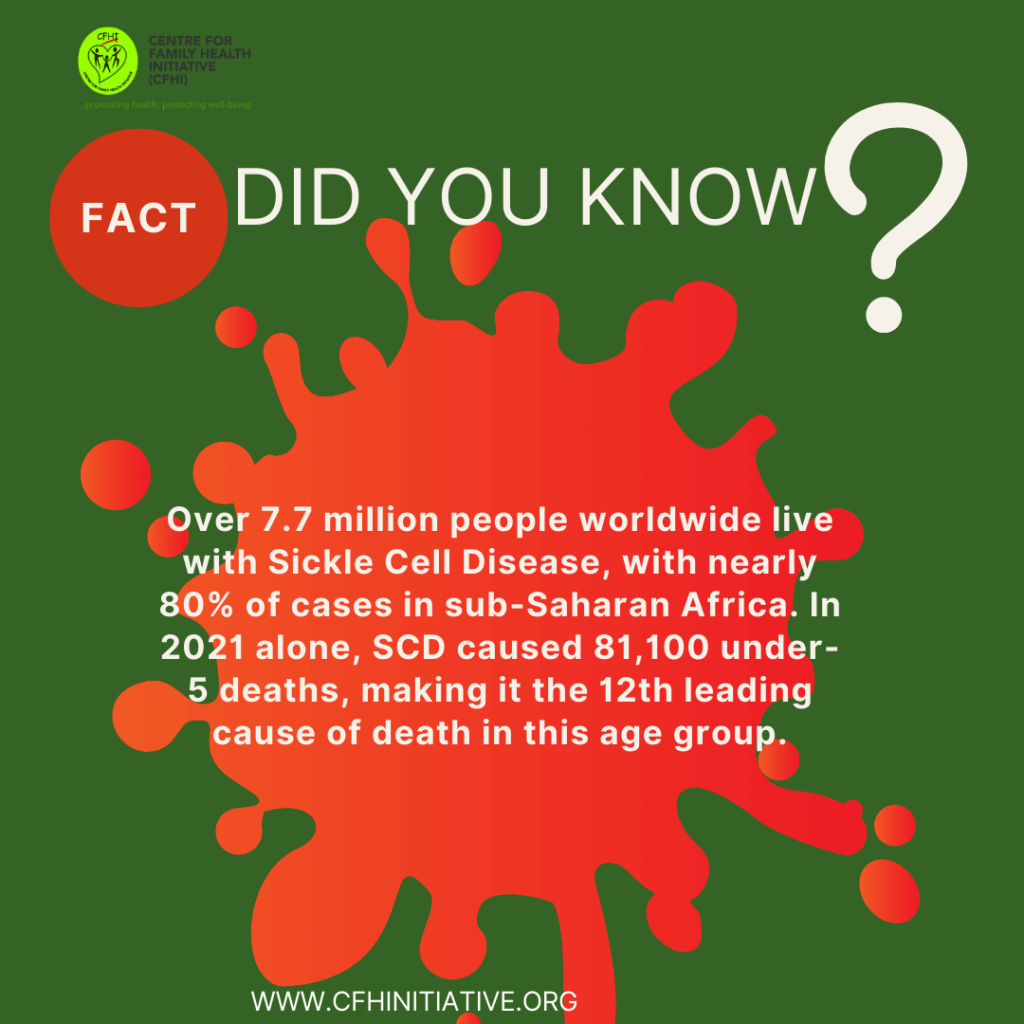
According to the World Health Organization (WHO), an estimated 7.74 million people were living with sickle-cell disease globally, with 515,000 new births recorded, primarily in sub-Saharan Africa, which accounts for nearly 80% of global cases. Sickle-cell disease also contributes significantly to child mortality, causing 81,100 under-5 deaths in 2021, ranking as the 12th leading cause of death in this age group when considering the total mortality burden.

Types of Sickle Cell Disease

There are several forms of SCD, depending on the type of abnormal hemoglobin inherited:

  • HbSS (Sickle Cell Anemia): The most severe type, inherited when a person receives two sickle cell genes, one from each parent.
  • HbSC: Occurs when a person inherits one sickle cell gene and one gene for abnormal hemoglobin C. This type is usually less severe than HbSS but can still cause complications.
  • HbS Beta Thalassemia: Results from inheriting one sickle cell gene and one beta thalassemia gene. Severity depends on the form of thalassemia inherited.
  • Other rare types: Variations occur when the sickle cell gene is combined with other unusual hemoglobin mutations.

Common Symptoms of Sickle Cell Disease

The symptoms of SCD often begin in early childhood and may vary in severity from person to person. They include:

  • Anemia: Caused by the rapid breakdown of sickle cells, leading to fatigue and weakness.
  • Pain Episodes (Crises): Sudden episodes of severe pain in the chest, abdomen, joints, or bones when sickle cells block blood flow.
  • Swelling: Especially in the hands and feet, due to poor circulation of blood caused by blocked blood vessels.
  • Frequent Infections: Sickle cells can damage the spleen, making individuals more prone to infections.
  • Delayed Growth and Puberty: Due to a lack of oxygen and nutrients reaching body tissues.
  • Vision Problems: Blocked blood vessels in the eye can lead to sight issues over time.

Prompt diagnosis and comprehensive care are pivotal in enhancing the lives of those with SCD, involving pain management, blood transfusions, medications, and, in severe cases, bone marrow or stem cell transplantation. Raising awareness and promoting early intervention are essential steps towards alleviating the burden of this disease on affected individuals and their families.

Monday Health Burst is an initiative of CFHI to address issues of basic health concern. Join us every Monday on all our social media platforms for more episodes.

Reference

https://www.who.int/news-room/fact-sheets/detail/sickle-cell-disease

MONDAY HEALTH BURST ON SICKLE CELL OVERVIEW: TYPES AND SYMPTOMS Read More »

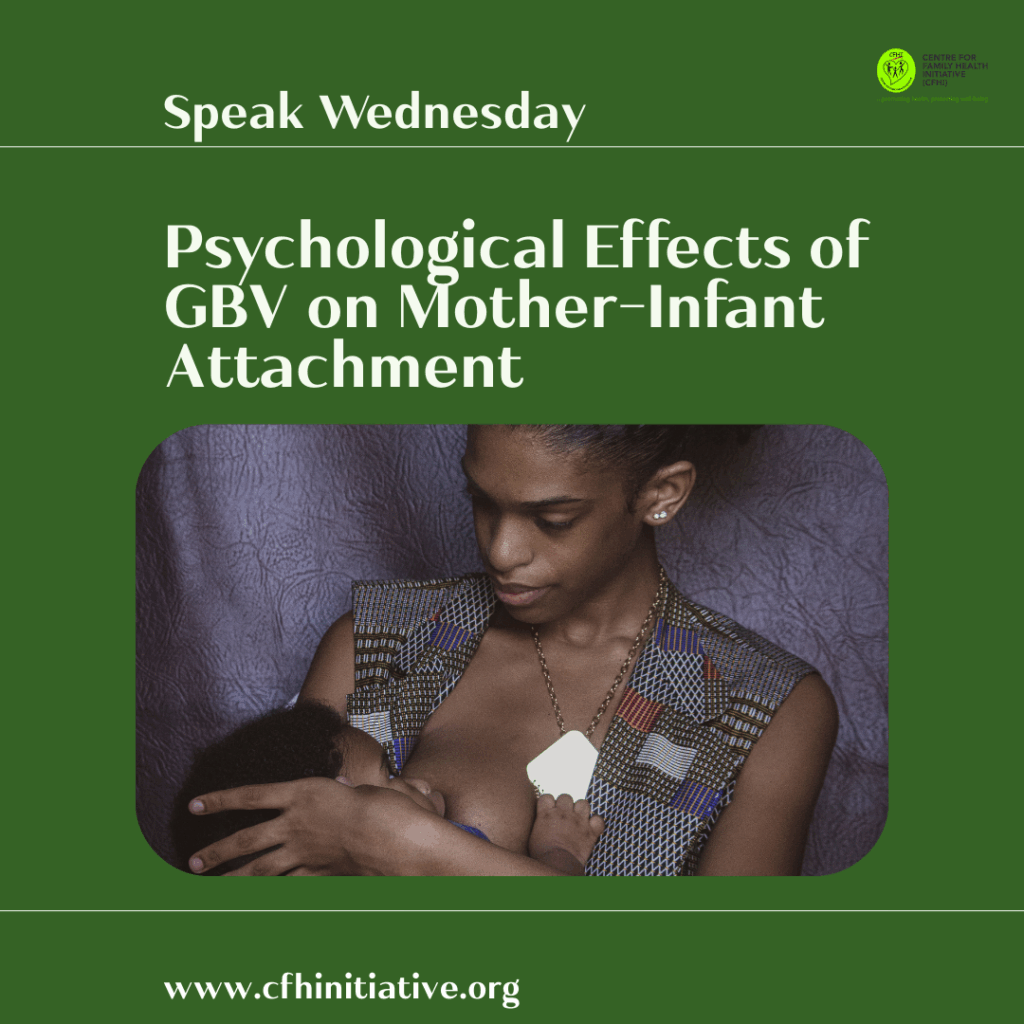
SPEAK WEDNESDAY ON PSYCHOLOGICAL EFFECTS OF GBV ON MOTHER-INFANT ATTACHMENT

She held her baby with trembling hands. Not from fear of motherhood, but from fear of a man. A man she once trusted. A man who turned her body into a battlefield.
This is not fiction. This is the everyday, hushed reality of thousands of Nigerian women living with the trauma of gender-based violence (GBV) and the invisible heartbreak it causes their children before they even learn how to speak.

When Violence Enters the Womb
In many Nigerian cultures, a pregnant woman is treated with care and reverence. But behind closed doors, some women are being battered while their unborn babies kick helplessly in the womb. According to the World Health Organization, 1 in 3 women globally experience physical or sexual violence in their lifetime and many of them are pregnant when it happens.
What happens when a baby’s first experience of the world is stress? What happens when a mother carries both her child and her trauma?
Research shows that when a pregnant woman is abused, her body floods with stress hormones like cortisol. These chemicals don’t stay with her, they cross the placenta and reach the baby, altering the way the child’s brain develops. That child may be born with a heightened sensitivity to stress, and a brain wired for fear.

The Silent Wound: Attachment and Survival
In healthy conditions, a mother and her infant develop a secure attachment, a bond of trust and comfort that shapes the child’s emotional foundation for life. But when a mother is surviving GBV, her own emotional resources are depleted. She may be physically present but emotionally unreachable. She’s in survival mode.
This isn’t a question of love. These mothers love their babies with every fibre of their being. But trauma changes the brain. A woman dealing with Post-traumatic stress disorder (PTSD) or depression caused by abuse may struggle to read her baby’s cues. She might flinch at a cry. She might freeze during breastfeeding. Her touch may lack the warmth she desperately wants to give.
This emotional disconnect is called disrupted attachment, and it’s not the mother’s fault. It’s the consequence of living in fear. UNICEF link GBV to insecure mother-infant attachments, which increase the risk of behavioural problems, anxiety, and poor emotional regulation in children.

Breaking the Silence, Healing the Bond
This is not just a woman’s issue. This is a society issue. A society where women are unsafe is a society where childhoods are fractured before they begin. It is time to protect mothers so they can nurture, not just survive.

What We Must Do:
• Create safe reporting systems for pregnant women and mothers experiencing GBV.
• Train healthcare workers to screen for abuse during prenatal visits and provide trauma-informed care.
• Educate communities to stop victim-blaming and start protecting.
• Support shelters and psychosocial support services for survivors and their children.
• Involve men. This is not a woman’s fight alone. The cycle can’t break without male accountability.
Break the silence. Protect the mother. Save the child.
Speak Wednesday is an initiative of CFHI to address issues around gender-based violence and gender bias
#SpeakWednesday #EndGBV #CFHI #MotherhoodInNigeria #MentalHealthMatters #BreakTheCycle #ProtectMothers #TraumaHealing #AttachmentMatters #SayNoToViolence
References
• WHO: Violence Against Women
• APA: How Maternal Stress Affects Babies
• UNICEF: Why Secure Attachment Matters

SPEAK WEDNESDAY ON PSYCHOLOGICAL EFFECTS OF GBV ON MOTHER-INFANT ATTACHMENT Read More »

MONDAY HEALTH BURST ON HEPATITIS B: SYMPTOMS, AND CAUSES

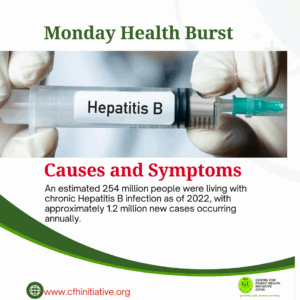
Hepatitis B is a viral infection that attacks the liver and can cause both acute and chronic diseases. Having chronic hepatitis B raises your risk of getting liver cancer, liver failure, or cirrhosis, which permanently scars the liver.
According to the World Health Organization (WHO), an estimated 254 million people were living with chronic Hepatitis B infection as of 2022, with approximately 1.2 million new cases occurring annually.

SYMPTOMS
Hepatitis B may occasionally go undetected without any obvious signs. This is common among children.Acute hepatitis B symptoms can start to show about 1 to 4 months after contact with the virus. Some of these symptoms include:
• Weakness and exhaustion
• Appetite loss
• Vomiting
• Jaundice
• Clay-colored stool
• The aching in one’s joints

CAUSES:
According to MayoClinic, the causes of Hepatitis B include:
• Sexual contact: It is possible to contract hepatitis B if one engages in unprotected sexual activity with an infected individual. The virus can be transmitted through bodily fluids such as blood, saliva, semen, or vaginal secretions.
• Sharing of needles/Accidental needle sticks: HBV easily spreads through needles and syringes contaminated with infected blood. Sharing IV drug paraphernalia puts one at high risk of hepatitis B.
• Mother to child: Pregnant women infected with HBV can pass the virus to their babies during childbirth. However, the newborn can be vaccinated to avoid getting infected in almost all cases. It is advisable to discuss with a healthcare provider the option of getting tested for hepatitis B if you are pregnant or planning to conceive.

Monday Health Burst is an initiative of CFHI to address issues of basic health concern. Join us every Monday on all our social media platforms for more episodes.

References:

  1. https://www.who.int/news-room/fact-sheets/detail/hepatitis-b
  2. https://www.mayoclinic.org/diseases-conditions/hepatitis-b/symptoms-causes/syc-20366802

MONDAY HEALTH BURST ON HEPATITIS B: SYMPTOMS, AND CAUSES Read More »