WHO

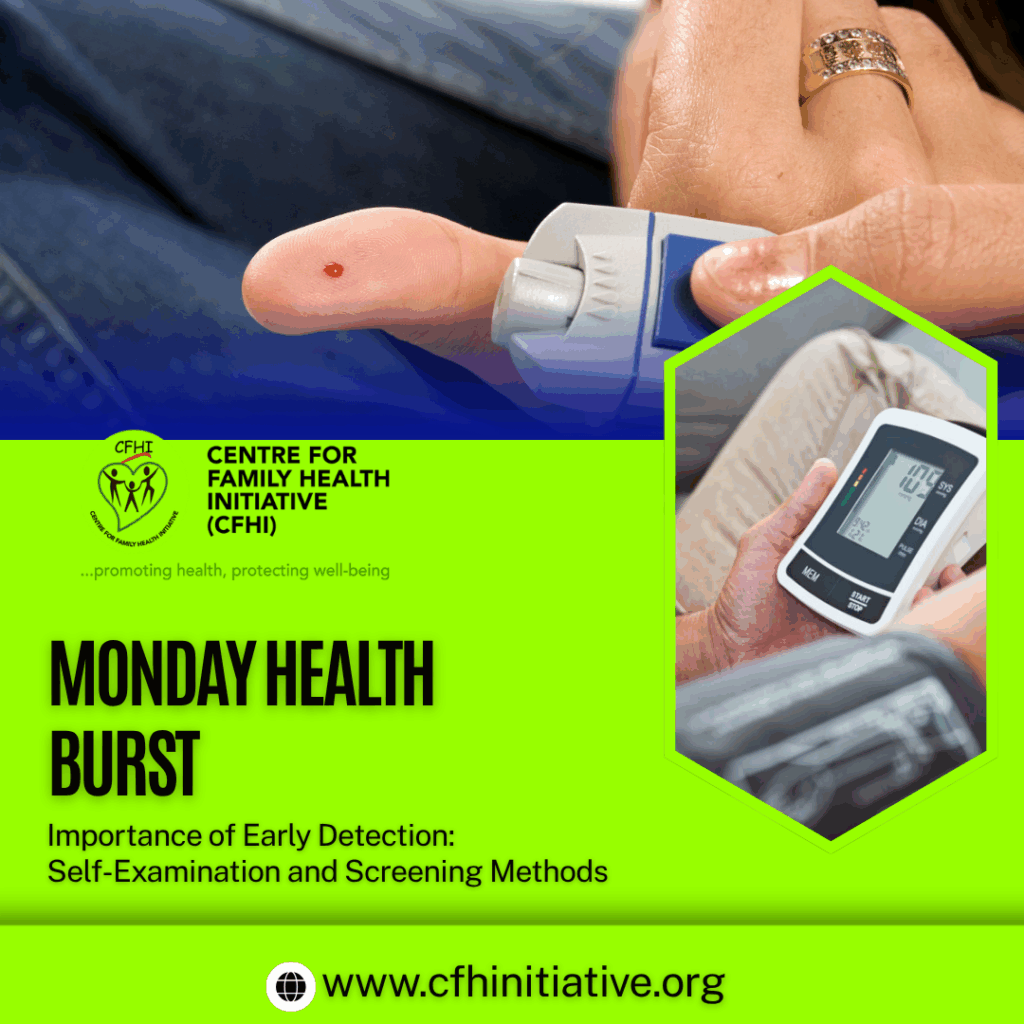
MONDAY HEALTH BURST

Importance of Early Detection: Self-Examination and Screening Methods
Early detection plays a pivotal role in improving global health outcomes by enabling the prompt diagnosis and management of diseases before they progress to critical stages. According to the World Health Organization (WHO), early detection through regular screening and self-examination significantly reduces mortality rates associated with noncommunicable diseases (NCDs), which account for approximately 74% of global deaths annually1. Diseases such as cancer, diabetes, hypertension, and chronic respiratory illnesses often develop silently, highlighting the necessity for individuals to take proactive measures in monitoring their health2. Evidence shows that screening can lead to a 20–30% reduction in mortality for breast, cervical, and colorectal cancers when implemented consistently3.

Self-examination is a vital preventive health practice that encourages individuals to familiarize themselves with their bodies and recognize unusual changes early. For instance, breast self-examination allows women to detect lumps or abnormalities, which, when reported promptly, can lead to early breast cancer diagnosis and improved survival chances4. Similarly, testicular self-examination helps men identify abnormal growths that could signal testicular cancer, a disease with over 95% survival rate when treated early5. Additionally, individuals can engage in simple health monitoring routines such as checking their blood pressure, blood sugar, and body mass index using approved health tools. However, it is essential to emphasize that self-examination and home monitoring should never replace professional evaluation. They serve as alert systems prompting individuals to seek medical consultation when necessary6

Screening programs complement self-examination by employing medical tests to identify diseases at early stages, often before symptoms manifest. According to the Centers for Disease Control and Prevention (CDC), routine screenings such as Pap smears, mammograms, blood pressure measurements, and HIV testing have been instrumental in reducing the burden of preventable diseases7. For example, the introduction of cervical cancer screening through Pap smears has reduced mortality rates by more than 60% in countries with sustained programs8. Similarly, diabetes screening helps detect prediabetes a condition affecting nearly 10% of adults globally enabling timely lifestyle modification and treatment9. These findings reaffirm that preventive screening is not just a diagnostic tool but a cost-effective strategy for strengthening public health systems.

It is equally important to distinguish between self-examination and self-medication. The WHO warns that misuse of over-the-counter drugs without medical supervision contributes to antimicrobial resistance and adverse health outcomes10. Individuals should instead rely on evidence-based preventive practices regular checkups, health education, and medical screening to maintain their wellbeing. The goal is to empower people to recognize early warning signs while avoiding the dangers of unprescribed medication and misinformation.

At Centre for Family Health Initiative (CFHI), we prioritize early detection as a cornerstone of preventive healthcare. Through our community outreach programs, health education sessions, and screening campaigns, CFHI enlightens individuals on the benefits of routine medical checkups and responsible self-examination. Our interventions promote proactive health-seeking behavior, equip communities with accurate health information, and strengthen early response systems against preventable diseases. By fostering awareness and action, CFHI continues to drive lasting impact in the promotion of health and prevention of illness across Nigeria.

References
[1] World Health Organization. Noncommunicable diseases. WHO.
[2] GBD 2021 Non-Communicable Disease Collaborators. Global burden of disease study 2021. Lancet. 2023;401(10383):1641–1712. https://doi.org/10.1016/S0140-6736(23)00221-2.
[3] International Agency for Research on Cancer. Cancer screening and prevention. IARC.
[4] American Cancer Society. Breast self-exam and awareness. https://www.cancer.org/cancer/breast-cancer/screening-tests-and-early-detection.html.
[5] National Cancer Institute. Testicular cancer treatment (PDQ)–Health professional version. https://www.cancer.gov/types/testicular/hp/testicular-treatment-pdq.
[6] National Institutes of Health. Health monitoring and disease prevention. NIH.
[7] Centers for Disease Control and Prevention. Screening for chronic diseases. CDC.
[8] Arbyn M, Weiderpass E, Bruni L, et al. Estimates of incidence and mortality of cervical cancer in 2020: a worldwide analysis. Lancet Glob Health. 2020;8(2):e191–e203. https://doi.org/10.1016/S2214-109X(19)30482-6.
[9] International Diabetes Federation. IDF Diabetes Atlas, 10th ed. Brussels, Belgium: IDF; 2021. https://diabetesatlas.org/.
[10] World Health Organization. The dangers of self-medication. WHO.

MONDAY HEALTH BURST Read More »

SPEAK WEDNESDAY

Closing the Gender Wealth Gap to End Violence Against Women

Economic justice is the key to safety, health, and empowerment for women worldwide. Every Wednesday, we raise our voices to challenge injustice, and today we confront one of the most entrenched roots of gender-based violence: economic inequality. The gender wealth gap isn’t just a financial statistic; it’s a silent enabler of abuse, a barrier to freedom, and a public health emergency.

Globally, women earn less than men for the same work3, own less property, have limited access to leadership4 and fewer financial safety nets1. This economic disparity creates a cycle of dependency that heightens exposure to violence and limits the ability to escape abusive environments. In Nigeria, for instance, the Minister of Women Affairs recently emphasized that closing the gender gap could add ₦15 trillion to the country’s GDP annually by 20252, underscoring the economic potential of gender equity.

These issues are persistent and global. In the EU, despite the “Women on Boards” directive aiming for 40% female representation by 2026, progress is slow. Women currently hold only 35% of non-executive roles and 21% of senior executive positions 4. This is despite evidence from a 2025 report showing that companies with greater gender diversity are 25% more likely to be more profitable3. In sectors like tech and finance, women continue to report being passed over for promotions, excluded from decision-making, and subjected to gender-based microaggressions, which stifles their economic advancement4.

Call To Action

To end violence against women, we must invest in their economic power. As outlined in a UN Women 2025 advocacy paper, closing the funding gap in programs that support survivors and prevent violence is critical1. We call on Governments, NGOs, and private sector to collaborate on expanding access to education and vocational training, supporting women-led businesses and financial literacy programs, funding essential services for survivors, including shelters, legal aid, and healthcare, and advocating for and enforcing equal pay and robust workplace protections.

At the Centre for Family Health Initiative (CFHI), we are committed to this work. Through collaborations with partners like the Institute of Human Virology Nigeria (IHVN), Caritas Nigeria, FCT Social Development Secretariat (SDS), TY Danjuma Foundation (TYDF), and Global Philanthropy Alliance (GPA), we have empowered over 2500 women and girls with education, vocational training, business start-up kits, and financial support.

Financial inequality isn’t just unfair; it’s dangerous. It limits women’s choices, increases health risks, and perpetuates cycles of violence and poverty. Empowering women economically is not merely a matter of justice; it is the essential foundation for building safer, healthier societies for all.

Speak Wednesday is an initiative of CFHI to address issues around gender-based violence and gender bias.

References

  1. UN Women. Closing the funding gap to end violence against women and girls [Internet]. 2025 [cited 2025 Oct 21]. Available from: https://knowledge.unwomen.org/sites/default/files/2025-06/closing-the-funding-gap-to-end-violence-against-women-and-girls-en.pdf
  2. The Guardian Nigeria. Closing gender gap will add ₦15tr to Nigeria’s GDP by 2025 [Internet]. 2025 [cited 2025 Oct 21]. Available from: https://guardian.ng/news/closing-gender-gap-will-add-n15tr-to-nigerias-gdp-by-2025/
  3. Women in the workplace 2025: Research and trends [Internet]. 2025 [cited 2025 Oct 21]. Available from: https://www.wellable.co/blog/women-in-the-workplace-2025-research-and-trends
  1. IMD. Gender inequality in the workplace: Why it persists? [Internet]. 2025 [cited 2025 Oct 21]. Available from: https://www.imd.org/research-knowledge/articles/gender-inequality-in-the-workplace-why-it-persists/

SPEAK WEDNESDAY Read More »

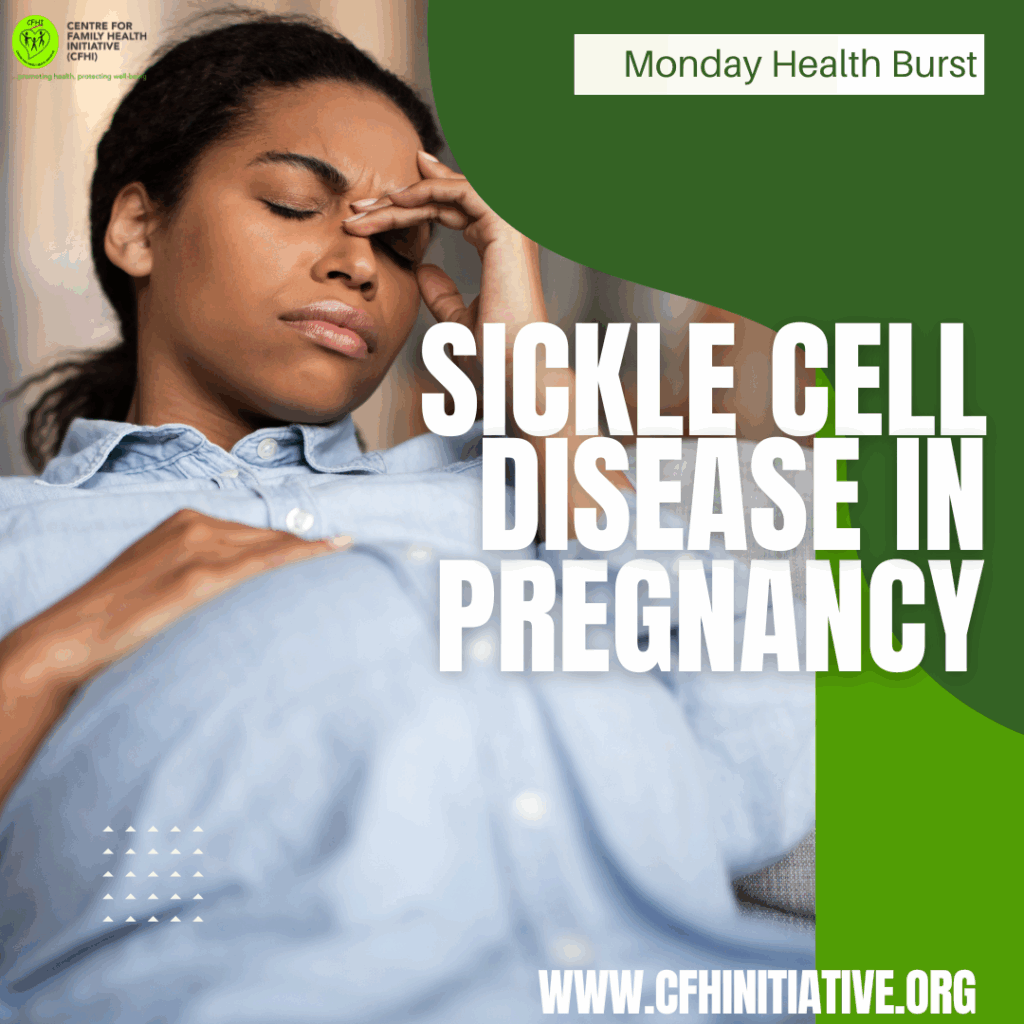
MONDAY HEALTH BURST ON SICKLE CELL DISEASE IN PREGNANCY

Sickle Cell Disease (SCD) is a hereditary blood disorder in which red blood cells, normally round and flexible, become rigid and shaped like a crescent or sickle. These abnormal cells can block blood flow, leading to pain crises, organ damage, and increased risk of complications. While SCD affects people at all stages of life, it poses unique challenges for women during pregnancy.

Pregnancy naturally places extra demands on a woman’s body, including increased blood volume and oxygen needs. For women with SCD, these changes can worsen complications, making both mother and baby more vulnerable. Some key risks include:

  • Maternal risks: Severe pain crises, anemia, preeclampsia (high blood pressure in pregnancy), infections, and increased likelihood of needing blood transfusions.
  • Fetal risks: Miscarriage, preterm birth, low birth weight, restricted growth in the womb, and stillbirth.

Despite the risks, many women with SCD go on to have successful pregnancies with proper medical care. Key aspects of management include:

  1. Preconception Counseling: Women with SCD are encouraged to seek genetic counseling and medical advice before pregnancy to understand risks and available options.
  2. Specialist Care: Antenatal care should be provided by a multidisciplinary team, including obstetricians, hematologists, and pediatricians.
  3. Regular Monitoring: Frequent check-ups, blood tests, and ultrasound scans are essential to monitor maternal health and fetal growth.
  4. Preventive Measures: Adequate hydration, folic acid supplementation, malaria prevention (in endemic areas), and vaccines against infections are critical.
  5. Safe Delivery Planning: Mode of delivery (vaginal or caesarean section) should be carefully planned based on the mother’s condition, with access to emergency care and blood transfusion services.

Beyond medical care, social and emotional support is vital. Family and community members can help by ensuring women with SCD have access to balanced nutrition, rest, emotional encouragement, and timely hospital visits.

Sickle Cell Disease in pregnancy is a high-risk condition, but with early diagnosis, specialized medical care, and strong support systems, women can achieve safe pregnancies and healthy babies. Increasing awareness, improving access to quality healthcare, and reducing stigma remain crucial steps toward better outcomes for mothers living with SCD.

References:

Preconception Counseling: Checklist, Benefits & When It Occurs

https://www.who.int/publications/i/item/9789240109124?utm_source

MONDAY HEALTH BURST ON SICKLE CELL DISEASE IN PREGNANCY Read More »

MONDAY HEALTH BURST ON SICKLE CELL OVERVIEW: TYPES AND SYMPTOMS

Sickle Cell Disease (SCD) is one of the most common inherited blood disorders, affecting millions of people worldwide, particularly in Africa, including Nigeria. It occurs when the body produces abnormal hemoglobin known as hemoglobin S which causes red blood cells to become rigid, sticky, and shaped like a sickle instead of being round and flexible. These sickle shaped cells can block blood flow, leading to pain and other complications.

According to the World Health Organization (WHO), an estimated 7.74 million people were living with sickle-cell disease globally, with 515,000 new births recorded, primarily in sub-Saharan Africa, which accounts for nearly 80% of global cases. Sickle-cell disease also contributes significantly to child mortality, causing 81,100 under-5 deaths in 2021, ranking as the 12th leading cause of death in this age group when considering the total mortality burden.

Types of Sickle Cell Disease

There are several forms of SCD, depending on the type of abnormal hemoglobin inherited:

  • HbSS (Sickle Cell Anemia): The most severe type, inherited when a person receives two sickle cell genes, one from each parent.
  • HbSC: Occurs when a person inherits one sickle cell gene and one gene for abnormal hemoglobin C. This type is usually less severe than HbSS but can still cause complications.
  • HbS Beta Thalassemia: Results from inheriting one sickle cell gene and one beta thalassemia gene. Severity depends on the form of thalassemia inherited.
  • Other rare types: Variations occur when the sickle cell gene is combined with other unusual hemoglobin mutations.

Common Symptoms of Sickle Cell Disease

The symptoms of SCD often begin in early childhood and may vary in severity from person to person. They include:

  • Anemia: Caused by the rapid breakdown of sickle cells, leading to fatigue and weakness.
  • Pain Episodes (Crises): Sudden episodes of severe pain in the chest, abdomen, joints, or bones when sickle cells block blood flow.
  • Swelling: Especially in the hands and feet, due to poor circulation of blood caused by blocked blood vessels.
  • Frequent Infections: Sickle cells can damage the spleen, making individuals more prone to infections.
  • Delayed Growth and Puberty: Due to a lack of oxygen and nutrients reaching body tissues.
  • Vision Problems: Blocked blood vessels in the eye can lead to sight issues over time.

Prompt diagnosis and comprehensive care are pivotal in enhancing the lives of those with SCD, involving pain management, blood transfusions, medications, and, in severe cases, bone marrow or stem cell transplantation. Raising awareness and promoting early intervention are essential steps towards alleviating the burden of this disease on affected individuals and their families.

Monday Health Burst is an initiative of CFHI to address issues of basic health concern. Join us every Monday on all our social media platforms for more episodes.

Reference

https://www.who.int/news-room/fact-sheets/detail/sickle-cell-disease

MONDAY HEALTH BURST ON SICKLE CELL OVERVIEW: TYPES AND SYMPTOMS Read More »

SPEAK WEDNESDAY ON PSYCHOLOGICAL EFFECTS OF GBV ON MOTHER-INFANT ATTACHMENT

She held her baby with trembling hands. Not from fear of motherhood, but from fear of a man. A man she once trusted. A man who turned her body into a battlefield.
This is not fiction. This is the everyday, hushed reality of thousands of Nigerian women living with the trauma of gender-based violence (GBV) and the invisible heartbreak it causes their children before they even learn how to speak.

When Violence Enters the Womb
In many Nigerian cultures, a pregnant woman is treated with care and reverence. But behind closed doors, some women are being battered while their unborn babies kick helplessly in the womb. According to the World Health Organization, 1 in 3 women globally experience physical or sexual violence in their lifetime and many of them are pregnant when it happens.
What happens when a baby’s first experience of the world is stress? What happens when a mother carries both her child and her trauma?
Research shows that when a pregnant woman is abused, her body floods with stress hormones like cortisol. These chemicals don’t stay with her, they cross the placenta and reach the baby, altering the way the child’s brain develops. That child may be born with a heightened sensitivity to stress, and a brain wired for fear.

The Silent Wound: Attachment and Survival
In healthy conditions, a mother and her infant develop a secure attachment, a bond of trust and comfort that shapes the child’s emotional foundation for life. But when a mother is surviving GBV, her own emotional resources are depleted. She may be physically present but emotionally unreachable. She’s in survival mode.
This isn’t a question of love. These mothers love their babies with every fibre of their being. But trauma changes the brain. A woman dealing with Post-traumatic stress disorder (PTSD) or depression caused by abuse may struggle to read her baby’s cues. She might flinch at a cry. She might freeze during breastfeeding. Her touch may lack the warmth she desperately wants to give.
This emotional disconnect is called disrupted attachment, and it’s not the mother’s fault. It’s the consequence of living in fear. UNICEF link GBV to insecure mother-infant attachments, which increase the risk of behavioural problems, anxiety, and poor emotional regulation in children.

Breaking the Silence, Healing the Bond
This is not just a woman’s issue. This is a society issue. A society where women are unsafe is a society where childhoods are fractured before they begin. It is time to protect mothers so they can nurture, not just survive.

What We Must Do:
• Create safe reporting systems for pregnant women and mothers experiencing GBV.
• Train healthcare workers to screen for abuse during prenatal visits and provide trauma-informed care.
• Educate communities to stop victim-blaming and start protecting.
• Support shelters and psychosocial support services for survivors and their children.
• Involve men. This is not a woman’s fight alone. The cycle can’t break without male accountability.
Break the silence. Protect the mother. Save the child.
Speak Wednesday is an initiative of CFHI to address issues around gender-based violence and gender bias
#SpeakWednesday #EndGBV #CFHI #MotherhoodInNigeria #MentalHealthMatters #BreakTheCycle #ProtectMothers #TraumaHealing #AttachmentMatters #SayNoToViolence
References
• WHO: Violence Against Women
• APA: How Maternal Stress Affects Babies
• UNICEF: Why Secure Attachment Matters

SPEAK WEDNESDAY ON PSYCHOLOGICAL EFFECTS OF GBV ON MOTHER-INFANT ATTACHMENT Read More »

MONDAY HEALTH BURST ON HEPATITIS B: SYMPTOMS, AND CAUSES

Hepatitis B is a viral infection that attacks the liver and can cause both acute and chronic diseases. Having chronic hepatitis B raises your risk of getting liver cancer, liver failure, or cirrhosis, which permanently scars the liver.
According to the World Health Organization (WHO), an estimated 254 million people were living with chronic Hepatitis B infection as of 2022, with approximately 1.2 million new cases occurring annually.

SYMPTOMS
Hepatitis B may occasionally go undetected without any obvious signs. This is common among children.Acute hepatitis B symptoms can start to show about 1 to 4 months after contact with the virus. Some of these symptoms include:
• Weakness and exhaustion
• Appetite loss
• Vomiting
• Jaundice
• Clay-colored stool
• The aching in one’s joints

CAUSES:
According to MayoClinic, the causes of Hepatitis B include:
• Sexual contact: It is possible to contract hepatitis B if one engages in unprotected sexual activity with an infected individual. The virus can be transmitted through bodily fluids such as blood, saliva, semen, or vaginal secretions.
• Sharing of needles/Accidental needle sticks: HBV easily spreads through needles and syringes contaminated with infected blood. Sharing IV drug paraphernalia puts one at high risk of hepatitis B.
• Mother to child: Pregnant women infected with HBV can pass the virus to their babies during childbirth. However, the newborn can be vaccinated to avoid getting infected in almost all cases. It is advisable to discuss with a healthcare provider the option of getting tested for hepatitis B if you are pregnant or planning to conceive.

Monday Health Burst is an initiative of CFHI to address issues of basic health concern. Join us every Monday on all our social media platforms for more episodes.

References:

  1. https://www.who.int/news-room/fact-sheets/detail/hepatitis-b
  2. https://www.mayoclinic.org/diseases-conditions/hepatitis-b/symptoms-causes/syc-20366802

MONDAY HEALTH BURST ON HEPATITIS B: SYMPTOMS, AND CAUSES Read More »

MONDAY HEALTH BURST ON OVERVIEW OF HEPATITIS- DEFINITION, TYPES, AND CAUSES OF HEPATITIS

Your liver is one of your body’s hardest-working organs, filtering toxins, processing nutrients, and supporting overall health. Yet, hepatitis an inflammation of the liver threatens its function and often progresses without early warning signs.

The Main Types of Hepatitis:

  • Hepatitis A: Spread through contaminated food or water. Usually short-term and preventable with a vaccine.
  • Hepatitis B: Passed through blood, sexual contact, or from mother to child at birth. Can become chronic and cause serious liver disease. A safe vaccine offers strong protection.
  • Hepatitis C: Often silent at first, it spreads mainly through blood and can lead to chronic liver damage. No vaccine exists yet, but effective treatments can cure it.
  • Hepatitis D: Only occurs alongside hepatitis B and makes the disease more severe. Preventable through hepatitis B vaccination.
  • Hepatitis E: Typically found in areas with poor sanitation, spread through contaminated water. Usually resolves on its own but can be risky during pregnancy.

Other Causes of Hepatitis Include:

  • Excessive alcohol consumption
  • Certain medications or toxins
  • Autoimmune conditions

Hepatitis often goes unnoticed until significant liver damage has occurred. Early testing, safe lifestyle choices, and vaccination where available are vital for prevention and protection.

Protect your liver, stay informed, practice good hygiene, avoid risky behaviors, and seek medical advice for screening or vaccination. Your liver deserves the best care.

..

MONDAY HEALTH BURST ON OVERVIEW OF HEPATITIS- DEFINITION, TYPES, AND CAUSES OF HEPATITIS Read More »

MONDAY HEALTH BURST ON BENIGN PROSTATIC HYPERPLASIA (BPH)

The prostate is a small guardian stationed just below the bladder. When you are young, it’s no bigger than a walnut. But as you age, the prostate can grow and that is where Benign Prostatic Hyperplasia (BPH) comes in.

Benign Prostatic Hyperplasia simply means your prostate is enlarging. It is not cancer; it’s just your prostate showing signs of age.

Why does it grow?

BPH is the body’s natural response to aging, especially after 50. Changing hormone levels such as lower testosterone and relatively more estrogen signal the prostate to grow bigger.

The trouble begins when this larger prostate starts pressing on the urethra (the tube that carries urine out), making urination harder.

How do you know BPH is knocking?

Common signs include:

  • You just urinated but feel the need to go again.
  • You wake up at night to urinate (nocturia)
  • Difficulty starting urination or weak flow.
  • Feeling your bladder isn’t fully empty.
  • Dribbling at the end of urination

Who gets BPH?

BPH is common in:

  • Men over 50
  • Men with a family history of BPH
  • Those with conditions like diabetes or obesity

How is BPH managed?

For mild cases:

  • Reduce evening drinks.
  • Avoid caffeine and alcohol.
  • Try double-voiding (urinate, pause, and try again)

For moderate cases:

  • Medications to relax or shrink the prostate.

For severe cases:

  • Small procedures or surgery (such as TURP, which trims excess prostate tissue)

Your prostate is part of your aging journey. When it causes trouble, don’t suffer in silence. Talk to your doctor. Early help leads to a better quality of life.

Monday Health Burst is an initiative of Centre for Family Health Initiative (CFHI) to tackle issues of basic health concerns. Join us every Monday for more health-related articles on all our social media platforms.

MONDAY HEALTH BURST ON BENIGN PROSTATIC HYPERPLASIA (BPH) Read More »

SPEAK WEDNESDAY ON PROTECTING HER CHILDHOOD: CONFRONTING EARLY MARRIAGE AS GENDER-BASED VIOLENCE

In many communities across Nigeria, a girl’s childhood can end not with graduation or celebration, but with a wedding. Sometimes at 15, sometimes even younger. She doesn’t throw a bouquet; she throws away her dreams. The practice is often justified by culture, tradition, or economic necessity, but beneath these explanations lies a truth that must be acknowledged: early marriage is a form of gender-based violence.

Nigeria ranks third globally in the number of child brides. Over 22 million girls in the country were married before the age of 18, according to UNICEF. In some states in the North-East and North-West, the prevalence is even higher, driven by poverty, insecurity, and deeply entrenched gender inequality. These are not just statistics; they are lives interrupted, girlhoods lost, and futures compromised.

Early marriage is violence because it robs girls of choice, education, health, and safety. Once married, a girl is often forced to drop out of school, denying her the opportunity to learn, grow, and earn. She faces increased risks of sexual violence, early pregnancy complications, and lifelong poverty. These are not isolated consequences; they are systemic outcomes rooted in a society that undervalues girls and normalizes their silence.

In many cases, families see early marriage as a survival strategy. When there is no food on the table and no access to social protection, marrying off a daughter can feel like the only option. Cultural and religious pressures further normalize the practice, and in the absence of strong law enforcement, the rights of girls are often overlooked. Nigeria’s Child Rights Act, passed in 2003, sets the legal age of marriage at 18, but enforcement remains uneven. As of 2024, several states have yet to domesticate the Act, leaving millions of girls unprotected.

Ending early marriage requires more than laws on paper; it demands a shift in narrative and a real investment in girls. We must name early marriage for what it is: a violation of human rights and a gender-based harm. Protecting Nigerian girls means enforcing laws, holding perpetrators accountable, and ensuring every girl has access to safe, quality education and health care. It also means addressing the root causes—poverty, gender inequality, and lack of opportunity that make early marriage appear acceptable or inevitable.

Equally important is the need to amplify the voices of girls themselves. Their insights, hopes, and fears must shape the policies and programs meant to protect them. Girls in Nigeria are not voiceless; they are often unheard. When we listen, we begin to understand not just what is being taken from them, but what is possible when we choose to protect them.

To protect the future of Nigerian girls, we must stop framing early marriage as an issue of culture or custom. It is a crisis of rights, equity, and justice. We must act with urgency, empathy, and resolve.

Because she’s not a bride. She’s a child.

Speak Wednesday is an initiative of CFHI to address issues around gender-based violence and gender bias.

#SpeakWednesday#EndChildMarriage#SheIsNotABride#NigerianGirlsDeserveBetter#ChildNotBride#GenderJusticeNow#ProtectTheGirlChild#GirlsNotWives#StopGBV

SPEAK WEDNESDAY ON PROTECTING HER CHILDHOOD: CONFRONTING EARLY MARRIAGE AS GENDER-BASED VIOLENCE Read More »

MONDAY HEALTH BURST ON HEALTH RISKS OF TOBACCO USE

According to the World Health Organization (WHO), The tobacco epidemic is one of the biggest public health threats the world has ever faced, killing over 8 million people a year around the world. Tobacco use poses severe health risks not only to users but also to those exposed to second-hand smoke. Despite global efforts to reduce its consumption, tobacco remains a leading cause of preventable diseases and premature death.

Understanding the dangers of tobacco is crucial to protecting public health. Below are some of the major health risks associated with its use:

Lung and Respiratory Diseases

Tobacco damages lung tissue and airways, increasing the risk of Chronic Obstructive Pulmonary Disease (COPD), chronic bronchitis, and emphysema. It also worsens asthma and makes the lungs more susceptible to infections like pneumonia and tuberculosis.

Cancer

Tobacco is a major cause of multiple types of cancer, including those of the lung, mouth, throat, oesophagus, pancreas, bladder, kidney, and cervix. This is due to the carcinogenic substances in tobacco products and smoke,

Cardiovascular Damage

Tobacco use increases the risk of heart disease, stroke, and peripheral artery disease. It narrows blood vessels, raises blood pressure, and reduces oxygen supply to vital organs.

Reproductive and Prenatal Health Risks

Tobacco harms reproductive health. It can cause infertility in both men and women. In pregnant women, it increases the risk of miscarriage, stillbirth, low birth weight, and premature delivery.

Oral Health Issues

Users of tobacco face an increased risk of gum disease, tooth decay, tooth loss, and oral cancer. It also causes persistent bad breath and delayed healing after dental procedures.

Harm from Second-hand Smoke

Second-hand smoke puts non-smokers at risk of serious health issues, including heart disease, lung cancer, asthma, and sudden infant death syndrome (SIDS) in infants. Children exposed to smoke are more likely to suffer respiratory infections and developmental delays.

Tobacco use remains a significant threat to global health. The good news is that quitting tobacco has immediate and long-term health benefits. Through public awareness, supportive policies, and community engagement, we can reduce tobacco-related harm and move toward a healthier, tobacco-free future.

Reference:
World Health Organization. Tobacco. Available at: https://www.who.int/news-room/fact-sheets/detail/tobacco (Accessed May 2025).

MONDAY HEALTH BURST ON HEALTH RISKS OF TOBACCO USE Read More »