Cancer

Breaking Myths, Ending Stigma, and Acting Against Cervical Cancer

Cervical cancer is a major global health issue yet one of the most preventable forms of cancer. Almost all cervical cancer cases (about 99%) are linked to infection with high-risk human papillomaviruses (HPV), which are extremely common and transmitted through sexual contact. Persistent HPV infection can cause cervical cancer if left untreated, but early detection and prevention make this disease largely preventable. ¹

Despite this, myths and misinformation persist and contribute to stigma around cervical cancer screening and HPV. Studies show that many women feel shame, anxiety, and embarrassment when diagnosed with HPV or advised to get screened, often because HPV is incorrectly perceived as a sign of promiscuity or extreme risk. ² This stigma can deter women from seeking preventive care and early diagnosis, undermining efforts to reduce disease burden. ³

Globally, cervical cancer remains a leading cause of cancer deaths among women. In 2022, an estimated 660,000 new cases were diagnosed worldwide, with about 350,000 deaths many of which could be prevented through vaccination, regular screening, and early treatment. ¹ In Nigeria, cervical cancer is the second most common cancer among women and carries significant risk in the reproductive age group. ⁴

Despite proven benefits, uptake of cervical cancer screening and HPV vaccination remains low. Studies in Nigeria (2021–2023) show that fewer than 15% of adolescent girls have received the HPV vaccine and only about 10% of women have ever been screened, indicating slow progress compared to global targets.⁵ This low uptake is driven by limited awareness, misconceptions, stigma, and weak family or partner support, while reviews from 2022–2024 highlight persistent beliefs that screening is only for certain women or may cause harm, further discouraging participation.⁶

Myths about cervical cancer include beliefs that HPV always leads to cancer, that only women with symptoms should screen, or that screening itself causes harm. Evidence shows these are false HPV does not always cause cancer, early stages of disease often have no symptoms, and regular screening (Pap tests or HPV testing) is safe and effective in detecting abnormalities before they progress. ⁷

Stigma further compounds the problem. Surveys indicate that significant numbers of women experience emotional distress or feel ashamed after receiving abnormal screening results, which can delay follow-up care and discourage others from attending future screenings. ² Overcoming this stigma requires not just medical interventions but community education and open conversations about HPV and cervical health.

Acting against cervical cancer involves three key strategies: vaccination, screening, and treatment. The World Health Organization’s global strategy targets HPV vaccination of 90% of girls by age 15, screening 70% of eligible women twice in their lifetimes, and ensuring 90% of women with pre-cancer or invasive cancer receive appropriate care. ⁴ Countries such as Pakistan have demonstrated wide vaccination coverage, with campaigns reaching millions of girls despite resistance fueled by misinformation.

Breaking myths and ending stigma is essential to increase screening uptake and vaccine acceptance. Community education campaigns, trusted health messaging, and culturally sensitive outreach can help shift perceptions, build trust, and empower women to take preventive action. We urge communities, health workers, and families to actively support women in accessing screenings and vaccinations, speak openly about cervical health, and challenge harmful myths whenever they arise. When women understand the facts and feel supported rather than judged, lives can be saved, and the stigma that hinders progress can be dismantled.

References

  1. World Health Organization (WHO). Cervical cancer prevention, diagnosis, screening.
    https://www.who.int/cancer/prevention/diagnosis-screening/cervical-cancer/en/
  2. Sheena Meredith. HPV stigma leads to shame for women with diagnosis. Medscape.
    https://www.medscape.com/viewarticle/HPV-Stigma-Leads-Shame-Women-Diagnosis-2022a10004lc
  3. BMC Public Health. Barriers to cervical cancer screening in Africa.
    https://bmcpublichealth.biomedcentral.com/articles/10.1186/s12889-024-17842-1
  4. WHO Africa. Cervical cancer early detection saves lives (Nigeria context).
    https://www.afro.who.int/countries/nigeria/news/cervical-cancer-early-detection-saves-lives
  5. BMC Women’s Health. Cervical cancer screening and HPV vaccination knowledge in Nigeria.
    https://bmcwomenshealth.biomedcentral.com/articles/10.1186/s12905-023-02345-9
  6. PubMed Central. Cervical cancer stigma—a silent barrier to elimination.
    https://pmc.ncbi.nlm.nih.gov/articles/PMC11869935/
  7. Thomson Medical. 9 common myths about cervical cancer debunked.
    https://www.thomsonmedical.com/blog/myths-about-cervical-cancer


Breaking Myths, Ending Stigma, and Acting Against Cervical Cancer Read More »
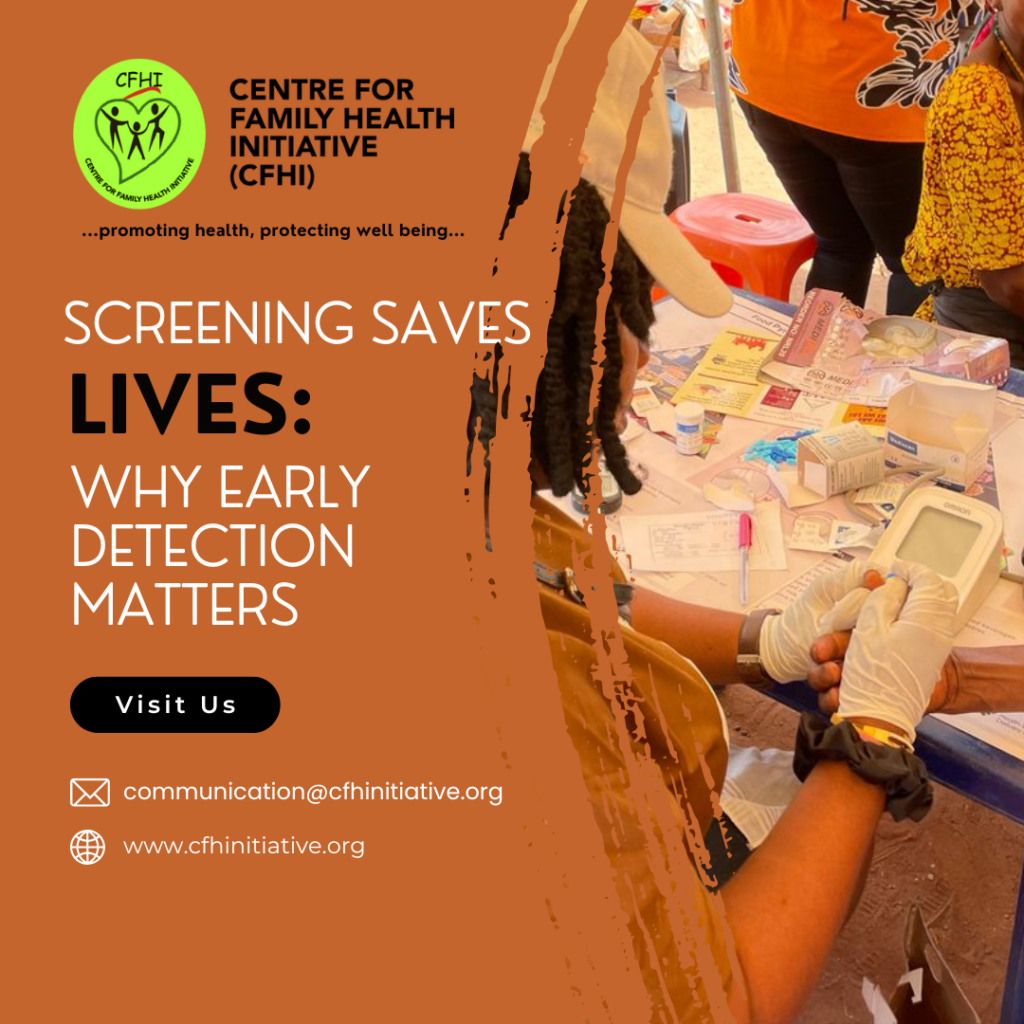
Screening Saves Lives: Why Early Detection Matters

Health screening and early detection are critical tools in the fight against cervical cancer, one of the most preventable yet deadly cancers affecting women worldwide. Cervical cancer develops slowly and is often caused by persistent infection with high-risk types of the human papillomavirus (HPV). Screening allows precancerous changes and early-stage disease to be detected and treated before they progress into life-threatening cancer, significantly improving survival, reducing complications, and saving lives¹.

Early detection plays a decisive role in cervical cancer outcomes. When cervical cancer is identified at an early stage, the chances of successful treatment are very high. Evidence shows that women diagnosed with early-stage cervical cancer have a five-year survival rate of over 90%, compared to much lower survival rates when the disease is detected late². Regular screening methods such as Pap smears, HPV testing, and visual inspection with acetic acid (VIA) help identify abnormal cervical changes early, long before symptoms appear³. Countries with strong screening programs have recorded substantial declines in cervical cancer incidence and mortality, demonstrating the life-saving impact of early detection⁴.

Detecting cervical cancer early also reduces the severity and complexity of treatment. Early-stage disease can often be managed with simpler procedures that preserve fertility and reduce long-term health complications. In contrast, late diagnosis frequently requires extensive surgery, chemotherapy, or radiotherapy, which can lead to long-term physical, emotional, and financial strain for affected women and their families⁵. In many low- and middle-income settings, late presentation remains a major challenge, contributing to high cervical cancer mortality rates.

Screening for cervical cancer is also cost-effective. Preventing cancer through early detection and treatment of precancerous lesions costs far less than treating advanced cervical cancer. Investing in routine screening programs reduces hospital admissions, lowers healthcare expenditure, and improves productivity by keeping women healthy and active in their communities⁶.

Despite the proven benefits of screening, many women particularly those in underserved and rural communities still lack access to cervical cancer screening services. Barriers such as poverty, limited health facilities, stigma, low awareness, and fear of diagnosis contribute to low screening uptake and late detection. These gaps underscore the need for sustained public health efforts to expand access to affordable, acceptable, and community-based screening services⁷.

Screening saves lives, but only when women act. CFHI calls on women to prioritize regular cervical cancer screening, caregivers, and community leaders to support awareness and reduce stigma, and policymakers and partners to invest in accessible and sustainable screening programs. Early detection of cervical cancer is not just a medical intervention it is a powerful step toward protecting women’s health, dignity, and lives.


References

  1. World Health Organization (WHO). Cervical cancer – Key facts.
    https://www.who.int/news-room/fact-sheets/detail/cervical-cancer
  2. American Cancer Society. Cervical Cancer Survival Rates.
    https://www.cancer.org/cancer/types/cervical-cancer/detection-diagnosis-staging/survival-rates.html
  3. World Health Organization (WHO). Comprehensive cervical cancer control: A guide to essential practice.
    https://www.who.int/publications/i/item/9789241548953
  4. International Agency for Research on Cancer (IARC). Impact of cervical cancer screening on incidence and mortality.
    https://www.iarc.who.int/research-groups/cancer-screening/
  5. National Cancer Institute. Cervical cancer treatment and outcomes.
    https://www.cancer.gov/types/cervical
  6. Centers for Disease Control and Prevention (CDC). Cervical cancer screening saves lives and reduces costs.
    https://www.cdc.gov/cancer/cervical/basic_info/screening.htm
  7. World Health Organization (WHO). Global strategy to accelerate the elimination of cervical cancer.
    https://www.who.int/initiatives/cervical-cancer-elimination-initiative


Screening Saves Lives: Why Early Detection Matters Read More »

Understanding Risk Factors and How to Prevent Cervical Cancer

Cervical cancer remains one of the most preventable yet deadly cancers affecting women globally and in Nigeria. In 2022 alone, about 660,000 new cases and 350,000 deaths were recorded worldwide, with the highest burden in low- and middle-income countries where access to prevention and care is limited [1]. The disease develops in the cervix and is caused almost entirely by persistent infection with high-risk Human Papillomavirus (HPV), a common sexually transmitted virus that often shows no early symptoms [1].

Several factors increase a woman’s risk of developing cervical cancer. These include early sexual activity, multiple sexual partners, smoking, long-term use of hormonal contraceptives, and weakened immunity, especially among women living with HIV [1]. Women with HIV are up to six times more likely to develop cervical cancer due to reduced immune response to HPV infections [2]. In Nigeria, cervical cancer is the second most common cancer among women, and many cases are detected late due to low screening uptake and limited awareness [2].

The good news is that cervical cancer is largely preventable and treatable when detected early. The HPV vaccine, recommended for girls aged 9–14 years, can prevent up to 70–90% of cervical cancer cases linked to high-risk HPV types [1]. Regular screening through HPV testing or Pap smears helps detect precancerous changes early, allowing timely treatment before cancer develops. However, misinformation, cost, fear, and limited access continue to hinder screening in many communities [3].

In 2023, CFHI partnered with the National Primary Healthcare Development Agency, Women Advocates for Vaccine Access, Johns Hopkins International Vaccine Access Center, and other relevant partners to support HPV vaccine introduction in Nigeria, train ten vaccine champions, and sensitise over 4,000 persons in Bwari LGA, Abuja.

Every woman deserves the chance to prevent cervical cancer. Get screened regularly, ensure eligible girls receive the HPV vaccine, and share accurate information within your community. Together, we can reduce preventable deaths and protect women’s health.

References

  1. World Health Organization. Cervical cancer. Available from: https://www.who.int/news-room/fact-sheets/detail/cervical-cancer
  2. World Health Organization Regional Office for Africa. Cervical cancer early detection saves lives (Nigeria). Available from: https://www.afro.who.int/countries/nigeria/news/cervical-cancer-early-detection-saves-lives
  3. BMC Women’s Health. Cervical cancer screening and vaccination awareness in Nigeria. Available from: https://bmcwomenshealth.biomedcentral.com/articles/10.1186/s12905-023-02345-9


Understanding Risk Factors and How to Prevent Cervical Cancer Read More »
Cervical Cancer: What Every Woman Should Know

Cervical cancer remains a significant public health concern for women both globally and in Nigeria, yet it is largely preventable and treatable when detected early. Understanding its causes, risk factors, prevention strategies, and interventions is critical for improving women’s health outcomes. Cervical cancer develops in the cervix, the lower part of the uterus that connects to the vagina and is one of the most common cancers affecting women worldwide. In 2022, an estimated 660,000 new cervical cancer cases were reported globally, with about 350,000 deaths attributed to the disease, largely in low- and middle-income countries due to disparities in prevention and care access [1].

Almost all cervical cancers, over 99%, are caused by persistent infection with high-risk types of Human Papillomavirus (HPV), a sexually transmitted virus. While most HPV infections are naturally cleared by the immune system, persistent infection with oncogenic HPV types, particularly HPV 16 and 18, can lead to abnormal cell changes and eventual cancer over many years if not identified and treated [2]. Beyond HPV infection, several factors increase the risk of cervical cancer in women. HIV infection and weakened immunity accelerate cancer progression [1]. Smoking impairs immune response and promotes cellular changes [3]. Early onset of sexual activity, multiple sexual partners, and long-term use of certain hormonal contraceptives also contribute to heightened risk [4].

Cervical cancer is highly preventable and much more treatable when detected early. HPV vaccination, administered to girls typically aged 9 to 14, is highly effective at preventing infections that cause most cervical cancers [1]. Regular screening through Pap smears or HPV tests allows for the detection of precancerous changes before they progress to cancer, significantly improving treatment outcomes [2]. Despite these preventive measures, in Nigeria, cervical cancer remains the second most frequent cancer among women and a leading cause of cancer-related death [5]. Awareness and screening uptake are low, particularly in rural areas, due to financial barriers, limited access to screening facilities, and insufficient information about prevention [6].

To further reduce the burden of cervical cancer, it is essential to scale up HPV vaccination campaigns targeting adolescent girls before exposure to the virus, expand the availability and affordability of cervical cancer screening at primary healthcare levels, and strengthen health education to promote understanding of cervical health through sustained community engagement. Addressing gender and social barriers that limit women’s access to preventive care is also critical. Cervical cancer should not be a life sentence. With knowledge, preventive action, and supportive community health services, every woman can protect her health and future.

References

  1. World Health Organization. Human papillomavirus (HPV) and cervical cancer fact sheet. Dec 2025. Available from: https://www.who.int/news-room/fact-sheets/detail/human-papillomavirus-%28hpv%29-and-cervical-cancer
  2. World Health Organization. Cervical cancer prevention, diagnosis, and screening overview. Available from: https://www.who.int/cancer/prevention/diagnosis-screening/cervical-cancer/en/
  3. Centers for Disease Control and Prevention. Cervical Cancer Risk Factors. Available from: https://www.cdc.gov/cervical-cancer/risk-factors/index.html
  4. National Cancer Institute. Cervical Cancer Causes, Risk Factors, and Prevention. Available from: https://www.cancer.gov/types/cervical/causes-risk-prevention
  5. World Health Organization Regional Office for Africa. Cervical cancer early detection saves lives (Nigeria). Available from: https://www.afro.who.int/countries/nigeria/news/cervical-cancer-early-detection-saves-lives
  6. The Guardian (Nigeria). Screening, awareness gaps slow cervical cancer elimination. Available from: https://guardian.ng/features/health/screening-awareness-gaps-slow-cervical-cancer-elimination/


Cervical Cancer: What Every Woman Should Know Read More »

UHC Day 2025: Unaffordable health costs? We’re sick of it!

Universal Health Coverage (UHC) Day is a global reminder that access to quality health care is a fundamental right, not a privilege reserved for the wealthy. This year’s theme, “Unaffordable health costs? We’re sick of it!”, speaks directly to one of the biggest barriers facing millions of Nigerians: skyrocketing healthcare costs and the widening gap between health needs and the ability to pay.

While achieving UHC requires multisectoral commitment, one of the most critical systems needed to bridge this gap is health insurance, an essential mechanism designed to protect individuals from financial hardship, ensure continuity of care, and promote equitable access to essential services. Yet, despite the existence of the National Health Insurance Authority (NHIA) and state-level schemes, enrolment remains abysmally low. Out-of-pocket payments still account for over 76% of total health spending in Nigeria, pushing millions deeper into poverty every year.

Health insurance providers cannot succeed alone; they face chronic underfunding, limited subsidies, weak enforcement, and low public awareness. Sustainable progress requires stronger government leadership, increased premium subsidies for the poor, upgraded health facilities, and digital systems that make enrolment seamless.

Yet progress is possible, and CFHI is proving it every day.

Through relentless community mobilization and strategic partnerships with philanthropists like Satoshi Koiso and development partners such as the Institute of Human Virology Nigeria (IHVN), CFHI has successfully enrolled 224 vulnerable individuals into NHIA-supported health coverage this year alone.

These are not just numbers.

They are mothers who no longer skip medication.

They are children who can see a doctor without their parents selling assets.

They are families now protected from choosing between medicine and food.

Health insurance must be affordable, accessible, and functional for every Nigerian. It is not just a policy tool; it is a lifeline that protects households from falling into poverty and guarantees timely care, especially for vulnerable groups.

On UHC Day 2025, our message is unequivocal:

No Nigerian should be denied quality care because they cannot afford it.

We call on federal and state governments to:

  • Fully subsidize premiums for low-income and vulnerable households
  • Strengthen primary health care facilities that deliver insured services
  • Enforce mandatory coverage and streamline digital enrolment

It is time to end the era of unaffordable health costs.

Health care is a right for every Nigerian, irrespective of socio-economic status.

Together, we can make “We’re sick of it” a rallying cry that finally delivers results.

UHC Day 2025: Unaffordable health costs? We’re sick of it! Read More »

MONDAY HEALTH BURST ON CERVICAL CANCER: KNOW THE FACTS, PROTECT YOUR HEALTH

Cervical cancer is a silent but serious public health concern, especially in low- and middle-income countries where access to screening and vaccination is limited. According to the World Health Organization (WHO), it is the 4th most common cancer among women worldwide, primarily caused by persistent infection with high-risk types of the human papillomavirus (HPV).1

The good news? Cervical cancer is largely preventable and treatable with early detection and the right preventive measures!

🚨 What Causes Cervical Cancer?

The #1 cause of cervical cancer is persistent HPV infection. Other key risk factors include: ✔️ Weakened immune system – Women with conditions like HIV are more vulnerable to persistent HPV infections. ✔️ Smoking – Tobacco damages cervical cells, increasing the risk of cancer. ✔️ Long-term use of oral contraceptives – Prolonged use may slightly increase the risk. ✔️ Multiple pregnancies – More full-term pregnancies can increase exposure to HPV and hormonal changes.

⚠️ Warning Signs & Symptoms

Cervical cancer often develops without symptoms in its early stages, making regular screening crucial! As it progresses, symptoms may include: 🔴 Unusual vaginal bleeding (between periods, after intercourse, or post-menopause) 🔴 Pelvic pain or pain during sexual intercourse 🔴 Abnormal vaginal discharge (watery, bloody, or foul-smelling) 🔴 Frequent or painful urination (in advanced cases)

🚩 Who is at Risk? Know Your Risks!

Certain factors increase the likelihood of cervical cancer, such as: ✅ Persistent HPV Infection – The leading risk factor. ✅ Early sexual activity – Exposure to HPV at a young age. ✅ Multiple sexual partners – Increases the risk of HPV transmission. ✅ Smoking – Toxic chemicals in tobacco damage cervical cells. ✅ Family history – A genetic link may contribute to risk. ✅ Immunosuppression – Conditions like HIV/AIDS weaken the body’s defense against HPV. ✅ Lack of screening – Not undergoing regular Pap smears or HPV tests increases late-stage diagnosis risk.

Prevention is Key: What You Can Do!

💉 Get vaccinated! The HPV vaccine is a powerful tool in preventing cervical cancer. 🩺 Go for regular screenings – Pap smears & HPV tests can catch abnormalities early. 🚭 Quit smoking – Reducing tobacco use lowers your risk. 🔍 Practice safe sex – Using condoms can help reduce HPV transmission.

Cervical cancer does not have to be a death sentence. With awareness, screening, and vaccination, we can eliminate cervical cancer and save countless lives. Share this message, encourage women to get screened, and let’s fight cervical cancer together! 💪

#CervicalCancerAwareness #HPVPrevention #WomensHealth #ScreeningSavesLives #NPHCDA

Reference:

  1. Cervical cancer


MONDAY HEALTH BURST ON CERVICAL CANCER: KNOW THE FACTS, PROTECT YOUR HEALTH Read More »

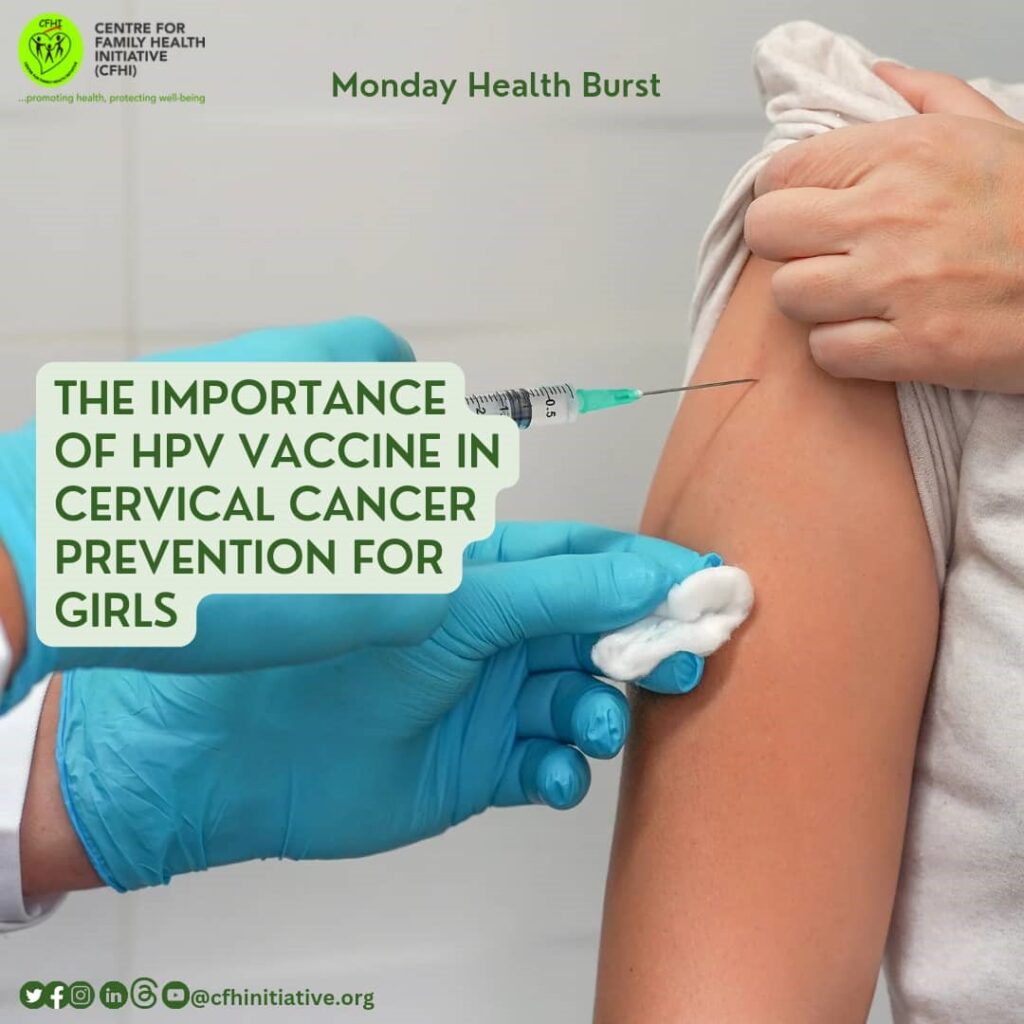
MONDAY HEALTH BURST ON THE IMPORTANCE OF HPV VACCINE IN CERVICAL CANCER PREVENGTION FOR GIRLS

Cervical cancer is one of the leading causes of cancer-related deaths among women globally, with the Human Papillomavirus (HPV) being the primary cause. Fortunately, advances in medical science have made cervical cancer largely preventable through the HPV vaccine. This vaccine plays a critical role in safeguarding girls’ health by preventing HPV infections, which can lead to cervical cancer and other related diseases.

HPV is a common virus, with more than 100 strains, out of which certain high-risk types like HPV-16 and HPV-18 are responsible for approximately 70% of cervical cancer cases. The virus is transmitted through skin-to-skin contact, primarily during sexual activity. Most HPV infections resolve on their own, but persistent infections with high-risk strains can cause abnormal changes in the cells of the cervix, eventually leading to cervical cancer.

Benefits of the HPV Vaccine for Girls

Preventing Cervical Cancer: The primary benefit of the HPV vaccine is its ability to prevent cervical cancer. By protecting against the high-risk HPV strains, the vaccine dramatically reduces the incidence of precancerous cervical lesions and, over time, cervical cancer itself. Countries that have achieved high vaccination coverage have observed declines of 73–85% in vaccine-type HPV prevalence, and declines of 41–57% in high grade lesions (cervical intraepithelial neoplasia, grade 2 or worse) among young women, less than 10 years after implementation of HPV vaccination.1

Protection Against Other Cancers: In addition to cervical cancer, the HPV vaccine also provides protection against other cancers caused by HPV, including cancers of the vagina, vulva, and oropharynx (throat). This broad protection further underscores the importance of the vaccine in promoting long-term health for girls.

Reducing Healthcare Burden: By preventing cervical cancer, the HPV vaccine helps to reduce the overall healthcare burden. Fewer cases of cervical cancer mean fewer medical treatments, surgeries, and long-term care needs, benefiting both individual families and healthcare systems.

For the HPV vaccine to have its full impact, it is essential to ensure that all girls have access to it, regardless of their socioeconomic status or location.

Many low- and middle-income countries face challenges in providing widespread access to the vaccine, but initiatives by governments, global health organizations, and non-governmental organizations (NGOs) are working to close this gap.

In 2023, CFHI took part in a training for Civil Society Organizations focused on integrating the Human Papillomavirus (HPV) vaccine into Nigeria’s Expanded Program on Immunization (EPI) schedule. After the training, CFHI with support from the National Primary Health Care Development Agency (NPHCDA) led several weeks of intensive community dialogue, training of community workers, sensitization, and referral efforts to promote HPV vaccine uptake in the Kuduru Community, Abuja. These efforts reached around 4,000 individuals, resulting in the successful mobilization of 2,300 girls for HPV vaccination in the Kurudu ward.

The HPV vaccine is a powerful tool in the fight against cervical cancer, offering girls protection against the virus that causes most cervical cancer cases. By getting vaccinated early, girls can significantly reduce their risk of developing cervical cancer, as well as other HPV-related cancers. With widespread adoption of the vaccine, we can move closer to a future where cervical cancer is a preventable disease, ensuring that girls grow up healthy, empowered, and free from the threat of this life-threatening condition.

It is vital for families, communities, and healthcare providers to work together in promoting HPV vaccination and addressing any misconceptions. Visit the nearest healthcare facility or reach out to the National Primary Health Care Development Agency for more details on HPV vaccination.

Reference:

  1. https://www.thelancet.com/journals/lancet/article/PIIS0140-6736(20)30068-4/fulltext


MONDAY HEALTH BURST ON THE IMPORTANCE OF HPV VACCINE IN CERVICAL CANCER PREVENGTION FOR GIRLS Read More »

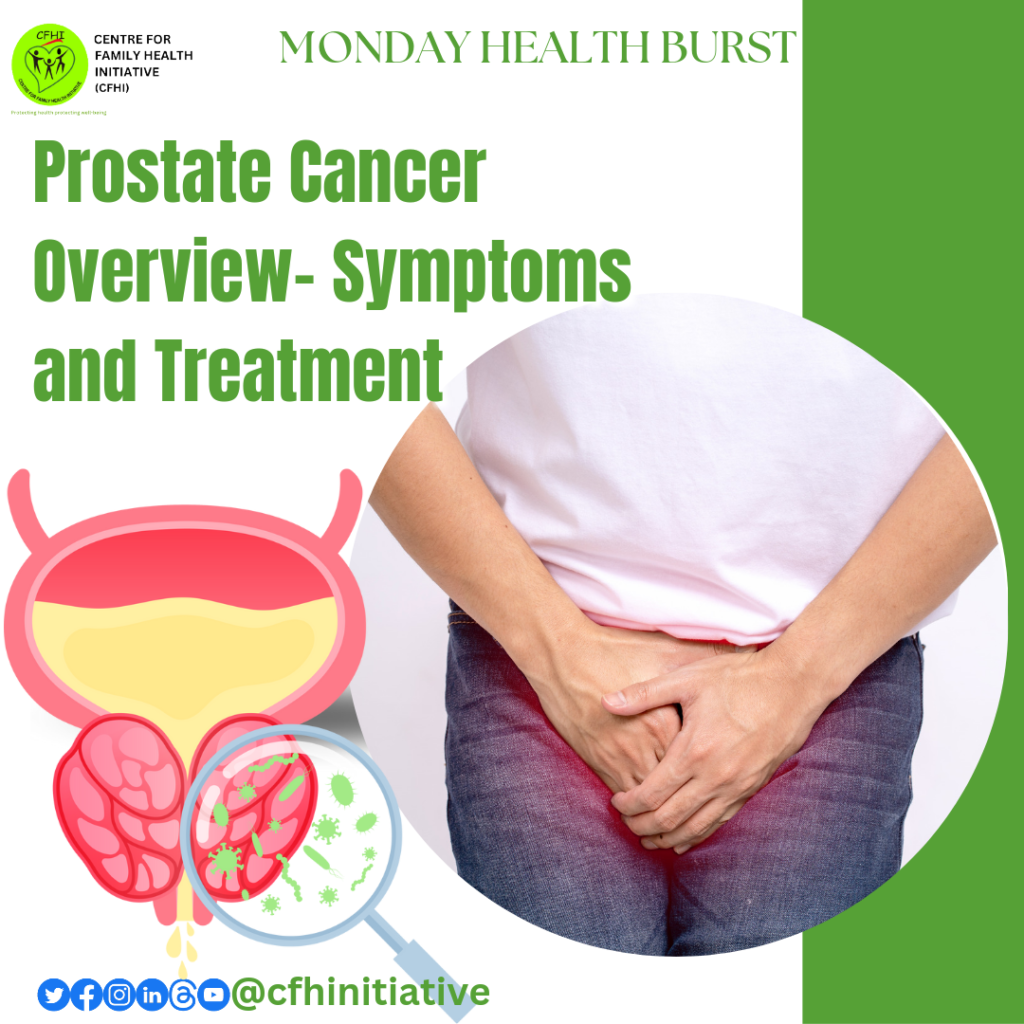
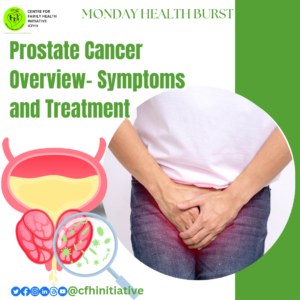
MONDAY HEALTH BURST ON PROSTATE CANCER OVERVIEW-SYMPTOMS AND TREATMENT

In Nigeria, prostate cancer is the most commonly diagnosed malignancy among men and a hospital prevalence of 182.5 per 100,000 male admissions was recorded in 2010 in Osun State.1

Prostate cancer is a type of cancer that develops in the prostate. Males have a little gland called the prostate that resembles a walnut that secretes seminal fluid, which feeds and carries sperm.

In it’s early stage, prostate cancer may not show any symptoms, but may result in indications and symptoms like: difficulty urinating, a weaker stream of pee, blood in the urine, blood in the semen, bone pain, weight loss without attempting, and erectile dysfunction when the cancer becomes advanced.2

Options for treating prostate cancer rely on a number of variables, including how quickly the disease is developing, if it has spread, your general health, and the potential advantages or disadvantages of the treatment. Some of the treatment options include; surgery to remove the prostate, radiation therapy, freezing or heating prostate tissue, and hormone therapy.

Around 1 in 8 males will receive a diagnosis of prostate cancer at some point in their life. However, only 1 in 41 of these will die as a result. This is because treatment is effective, especially in the early stages. Routine screening enables doctors to detect many cases of prostate cancer before they spread.

Individuals and organizations are encouraged to create awareness of the need for routine check-ups to prevent advanced-stage prostate cancer.

Monday Health Burst is an initiative of CFHI to address issues of basic health concern. Join us every Monday on all our social media platforms for more episodes.

#MondayHealthBurst #MensHealth #ProstateCancer


References: 

  1. https://afju.springeropen.com/articles/10.1186/s12301-019-0010-5 
  2. https://www.mayoclinic.org/diseases-conditions/prostate-cancer/symptoms-causes/syc-20353087


MONDAY HEALTH BURST ON PROSTATE CANCER OVERVIEW-SYMPTOMS AND TREATMENT Read More »

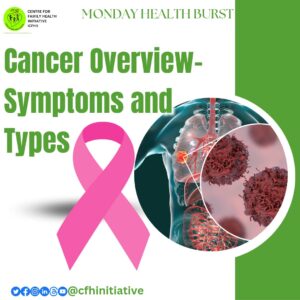
MONDAY HEALTH BURST ON CANCER OVERVIEW- SYMPTOMS AND TYPES


Cancer is a leading cause of death worldwide, accounting for nearly 10 million deaths in 2020, or nearly one in six deaths1. Cancer is a complex group of diseases characterized by the abnormal growth of cells that invade and destroy surrounding tissues. These cells can spread to other parts of the body, leading to serious complications if left untreated. While the exact cause of cancer is often multifactorial and not fully understood, certain risk factors, such as genetics, environmental exposures, lifestyle choices, and infections, can increase the likelihood of developing cancer.

The signs and symptoms of cancer can vary widely depending on the type and location of the disease. However, some general symptoms may indicate the presence of cancer, including:

Unexplained Weight Loss: Sudden and unexplained weight loss, especially without changes in diet or exercise habits, may be a warning sign of various cancers, such as pancreatic, stomach, or lung cancer.

Fatigue: Persistent fatigue or weakness that does not improve with rest can be a symptom of many types of cancer, as the body’s energy resources are diverted to fighting the disease.

Changes in Bowel or Bladder Habits: Changes in bowel or bladder habits, such as blood in the stool or urine, prolonged constipation or diarrhea, or changes in urinary frequency, can be indicative of colorectal, bladder, or prostate cancer.

Persistent Pain: Chronic pain that does not resolve with usual treatments or persists beyond the expected healing time may signal the presence of cancer, especially if it is localized to a specific area or worsens over time.

Lumps or Abnormalities: The presence of lumps, bumps, or swelling in the body, particularly in the breast, testicles, lymph nodes, or other soft tissues, should be promptly evaluated by a healthcare professional, as they can be early signs of cancer.

Changes in Skin: Changes in the size, shape, color, or texture of moles, freckles, or skin lesions, as well as the development of new growths or sores that do not heal, should be examined by a dermatologist to rule out skin cancer.

There are over 100 different types of cancer, each with its own unique characteristics, risk factors, and treatment approaches. Some common types of cancer include2:

Breast Cancer: Breast cancer forms in the cells of the breast tissue and can occur in both men and women. It is often detected through breast self-exams, mammograms, or clinical screenings.

Lung Cancer: Lung cancer develops in the tissues of the lungs and is strongly associated with smoking, although non-smokers can also develop the disease. Symptoms may include persistent cough, chest pain, and difficulty breathing.

Colorectal Cancer: Colorectal cancer affects the colon or rectum and typically develops from precancerous polyps. Screening tests such as colonoscopies can detect early-stage disease when treatment is most effective.

Prostate Cancer: Prostate cancer occurs in the prostate gland of men and is one of the most common cancers in males. Screening tests such as prostate-specific antigen (PSA) tests and digital rectal exams can help detect prostate cancer in its early stages.

Skin Cancer: Skin cancer develops in the cells of the skin and is often caused by exposure to ultraviolet (UV) radiation from sunlight or tanning beds. Early detection and treatment are crucial for preventing the spread of skin cancer to other parts of the body.

Cancer is a formidable adversary that requires a comprehensive understanding of its symptoms and types to facilitate early detection, diagnosis, and treatment. By recognizing the warning signs of cancer and undergoing regular screenings, individuals can take proactive steps to protect their health and improve their chances of survival. Additionally, ongoing research and advancements in cancer treatment offer hope for more effective therapies and improved outcomes for cancer patients in the future.

Monday Health Burst is an initiative of CFHI to address issues of basic health concern. Join us every Monday on all our social media platforms for more episodes. 

References
1 – https://www.who.int/news-room/fact-sheets/detail/cancer
2 – https://www.healthdirect.gov.au/cancer

MONDAY HEALTH BURST ON CANCER OVERVIEW- SYMPTOMS AND TYPES Read More »