
Health

MONDAY HEALTH BURST – VIRAL HEPATITIS IN NIGERIA

Viral hepatitis is one of the most communicable diseases in the world. It is spread through contaminated blood, intravenous drug abuse and sexual contact with an infected person. In highly endemic areas like sub-Saharan Africa and Asia, hepatitis B is most commonly spread from mother to child at birth (perinatal transmission). In addition, infection can occur during medical, surgical and dental procedures, tattooing, or through the use of razors and similar objects that are contaminated with infected blood. Annually, viral hepatitis affects 400 million people worldwide, causing acute and chronic liver diseases and killing about 1.5 million people (4,000 people daily), mostly from hepatitis B and C. Yet, it is entirely preventable.
Infection with hepatitis B virus (HBV) or hepatitis C virus (HCV) is the main cause of liver cancer. According to Centre for Disease Control (CDC), viral hepatitis causes 80% of all liver cancer deaths. In Nigeria, liver cancer is the second leading cause of cancer deaths, accounting for over 11,000 deaths yearly and 32 deaths every day. Liver cancer is less common among children and teenagers and more common with adults. The average age of occurrence in Nigeria is about 46 years compared to the developed world where the average age of occurrence is in the mid-60s. Also, liver cancer is more common in men with a male: female ratio of about 2 in 1 according to National Center for Biotechnology Information (NCBI). Liver cancer is rare in children and teenagers.

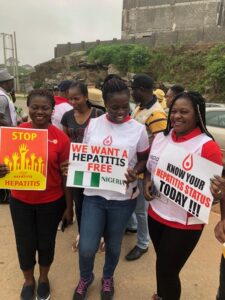
Every year, July 28 is marked as World Hepatitis Day (WHD). It is a day dedicated to increase the global awareness and understanding of viral hepatitis and the diseases that it causes. This is because research shows that with better awareness and application of its preventive measures, this life-threatening disease could be eliminated, and 4,000 lives could be saved daily.

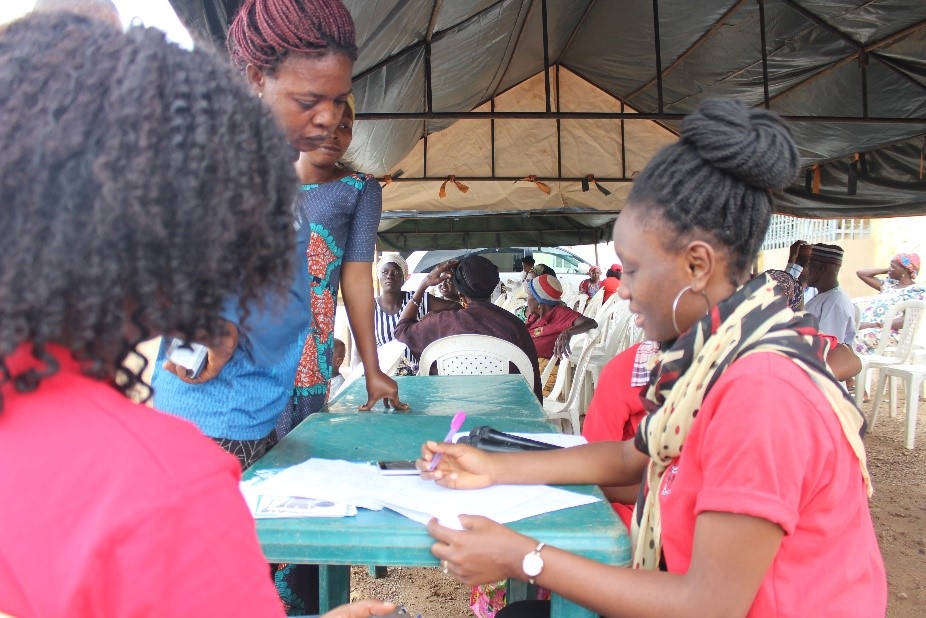
Centre for Family Health Initiative (CFHI) takes advantage of this special event annually to work towards eliminating viral hepatitis across different states in Nigeria. Aside awareness creation in communities by CFHI, other successful ways employed to curb this menace is to reach out to key populations in Abuja, Nasarawa and Imo states with sensitization programs, vaccination and referrals. These key populations include female sex workers, drug addicts, inmates in correctional centres, worship centres, and people living in hard-to-reach communities. CFHI also carries out street interviews to know the level of awareness of people towards hepatitis and has over the years reached out to over 1000 people.

During the sensitization campaigns, participants are shown different ways of preventing the transmission of viral hepatitis, which include avoiding sharing of needles and other items such as toothbrushes, razors or nail scissors, avoiding tattoos or body piercings from unlicensed facilities and screening of blood donation products, practicing safe sex by minimizing the number of partners and using barrier protective measures (condoms), reducing alcohol intake, obesity, and avoiding aflatoxin prone foods like tree nuts (almonds, cashews, and walnuts), peanut, rice, corn, dried fruits, cereals, among others.

During the street interviews by CFHI, about 40% of the respondents were unaware of what hepatitis really is, neither do they know the means of transmission and preventive measures; 30% agreed to have heard about hepatitis, but never cared much about it; 20% were either infected or affected by HBV or HCV; and 10% had proper knowledge of viral hepatitis and were vaccinated.

To significantly reduce the current hepatitis epidemic, screening and early diagnosis still remains a major tool in preventing transmission of viral hepatitis and other health problems that may result from viral hepatitis infection. There is need for massive awareness and widespread availability of these interventions. With CFHI already facilitating health education, screening as well as vaccination against hepatitis at the grassroots and among key populations, a larger number of persons in Nigeria will be reached with more support.

Follow us on all our social media handles for updates on the commemoration of World Hepatitis Day, 2022.

MONDAY HEALTH BURST – VIRAL HEPATITIS IN NIGERIA Read More »
Period Poverty_MHM

SPEAK WEDNESDAY – PERIOD POVERTY AND POOR EDUCATION

The backdrop in girls’ education due to lack of menstrual hygiene in Nigeria should no longer be gender issue, but of national concern.

The National Democracy and Health Survey in 2013 has shown that girls make up 60 per cent of the 110.5 million out-of-school children in Nigeria, and 1 in 10 African girls misses school due to their period, according to UNICEF. In order words, they could miss school for four days or more during which the period lasts, and since they cannot manage their period safely without a good sanitary product, such children are most likely to drop out of school in the long run. Moreso, the hike in menstrual products has left most Nigerian girls and young women with no choice but to use unclean napkins, tissue, leaves, newspapers, or nothing at all, during their menstruation.

The old African proverb says “educate a girl, educate a nation”. To curb this damaging menace caused by period poverty, the Nigerian government should borrow a Leaf from Kenya’s policy which introduced the right to free, sufficient and quality sanitary towels, and basic sanitation facilities for schoolgirls; treating access to sanitary pads as a basic human right. This and the total removal of tax on menstrual products will help to make the girl child stay in school during their monthly flow.

Like Michelle Obama rightly said, when girls are educated, their countries become stronger and more prosperous. It is time to embrace this fact and work towards creating a world where everyone irrespective of gender can thrive without limitations.

Speak Wednesday is an initiative of CFHI to address issues of gender-based violence and gender bias. Join us every Wednesday on all our social media platforms for more episodes.

#SpeakWednesday #MenstrualRightsAwareness #MenstrualHygiene #MenstrualEquality #GirlsInSchool #EquityAndJustice #MHDay2022 #WeAreCommitted
#reusablesanitarypad

SPEAK WEDNESDAY – PERIOD POVERTY AND POOR EDUCATION Read More »

SPEAK WEDNESDAY – PREDIABETES

PREDIABETES – YOUR CHANCE TO PREVENT TYPE 2 DIABETES

According to Centre for Disease Control (CDC), prediabetes is a serious health condition where blood sugar levels are higher than normal, yet not high enough to be diagnosed as type 2 diabetes. If one has prediabetes, it shows that the cells in the body do not respond normally to insulin. Hence, the pancreas makes more insulin to try to get cells to respond and eventually will not be able to keep up. The blood sugar then rises, setting the stage for prediabetes and type 2 diabetes.

Studies have shown that 1 in 3 American adults have prediabetes. In Nigeria, the prevalence of prediabetes is also high with hypertension emerging as the possible driving force. Though the exact cause of prediabetes is unknown, family history, genetics, lack of regular physical activity and being overweight with excess fat around the abdomen appear to be important factors. Other factors include ever having gestational diabetes (diabetes during pregnancy) or giving birth to a baby who weighed more than 9 pounds and having polycystic ovary syndrome.

Often times, one could be with prediabetes for years with no clear symptoms, so it often goes undetected until serious health problems such as type 2 diabetes show up. However, some people experience increased thirst, frequent urination, excess hunger, fatigue, blurred vision, and darkened skin on certain parts of the body (neck, armpits, elbows, knees and knuckles).

To reverse prediabetes, keep an active lifestyle by getting at least 150 minutes a week of brisk walking or a similar activity, avoid refined carbohydrates, cut back on sugar, eat healthy foods, drink less alcohol, get sufficient sleep, reduce food portion size. More so, periodic screening is key to detecting and reversing prediabetes. Simple Blood Sugar Test done in time could stop prediabetes from developing into type 2 diabetes, heart disease, and stroke.

SPEAK WEDNESDAY – PREDIABETES Read More »

HEALTH CONDITIONS ASSOCIATED WITH DRUG ABUSE

The Diagnostic and Statistical Manual of Mental Disorders fourth edition (DMS-4) defines drug abuse as “a maladaptive pattern of substance use leading to clinically significant impairment or distress.” Drug abuse also known as substance abuse refers to the use of certain chemicals to create pleasurable effects on the brain. Drugs most often used include alcohol, amphetamines, cannabis, cocaine, hallucinogens, and opioids.

Globally, some 35 million people are estimated to suffer from drug use disorder according to the latest World Drug Report, released by the United Nations Office on Drugs and Crime (UNODC). The report also estimates the number of opioid users at 53 million, up 56 per cent from previous estimates, and that opioids are responsible for two-thirds of the 585,000 people who died as a result of drug use in 2017. According to a survey led by Nigeria’s National Bureau of Statistics (NBS) and the Center for Research and Information on Substance Abuse, over the past year alone, nearly 15% of the adult population in Nigeria (around 14.3 million people) reported a “considerable level” of use of psychoactive drug substances—it’s a rate much higher than the 2016 global average of 5.6% among adults. It showed the highest levels of drug use were recorded among people aged between 25 to 39, with cannabis being the most widely used drug.

Addiction to any substance, whether legal or illegal, can in some cases lead to serious health conditions. The effects of drug abuse according to Medical News Today 2018 publication, depend on the type of drug, any other substances that a person is using, and their health history. Abusing a drug, or misusing prescription medication, can produce other short-term effects, such as changes in appetite, sleeplessness or insomnia, increased heart rate, slurred speech etc. On the other hand, experts have linked chronic drug use with the following health conditions:

  • Cardiovascular disease: Stimulants, such as cocaine and methamphetamines, can damage the heart and blood vessels. The long-term use of these drugs can lead to coronary artery disease, arrhythmia, and heart attack.
  • Respiratory problems: Drugs that people smoke or inhale can damage the respiratory system and lead to chronic respiratory infections and diseases.
  • Kidney damage: The kidneys filter excess minerals and waste products from the blood. Heroin, ketamine and synthetic cannabinoids can cause kidney damage or kidney failure.
  • Liver disease: Chronic drug and alcohol use can damage the liver cells, leading to inflammation, scarring, and even liver failure.
  • Overdose: Taking too much of a drug or taking multiple drugs together can result in an overdose.

Drug addiction is treatable and starts with detox under medical supervision. Family and friends can begin the healing process through group therapy, counselling, and talking to others in peer support groups or meetings and drug addiction forums.

HEALTH CONDITIONS ASSOCIATED WITH DRUG ABUSE Read More »

Men’s Reproductive Health

Reproductive health is an important component of men’s overall health and well-being. Too often, males have been overlooked in discussions of reproductive health, especially when reproductive issues such as contraception and infertility have been perceived as female-related. Every day, men, their partners, and health care providers can protect their reproductive health by ensuring effective contraception, avoiding sexually transmitted diseases (STDs), and preserving fertility (National Institute of Child Health and Human Development, 2016). The recognized most common issues of male’s reproductive health are Contraception, avoiding sexually transmitted diseases and Infertility/fertility. One may ask why Men’s Reproductive Health is a matter of concern. According to Cummings (2020), research shows that a man’s health before conception can damage sperm in such a way that it affects his offsprings’ health. This may include behaviours such as alcohol and drug use, smoking and lifestyle choices, medications or his exposure to chemicals at home, work, and in the environment. There is increasing evidence that damaged sperm can affect pregnancy outcomes, from miscarriage and birth weight to birth defects and childhood illnesses. There is a growing body of study which is focused on damage in spermatozoa and the effects of ageing on male reproductive health. According to Selvaratnam and Robaire (2019) Deoxyribonucleic acid (DNA)-damaged sperm is the cause of conditions ranging from spontaneous abortion to congenital malformations and genetic defects in children. it is important to pay more attention to men’s reproductive health because it has the potential to improve men’s lives and the lives of their children (Cummings, 2020).  Men can boost their reproductive health by having a healthy lifestyle and maintaining a balanced diet. This may include among others exercising regularly, getting enough vitamin C & D, relaxing and minimizing stress, getting enough zinc, quitting smoking and excessive drinking etc. Society can foster an environment where men pay better attention to their health by raising awareness towards acknowledging first that men have certain reproductive health needs and secondly that these needs need to be catered to. Also, Federal health agencies and professional medical associations can develop Information, Education and Communication (IEC) materials to educate the public about men’s health and how it can potentially affect their children’s health.   Truly as stated by Cummings, paying more attention to men’s reproductive health has the potential to improve life for this generation and for generations to come.

Men’s Reproductive Health Read More »

MEN’S MENTAL HEALTH

Men's Mental Health

Mental health refers to cognitive, behavioural, and emotional well-being. It is all about how people think, feel, and behave. People sometimes use the term “mental health” to mean the absence of a mental disorder. According to the World Health Organization (WHO): “Mental health is a state of well-being in which an individual realizes his or her own abilities, can cope with the normal stresses of life, can work productively, and is able to make a contribution to his or her community.” Mental and behavioural disorders affect people of all countries and societies, regardless of age, gender and income and it is not uncommon in Nigeria, yet there is still considerable neglect of mental health, and those who visibly suffer from mental illness are largely stigmatized. With an estimated population of 200 million Nigerians, human resources for mental health are scant at best. The stigma and lack of awareness around mental health produce particularly marked results for men. It is an important yet overlooked health concern. According to Mental Health Foundation (2020), “Men are often expected to be the breadwinners and to be strong, dominant and in control. While these aren’t inherently bad things, they can make it harder for men to reach out for help and open up. Some research also suggests that men who can’t speak openly about their emotions may be less able to recognize symptoms of mental health problems in themselves, and less likely to reach out for support”. So, due to a number of factors including social norms, upbringing and the role models men are presented with, some men’s mental health issues have gone unrecognized for a long time. Worldwide, even though more women are reported to suffer depression than men, men are more likely to die by suicide compared to women. Nigerian men, like many across the world, often bottle up emotions that cause mental stress. These often lead to taking up unhealthy ways of dealing with stress such as smoking, drinking excessively or compulsive spending. (Nigeria Health Watch, 2020). According to a 2019 Mental Help publication, a range of factors can contribute to the development of mental health issues in men, such as:
  • Substance abuse: Men may be more likely to use drugs or alcohol as a means of coping with mental health issues, though such ‘self-medication’ can make things worse in the long run.
  • Poor working conditions or a high workload: Work stress and a lack of social support have been associated with a higher likelihood of mental health issues in men.
  • Traditional gender roles: This can include feeling pressure to be a provider or societal norms that discourage men from talking about their feelings.
  • Financial issues: Economic factors are a top cause of stress for many people and could play a role in the development of certain mental health disorders.
  • Loss of work: Unemployment and retirement are associated with an increased risk of depression in men. One in 7 men who lose their jobs become depressed.
  • Separation and divorce: Often, men tend to see themselves as being providers and the ones to keep the family happy. Depression is more prevalent and more severe among divorced men.
As a society, it is important that we increase awareness on mental health, especially for men-changing those traditional beliefs that come with mental health issues by breaking down the stigma around this topic. It is also critical to encourage men to be able to ask for help as it doesn’t in any way belittle their masculinity and the need for more safe spaces for men to talk about their mental health struggles be encouraged.

MEN’S MENTAL HEALTH Read More »

Speak Wednesday

WOMEN AND GIRLS, HIV/AIDS

WOMEN AND GIRLS, HIV/AIDS

HIV (Human Immunodeficiency Virus) is a sexually transmitted infection (STI) which can be transmitted through contact with infected blood, semen or vaginal fluids.

According to AVERT (2020), since the start of the global HIV epidemic, women in many regions have been disproportionately affected by HIV. Today, women constitute more than half of all people living with HIV, and AIDS-related illnesses remain the leading cause of death for women aged between 15 and 49. Young women (aged 15-24), and adolescent girls (aged 10-19) in particular, account for a disproportionate number of new HIV infections. In 2017, 7,000 adolescent girls and young women became HIV-positive. This is a far higher rate than new infections among young men, with young women twice as likely to acquire HIV as their male peers.

Also AVERT (2020) states that in sub-Saharan Africa, despite making up just 10% of the population, one out of every five new HIV infections happens among adolescent girls and young women. In the worse-affected countries, 80% of new HIV infections among adolescents are among girls, who are up to eight times more likely to be living with HIV than adolescent boys. It is estimated that around 50 adolescent girls die every day from AIDS-related illnesses. Nigeria has the second largest HIV epidemic in the world. Although HIV prevalence among adults is much less (1.3%) than other sub-Saharan African countries such as South Africa (19%) and Zambia (11.5%), the size of Nigeria’s population means 1.8 million people were living with HIV in 2019. According to United Nations AIDS (UNAIDS), Nigeria has the second largest HIV epidemic in the world and one of the highest rates of new infection in sub-Saharan Africa.

In the article “How does HIV/AIDS affect women” by the National Institute of Child Health and Human Development (2017), HIV disproportionately affects women and girls because of their unequal cultural, social and economic status in society. HIV is most often spread through sex. Women may be at greater risk of being infected with HIV during sexual contact than men are. This is because the fragile tissues of the female ex organ can tear slightly during sex and let the virus enter the body. (This is especially likely among girls under age 18.) Studies show that the female sex organ due its large surface is easily exposed to the virus, thus increasing risk of infection and most women around the world who have HIV were mostly infected through sex with a man.

Furthermore, unaccommodating attitudes towards sex outside of marriage and the restricted social autonomy of women and young girls can reduce their ability to access sexual health and HIV services. Other factors as opined by AVERT (2020) which have contributed to this disparity include; poverty, lack of access to education, gender-based violence, “sugar-daddy culture” and transactional sex, child marriage, etc. Intimate partner violence, inequitable laws and harmful traditional practices reinforce unequal power dynamics between men and women, with young women particularly disadvantaged. HIV is not only driven by gender inequality, but it also entrenches gender inequality, leaving women more vulnerable to its impact.

A call for new approaches to reducing HIV rates among women is highly encouraged at this stage. Firstly, more efforts should be geared towards a universal access to sexual and reproductive health for women and girls. Secondly, increased public awareness campaigns for gender equality that stigmatize violence and discrimination against women and girls and the use of female-controlled prevention methods should be encouraged.

However, CFHI through her HIV/AIDS based programs and its social media platforms has continually advocated and still continues to advocate for the Sexual and Reproductive Health and Rights (SRHRs) of women and girls whilst providing and catering to the special needs of women and girls with HIV/AIDS and Orphans and Vulnerable Children in the society.


Speak Wednesday is an initiative of Centre for Family Health Initiative (CFHI) to address issues around gender-based violence and gender bias. Join us every Wednesday on all our social media platforms for more interesting episodes.

Speak Wednesday Read More »

SPEAK WEDNESDAY

THE IMPORTANCE OF THE FAMILY UNIT IN THE SOCIETY

Happy Family

A family is a basic unit of study in many medical and social science disciplines. Definitions of the family have varied from country to country, and also within the country all attempting to either include or exclude certain characteristics to better portray the universal concept. The UN however gives a simplified definition of the Family as “those members of the household who are related to a specified degree, through blood, adoption or marriage.” The family as an integrated and functional unit of society has for a considerable period of time captured the attention and imagination of researchers. Reflection of the interaction system between individual and family, family and society as well as the specific activities that meet certain needs of its members is what we refer to as the function of the family. The family as a social institution is organically connected with society, and therefore some functions directly related to the requirements of the society itself. (Elizabeth. S., 2018). A functional understanding of the family thus stresses how the family as a social institution helps make society possible. As such, the family performs several important functions.

Firstly, the family is the primary unit for socializing children. No society is possible without adequate socialization of its young. In most societies, the family is the major unit in which socialization happens. Parents, siblings, etc., all help socialize children from the time they are born. It is the character developed in the family that helps the child in becoming an important or responsible member of society. Psychologists opine that the absence of family affection has a serious impact on a child’s development and inadvertently the society’s development and way of life. Secondly, the household (economic) function of the family is also amongst the most important. It is aimed at satisfying its material needs (food, shelter, etc). The function contributes to the physical strengths and health preservation of all family group members. Thirdly, the family provides its members with a social identity. Children are born into their parents’ social class, race and ethnicity, religion, and so forth. Some children have advantages throughout life because of the social identity they acquire from their parents, while others face many obstacles because the social class or race/ethnicity into which they are born is at the bottom of the social hierarchy. (UMN, 2016).

Family life is very multifaceted. Each function of the family is social. The social nature of the family is determined primarily by the fact that the family is the unit of society first of all. As a result of family functions, the vital needs not only of family members but also of society as a whole are satisfied. The International Federation for Family Development (IFFD) states that No entity can fully replace the functions families perform for the benefit of their members and the good of society. “The family is the most powerful, the most humane and, by far, the most economical system known for building competence and character.”

The Centre for Family Health Initiative (CFHI) is committed to the promotion of health and protection of the well-being of families in Africa. We are driven by a vision of healthy families, healthy societies. Over the years, through funded projects and individual donations we have deployed several community-driven and family centred health interventions, encompassing socio-economic empowerment of women and youths – assisting them to take care of their families. Some of these projects include providing women with non-interest loans and startup kits, provision of educational and medical support, food items, skill acquisition and startup kit to Orphans and Vulnerable Children (OVC) children, maternal and child health trainings for pregnant and lactating mothers, amongst many others.

Speak Wednesday is an initiative of Centre for Family Health Initiative (CFHI) to address issues around gender-based violence and gender bias. Join us every Wednesday on all our social media platforms for more interesting episodes.

SPEAK WEDNESDAY Read More »

MONDAY HEALTH BURST

ANXIETY DISORDER – CAUSES, SYMPTOMS AND TREATMENT

Anxiety is a normal reaction to stress and can be beneficial in some situations. It can alert us to dangers and help us prepare and pay attention. However, when a person regularly feels disproportionate levels of anxiety, it might become a medical disorder. Anxiety disorder is a mental health disorder characterized by feelings of worry, anxiety or fear that are strong enough to interfere with one’s daily activities. The excessive anxiety can make you avoid work, school, and other social situations that might trigger or worsen the symptoms.

Anxiety disorders form a category of mental health diagnoses that lead to excessive nervousness, fear, apprehension and worry. These disorders alter how a person processes emotions and behave, also causing physical symptoms. Mild anxiety might be vague and unsettling, while severe anxiety may seriously affect day-to-day living.

The causes of anxiety disorders are not fully understood. Researchers are yet to know exactly what brings on anxiety disorders. A complex mix of things play a role in who does and does not get one. Life experiences such as traumatic events appear to trigger anxiety disorders in people who are already prone to anxiety. Inherited treats can also be a factor. Some causes of anxiety disorders are:

  • Genetics – Anxiety disorders can run in families.
  • Brain chemistry – Research suggests anxiety disorders may be linked to faulty circuits in the brain that control fear and emotions.
  • Environmental stress – This refers to stressful events you have seen or lived through. Life events often linked to anxiety disorders include childhood abuse and neglect, a death of a loved one, being attacked or witnessing violence.
  • Drug withdrawal or misuse – Certain drugs may be used to hide or decrease certain anxiety disorder. Anxiety disorder often goes hand in hand with alcohol and substance use.
  • Medical conditions – Some heart, lung, and thyroid conditions can cause symptoms similar to anxiety disorders or make anxiety symptoms worse. It is important to get a full physical exam to rule out other medical conditions when talking to your doctor about anxiety.

Anxiety disorders are characterized by a variety of symptoms. One of the most common is excessive and intrusive worrying that disrupts daily functioning, other signs include agitation, restlessness, fatigue, difficulty concentrating, irritability, tense muscles and trouble sleeping. Anxiety disorder can be debilitating, but they can be managed with proper help from a medical professional. Recognizing the symptoms is the first step.

Once one is diagnosed with anxiety disorder, it is important to explore treatment options with a doctor. For some people, medical treatment is not necessary. Lifestyle changes may be enough to cope with the symptoms. Treatment for anxiety disorder falls into two categories: psychotherapy and medication. Meeting with a therapist or psychologist can help learn tools to use and strategies to cope with anxiety when it occurs.

Medications typically used to treat anxiety disorder include antidepressants and sedatives. They work to balance brain chemistry, prevent episodes of anxiety, and ward off the most severe symptoms of the disorder.

Monday Health Burst is an initiative of CFHI to address issues of basic health concerns. Join us every Monday for more interesting episodes.


MONDAY HEALTH BURST Read More »

MONDAY HEALTH BURST

DEMENTIA – CAUSES, SYMPTOMS, AND TREATMENT

Dementia, also called neurocognitive disorder, is a collective term used to describe various symptoms of cognitive decline. Dementia is not a single disease in itself, but a general term to describe the loss of cognitive functioning – thinking, remembering and reasoning and behavioral abilities to such an extent that it interferes with a person’s daily life and activities. These functions include memory, language skills, visual perception, problem solving, self-management and the ability to focus and pay attention. Some people with dementia find it difficult to control their emotions, and their personalities may change.

Dementia ranges in severity from the mildest stage, when it is just beginning to affect a person’s functioning, to the most severe stage, when the person must depend completely on others for basic activities for living.

The causes of dementia can vary, depending on the types of brain changes that may be taking place. Alzheimer’s disease is the most common cause of dementia. Alzheimer is characterized by “plaques” between the dying cells in the brain and “tangles” within the cells (both are due to protein abnormalities). The brain tissue in a person with Alzheimer’s has progressively fewer cells and connection and the total brain size shrink. Other causes of dementia include;

  • Vascular disorders. These conditions affect the blood circulation in the brain.
  • Traumatic brain injuries caused by car accidents, falls, concussions etc.
  • Infections of the central nervous system. These include meningitis, HIV
  • Long-time alcohol or drug use

Symptoms of dementia can vary greatly. Many conditions are progressive, which means that the signs of dementia start out slowly and gradually get worse. Possible symptoms of dementia compiled and published by the American Academy of Family Physicians (AAFP) include;

  • Recent memory loss- a sign of this might be asking the same question repeatedly
  • Difficulty completing familiar tasks
  • Problems communicating – difficulty with language; forgetting simple words or using the wrong ones.
  • Disorientation
  • Problems with abstract thinking
  • Misplacing things
  • Mood changes

Treatment of dementia depends on its cause. In the case of most progressive dementias, including Alzheimer’s disease, there is no cure and no treatment that slows or stops its progression. But there are drug treatments that may temporarily improve symptoms. The same medications used to treat Alzheimer’s are among the drugs sometimes prescribed to help with symptoms of other types of dementias. Non-drug therapies can also alleviate some symptoms of dementia.

Monday Health Burst is an initiative of CFHI to address issues of basic health concerns. Join us every Monday for more interesting episodes.


MONDAY HEALTH BURST Read More »