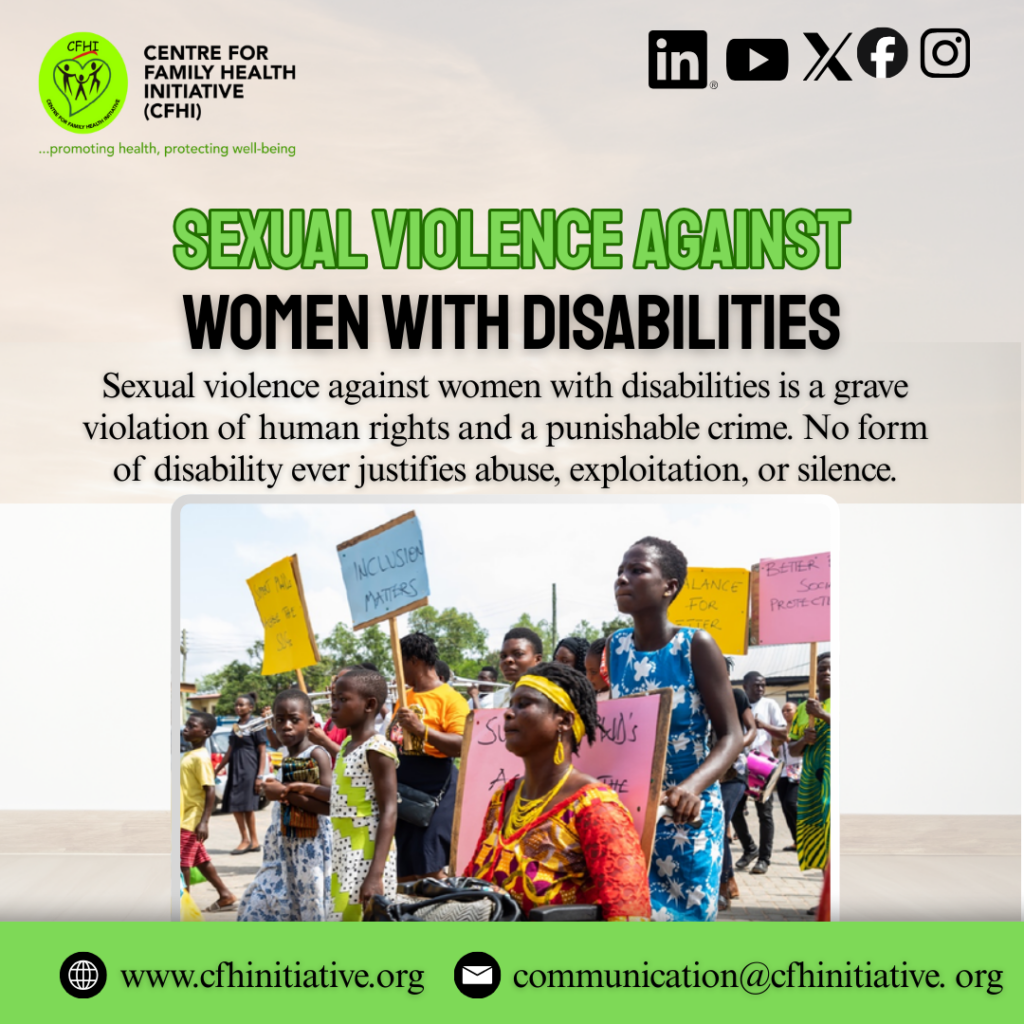
Sexual Violence Against Women with Disabilities
Sexual violence against women with disabilities is a deeply troubling yet often overlooked dimension of gender-based violence that intersects with ableism, discrimination, and social neglect. Evidence shows that women with disabilities face a significantly higher risk of sexual violence compared to women without disabilities, in part because of societal attitudes that devalue their autonomy and normalize their marginalization. Research indicates that women with any form of disability may experience sexual violence at roughly double the rate of women without disabilities over their lifetimes, with heightened vulnerability among those with multiple or cognitive disabilities [1]. In some settings, women with disabilities are disproportionately likely to be victims of rape and other forms of coerced sexual contact, underscoring the urgent need to recognize their specific risks and experiences as part of broader violence prevention efforts [2].
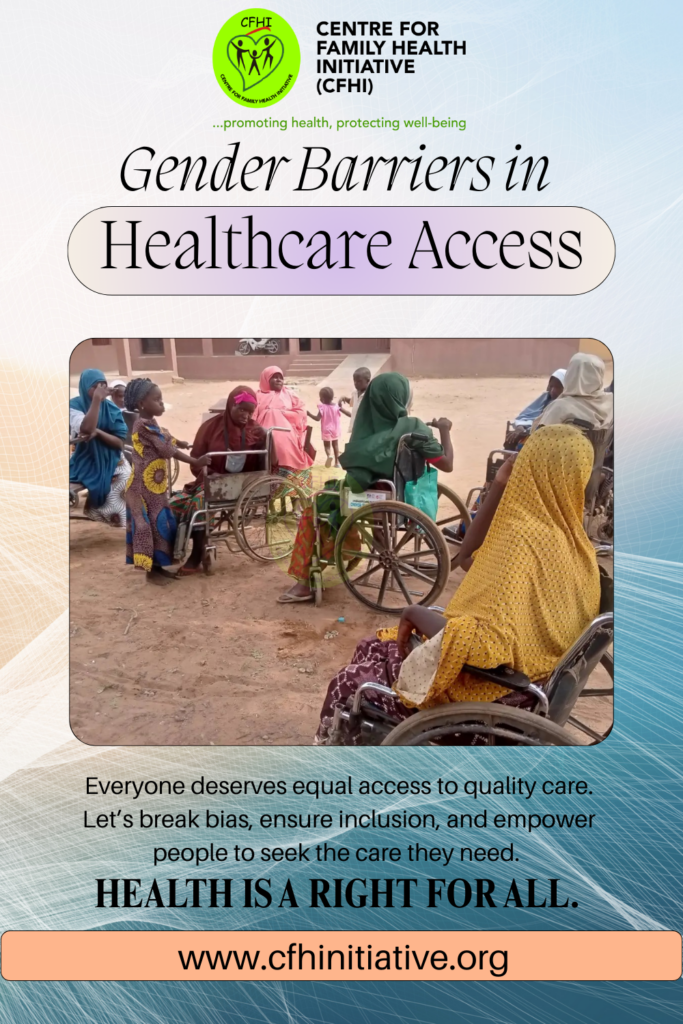
The vulnerability of women with disabilities to sexual violence is driven by multiple factors including dependency on caregivers or partners for daily needs, limited mobility or communication barriers, and pervasive myths that deny their sexual agency and rights. These conditions not only increase exposure to abuse but also make it harder for survivors to report violence or access support services due to fear, shame, or lack of accessible reporting mechanisms. Global research highlights that women with disabilities are more likely to face not only sexual violence but also emotional and physical abuse, with long-term impacts on physical and mental health, autonomy, and quality of life [3]. The Office of the United Nations High Commissioner for Human Rights has repeatedly called attention to the disproportionate risk of violence faced by women with disabilities and the necessity for better data, inclusive services, and tailored policies to protect their rights [4].
In Nigeria, too, gender-based violence is addressed under laws such as the Violence Against Persons (Prohibition) Act 2015, which aims to eliminate all forms of violence against individuals, including sexual violence. While such legal frameworks exist, enforcement, awareness, and protection for women with disabilities remain inconsistent, with many survivors still falling through gaps in reporting, healthcare, and justice systems [5]. It is therefore critical for policymakers, health systems, community leaders, and service providers to mainstream disability-inclusive approaches that recognize the intersecting vulnerabilities that these women face.
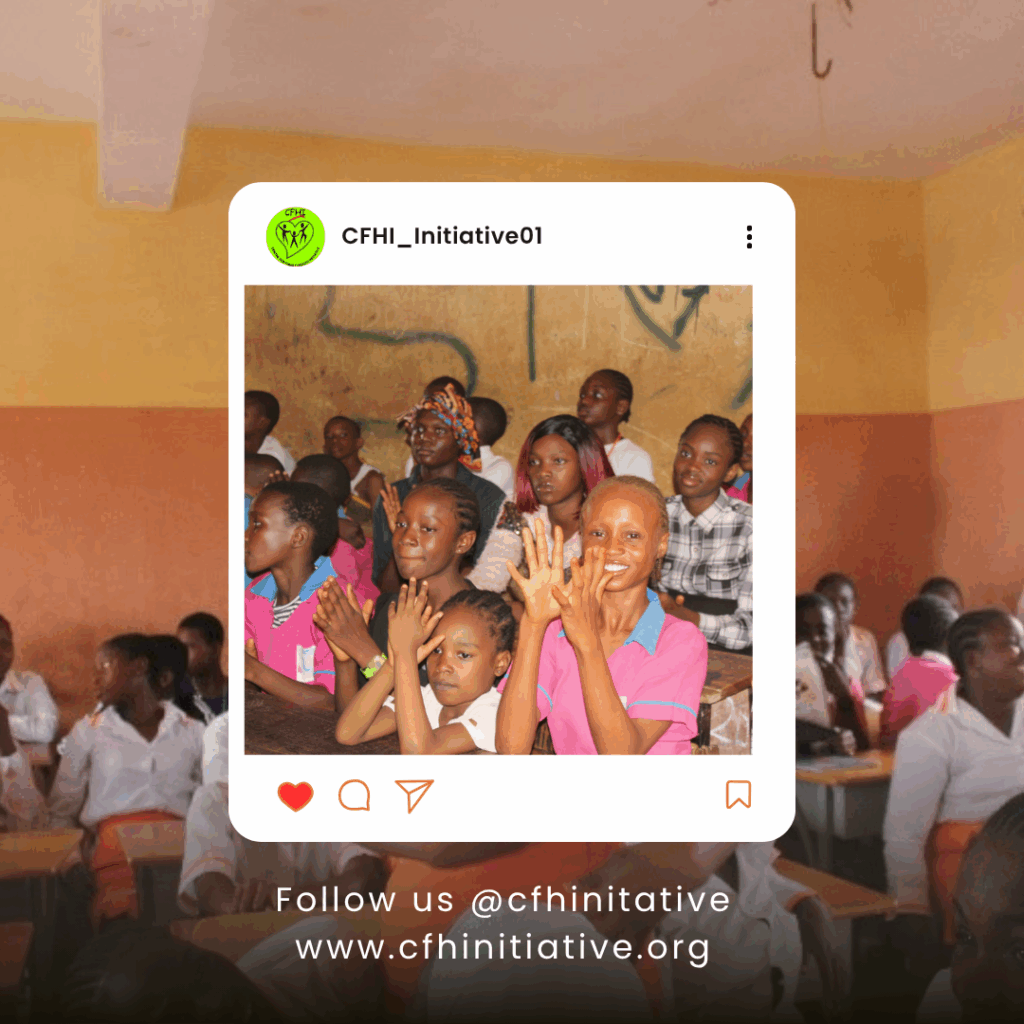
At the Centre for Family Health Initiative (CFHI), addressing violence against women especially among vulnerable populations like women with disabilities is integral to our community health work. CFHI integrates gender-based violence awareness and response into school and community engagements, ensuring that information on rights, reporting pathways, and support services reaches diverse audiences. Through partnerships with health facilities, community leaders, and referral networks, CFHI also supports safe and confidential reporting channels, linking survivors to medical care, psychosocial support, and legal aid where available. By advocating for inclusive prevention strategies and survivor-centred responses, CFHI reinforces that violence against women with disabilities is not inevitable it is preventable and must be confronted collectively.
Ending violence against women with disabilities requires an intersectional approach that dismantles harmful social norms, strengthens legal protections, and ensures that services are accessible and responsive to the unique needs of survivors. Education and awareness campaigns must challenge myths about disability and sexuality, while community-level prevention programmes should promote respect, consent, and equality for all women regardless of ability. Health workers, educators, and law enforcement must be trained to recognise and respond to sexual violence sensitively and without bias. Importantly, women with disabilities themselves should be engaged as leaders in advocating for change, ensuring that policies and interventions are shaped by their lived experiences.
The fight against sexual violence is not only a matter of law or policy it is a moral imperative rooted in human rights, dignity, and justice. As communities, governments, and organisations, we must commit to creating environments where vulnerable women anf girls can live free from the threat of violence, access support without barriers, and assert their rights with confidence and respect.
References
- Centers for Disease Control and Prevention. Sexual Violence and Intimate Partner Violence Among People with Disabilities. Available from: https://www.cdc.gov/sexual-violence/about/sexual-violence-and-intimate-partner-violence-among-people-with-disabilities.html (CDC)
- Z. C. et al. Sexual Violence Against Women With Disabilities: Experiences With Force and Lifetime Risk. American Journal of Preventive Medicine (lifetime risk higher among women with disabilities). (Reddit)
- Health and Socioeconomic Determinants of Abuse among Women with Disabilities. International Journal of Environmental Research and Public Health (higher prevalence and lower escape rates). (MDPI)
- World Health Organization. WHO calls for greater attention to violence against women with disabilities and older women. WHO. (World Health Organization)
- Violence Against Persons (Prohibition) Act 2015 (Nigeria). Available from: https://en.wikipedia.org/wiki/Violence_Against_Persons_%28Prohibition%29_Act_2015 (en.wikipedia.org
Sexual Violence Against Women with Disabilities Read More »