Female Roles in Nation Building

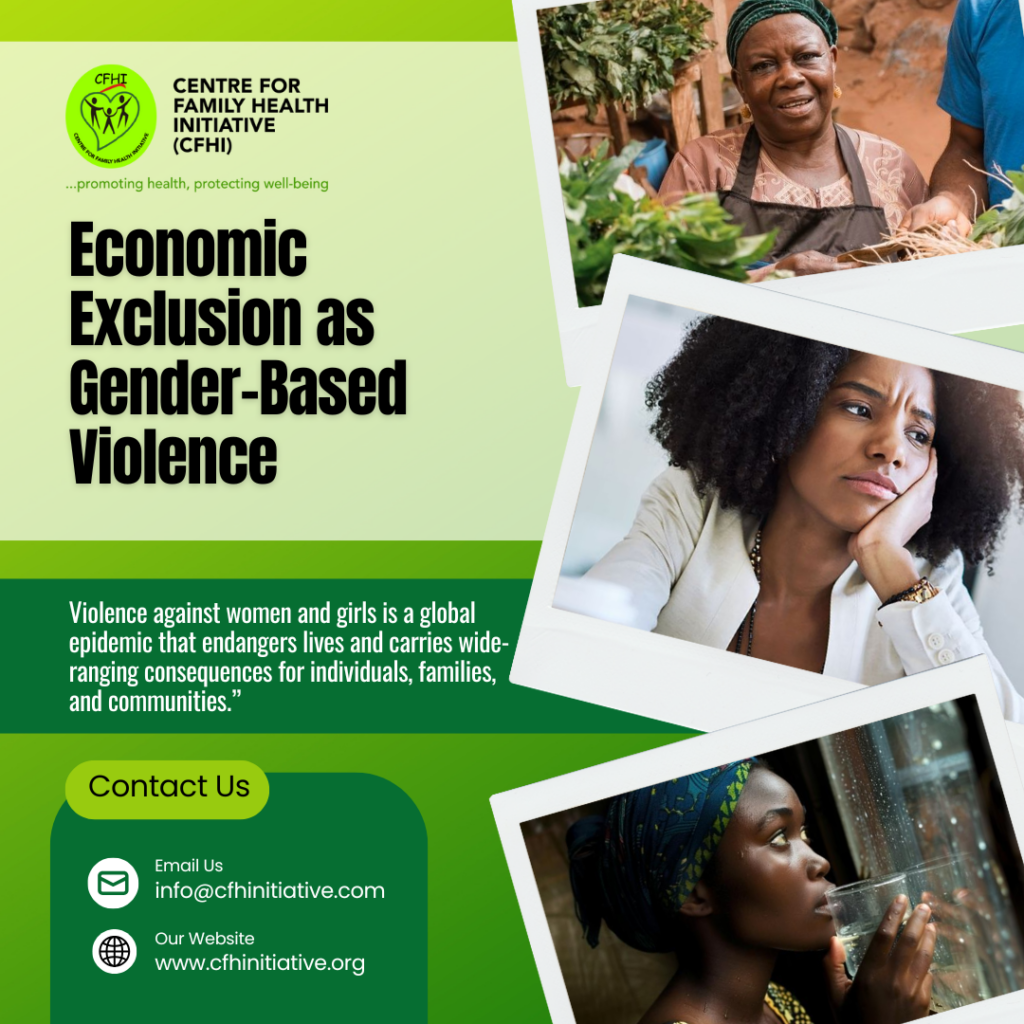
Economic Exclusion as Gender-Based Violence

Gender-based violence (GBV) is most often associated with physical or sexual abuse. However, economic exclusion – the systematic denial of women’s access to jobs, income, assets, and economic decision-making is itself a form of violence that harms individuals, families, and societies. When women are excluded from economic opportunities, the impact goes far beyond loss of income; it restricts freedom, autonomy, safety, and long-term development (1).

At its core, GBV includes economic abuse, where financial control is used as a tool of power and coercion. Economic violence may involve denying women access to money, preventing them from working, confiscating earnings, or restricting access to education and financial resources, forcing dependency and disempowerment (1). In many contexts, economic abuse is one of the most widespread yet least recognized forms of gender-based violence.

Economic exclusion is sustained by discriminatory laws, weak institutional protections, and unequal social norms. Globally, over 2.7 billion women live in countries where laws restrict the types of jobs they can do, and at least 43 economies still lack legislation addressing workplace sexual harassment, creating unsafe and unequal labor environments (2).

Intimate partner violence which frequently includes economic abuse affects approximately one in three women worldwide, limiting their ability to earn, save, and participate fully in public and economic life (3). In South Africa, studies indicate that one in eight adult women has experienced economic abuse, including being deliberately deprived of money or access to financial resources by a partner (4).

The consequences extend beyond individuals to national economies. Gender-based violence, including its economic dimensions, has measurable effects on productivity and growth. Evidence suggests that GBV can cost countries between 1–2% of Gross Domestic Product (GDP) due to absenteeism, reduced productivity, healthcare costs, and forced withdrawal from the workforce (5).

In Nigeria, the economic cost of gender-based violence is estimated at approximately USD 3 billion annually, equivalent to about 1% of the nation’s GDP, underscoring the scale of economic loss linked to women’s exclusion and abuse (6).

Economic exclusion intersects with social norms that treat women as inferior, dependent, or secondary earners. When women lack control over income, are denied access to employment, or are discouraged from education and financial decision-making, the result is structural violence a normalized and persistent denial of rights and well-being.

This exclusion is not accidental; it is deeply rooted in patriarchal systems and discriminatory practices that limit women’s autonomy and participation. The World Bank has emphasized that violence against women undermines economic growth and damages communities and future generations by restricting women’s productive potential (7).

Experts have consistently highlighted both the human and economic costs of this form of violence. According to the World Bank:

“Violence against women and girls is a global epidemic that endangers lives and carries wide-ranging consequences for individuals, families, and communities.” (7)

Research further shows that economic abuse and exclusion lead to long-term psychological harm, loss of independence, and restricted life opportunities for women and girls. Conversely, policies that promote women’s economic empowerment are associated with reduced exposure to GBV and increased participation in education, employment, and leadership (8).

Ending economic exclusion as a form of gender-based violence requires deliberate and sustained action, including:

  • Strong legal protections guaranteeing equal work rights, pay equity, and safeguards against economic abuse.
  • Transformation of harmful social norms that portray women as dependents rather than economic actors.
  • Targeted economic empowerment initiatives that expand women’s access to education, finance, and entrepreneurship.
  • Inclusive workplace policies that ensure safety, fair remuneration, and career advancement for women

Economic exclusion is not merely an economic challenge it is a human rights violation. Recognizing it as a form of gender-based violence strengthens advocacy, accountability, and policy responses, and is essential to building societies where women can live, work, and thrive free from coercion and inequality.

References

  1. Women’s World Banking. What is economic violence against women and why does it matter? Available from:
    https://www.womensworldbanking.org/insights/what-is-economic-violence-against-women-and-why-does-it-matter/
  2. UN Women. Facts and figures: Women’s economic empowerment. Available from:
    https://knowledge.unwomen.org/en/articles/facts-and-figures/facts-and-figures-economic-empowerment
  3. Asia-Pacific Economic Cooperation (APEC). Violence against women: An overlooked economic barrier. Available from:
    https://www.apec.org/press/blogs/2025/violence-against-women–an-overlooked-economic-barrier
  4. Independent Online (IOL). Economic abuse: The most common yet overlooked form of GBV in South Africa. Available from:
    https://iol.co.za/mercury/2025-07-02-economic-abuse-the-most-common-yet-overlooked-form-of-gender-based-violence-in-south-africa/
  5. International Monetary Fund. How domestic violence is a threat to economic development. Available from:
    https://www.imf.org/en/blogs/articles/2021/11/24/how-domestic-violence-is-a-threat-to-economic-development
  6. The Whistler Newspaper. Nigeria loses estimated $3bn annually to gender-based violence. Available from:
    https://thewhistler.ng/nigeria-loses-estimated-3-0bn-annually-to-gender-based-violence/
  7. World Bank. More than 1 billion women lack legal protection against domestic and sexual violence. Available from:
    https://www.worldbank.org/en/news/press-release/2018/02/01/more-than-1-billion-women-lack-legal-protection-against-domestic-sexual-violence-finds-world-bank-study
  8. MDPI. The quest for female economic empowerment in Sub-Saharan Africa and implications for GBV. Available from:
    https://www.mdpi.com/1911-8074/17/2/51

Economic Exclusion as Gender-Based Violence Read More »

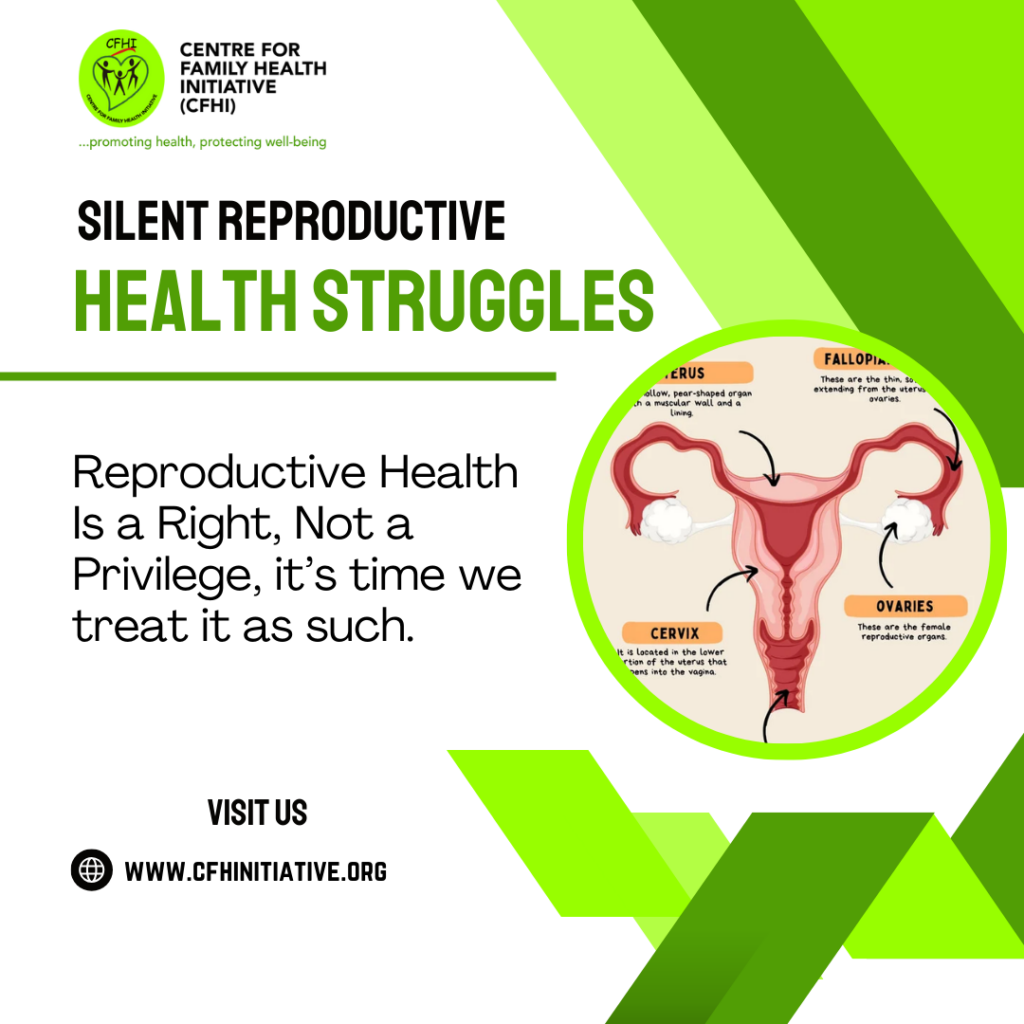
Silent Reproductive Health Struggles

Women’s reproductive health is fundamental to their overall well-being, yet millions of women globally and in Nigeria face persistent, often silent challenges that compromise their health, autonomy, and quality of life [1]. Despite progress in some areas, vast inequities remain in access to services, information, and rights leaving many women vulnerable to preventable health problems [2].

One of the major silent struggles is limited access to essential reproductive health services, including family planning, maternal care, and safe delivery support. In sub-Saharan Africa, one in four women who wish to delay or stop childbearing do not use any contraceptive method, reflecting gaps in availability, choice, and quality of reproductive care [1][5]. These shortfalls contribute to high rates of unintended pregnancies, unsafe abortions, and increased maternal morbidity and mortality. Globally, about 800 women die each day from pregnancy-related causes, many of which are preventable with proper services and support [1].

In Nigeria, reproductive health disparities are stark. A survey of reproductive health concerns found that sexual health, contraception, infections, fertility issues, and reproductive cancers were among the most pressing worries for women, indicating broad unmet needs across the reproductive spectrum [3]. Despite various policies, only a few Nigerian states meet benchmarks for women’s participation in decisions about their sexual and reproductive health, reflecting systemic barriers rooted in socio-cultural norms and limited autonomy [4]. Economic challenges also contribute, with millions of women lacking access to modern contraceptives and comprehensive family planning services due to cost, misinformation, fear of side effects, cultural opposition, and weak health systems [5][6].

Another under-recognized struggle is infertility, which affects a significant portion of women yet remains stigmatized and poorly supported. Recent WHO guidance highlights infertility as a major public health concern, with more than one in six people of reproductive age affected [7]. Access to affordable fertility evaluation and treatment is limited in many countries, forcing women to choose between financial hardship and their desire for children [7].

Maternal health remains a critical issue. Globally, approximately 287,000 women die yearly from complications in pregnancy and childbirth, with nearly all these deaths occurring in low- and middle-income settings where health systems are weak and resources scarce [1]. In areas affected by conflict or economic strain, such as parts of northern Nigeria, women face even greater risks due to disrupted services, insecurity, and collapsed care infrastructure [8].

The impact of these struggles extends beyond physical health. When women cannot access respectful, quality reproductive care, the consequences ripple into social and economic domains limiting educational opportunities, reducing workforce participation, and perpetuating cycles of poverty and inequality [2].

Improving women’s reproductive health requires a holistic approach that ensures affordable and accessible services such as contraception, antenatal care, skilled delivery, and emergency support reach even the most underserved communities [1][5], while also equipping women with accurate, culturally sensitive information to make informed choices about their bodies and health [2]. At the same time, policies must actively protect women’s autonomy and reproductive rights by challenging harmful norms and discrimination [2][4], supported by strong, well-funded health systems with trained personnel to guarantee continuity of care, especially in fragile settings [1][8]. Integrating affordable infertility care and psychosocial support into routine reproductive health services is also essential to address the often hidden emotional and social burdens many women silently endure [7].

Speak Wednesday is an initiative of CFHI to address issues around gender-base violence and gender-bias.

References

  1. WHO Regional Office for Africa. Women’s Health. Available from: https://www.afro.who.int/health-topics/womens-health
  2. United Nations Population Fund (UNFPA). New UNFPA report finds 30 years of progress in sexual and reproductive health has mostly ignored the most marginalized communities. Available from: https://www.unfpa.org/press/new-unfpa-report-finds-30-years-progress-sexual-and-reproductive-health-has-mostly-ignored
  3. Sa’adatu TS, Dieng B, Danmadami AM. Reproductive health issues of concern among Nigerians: an online survey. Int J Community Med Public Health. Available from: https://doi.org/10.18203/2394-6040.ijcmph20234114
  4. Premium Times Nigeria. Only eight Nigerian states meet women’s health benchmark – Report. Available from: https://www.premiumtimesng.com/news/top-news/830200-only-eight-nigerian-states-meet-womens-health-benchmark-report.html
  5. World Health Organization. Sexual and Reproductive Health and Research (SRH): Family planning and contraception. Available from: https://www.who.int/teams/sexual-and-reproductive-health-and-research-%28srh%29
  6. Ballard Brief. Barriers to Family Planning for Women in West Africa. Available from: https://ballardbrief.byu.edu/issue-briefs/barriers-to-family-planning-for-women-in-west-africa
  7. WHO releases first global guideline on infertility care. Reddit; 2025. Available from: https://www.reddit.com/r/EmbryologyIVFSupport/comments/1pcjrzh/who_releases_first_global_guideline_on/
  8. AP News. Pregnancy has become a nightmare for many women in Nigeria’s conflict-hit north. Available from: https://apnews.com/article/c5846961ed87cddd8a24d1c2b04564a0

Silent Reproductive Health Struggles Read More »

Cervical Cancer: What Every Woman Should Know

Cervical cancer remains a significant public health concern for women both globally and in Nigeria, yet it is largely preventable and treatable when detected early. Understanding its causes, risk factors, prevention strategies, and interventions is critical for improving women’s health outcomes. Cervical cancer develops in the cervix, the lower part of the uterus that connects to the vagina and is one of the most common cancers affecting women worldwide. In 2022, an estimated 660,000 new cervical cancer cases were reported globally, with about 350,000 deaths attributed to the disease, largely in low- and middle-income countries due to disparities in prevention and care access [1].

Almost all cervical cancers, over 99%, are caused by persistent infection with high-risk types of Human Papillomavirus (HPV), a sexually transmitted virus. While most HPV infections are naturally cleared by the immune system, persistent infection with oncogenic HPV types, particularly HPV 16 and 18, can lead to abnormal cell changes and eventual cancer over many years if not identified and treated [2]. Beyond HPV infection, several factors increase the risk of cervical cancer in women. HIV infection and weakened immunity accelerate cancer progression [1]. Smoking impairs immune response and promotes cellular changes [3]. Early onset of sexual activity, multiple sexual partners, and long-term use of certain hormonal contraceptives also contribute to heightened risk [4].

Cervical cancer is highly preventable and much more treatable when detected early. HPV vaccination, administered to girls typically aged 9 to 14, is highly effective at preventing infections that cause most cervical cancers [1]. Regular screening through Pap smears or HPV tests allows for the detection of precancerous changes before they progress to cancer, significantly improving treatment outcomes [2]. Despite these preventive measures, in Nigeria, cervical cancer remains the second most frequent cancer among women and a leading cause of cancer-related death [5]. Awareness and screening uptake are low, particularly in rural areas, due to financial barriers, limited access to screening facilities, and insufficient information about prevention [6].

To further reduce the burden of cervical cancer, it is essential to scale up HPV vaccination campaigns targeting adolescent girls before exposure to the virus, expand the availability and affordability of cervical cancer screening at primary healthcare levels, and strengthen health education to promote understanding of cervical health through sustained community engagement. Addressing gender and social barriers that limit women’s access to preventive care is also critical. Cervical cancer should not be a life sentence. With knowledge, preventive action, and supportive community health services, every woman can protect her health and future.

References

  1. World Health Organization. Human papillomavirus (HPV) and cervical cancer fact sheet. Dec 2025. Available from: https://www.who.int/news-room/fact-sheets/detail/human-papillomavirus-%28hpv%29-and-cervical-cancer
  2. World Health Organization. Cervical cancer prevention, diagnosis, and screening overview. Available from: https://www.who.int/cancer/prevention/diagnosis-screening/cervical-cancer/en/
  3. Centers for Disease Control and Prevention. Cervical Cancer Risk Factors. Available from: https://www.cdc.gov/cervical-cancer/risk-factors/index.html
  4. National Cancer Institute. Cervical Cancer Causes, Risk Factors, and Prevention. Available from: https://www.cancer.gov/types/cervical/causes-risk-prevention
  5. World Health Organization Regional Office for Africa. Cervical cancer early detection saves lives (Nigeria). Available from: https://www.afro.who.int/countries/nigeria/news/cervical-cancer-early-detection-saves-lives
  6. The Guardian (Nigeria). Screening, awareness gaps slow cervical cancer elimination. Available from: https://guardian.ng/features/health/screening-awareness-gaps-slow-cervical-cancer-elimination/


Cervical Cancer: What Every Woman Should Know Read More »

Institutional Barriers to Eliminating Gender-Based Violence in Nigeria

Gender-Based Violence (GBV) remains one of the most pervasive human rights violations in Nigeria, cutting across age, class, religion, and region. Despite significant progress through policies such as the Violence Against Persons (Prohibition) Act (VAPP) 2015 and the National Gender Policy, the persistence of GBV points to a deeper problem institutional barriers that hinder real progress. While advocacy, awareness, and community engagement have improved over the years, the systems designed to protect survivors and hold perpetrators accountable often fail to function effectively, leaving many victims without justice or support (WHO, UN Women Nigeria).

One of the major institutional barriers lies within the legal and policy framework itself. Although the VAPP Act was enacted at the federal level, its domestication across Nigeria has been uneven. Several states are yet to fully implement the Act, creating inconsistencies in protection and enforcement. Even where laws exist, weak sanctions, unclear definitions of offences, and a lack of gender-sensitive judicial processes often discourage survivors from seeking justice. Studies reveal that institutional delays, corruption, and lack of trust in law enforcement agencies further compound the challenge, allowing perpetrators to act with impunity while survivors continue to suffer in silence (UNIZIK Journal of Contemporary Law).

Another critical issue is institutional capacity and accountability. Many key institutions from the police and judiciary to hospitals and social welfare departments are under-resourced and poorly coordinated. A BMC Women’s Health (2025) study found that more than half of young women surveyed in Nigeria reported not knowing where or how to access post-violence services, indicating major gaps in awareness and accessibility. Furthermore, the lack of training among personnel on survivor-centred approaches leads to secondary victimization, where victims experience stigma, judgment, or even blame when they report abuse. Without adequate funding, coordination, and monitoring systems, institutions cannot effectively carry out their mandates in the fight against GBV (PubMed).

Institutional culture also plays a silent but powerful role. In many organizations and workplaces, gender inequality is embedded in the structure itself from male-dominated leadership to discriminatory workplace practices. Research in Nigerian universities has shown a high prevalence of sexual harassment and bullying, often perpetuated by hierarchical power systems that silence victims (BMC Women’s Health, 2021). The absence of internal reporting mechanisms, confidentiality policies, and disciplinary structures reinforces a culture of impunity. When institutions themselves tolerate or ignore acts of violence, it sends a dangerous message that such behaviour is acceptable or can be overlooked.

Finally, the lack of effective data systems and poor inter-agency coordination weaken national response efforts. Many institutions fail to collect or share accurate data on GBV cases, making it difficult to track progress or design informed interventions. Without reliable evidence, resource allocation becomes arbitrary, and survivors remain invisible in policy decisions (MDPI Social Sciences Journal). These systemic weaknesses mean that even well-intentioned programs struggle to achieve lasting change.

The Centre for Family Health Initiative (CFHI) continues to advocate for institutional reforms that promote gender equality, justice, and survivor centred GBV response systems. Through its gender norms interventions and community engagement projects, CFHI works to sensitize service providers, law enforcement officers, and community leaders on the importance of implementing the VAPP Act effectively. The organization also conducts awareness campaigns under its SpeakWednesday platform to highlight barriers that hinder justice for survivors. By fostering collaboration between government agencies, CSOs, and communities, CFHI contributes to strengthening institutional frameworks that ensure women and girls live free from violence and discrimination.

Eliminating GBV in Nigeria requires more than awareness it demands institutional transformation. Laws must not only exist but be enforced; systems must not only respond but protect. As CFHI and partners continue to push for accountability and systemic change, a safer, more equitable Nigeria becomes achievable for all.

References

  1. Violence Against Persons (Prohibition) Act (VAPP) 2015. Policy Vault Africa. Available from: https://policyvault.africa/wp-content/uploads/policy/NGA1408.pdf
  2. Federal Ministry of Women Affairs. National Gender Policy. Available from: https://nigeriarising.org.ng/wp-content/uploads/2021/06/National-Gender-Policy.pdf
  3. World Health Organization (WHO). Violence against women. Available from: https://www.who.int/news-room/fact-sheets/detail/violence-against-women
  4. UN Women Nigeria. Gender-Based Violence in Nigeria: Review of Institutional Responses. Available from: https://nigeria.un.org/en/222675-gender-based-violence-nigeria-review-institutional-responses
  5. Ezeibe CC. The Challenges of Implementing the VAPP Act in Nigeria. UNIZIK Journal of Contemporary Law. Available from: https://journals.unizik.edu.ng/jcpl/article/download/6488/5405/14850
  6. BMC Women’s Health (2025). Institutional Barriers and Women’s Access to GBV Services in Nigeria. Available from: https://bmcwomenshealth.biomedcentral.com/articles/10.1186/s12905-025-03714-2
  7. PubMed Central. Barriers to Accessing GBV Services in Nigeria. Available from: https://pubmed.ncbi.nlm.nih.gov/37830664/
  8. BMC Women’s Health (2021). Sexual Harassment in Nigerian Universities. Available from: https://bmcwomenshealth.biomedcentral.com/articles/10.1186/s12905-021-01273-w
  9. MDPI Social Sciences Journal (2024). Institutional Weakness and Gender-Based Violence Response in Nigeria. Available from: https://www.mdpi.com/2076-0760/14/6/336
  10. Centre for Family Health Initiative (CFHI). Official Website. Available from: https://www.cfhinitiative.org/

TO BE CONTINUED…WATCH OUT FOR

NO 3 BARRIER

Institutional Barriers to Eliminating Gender-Based Violence in Nigeria Read More »

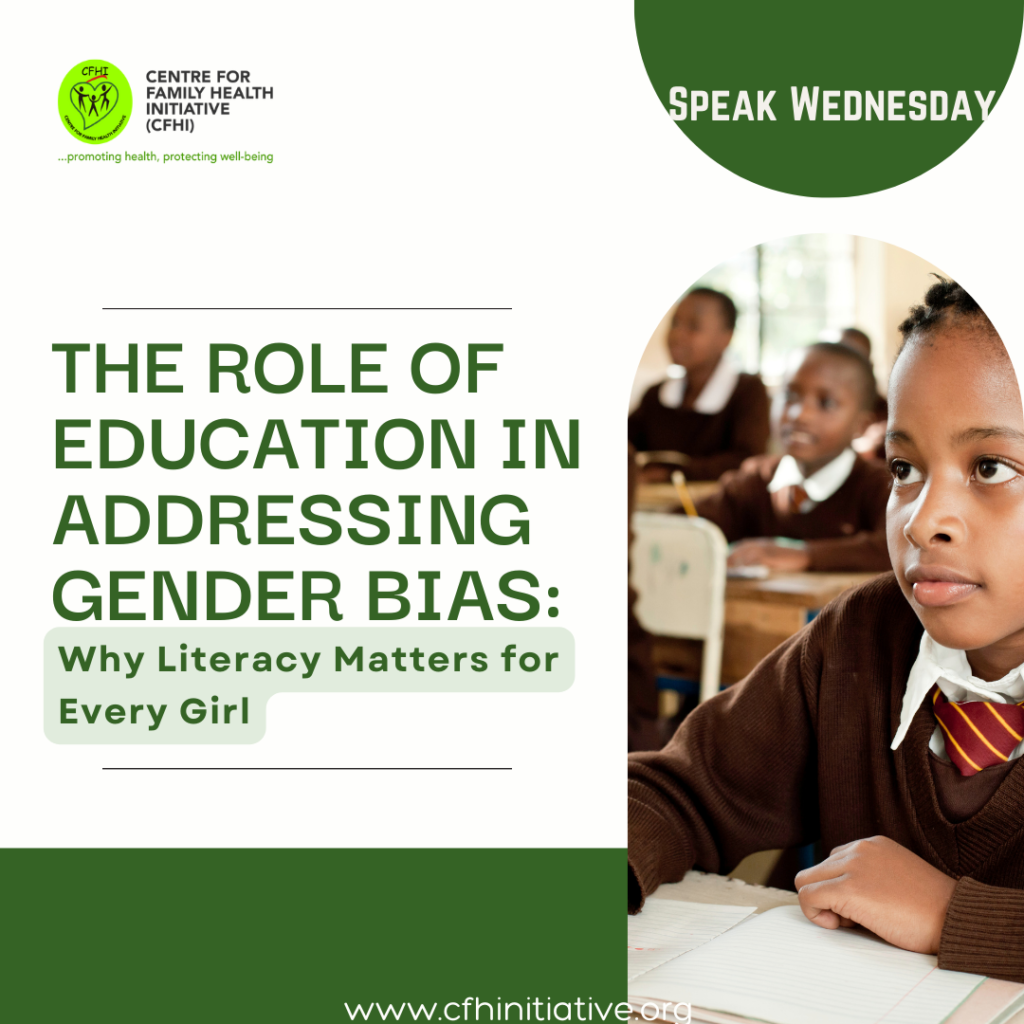
THE ROLE OF EDUCATION IN ADDRESSING GENDER BIAS: WHY LITERACY MATTERS FOR EVERY GIRL

Education is a game-changer, especially for girls. Across the world, millions of girls are held back by gender bias, often missing out on school because of outdated beliefs that prioritize boys’ education. However, the reality is that when girls receive an education, it not only transforms their own lives but also positively impacts their families and entire communities.

Literacy is more than just the ability to read and write; it is a gateway to empowerment and independence. Educated girls are more likely to delay marriage, have healthier children, and earn better incomes. According to UNICEF, when a girl is educated, she has the power to transform her life and lift her community out of poverty.

Moreover, educated women are more likely to advocate for their rights and challenge harmful gender norms. The World Health Organization (WHO) notes that mothers with an education are better equipped to keep their families healthy, which means fewer child deaths and stronger communities.
Schools can be the front line in the fight against gender bias. Education can challenge stereotypes by teaching both boys and girls the importance of equality and respect. When children learn about gender equality early on, they grow up to be adults who value and promote it. -UNESCO

Every girl deserves the chance to learn. When we invest in girls’ education, we invest in a brighter, more equal future for everyone. It’s time to break down the barriers and make sure every girl, everywhere, gets the education she deserves.
Speak Wednesday is an initiative of CFHI to address issues around gender-based violence and gender bias.

References
• UNICEF. (2022). Why Girls’ Education Matters.
• WHO. (2021). Women’s Health and Education.
• UNESCO. (2020). COVID-19 and Education: The Road to Recovery.
• UNESCO. (2019). Gender Equality in Education: A Key to Social Progress.

THE ROLE OF EDUCATION IN ADDRESSING GENDER BIAS: WHY LITERACY MATTERS FOR EVERY GIRL Read More »

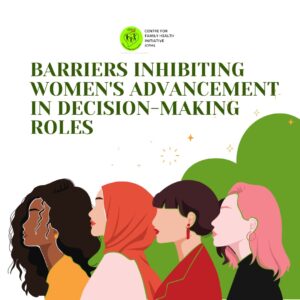
SPEAK WEDNESDAY ON BARRIES INHIBITING WOMEN’S ADVANCEMENT IN DECISION-MAKING ROLES

In recent decades, significant strides have been made toward gender equality in various spheres of life. However, despite these advancements, a substantial gender gap persists when it comes to women’s representation in decision-making roles across industries and sectors. The underrepresentation of women in positions of power and authority, particularly in decision-making capacities, remains a complex and concerning issue. Gender discrimination impedes women’s advancement in decision-making roles, economic empowerment, safety, and autonomy, which has an impact on the country’s GDP and economy. These stereotyping and unconscious biases are barriers to obtaining gender balance. They are also linked to larger sociological, political, economic, and governance issues. Furthermore, internal hurdles within women, along with insufficient leadership support, add to the imbalance. In Nigeria’s Senate and House of Representatives, men hold 96.5% of the 423 seats, while women only have 3.5%. In addition, during the recent Ministerial screening, out of 48 seats, less than 16% were occupied by women.
The primary factors contributing to the underrepresentation of women include:
A lack of effective government action;
Lower levels of female employment and education;
Sexism, sometimes but not always deriving from religion or traditional practices;
A corrupt and patronage-based political system;
Violence at elections, including against women candidates.
Additionally, within the professional sphere, despite notable growth in the number of women occupying middle management positions over the past two decades, the proportion of female Chief Executive Officers within major corporations remains remarkably low. This discrepancy can be attributed to a variety of factors, including:
Inadequate exposure to line management roles.
Limited access to promising career paths.
Gender-related variations in linguistic styles and socialization.
Prevalent gender-based stereotypes.
The persistence of established networks favouring male advancement.
Superficial inclusion efforts, often referred to as tokenism.
However, this can be addressed with conscious efforts by the government, civil society, international organizations, and individuals. By deliberately and cooperatively addressing gender discrimination barriers in Nigeria through policy reforms, transformation of discriminatory cultural norms, provision of funds, mentoring, and leadership training, women can attain greater participation and prosper in leadership roles.
According to the UNDP, gender equality (Goal 5) will help to enable women’s full and effective involvement and equal chances for leadership at all levels of decision-making in political, economic, and public life.
Speak Wednesday is an initiative of CFHI to address issues around gender-based violence and gender bias.
#SpeakWednesday #GenderEquality #GenderDiscrimination #WomenInLeadership

REFERENCES
Kelly, L. (2019). Barriers and enablers for women’s participation in governance in Nigeria. K4D Helpdesk Report. Brighton, UK: Institute of Development Studies.
Oakley, J.G. Gender-based Barriers to Senior Management Positions: Understanding the Scarcity of Female CEOs. Journal of Business Ethics 27, 321–334 (2000). https://doi.org/10.1023/A:1006226129868
Kayode Oyero. (2023). #IWD2023: Women Get 15 Out Of 423 Senate, Reps Seats.
https://www.channelstv.com/2023/03/08/iwd-women-get-15-out-of-423-senate-reps-seats/

SPEAK WEDNESDAY ON BARRIES INHIBITING WOMEN’S ADVANCEMENT IN DECISION-MAKING ROLES Read More »

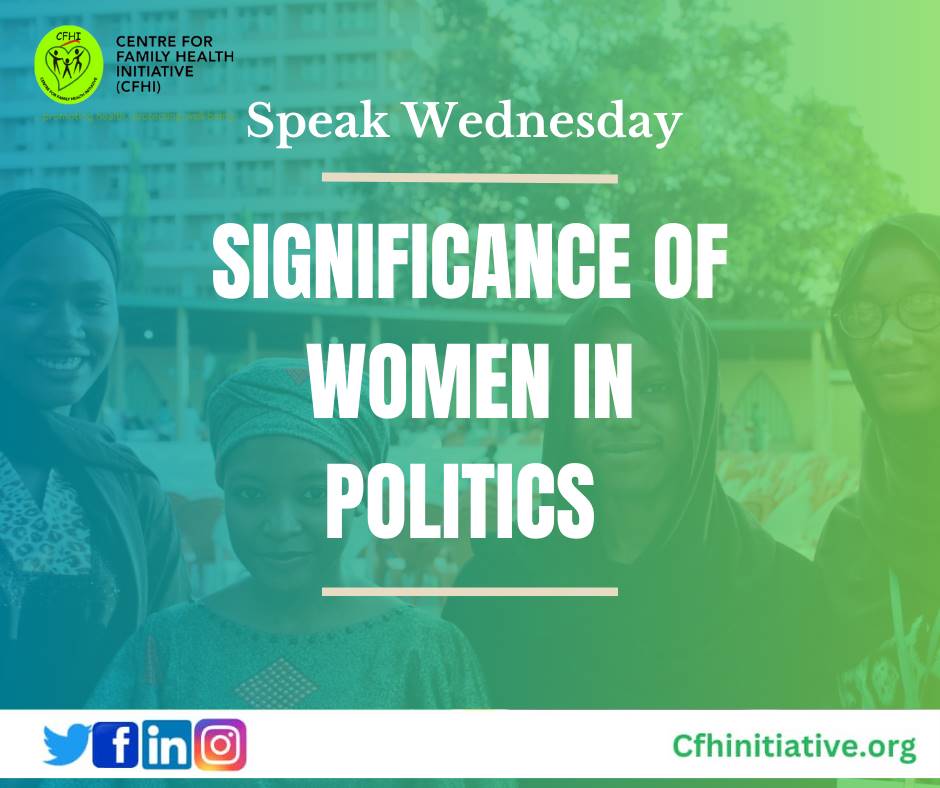
SPEAK WEDNESDAY ON THE SIGNIFICANCE OF WOMEN IN POLITICS

The significance of women’s involvement in politics cannot be emphasized enough when it comes to promoting the United Nations Sustainable Development Goals (SDGs). Women have been inadequately represented in politics throughout history due to various cultural factors. On the other hand, recent advances by women in politics have proven the importance of equal representation for women in this sphere. Despite advances in some areas, women in Nigeria face several hurdles when entering politics. Traditional gender roles, patriarchal conventions, and negative stereotypes frequently impede women from seeking active engagement in politics.


In Nigeria, the National Gender Policy (NGP) was created in 2006 to address the gender imbalance. The NGP advocates for a 35% Affirmative Action (AA) to ensure women are adequately represented in all governance processes.


Significantly, women in leadership positions, especially in developing nations, have the obligation and the potential to affect their society through leadership, particularly when empowered. Women who are empowered can aspirate for, achieve, and excel in leadership roles while also playing their roles at home.


Women are empowered when educated, exposed, and given economic freedom. Women in leadership roles have had an excellent social impact throughout history and in every nation. Such women have a long history in human history. Notably, influential figures such as Okonjo Iweala and Dora Akunyili have demonstrated that women can significantly contribute to a country’s political economy.


Speak Wednesday is an initiative of CFHI to address issues around gender-based violence and gender bias.


#SpeakWednesday #WomenInPolitics #Women’sRights #GenderStereotype #GenderBias #GenderInequality


REFERENCES

Emeka, E. O & Monica, E. A. 2015. Women and Leadership in Nigeria: Challenges and Prospects.

SPEAK WEDNESDAY ON THE SIGNIFICANCE OF WOMEN IN POLITICS Read More »

SPEAK WEDNESDAY

THE IMPORTANCE OF WOMEN’S EMPOWERMENT FOR COMMUNITY DEVELOPMENT

Women empowerment refers to complete emancipation of women from socio-economic shackles of dependency and deprivations. Often made synonymous to gender equality, the term women empowerment encompasses a much larger set of principles that needs whole-hearted attention. Empowerment of women would mean encouraging women to be self-reliant, economically independent, have positive self-esteem, generate confidence to face any difficult situation and incite active participation in various socio-political development endeavours.

The growing conscience is to accept women as individuals capable of making rational and educated decisions about them as well as the society, increasing and improving the economic, political and legal strength of the women, to ensure equal right as men, achieve internationally agreed goals for development and sustainability, and improve the quality of life for their families and communities.

Women empowerment in its actuality is synonymous with complete development of the community. An educated woman, with knowledge about health, hygiene, cleanliness is capable of creating a better disease-free environment for her family. A self-employed woman is capable of contributing not only to her family’s finances, but also contributes towards the country’s economic development. A shared source of income is much more likely to uplift the quality of life than a single income household and more often than not helps the family come out of poverty trap.

Women aware of their legal rights are less likely to be victims of domestic violence or other forms of exploitations. Basic legal information about rights and knowledge on the different acts like the Matrimony act and Domestic Violence act, is vital for any woman to have, as this knowledge will empower them to be able to better handle such situations for themselves as well as those around them who might find themselves in such situation.

When women are living safe, fulfilled and productive lives, they can reach their full potential. Contributing their skills to the workforce and can raise happier and healthier children. A key part of this empowerment is through education, training, awareness raising, building self-confidence, expansion of choices, increased access to and control over resources, and actions to transform the structures and institutions that reinforce and perpetuate gender discrimination and inequality. These are important tools for empowering women and girls to claim their rights which leads to community/national development.

SPEAK WEDNESDAY Read More »

Effects of Teenage Pregnancy

SPEAK WEDNESDAY

EFFECTS OF TEENAGE PREGNANCY

Effects of Teenage Pregnancy

Teenage pregnancy is pregnancy in a woman 19 years of age or younger. A woman can get pregnant if she has vaginal sex with a man at any age after she’s begun having regular monthly periods.

Teenage pregnancies are a global problem that occurs in high, middle, and low income countries. However, there is a higher prevalence in marginalized communities, commonly driven by poverty and lack of education and employment opportunities. According to World Health Organisation (W.H.O), approximately 16 million girls aged 15 to 19 years and 2.5 million girls under 16 years give birth each year in developing regions and the leading cause of mortality for this age group is complication during pregnancy and childbirth. Many girls face considerable pressure to marry early and become mothers at a tender age. Teenage pregnancy increases when girls are denied the right to make decisions about their sexual and reproductive health and well-being.

Studies show that teen mothers face significant levels of stress that can lead to increased mental health concerns. In addition to higher rates of postpartum depression, teenage mothers have higher rates of depression. Pregnant teens also have a higher chance of becoming anemic which is a reduction in the number of red blood cells (RBCs). This can make you feel weak and tired and can affect your baby’s development. They also have higher rates of suicidal ideation than their peers who aren’t mothers. Teen mothers are more likely to experience posttraumatic stress disorder (PTSD) than other teenage women, as well and this is attributed to the fact that they are more likely to have gone through mental and/or physical abuse.

Many pregnant teens drop out of school, and some never complete their education which means that a large proportion of mothers who get pregnant as teenagers live in poverty and are not able to realize their full potential. Their children are not left out also, born to a teenage mother, they have greater risk for lower birth weight and infant mortality; less prepared to enter kindergarten; are more likely to be incarcerated at some time during adolescence; are more likely to drop out of high school; are more likely to be unemployed or underemployed as a young adult.

When teenagers engage in sexual relationships, they do not think about the consequences. That is why it is pertinent to invest much in the issue of reproductive health with more emphasis on adopting the right attitudes about responsible sexual behavior.

Speak Wednesday is an initiative of CFHI to address issues of gender based violence and gender inequality. Join us every Wednesday on all our social media platforms for more episodes.

SPEAK WEDNESDAY Read More »

SPEAK WEDNESDAY

FEMALE ROLES IN NATION BUILDING

Nation Building encourages active participation of all citizens of a nation in order to reduce social and economic disparities, create an enabling environment for citizens to display their identities, cultures, languages and religions without any form of discrimination, maintain a politically stable environment, and enjoy the potentials of its human resource.

In Nigeria, women have made indelible contributions through active participation to advance the nation dating from the pre-colonial era.  Late Queen Amina was a Hausa warrior from the city of Zazzau, present day Zaria in Nigeria. She was the first to become queen in a male-dominated society. Tales of her exploits include expanding the territory of the Hausa people of North Africa to the largest in history, creating routes for trade throughout Northern Africa, ordering the construction of fortifications called ‘Amina Walls’ and introducing the cultivation of Kola nuts within the region.

The pre-independence era featured the likes of Margret Ekpo, Janet Nwadiogo Mogelu and Funmilayo Ransome-Kuti who were politicians and activists championing the cause to fight discriminatory and oppressive forms of colonialism committed against women and to protest against incessant killings of innocent citizens. Their activities set the pace for the advancement of gender equality in Nigeria.

More women are populating various professions and sectors in present times contributing greatly to the economic workforce. Through engaging in formal and informal labour, many women have improved the livelihood of their families through their incomes and have become strong contributors to the national economy. Others have introduced reform programs and enacted policies that have helped stabilize the nation’s economy, encourage government transparency, and advance progress. Ngozi-Okonjo-Iweala, Late Dr. Dora Akunyili and Dr. Oby Ezekwesili are few examples of such women.

According to Mr. Ban Ki-Moon, “When we empower women, we empower communities, nations and the entire human family.” As key players in national development, nations must continue to empower women by investing in girl-child education, enacting female-friendly policies, promoting programs that support women, and ending harmful practices that abuse their rights as humans to enhance development.

Speak Wednesday is an initiative of Centre for Family Health Initiative to stop the cycle of domestic violence by breaking the silence around gender based violence and gender bias. Join us every Wednesday on all our social media handles for more episodes.

SPEAK WEDNESDAY Read More »