Limited Awareness and Education
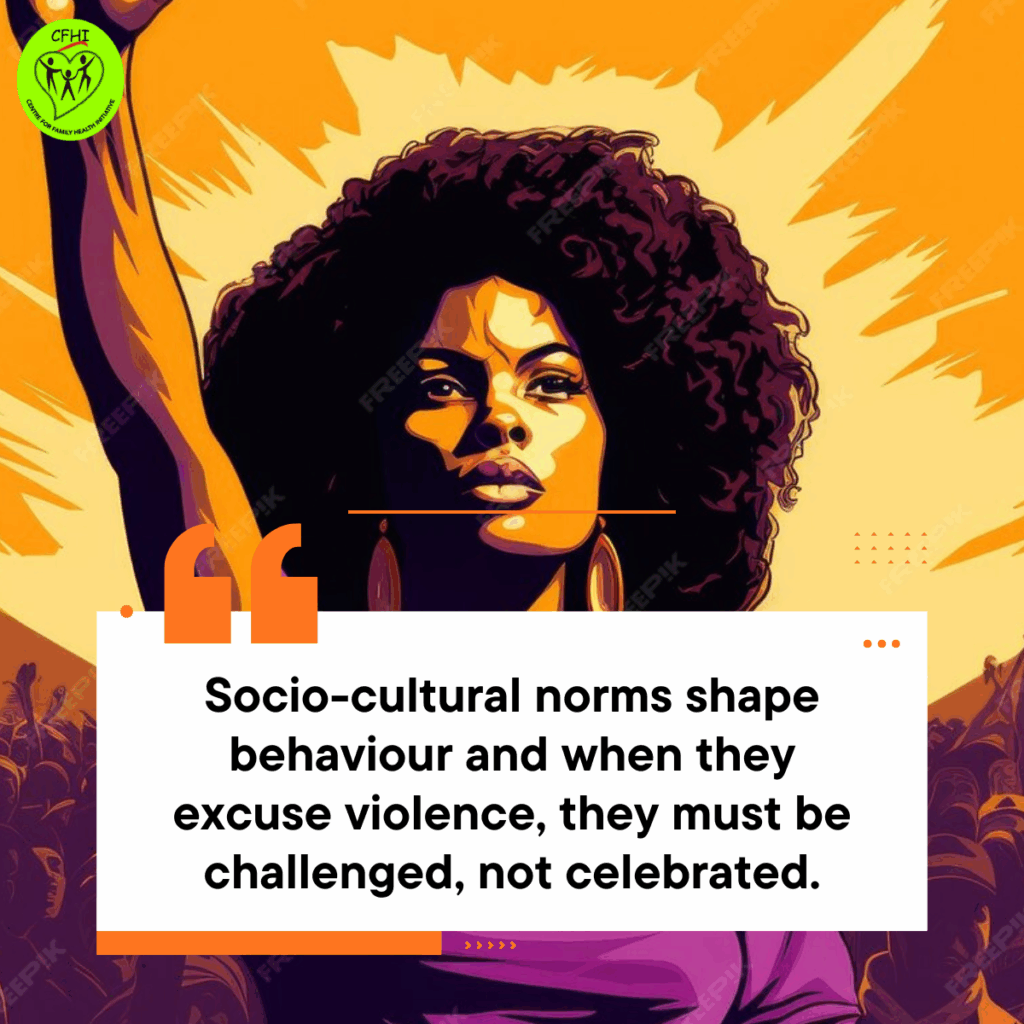
Limited awareness and inadequate education remain one of the most persistent barriers to ending gender-based violence (GBV) in our communities. While conversations around rights, dignity, and safety have expanded globally, many people within local communities still lack basic knowledge of what constitutes GBV, how to recognize it, and how to seek help. GBV is often normalized through culture, silence, and misinformation, making harmful actions seem acceptable simply because “that is how it has always been done.” When people do not understand that verbal abuse, economic deprivation, physical harm, intimidation, and forced sexual relations are forms of violence, it becomes difficult to report, prevent, or advocate against them. Limited awareness means many survivors suffer silently, believing their experience is personal failure rather than an injustice.
Education goes beyond literacy; it includes exposure to accurate information, safe spaces for dialogue, and empowerment to act. In communities where cultural beliefs are deeply rooted, myths such as “a man owns his wife,” “discipline is love,” or “girls deserve blame for harassment” thrive due to the absence of counter-information. When adolescents do not receive early education about consent, bodily integrity, and respectful relationships, cycles of abuse continue from one generation to the next. Schools, households, and religious institutions hold influence, yet not all incorporate GBV-sensitive learning. Even government policies exist, but without grassroots awareness, they remain distant frameworks unknown to those who need them most.
Limited awareness also weakens community response systems. Many families do not know where to report cases, while some believe law enforcement processes are pointless. Survivors often fear stigma, shame, or retaliation, and without education, communities reinforce these fears. Knowledge is power but silence gives power to abusers. Increasing awareness has proven effective in correcting harmful norms, encouraging reporting, and improving support systems. Community-based education, particularly when delivered in local languages, builds collective accountability. When young boys understand respect and emotional responsibility, and girls recognize their worth, a foundation for prevention is strengthened.
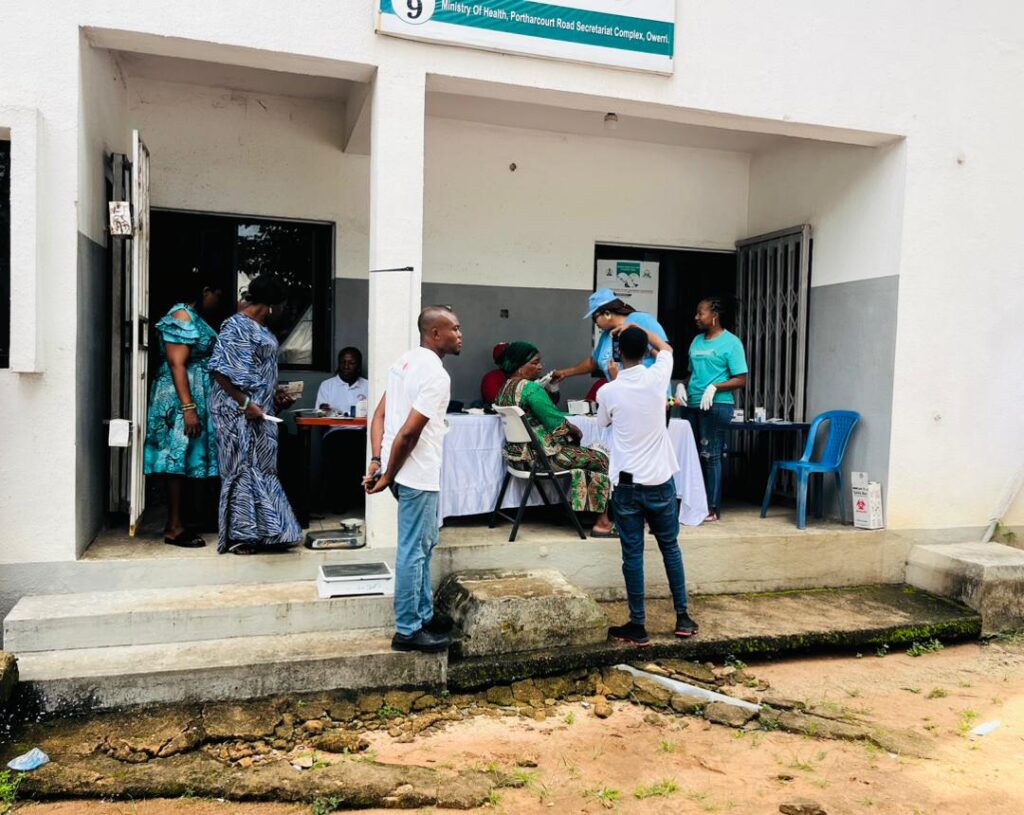
At the Centre for Family Health Initiative (CFHI), sustained advocacy has shown that when the right information reaches people, attitudes change. Over the past year, CFHI has facilitated community dialogues on GBV, implemented school-based sensitization on healthy relationships, and organized youth-led conversations addressing harmful norms both online and offline. During commemorative events including the 16 Days of Activism and International Women’s Day CFHI has raised awareness on digital violence, safe spaces, consent, reporting pathways, and survivor-centered responses. Activities like safe-spaces campaigns, mentorship sessions, and referral support for vulnerable groups have contributed to reducing silence around violence.
As we continue observing the 16 Days of Activism, one truth stands out clearly: ignorance sustains abuse. Every community member has a responsibility to learn, speak, and act. Parents must educate their children early; faith leaders must preach protection and dignity; schools must include GBV topics in their learning process; and local authorities must provide accessible reporting platforms. No change happens when people are uninformed, but transformation begins when knowledge shifts mindsets.
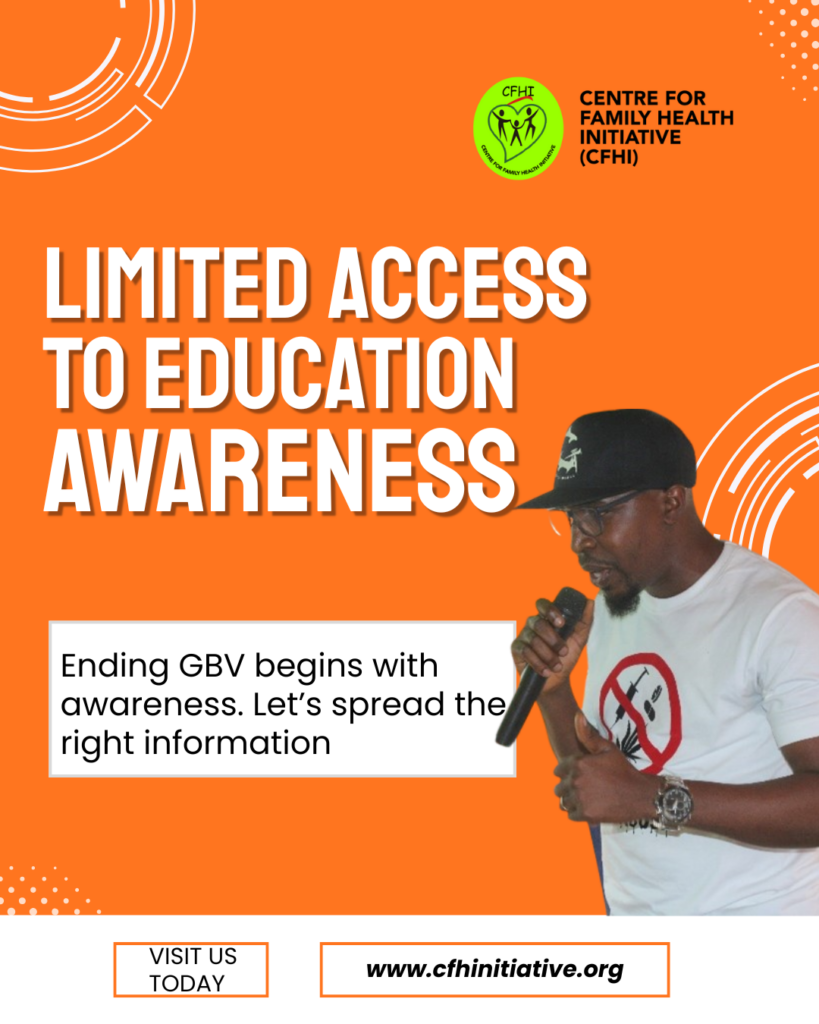
The call to action is simple yet urgent: let us learn, let us teach, and let us speak out. Ending GBV will not be achieved through laws alone; it requires awareness deep enough to shift beliefs and strong enough to build a culture that protects women, girls, and all vulnerable persons. Ending GBV begins with knowledge, and knowledge shared becomes change multiplied.
Limited Awareness and Education Read More »