Health Communication

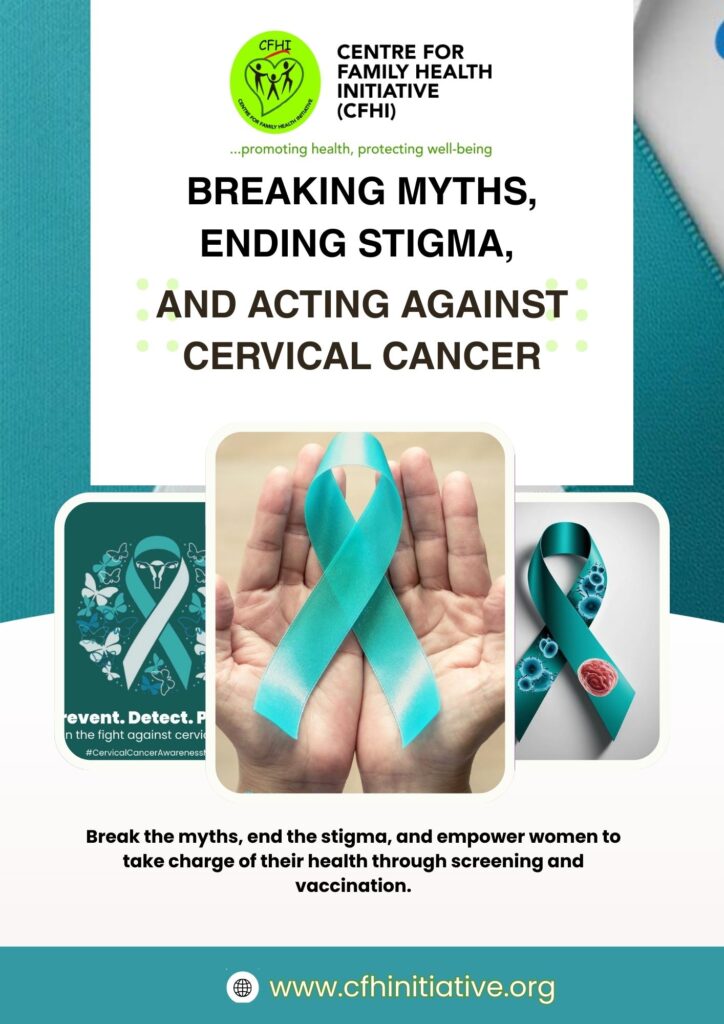
Breaking Myths, Ending Stigma, and Acting Against Cervical Cancer

Cervical cancer is a major global health issue yet one of the most preventable forms of cancer. Almost all cervical cancer cases (about 99%) are linked to infection with high-risk human papillomaviruses (HPV), which are extremely common and transmitted through sexual contact. Persistent HPV infection can cause cervical cancer if left untreated, but early detection and prevention make this disease largely preventable. ¹

Despite this, myths and misinformation persist and contribute to stigma around cervical cancer screening and HPV. Studies show that many women feel shame, anxiety, and embarrassment when diagnosed with HPV or advised to get screened, often because HPV is incorrectly perceived as a sign of promiscuity or extreme risk. ² This stigma can deter women from seeking preventive care and early diagnosis, undermining efforts to reduce disease burden. ³

Globally, cervical cancer remains a leading cause of cancer deaths among women. In 2022, an estimated 660,000 new cases were diagnosed worldwide, with about 350,000 deaths many of which could be prevented through vaccination, regular screening, and early treatment. ¹ In Nigeria, cervical cancer is the second most common cancer among women and carries significant risk in the reproductive age group. ⁴

Despite proven benefits, uptake of cervical cancer screening and HPV vaccination remains low. Studies in Nigeria (2021–2023) show that fewer than 15% of adolescent girls have received the HPV vaccine and only about 10% of women have ever been screened, indicating slow progress compared to global targets.⁵ This low uptake is driven by limited awareness, misconceptions, stigma, and weak family or partner support, while reviews from 2022–2024 highlight persistent beliefs that screening is only for certain women or may cause harm, further discouraging participation.⁶

Myths about cervical cancer include beliefs that HPV always leads to cancer, that only women with symptoms should screen, or that screening itself causes harm. Evidence shows these are false HPV does not always cause cancer, early stages of disease often have no symptoms, and regular screening (Pap tests or HPV testing) is safe and effective in detecting abnormalities before they progress. ⁷

Stigma further compounds the problem. Surveys indicate that significant numbers of women experience emotional distress or feel ashamed after receiving abnormal screening results, which can delay follow-up care and discourage others from attending future screenings. ² Overcoming this stigma requires not just medical interventions but community education and open conversations about HPV and cervical health.

Acting against cervical cancer involves three key strategies: vaccination, screening, and treatment. The World Health Organization’s global strategy targets HPV vaccination of 90% of girls by age 15, screening 70% of eligible women twice in their lifetimes, and ensuring 90% of women with pre-cancer or invasive cancer receive appropriate care. ⁴ Countries such as Pakistan have demonstrated wide vaccination coverage, with campaigns reaching millions of girls despite resistance fueled by misinformation.

Breaking myths and ending stigma is essential to increase screening uptake and vaccine acceptance. Community education campaigns, trusted health messaging, and culturally sensitive outreach can help shift perceptions, build trust, and empower women to take preventive action. We urge communities, health workers, and families to actively support women in accessing screenings and vaccinations, speak openly about cervical health, and challenge harmful myths whenever they arise. When women understand the facts and feel supported rather than judged, lives can be saved, and the stigma that hinders progress can be dismantled.

References

  1. World Health Organization (WHO). Cervical cancer prevention, diagnosis, screening.
    https://www.who.int/cancer/prevention/diagnosis-screening/cervical-cancer/en/
  2. Sheena Meredith. HPV stigma leads to shame for women with diagnosis. Medscape.
    https://www.medscape.com/viewarticle/HPV-Stigma-Leads-Shame-Women-Diagnosis-2022a10004lc
  3. BMC Public Health. Barriers to cervical cancer screening in Africa.
    https://bmcpublichealth.biomedcentral.com/articles/10.1186/s12889-024-17842-1
  4. WHO Africa. Cervical cancer early detection saves lives (Nigeria context).
    https://www.afro.who.int/countries/nigeria/news/cervical-cancer-early-detection-saves-lives
  5. BMC Women’s Health. Cervical cancer screening and HPV vaccination knowledge in Nigeria.
    https://bmcwomenshealth.biomedcentral.com/articles/10.1186/s12905-023-02345-9
  6. PubMed Central. Cervical cancer stigma—a silent barrier to elimination.
    https://pmc.ncbi.nlm.nih.gov/articles/PMC11869935/
  7. Thomson Medical. 9 common myths about cervical cancer debunked.
    https://www.thomsonmedical.com/blog/myths-about-cervical-cancer


Breaking Myths, Ending Stigma, and Acting Against Cervical Cancer Read More »
Screening Saves Lives: Why Early Detection Matters

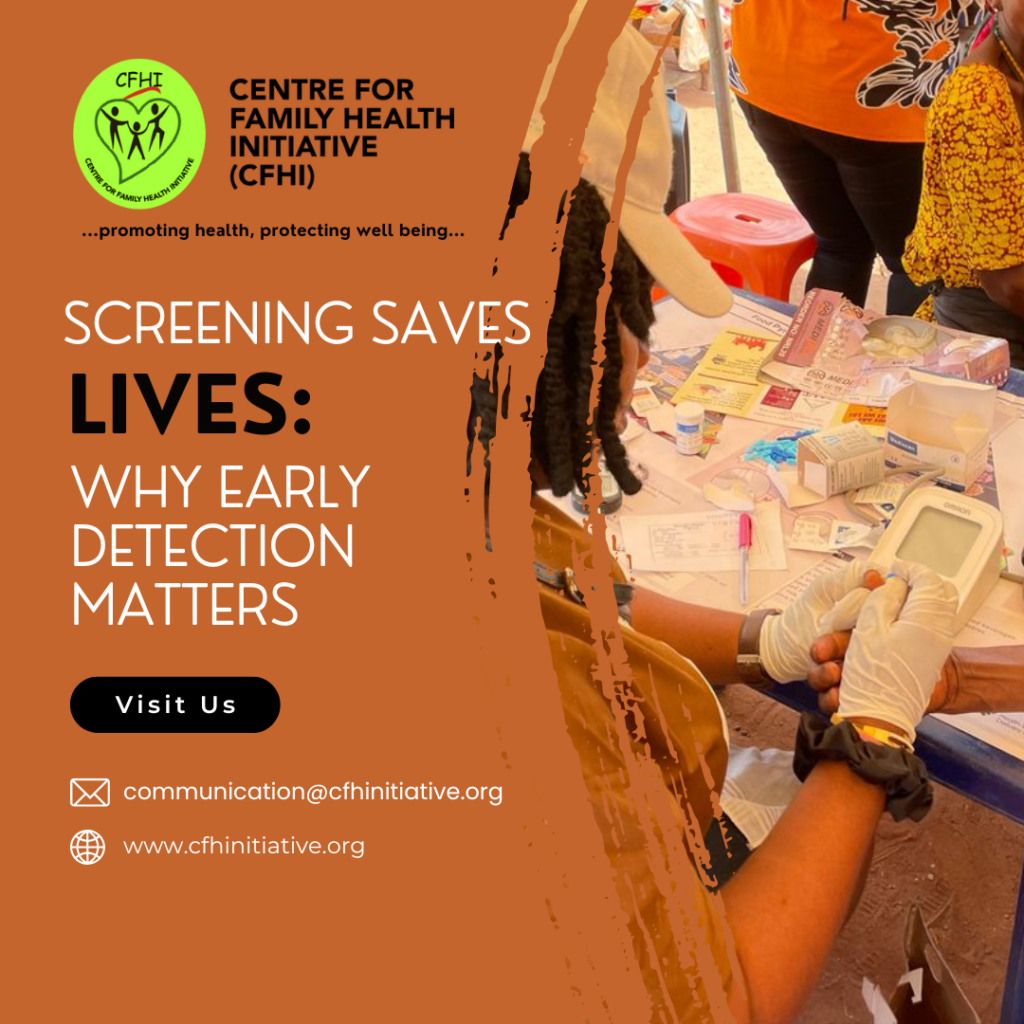
Health screening and early detection are critical tools in the fight against cervical cancer, one of the most preventable yet deadly cancers affecting women worldwide. Cervical cancer develops slowly and is often caused by persistent infection with high-risk types of the human papillomavirus (HPV). Screening allows precancerous changes and early-stage disease to be detected and treated before they progress into life-threatening cancer, significantly improving survival, reducing complications, and saving lives¹.

Early detection plays a decisive role in cervical cancer outcomes. When cervical cancer is identified at an early stage, the chances of successful treatment are very high. Evidence shows that women diagnosed with early-stage cervical cancer have a five-year survival rate of over 90%, compared to much lower survival rates when the disease is detected late². Regular screening methods such as Pap smears, HPV testing, and visual inspection with acetic acid (VIA) help identify abnormal cervical changes early, long before symptoms appear³. Countries with strong screening programs have recorded substantial declines in cervical cancer incidence and mortality, demonstrating the life-saving impact of early detection⁴.

Detecting cervical cancer early also reduces the severity and complexity of treatment. Early-stage disease can often be managed with simpler procedures that preserve fertility and reduce long-term health complications. In contrast, late diagnosis frequently requires extensive surgery, chemotherapy, or radiotherapy, which can lead to long-term physical, emotional, and financial strain for affected women and their families⁵. In many low- and middle-income settings, late presentation remains a major challenge, contributing to high cervical cancer mortality rates.

Screening for cervical cancer is also cost-effective. Preventing cancer through early detection and treatment of precancerous lesions costs far less than treating advanced cervical cancer. Investing in routine screening programs reduces hospital admissions, lowers healthcare expenditure, and improves productivity by keeping women healthy and active in their communities⁶.

Despite the proven benefits of screening, many women particularly those in underserved and rural communities still lack access to cervical cancer screening services. Barriers such as poverty, limited health facilities, stigma, low awareness, and fear of diagnosis contribute to low screening uptake and late detection. These gaps underscore the need for sustained public health efforts to expand access to affordable, acceptable, and community-based screening services⁷.

Screening saves lives, but only when women act. CFHI calls on women to prioritize regular cervical cancer screening, caregivers, and community leaders to support awareness and reduce stigma, and policymakers and partners to invest in accessible and sustainable screening programs. Early detection of cervical cancer is not just a medical intervention it is a powerful step toward protecting women’s health, dignity, and lives.


References

  1. World Health Organization (WHO). Cervical cancer – Key facts.
    https://www.who.int/news-room/fact-sheets/detail/cervical-cancer
  2. American Cancer Society. Cervical Cancer Survival Rates.
    https://www.cancer.org/cancer/types/cervical-cancer/detection-diagnosis-staging/survival-rates.html
  3. World Health Organization (WHO). Comprehensive cervical cancer control: A guide to essential practice.
    https://www.who.int/publications/i/item/9789241548953
  4. International Agency for Research on Cancer (IARC). Impact of cervical cancer screening on incidence and mortality.
    https://www.iarc.who.int/research-groups/cancer-screening/
  5. National Cancer Institute. Cervical cancer treatment and outcomes.
    https://www.cancer.gov/types/cervical
  6. Centers for Disease Control and Prevention (CDC). Cervical cancer screening saves lives and reduces costs.
    https://www.cdc.gov/cancer/cervical/basic_info/screening.htm
  7. World Health Organization (WHO). Global strategy to accelerate the elimination of cervical cancer.
    https://www.who.int/initiatives/cervical-cancer-elimination-initiative


Screening Saves Lives: Why Early Detection Matters Read More »

Sexual Violence Against Women with Disabilities

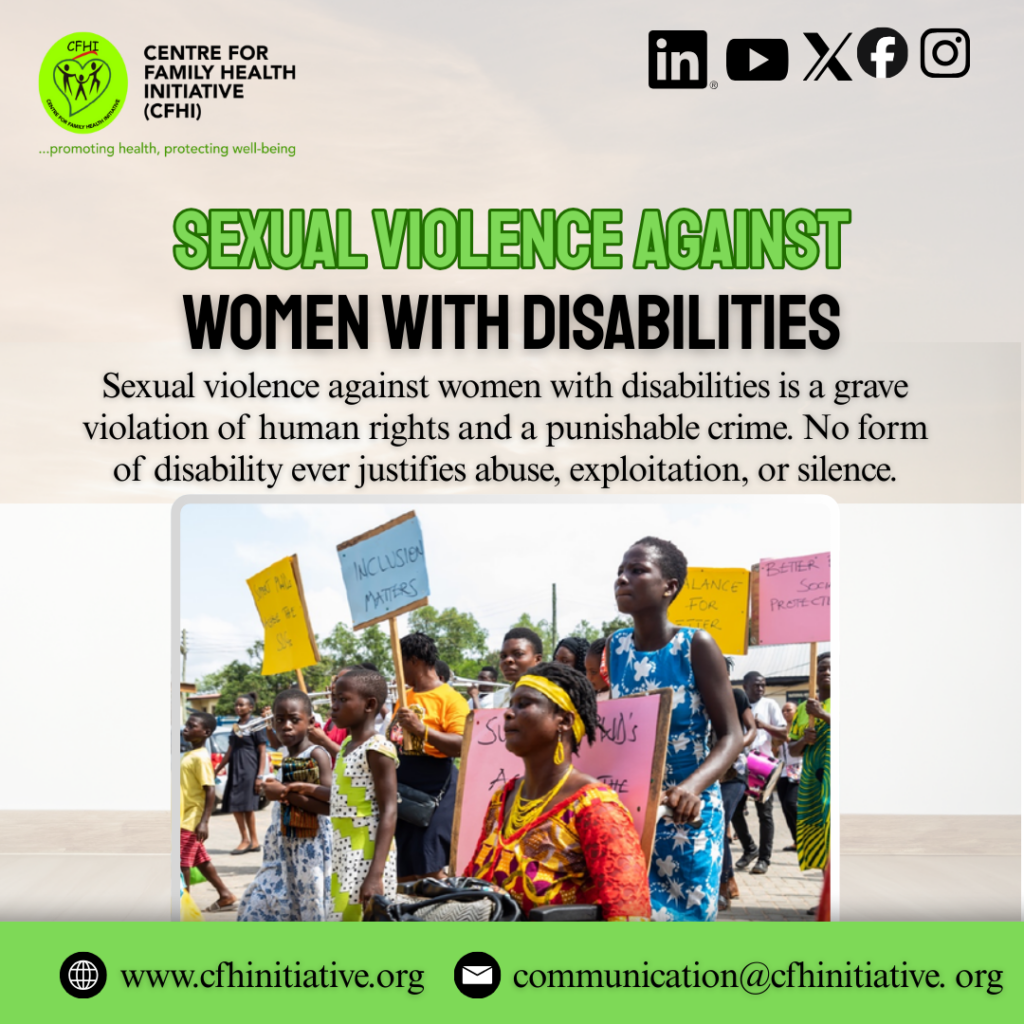
Sexual violence against women with disabilities is a deeply troubling yet often overlooked dimension of gender-based violence that intersects with ableism, discrimination, and social neglect. Evidence shows that women with disabilities face a significantly higher risk of sexual violence compared to women without disabilities, in part because of societal attitudes that devalue their autonomy and normalize their marginalization. Research indicates that women with any form of disability may experience sexual violence at roughly double the rate of women without disabilities over their lifetimes, with heightened vulnerability among those with multiple or cognitive disabilities [1]. In some settings, women with disabilities are disproportionately likely to be victims of rape and other forms of coerced sexual contact, underscoring the urgent need to recognize their specific risks and experiences as part of broader violence prevention efforts [2].

The vulnerability of women with disabilities to sexual violence is driven by multiple factors including dependency on caregivers or partners for daily needs, limited mobility or communication barriers, and pervasive myths that deny their sexual agency and rights. These conditions not only increase exposure to abuse but also make it harder for survivors to report violence or access support services due to fear, shame, or lack of accessible reporting mechanisms. Global research highlights that women with disabilities are more likely to face not only sexual violence but also emotional and physical abuse, with long-term impacts on physical and mental health, autonomy, and quality of life [3]. The Office of the United Nations High Commissioner for Human Rights has repeatedly called attention to the disproportionate risk of violence faced by women with disabilities and the necessity for better data, inclusive services, and tailored policies to protect their rights [4].

In Nigeria, too, gender-based violence is addressed under laws such as the Violence Against Persons (Prohibition) Act 2015, which aims to eliminate all forms of violence against individuals, including sexual violence. While such legal frameworks exist, enforcement, awareness, and protection for women with disabilities remain inconsistent, with many survivors still falling through gaps in reporting, healthcare, and justice systems [5]. It is therefore critical for policymakers, health systems, community leaders, and service providers to mainstream disability-inclusive approaches that recognize the intersecting vulnerabilities that these women face.

At the Centre for Family Health Initiative (CFHI), addressing violence against women especially among vulnerable populations like women with disabilities is integral to our community health work. CFHI integrates gender-based violence awareness and response into school and community engagements, ensuring that information on rights, reporting pathways, and support services reaches diverse audiences. Through partnerships with health facilities, community leaders, and referral networks, CFHI also supports safe and confidential reporting channels, linking survivors to medical care, psychosocial support, and legal aid where available. By advocating for inclusive prevention strategies and survivor-centred responses, CFHI reinforces that violence against women with disabilities is not inevitable it is preventable and must be confronted collectively.

Ending violence against women with disabilities requires an intersectional approach that dismantles harmful social norms, strengthens legal protections, and ensures that services are accessible and responsive to the unique needs of survivors. Education and awareness campaigns must challenge myths about disability and sexuality, while community-level prevention programmes should promote respect, consent, and equality for all women regardless of ability. Health workers, educators, and law enforcement must be trained to recognise and respond to sexual violence sensitively and without bias. Importantly, women with disabilities themselves should be engaged as leaders in advocating for change, ensuring that policies and interventions are shaped by their lived experiences.

The fight against sexual violence is not only a matter of law or policy it is a moral imperative rooted in human rights, dignity, and justice. As communities, governments, and organisations, we must commit to creating environments where vulnerable women anf girls can live free from the threat of violence, access support without barriers, and assert their rights with confidence and respect.


References

  1. Centers for Disease Control and Prevention. Sexual Violence and Intimate Partner Violence Among People with Disabilities. Available from: https://www.cdc.gov/sexual-violence/about/sexual-violence-and-intimate-partner-violence-among-people-with-disabilities.html (CDC)
  2. Z. C. et al. Sexual Violence Against Women With Disabilities: Experiences With Force and Lifetime Risk. American Journal of Preventive Medicine (lifetime risk higher among women with disabilities). (Reddit)
  3. Health and Socioeconomic Determinants of Abuse among Women with Disabilities. International Journal of Environmental Research and Public Health (higher prevalence and lower escape rates). (MDPI)
  4. World Health Organization. WHO calls for greater attention to violence against women with disabilities and older women. WHO. (World Health Organization)
  5. Violence Against Persons (Prohibition) Act 2015 (Nigeria). Available from: https://en.wikipedia.org/wiki/Violence_Against_Persons_%28Prohibition%29_Act_2015 (en.wikipedia.org

Sexual Violence Against Women with Disabilities Read More »

Understanding Risk Factors and How to Prevent Cervical Cancer

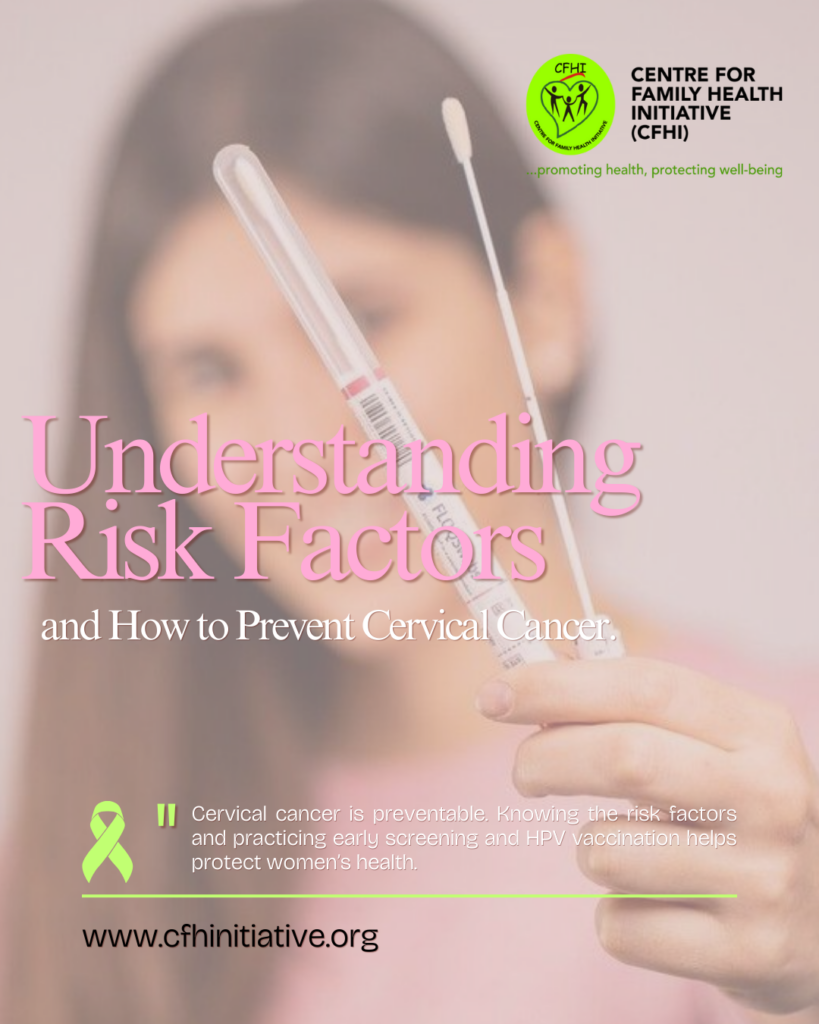
Cervical cancer remains one of the most preventable yet deadly cancers affecting women globally and in Nigeria. In 2022 alone, about 660,000 new cases and 350,000 deaths were recorded worldwide, with the highest burden in low- and middle-income countries where access to prevention and care is limited [1]. The disease develops in the cervix and is caused almost entirely by persistent infection with high-risk Human Papillomavirus (HPV), a common sexually transmitted virus that often shows no early symptoms [1].

Several factors increase a woman’s risk of developing cervical cancer. These include early sexual activity, multiple sexual partners, smoking, long-term use of hormonal contraceptives, and weakened immunity, especially among women living with HIV [1]. Women with HIV are up to six times more likely to develop cervical cancer due to reduced immune response to HPV infections [2]. In Nigeria, cervical cancer is the second most common cancer among women, and many cases are detected late due to low screening uptake and limited awareness [2].

The good news is that cervical cancer is largely preventable and treatable when detected early. The HPV vaccine, recommended for girls aged 9–14 years, can prevent up to 70–90% of cervical cancer cases linked to high-risk HPV types [1]. Regular screening through HPV testing or Pap smears helps detect precancerous changes early, allowing timely treatment before cancer develops. However, misinformation, cost, fear, and limited access continue to hinder screening in many communities [3].

In 2023, CFHI partnered with the National Primary Healthcare Development Agency, Women Advocates for Vaccine Access, Johns Hopkins International Vaccine Access Center, and other relevant partners to support HPV vaccine introduction in Nigeria, train ten vaccine champions, and sensitise over 4,000 persons in Bwari LGA, Abuja.

Every woman deserves the chance to prevent cervical cancer. Get screened regularly, ensure eligible girls receive the HPV vaccine, and share accurate information within your community. Together, we can reduce preventable deaths and protect women’s health.

References

  1. World Health Organization. Cervical cancer. Available from: https://www.who.int/news-room/fact-sheets/detail/cervical-cancer
  2. World Health Organization Regional Office for Africa. Cervical cancer early detection saves lives (Nigeria). Available from: https://www.afro.who.int/countries/nigeria/news/cervical-cancer-early-detection-saves-lives
  3. BMC Women’s Health. Cervical cancer screening and vaccination awareness in Nigeria. Available from: https://bmcwomenshealth.biomedcentral.com/articles/10.1186/s12905-023-02345-9


Understanding Risk Factors and How to Prevent Cervical Cancer Read More »

Silent Reproductive Health Struggles

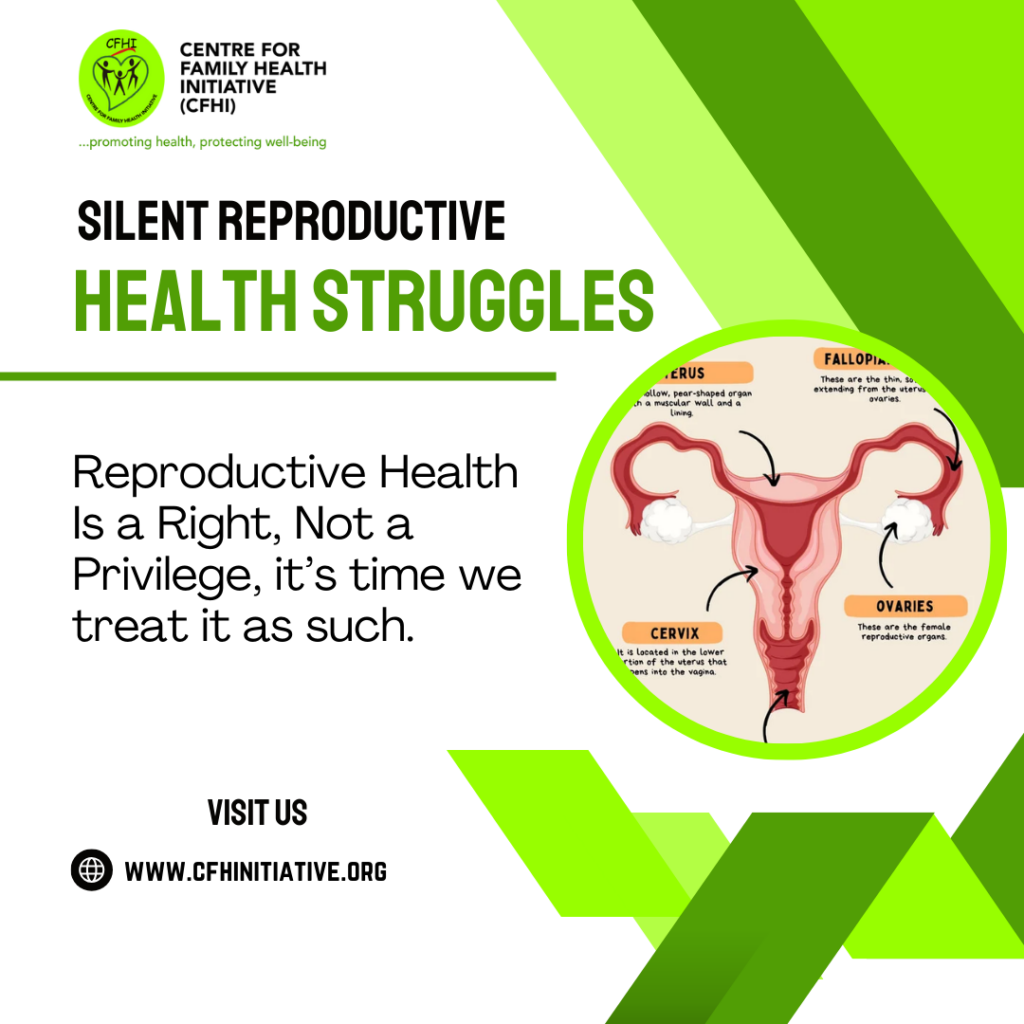
Women’s reproductive health is fundamental to their overall well-being, yet millions of women globally and in Nigeria face persistent, often silent challenges that compromise their health, autonomy, and quality of life [1]. Despite progress in some areas, vast inequities remain in access to services, information, and rights leaving many women vulnerable to preventable health problems [2].

One of the major silent struggles is limited access to essential reproductive health services, including family planning, maternal care, and safe delivery support. In sub-Saharan Africa, one in four women who wish to delay or stop childbearing do not use any contraceptive method, reflecting gaps in availability, choice, and quality of reproductive care [1][5]. These shortfalls contribute to high rates of unintended pregnancies, unsafe abortions, and increased maternal morbidity and mortality. Globally, about 800 women die each day from pregnancy-related causes, many of which are preventable with proper services and support [1].

In Nigeria, reproductive health disparities are stark. A survey of reproductive health concerns found that sexual health, contraception, infections, fertility issues, and reproductive cancers were among the most pressing worries for women, indicating broad unmet needs across the reproductive spectrum [3]. Despite various policies, only a few Nigerian states meet benchmarks for women’s participation in decisions about their sexual and reproductive health, reflecting systemic barriers rooted in socio-cultural norms and limited autonomy [4]. Economic challenges also contribute, with millions of women lacking access to modern contraceptives and comprehensive family planning services due to cost, misinformation, fear of side effects, cultural opposition, and weak health systems [5][6].

Another under-recognized struggle is infertility, which affects a significant portion of women yet remains stigmatized and poorly supported. Recent WHO guidance highlights infertility as a major public health concern, with more than one in six people of reproductive age affected [7]. Access to affordable fertility evaluation and treatment is limited in many countries, forcing women to choose between financial hardship and their desire for children [7].

Maternal health remains a critical issue. Globally, approximately 287,000 women die yearly from complications in pregnancy and childbirth, with nearly all these deaths occurring in low- and middle-income settings where health systems are weak and resources scarce [1]. In areas affected by conflict or economic strain, such as parts of northern Nigeria, women face even greater risks due to disrupted services, insecurity, and collapsed care infrastructure [8].

The impact of these struggles extends beyond physical health. When women cannot access respectful, quality reproductive care, the consequences ripple into social and economic domains limiting educational opportunities, reducing workforce participation, and perpetuating cycles of poverty and inequality [2].

Improving women’s reproductive health requires a holistic approach that ensures affordable and accessible services such as contraception, antenatal care, skilled delivery, and emergency support reach even the most underserved communities [1][5], while also equipping women with accurate, culturally sensitive information to make informed choices about their bodies and health [2]. At the same time, policies must actively protect women’s autonomy and reproductive rights by challenging harmful norms and discrimination [2][4], supported by strong, well-funded health systems with trained personnel to guarantee continuity of care, especially in fragile settings [1][8]. Integrating affordable infertility care and psychosocial support into routine reproductive health services is also essential to address the often hidden emotional and social burdens many women silently endure [7].

Speak Wednesday is an initiative of CFHI to address issues around gender-base violence and gender-bias.

References

  1. WHO Regional Office for Africa. Women’s Health. Available from: https://www.afro.who.int/health-topics/womens-health
  2. United Nations Population Fund (UNFPA). New UNFPA report finds 30 years of progress in sexual and reproductive health has mostly ignored the most marginalized communities. Available from: https://www.unfpa.org/press/new-unfpa-report-finds-30-years-progress-sexual-and-reproductive-health-has-mostly-ignored
  3. Sa’adatu TS, Dieng B, Danmadami AM. Reproductive health issues of concern among Nigerians: an online survey. Int J Community Med Public Health. Available from: https://doi.org/10.18203/2394-6040.ijcmph20234114
  4. Premium Times Nigeria. Only eight Nigerian states meet women’s health benchmark – Report. Available from: https://www.premiumtimesng.com/news/top-news/830200-only-eight-nigerian-states-meet-womens-health-benchmark-report.html
  5. World Health Organization. Sexual and Reproductive Health and Research (SRH): Family planning and contraception. Available from: https://www.who.int/teams/sexual-and-reproductive-health-and-research-%28srh%29
  6. Ballard Brief. Barriers to Family Planning for Women in West Africa. Available from: https://ballardbrief.byu.edu/issue-briefs/barriers-to-family-planning-for-women-in-west-africa
  7. WHO releases first global guideline on infertility care. Reddit; 2025. Available from: https://www.reddit.com/r/EmbryologyIVFSupport/comments/1pcjrzh/who_releases_first_global_guideline_on/
  8. AP News. Pregnancy has become a nightmare for many women in Nigeria’s conflict-hit north. Available from: https://apnews.com/article/c5846961ed87cddd8a24d1c2b04564a0

Silent Reproductive Health Struggles Read More »

When Healthcare Costs Become a Form of Bias

When healthcare costs rise beyond the reach of ordinary people, they silently become a form of bias one that decides who lives, who suffers, and who is forced to endure preventable pain. In Nigeria today, access to quality healthcare is increasingly determined not by need, but by ability to pay. For millions of women and girls, especially in low-income and underserved communities, the cost of care has become a cruel barrier that denies them their most basic right: the right to health. This hidden injustice affects lives, futures, and communities.

The impact of this bias is devastating. Pregnant women delay antenatal care because consultation fees are unaffordable, adolescent girls are denied reproductive health services, and survivors of gender-based violence cannot access timely medical attention due to cost. These barriers fuel inequality, worsen health outcomes, and perpetuate cycles of suffering. When healthcare becomes a privilege instead of a right, women and girls bear the heaviest burden, trapped in a system that marginalizes them and ignores their dignity.

The financial strain of out-of-pocket spending is crushing. Families are forced to choose between food, education, and medical care, often at the expense of women and girls. This reality exposes a health system that has failed to protect those most vulnerable, leaving them at risk of illness, neglect, and further gender-based harm. A functional, responsive healthcare system should uplift women and girls, not push them into vulnerability. Every woman and girl deserve care, respect, and protection regardless of income.

The Nigerian government must act decisively. Investing in maternal, reproductive, and gender-sensitive health services, strengthening primary healthcare, implementing effective insurance schemes, and ensuring accountability at every level are not optional, they are urgent obligations. Health must be treated as a national priority, because no society can prosper while its women and girls remain unwell, unprotected, and underserved. A fair and just society is one where access to healthcare is based on need, not income. Ending cost-driven bias in healthcare requires collective action from policymakers prioritizing women’s health financing, to institutions delivering quality care, to communities demanding equitable systems.

The call to action is clear: the government, stakeholders, and citizens must commit to ensuring healthcare is affordable, accessible, and equitable for all. Healthcare should heal, protect, and empower women and girls, and not discriminate against them. Until costs no longer determine who can access care, gender-based bias will continue to persist quietly, unfairly, and at an unacceptable human cost.

Speak Wednesday is an initiative of CFHI to address issues around gender-base violence and gender-bias.

When Healthcare Costs Become a Form of Bias Read More »

Ensuring Health Services Reach Everyone


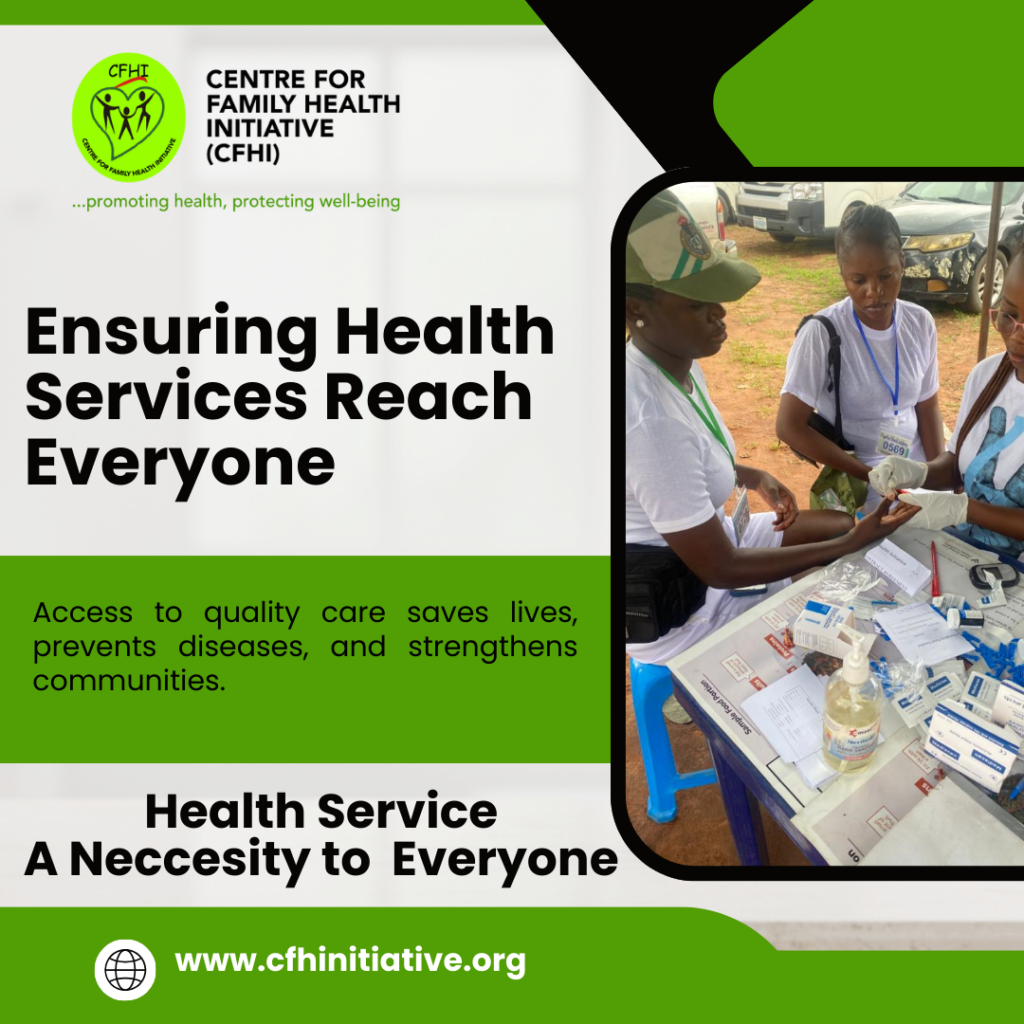
Ensuring that health services reach everyone remains one of the world’s most urgent development challenges, especially as global progress toward Universal Health Coverage (UHC) continues to slow. Worldwide, more than 4.6 billion people still lack access to essential health services, leaving millions at risk of preventable illness and financial hardship [1]. Although the global service coverage index has risen from the mid-50s in 2000 to around 71 in 2023, the gains remain uneven and fragile [2]. In Nigeria, persistent gaps in primary healthcare, maternal and newborn services, limited staffing, shortages of essential supplies and unreliable electricity continue to restrict access for many communities, particularly in rural and underserved areas [3,4].

Electricity is one of the most basic requirements for safe and functional health care. In many low-resource settings, including parts of Nigeria, frequent power interruptions limit the ability of facilities to conduct safe night-time deliveries, sterilize equipment, store vaccines, or run lifesaving laboratory tests. Evidence shows that roughly one-third to two-fifths of Nigeria’s primary health care centres still lack stable electricity, forcing some to rely on kerosene lamps, phone flashlights or fuel-powered generators that often fail when needed most [5,6]. Without reliable light and power, both mothers and newborns face heightened risks, and health workers struggle to provide the standard of care for which they are trained.

These structural challenges contribute to persistent health inequalities. Nigeria retains one of the highest maternal mortality ratios globally, despite substantial global declines since the early 2000s [2,7]. Skilled birth attendance an essential determinant of maternal and newborn survival has improved in some regions but still varies widely across northern states, where many young women remain unable to access skilled care at birth [4]. Preventive services such as immunisation have also fluctuated, with pandemic-related disruptions causing setbacks. Although recovery efforts are ongoing, routine immunisation coverage remains below global and regional benchmarks, leaving children in remote communities at disproportionate risk [3,8].

Nonetheless, evidence from recent interventions demonstrates that targeted, practical investments can quickly strengthen essential health services. Solar electrification of primary health care facilities, particularly through durable systems designed for maternal and emergency care, has been shown to improve night-time service delivery, stabilize cold-chain systems and increase overall service availability [6,9]. When paired with training and continuous supervision, such interventions support proper equipment use, routine maintenance and long-term sustainability an approach consistently endorsed by global health experts and backed by facility-level assessments [7]. Furthermore, integrating community engagement, leadership participation and strong referral mechanisms encourages service uptake and strengthens public trust.

To accelerate progress, policymakers, donors, and community leaders must prioritize primary healthcare revitalization, commit to electrifying facilities, invest in continuous staff training, and support service delivery models proven to work. Ensuring that health services reach everyone is both achievable and urgent. With collective action, equitable investment and strengthened partnerships, Nigeria can move closer to a future where every individual regardless of geography or socioeconomic status receives the essential care needed to live a healthy and dignified life.


References

  1. World Health Organization. Universal health coverage (UHC) fact sheet. 2024 [cited 2025 Dec 12]. Available from: https://www.who.int/news-room/fact-sheets/detail/universal-health-coverage-%28uhc%29
  2. World Bank. Tracking Universal Health Coverage — 2025 Global Monitoring Report. 2025 [cited 2025 Dec 12]. Available from: https://www.worldbank.org/en/topic/universalhealthcoverage/publication/2025-global-monitoring-report-gmr
  3. WHO. Nigeria Country Health Profile — Health System Performance, Immunisation & Primary Care Indicators. 2024 [cited 2025 Dec 12]. Available from: https://www.who.int/countries/nga
  4. Afape AO, et al. Prevalence and determinants of skilled birth attendance among young women in Northern Nigeria. 2024 [cited 2025 Dec 12]. Available from: https://www.ncbi.nlm.nih.gov/pmc/articles/PMC11389318/
  5. World Health Organization. Electricity in health-care facilities. 2023 [cited 2025 Dec 12]. Available from: https://www.who.int/news-room/fact-sheets/detail/electricity-in-health-care-facilities
  6. Sustainable Energy for All. Powering primary healthcare in Nigeria. 2024 [cited 2025 Dec 12]. Available from: https://www.seforall.org
  7. World Bank. Maternal mortality ratio — Nigeria. 2024 [cited 2025 Dec 12]. Available from: https://data.worldbank.org/indicator/SH.STA.MMRT?locations=NG
  8. UNICEF. Immunisation data and analysis. 2024 [cited 2025 Dec 12]. Available from: https://data.unicef.org/topic/child-health/immunization/
  9. Nigeria Health Watch. Solar power solutions for primary healthcare centres. 2024 [cited 2025 Dec 12]. Available from: https://articles.nigeriahealthwatch.com/a-solar-power-project-is-keeping-primary-healthcare-centres-running-in-abuja/


Ensuring Health Services Reach Everyone Read More »

UHC Day 2025: Unaffordable health costs? We’re sick of it!

Universal Health Coverage (UHC) Day is a global reminder that access to quality health care is a fundamental right, not a privilege reserved for the wealthy. This year’s theme, “Unaffordable health costs? We’re sick of it!”, speaks directly to one of the biggest barriers facing millions of Nigerians: skyrocketing healthcare costs and the widening gap between health needs and the ability to pay.

While achieving UHC requires multisectoral commitment, one of the most critical systems needed to bridge this gap is health insurance, an essential mechanism designed to protect individuals from financial hardship, ensure continuity of care, and promote equitable access to essential services. Yet, despite the existence of the National Health Insurance Authority (NHIA) and state-level schemes, enrolment remains abysmally low. Out-of-pocket payments still account for over 76% of total health spending in Nigeria, pushing millions deeper into poverty every year.

Health insurance providers cannot succeed alone; they face chronic underfunding, limited subsidies, weak enforcement, and low public awareness. Sustainable progress requires stronger government leadership, increased premium subsidies for the poor, upgraded health facilities, and digital systems that make enrolment seamless.

Yet progress is possible, and CFHI is proving it every day.

Through relentless community mobilization and strategic partnerships with philanthropists like Satoshi Koiso and development partners such as the Institute of Human Virology Nigeria (IHVN), CFHI has successfully enrolled 224 vulnerable individuals into NHIA-supported health coverage this year alone.

These are not just numbers.

They are mothers who no longer skip medication.

They are children who can see a doctor without their parents selling assets.

They are families now protected from choosing between medicine and food.

Health insurance must be affordable, accessible, and functional for every Nigerian. It is not just a policy tool; it is a lifeline that protects households from falling into poverty and guarantees timely care, especially for vulnerable groups.

On UHC Day 2025, our message is unequivocal:

No Nigerian should be denied quality care because they cannot afford it.

We call on federal and state governments to:

  • Fully subsidize premiums for low-income and vulnerable households
  • Strengthen primary health care facilities that deliver insured services
  • Enforce mandatory coverage and streamline digital enrolment

It is time to end the era of unaffordable health costs.

Health care is a right for every Nigerian, irrespective of socio-economic status.

Together, we can make “We’re sick of it” a rallying cry that finally delivers results.

UHC Day 2025: Unaffordable health costs? We’re sick of it! Read More »

Removing Gender Barriers in Healthcare Access

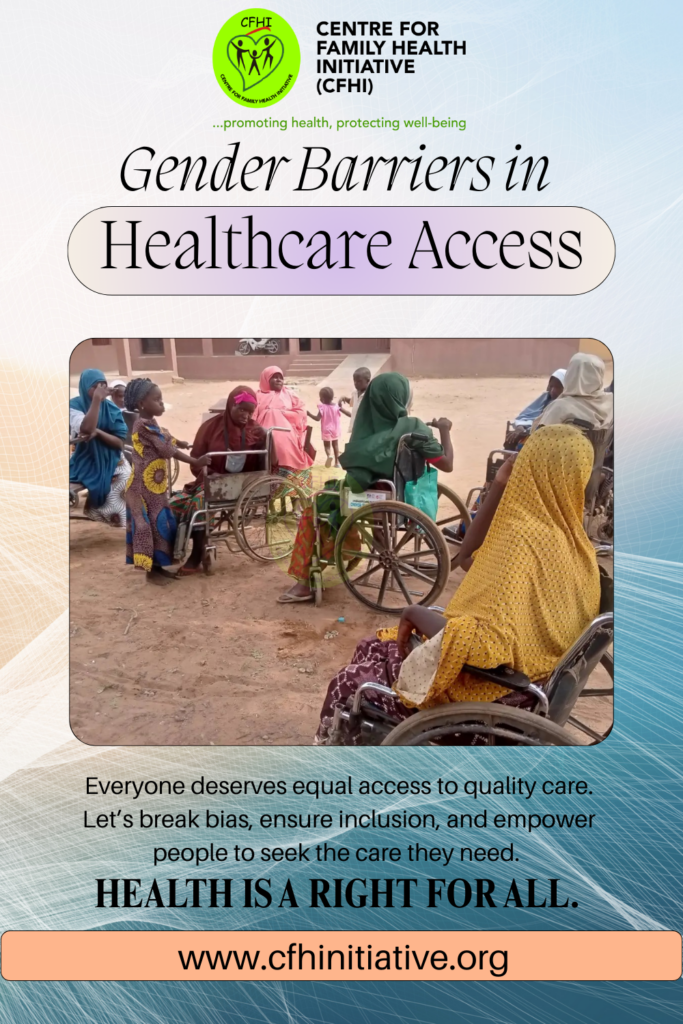
Removing gender barriers to healthcare is not only a matter of equity it is a moral and practical necessity if societies are to survive and thrive. Women and girls face layered obstacles to care: constrained mobility, financial dependence, harmful social norms, and health systems that are under-resourced and sometimes discriminatory. The World Health Organization highlights that gender norms and discrimination systematically limit access to services for women and girls, reducing their ability to obtain timely information, preventive care, and lifesaving treatment (1). These barriers are compounded by grim facility gaps: recent WHO/UNICEF data show billions are treated in health settings that lack basic water, sanitation, hygiene, and reliable electricity conditions that make safe maternal care and emergency treatment precarious (2). At the same time, progress toward universal health coverage (UHC) has slowed, leaving significant groups especially women in rural and low-income communities exposed to out-of-pocket costs and unmet needs (3).

The consequences are measurable and stark. Nigeria, for example, continues to bear a disproportionate share of global maternal deaths, a reality linked to regional inequalities in access, weak infrastructure, and funding shortfalls (4). Globally, analyses of health inclusivity reveal that refugees, displaced women, women with disabilities and other marginalized groups are far more likely to be denied or excluded from care in some cases by more than twenty percentage points compared with non-marginalized groups (5). These are not abstract injustices: they translate into delayed antenatal visits, unattended deliveries, untreated complications, and endless cycles of preventable suffering. Removing gender barriers means addressing the social drivers that prevent women from seeking care as urgently as fixing the physical gaps in facilities.

Civil society organisations and local actors are essential partners in closing these gaps. The Centre for Family Health Initiative (CFHI) works at the community level to confront both practical and cultural barriers to care: we run health education and rights-awareness campaigns that equip women and families with knowledge about available services and how to claim them; we strengthen linkages between households and primary health centres through referrals and case management; we support WASH and menstrual hygiene programmes so women can access services with dignity; and we provide capacity building for community health workers and facility staff so that care is both accessible and respectful (6). Where infrastructure is missing, CFHI has partnered with donors and initiatives to deliver pragmatic solutions for example installing solar birth kits in underserved PHCs to ensure safe night-time deliveries while simultaneously training Healthcare Professionals and Community Health Extension Workers (CHEWs) to enhance their competencies in clinical care, documentation, counselling, and emergency response, ensuring that PHCs can deliver reliable and respectful services across all essential health areas

To remove gender barriers at scale, governments, donors, and health systems must act on several fronts. First, finance primary health care adequately and ensure that essential services are free or financially protected at the point of use, so women are not forced to choose between care and survival. Second, invest in facility infrastructure WASH, electricity, cold chain and privacy provisions because dignity and safety are prerequisites for access. Third, embed gender-responsive policies across health programming: mandate respectful maternity care, train providers on implicit bias and discrimination, involve women and adolescent girls in service design, and expand targeted outreach for marginalized groups. Fourth, strengthen data systems to capture gender-disaggregated indicators and unmet needs so resource allocation can follow the evidence. Finally, create accountability mechanisms community scorecards, patient charters and independent oversight so promises become measurable action.

Change requires more than policy papers; it requires citizens, health workers, NGOs and governments to demand it and to act. We call on policymakers to prioritise gender responsive UHC financing and facility upgrades, on donors to fund long-term health system strengthening rather than short-term projects, on facility managers to adopt respectful care protocols today, and on community leaders to champion women’s right to health. If we truly value half our population, we will remove the gender barriers that deny women the healthcare they are owed.

References

  1. World Health Organization. Gender and health. Available from: https://www.who.int/health-topics/gender.
  2. World Health Organization; UNICEF. Countries making unprecedented efforts but billions still lack basic services in health-care facilities — WHO-UNICEF report warns. WHO website. 24 Sep 2025. Available from: https://www.who.int/news/item/24-09-2025-countries-making-unprecedented-efforts-but-billions-still-lack-basic-services-in-health-care-facilities—who-unicef-new-report-warns.
  3. World Health Organization. Universal health coverage (UHC) fact sheet. Available from: https://www.who.int/news-room/fact-sheets/detail/universal-health-coverage-(uhc).
  4. The Guardian. ‘Difficult choices’: aid cuts threaten effort to reduce maternal deaths in Nigeria. 21 May 2025. Available from: https://www.theguardian.com/world/2025/may/21/aid-cuts-threaten-effort-reduce-maternal-deaths-nigeria.
  5. Economist Impact. Understanding health inclusivity for women. Available from: https://impact.economist.com/projects/health-inclusivity-index/inclusivity-topics/articles/understanding-health-inclusivity-for-women.
  6. Centre for Family Health Initiative (CFHI). Who we are / What we do. Available from: https://www.cfhinitiative.org.


Removing Gender Barriers in Healthcare Access Read More »

Human Rights and Access to Quality Healthcare for All

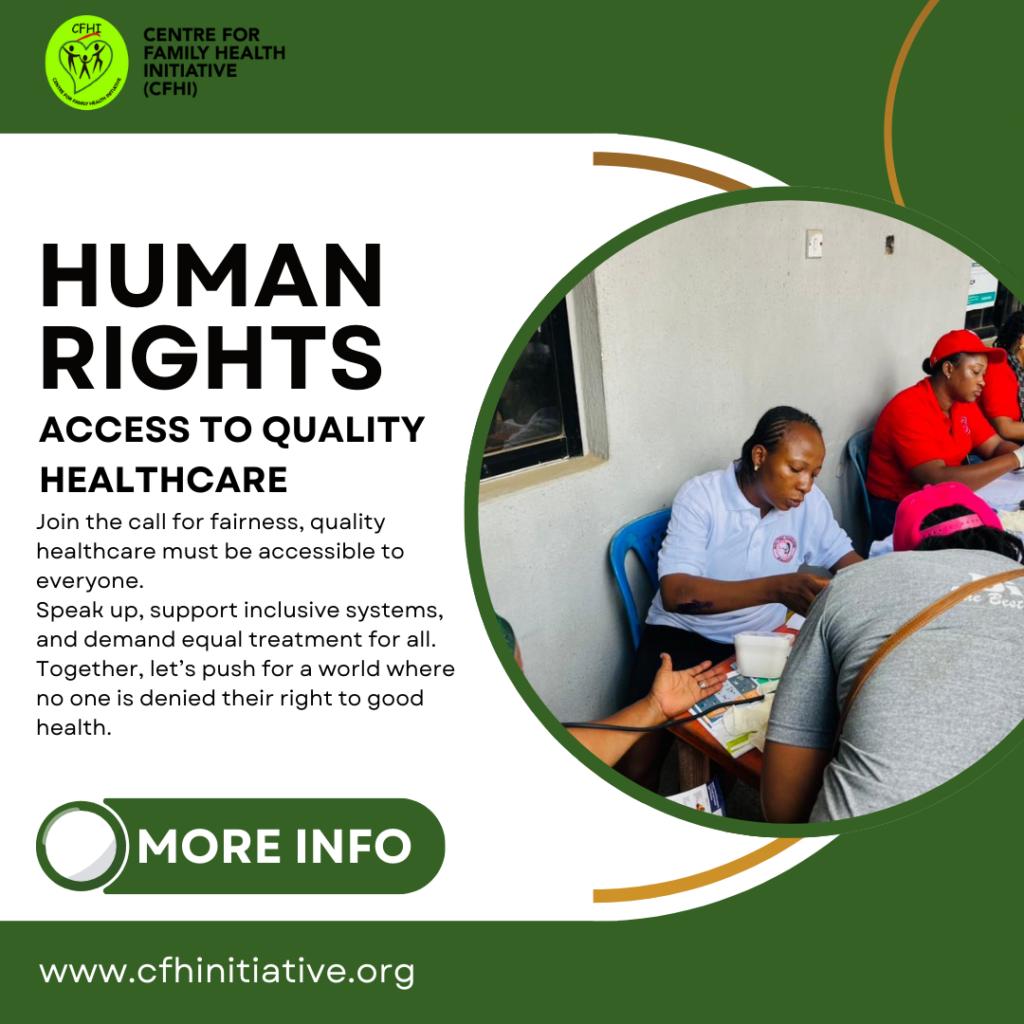
Access to quality healthcare is recognized globally as a fundamental human right. Yet, billions of people still cannot exercise this right. Recent WHO and UNICEF estimates, about 1.1 billion people received healthcare in facilities without basic water services, while 3.0 billion lacked access to sanitation services, creating unsafe environments for patients and health workers alike (1). Additionally, 1.7 billion individuals were cared for in facilities without proper hygiene standards, and about 2.8 billion lacked access to safe health-care waste management, exposing communities to preventable infections (1). Another WHO report highlights that nearly one billion people depend on facilities with unreliable or no electricity, making safe childbirth, emergency care, vaccine storage, and laboratory services extremely difficult (2). To address such challenges, CFHI, with support from Grand Challenges Nigeria, recently installed solar birth kits at Rumde PHCC in Adamawa and Gusau PHCC in Zamfara States. These kits provide reliable solar-powered lighting, enabling skilled birth attendants to conduct deliveries safely at night or during power outages, support emergency care, and ensure essential medical equipment can function consistently.

Such deficits represent clear violations of the right to health. Quality healthcare must be safe, clean, affordable, and accessible. Studies further show that poor healthcare access contributes to increased maternal mortality, preventable illnesses among children, late health-seeking behaviour, and financial hardship. Globally, millions face catastrophic out-of-pocket spending on healthcare, pushing vulnerable families into poverty each year (3). Universal Health Coverage frameworks emphasize equity; however, implementation remains slow in many developing countries, especially in rural and underserved communities where health investment is still low.

In Nigeria, although relevant health policies exist, many communities still lack the enabling environment to exercise their health rights, the government has the primary responsibility to provide healthcare services and maintain facilities, the reality is that many health centres remain dilapidated and under-resourced. This situation underscores the urgent need for authorities to prioritize investment in health infrastructure, provide functional equipment, and ensure every facility meets minimum standards to protect the lives of mothers, newborns, and communities. This is where organizations such as Centre for Family Health Initiative (CFHI) contribute meaningfully to bridging the gap. CFHI works to expand equitable healthcare access by implementing interventions that support orphans and vulnerable children, adolescents, caregivers, and low-income households. The organization improves community knowledge on health rights, offers psychosocial support, conducts HIV counselling, testing, and referrals, and assists vulnerable families in navigating access to healthcare facilities (4).

Through capacity building for healthcare workers, stronger health facility linkage, and participatory learning sessions, CFHI promotes informed decision-making and encourages service utilization which are critical elements of health rights implementation. Ultimately, improved health outcomes must go beyond policy frameworks; communities must receive accessible services delivered in dignity, and families must be able to seek care without financial ruin.

Achieving true universal access requires investment in basic facility infrastructure, elimination of discriminatory practices, improved health financing, and strengthened accountability mechanisms. When communities are assured of safety, fairness, and affordability, healthcare becomes a right in practice not merely in principle.

References

  1. World Health Organization and UNICEF. Countries making unprecedented efforts but billions still lack basic services in health-care facilities. WHO website. Available at: https://www.who.int/news/item/24-09-2025-countries-making-unprecedented-efforts-but-billions-still-lack-basic-services-in-health-care-facilities—who-unicef-new-report-warns
  2. World Health Organization. Global progress report on universal access to WASH services in healthcare facilities. WHO website. Available at: https://www.who.int/news/item/24-09-2025-countries-making-unprecedented-efforts-but-billions-still-lack-basic-services-in-health-care-facilities—who-unicef-new-report-warns
  3. World Bank Group. Billions left behind on the path to universal health coverage. World Bank website. Available at: https://www.worldbank.org/en/news/press-release/2023/09/18/billions-left-behind-on-the-path-to-universal-health-coverage
  4. Centre for Family Health Initiative (CFHI). Programme information and reports. CFHI website. Available at: https://www.cfhinitiative.org


Human Rights and Access to Quality Healthcare for All Read More »