Men’s Health

UHC Day 2025: Unaffordable health costs? We’re sick of it!

Universal Health Coverage (UHC) Day is a global reminder that access to quality health care is a fundamental right, not a privilege reserved for the wealthy. This year’s theme, “Unaffordable health costs? We’re sick of it!”, speaks directly to one of the biggest barriers facing millions of Nigerians: skyrocketing healthcare costs and the widening gap between health needs and the ability to pay.

While achieving UHC requires multisectoral commitment, one of the most critical systems needed to bridge this gap is health insurance, an essential mechanism designed to protect individuals from financial hardship, ensure continuity of care, and promote equitable access to essential services. Yet, despite the existence of the National Health Insurance Authority (NHIA) and state-level schemes, enrolment remains abysmally low. Out-of-pocket payments still account for over 76% of total health spending in Nigeria, pushing millions deeper into poverty every year.

Health insurance providers cannot succeed alone; they face chronic underfunding, limited subsidies, weak enforcement, and low public awareness. Sustainable progress requires stronger government leadership, increased premium subsidies for the poor, upgraded health facilities, and digital systems that make enrolment seamless.

Yet progress is possible, and CFHI is proving it every day.

Through relentless community mobilization and strategic partnerships with philanthropists like Satoshi Koiso and development partners such as the Institute of Human Virology Nigeria (IHVN), CFHI has successfully enrolled 224 vulnerable individuals into NHIA-supported health coverage this year alone.

These are not just numbers.

They are mothers who no longer skip medication.

They are children who can see a doctor without their parents selling assets.

They are families now protected from choosing between medicine and food.

Health insurance must be affordable, accessible, and functional for every Nigerian. It is not just a policy tool; it is a lifeline that protects households from falling into poverty and guarantees timely care, especially for vulnerable groups.

On UHC Day 2025, our message is unequivocal:

No Nigerian should be denied quality care because they cannot afford it.

We call on federal and state governments to:

  • Fully subsidize premiums for low-income and vulnerable households
  • Strengthen primary health care facilities that deliver insured services
  • Enforce mandatory coverage and streamline digital enrolment

It is time to end the era of unaffordable health costs.

Health care is a right for every Nigerian, irrespective of socio-economic status.

Together, we can make “We’re sick of it” a rallying cry that finally delivers results.

UHC Day 2025: Unaffordable health costs? We’re sick of it! Read More »
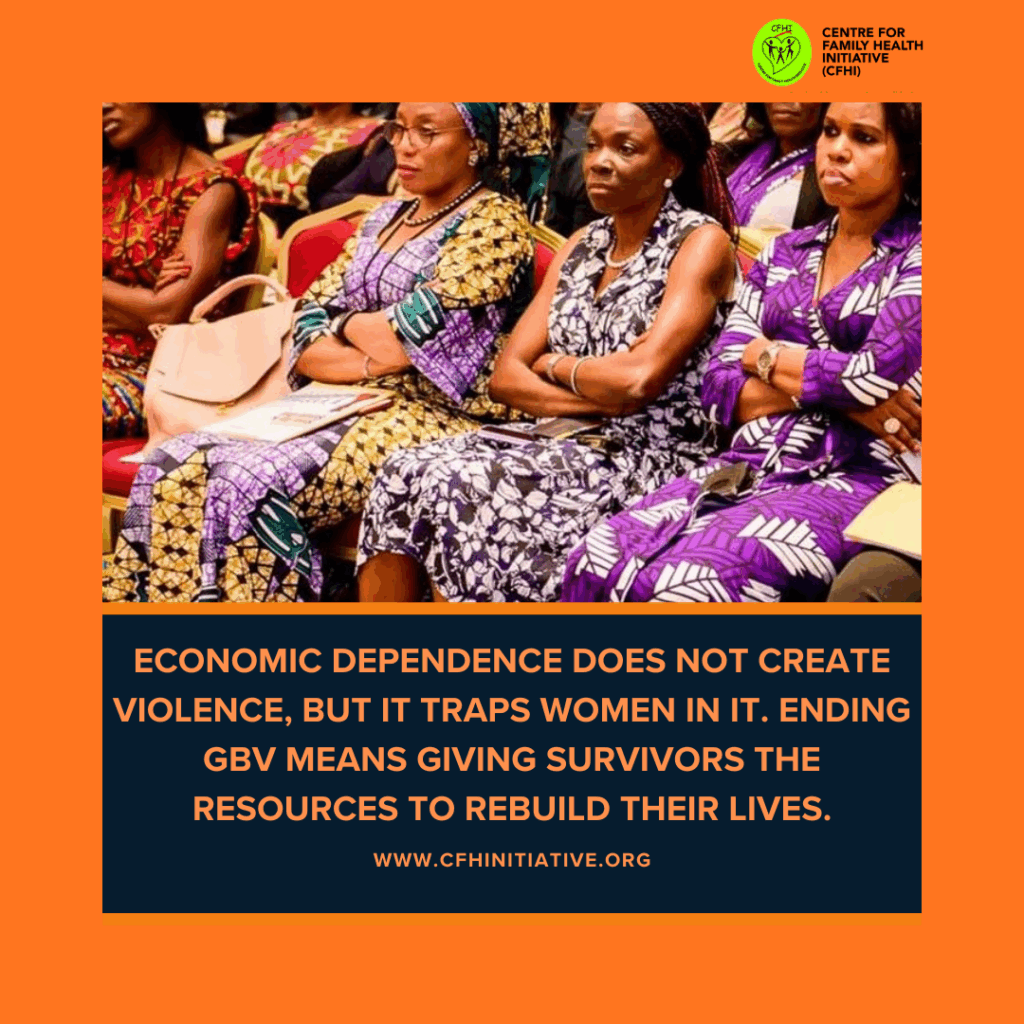
Economic Dependence and Poverty

Economic dependence and poverty are not just financial issues they are powerful forces that shape power dynamics, influence decision-making, and, far too often, trap women and girls in cycles of gender-based violence (GBV). As the world marks the UN 16 Days of Activism Against Gender-Based Violence, it is essential to spotlight how economic injustice fuels abuse and limits survivors’ ability to break free.

Globally, 1 in 3 women experience physical or sexual violence in their lifetime [1]. But this statistic tells only part of the story. Economic vulnerability magnifies the risk. According to UN Women, women who lack income or financial independence are more than twice as likely to experience intimate partner violence (IPV) compared to women with stable earnings [2]. Poverty does not cause violence, but it creates the conditions that allow it to thrive.

Women and girls in low-income settings often face restricted access to education, limited job opportunities, lower wages, and discriminatory cultural norms that position men as sole decision-makers. In many African countries, including Nigeria, the gender wage gap persists, and only 47% of women participate in the labor force compared to 74% of men [3]. Economic dependence becomes both a weapon and a barrier abusers use financial control to dominate, and survivors stay because they have nowhere else to go.

Research also shows that economic abuse such as preventing a woman from working, taking her earnings, or denying access to financial resources is present in 94% of abusive relationships [4]. This form of violence is silent but devastating. It keeps survivors trapped in relationships where they fear not only physical harm, but homelessness, hunger, and inability to care for their children.

During the 16 Days of Activism, the global community emphasizes prevention, protection, and justice. Yet these efforts are incomplete without addressing the economic realities that shape women’s lives. Economic empowerment is not a luxury it is a protective factor. Studies show that when women have financial independence, the likelihood of experiencing intimate partner violence drops significantly, sometimes by up to 35% [5].

To meaningfully address GBV, we must:

  • Expand women’s access to education, digital literacy, and vocational training.
  • Promote equal employment opportunities and enforce equal pay legislation.
  • Support women-owned businesses and access to credit.
  • Integrate economic empowerment programs into GBV prevention strategies.
  • Provide social protection, cash transfers, and safety nets that reduce vulnerability.


Over the years, the Centre for Family Health Initiative (CFHI) has consistently advanced economic and gender justice through practical empowerment programmes that strengthen the financial independence of women and adolescent girls. Across various communities, CFHI has trained over 500 women and girls in income-generating skills such as tailoring, pastry production, craft design, and household product manufacturing interventions that have enabled many beneficiaries to start small-scale businesses and reduce their economic dependence.

Under its OVC and community health programs, CFHI has also supported female caregivers from over 1000 vulnerable households with start-up kits, access to savings groups, and linkages to livelihood opportunities. Additionally, CFHI’s gender norms and leadership development activities have reached thousands of adolescents and young women, strengthening their confidence, shifting harmful cultural perceptions, and enhancing their participation in community leadership. Support for adolescent mothers has remained a core focus. These combined interventions reflect CFHI’s long-standing commitment to empowering women and girls with the skills, resources, and opportunities needed to achieve economic independence and live free from violence.

As we participate in the global campaign, let us remember that ending violence requires ending poverty and dependence. Governments, development actors, communities, and individuals must work together to expand economic opportunities and dismantle systems that keep women financially trapped.

Empowering women economically is one of the most powerful ways to break the silence, stop the violence, and build a future where every woman can live with dignity, safety, and independence. Economic justice is gender justice. A world free from violence must also be a world free from poverty.


References

  1. World Health Organization. Violence against women: prevalence estimates 2018. Geneva: WHO; 2021. Available from: https://www.who.int/publications/i/item/9789240022256
  2. UN Women. Facts and figures: Ending violence against women. 2024. Available from: https://www.unwomen.org/en/what-we-do/ending-violence-against-women/facts-and-figures
  3. World Bank. Labor force participation rate, female (% of female population ages 15+). 2023. Available from: https://data.worldbank.org
  4. Adams AE, Sullivan CM, Bybee D, Greeson M. Development of the scale of economic abuse. Violence Against Women. 2008;14(5):563-588.
  5. UNFPA. Economic empowerment and the reduction of gender-based violence: Global evidence. 2023. Available from: https://www.unfpa.org


TO BE CONTINUED…WATCH OUT FOR

NO 5 BARRIER

Economic Dependence and Poverty Read More »

Socio-Cultural Norms and Practices A Deep-Rooted Barrier to Ending GBV

Across communities, the fight against Gender-Based Violence (GBV) is often undermined not by the absence of laws or policies, but by something far more entrenched socio-cultural norms and practices. These norms act as invisible rules that govern how people think, behave, and relate to each other, shaping gender expectations from childhood into adulthood. When these expectations are rooted in inequality, they form a powerful barrier that normalizes violence against women and girls and shields perpetrators from accountability. To truly eliminate GBV, we must confront these beliefs, because they are the soil from which violence grows.

In many parts of Nigeria, men are socialized to be dominant and authoritative, while women are groomed to be submissive, tolerant, and “obedient.” These expectations directly reinforce violence. A study in Northwest Nigeria showed that domestic violence is often justified by community members as a “corrective measure,” particularly when women fail to adhere to traditional roles of respect and submission to their husbands 2. This cultural acceptance makes reporting violence extremely difficult, as survivors fear being blamed, shamed, or even punished by their own families or communities.

Deep-seated practices such as female genital mutilation (FGM), child marriage, widowhood rituals, and the payment of bride price further cement gender inequality. In Northern Nigeria, child marriage is frequently defended as a cultural or religious requirement, yet research shows it exposes girls to sexual violence, health risks, and lifelong disempowerment 3 Similarly, FGM persists in communities where it is considered a rite of passage or a marker of purity, despite its severe physical and psychological consequences. These practices reinforce the idea that a woman’s value is tied to her body and her obedience, not her autonomy or humanity 6.

Gender norms also influence how communities perceive survivors and perpetrators. In the Niger Delta, for instance, over 75% of respondents in one study believed that women provoke violence when they fail to meet cultural expectations of submission and domestic responsibility 7. This belief creates a dangerous cycle where victims are blamed and perpetrators are excused, further emboldening violence. Even in settings considered more progressive, such as universities, harmful beliefs remain widespread. Research among students at the University of Calabar revealed that many still view men as inherently superior and justified in exerting control over women through violence 4.

These norms are not just personal attitudes they have structural consequences. A multivariate analysis across different regions of Nigeria confirmed a strong correlation between cultural beliefs and the prevalence of GBV 10. They influence legal reporting, access to justice, community support systems, and even the willingness of institutions to intervene. So long cultural frameworks continue to excuse or minimize violence, GBV will persist regardless of how many laws or policies exist on paper.

To dismantle these barriers, Nigeria must invest in cultural transformation alongside policy reforms. This requires community dialogues, gender-transformative education, economic empowerment of women, and meaningful engagement with traditional and religious leaders who hold influence over cultural practices. It also means amplifying survivor voices, strengthening community accountability systems, and challenging harmful norms through storytelling, media campaigns, and grassroots activism. Socio-cultural norms are deeply rooted but they are not unchangeable. Change begins when communities recognize that culture should protect, not destroy.


References

  1. Ede V, Arinze-Umobi C. Gender Issues in Islam. Teologia. 2024.
    https://journal.walisongo.ac.id/index.php/teologia/article/view/25466
  2. Argungu AM, Safiyanu S, Abba M. Domestic Violence and Women’s Rights in Northwest Nigeria. ASJP African Journal of Arts, Humanities & Social Sciences.
    https://aspjournals.org/ajahss/index.php/ajahss/article/view/173
  3. Adeyemi S, Engwa GA. Influence of Socio-Cultural Beliefs on Gender-Based Violence in Nigeria.
    Semantics Scholar.
    https://www.semanticscholar.org/paper/Socio-Cultural-Beliefs-and-Gender-Based-Violence-Adeyemi-Engwa/3cd20061f7caa3c54b6b88ff063d5ba2272f2c6b
  4. Ibekwe J. Influence of cultural norms and stereotypes on gender-based violence among students of the University of Calabar. International Journal of Medical Students.
    https://ijms.pitt.edu/IJMS/article/view/2956
  5. Olaseni AO, Akpa OM. Socio-cultural perspectives of GBV in Nigeria. SAGE Journals.
    https://journals.sagepub.com/doi/full/10.1177/2158244020982992
  6. Ojedokun U. Religion, Culture and Violence Against Women in Nigeria. Religions Journal. 2023.
    https://www.mdpi.com/2077-1444/16/3/359
  7. Idumwonyi I, Aigbokhaevbolo O. Community Perceptions of GBV in the Niger Delta Region of Nigeria. DOAJ.
    https://doaj.org/article/670a61e4b2bc4c9fbe669857804551ab
  8. Mulbah J, et al. Cultural beliefs and GBV in Sub-Saharan Africa. BMC Public Health.
    https://bmcpublichealth.biomedcentral.com/articles/10.1186/s12889-020-09138-9
  9. Onyekwere G. Widowhood practices and socio-cultural norms reinforcing GBV in Nigeria. African Journals Online (AJOL).
    https://www.ajol.info/index.php/jsda/article/view/233564
  10. Bala RY, Idris A. Socio-Cultural Drivers of Gender-Based Violence: A Multivariate Analysis in Nigeria.
    IJMRA. https://ijmra.in/v7i5/6.php


Socio-Cultural Norms and Practices A Deep-Rooted Barrier to Ending GBV Read More »

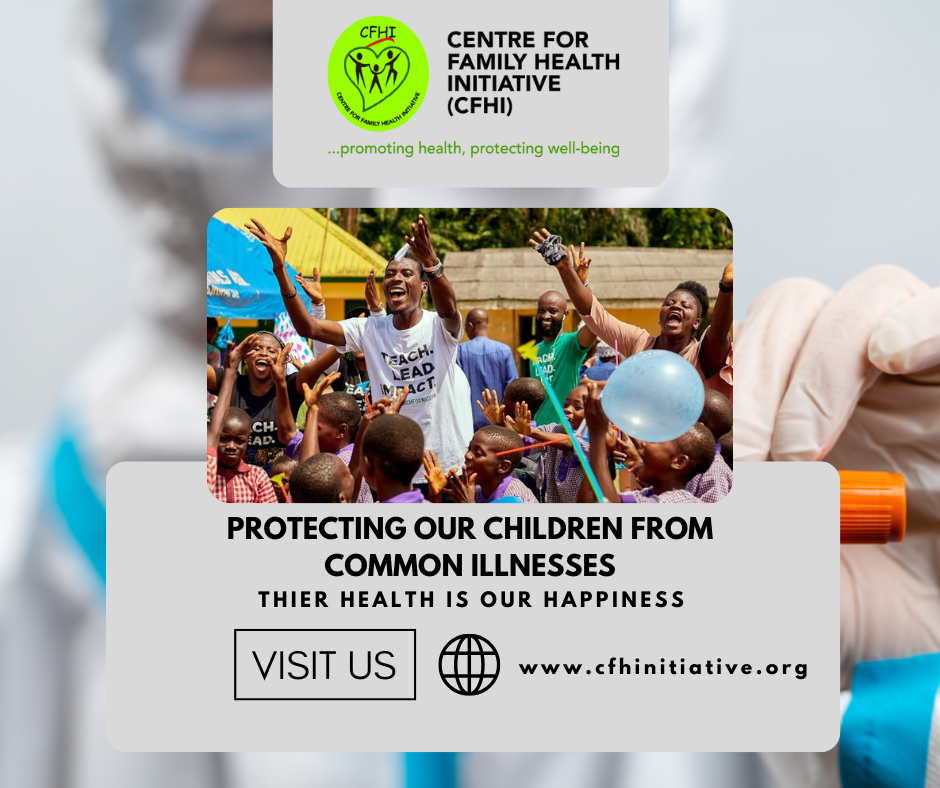
Protecting Our Children from Common Illnesses

Children remain highly vulnerable to common illnesses, and preventing these diseases is essential to safeguarding their growth and wellbeing. In Nigeria, infections such as diarrhea, malaria, and acute respiratory infections continue to be among the leading causes of sickness and death in children under five, despite being largely preventable. Evidence shows that environmental and structural factors contribute significantly to this burden. Research highlights that improved water, sanitation, and hygiene (WASH) are strongly associated with reduced childhood diarrhea and respiratory infections (1). Additionally, findings from Nigeria’s Demographic and Health Surveys indicate that poor housing conditions including overcrowding and inadequate ventilation are major predictors of child illness across the country (2).

The impact of these illnesses extends far beyond short-term discomfort. Children who frequently experience diarrhea or respiratory infections are at increased risk of stunting, and spatial health research in Nigeria reveals that these conditions often overlap, creating compounded threats to child growth and development (3). Preventable infections such as measles also have long-term consequences on immunity and overall health in later life, as demonstrated in studies tracking early-life measles exposure (6). Even though effective vaccines exist, childhood immunization coverage remains suboptimal in many regions, prompting the introduction of innovative solutions such as artificial intelligence systems to increase vaccine uptake (5). Reliable hospital data further confirm that pneumonia, malaria, and diarrheal diseases remain major contributors to child mortality in Nigerian healthcare settings (4). Alongside medical treatment, community-based interventions such as hygiene promotion, nutrition counselling, and timely referral are essential to reducing morbidity. Globally, standardized caregiver resources like UNICEF’s “Facts for Life” continue to guide families on preventing and responding to common childhood illnesses (7).

The Centre for Family Health Initiative (CFHI) plays a critical role in reducing the burden of childhood illnesses through targeted community programs. CFHI supports maternal, newborn, and child health activities, including MNCH weeks where children receive essential interventions such as vaccinations, deworming, vitamin A supplementation, growth monitoring, and malnutrition screening (8). The organization also drives WASH improvements aimed at reducing disease spread and implements extensive community health education on hygiene, sanitation, immunization, and early care-seeking. Through capacity-building efforts, CFHI strengthens the skills of health workers and volunteers to deliver quality child health services (9). CFHI’s approach is evidence-based and community-centered, ensuring that interventions respond to local needs and contribute meaningfully to child survival and development.

Protecting children from preventable illnesses requires collective responsibility. Caregivers should ensure full vaccination, practice proper handwashing, maintain clean household environments, and seek medical care early when their children show signs of illness. Community members must actively share health information and support local awareness programs. Policy and government actors should invest in clean water systems, sanitation infrastructure, and housing improvements to create healthier environments for children. Finally, individuals and organizations can strengthen CFHI’s efforts by volunteering, partnering, or supporting programs that promote child health. Together, these actions can secure a safer, healthier future for every child.


References

  1. Oyebanji TO, Chandra-Mouli V. Burden of Common Childhood Diseases in Relation to Improved Water, Sanitation, and Hygiene (WASH) among Nigerian Children. PubMed [Internet]. 2018 [cited 2025 Nov 23]. Available from: https://pubmed.ncbi.nlm.nih.gov/29895758/
  2. Olusanya BO, Odeyemi OA, Abimbola S, Adebowale SA. Housing conditions as predictors of common childhood illness: Evidence from Nigeria Demographic and Health Surveys, 2008–2018. PubMed [Internet]. 2021 [cited 2025 Nov 23]. Available from: https://pubmed.ncbi.nlm.nih.gov/33476186/
  3. Gai T, Cunningham E, Chukwuogo O, et al. Spatial Co-Morbidity of Childhood Acute Respiratory Infection, Diarrhoea and Stunting in Nigeria. PubMed [Internet]. 2022 [cited 2025 Nov 23]. Available from: https://pubmed.ncbi.nlm.nih.gov/35162859/
  4. van den Berg GJ, von Hinke S, Vitt N. Early life exposure to measles and later-life outcomes: Evidence from the introduction of a vaccine. arXiv [Internet]. 2023 [cited 2025 Nov 23]. Available from: https://arxiv.org/abs/2301.10558
  5. Kehinde O, Abdul R, Afolabi B, et al. Deploying ADVISER: Impact and Lessons from Using Artificial Intelligence for Child Vaccination Uptake in Nigeria. arXiv [Internet]. 2023 [cited 2025 Nov 23]. Available from: https://arxiv.org/abs/2402.00017
  6. Morbidity and Mortality Pattern of Childhood Illnesses Seen at the Children Emergency Unit of Federal Medical Center, Asaba, Nigeria. AMHSR [Internet]. [cited 2025 Nov 23]. Available from: https://www.amhsr.org/articles/morbidity-and-mortality-pattern-of-childhood-illnesses-seen-at-the-children-emergency-unit-of-federal-medical-center-asaba-nigeria.html
  7. Facts for Life. [Internet]. [cited 2025 Nov 23]. Available from: https://en.wikipedia.org/wiki/Facts_for_Life
  8. Centre for Family Health Initiative. 2020 Annual Report. Abuja: CFHI; 2020. [Internet]. [cited 2025 Nov 23]. Available from: https://www.cfhinitiative.org/wp-content/uploads/2022/10/CFHI_2020-Annual-Report.pdf
  9. Centre for Family Health Initiative. Who We Are. [Internet]. [cited 2025 Nov 23]. Available from: https://www.cfhinitiative.org/who-we-are/

Protecting Our Children from Common Illnesses Read More »

MONDAY HEALTH BURST

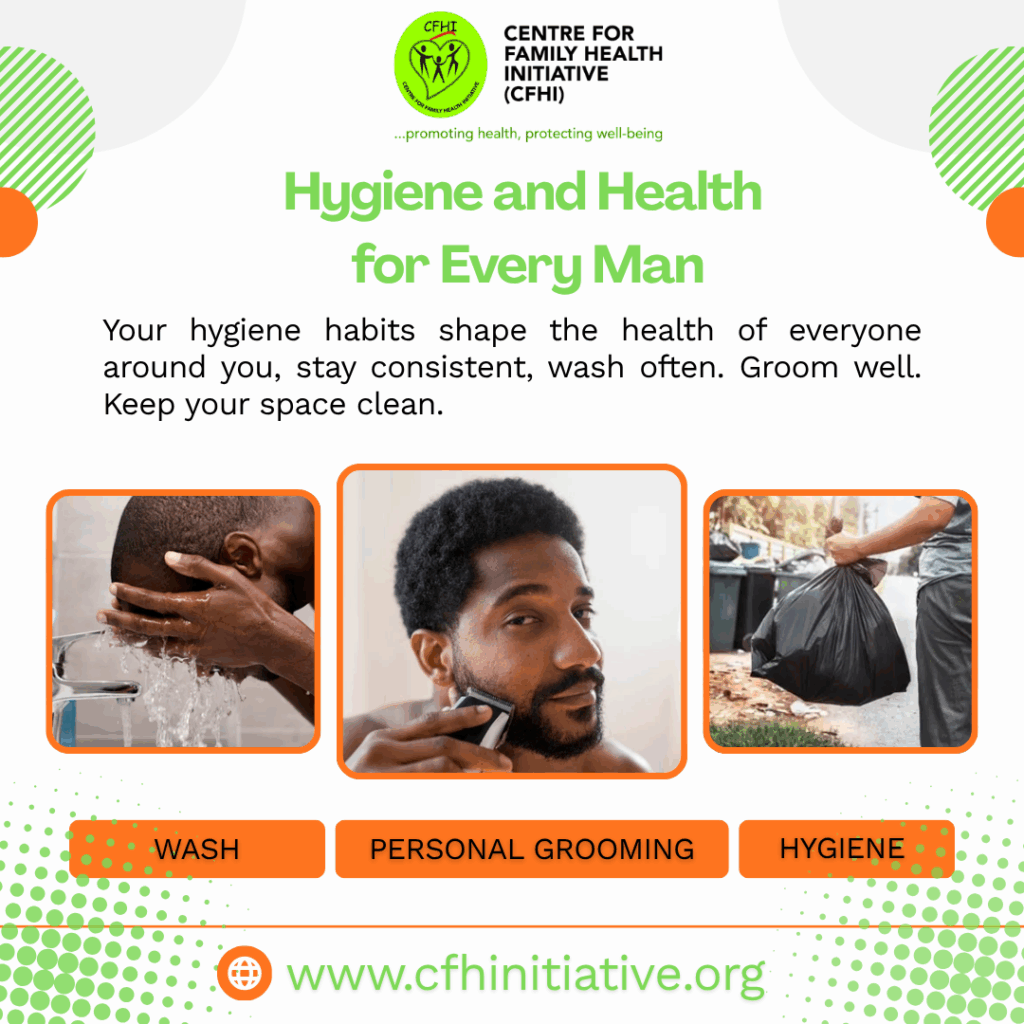
Hygiene and Health for Every Man

Good hygiene is not only a personal responsibility but a fundamental aspect of disease prevention, dignity, and overall well-being for men across all ages. Research shows that poor hygiene contributes significantly to the global burden of infectious diseases. According to the World Health Organization, inadequate hygiene practices account for nearly 432,000 deaths annually from diarrheal diseases alone (1) with millions more suffering from preventable infections linked to poor personal and environmental hygiene. Studies also reveal that men are statistically less likely than women to engage in consistent hygiene routines, including regular handwashing, oral care, and preventive health screenings. A 2022 global survey noted that over 65% of men admit to skipping basic hygiene routines (2) increasing their vulnerability to infections, skin diseases, urinary tract complications, and communicable illnesses. Poor hygiene also affects mental health, social interactions, productivity, and overall quality of life, especially in environments where men are primary earners and caregivers.

The implications of poor hygiene for men extend far beyond physical health. Lack of proper personal and environmental cleanliness can affect workplace productivity, family health, and community wellness. For example, studies show that effective handwashing alone can reduce respiratory infections by over 21% (3) yet many men either neglect this simple act or lack access to clean water and safe sanitation facilities. Globally, 3.5 billion people still lack safe sanitation (4) and this affects men in marginalized communities disproportionately, often exposing them to contaminated environments and increasing their risk of illness. Oral hygiene is another overlooked aspect; research indicates that men are 40% less likely than women to seek dental care (5) leading to higher rates of gum disease, which has been linked to heart disease, stroke, and diabetes. Hygiene is not just cleanliness it is a cornerstone of preventive health.

As we commemorate International Men’s Day and World Toilet Day, we encourage, admonish, and advise men everywhere to stay true to hygiene and neatness. Cleanliness is strength. Hygiene is responsibility. And taking care of your health is an act of leadership and self-respect. Men must break free from harmful cultural norms that label hygiene awareness as weakness or unmanliness. True masculinity includes caring for one’s body, environment, and overall well-being. A healthy man becomes a healthier father, partner, colleague, and community member. The global theme for this period emphasizes dignity, safe sanitation, and improved well-being for everyone and men must be active participants in this movement.

Wash your hands often, maintain proper grooming, care for your oral health, keep your environment clean, use toilets responsibly, practice safe sanitation, and seek regular health checks. Small habits save lives. Hygiene is health, and health is power. Let this be a reminder that healthier men build stronger families, stronger communities, and a stronger nation.

For enquiries, partnerships, or to invite CFHI for sensitization programs, kindly contact us via: info@cfhinitiative.org 


References

  1. World Health Organization. Diarrhoeal disease. 2023. Available from: https://www.who.int/news-room/fact-sheets/detail/diarrhoeal-disease
  2. Global hygiene behaviours survey results. 2022. Available from: https://yougov.co.uk/topics/health/articles-reports
  3. Centers for Disease Control and Prevention. Show Me the Science – How to Wash Your Hands. 2023. Available from: https://www.cdc.gov/handwashing/show-me-the-science-handwashing.html
  4. World Health Organization & UNICEF. Progress on household drinking water, sanitation and hygiene 2023 update. Available from: https://www.who.int/publications/i/item/9789240073347
  5. American Dental Association. Oral health and men’s health. 2022. Available from: https://www.ada.org/resources/research/science-and-research-institute


MONDAY HEALTH BURST Read More »

MONDAY HEALTH BURST

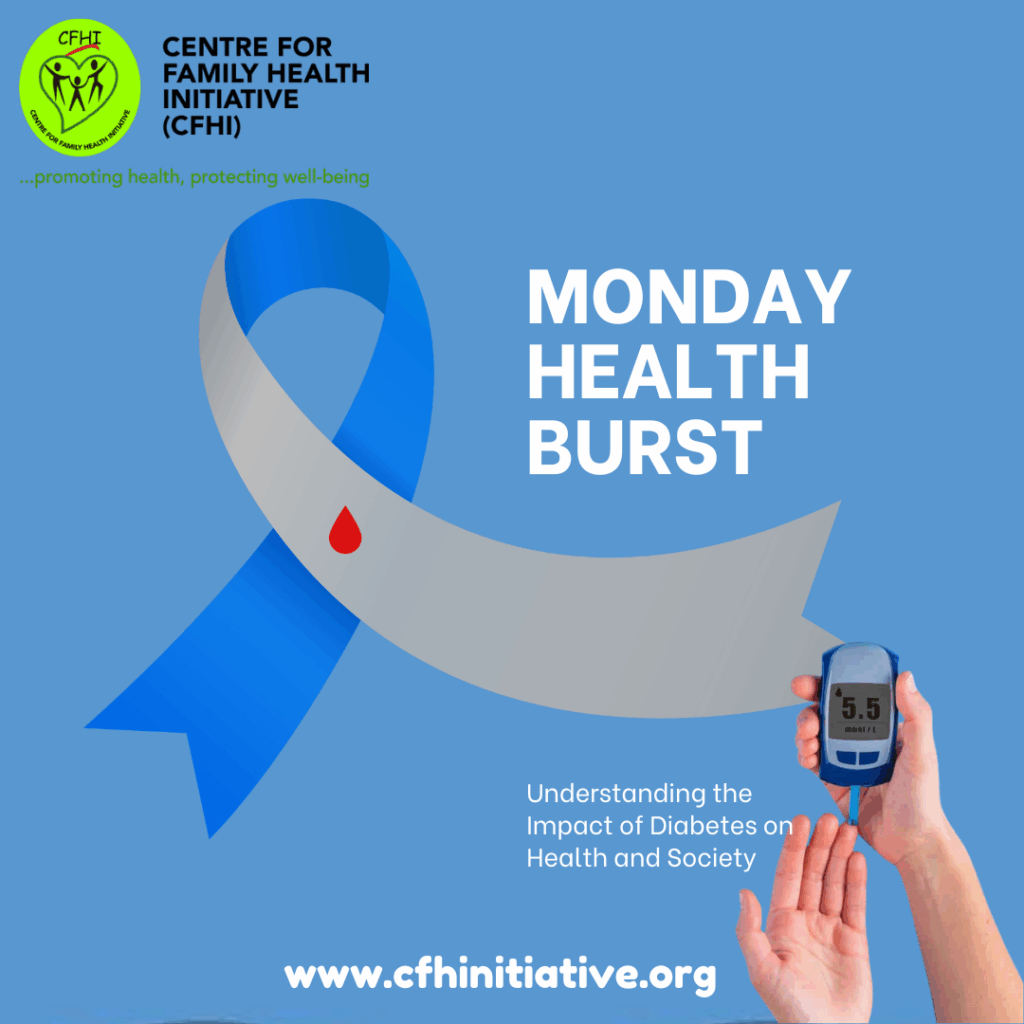
Early Detection and Lifestyle Choices Against Diabetes

Diabetes has become one of the fastest-growing health challenges globally, claiming millions of lives and affecting countless families. According to the World Health Organization (WHO), more than 537 million adults are living with diabetes, and that number is projected to rise to 643 million by 2030. The International Diabetes Federation (IDF) also notes that one in ten adults currently lives with diabetes, and nearly half are undiagnosed meaning millions are silently living with the condition without receiving the care they need [1,2].

Early detection is a vital weapon in the fight against diabetes. Type 2 diabetes, which accounts for around 90% of all cases, often develops gradually, showing little or no symptoms until complications such as heart disease, kidney failure, or vision loss have already set in. Detecting the disease early allows for timely medical intervention, lifestyle modification, and proper management, which significantly reduces the risk of complications and improves long-term outcomes. Studies have shown that early diagnosis and treatment of diabetes reduce cardiovascular and renal complications and lower overall mortality rates [3].

One of the most remarkable pieces of evidence for prevention comes from the Diabetes Prevention Program (DPP), a landmark study in the United States. The research found that participants who adopted healthier diets, engaged in moderate physical activity for about 150 minutes per week, and achieved modest weight loss reduced their risk of developing diabetes by 58% compared to those who did not make lifestyle changes [4]. This clearly shows that lifestyle choices particularly nutrition, exercise, and maintaining a healthy body weight play a powerful role in preventing or delaying diabetes.

Healthy living begins with awareness. Regular screening for blood glucose levels, blood pressure, and weight helps individuals know their risk status early. The Centers for Disease Control and Prevention (CDC) recommends that adults aged 35 and above, or younger people with risk factors such as obesity, family history of diabetes, or sedentary lifestyle, undergo regular diabetes screening [5]. Screenings should not stop at diagnosis; they should be paired with counseling, education, and access to proper care for effective management. The World Health Organization stresses that integrated care, including screening and education, remains essential for effective diabetes control [6].

In Nigeria, diabetes continues to pose significant public health challenges, driven by persistent rise in medication costs7, limited awareness, unhealthy diets, and rapid urban lifestyle changes. Recognizing this, the Centre for Family Health Initiative (CFHI) has consistently raised awareness about diabetes prevention and care. Through its Diabetes Awareness and Care (DAC) project in Imo state, CFHI has conducted free diabetes screening for over 36,000 persons, alongside health education sessions and outreach campaigns reaching about half a million individuals to encourage early testing and lifestyle change. These community-based interventions mirror global best practices, showing that education and early detection can help prevent diabetes and its complications before they start.

Ultimately, combating diabetes requires a joint effort from individuals, communities, health systems, and the government. While early detection helps identify risks, lifestyle choices, healthy eating, regular exercise, and avoiding harmful habits remain the cornerstone of prevention. As CFHI continues to promote healthier communities through advocacy, education, and screening programs, the message remains clear: diabetes can be managed and even prevented when detected early and addressed with healthy lifestyle choices.

As the world marks World Diabetes Day 2025 under the theme “Empowering Lives Through Early Detection and Access to Care”, it is a timely reminder that diabetes prevention starts with awareness and action. CFHI joins the global community in calling for affordable access to care, increased access to screening opportunities, education, and quality healthcare services for all. Together, we can build a future where early detection saves lives, and healthy lifestyle choices protect generations from the silent burden of diabetes.


References

  1. World Health Organization. Diabetes. Geneva: WHO; 2024. Available from: https://www.who.int/health-topics/diabetes
  2. International Diabetes Federation. IDF Diabetes Atlas. Brussels: IDF; 2024. Available from: https://diabetesatlas.org
  3. Herman WH, Ye W, Griffin SJ, et al. Early detection and treatment of type 2 diabetes reduce cardiovascular morbidity and mortality: simulation and trial evidence. Diabetes Care. 2015;38(8):1449–1455. Available from: https://www.ncbi.nlm.nih.gov/pmc/articles/PMC4512138/
  4. Knowler WC, Barrett-Connor E, Fowler SE, et al. Reduction in the incidence of type 2 diabetes with lifestyle intervention or metformin. N Engl J Med. 2002;346:393–403. Available from: https://www.nejm.org/doi/full/10.1056/NEJMoa012512
  5. Centers for Disease Control and Prevention. Diabetes Screening: Who Should Get Tested and When. CDC; 2024. Available from: https://www.cdc.gov/diabetes/data-research/research/diabetes-screening-eligible.html
  6. World Health Organization. World Diabetes Day: Prevention and Early Detection of Diabetes. WHO; 2024. Available from: https://www.who.int/news-room/events/detail/2024/11/14/default-calendar/world-diabetes-day-2024
  7. Punch Health Wise. Diabetes patients lament as cost of medications rises from N70,000 to N180,000. Available from: (NAN, 2024)


MONDAY HEALTH BURST Read More »

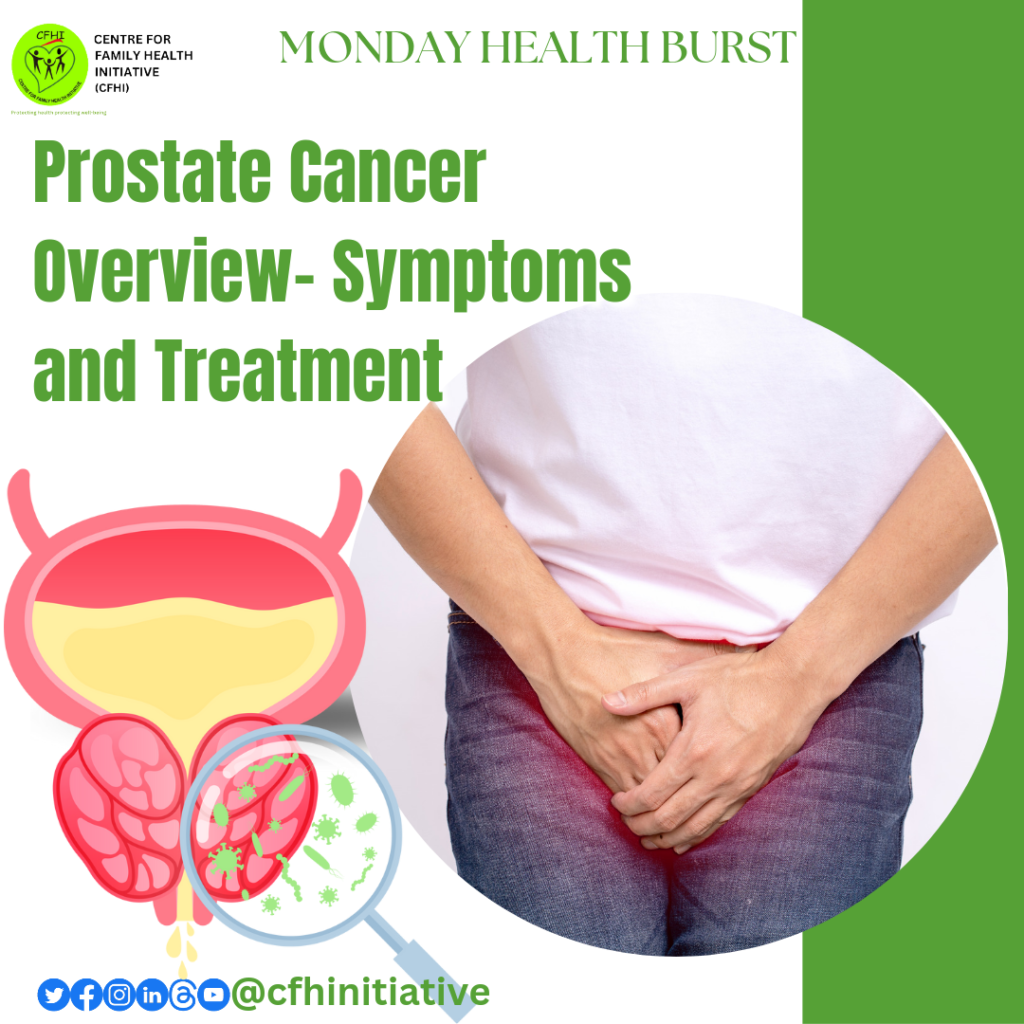
MONDAY HEALTH BURST ON PROSTATE CANCER OVERVIEW-SYMPTOMS AND TREATMENT

In Nigeria, prostate cancer is the most commonly diagnosed malignancy among men and a hospital prevalence of 182.5 per 100,000 male admissions was recorded in 2010 in Osun State.1

Prostate cancer is a type of cancer that develops in the prostate. Males have a little gland called the prostate that resembles a walnut that secretes seminal fluid, which feeds and carries sperm.

In it’s early stage, prostate cancer may not show any symptoms, but may result in indications and symptoms like: difficulty urinating, a weaker stream of pee, blood in the urine, blood in the semen, bone pain, weight loss without attempting, and erectile dysfunction when the cancer becomes advanced.2

Options for treating prostate cancer rely on a number of variables, including how quickly the disease is developing, if it has spread, your general health, and the potential advantages or disadvantages of the treatment. Some of the treatment options include; surgery to remove the prostate, radiation therapy, freezing or heating prostate tissue, and hormone therapy.

Around 1 in 8 males will receive a diagnosis of prostate cancer at some point in their life. However, only 1 in 41 of these will die as a result. This is because treatment is effective, especially in the early stages. Routine screening enables doctors to detect many cases of prostate cancer before they spread.

Individuals and organizations are encouraged to create awareness of the need for routine check-ups to prevent advanced-stage prostate cancer.

Monday Health Burst is an initiative of CFHI to address issues of basic health concern. Join us every Monday on all our social media platforms for more episodes.

#MondayHealthBurst #MensHealth #ProstateCancer


References: 

  1. https://afju.springeropen.com/articles/10.1186/s12301-019-0010-5 
  2. https://www.mayoclinic.org/diseases-conditions/prostate-cancer/symptoms-causes/syc-20353087


MONDAY HEALTH BURST ON PROSTATE CANCER OVERVIEW-SYMPTOMS AND TREATMENT Read More »

Men’s Reproductive Health

Reproductive health is an important component of men’s overall health and well-being. Too often, males have been overlooked in discussions of reproductive health, especially when reproductive issues such as contraception and infertility have been perceived as female-related. Every day, men, their partners, and health care providers can protect their reproductive health by ensuring effective contraception, avoiding sexually transmitted diseases (STDs), and preserving fertility (National Institute of Child Health and Human Development, 2016). The recognized most common issues of male’s reproductive health are Contraception, avoiding sexually transmitted diseases and Infertility/fertility. One may ask why Men’s Reproductive Health is a matter of concern. According to Cummings (2020), research shows that a man’s health before conception can damage sperm in such a way that it affects his offsprings’ health. This may include behaviours such as alcohol and drug use, smoking and lifestyle choices, medications or his exposure to chemicals at home, work, and in the environment. There is increasing evidence that damaged sperm can affect pregnancy outcomes, from miscarriage and birth weight to birth defects and childhood illnesses. There is a growing body of study which is focused on damage in spermatozoa and the effects of ageing on male reproductive health. According to Selvaratnam and Robaire (2019) Deoxyribonucleic acid (DNA)-damaged sperm is the cause of conditions ranging from spontaneous abortion to congenital malformations and genetic defects in children. it is important to pay more attention to men’s reproductive health because it has the potential to improve men’s lives and the lives of their children (Cummings, 2020).  Men can boost their reproductive health by having a healthy lifestyle and maintaining a balanced diet. This may include among others exercising regularly, getting enough vitamin C & D, relaxing and minimizing stress, getting enough zinc, quitting smoking and excessive drinking etc. Society can foster an environment where men pay better attention to their health by raising awareness towards acknowledging first that men have certain reproductive health needs and secondly that these needs need to be catered to. Also, Federal health agencies and professional medical associations can develop Information, Education and Communication (IEC) materials to educate the public about men’s health and how it can potentially affect their children’s health.   Truly as stated by Cummings, paying more attention to men’s reproductive health has the potential to improve life for this generation and for generations to come.

Men’s Reproductive Health Read More »

MEN’S MENTAL HEALTH

Men's Mental Health

Mental health refers to cognitive, behavioural, and emotional well-being. It is all about how people think, feel, and behave. People sometimes use the term “mental health” to mean the absence of a mental disorder. According to the World Health Organization (WHO): “Mental health is a state of well-being in which an individual realizes his or her own abilities, can cope with the normal stresses of life, can work productively, and is able to make a contribution to his or her community.” Mental and behavioural disorders affect people of all countries and societies, regardless of age, gender and income and it is not uncommon in Nigeria, yet there is still considerable neglect of mental health, and those who visibly suffer from mental illness are largely stigmatized. With an estimated population of 200 million Nigerians, human resources for mental health are scant at best. The stigma and lack of awareness around mental health produce particularly marked results for men. It is an important yet overlooked health concern. According to Mental Health Foundation (2020), “Men are often expected to be the breadwinners and to be strong, dominant and in control. While these aren’t inherently bad things, they can make it harder for men to reach out for help and open up. Some research also suggests that men who can’t speak openly about their emotions may be less able to recognize symptoms of mental health problems in themselves, and less likely to reach out for support”. So, due to a number of factors including social norms, upbringing and the role models men are presented with, some men’s mental health issues have gone unrecognized for a long time. Worldwide, even though more women are reported to suffer depression than men, men are more likely to die by suicide compared to women. Nigerian men, like many across the world, often bottle up emotions that cause mental stress. These often lead to taking up unhealthy ways of dealing with stress such as smoking, drinking excessively or compulsive spending. (Nigeria Health Watch, 2020). According to a 2019 Mental Help publication, a range of factors can contribute to the development of mental health issues in men, such as:
  • Substance abuse: Men may be more likely to use drugs or alcohol as a means of coping with mental health issues, though such ‘self-medication’ can make things worse in the long run.
  • Poor working conditions or a high workload: Work stress and a lack of social support have been associated with a higher likelihood of mental health issues in men.
  • Traditional gender roles: This can include feeling pressure to be a provider or societal norms that discourage men from talking about their feelings.
  • Financial issues: Economic factors are a top cause of stress for many people and could play a role in the development of certain mental health disorders.
  • Loss of work: Unemployment and retirement are associated with an increased risk of depression in men. One in 7 men who lose their jobs become depressed.
  • Separation and divorce: Often, men tend to see themselves as being providers and the ones to keep the family happy. Depression is more prevalent and more severe among divorced men.
As a society, it is important that we increase awareness on mental health, especially for men-changing those traditional beliefs that come with mental health issues by breaking down the stigma around this topic. It is also critical to encourage men to be able to ask for help as it doesn’t in any way belittle their masculinity and the need for more safe spaces for men to talk about their mental health struggles be encouraged.

MEN’S MENTAL HEALTH Read More »