Sanitation

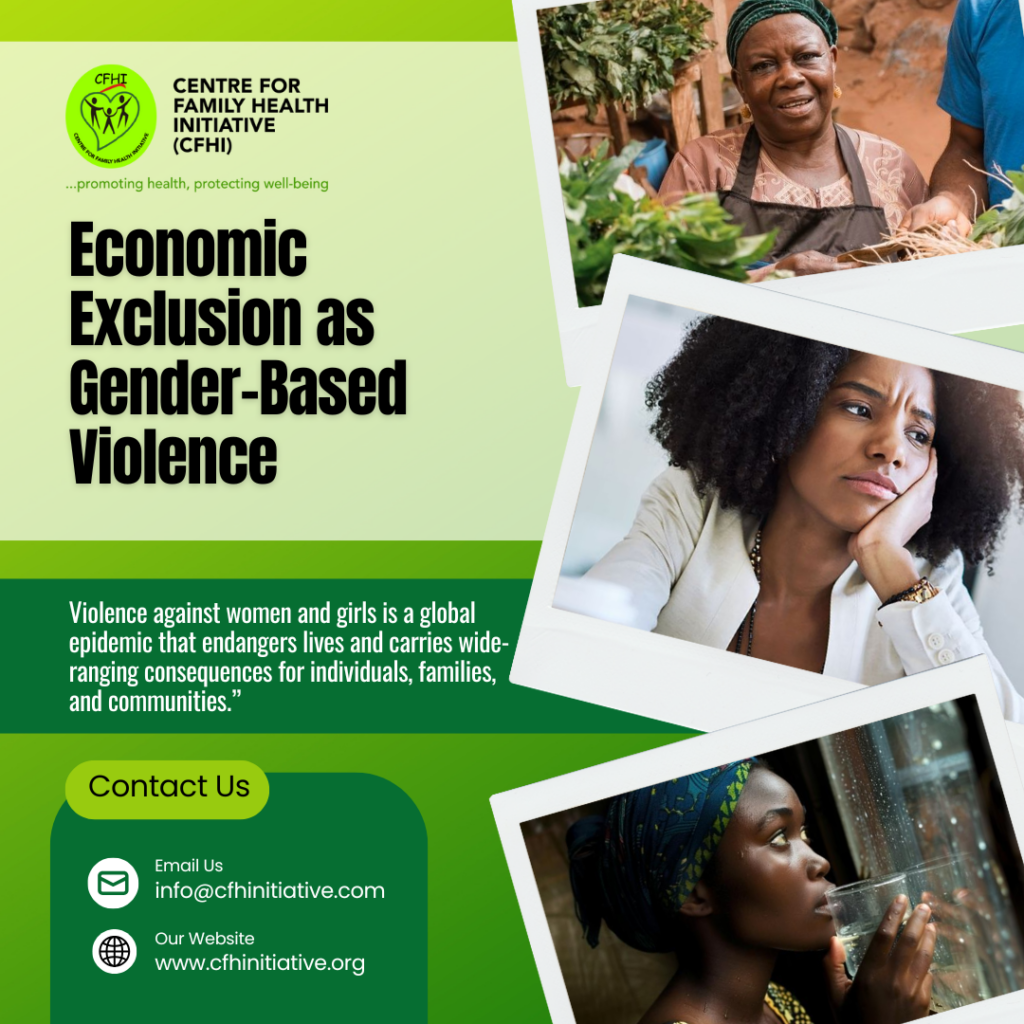
Economic Exclusion as Gender-Based Violence

Gender-based violence (GBV) is most often associated with physical or sexual abuse. However, economic exclusion – the systematic denial of women’s access to jobs, income, assets, and economic decision-making is itself a form of violence that harms individuals, families, and societies. When women are excluded from economic opportunities, the impact goes far beyond loss of income; it restricts freedom, autonomy, safety, and long-term development (1).

At its core, GBV includes economic abuse, where financial control is used as a tool of power and coercion. Economic violence may involve denying women access to money, preventing them from working, confiscating earnings, or restricting access to education and financial resources, forcing dependency and disempowerment (1). In many contexts, economic abuse is one of the most widespread yet least recognized forms of gender-based violence.

Economic exclusion is sustained by discriminatory laws, weak institutional protections, and unequal social norms. Globally, over 2.7 billion women live in countries where laws restrict the types of jobs they can do, and at least 43 economies still lack legislation addressing workplace sexual harassment, creating unsafe and unequal labor environments (2).

Intimate partner violence which frequently includes economic abuse affects approximately one in three women worldwide, limiting their ability to earn, save, and participate fully in public and economic life (3). In South Africa, studies indicate that one in eight adult women has experienced economic abuse, including being deliberately deprived of money or access to financial resources by a partner (4).

The consequences extend beyond individuals to national economies. Gender-based violence, including its economic dimensions, has measurable effects on productivity and growth. Evidence suggests that GBV can cost countries between 1–2% of Gross Domestic Product (GDP) due to absenteeism, reduced productivity, healthcare costs, and forced withdrawal from the workforce (5).

In Nigeria, the economic cost of gender-based violence is estimated at approximately USD 3 billion annually, equivalent to about 1% of the nation’s GDP, underscoring the scale of economic loss linked to women’s exclusion and abuse (6).

Economic exclusion intersects with social norms that treat women as inferior, dependent, or secondary earners. When women lack control over income, are denied access to employment, or are discouraged from education and financial decision-making, the result is structural violence a normalized and persistent denial of rights and well-being.

This exclusion is not accidental; it is deeply rooted in patriarchal systems and discriminatory practices that limit women’s autonomy and participation. The World Bank has emphasized that violence against women undermines economic growth and damages communities and future generations by restricting women’s productive potential (7).

Experts have consistently highlighted both the human and economic costs of this form of violence. According to the World Bank:

“Violence against women and girls is a global epidemic that endangers lives and carries wide-ranging consequences for individuals, families, and communities.” (7)

Research further shows that economic abuse and exclusion lead to long-term psychological harm, loss of independence, and restricted life opportunities for women and girls. Conversely, policies that promote women’s economic empowerment are associated with reduced exposure to GBV and increased participation in education, employment, and leadership (8).

Ending economic exclusion as a form of gender-based violence requires deliberate and sustained action, including:

  • Strong legal protections guaranteeing equal work rights, pay equity, and safeguards against economic abuse.
  • Transformation of harmful social norms that portray women as dependents rather than economic actors.
  • Targeted economic empowerment initiatives that expand women’s access to education, finance, and entrepreneurship.
  • Inclusive workplace policies that ensure safety, fair remuneration, and career advancement for women

Economic exclusion is not merely an economic challenge it is a human rights violation. Recognizing it as a form of gender-based violence strengthens advocacy, accountability, and policy responses, and is essential to building societies where women can live, work, and thrive free from coercion and inequality.

References

  1. Women’s World Banking. What is economic violence against women and why does it matter? Available from:
    https://www.womensworldbanking.org/insights/what-is-economic-violence-against-women-and-why-does-it-matter/
  2. UN Women. Facts and figures: Women’s economic empowerment. Available from:
    https://knowledge.unwomen.org/en/articles/facts-and-figures/facts-and-figures-economic-empowerment
  3. Asia-Pacific Economic Cooperation (APEC). Violence against women: An overlooked economic barrier. Available from:
    https://www.apec.org/press/blogs/2025/violence-against-women–an-overlooked-economic-barrier
  4. Independent Online (IOL). Economic abuse: The most common yet overlooked form of GBV in South Africa. Available from:
    https://iol.co.za/mercury/2025-07-02-economic-abuse-the-most-common-yet-overlooked-form-of-gender-based-violence-in-south-africa/
  5. International Monetary Fund. How domestic violence is a threat to economic development. Available from:
    https://www.imf.org/en/blogs/articles/2021/11/24/how-domestic-violence-is-a-threat-to-economic-development
  6. The Whistler Newspaper. Nigeria loses estimated $3bn annually to gender-based violence. Available from:
    https://thewhistler.ng/nigeria-loses-estimated-3-0bn-annually-to-gender-based-violence/
  7. World Bank. More than 1 billion women lack legal protection against domestic and sexual violence. Available from:
    https://www.worldbank.org/en/news/press-release/2018/02/01/more-than-1-billion-women-lack-legal-protection-against-domestic-sexual-violence-finds-world-bank-study
  8. MDPI. The quest for female economic empowerment in Sub-Saharan Africa and implications for GBV. Available from:
    https://www.mdpi.com/1911-8074/17/2/51

Economic Exclusion as Gender-Based Violence Read More »
Period Poverty_MHM

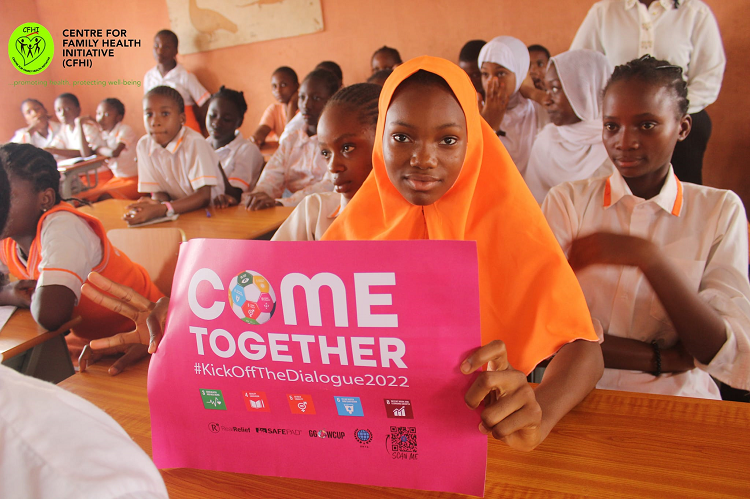
SPEAK WEDNESDAY – PERIOD POVERTY AND POOR EDUCATION

The backdrop in girls’ education due to lack of menstrual hygiene in Nigeria should no longer be gender issue, but of national concern.

The National Democracy and Health Survey in 2013 has shown that girls make up 60 per cent of the 110.5 million out-of-school children in Nigeria, and 1 in 10 African girls misses school due to their period, according to UNICEF. In order words, they could miss school for four days or more during which the period lasts, and since they cannot manage their period safely without a good sanitary product, such children are most likely to drop out of school in the long run. Moreso, the hike in menstrual products has left most Nigerian girls and young women with no choice but to use unclean napkins, tissue, leaves, newspapers, or nothing at all, during their menstruation.

The old African proverb says “educate a girl, educate a nation”. To curb this damaging menace caused by period poverty, the Nigerian government should borrow a Leaf from Kenya’s policy which introduced the right to free, sufficient and quality sanitary towels, and basic sanitation facilities for schoolgirls; treating access to sanitary pads as a basic human right. This and the total removal of tax on menstrual products will help to make the girl child stay in school during their monthly flow.

Like Michelle Obama rightly said, when girls are educated, their countries become stronger and more prosperous. It is time to embrace this fact and work towards creating a world where everyone irrespective of gender can thrive without limitations.

Speak Wednesday is an initiative of CFHI to address issues of gender-based violence and gender bias. Join us every Wednesday on all our social media platforms for more episodes.

#SpeakWednesday #MenstrualRightsAwareness #MenstrualHygiene #MenstrualEquality #GirlsInSchool #EquityAndJustice #MHDay2022 #WeAreCommitted
#reusablesanitarypad

SPEAK WEDNESDAY – PERIOD POVERTY AND POOR EDUCATION Read More »

MONDAY HEALTH BURST

IMPACT OF CLIMATE CHANGE ON HUMAN HEALTH

Changes in the overall climate of the planet cannot be over-emphasized. Continuous rise in temperature of the planet is becoming alarming and the root cause is Global warming. Fossil fuels are being continuously used to produce electricity. The burning of these fuels produces gases like carbon dioxide, methane and nitrous oxides which lead to global warming. Also, deforestation leads to warmer temperatures, hence, the hazard of global warming is continuously causing major damage to the Earth’s environment.

According to the Intergovernmental Panel on Climate Change (IPCC) Fifth Assessment Report (AR5) in 2014, the net warming from 1850 to the end of the 20th century was equivalent to nearly 2.5 W/m2 with carbon dioxide contribution about 60% to this figure, methane about 25%, with nitrous oxides and halo-carbons providing the remainder. The major cause of global warming is the greenhouse gases. They include carbon dioxide, methane, nitrous oxides and in some cases chlorine and bromine containing compounds. The build-up of these gases in the atmosphere changes the radiative equilibrium in the atmosphere. The overall effect is to warm the Earth’s surface and the lower atmosphere because greenhouse gases absorb some of the outgoing radiation of Earth and re-radiate it back towards the surface.

Another major cause of global warming is the depletion of ozone layer. This happens mainly due to the presence of chlorine-containing source gases. When ultraviolet light is present, these gases dissociate releasing chlorine atoms which then catalyzes ozone destruction. Many industrial processes produce a wide diversity of aerosols depending on what is being burned or generated in the manufacturing process. These aerosols in the atmosphere also cause global warming by changing the climate in two ways. Firstly, they scatter and absorb solar and infrared radiation and hereby warming the air directly. Secondly, they may alter the micro-physical and chemical properties of clouds and perhaps affect their lifetime and extent.

Effects of climate changes could be very hazardous to human health. Some effects includes; Air pollution and airborne allergens to likely increase, worsening allergy and asthma conditions; climate change including rising temperatures and changes in weather extremes. This will increase health risks and require greater vigilance in food safety practices and regulation because of the exposure of food to certain pathogens and toxins; extreme weather and other events related to climate change will impact health by exacerbating underlying medical conditions like food-borne and waterborne illnesses, and disrupting infrastructures that are essential to maintaining access to health care and emergency response services. Also, climate-related exposures may lead to adverse pregnancy and newborn health outcomes, including low birth weight, preterm birth, dehydration and associated renal failure, diarrhea, and respiratory disease.

Climate action meaning stepped-up efforts to reduce greenhouse gas emissions and strengthen resilience and adaptive capacity to climate-induced impacts is necessary to combat climate change. The most significant solution to put an end to this disaster is the use of alternative energy sources. They include wind, solar, bio mass, geothermal and hydro. The most noteworthy point in using these sources is their clean nature. These sources do not produce any sort of pollution or toxic gases that can lead to global warming. They are friendly to the environment and pose no threat to ecological balance.

Monday Health Burst is an initiative of Centre for Family Health Initiative (CFHI) to tackle issues of basic health concerns. Join us every Monday for more health related articles on all our social media platforms.

MONDAY HEALTH BURST Read More »

MONDAY HEALTH BURST

FOOD SAFETY PRECAUTIONS

Food safety is a scientific discipline describing handling, preparation, and storage of food in ways that prevent food-borne illnesses. It is very important to make sure the foods we eat are not contaminated with probable harmful bacteria, toxins, parasites & chemicals.

A critical part of healthy eating is keeping foods safe and the precautions are summarized as clean, separate, cook and chill. Individuals in their own homes can reduce contaminants by following safe food handling practices.

  • Wash hands with soap and water

Wet hands with clean running water and apply soap. Wash for at least 20 seconds under running water and pat dry with a clean paper towel or hand dryer.

  • Sanitize surfaces

Surfaces should be frequently sanitized by washing with mixture of hot soapy water plus disinfectants or bleach.

  • Clean and discard refrigerated foods once a week.

At least once a week, throw out refrigerated foods that should no longer be eaten. Cooked leftovers should be discarded after 4 days; raw poultry and ground meats, 1 to 2 days.

  • Keep appliances clean

Clean cooking appliances regularly inside-out paying attention to the handles and buttons where cross-contamination from hands can occur.

  • Rinse produce

Even if you plan to peel or cut the produce before eating, it is important to thoroughly rinse it first to prevent microbes from transferring from the outside to the inside of the produce.

  • Separate foods when shopping

Separate raw foods in plastic bags and store below ready to eat foods in the refrigerator.

Separate foods when preparing and serving. Never place cooked food back on the same plate or cutting board that previously held raw foods.

  • Use a food thermometer when cooking

A food thermometer is an appliance used to ensure that food is safely cooked and that cooked food is held at safe temperatures until eaten.

  • Cook food to safe internal temperatures

Cook all raw beef, pork, lamb, and veal steaks, chops, and roasts to a safe minimum internal temperature of 145 °F. Cook all poultry, including ground turkey and chicken, to an internal temperature of 165 °F for safety and quality.

  • Keep foods at safe temperatures

Hold cold foods at 40 °F or below. Keep hot foods at 140 °F or above. Foods are no longer safe to eat when they have been in the danger zone between 40-140 °F for more than 2 hours

In order to remain healthy, it is important to observe these food safety precautions. Foods must be safely bought, prepared and stored.

MONDAY HEALTH BURST Read More »

SPEAK WEDNESDAY

SPEAK WEDNESDAY – MENSTRUAL HEALTH

Menstrual health is about access to menstrual care products to absorb or collect menstrual blood, privacy to change the materials, and access to facilities to dispose of used menstrual care materials. It can also include the “broader systemic factors that link menstruation with health, well-being, gender equality, education, equity, empowerment, and rights”. It can be particularly challenging for girls and women in developing countries, where clean water and toilet facilities are often inadequate. Then with the pandemic “COVID-19” Menstrual care has been a difficult task to uphold, hence Menstrual flow will not stop due to the pandemic.

Adequate measures have to be taken to ensure that young ladies and women from the poor of the poor in Africa as a continent, Nigeria as a country are reached and are sensitized and provided with sanitary pad both usable or reusable so that their state of confidence does not diminish into thin air, while struggling to conform themselves with the societal norm. Community training should not stop in helping them know how the waste should be discarded in an environmentally friendly way, which is largely ignored during this pandemic period in developing countries, despite it being a significant problem.

Menstrual Hygiene Day offers an opportunity to actively advocate for the integration of menstrual care into global, national, and local policies and programs. In Nigeria, CFHI has over the years carried out adequate sensitization programs to curb or reduce to the minimum the problem of menstrual care. Since menstruation would not stop or pause as a result of COVID-19 pandemic then we (CFHI) won’t stop in making sure that our young ladies and women are continuously sensitized about Menstrual Health and how to make sanitary pad available too.

SPEAK WEDNESDAY Read More »

MONDAY HEALTH BURST – MAY 25, 2020

SAFETY MEASURES FOR CHILDREN DURING LOCKDOWN

Children witness families struggling with government lock downs that prevent their parents from earning a living and bringing their education to a stand-still. It is important to keep the children busy at home so they can adhere to the lock down rules and still have a stable mental health.

Children can do the following to keep themselves busy at home

  • Talk on the phone or do a video call with family and friends
  • Text or use other messaging apps to talk with family and friends.
  • Play online games that let them play with other kids from home.
  • Exercise daily
  • Trying out new skills and reading new books/story books

Important safety precautions at home to help prevent infection and spread of COVID-19 in children includes:

  • Regular hand washing with soap and running water
  • Regular laundry of their wears
  • Disinfecting frequently used surfaces such as doorknobs, switch, toys, remote, sink handles, etc
  • Adequate nutrition such as lots of fruits and vegetables to help build their immune system.
  • Avoid self-medication. When a child is noticed to have developed any symptom of ill health, visit a health facility.

Important safety precautions at the health facilities during the pandemic

  • Collaborate to ensure child-friendly health facilities/access to health care, including guidance for health staff on child-friendly communication and special measures to support children’s psycho-social well-being when undergoing treatment and quarantine.
  • Support child safeguarding training for health workers (particularly where children are separated from their families or caregivers).
  • Establish safe, child-friendly complaints and feedback mechanisms in health care facilities.
  • Strengthen capacity on clinical management of rape (CMR) and ensure minimum CMR supplies are available in key facilities to appropriately respond to sexual violence.
  • Collaborate on mental health and psycho-social support care and messaging for children and caregivers affected by COVID-19.
  • Collaborate to ensure child-friendly hand-washing stations are available at health facilities, schools, childcare centres, alternative care centres, and other locations children are likely to visit.

Psychologists and economists have considered parenting style such as how warm, strict, or communicative a parent is, is an important determinant of a child’s skills. During a period of home schooling, parents will try to enforce rules and boundaries so that their children can learn. However, harsh parenting including shouting at or smacking children particularly when the socio-emotional skills of children are low, will exacerbate children’s behavioral and emotional problems. Instead, moving to a more sensitive style of parenting can help close the socio-emotional gaps observed across children. Policy makers should also ensure that information, education, and communication (IEC) materials, including information on available services, are produced, and displayed with limited text in child-friendly versions.

MONDAY HEALTH BURST – MAY 25, 2020 Read More »

MONDAY HEALTH BURST

MONDAY HEALTH BURST

Studies are limited in how effective the use of face masks on healthy individuals affect the outcome of prevention of a respiratory virus. However, during the Covid-19 pandemic, we have seen nations use the precaution of implementing the use of face masks nationwide and have seen remarkable results on the prevention of the spread of the virus together with hand washing and social distancing. This among other studies led to the recommendation of non medical masks by WHO and Nigeria Centre for Disease Control (NCDC).

According to WHO guidelines, appropriate use and disposal of face masks are essential to ensure that they are effective and to avoid any increase in transmission. Hence, the need for proper sensitization to the proper way of using a face mask and how to dispose it, since so many people had little or no knowledge of what a face mask is prior to the pandemic.

Below are recommended steps on the correct use of face masks by Practices in Healthcare Settings:

  • Place the mask carefully, ensuring it covers the mouth and nose and tie it securely to minimize any gaps between the face and the mask.
  • Avoid touching the mask while wearing it.
  • Remove the mask appropriately by not touching the front of the mask but untie from behind.
  • After removal, clean hands using an alcohol-based hand sanitizer or wash with soap and water.
  • Replace masks as soon as they become dampened.
  • Do not re-use single-use masks.
  • Discard single-use masks after each use and dispose of them immediately upon removal.
  • For non medical masks, make sure to wash with disinfectant as well as soap and water after single use and make sure to dry under the sun. It is also advisable to have more than one non medical mask.

#StaySafe #MondayHealthBurst

MONDAY HEALTH BURST Read More »

MONDAY HEALTH BURST – PROPER HYGIENE AND SANITATION

MONDAY HEALTH BURST – PROPER HYGIENE AND SANITATION:

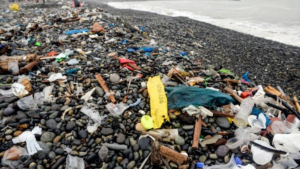
Simply put, hygiene is the personal practices we imbibe that contribute to healthy living like hand washing, hair trimming and keeping nails short and clean, bathing, brushing of teeth morning and evening, among others. Sanitation on the other hand, is the actions and use of tools we combine towards keeping our environment clean, safe and healthy. These include effective drainage and proper waste disposal, how we prepare food, maintain toilet facilities and washing stations.
According to WHO, these practices are important towards the availability of clean water, combating Neglected Tropical Diseases (NTP) like helminths via contaminated soil and water, lymphatic filariasis which affects 1 billion of the world’s poorest people in about 149 countries. It includes prevention of water borne diseases like diarrhoea, cholera and breeding of organisms that cause malaria and onchocerciasis.
Globally, 2.4 billion people lack access to proper toilet facilities, hence, the high rate of open defecation. Over 946 million people worldwide practice open defecation according to a WHO report, leading to contamination of the soil and nearby water bodies, often resulting in diseases affecting communities.
To ensure we understand the scope and scale of the need for hygiene and sanitation, we need to start with us as individuals, making sure we imbibe hygienic practices and sanitize our environment by disposing waste properly, recycling, cleaning of our homes and surroundings, culminating in the next step of community led sanitation. Communities can provide proper latrines and waste disposal means which is an important part of sanitation and can drastically reduce diseases in the communities.
To help build and maintain a healthy community and personal health, especially in this prevailing pandemic, we must embrace proper hygiene and sanitation.
#HygieneAndSanitation #MondayHealthBurst #Stayhome #Staysafe

MONDAY HEALTH BURST – PROPER HYGIENE AND SANITATION Read More »