Women Education

Understanding Risk Factors and How to Prevent Cervical Cancer

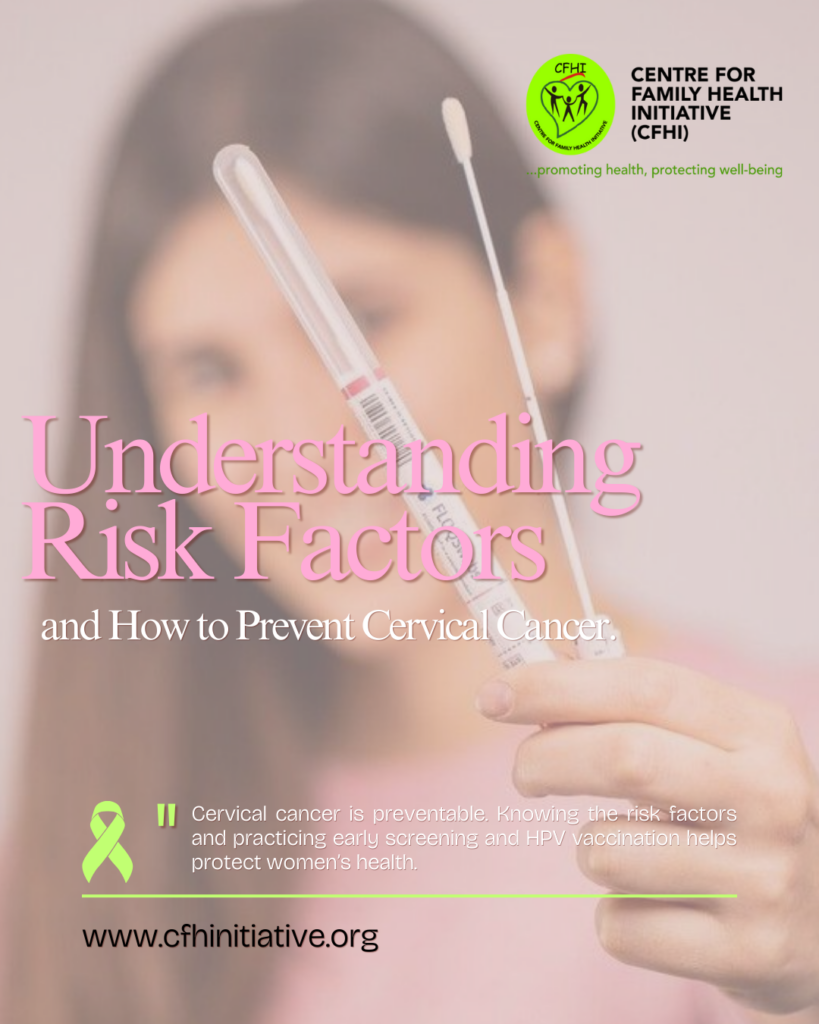
Cervical cancer remains one of the most preventable yet deadly cancers affecting women globally and in Nigeria. In 2022 alone, about 660,000 new cases and 350,000 deaths were recorded worldwide, with the highest burden in low- and middle-income countries where access to prevention and care is limited [1]. The disease develops in the cervix and is caused almost entirely by persistent infection with high-risk Human Papillomavirus (HPV), a common sexually transmitted virus that often shows no early symptoms [1].

Several factors increase a woman’s risk of developing cervical cancer. These include early sexual activity, multiple sexual partners, smoking, long-term use of hormonal contraceptives, and weakened immunity, especially among women living with HIV [1]. Women with HIV are up to six times more likely to develop cervical cancer due to reduced immune response to HPV infections [2]. In Nigeria, cervical cancer is the second most common cancer among women, and many cases are detected late due to low screening uptake and limited awareness [2].

The good news is that cervical cancer is largely preventable and treatable when detected early. The HPV vaccine, recommended for girls aged 9–14 years, can prevent up to 70–90% of cervical cancer cases linked to high-risk HPV types [1]. Regular screening through HPV testing or Pap smears helps detect precancerous changes early, allowing timely treatment before cancer develops. However, misinformation, cost, fear, and limited access continue to hinder screening in many communities [3].

In 2023, CFHI partnered with the National Primary Healthcare Development Agency, Women Advocates for Vaccine Access, Johns Hopkins International Vaccine Access Center, and other relevant partners to support HPV vaccine introduction in Nigeria, train ten vaccine champions, and sensitise over 4,000 persons in Bwari LGA, Abuja.

Every woman deserves the chance to prevent cervical cancer. Get screened regularly, ensure eligible girls receive the HPV vaccine, and share accurate information within your community. Together, we can reduce preventable deaths and protect women’s health.

References

  1. World Health Organization. Cervical cancer. Available from: https://www.who.int/news-room/fact-sheets/detail/cervical-cancer
  2. World Health Organization Regional Office for Africa. Cervical cancer early detection saves lives (Nigeria). Available from: https://www.afro.who.int/countries/nigeria/news/cervical-cancer-early-detection-saves-lives
  3. BMC Women’s Health. Cervical cancer screening and vaccination awareness in Nigeria. Available from: https://bmcwomenshealth.biomedcentral.com/articles/10.1186/s12905-023-02345-9


Understanding Risk Factors and How to Prevent Cervical Cancer Read More »

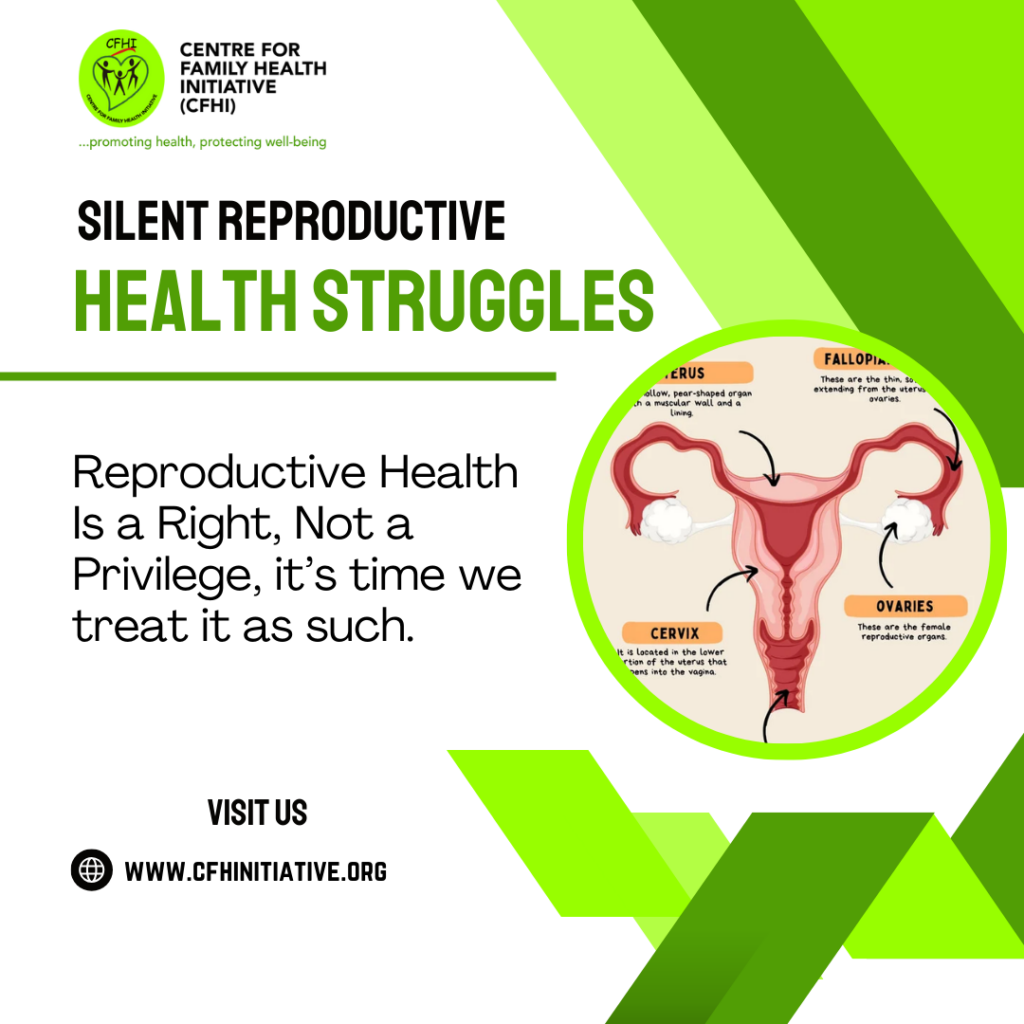
Silent Reproductive Health Struggles

Women’s reproductive health is fundamental to their overall well-being, yet millions of women globally and in Nigeria face persistent, often silent challenges that compromise their health, autonomy, and quality of life [1]. Despite progress in some areas, vast inequities remain in access to services, information, and rights leaving many women vulnerable to preventable health problems [2].

One of the major silent struggles is limited access to essential reproductive health services, including family planning, maternal care, and safe delivery support. In sub-Saharan Africa, one in four women who wish to delay or stop childbearing do not use any contraceptive method, reflecting gaps in availability, choice, and quality of reproductive care [1][5]. These shortfalls contribute to high rates of unintended pregnancies, unsafe abortions, and increased maternal morbidity and mortality. Globally, about 800 women die each day from pregnancy-related causes, many of which are preventable with proper services and support [1].

In Nigeria, reproductive health disparities are stark. A survey of reproductive health concerns found that sexual health, contraception, infections, fertility issues, and reproductive cancers were among the most pressing worries for women, indicating broad unmet needs across the reproductive spectrum [3]. Despite various policies, only a few Nigerian states meet benchmarks for women’s participation in decisions about their sexual and reproductive health, reflecting systemic barriers rooted in socio-cultural norms and limited autonomy [4]. Economic challenges also contribute, with millions of women lacking access to modern contraceptives and comprehensive family planning services due to cost, misinformation, fear of side effects, cultural opposition, and weak health systems [5][6].

Another under-recognized struggle is infertility, which affects a significant portion of women yet remains stigmatized and poorly supported. Recent WHO guidance highlights infertility as a major public health concern, with more than one in six people of reproductive age affected [7]. Access to affordable fertility evaluation and treatment is limited in many countries, forcing women to choose between financial hardship and their desire for children [7].

Maternal health remains a critical issue. Globally, approximately 287,000 women die yearly from complications in pregnancy and childbirth, with nearly all these deaths occurring in low- and middle-income settings where health systems are weak and resources scarce [1]. In areas affected by conflict or economic strain, such as parts of northern Nigeria, women face even greater risks due to disrupted services, insecurity, and collapsed care infrastructure [8].

The impact of these struggles extends beyond physical health. When women cannot access respectful, quality reproductive care, the consequences ripple into social and economic domains limiting educational opportunities, reducing workforce participation, and perpetuating cycles of poverty and inequality [2].

Improving women’s reproductive health requires a holistic approach that ensures affordable and accessible services such as contraception, antenatal care, skilled delivery, and emergency support reach even the most underserved communities [1][5], while also equipping women with accurate, culturally sensitive information to make informed choices about their bodies and health [2]. At the same time, policies must actively protect women’s autonomy and reproductive rights by challenging harmful norms and discrimination [2][4], supported by strong, well-funded health systems with trained personnel to guarantee continuity of care, especially in fragile settings [1][8]. Integrating affordable infertility care and psychosocial support into routine reproductive health services is also essential to address the often hidden emotional and social burdens many women silently endure [7].

Speak Wednesday is an initiative of CFHI to address issues around gender-base violence and gender-bias.

References

  1. WHO Regional Office for Africa. Women’s Health. Available from: https://www.afro.who.int/health-topics/womens-health
  2. United Nations Population Fund (UNFPA). New UNFPA report finds 30 years of progress in sexual and reproductive health has mostly ignored the most marginalized communities. Available from: https://www.unfpa.org/press/new-unfpa-report-finds-30-years-progress-sexual-and-reproductive-health-has-mostly-ignored
  3. Sa’adatu TS, Dieng B, Danmadami AM. Reproductive health issues of concern among Nigerians: an online survey. Int J Community Med Public Health. Available from: https://doi.org/10.18203/2394-6040.ijcmph20234114
  4. Premium Times Nigeria. Only eight Nigerian states meet women’s health benchmark – Report. Available from: https://www.premiumtimesng.com/news/top-news/830200-only-eight-nigerian-states-meet-womens-health-benchmark-report.html
  5. World Health Organization. Sexual and Reproductive Health and Research (SRH): Family planning and contraception. Available from: https://www.who.int/teams/sexual-and-reproductive-health-and-research-%28srh%29
  6. Ballard Brief. Barriers to Family Planning for Women in West Africa. Available from: https://ballardbrief.byu.edu/issue-briefs/barriers-to-family-planning-for-women-in-west-africa
  7. WHO releases first global guideline on infertility care. Reddit; 2025. Available from: https://www.reddit.com/r/EmbryologyIVFSupport/comments/1pcjrzh/who_releases_first_global_guideline_on/
  8. AP News. Pregnancy has become a nightmare for many women in Nigeria’s conflict-hit north. Available from: https://apnews.com/article/c5846961ed87cddd8a24d1c2b04564a0

Silent Reproductive Health Struggles Read More »

Cervical Cancer: What Every Woman Should Know

Cervical cancer remains a significant public health concern for women both globally and in Nigeria, yet it is largely preventable and treatable when detected early. Understanding its causes, risk factors, prevention strategies, and interventions is critical for improving women’s health outcomes. Cervical cancer develops in the cervix, the lower part of the uterus that connects to the vagina and is one of the most common cancers affecting women worldwide. In 2022, an estimated 660,000 new cervical cancer cases were reported globally, with about 350,000 deaths attributed to the disease, largely in low- and middle-income countries due to disparities in prevention and care access [1].

Almost all cervical cancers, over 99%, are caused by persistent infection with high-risk types of Human Papillomavirus (HPV), a sexually transmitted virus. While most HPV infections are naturally cleared by the immune system, persistent infection with oncogenic HPV types, particularly HPV 16 and 18, can lead to abnormal cell changes and eventual cancer over many years if not identified and treated [2]. Beyond HPV infection, several factors increase the risk of cervical cancer in women. HIV infection and weakened immunity accelerate cancer progression [1]. Smoking impairs immune response and promotes cellular changes [3]. Early onset of sexual activity, multiple sexual partners, and long-term use of certain hormonal contraceptives also contribute to heightened risk [4].

Cervical cancer is highly preventable and much more treatable when detected early. HPV vaccination, administered to girls typically aged 9 to 14, is highly effective at preventing infections that cause most cervical cancers [1]. Regular screening through Pap smears or HPV tests allows for the detection of precancerous changes before they progress to cancer, significantly improving treatment outcomes [2]. Despite these preventive measures, in Nigeria, cervical cancer remains the second most frequent cancer among women and a leading cause of cancer-related death [5]. Awareness and screening uptake are low, particularly in rural areas, due to financial barriers, limited access to screening facilities, and insufficient information about prevention [6].

To further reduce the burden of cervical cancer, it is essential to scale up HPV vaccination campaigns targeting adolescent girls before exposure to the virus, expand the availability and affordability of cervical cancer screening at primary healthcare levels, and strengthen health education to promote understanding of cervical health through sustained community engagement. Addressing gender and social barriers that limit women’s access to preventive care is also critical. Cervical cancer should not be a life sentence. With knowledge, preventive action, and supportive community health services, every woman can protect her health and future.

References

  1. World Health Organization. Human papillomavirus (HPV) and cervical cancer fact sheet. Dec 2025. Available from: https://www.who.int/news-room/fact-sheets/detail/human-papillomavirus-%28hpv%29-and-cervical-cancer
  2. World Health Organization. Cervical cancer prevention, diagnosis, and screening overview. Available from: https://www.who.int/cancer/prevention/diagnosis-screening/cervical-cancer/en/
  3. Centers for Disease Control and Prevention. Cervical Cancer Risk Factors. Available from: https://www.cdc.gov/cervical-cancer/risk-factors/index.html
  4. National Cancer Institute. Cervical Cancer Causes, Risk Factors, and Prevention. Available from: https://www.cancer.gov/types/cervical/causes-risk-prevention
  5. World Health Organization Regional Office for Africa. Cervical cancer early detection saves lives (Nigeria). Available from: https://www.afro.who.int/countries/nigeria/news/cervical-cancer-early-detection-saves-lives
  6. The Guardian (Nigeria). Screening, awareness gaps slow cervical cancer elimination. Available from: https://guardian.ng/features/health/screening-awareness-gaps-slow-cervical-cancer-elimination/


Cervical Cancer: What Every Woman Should Know Read More »

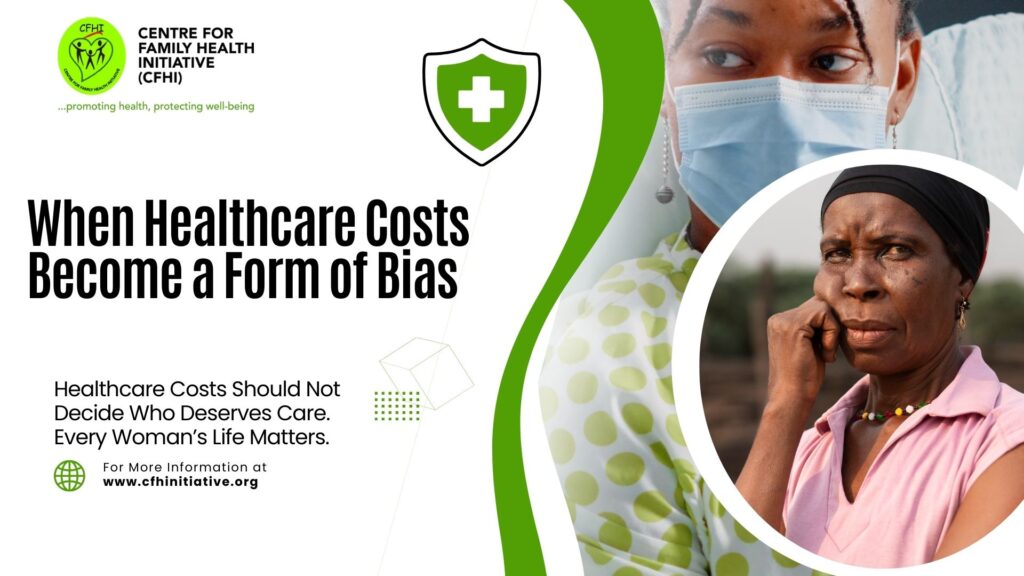
When Healthcare Costs Become a Form of Bias

When healthcare costs rise beyond the reach of ordinary people, they silently become a form of bias one that decides who lives, who suffers, and who is forced to endure preventable pain. In Nigeria today, access to quality healthcare is increasingly determined not by need, but by ability to pay. For millions of women and girls, especially in low-income and underserved communities, the cost of care has become a cruel barrier that denies them their most basic right: the right to health. This hidden injustice affects lives, futures, and communities.

The impact of this bias is devastating. Pregnant women delay antenatal care because consultation fees are unaffordable, adolescent girls are denied reproductive health services, and survivors of gender-based violence cannot access timely medical attention due to cost. These barriers fuel inequality, worsen health outcomes, and perpetuate cycles of suffering. When healthcare becomes a privilege instead of a right, women and girls bear the heaviest burden, trapped in a system that marginalizes them and ignores their dignity.

The financial strain of out-of-pocket spending is crushing. Families are forced to choose between food, education, and medical care, often at the expense of women and girls. This reality exposes a health system that has failed to protect those most vulnerable, leaving them at risk of illness, neglect, and further gender-based harm. A functional, responsive healthcare system should uplift women and girls, not push them into vulnerability. Every woman and girl deserve care, respect, and protection regardless of income.

The Nigerian government must act decisively. Investing in maternal, reproductive, and gender-sensitive health services, strengthening primary healthcare, implementing effective insurance schemes, and ensuring accountability at every level are not optional, they are urgent obligations. Health must be treated as a national priority, because no society can prosper while its women and girls remain unwell, unprotected, and underserved. A fair and just society is one where access to healthcare is based on need, not income. Ending cost-driven bias in healthcare requires collective action from policymakers prioritizing women’s health financing, to institutions delivering quality care, to communities demanding equitable systems.

The call to action is clear: the government, stakeholders, and citizens must commit to ensuring healthcare is affordable, accessible, and equitable for all. Healthcare should heal, protect, and empower women and girls, and not discriminate against them. Until costs no longer determine who can access care, gender-based bias will continue to persist quietly, unfairly, and at an unacceptable human cost.

Speak Wednesday is an initiative of CFHI to address issues around gender-base violence and gender-bias.

When Healthcare Costs Become a Form of Bias Read More »

UHC Day 2025: Unaffordable health costs? We’re sick of it!

Universal Health Coverage (UHC) Day is a global reminder that access to quality health care is a fundamental right, not a privilege reserved for the wealthy. This year’s theme, “Unaffordable health costs? We’re sick of it!”, speaks directly to one of the biggest barriers facing millions of Nigerians: skyrocketing healthcare costs and the widening gap between health needs and the ability to pay.

While achieving UHC requires multisectoral commitment, one of the most critical systems needed to bridge this gap is health insurance, an essential mechanism designed to protect individuals from financial hardship, ensure continuity of care, and promote equitable access to essential services. Yet, despite the existence of the National Health Insurance Authority (NHIA) and state-level schemes, enrolment remains abysmally low. Out-of-pocket payments still account for over 76% of total health spending in Nigeria, pushing millions deeper into poverty every year.

Health insurance providers cannot succeed alone; they face chronic underfunding, limited subsidies, weak enforcement, and low public awareness. Sustainable progress requires stronger government leadership, increased premium subsidies for the poor, upgraded health facilities, and digital systems that make enrolment seamless.

Yet progress is possible, and CFHI is proving it every day.

Through relentless community mobilization and strategic partnerships with philanthropists like Satoshi Koiso and development partners such as the Institute of Human Virology Nigeria (IHVN), CFHI has successfully enrolled 224 vulnerable individuals into NHIA-supported health coverage this year alone.

These are not just numbers.

They are mothers who no longer skip medication.

They are children who can see a doctor without their parents selling assets.

They are families now protected from choosing between medicine and food.

Health insurance must be affordable, accessible, and functional for every Nigerian. It is not just a policy tool; it is a lifeline that protects households from falling into poverty and guarantees timely care, especially for vulnerable groups.

On UHC Day 2025, our message is unequivocal:

No Nigerian should be denied quality care because they cannot afford it.

We call on federal and state governments to:

  • Fully subsidize premiums for low-income and vulnerable households
  • Strengthen primary health care facilities that deliver insured services
  • Enforce mandatory coverage and streamline digital enrolment

It is time to end the era of unaffordable health costs.

Health care is a right for every Nigerian, irrespective of socio-economic status.

Together, we can make “We’re sick of it” a rallying cry that finally delivers results.

UHC Day 2025: Unaffordable health costs? We’re sick of it! Read More »

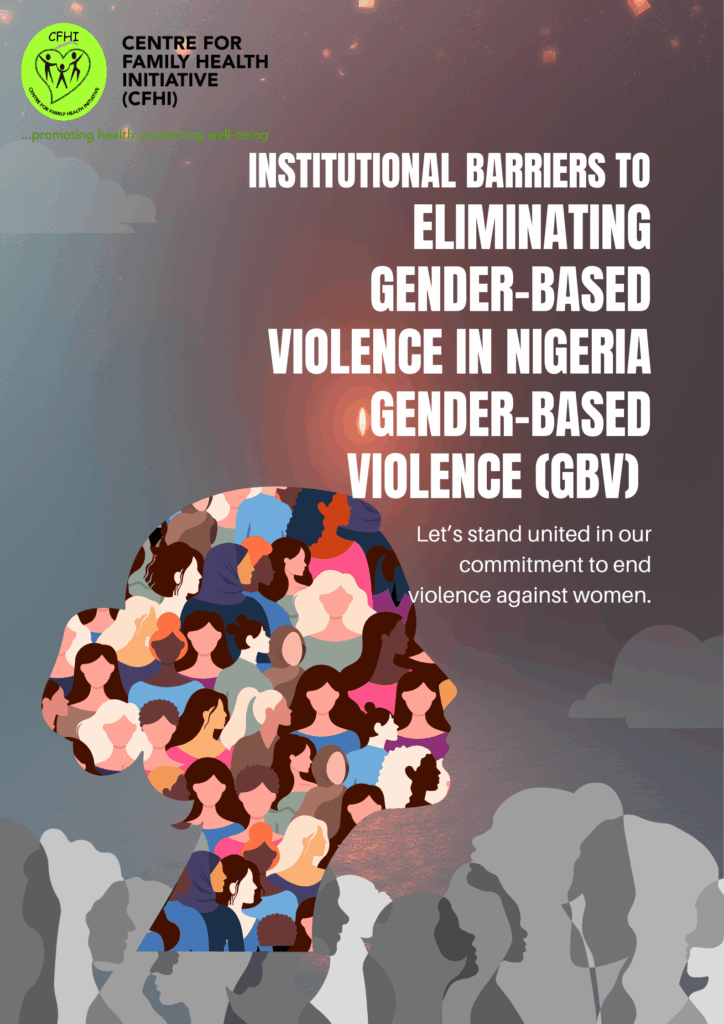
Institutional Barriers to Eliminating Gender-Based Violence in Nigeria

Gender-Based Violence (GBV) remains one of the most pervasive human rights violations in Nigeria, cutting across age, class, religion, and region. Despite significant progress through policies such as the Violence Against Persons (Prohibition) Act (VAPP) 2015 and the National Gender Policy, the persistence of GBV points to a deeper problem institutional barriers that hinder real progress. While advocacy, awareness, and community engagement have improved over the years, the systems designed to protect survivors and hold perpetrators accountable often fail to function effectively, leaving many victims without justice or support (WHO, UN Women Nigeria).

One of the major institutional barriers lies within the legal and policy framework itself. Although the VAPP Act was enacted at the federal level, its domestication across Nigeria has been uneven. Several states are yet to fully implement the Act, creating inconsistencies in protection and enforcement. Even where laws exist, weak sanctions, unclear definitions of offences, and a lack of gender-sensitive judicial processes often discourage survivors from seeking justice. Studies reveal that institutional delays, corruption, and lack of trust in law enforcement agencies further compound the challenge, allowing perpetrators to act with impunity while survivors continue to suffer in silence (UNIZIK Journal of Contemporary Law).

Another critical issue is institutional capacity and accountability. Many key institutions from the police and judiciary to hospitals and social welfare departments are under-resourced and poorly coordinated. A BMC Women’s Health (2025) study found that more than half of young women surveyed in Nigeria reported not knowing where or how to access post-violence services, indicating major gaps in awareness and accessibility. Furthermore, the lack of training among personnel on survivor-centred approaches leads to secondary victimization, where victims experience stigma, judgment, or even blame when they report abuse. Without adequate funding, coordination, and monitoring systems, institutions cannot effectively carry out their mandates in the fight against GBV (PubMed).

Institutional culture also plays a silent but powerful role. In many organizations and workplaces, gender inequality is embedded in the structure itself from male-dominated leadership to discriminatory workplace practices. Research in Nigerian universities has shown a high prevalence of sexual harassment and bullying, often perpetuated by hierarchical power systems that silence victims (BMC Women’s Health, 2021). The absence of internal reporting mechanisms, confidentiality policies, and disciplinary structures reinforces a culture of impunity. When institutions themselves tolerate or ignore acts of violence, it sends a dangerous message that such behaviour is acceptable or can be overlooked.

Finally, the lack of effective data systems and poor inter-agency coordination weaken national response efforts. Many institutions fail to collect or share accurate data on GBV cases, making it difficult to track progress or design informed interventions. Without reliable evidence, resource allocation becomes arbitrary, and survivors remain invisible in policy decisions (MDPI Social Sciences Journal). These systemic weaknesses mean that even well-intentioned programs struggle to achieve lasting change.

The Centre for Family Health Initiative (CFHI) continues to advocate for institutional reforms that promote gender equality, justice, and survivor centred GBV response systems. Through its gender norms interventions and community engagement projects, CFHI works to sensitize service providers, law enforcement officers, and community leaders on the importance of implementing the VAPP Act effectively. The organization also conducts awareness campaigns under its SpeakWednesday platform to highlight barriers that hinder justice for survivors. By fostering collaboration between government agencies, CSOs, and communities, CFHI contributes to strengthening institutional frameworks that ensure women and girls live free from violence and discrimination.

Eliminating GBV in Nigeria requires more than awareness it demands institutional transformation. Laws must not only exist but be enforced; systems must not only respond but protect. As CFHI and partners continue to push for accountability and systemic change, a safer, more equitable Nigeria becomes achievable for all.

References

  1. Violence Against Persons (Prohibition) Act (VAPP) 2015. Policy Vault Africa. Available from: https://policyvault.africa/wp-content/uploads/policy/NGA1408.pdf
  2. Federal Ministry of Women Affairs. National Gender Policy. Available from: https://nigeriarising.org.ng/wp-content/uploads/2021/06/National-Gender-Policy.pdf
  3. World Health Organization (WHO). Violence against women. Available from: https://www.who.int/news-room/fact-sheets/detail/violence-against-women
  4. UN Women Nigeria. Gender-Based Violence in Nigeria: Review of Institutional Responses. Available from: https://nigeria.un.org/en/222675-gender-based-violence-nigeria-review-institutional-responses
  5. Ezeibe CC. The Challenges of Implementing the VAPP Act in Nigeria. UNIZIK Journal of Contemporary Law. Available from: https://journals.unizik.edu.ng/jcpl/article/download/6488/5405/14850
  6. BMC Women’s Health (2025). Institutional Barriers and Women’s Access to GBV Services in Nigeria. Available from: https://bmcwomenshealth.biomedcentral.com/articles/10.1186/s12905-025-03714-2
  7. PubMed Central. Barriers to Accessing GBV Services in Nigeria. Available from: https://pubmed.ncbi.nlm.nih.gov/37830664/
  8. BMC Women’s Health (2021). Sexual Harassment in Nigerian Universities. Available from: https://bmcwomenshealth.biomedcentral.com/articles/10.1186/s12905-021-01273-w
  9. MDPI Social Sciences Journal (2024). Institutional Weakness and Gender-Based Violence Response in Nigeria. Available from: https://www.mdpi.com/2076-0760/14/6/336
  10. Centre for Family Health Initiative (CFHI). Official Website. Available from: https://www.cfhinitiative.org/

TO BE CONTINUED…WATCH OUT FOR

NO 3 BARRIER

Institutional Barriers to Eliminating Gender-Based Violence in Nigeria Read More »

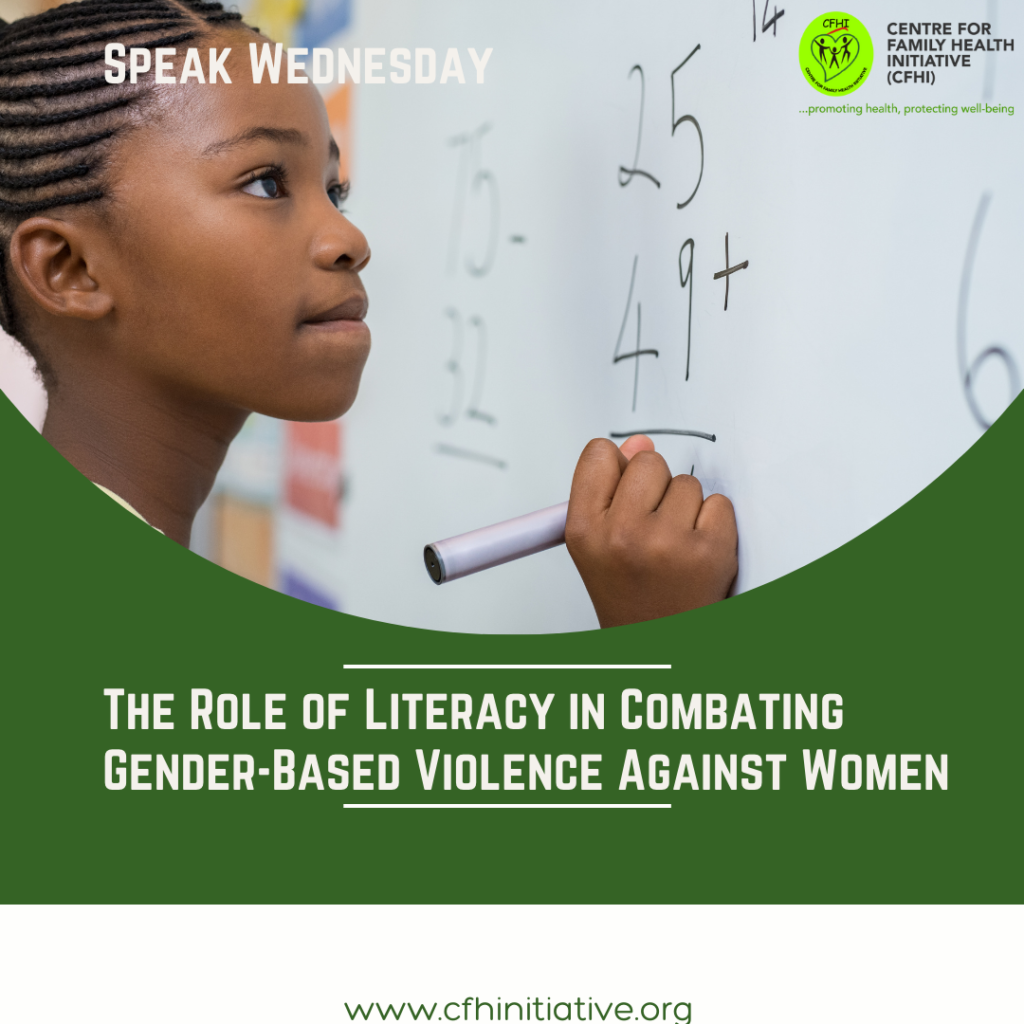
SPEAK WEDNESDAY ON THE ROLE OF LITERACY IN COMBATING GENDER BASED VIOLENCE AGAINST WOMEN

Gender-based violence (GBV) is a serious issue affecting millions of women worldwide. It includes physical, sexual, emotional, and psychological harm, often linked to deep-rooted gender inequalities. While legal reforms and social programs are crucial in tackling GBV, one of the most powerful tools in this fight is literacy. Improving literacy, especially among women, can play a critical role in reducing GBV and addressing the broader issue of gender bias.
How Literacy Can Help Reduce Gender-Based Violence

1. Awareness and Empowerment
Literacy gives women the ability to access information about their rights and the resources available to help them. Many women who experience violence are unaware of their legal protections or how to seek help. By being able to read and write, women can better understand their options and take steps to escape abusive situations. Literacy also provides a sense of confidence and self-worth, helping women stand up against violence and assert their rights.

2. Shifting Cultural Norms
Cultural attitudes that reinforce gender inequality are a major driver of GBV. Literacy plays a role in challenging these harmful norms. Educated women are more likely to question practices such as child marriage, domestic abuse, and gender discrimination. Men who are educated also tend to have more respect for women and are less likely to engage in violent behaviour. In societies where literacy programs are introduced, there is often a noticeable shift toward gender equality and lower rates of GBV.

3. Economic Independence
One of the reasons many women remain in abusive relationships is their financial dependence on their abusers. Literacy can change this by improving women’s access to better job opportunities and giving them the skills to manage their own finances. When women can earn an income and support themselves, they are less vulnerable to violence and more capable of leaving abusive situations.

4. Creating Safe Spaces for Women
Literacy programs often serve as community hubs where women can come together to learn and share experiences. These programs can also be platforms to discuss sensitive issues like GBV in a safe, supportive environment. By raising awareness of GBV and providing practical solutions, such as legal advice and access to shelters, these programs help women seek the support they need.
Literacy is more than just the ability to read and write—it is a tool for empowerment, economic independence, and social change. When women are literate, they are better equipped to challenge violence, defend their rights, and break free from abusive relationships. As a key part of the fight against gender-based violence, literacy programs offer a path to safety and equality for women everywhere.
Speak Wednesday is an initiative of CFHI to address issues around gender-based violence and gender bias.

References:
1. World Health Organization (2021). Violence against women prevalence estimates. Available at: https://www.who.int
2. UNESCO (2020). Education transforms lives. Available at: https://en.unesco.org/themes/education

SPEAK WEDNESDAY ON THE ROLE OF LITERACY IN COMBATING GENDER BASED VIOLENCE AGAINST WOMEN Read More »

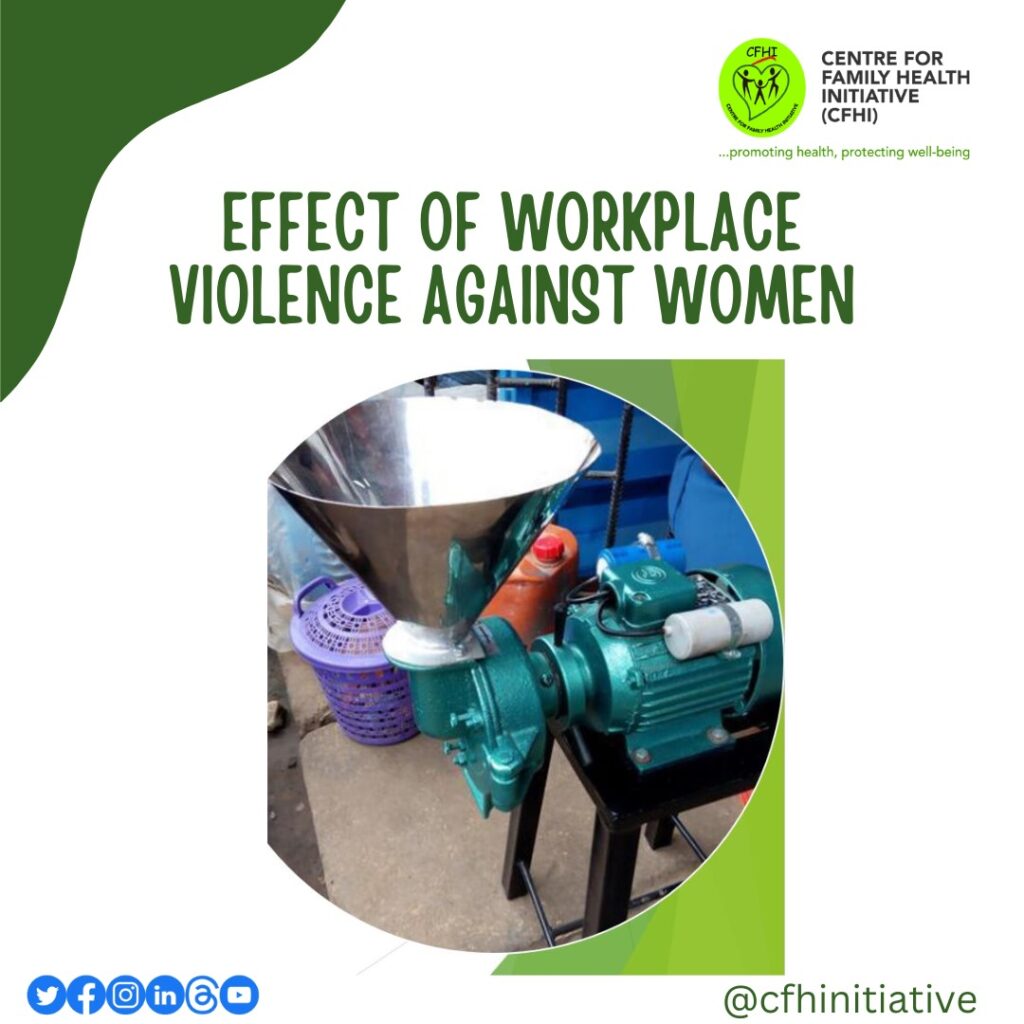
SPEAK WEDNESDAY ON EFFECT OF WORKPLACE VIOLENCE AGAINST WOMEN

A lot of female workers are forced to work in intimidating, hostile or humiliating environment where they are often asked for sexual favors, exposed to inappropriate jokes, insinuations and physical contact that can amount to assault making a work environment uncomfortable for them. According to research, between 40 and 50 percent of women experience unwanted sexual advances, physical contact or other forms of sexual harassment at work.

In today’s edition of Speak Wednesday, we retell the story of one of our beneficiaries, Grace (not her real name). Grace, an orphan, who was discovered by one of our community volunteers in Sabon Lugbe community, was a victim of workplace violence. She worked as a live-in house help for a certain family in the community, but was occasionally sexually abused by her boss. Although she endured for a while out of desperation to keep her job (she was the bread winner of the home), she had to leave because it started affecting her mental health and productivity. Few months later, she got a job in a beer parlour where she was also preyed upon sexually by both the customers and the owner of the business.

When CFHI was made aware of her sad experience, she was immediately enrolled into skills acquisition training and given startup kits for her business through IHVN project. Currently, she is successfully running her tailoring business in the community.

Gender based violence in the workplace is a major hindrance to women’s economic empowerment, autonomy and independence, however, this can be tackled if there is a collective agreement by major stakeholders on policies to prevent and address GBV in the workplace.

Thank you for joining today’s Speak Wednesday on workplace violence. Join us every Wednesday for more episodes as we work together to end all forms of violence against women and girls.

#SpeakWednesday #GBVStory #EndGBVNow

SPEAK WEDNESDAY ON EFFECT OF WORKPLACE VIOLENCE AGAINST WOMEN Read More »

GENDER DIGITAL DIVIDE IMAGE

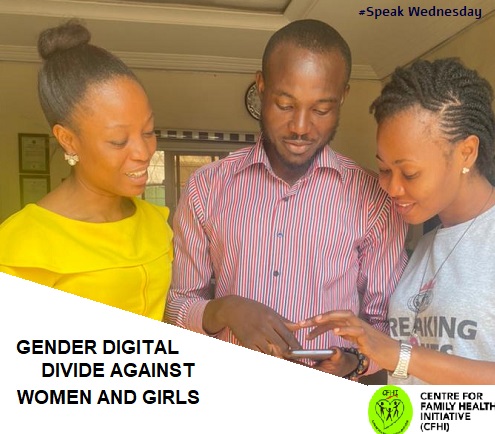
GENDER DIGITAL DIVIDE AGAINST WOMEN AND GIRLS

Digital divide according to Investopedia, encompasses the technical and financial ability to utilize available technology, along with access (or a lack of access) to the internet.

As observed in education and other areas of life, women and girls face a wide divide in the digital space which is significantly taking over the universe and economic opportunities with the world adjusting to the change. This indicates that gender disparity has also found its undeserving place in the digital world.

This wide gender gap in digital access, literacy and skills is caused by the social norms, gender roles and expectations of women in the household. This includes the negative stereotyping of women and girls in their career paths and the assumptions that boys and men do better in science, technology, engineering, and mathematics (STEM) fields than girls.

The digital divide against women and girls will worsen gender discrimination and promote unequal access to employment opportunities for girls, which can lead to financial lack and poverty.

Government and stakeholders can work towards the inclusion of girls and women in the digital ecosystem and close the gap by ensuring that girls are educated and have access to ICT, improve gender-responsive systems and programs, and the like.

Speak Wednesday is an initiative of CFHI to address issues around gender-based violence and gender bias.

#SpeakWednesday #Genderbias #GenderDigitalDivide

GENDER DIGITAL DIVIDE AGAINST WOMEN AND GIRLS Read More »

Period Poverty_MHM

SPEAK WEDNESDAY – PERIOD POVERTY AND POOR EDUCATION

The backdrop in girls’ education due to lack of menstrual hygiene in Nigeria should no longer be gender issue, but of national concern.

The National Democracy and Health Survey in 2013 has shown that girls make up 60 per cent of the 110.5 million out-of-school children in Nigeria, and 1 in 10 African girls misses school due to their period, according to UNICEF. In order words, they could miss school for four days or more during which the period lasts, and since they cannot manage their period safely without a good sanitary product, such children are most likely to drop out of school in the long run. Moreso, the hike in menstrual products has left most Nigerian girls and young women with no choice but to use unclean napkins, tissue, leaves, newspapers, or nothing at all, during their menstruation.

The old African proverb says “educate a girl, educate a nation”. To curb this damaging menace caused by period poverty, the Nigerian government should borrow a Leaf from Kenya’s policy which introduced the right to free, sufficient and quality sanitary towels, and basic sanitation facilities for schoolgirls; treating access to sanitary pads as a basic human right. This and the total removal of tax on menstrual products will help to make the girl child stay in school during their monthly flow.

Like Michelle Obama rightly said, when girls are educated, their countries become stronger and more prosperous. It is time to embrace this fact and work towards creating a world where everyone irrespective of gender can thrive without limitations.

Speak Wednesday is an initiative of CFHI to address issues of gender-based violence and gender bias. Join us every Wednesday on all our social media platforms for more episodes.

#SpeakWednesday #MenstrualRightsAwareness #MenstrualHygiene #MenstrualEquality #GirlsInSchool #EquityAndJustice #MHDay2022 #WeAreCommitted
#reusablesanitarypad

SPEAK WEDNESDAY – PERIOD POVERTY AND POOR EDUCATION Read More »