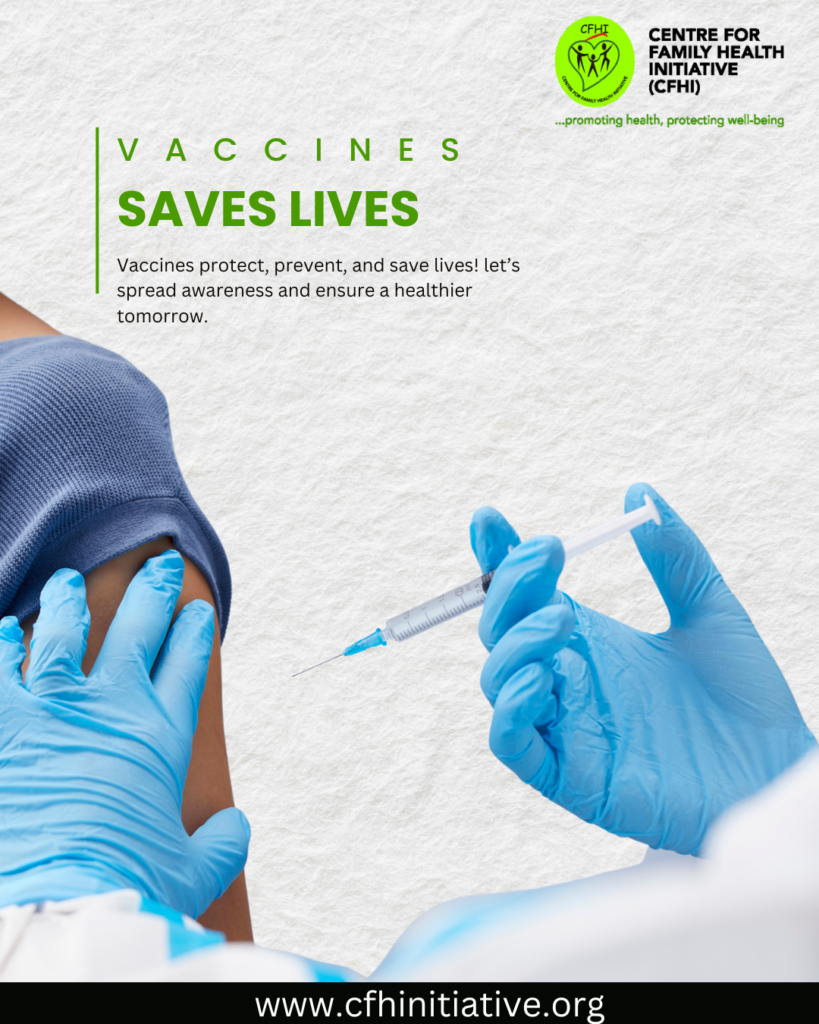
VACCINES SAVE LIVES
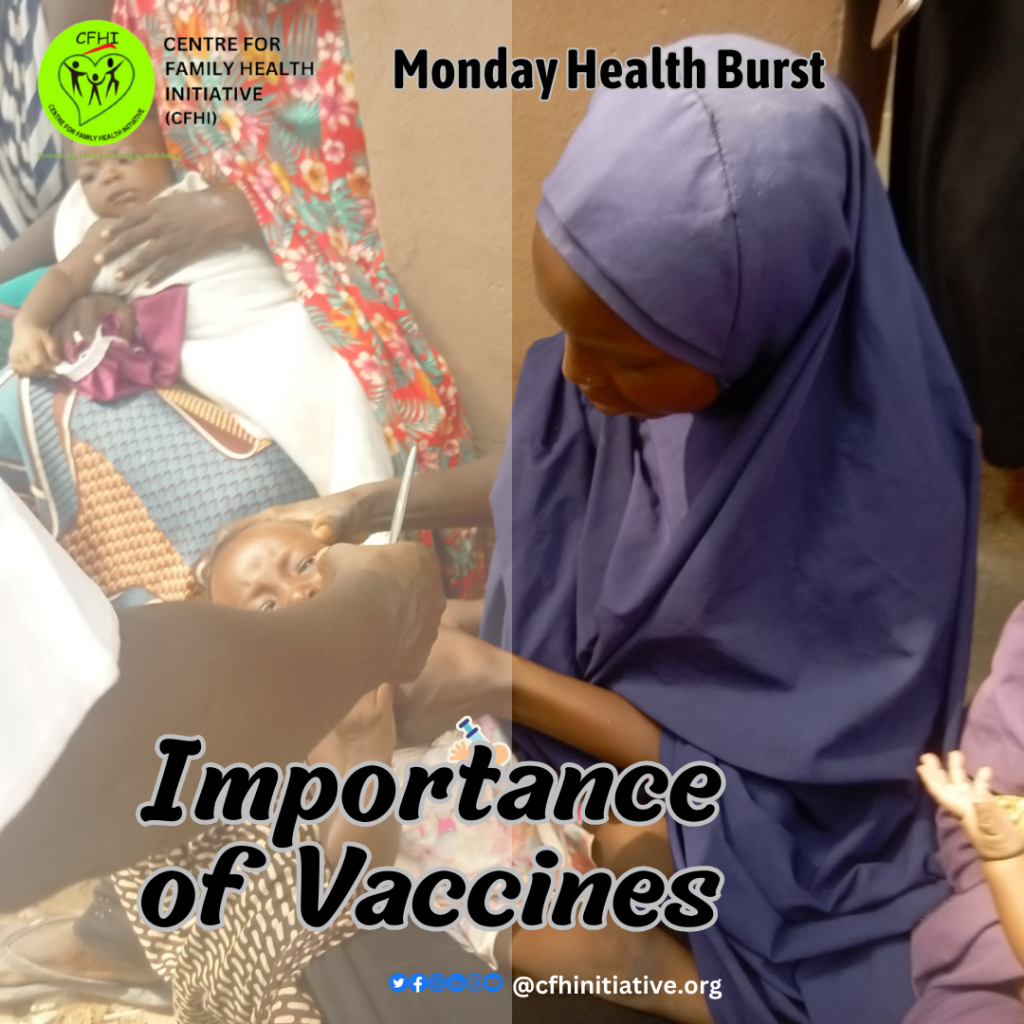
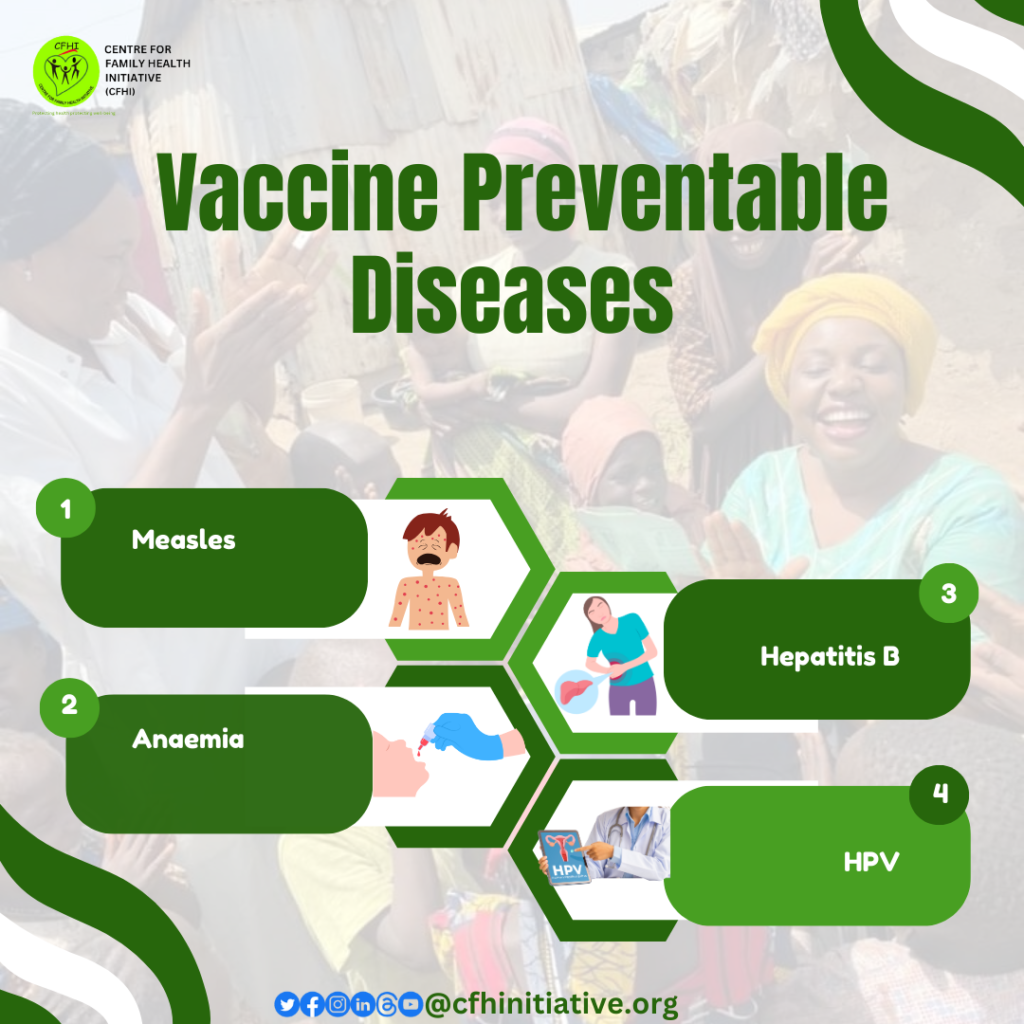
Vaccination is one of the greatest achievements in public health, and the statement “vaccines save lives” is far more than a slogan it is a reality backed by decades of scientific evidence, global data, and measurable impact across countries and generations. Vaccines protect individuals and communities by preventing illness, disability, and death from infectious diseases such as measles, polio, tetanus, and influenza. According to the World Health Organization, immunization prevents between 3.5 and 5 million deaths every year worldwide [1], while the Centers for Disease Control and Prevention estimates that about 4 million deaths are prevented annually through childhood vaccination alone [2]. These are not projections they are outcomes already achieved through consistent global efforts.
Looking over a longer period, the scale of impact becomes even more striking. In the past 50 years, vaccination programmes have saved approximately 154 million lives globally [3], which translates to about six lives saved every minute [4]. Most of these lives around 95 percent are children under the age of five [5], highlighting the critical role vaccines play in child survival. Measles vaccination alone accounts for nearly 94 million lives saved [3], demonstrating how a single vaccine can transform global health outcomes. These figures are supported by extensive research, including studies published in The Lancet, which consistently confirm the enormous contribution of immunization to reducing mortality and improving life expectancy worldwide [6].
Vaccines work by training the body’s immune system to recognize and fight harmful pathogens before they cause disease, providing protection that is both effective and long-lasting. Their benefits extend beyond individual protection to entire populations. By reducing disease transmission, vaccines create herd immunity, protecting even those who cannot be vaccinated. They prevent outbreaks of deadly diseases, reduce the burden on healthcare systems, and generate significant economic returns saving up to $52 for every $1 invested in immunization programmes in low- and middle-income countries [2]. Over time, vaccines have contributed to a 40 percent reduction in global infant mortality [5], a remarkable achievement that underscores their importance in improving survival rates.
Diseases that once caused widespread fear and death have been brought under control or eliminated entirely due to vaccination. Smallpox, for example, has been eradicated globally, while polio is now on the verge of elimination after decades of sustained immunization efforts. These successes demonstrate what is possible when science, policy, and community engagement work together.
Despite these achievements, significant gaps in immunization coverage remain. An estimated 14.3 million children worldwide have never received a single dose of any vaccine, often referred to as “zero-dose” children [7]. Nigeria is among the countries with the highest number of unvaccinated children, highlighting a critical public health challenge that requires urgent attention [7]. In addition, measles vaccination coverage remains below optimal levels in many regions, leaving millions of children vulnerable to preventable disease outbreaks [7]. These gaps not only endanger lives but also risk reversing decades of progress.
Efforts to close these gaps are strengthened by global initiatives such as World Immunization Week, celebrated annually in the last week of April. Led by the World Health Organization, this campaign raises awareness about the importance of vaccines, promotes equitable access, and encourages governments and communities to prioritize immunization [8]. Themes such as “Immunization for All is Humanly Possible” emphasize the need to reach every child, everywhere, regardless of location or socioeconomic status.
At the national level, governments play a central role in ensuring vaccine access and uptake. In Nigeria, interventions such as the National Programme on Immunization (NPI), the integration of vaccines into primary healthcare services, and partnerships with global organizations have significantly improved immunization coverage. Campaigns targeting polio eradication and routine immunization have contributed to notable progress, but challenges remain. Reaching underserved communities, strengthening healthcare infrastructure, and addressing vaccine hesitancy require sustained investment and commitment.
Recent global disruptions, including the COVID-19 pandemic, have led to missed vaccinations and declining coverage in some areas, increasing the risk of disease outbreaks. Public health experts warn that without renewed efforts, diseases that were once under control could resurface, threatening lives and straining already burdened health systems. This makes it more important than ever to prioritize immunization as a cornerstone of public health.[9]
At the Centre for Family Health Initiative (CFHI), these gaps have been actively addressed through sustained, community-driven interventions aimed at improving immunization uptake over time. CFHI has implemented targeted vaccine awareness campaigns, strengthened community mobilization, and integrated immunization education into maternal, child health, and HIV service delivery platforms. Through consistent engagement with caregivers, community leaders, and health facilities, CFHI has contributed to reducing vaccine hesitancy, improving demand for routine immunization, and supporting last-mile access to life-saving vaccines in underserved communities. These efforts form part of CFHI’s broader commitment to strengthening primary healthcare systems and safeguarding children and vulnerable populations from vaccine-preventable diseases.[10]
Vaccines remain one of the most cost-effective, impactful, and scalable health interventions available today. However, their life-saving potential can only be realized when they reach the people who need them. Vaccines save lives but only when they are accessible, accepted, and administered on time. Individuals and families must ensure that children receive all routine immunizations according to schedule, while communities must promote accurate information and counter misinformation. Governments must increase funding for immunization programmes and strengthen healthcare systems, while organizations and partners must support outreach to underserved populations. Health workers, as trusted voices, must continue to advocate for vaccination and engage communities effectively.
No one should die from a disease that vaccines can prevent. The science is clear, the evidence is overwhelming, and the solution is within reach. Vaccines save lives and with collective action, they can save millions more.
References
- WHO – Vaccines and Immunization: https://www.who.int/health-topics/vaccines-and-immunization
- CDC – Global Immunization Fast Facts: https://www.cdc.gov/global-immunization/fast-facts
- WHO – 154 million lives saved: https://www.who.int/news/item/24-04-2024-global-immunization-efforts-have-saved-at-least-154-million-lives-over-the-past-50-years
- London School of Hygiene & Tropical Medicine – EPI impact
- UNICEF – Why vaccines matter: https://www.unicef.org/stories/why-vaccines-matter-children
- The Lancet Study on Immunization Impact
- WHO – Immunization Coverage Factsheet: https://www.who.int/news-room/fact-sheets/detail/immunization-coverage
- World Immunization Week Overview
- https://www.who.int/news/item/15-07-2022-covid-19-pandemic-fuels-largest-continued-backslide-in-vaccinations-in-three-decades?utm_source=chatgpt.com
- https://www.cfhinitiative.org/ending-hiv-stigma-community-support-beyond-world-aids-day/
VACCINES SAVE LIVES Read More »