April 2026

VACCINES SAVE LIVES

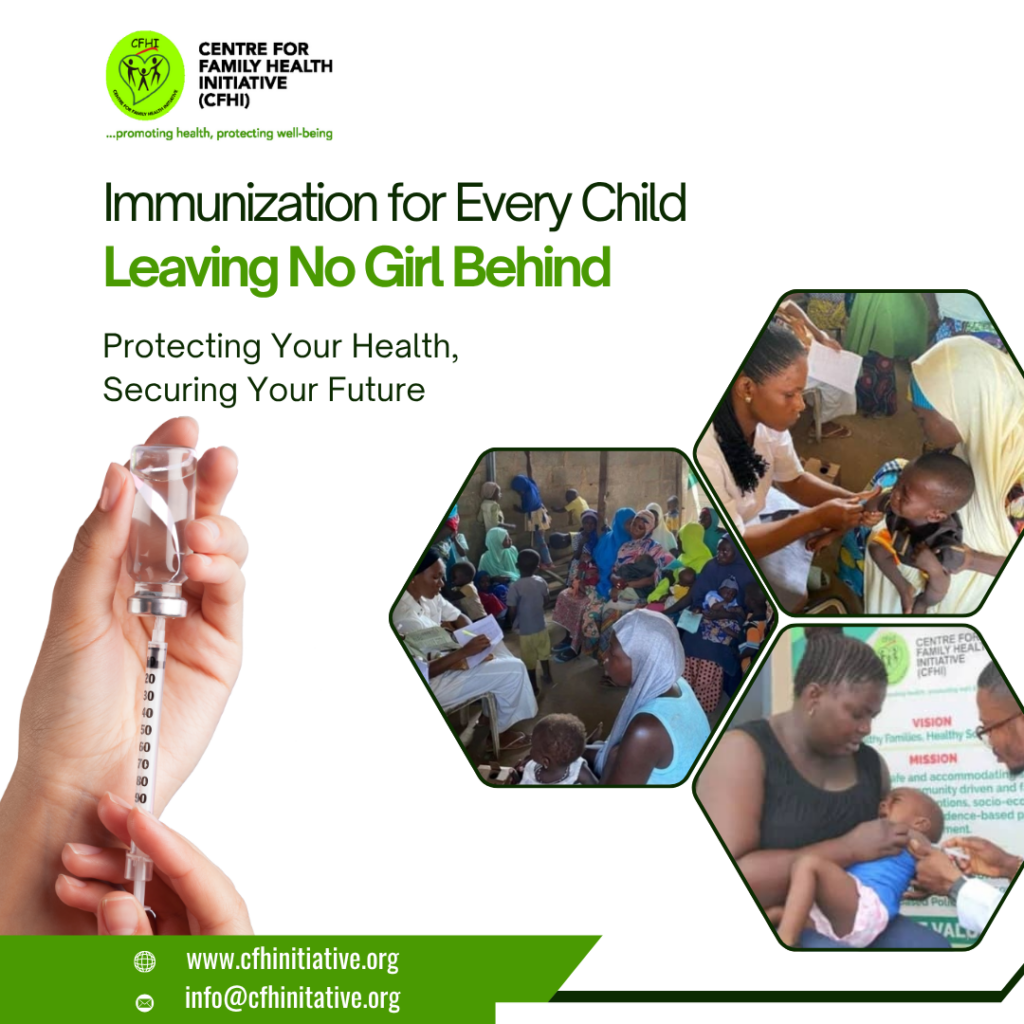
Vaccination is one of the greatest achievements in public health, and the statement “vaccines save lives” is far more than a slogan it is a reality backed by decades of scientific evidence, global data, and measurable impact across countries and generations. Vaccines protect individuals and communities by preventing illness, disability, and death from infectious diseases such as measles, polio, tetanus, and influenza. According to the World Health Organization, immunization prevents between 3.5 and 5 million deaths every year worldwide [1], while the Centers for Disease Control and Prevention estimates that about 4 million deaths are prevented annually through childhood vaccination alone [2]. These are not projections they are outcomes already achieved through consistent global efforts.

Looking over a longer period, the scale of impact becomes even more striking. In the past 50 years, vaccination programmes have saved approximately 154 million lives globally [3], which translates to about six lives saved every minute [4]. Most of these lives around 95 percent are children under the age of five [5], highlighting the critical role vaccines play in child survival. Measles vaccination alone accounts for nearly 94 million lives saved [3], demonstrating how a single vaccine can transform global health outcomes. These figures are supported by extensive research, including studies published in The Lancet, which consistently confirm the enormous contribution of immunization to reducing mortality and improving life expectancy worldwide [6].

Vaccines work by training the body’s immune system to recognize and fight harmful pathogens before they cause disease, providing protection that is both effective and long-lasting. Their benefits extend beyond individual protection to entire populations. By reducing disease transmission, vaccines create herd immunity, protecting even those who cannot be vaccinated. They prevent outbreaks of deadly diseases, reduce the burden on healthcare systems, and generate significant economic returns saving up to $52 for every $1 invested in immunization programmes in low- and middle-income countries [2]. Over time, vaccines have contributed to a 40 percent reduction in global infant mortality [5], a remarkable achievement that underscores their importance in improving survival rates.

Diseases that once caused widespread fear and death have been brought under control or eliminated entirely due to vaccination. Smallpox, for example, has been eradicated globally, while polio is now on the verge of elimination after decades of sustained immunization efforts. These successes demonstrate what is possible when science, policy, and community engagement work together.

Despite these achievements, significant gaps in immunization coverage remain. An estimated 14.3 million children worldwide have never received a single dose of any vaccine, often referred to as “zero-dose” children [7]. Nigeria is among the countries with the highest number of unvaccinated children, highlighting a critical public health challenge that requires urgent attention [7]. In addition, measles vaccination coverage remains below optimal levels in many regions, leaving millions of children vulnerable to preventable disease outbreaks [7]. These gaps not only endanger lives but also risk reversing decades of progress.

Efforts to close these gaps are strengthened by global initiatives such as World Immunization Week, celebrated annually in the last week of April. Led by the World Health Organization, this campaign raises awareness about the importance of vaccines, promotes equitable access, and encourages governments and communities to prioritize immunization [8]. Themes such as “Immunization for All is Humanly Possible” emphasize the need to reach every child, everywhere, regardless of location or socioeconomic status.

At the national level, governments play a central role in ensuring vaccine access and uptake. In Nigeria, interventions such as the National Programme on Immunization (NPI), the integration of vaccines into primary healthcare services, and partnerships with global organizations have significantly improved immunization coverage. Campaigns targeting polio eradication and routine immunization have contributed to notable progress, but challenges remain. Reaching underserved communities, strengthening healthcare infrastructure, and addressing vaccine hesitancy require sustained investment and commitment.

Recent global disruptions, including the COVID-19 pandemic, have led to missed vaccinations and declining coverage in some areas, increasing the risk of disease outbreaks. Public health experts warn that without renewed efforts, diseases that were once under control could resurface, threatening lives and straining already burdened health systems. This makes it more important than ever to prioritize immunization as a cornerstone of public health.[9]

At the Centre for Family Health Initiative (CFHI), these gaps have been actively addressed through sustained, community-driven interventions aimed at improving immunization uptake over time. CFHI has implemented targeted vaccine awareness campaigns, strengthened community mobilization, and integrated immunization education into maternal, child health, and HIV service delivery platforms. Through consistent engagement with caregivers, community leaders, and health facilities, CFHI has contributed to reducing vaccine hesitancy, improving demand for routine immunization, and supporting last-mile access to life-saving vaccines in underserved communities. These efforts form part of CFHI’s broader commitment to strengthening primary healthcare systems and safeguarding children and vulnerable populations from vaccine-preventable diseases.[10]

Vaccines remain one of the most cost-effective, impactful, and scalable health interventions available today. However, their life-saving potential can only be realized when they reach the people who need them. Vaccines save lives but only when they are accessible, accepted, and administered on time. Individuals and families must ensure that children receive all routine immunizations according to schedule, while communities must promote accurate information and counter misinformation. Governments must increase funding for immunization programmes and strengthen healthcare systems, while organizations and partners must support outreach to underserved populations. Health workers, as trusted voices, must continue to advocate for vaccination and engage communities effectively.

No one should die from a disease that vaccines can prevent. The science is clear, the evidence is overwhelming, and the solution is within reach. Vaccines save lives and with collective action, they can save millions more.

References

  1. WHO – Vaccines and Immunization: https://www.who.int/health-topics/vaccines-and-immunization
  2. CDC – Global Immunization Fast Facts: https://www.cdc.gov/global-immunization/fast-facts
  3. WHO – 154 million lives saved: https://www.who.int/news/item/24-04-2024-global-immunization-efforts-have-saved-at-least-154-million-lives-over-the-past-50-years
  4. London School of Hygiene & Tropical Medicine – EPI impact
  5. UNICEF – Why vaccines matter: https://www.unicef.org/stories/why-vaccines-matter-children
  6. The Lancet Study on Immunization Impact
  7. WHO – Immunization Coverage Factsheet: https://www.who.int/news-room/fact-sheets/detail/immunization-coverage
  8. World Immunization Week Overview
  9. https://www.who.int/news/item/15-07-2022-covid-19-pandemic-fuels-largest-continued-backslide-in-vaccinations-in-three-decades?utm_source=chatgpt.com
  10. https://www.cfhinitiative.org/ending-hiv-stigma-community-support-beyond-world-aids-day/ 


VACCINES SAVE LIVES Read More »

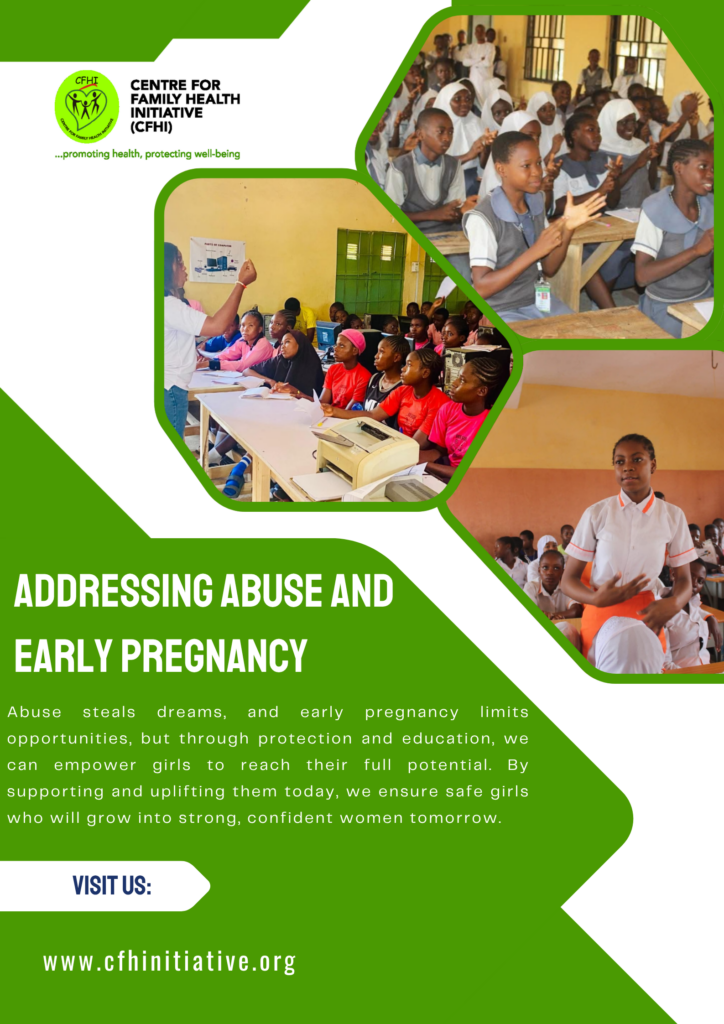
Addressing Abuse and Early Pregnancy

Abuse and early pregnancy continue to threaten the health, dignity, and future of women and girls globally. These issues are deeply rooted in inequality and human rights violations, disproportionately affecting girls in vulnerable communities. According to the United Nations Population Fund, an estimated 21 million adolescent girls (aged 15–19) become pregnant every year in low- and middle-income countries [1]. Alarmingly, recent global findings show that more than one in eight girls experience sexual violence before the age of 18, highlighting the strong link between abuse and early pregnancy [2]. These realities underscore the urgent need for protective systems that prioritize girls’ safety, education, and health.

The causes of early pregnancy are complex and interconnected. Key drivers include poverty, lack of education, gender-based violence, child marriage, and limited access to sexual and reproductive health services. Recent research shows that adolescent pregnancy is rarely a deliberate choice but often the result of coercion, lack of autonomy, and restricted access to information and services [1]. In fragile and conflict-affected settings, these risks are even higher. A 2026 report by UNFPA revealed a sharp increase in child marriage and adolescent pregnancies in crisis-affected regions, driven by insecurity, displacement, and economic hardship [3]. In Nigeria, data indicates that one in three young women are married before age 18, further increasing the likelihood of early pregnancy and lifelong disadvantage [4].

The consequences of abuse and early pregnancy are severe and long-lasting. Health risks include complications during pregnancy and childbirth, unsafe abortions, and increased vulnerability to infections. For girls under 15, the risk of maternal death is significantly higher than for older women [1]. Socially and economically, early pregnancy often leads to school dropout, reduced employment opportunities, and cycles of poverty. Studies show that girls who become pregnant early are less likely to complete their education and more likely to face long-term financial instability [1]. Additionally, survivors of abuse often experience trauma, depression, and social stigma, which further limits their opportunities and well-being.

To address these challenges, governments, and organizations such as Centre for Family Health Initiative, UNICEF and United Nations Population Fund are implementing evidence-based interventions. These include comprehensive sexuality education, access to youth-friendly health services, enforcement of laws against child marriage and gender-based violence, and community awareness programs. Recent evidence from Northern Nigeria shows that investing in girls’ education could reduce child marriage by up to two-thirds and significantly lower adolescent pregnancy rates [4]. Additionally, programs that empower girls economically, provide safe spaces, and engage men and boys in gender equality discussions have proven effective in reducing abuse and early pregnancy.

In conclusion, addressing abuse and early pregnancy requires urgent, collective action. Families, communities, governments, and organizations must work together to create safe environments where girls are protected, educated, and empowered. Every girl deserves the right to grow, learn, and make informed choices about her life without fear of violence or coercion. The call to action is clear: strengthen laws, invest in education, expand access to healthcare, and challenge harmful norms that put girls at risk. When we protect and empower women and girls, we build stronger, healthier, and more equitable societies for all.

References

[1] https://www.unfpa.org/adolescent-pregnancy/
[2]  https://data.unicef.org/topic/child-protection/violence/sexual-violence/
[3] https://www.unfpa.org/sowp
[4] https://www.unicef.org/nigeria/child-protection


Addressing Abuse and Early Pregnancy Read More »

Handwashing Prevents Disease

Handwashing with soap remains one of the most effective and affordable ways to prevent diseases and protect public health. According to the World Health Organization and global health partners, proper hand hygiene significantly reduces the spread of infectious diseases such as diarrhea, respiratory infections, and even emerging outbreaks [1]. Despite its simplicity, handwashing is often overlooked, contributing to millions of preventable illnesses and deaths worldwide.

Scientific evidence shows that unclean hands are a major pathway for disease transmission. Germs from faecal matter, contaminated surfaces, and respiratory droplets easily spread through touch, food handling, and person-to-person contact. Research indicates that a single gram of human faeces can contain up to one trillion germs, making proper hand hygiene critical in breaking the chain of infection [2]. Handwashing with soap has been shown to reduce diarrheal diseases by 23–40% and respiratory infections by up to 21% [3].

Globally, the burden of poor hand hygiene remains alarming. An estimated 2.3 billion people lack access to basic handwashing facilities with soap and water, while 1.7 billion still do not have basic hygiene services at home [4]. Additionally, nearly half of healthcare facilities worldwide lack proper hand hygiene services, putting patients at risk of infections [5]. Among children, poor hygiene contributes significantly to disease, with approximately 1.8 million children under five dying annually from preventable illnesses such as diarrhea and pneumonia conditions that proper handwashing could help reduce [6].

Various interventions have been implemented globally to promote hand hygiene. Organizations such as UNICEF and WHO continue to support handwashing campaigns, improve access to water and sanitation, and integrate hygiene education into schools and communities [1]. Community awareness programs, provision of handwashing facilities, and behavior change communication have proven effective in improving hygiene practices. Studies show that even a small investment less than $1 per person annually can significantly expand access to handwashing facilities and save hundreds of thousands of lives [7].

Our commitment to ‘Standing with Science’ was most evident during the height of the COVID-19 pandemic. Recognizing that awareness is only effective when paired with resources, CFHI conducted extensive sensitization and distribution drives across the FCT. This included critical interventions at the Kuje Prison in Abuja and various schools throughout the FCT, where we provided essential hygiene tools such as professional-grade hand sanitizers, liquid soaps, and specialized buckets and bowls with attached taps to facilitate contactless handwashing. This proactive approach ensured that the most vulnerable populations had the physical means to break the chain of infection.

In conclusion, handwashing is a simple yet powerful tool that everyone can practice daily. Individuals are encouraged to wash their hands regularly especially before eating, after using the toilet, and after contact with potentially contaminated surfaces. Governments and institutions must also invest in accessible hygiene facilities and promote behaviour change. By making handwashing a habit, we can prevent diseases, save lives, and build healthier communities. Clean hands are not just a personal responsibility they are a public health necessity.

References

  1. https://www.who.int/news-room/fact-sheets/detail/hand-hygiene
  2. https://www.cdc.gov/hygiene/about/index.html
  3. https://www.cdc.gov/hygiene/personal-hygiene/hands.html
  4. https://www.unicef.org/reports/state-worlds-handwashing-2021
  5. https://www.who.int/publications/i/item/9789240055445
  6. https://www.who.int/news-room/fact-sheets/detail/diarrhoeal-disease
  7. https://www.worldbank.org/en/news/feature/2020/04/22/handwashing-for-all-the-value-of-hand-hygiene-to-save-lives-and-economies


Handwashing Prevents Disease Read More »

Breaking Barriers to Quality Care for Women and Girls.

Breaking barriers to quality care for women and girls remains one of the most urgent global health priorities. Despite progress, millions of women still face obstacles in accessing essential healthcare services due to inequality, poverty, and weak health systems. According to the World Health Organization, at least half of the world’s population still lacks access to essential health services [1]. For women and girls, these gaps are even more pronounced, particularly in low- and middle-income countries where cultural norms, financial constraints, and limited infrastructure restrict access to care. Ensuring equitable healthcare is not only a moral obligation but a critical step toward sustainable development.

Maternal health remains a key indicator of these disparities. The United Nations reports that approximately 800 women die every day from preventable causes related to pregnancy and childbirth [2]. Many of these deaths occur due to lack of skilled birth attendants, poor access to emergency obstetric care, and delays in seeking treatment. In addition, adolescent girls face heightened risks due to early pregnancies and limited access to reproductive health education and services. Addressing these challenges requires targeted interventions that prioritize both prevention and timely access to quality care.

Several interventions have proven effective in breaking these barriers. Expanding access to primary healthcare, strengthening community health systems, and increasing the availability of skilled healthcare workers are essential steps. Programs that integrate maternal, newborn, and child health services, alongside nutrition, immunization, and gender-based violence prevention, have shown measurable impact. Organizations like the Centre for Family Health Initiative (CFHI) continue to implement community-based interventions, including health education, outreach services, and capacity building for healthcare providers, ensuring that women and girls receive the care they need at the grassroots level.

However, lasting change requires strong government commitment and investment. Governments must prioritize the revitalization of health facilities, ensuring they are well-equipped, adequately staffed, and accessible to all women and girls. Policies that promote free or affordable healthcare services, especially for maternal and reproductive health, must be enforced. Furthermore, health facilities must uphold dignity, respect, and quality in service delivery, recognizing that every woman deserves safe and compassionate care regardless of her background or location.

In conclusion, breaking barriers to quality care for women and girls demands collective action from governments, organizations, communities, and individuals. There is a need to challenge harmful norms, invest in health systems, and empower women with knowledge and resources to make informed health decisions. Let this serve as a call to action: prioritize women’s health, support inclusive policies, and advocate for stronger healthcare systems. By working together, we can ensure that every woman and girl has access to the quality care she deserves, leading to healthier families, stronger communities, and a more equitable world.

Speak Wednesday is an initiative of CFHI to address issues of gender-based violence and gender bias. 

Reference

  1. https://www.who.int/news-room/fact-sheets/detail/universal-health-coverage-(uhc)
  2. https://www.who.int/news-room/fact-sheets/detail/maternal-mortality

Breaking Barriers to Quality Care for Women and Girls. Read More »

World Health Day 2026 Theme: Together for Health Standing with Science

World Health Day 2026 arrives at a pivotal moment in global history, carrying the United Nations theme: “Together for Health: Stand with Science.” This theme serves as a clarion call for unity, urging nations, organizations, and individuals to ground health policies in evidence-based research rather than misinformation. In an era where global health threats from emerging viral strains to the escalating impacts of climate change on disease patterns are increasingly complex, “standing with science” means investing in data-driven solutions that protect everyone, everywhere. For the Centre for Family Health Initiative (CFHI), this day is a profound reminder of our core mission and vision: to ensure that good health and a quality life are not luxuries, but accessible realities for all [1].

Global health organizations like the World Health Organization (WHO) and UNICEF continue to lead massive interventions to tackle the world’s most pressing burdens, including the eradication of Polio, the mitigation of Malaria, and the management of the ongoing Tuberculosis crisis. These organizations emphasize that health is a fundamental human right, yet millions still lack access to basic care [2]. CFHI mirrors these global efforts on a local scale, prioritizing maternal and child health, mental health awareness, and infectious disease prevention. Our work is rooted in the belief that a healthy population is the foundation of a prosperous society, and we dedicate our resources to bridging the gap between scientific breakthroughs and community application.

To achieve the vision of “Health for All,” our medical infrastructure must undergo a radical transformation. We call upon all health facilities both private and public to prioritize the sanctity of human life above all else. It is a moral and professional imperative for healthcare providers to treat every patient with dignity, empathy, and the highest standard of scientific care. A hospital should be a sanctuary of healing where medical ethics and clinical excellence meet. Furthermore, we strongly urge the government to fulfill its primary obligation by reviving and equipping Primary Health Centres (PHCs). Access to a functional health center is a basic citizen’s right; these facilities must be adequately staffed, stocked with essential medicines, and powered by reliable infrastructure to serve as the first line of defense in our communities [3].

Science has provided us with the tools to live longer, healthier lives from vaccines that prevent debilitating illnesses to sanitation protocols that stop outbreaks before they start. However, these tools are only effective when backed by political will and community trust. CFHI’s interventions, such as our recent tuberculosis awareness campaigns and menstrual health management programs, are direct applications of scientific best practices designed to improve community outcomes [4]. By integrating Water, Sanitation, and Hygiene (WASH) with direct medical care, we address the social determinants of health that science proves are critical to long-term wellness.

As we commemorate World Health Day 2026, we remind you that the most important advocate for your health is you. We encourage everyone to take proactive steps: go for regular screenings, trust verified medical advice, and maintain a healthy lifestyle. Your health is your greatest wealth and standing with science means making informed choices every day. Let us work together government, health workers, and citizens to ensure that the right to health is upheld with integrity and care. Together, we can build a future where science-led healthcare is a reality for every household.

Reference

[1] Centre for Family Health Initiative (CFHI): Our Vision for Global Health.

https://cfhinitiative.org/about-us/

[2] World Health Organization (WHO): World Health Day 2026 – Together for Health.

https://www.who.int/campaigns/world-health-day

[3] United Nations: The Right to Health as a Fundamental Human Right.

https://www.ohchr.org/en/health

[4] USAID Nigeria: Strengthening Health Systems through Science and Integration.

https://www.usaid.gov/nigeria/global-health

[5] Stop TB Partnership: Advancing Science in Tuberculosis Prevention.

https://www.stoptb.org/


World Health Day 2026 Theme: Together for Health Standing with Science Read More »

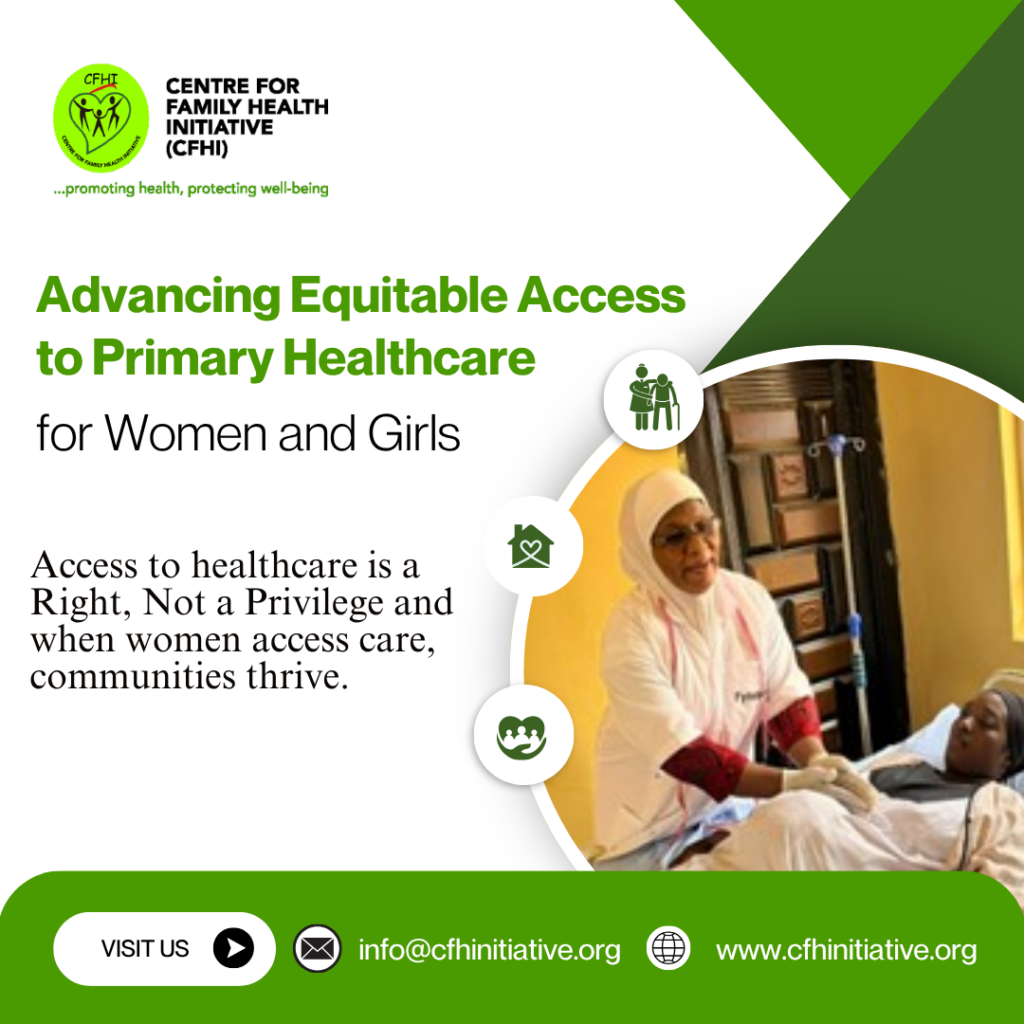
Advancing Equitable Access to Primary Healthcare for Women and Girls

Access to quality primary healthcare is a fundamental human right, yet for millions of women and girls in Nigeria and across sub-Saharan Africa, this right remains far from reality. Despite global commitments to universal health coverage, structural inequalities continue to shape who gets care, when, and how. In Nigeria, nearly 52% of women report facing at least one barrier to accessing healthcare, with financial constraints, distance to facilities, and lack of autonomy among the most pressing challenges [1]. These barriers are not just statistics; they translate into preventable suffering and loss of life. Nigeria continues to carry one of the highest burdens of maternal mortality globally, with an estimated 145 women dying daily from pregnancy-related causes and a lifetime risk of 1 in 18 for women [2].

The roots of this inequity are deeply embedded in socioeconomic and cultural systems. For many women, especially those in rural and underserved communities, the cost of healthcare remains prohibitive. Out-of-pocket payments dominate the health financing system, and without adequate insurance coverage, seeking care often becomes a last resort rather than a first step. Even when services are available, geographic barriers such as long distances to health facilities, poor road networks, and inadequate transportation systems further limit access [3]. Compounding these challenges are entrenched gender norms that restrict women’s ability to make independent decisions about their health. Evidence shows that in some settings, more than half of healthcare providers still believe women should not independently choose family planning methods, reflecting systemic biases that undermine women’s agency [4].

Weak health systems further widen the gap. Many primary healthcare facilities lack skilled personnel, essential medicines, and functional infrastructure, making them unable to meet the needs of women and girls effectively. At the same time, the growing reliance on digital health solutions risks leaving women behind due to persistent gender gaps in digital access and literacy [5]. These overlapping barriers highlight the urgent need for a more inclusive and equitable approach to healthcare delivery.

Yet, evidence consistently shows that strengthening primary healthcare systems is one of the most effective ways to improve health outcomes for women and girls. Community-based healthcare models, particularly those that deploy trained community health workers, have demonstrated remarkable impact, contributing to reductions of up to 30% in child mortality by bringing essential services closer to households [3]. Beyond saving lives, equitable primary healthcare improves family planning uptake, enhances disease prevention, and strengthens the overall resilience of communities.

Recognizing these realities, the Nigerian government has introduced several interventions aimed at expanding access to primary healthcare. The National Primary Health Care Development Agency (NPHCDA) continues to play a central role in revitalizing primary healthcare systems and improving service delivery at the grassroots level [6]. Initiatives such as the Maternal and Neonatal Mortality Reduction Innovation Initiative (MAMII) have been implemented to tackle high maternal mortality rates through targeted system strengthening and improved care delivery [2]. At the state, Centre for Family Health Initiative (CFHI)’s BIRTH Project have demonstrated promising results in improving maternal and child health outcomes by addressing malnutrition through community-based education, promotion of optimal infant and young child feeding practices, and strengthened linkage to quality primary healthcare services [9]. Community-Based Health Insurance Schemes have also emerged as a practical approach to reducing out-of-pocket expenses and improving access to care for vulnerable populations [7].

Beyond government efforts, international organizations and development partners have contributed significantly to advancing equitable healthcare. UNICEF’s Equitable Impact Sensitive Tool (EQUIST) has supported policymakers in identifying and prioritizing interventions that address disparities in maternal and child health outcomes [8]. The World Health Organization continues to advocate for decentralized, community-based healthcare delivery models and gender-responsive health systems that prioritize the needs of women and girls [3]. At the same time, partnerships leveraging digital innovation are opening new pathways for service delivery, although these must be intentionally designed to close, rather than widen, existing gender gaps.

Despite these efforts, progress remains uneven, and much more needs to be done. Advancing equitable access to primary healthcare for women and girls requires sustained investment in healthcare infrastructure, particularly in rural and underserved areas, alongside expanded health insurance coverage to reduce financial hardship. It demands policies that actively challenge gender inequality and empower women to make informed decisions about their health. Strengthening community health systems, improving health education, and ensuring inclusive governance with women represented in leadership and decision-making processes are equally critical.

Equitable access to primary healthcare is not just a health issue; it is a matter of justice, dignity, and human rights. No woman should die while giving life, and no girl should be denied access to care because of poverty, distance, or discrimination. The time to act is now. Governments, civil society organizations, and development partners must intensify efforts to dismantle barriers, invest in inclusive systems, and prioritize women and girls in health policies and programs. By doing so, we can build a future where every woman and every girl can live a healthy, empowered life.

References

[1] https://en.wikipedia.org/wiki/Women_in_Nigeria
[2] https://articles.nigeriahealthwatch.com/iwd2025-accelerating-womens-access-to-quality-care-for-improved-maternal-outcomes/
[3] https://www.afro.who.int/sites/default/files/2017-06/report-of-the-commission-on-womens-health-in-the-african-region—chapter-6.pdf
[4] https://pmc.ncbi.nlm.nih.gov/articles/PMC7934485/
[5] https://gatesopenresearch-files.f1000.com/posters/docs/gatesopenres-208586.pdf
[6] https://en.wikipedia.org/wiki/National_Primary_Health_Care_Development_Agency_%28Nigeria%29
[7] https://womeningh.org/the-road-to-uhc-passes-through-gender-responsive-health-systems-the-case-of-wgh-nigeria/
[8] https://pmc.ncbi.nlm.nih.gov/articles/PMC7046112/                                                                              [9] https://www.cfhinitiative.org/news/promoting-maternal-nutrition-through-food-demonstration-at-adamawa-phc/

Advancing Equitable Access to Primary Healthcare for Women and Girls Read More »