End FGM

Gender Inequality: A Threat to the Health, Safety, and Rights of Women and Girls in Nigeria

Gender inequality remains a deeply entrenched threat to the health, safety, and rights of women and girls in Nigeria, undermining progress toward equitable development and directly shaping outcomes in health, education, economic participation, political representation, and freedom from violence. According to the United Nations Development Programme (UNDP), Nigeria ranks 147 out of 191 countries on the Gender Inequality Index, reflecting large disparities between men and women in reproductive health, empowerment, and labour market participation. ¹ These inequalities manifest in real and measurable ways that compromise the wellbeing and opportunities of women and girls across the country.

One of the most profound impacts of gender inequality in Nigeria is observed in health outcomes. The maternal mortality ratio remains unacceptably high at 512 maternal deaths per 100,000 live births, indicating that women are still at disproportionate risk during pregnancy and childbirth compared to global averages. ² Factors driving this include limited access to quality reproductive health services, lack of autonomy in health decision-making, and economic barriers that delay care-seeking. Research shows that women who lack financial independence or decision-making power are less likely to utilise antenatal care or deliver in health facilities, increasing the likelihood of preventable complications. ³

Education is another field deeply affected by gender inequality. UNESCO reports that girls’ school completion rates in Nigeria lag boys’, particularly at the secondary level, a gap that translates into reduced opportunities for advanced learning, better jobs, and informed health choices later in life. ⁴ Early marriage, still prevalent in many regions, significantly contributes to school dropout rates among girls. UNICEF estimates that 43% of girls in Nigeria are married before their 18th birthday, limiting educational attainment and exposing them to early pregnancy and increased health risks such as obstetric fistula and maternal mortality. ⁵

Gender-based violence (GBV) is another grave consequence of systemic inequality. The Nigeria Demographic and Health Survey (NDHS) reveals that around 30% of ever-married women aged 15–49 have experienced physical violence, with many cases going unreported due to stigma, fear, and weak legal enforcement. ⁶ Violence affects not only physical health but also leads to long-term psychological trauma, increased vulnerability to HIV infection, and reduced participation in economic and community life. ⁷

Political inequality further illustrates the scale of exclusion. In the current 10th National Assembly (2023–2027), women remain severely underrepresented in national decision-making. Out of 109 Senate seats, only 4 are held by women (approximately 3.7%), while 105 seats (96.3%) are held by men. In the House of Representatives, only 17 out of 360 seats are occupied by women (approximately 4.7%), compared to 343 men. Altogether, women hold just 21 out of 469 seats in the National Assembly, representing about 4.2% of federal lawmakers.¹⁰ This means that despite women making up nearly half of Nigeria’s population, their voice in shaping laws and policies that directly affect their health, safety, and rights remains below 5% — one of the lowest representation rates in the region.¹¹ Limited political participation restricts the advancement of gender-responsive policies and slows progress on critical issues such as maternal health funding, protection from violence, and equal economic opportunities.

Economic inequality further compounds these threats. Although women actively participate in Nigeria’s labour force, wage gaps, informal employment, and occupational segregation persist. The World Economic Forum’s Global Gender Gap Report highlights that women often earn less than men for similar work and remain underrepresented in leadership positions. ⁸ Without economic empowerment, many women are unable to afford essential health services, invest in their education, or break cycles of poverty and dependency.

These disparities are not inevitable; they are shaped by social norms, discriminatory practices, and gaps in policy implementation. Research consistently shows that gender-responsive policies including universal access to reproductive healthcare, enforcement of laws against child marriage, protection from gender-based violence, equal educational opportunities, and increased political inclusion significantly improve health, economic, and social outcomes. ⁹

Addressing gender inequality is therefore not only a moral obligation but also a public health, governance, and economic priority. When women and girls have equal access to education, healthcare, leadership opportunities, and economic resources, maternal and infant mortality decline, household incomes rise, communities become safer, and national development accelerates. Nigeria cannot achieve sustainable development while half of its population remains structurally disadvantaged.

We call on the Federal and State Governments to strengthen and fully enforce laws protecting women and girls from discrimination and violence, expand access to quality healthcare services, promote girls’ education, and implement affirmative measures to increase women’s political representation. Development partners, civil society, and community leaders must intensify advocacy, scale up gender-responsive programming, and challenge harmful norms that sustain inequality. Every sector health, education, justice, governance, and economic development must mainstream gender equity as a foundational principle. The health, safety, and rights of Nigeria’s women and girls demand bold, sustained, and collective action.

References

  1. UNDP Gender Inequality Index
    https://hdr.undp.org/data-center/thematic-composite-indices/gender-inequality-index
  2. WHO Trends in Maternal Mortality 2000–2023
    https://www.who.int/publications/i/item/9789240068759
  3. Journal of Women’s Health – Decision-Making Power & Maternal Service Utilisation
    https://www.liebertpub.com/doi/10.1089/jwh.2020.8805
  4. UNESCO Institute for Statistics – Girls’ Education
    https://uis.unesco.org/en/topic/girls-education
  5. UNICEF – Child Marriage in Nigeria
    https://data.unicef.org/topic/child-protection/child-marriage/
  6. Nigeria Demographic and Health Survey (NDHS)
    https://dhsprogram.com/pubs/pdf/FR379/FR379.pdf
  7. WHO – Violence Against Women Prevalence Estimates
    https://www.who.int/publications/i/item/9789240022256
  8. World Economic Forum – Global Gender Gap Report 2023
    https://www3.weforum.org/docs/WEF_GGGR_2023.pdf
  9. Journal of Gender & Development – Gender-Responsive Policies
    https://www.tandfonline.com/doi/full/10.1080/13552074.2021.1952743
  10. The Nation Newspaper – Women in the 10th National Assembly
    https://thenationonlineng.net/meet-the-only-four-female-senators-in-10th-nass/
  11. The Guardian Nigeria – Women’s Representation in N’Assembly
    https://guardian.ng/news/national/only-4-5-of-nassembly-members-are-women-says-wilan-report/
Gender Inequality: A Threat to the Health, Safety, and Rights of Women and Girls in Nigeria Read More »

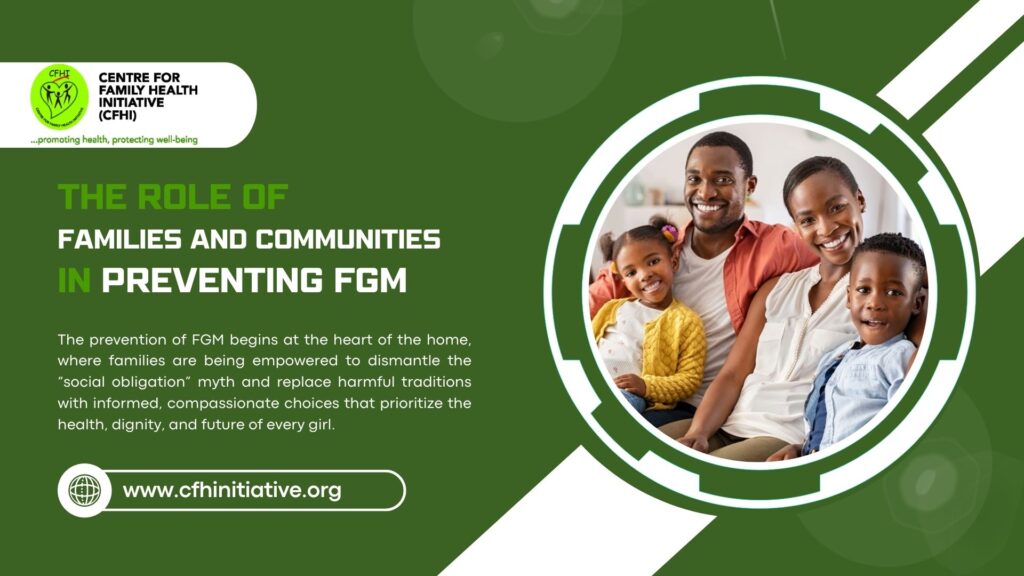
The Role of Families and Communities in Preventing FGM

In the landscape of global health in 2026, Female Genital Mutilation (FGM) stands as one of the most persistent violations of human rights, yet the tide is beginning to turn through sophisticated, community-led interventions. As of this year, over 230 million women and girls alive today have undergone the procedure, and UNICEF projects that 4.5 million more remain at risk in 2026 alone [1]. The struggle to end this practice is no longer just a legal battle; it has evolved into a deep-rooted cultural shift focusing on the intersection of family protection and communal health [4].

The prevention of FGM begins at the heart of the home, where families are being empowered to dismantle the “social obligation” myth. Recent research from the UNFPA-UNICEF Joint Programme indicates that when mothers are provided with formal education and economic agency, the likelihood of their daughters being cut drops significantly [3]. Families are now being reached through “Positive Masculinity” programs, where over 800,000 men and boys have pledged to protect their female relatives, challenging the outdated notion that FGM is a prerequisite for marriageability [3]. By addressing the family as the primary decision-making unit, advocacy groups are successfully replacing fear of social exclusion with a shared commitment to a daughter’s physical integrity and future health.

Moving beyond the front door, the most effective preventative measure in 2026 has been the rise of Public Declarations of Abandonment within local communities. This collective approach shifts the “social contract,” ensuring that no single family feels isolated in their choice to stop the practice. Many regions have successfully implemented Alternative Rites of Passage (ARP), which preserve the cultural celebration of womanhood through education, mentorship, and gifts minus the physical harm. This allows communities to maintain their rich heritage while evolving their health standards. Simultaneously, health systems are closing the gap on “medicalization” the dangerous trend of health professionals performing the cut. The World Health Organization has recently tightened codes of conduct, training midwives and doctors to serve as the first line of defense, educating parents on the $1.4 billion annual global cost of treating FGM-related complications, ranging from obstetric hemorrhage to lifelong psychological trauma [2].

To ensure these gains are permanent, a robust network of local surveillance and cross-border cooperation has emerged. In 2026, over 3,200 communities have established “watchdog” groups that monitor girls during school holidays, a peak time for the practice [3]. These grassroots efforts, supported by national laws that criminalize “vacation cutting,” create a safety net that follows a girl from her village to the city and beyond. The data proves that this holistic approach works; for every dollar invested in these prevention measures, there is a tenfold return in health savings and economic productivity [2]. By weaving together, the strength of the family unit with the collective will of the community, we are finally moving toward a world where every girl can grow up whole, healthy, and empowered.

Call to Action

The end of FGM is within our reach, but it requires your voice and your action. You can make a difference today:

  • Educate and Advocate: Share the facts about the health risks of FGM within your social circles. Silence is where the practice thrives.
  • Support Grassroots Organizations: Donate to or volunteer with local NGOs that facilitate Alternative Rites of Passage and provide education to at-risk families.
  • Report Risk: If you know a girl is at risk of being subjected to FGM, contact local child protection services or international helplines immediately.
  • Engage Men and Boys: Start conversations with the men in your community about the importance of protecting the rights and health of women and girls.

Monday Health Burst is an initiative of CFHI to address issues of basic health concern. Join us every Monday on all our social media platforms for more episodes.

References

  • UNICEF Data (2025/2026): FGM Prevalence and Statistics
  • WHO Global Health Update: The Cost of FGM and Prevention Strategies
  • UNFPA 2025 Annual Report: Eliminating FGM through Community Action
  • United Nations: International Day of Zero Tolerance for FGM


The Role of Families and Communities in Preventing FGM Read More »

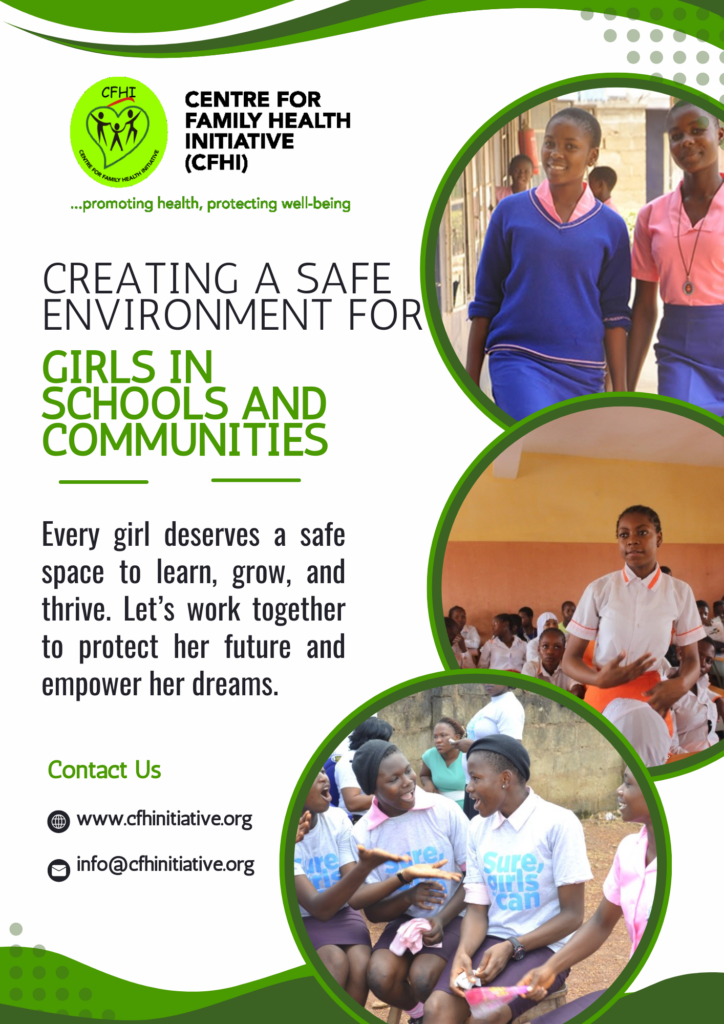
Creating a Safe Environment for Girls in Schools and Communities.

Creating a safe environment for girls in schools and communities is not a luxury; it is a necessity for national growth, justice, and human dignity. When a girl walks into a classroom, she should be thinking about her lessons and dreams not about fear. Yet for millions of girls around the world, safety is not guaranteed. According to the Malala Fund State of Girls’ Education Report, more than 120 million girls globally are out of school, with insecurity, poverty, and gender discrimination among the leading causes (Malala Fund, 2023). Behind these numbers are real girls whose futures are delayed or permanently disrupted.

Nigeria reflects this global crisis in painful ways. Data from UNICEF shows that Nigeria has one of the highest numbers of out-of-school children in the world estimated at over 18 million with girls disproportionately affected in conflict-affected regions (UNICEF Nigeria, 2023). The abduction of schoolgirls from Chibok in 2014 drew global outrage, yet attacks on schools have continued in parts of Kaduna, Niger, Zamfara, and Sokoto States. Recent education security reporting highlights ongoing threats and forced withdrawals of girls from school due to fear of violence. (See UNICEF Press Release on education safety.)

Violence is not only external. Research by Plan International shows that many girls experience harassment, bullying, or sexual violence within school environments, often from peers or authority figures. Such incidents frequently go unreported due to stigma and weak reporting mechanisms (Plan International, 2022). When girls feel unsafe in school, attendance drops and dropout rates increase. According to UNESCO Global Education Monitoring Report, school-related gender-based violence significantly affects learning outcomes and contributes to early school leaving (UNESCO, 2023).

Infrastructure gaps also contribute to insecurity. Thousands of schools in Nigeria lack perimeter fencing, security personnel, and adequate lighting, making them vulnerable to intrusion, theft, and attacks (Nigeria Security and Civil Defence Corps Report, 2024). Beyond physical security, access to water, sanitation, and hygiene (WASH) facilities is essential. The WHO/UNICEF Joint Monitoring Programme reports that inadequate sanitation disproportionately affects adolescent girls, especially during menstruation, leading to absenteeism and reduced participation (WHO/UNICEF JMP Report, 2023).

Community norms further shape girls’ vulnerability. According to UN Women, harmful gender norms, early marriage, and tolerance of violence increase girls’ risk of dropping out and experiencing abuse. In areas with high gender inequality, girls face restricted mobility and limited decision-making power, undermining their educational continuity and safety (UN Women, 2023).

Creating safer environments therefore requires coordinated action. Governments must strengthen school security architecture, implement early warning systems, and enforce child protection policies. Schools should adopt safeguarding frameworks and confidential reporting systems. Communities must challenge harmful norms and actively support girls’ education. Civil society organizations should be supported to expand advocacy, mentorship, and survivor support services.

Ensuring safety for girls is not simply about protection it is about possibility. When girls learn in secure environments, they are more likely to complete their education, participate in the workforce, delay early marriage, and contribute to economic growth. Safety forms the bedrock of confidence and achievement. If development is truly our goal, then protecting girls in schools and communities must be our shared responsibility.

Speak Wednesday is an initiative of CFHI to address issues around gender-base violence and gender-bias.

References

Creating a Safe Environment for Girls in Schools and Communities. Read More »

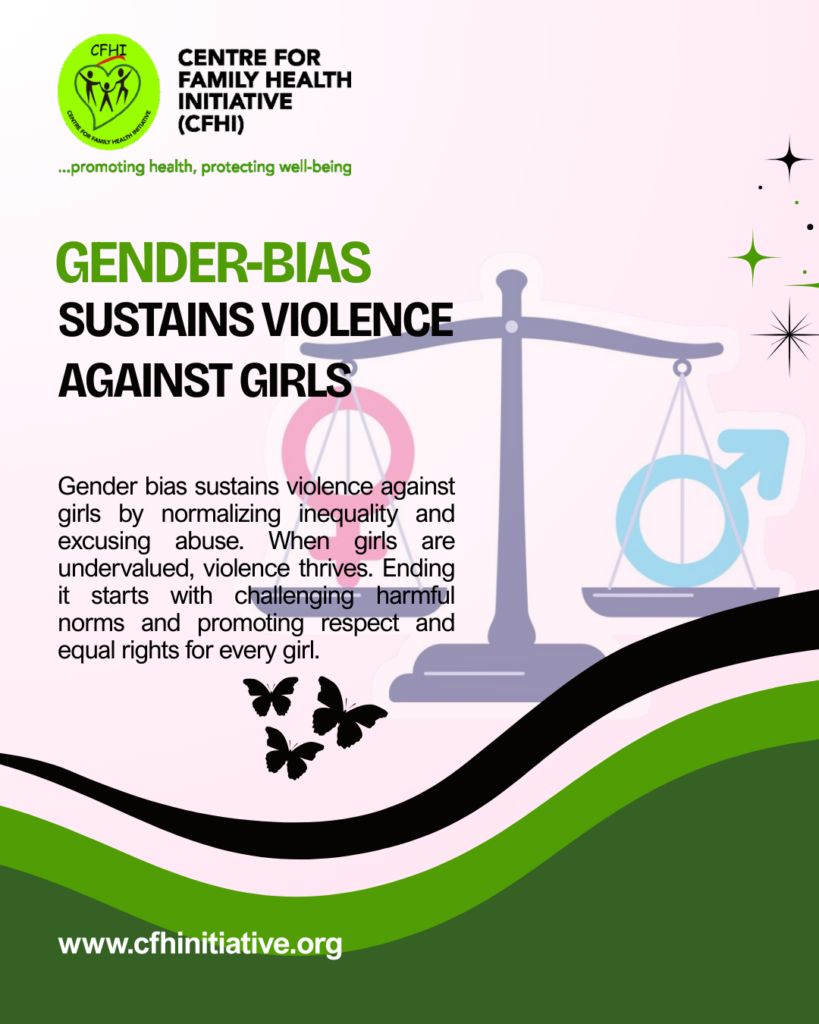
Gender-Bias Sustains Violence Against Girls

Across the globe, gender bias fuels and sustains violence against girls, shaping social norms that devalue their rights, safety, and dignity. Gender bias refers to the systemic prejudice that privileges one gender over another, embedding harmful beliefs about power, control, and worth. These biases are not abstract they manifest in everyday interactions, institutional policies, cultural practices, and legal frameworks that indirectly condone or fail to protect girls from violence and discrimination. Gender bias is a root cause of many forms of gender-based violence, contributing to a world where nearly 1 in 3 women and girls experience physical or sexual violence in their lifetime, most often from intimate partners or family members. This stark reality reflects deep-seated inequalities and underscores how societal norms around gender perpetuate violence rather than prevent it. (UN Women Knowledge hub)

Gender bias does not only drive overt acts of violence; it also grows through socialization and cultural messaging that position girls as subordinate or less valuable. In many communities, girls are more likely to face early marriage with 1 in 5 women aged 20–24 first married before age 18 a practice rooted in beliefs that girls need male guardianship and are better suited to domestic roles than education or economic participation. These harmful norms create environments where violence against girls is tolerated or overlooked, and where girls themselves may internalize messages that diminish their sense of self-worth and agency. (violenceagainstchildren.un.org)

The consequences of violence sustained by gender bias are severe and far-reaching. Beyond physical injuries, girls and young women who experience violence are at greater risk of anxiety, depression, post-traumatic stress, unintended pregnancy, and sexually transmitted infections. The psychological impact can hinder education, employment, and social participation, trapping survivors in cycles of marginalization. When legal systems, communities, and institutions fail to protect girls or address the bias that underpins violence, they perpetuate impunity and signal that girls’ safety is negotiable rather than a human right. (UN Women Knowledge hub)

Efforts to combat gender-based violence must therefore confront the gender bias that sustains it. This means challenging societal norms that excuse controlling behaviour, silence survivors, or blame victims for the harm inflicted upon them. It requires that governments strengthen legal protections, enforce laws that criminalize domestic and sexual violence, and ensure survivors have access to justice and support services. It also means investing in community education that promotes gender equality, respectful relationships, and non-violent conflict resolution. Addressing gender bias is central to dismantling the conditions that allow violence against girls to persist. (UN Women Knowledge hub)

True change demands collective action from families, teachers, health workers, policymakers, and young people themselves to build cultures that respect girls’ autonomy, voices, and contributions. Eliminating violence against girls is not simply a matter of responding to individual incidents; it is a long-term effort to transform the biases that place girls at risk in the first place. Communities that challenge harmful gender norms and promote equality create safer, healthier, and more just environments for all children and future generations.

Call to action: Governments, civil society, community leaders, educators, and individuals must work together to replace harmful gender stereotypes with norms that respect human rights and dignity. Strengthening legal frameworks, investing in prevention programmes, supporting survivors, and promoting gender-equal education are essential steps toward a future where girls can live free from violence and realize their full potential.

References

• UN Special Representative on Violence Against Children: Girls
https://violenceagainstchildren.un.org/content/girls (violenceagainstchildren.un.org

Gender-Bias Sustains Violence Against Girls Read More »

Female Genital Mutilation as Gender-Based Violence: A Violation of Girls’ Rights

Female Genital Mutilation (FGM) is a harmful traditional practice and a clear form of gender-based violence that fundamentally violates the human rights of girls and women. The World Health Organization defines FGM as all procedures involving the partial or total removal of the external female genitalia or other injury to female genital organs for non-medical reasons (1). The practice has no health benefits and causes lifelong harm, violating girls’ rights to health, bodily integrity, security, and freedom from cruel, inhuman, or degrading treatment (1).

Globally, more than 230 million girls and women alive today have undergone FGM, spanning at least 30 countries across Africa, the Middle East, and parts of Asia (1). Each year, an estimated 4 million additional girls remain at risk, most of them under the age of 15, highlighting the urgent need for accelerated action (1). These figures reflect not isolated incidents, but a sustained pattern of violence rooted in gender inequality.

FGM persists primarily because of unequal power relations and entrenched social norms that subordinate girls and women. In many communities, the practice is falsely justified as a cultural rite of passage, a prerequisite for marriage, or a means of controlling female sexuality. These beliefs reinforce the notion that girls’ bodies are subject to communal control rather than individual rights, a hallmark of gender-based violence (2).

FGM remains most prevalent in sub-Saharan Africa, with some of the highest rates recorded in Somalia (approximately 99%), Guinea (94.5%), and Djibouti (93%) among women aged 15–49 (3). In Nigeria, an estimated 19.9 million girls and women have undergone FGM, making it one of the countries with the highest absolute number of survivors globally (4). Prevalence varies significantly across regions, with higher rates reported in the South-East and South-West, including states such as Imo, where prevalence exceeds 60% in some communities (4). These statistics underscore how deeply embedded the practice remains at both national and sub-national levels.

As a form of violence, FGM is typically carried out without informed consent, often during childhood, and results in enduring physical, psychological, and social harm. Survivors frequently report anxiety, emotional distress, reduced self-esteem, and loss of bodily autonomy, which can persist throughout adulthood (5). The trauma associated with the experience often affects girls’ confidence, participation in education, and ability to form healthy relationships later in life.

Beyond psychological harm, FGM has serious implications for sexual and reproductive health. It increases the risk of complications during pregnancy and childbirth, contributes to maternal and neonatal morbidity, and places additional strain on already fragile health systems in low-resource settings (1). These consequences further affirm why FGM is recognized globally as both a public health crisis and a human rights violation.

Recognizing its severity, the international community has committed to eliminating FGM under Sustainable Development Goal (SDG) Target 5.3, with a global target year of 2030 (5). Agencies such as the World Health Organization (WHO) and UNICEF have led coordinated efforts focusing on legal reform, community engagement, survivor-centred health services, and prevention strategies that challenge harmful gender norms (6).

At the national level, progress has been uneven. In countries like Somalia, WHO and partners have supported health system reforms, professional training, and community-based interventions to address both FGM and broader gender-based violence (7). In Nigeria, UNICEF has supported community-led abandonment initiatives in high-prevalence states, mobilizing local leaders, families, and youth to protect girls at risk and shift social norms (4).

The impact of FGM on confidence and well-being cannot be overstated. Many survivors live with lasting psychological effects, including post-traumatic stress, fear, and diminished self-worth, which influence education, employment, and social participation (5). These invisible scars are often overlooked, yet they shape the life chances of millions of women and girls.

Ending FGM requires decisive, multi-level action. Governments must strengthen and enforce laws that criminalize the practice. Communities must be supported to challenge harmful norms through dialogue and education. Health systems must provide survivor-centred care, including mental health services. Men and boys must be engaged as allies in promoting gender equality, while robust data systems are needed to monitor progress and guide policy decisions. Only through sustained, coordinated action can FGM be eliminated, and girls’ rights fully protected.

FGM is not culture it is violence. Ending it is not optional; it is an urgent moral, public health, and human rights imperative.

References

  1. World Health Organization (WHO). Female Genital Mutilation.
    https://www.who.int/health-topics/female-genital-mutilation
  2. WHO Regional Office for Africa. Female Genital Mutilation.
    https://www.afro.who.int/health-topics/female-genital-mutilation
  3. UNICEF. New Statistical Report on Female Genital Mutilation.
    https://www.unicef.org/png/press-releases/new-statistical-report-female-genital-mutilation-shows-harmful-practice-global
  4. UNICEF Nigeria. FGM on the Rise Among Young Nigerian Girls.
    https://www.unicef.org/nigeria/press-releases/unicef-warns-fgm-rise-among-young-nigerian-girls
  5. UNICEF DATA. Female Genital Mutilation Statistics.
    https://data.unicef.org/topic/gender/fgm/
  6. World Health Organization. New Recommendations to End Medicalized FGM.
    https://www.who.int/news/item/28-04-2025-who-issues-new-recommendations-to-end-the-rise-in–medicalized–female-genital-mutilation-and-support-survivors
  7. World Health Organization. Addressing FGM and GBV in Somalia.
    https://www.who.int/about/accountability/results/who-results-report-2020-mtr/country-story/2023/improving-maternal-health-outcomes-by-addressing-female-genital-mutilation-and-gender-based-violence-in-somalia


Female Genital Mutilation as Gender-Based Violence: A Violation of Girls’ Rights Read More »

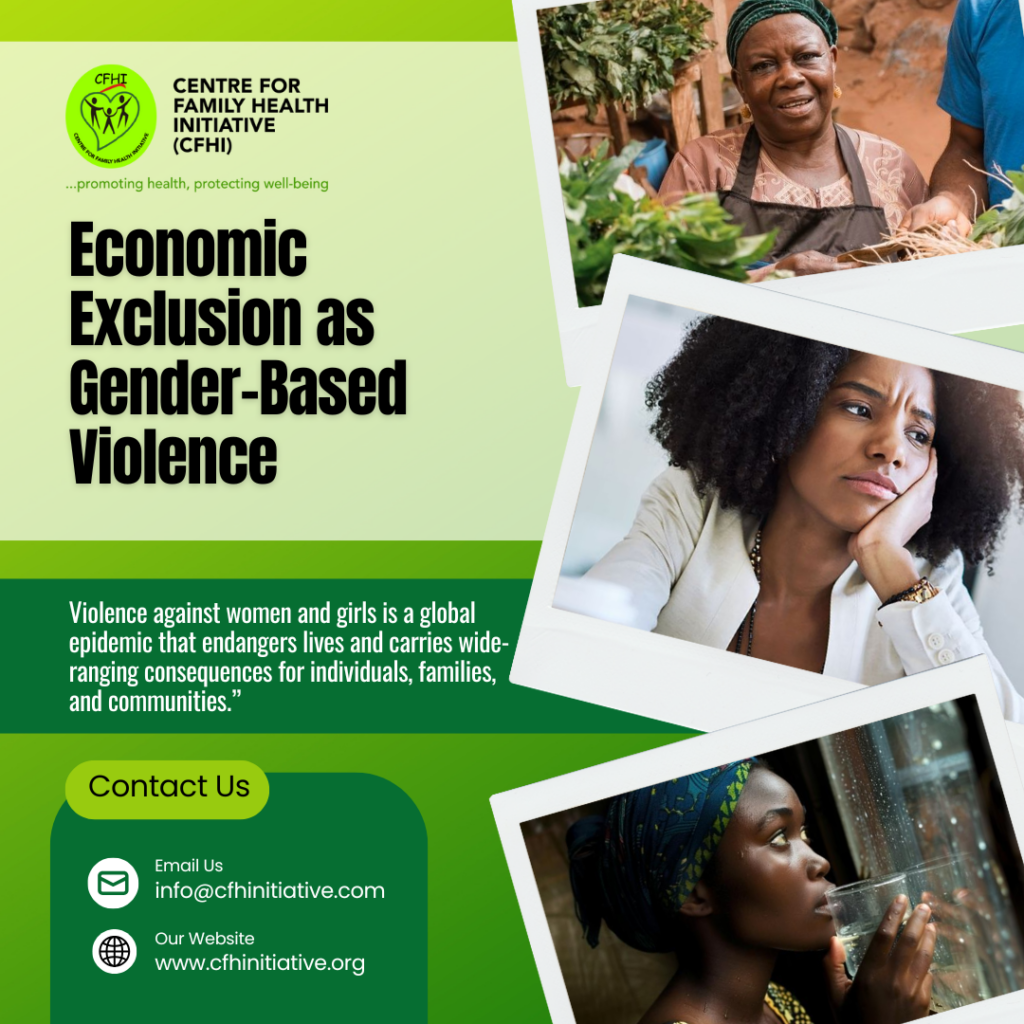
Economic Exclusion as Gender-Based Violence

Gender-based violence (GBV) is most often associated with physical or sexual abuse. However, economic exclusion – the systematic denial of women’s access to jobs, income, assets, and economic decision-making is itself a form of violence that harms individuals, families, and societies. When women are excluded from economic opportunities, the impact goes far beyond loss of income; it restricts freedom, autonomy, safety, and long-term development (1).

At its core, GBV includes economic abuse, where financial control is used as a tool of power and coercion. Economic violence may involve denying women access to money, preventing them from working, confiscating earnings, or restricting access to education and financial resources, forcing dependency and disempowerment (1). In many contexts, economic abuse is one of the most widespread yet least recognized forms of gender-based violence.

Economic exclusion is sustained by discriminatory laws, weak institutional protections, and unequal social norms. Globally, over 2.7 billion women live in countries where laws restrict the types of jobs they can do, and at least 43 economies still lack legislation addressing workplace sexual harassment, creating unsafe and unequal labor environments (2).

Intimate partner violence which frequently includes economic abuse affects approximately one in three women worldwide, limiting their ability to earn, save, and participate fully in public and economic life (3). In South Africa, studies indicate that one in eight adult women has experienced economic abuse, including being deliberately deprived of money or access to financial resources by a partner (4).

The consequences extend beyond individuals to national economies. Gender-based violence, including its economic dimensions, has measurable effects on productivity and growth. Evidence suggests that GBV can cost countries between 1–2% of Gross Domestic Product (GDP) due to absenteeism, reduced productivity, healthcare costs, and forced withdrawal from the workforce (5).

In Nigeria, the economic cost of gender-based violence is estimated at approximately USD 3 billion annually, equivalent to about 1% of the nation’s GDP, underscoring the scale of economic loss linked to women’s exclusion and abuse (6).

Economic exclusion intersects with social norms that treat women as inferior, dependent, or secondary earners. When women lack control over income, are denied access to employment, or are discouraged from education and financial decision-making, the result is structural violence a normalized and persistent denial of rights and well-being.

This exclusion is not accidental; it is deeply rooted in patriarchal systems and discriminatory practices that limit women’s autonomy and participation. The World Bank has emphasized that violence against women undermines economic growth and damages communities and future generations by restricting women’s productive potential (7).

Experts have consistently highlighted both the human and economic costs of this form of violence. According to the World Bank:

“Violence against women and girls is a global epidemic that endangers lives and carries wide-ranging consequences for individuals, families, and communities.” (7)

Research further shows that economic abuse and exclusion lead to long-term psychological harm, loss of independence, and restricted life opportunities for women and girls. Conversely, policies that promote women’s economic empowerment are associated with reduced exposure to GBV and increased participation in education, employment, and leadership (8).

Ending economic exclusion as a form of gender-based violence requires deliberate and sustained action, including:

  • Strong legal protections guaranteeing equal work rights, pay equity, and safeguards against economic abuse.
  • Transformation of harmful social norms that portray women as dependents rather than economic actors.
  • Targeted economic empowerment initiatives that expand women’s access to education, finance, and entrepreneurship.
  • Inclusive workplace policies that ensure safety, fair remuneration, and career advancement for women

Economic exclusion is not merely an economic challenge it is a human rights violation. Recognizing it as a form of gender-based violence strengthens advocacy, accountability, and policy responses, and is essential to building societies where women can live, work, and thrive free from coercion and inequality.

References

  1. Women’s World Banking. What is economic violence against women and why does it matter? Available from:
    https://www.womensworldbanking.org/insights/what-is-economic-violence-against-women-and-why-does-it-matter/
  2. UN Women. Facts and figures: Women’s economic empowerment. Available from:
    https://knowledge.unwomen.org/en/articles/facts-and-figures/facts-and-figures-economic-empowerment
  3. Asia-Pacific Economic Cooperation (APEC). Violence against women: An overlooked economic barrier. Available from:
    https://www.apec.org/press/blogs/2025/violence-against-women–an-overlooked-economic-barrier
  4. Independent Online (IOL). Economic abuse: The most common yet overlooked form of GBV in South Africa. Available from:
    https://iol.co.za/mercury/2025-07-02-economic-abuse-the-most-common-yet-overlooked-form-of-gender-based-violence-in-south-africa/
  5. International Monetary Fund. How domestic violence is a threat to economic development. Available from:
    https://www.imf.org/en/blogs/articles/2021/11/24/how-domestic-violence-is-a-threat-to-economic-development
  6. The Whistler Newspaper. Nigeria loses estimated $3bn annually to gender-based violence. Available from:
    https://thewhistler.ng/nigeria-loses-estimated-3-0bn-annually-to-gender-based-violence/
  7. World Bank. More than 1 billion women lack legal protection against domestic and sexual violence. Available from:
    https://www.worldbank.org/en/news/press-release/2018/02/01/more-than-1-billion-women-lack-legal-protection-against-domestic-sexual-violence-finds-world-bank-study
  8. MDPI. The quest for female economic empowerment in Sub-Saharan Africa and implications for GBV. Available from:
    https://www.mdpi.com/1911-8074/17/2/51

Economic Exclusion as Gender-Based Violence Read More »

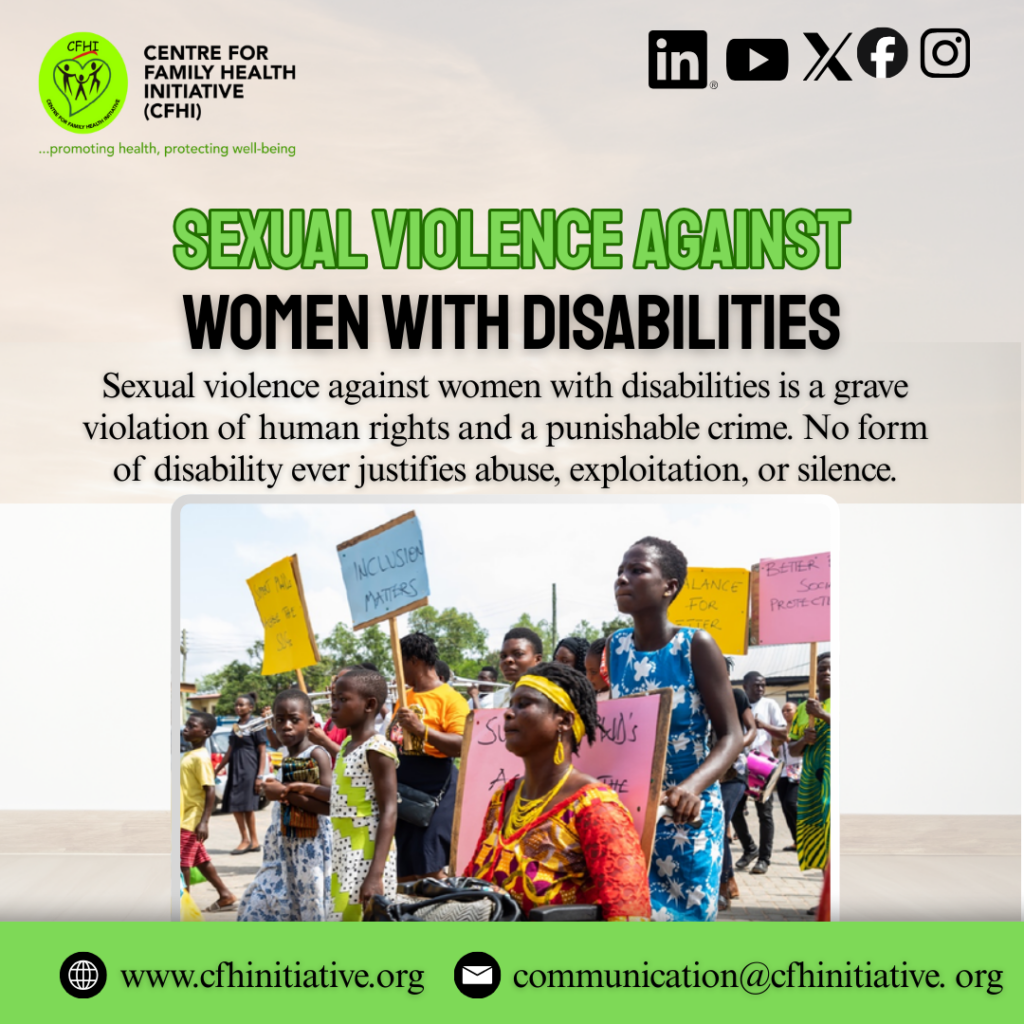
Sexual Violence Against Women with Disabilities

Sexual violence against women with disabilities is a deeply troubling yet often overlooked dimension of gender-based violence that intersects with ableism, discrimination, and social neglect. Evidence shows that women with disabilities face a significantly higher risk of sexual violence compared to women without disabilities, in part because of societal attitudes that devalue their autonomy and normalize their marginalization. Research indicates that women with any form of disability may experience sexual violence at roughly double the rate of women without disabilities over their lifetimes, with heightened vulnerability among those with multiple or cognitive disabilities [1]. In some settings, women with disabilities are disproportionately likely to be victims of rape and other forms of coerced sexual contact, underscoring the urgent need to recognize their specific risks and experiences as part of broader violence prevention efforts [2].

The vulnerability of women with disabilities to sexual violence is driven by multiple factors including dependency on caregivers or partners for daily needs, limited mobility or communication barriers, and pervasive myths that deny their sexual agency and rights. These conditions not only increase exposure to abuse but also make it harder for survivors to report violence or access support services due to fear, shame, or lack of accessible reporting mechanisms. Global research highlights that women with disabilities are more likely to face not only sexual violence but also emotional and physical abuse, with long-term impacts on physical and mental health, autonomy, and quality of life [3]. The Office of the United Nations High Commissioner for Human Rights has repeatedly called attention to the disproportionate risk of violence faced by women with disabilities and the necessity for better data, inclusive services, and tailored policies to protect their rights [4].

In Nigeria, too, gender-based violence is addressed under laws such as the Violence Against Persons (Prohibition) Act 2015, which aims to eliminate all forms of violence against individuals, including sexual violence. While such legal frameworks exist, enforcement, awareness, and protection for women with disabilities remain inconsistent, with many survivors still falling through gaps in reporting, healthcare, and justice systems [5]. It is therefore critical for policymakers, health systems, community leaders, and service providers to mainstream disability-inclusive approaches that recognize the intersecting vulnerabilities that these women face.

At the Centre for Family Health Initiative (CFHI), addressing violence against women especially among vulnerable populations like women with disabilities is integral to our community health work. CFHI integrates gender-based violence awareness and response into school and community engagements, ensuring that information on rights, reporting pathways, and support services reaches diverse audiences. Through partnerships with health facilities, community leaders, and referral networks, CFHI also supports safe and confidential reporting channels, linking survivors to medical care, psychosocial support, and legal aid where available. By advocating for inclusive prevention strategies and survivor-centred responses, CFHI reinforces that violence against women with disabilities is not inevitable it is preventable and must be confronted collectively.

Ending violence against women with disabilities requires an intersectional approach that dismantles harmful social norms, strengthens legal protections, and ensures that services are accessible and responsive to the unique needs of survivors. Education and awareness campaigns must challenge myths about disability and sexuality, while community-level prevention programmes should promote respect, consent, and equality for all women regardless of ability. Health workers, educators, and law enforcement must be trained to recognise and respond to sexual violence sensitively and without bias. Importantly, women with disabilities themselves should be engaged as leaders in advocating for change, ensuring that policies and interventions are shaped by their lived experiences.

The fight against sexual violence is not only a matter of law or policy it is a moral imperative rooted in human rights, dignity, and justice. As communities, governments, and organisations, we must commit to creating environments where vulnerable women anf girls can live free from the threat of violence, access support without barriers, and assert their rights with confidence and respect.


References

  1. Centers for Disease Control and Prevention. Sexual Violence and Intimate Partner Violence Among People with Disabilities. Available from: https://www.cdc.gov/sexual-violence/about/sexual-violence-and-intimate-partner-violence-among-people-with-disabilities.html (CDC)
  2. Z. C. et al. Sexual Violence Against Women With Disabilities: Experiences With Force and Lifetime Risk. American Journal of Preventive Medicine (lifetime risk higher among women with disabilities). (Reddit)
  3. Health and Socioeconomic Determinants of Abuse among Women with Disabilities. International Journal of Environmental Research and Public Health (higher prevalence and lower escape rates). (MDPI)
  4. World Health Organization. WHO calls for greater attention to violence against women with disabilities and older women. WHO. (World Health Organization)
  5. Violence Against Persons (Prohibition) Act 2015 (Nigeria). Available from: https://en.wikipedia.org/wiki/Violence_Against_Persons_%28Prohibition%29_Act_2015 (en.wikipedia.org

Sexual Violence Against Women with Disabilities Read More »

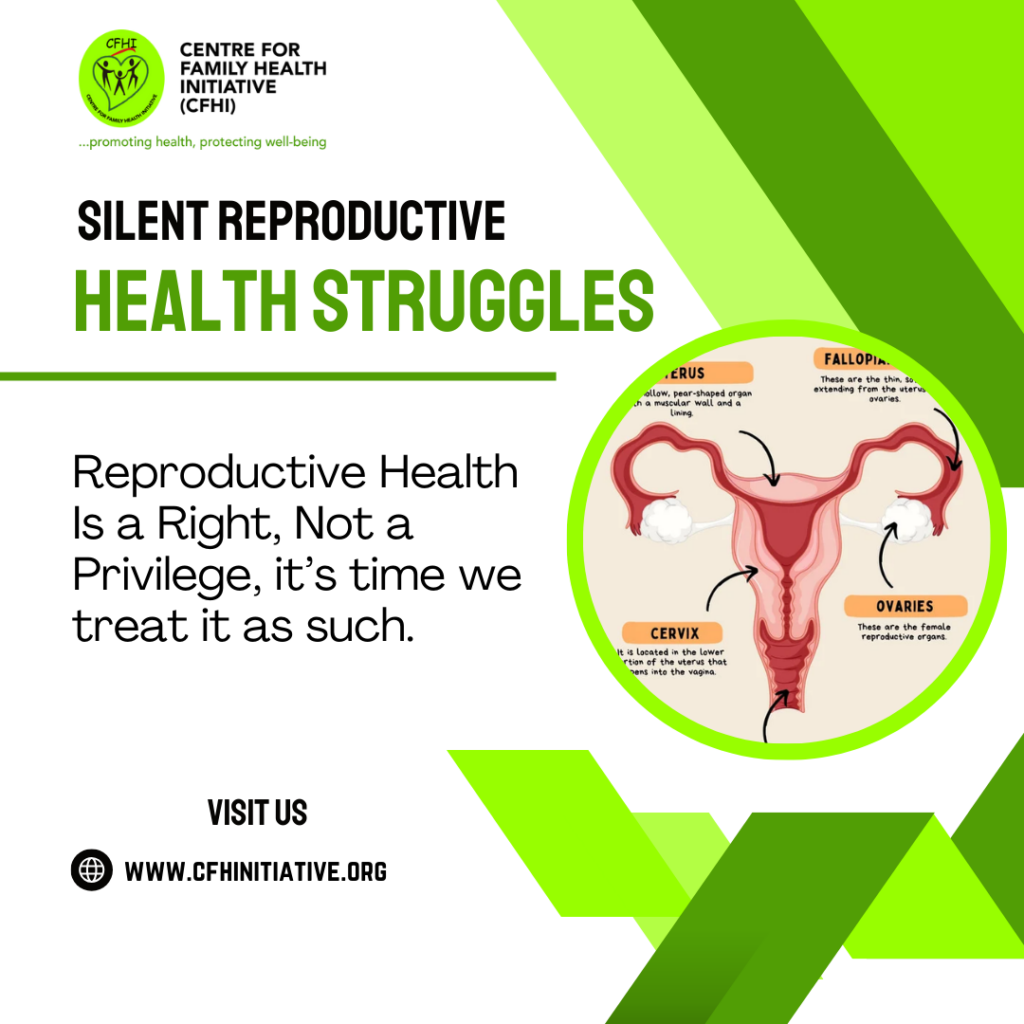
Silent Reproductive Health Struggles

Women’s reproductive health is fundamental to their overall well-being, yet millions of women globally and in Nigeria face persistent, often silent challenges that compromise their health, autonomy, and quality of life [1]. Despite progress in some areas, vast inequities remain in access to services, information, and rights leaving many women vulnerable to preventable health problems [2].

One of the major silent struggles is limited access to essential reproductive health services, including family planning, maternal care, and safe delivery support. In sub-Saharan Africa, one in four women who wish to delay or stop childbearing do not use any contraceptive method, reflecting gaps in availability, choice, and quality of reproductive care [1][5]. These shortfalls contribute to high rates of unintended pregnancies, unsafe abortions, and increased maternal morbidity and mortality. Globally, about 800 women die each day from pregnancy-related causes, many of which are preventable with proper services and support [1].

In Nigeria, reproductive health disparities are stark. A survey of reproductive health concerns found that sexual health, contraception, infections, fertility issues, and reproductive cancers were among the most pressing worries for women, indicating broad unmet needs across the reproductive spectrum [3]. Despite various policies, only a few Nigerian states meet benchmarks for women’s participation in decisions about their sexual and reproductive health, reflecting systemic barriers rooted in socio-cultural norms and limited autonomy [4]. Economic challenges also contribute, with millions of women lacking access to modern contraceptives and comprehensive family planning services due to cost, misinformation, fear of side effects, cultural opposition, and weak health systems [5][6].

Another under-recognized struggle is infertility, which affects a significant portion of women yet remains stigmatized and poorly supported. Recent WHO guidance highlights infertility as a major public health concern, with more than one in six people of reproductive age affected [7]. Access to affordable fertility evaluation and treatment is limited in many countries, forcing women to choose between financial hardship and their desire for children [7].

Maternal health remains a critical issue. Globally, approximately 287,000 women die yearly from complications in pregnancy and childbirth, with nearly all these deaths occurring in low- and middle-income settings where health systems are weak and resources scarce [1]. In areas affected by conflict or economic strain, such as parts of northern Nigeria, women face even greater risks due to disrupted services, insecurity, and collapsed care infrastructure [8].

The impact of these struggles extends beyond physical health. When women cannot access respectful, quality reproductive care, the consequences ripple into social and economic domains limiting educational opportunities, reducing workforce participation, and perpetuating cycles of poverty and inequality [2].

Improving women’s reproductive health requires a holistic approach that ensures affordable and accessible services such as contraception, antenatal care, skilled delivery, and emergency support reach even the most underserved communities [1][5], while also equipping women with accurate, culturally sensitive information to make informed choices about their bodies and health [2]. At the same time, policies must actively protect women’s autonomy and reproductive rights by challenging harmful norms and discrimination [2][4], supported by strong, well-funded health systems with trained personnel to guarantee continuity of care, especially in fragile settings [1][8]. Integrating affordable infertility care and psychosocial support into routine reproductive health services is also essential to address the often hidden emotional and social burdens many women silently endure [7].

Speak Wednesday is an initiative of CFHI to address issues around gender-base violence and gender-bias.

References

  1. WHO Regional Office for Africa. Women’s Health. Available from: https://www.afro.who.int/health-topics/womens-health
  2. United Nations Population Fund (UNFPA). New UNFPA report finds 30 years of progress in sexual and reproductive health has mostly ignored the most marginalized communities. Available from: https://www.unfpa.org/press/new-unfpa-report-finds-30-years-progress-sexual-and-reproductive-health-has-mostly-ignored
  3. Sa’adatu TS, Dieng B, Danmadami AM. Reproductive health issues of concern among Nigerians: an online survey. Int J Community Med Public Health. Available from: https://doi.org/10.18203/2394-6040.ijcmph20234114
  4. Premium Times Nigeria. Only eight Nigerian states meet women’s health benchmark – Report. Available from: https://www.premiumtimesng.com/news/top-news/830200-only-eight-nigerian-states-meet-womens-health-benchmark-report.html
  5. World Health Organization. Sexual and Reproductive Health and Research (SRH): Family planning and contraception. Available from: https://www.who.int/teams/sexual-and-reproductive-health-and-research-%28srh%29
  6. Ballard Brief. Barriers to Family Planning for Women in West Africa. Available from: https://ballardbrief.byu.edu/issue-briefs/barriers-to-family-planning-for-women-in-west-africa
  7. WHO releases first global guideline on infertility care. Reddit; 2025. Available from: https://www.reddit.com/r/EmbryologyIVFSupport/comments/1pcjrzh/who_releases_first_global_guideline_on/
  8. AP News. Pregnancy has become a nightmare for many women in Nigeria’s conflict-hit north. Available from: https://apnews.com/article/c5846961ed87cddd8a24d1c2b04564a0

Silent Reproductive Health Struggles Read More »

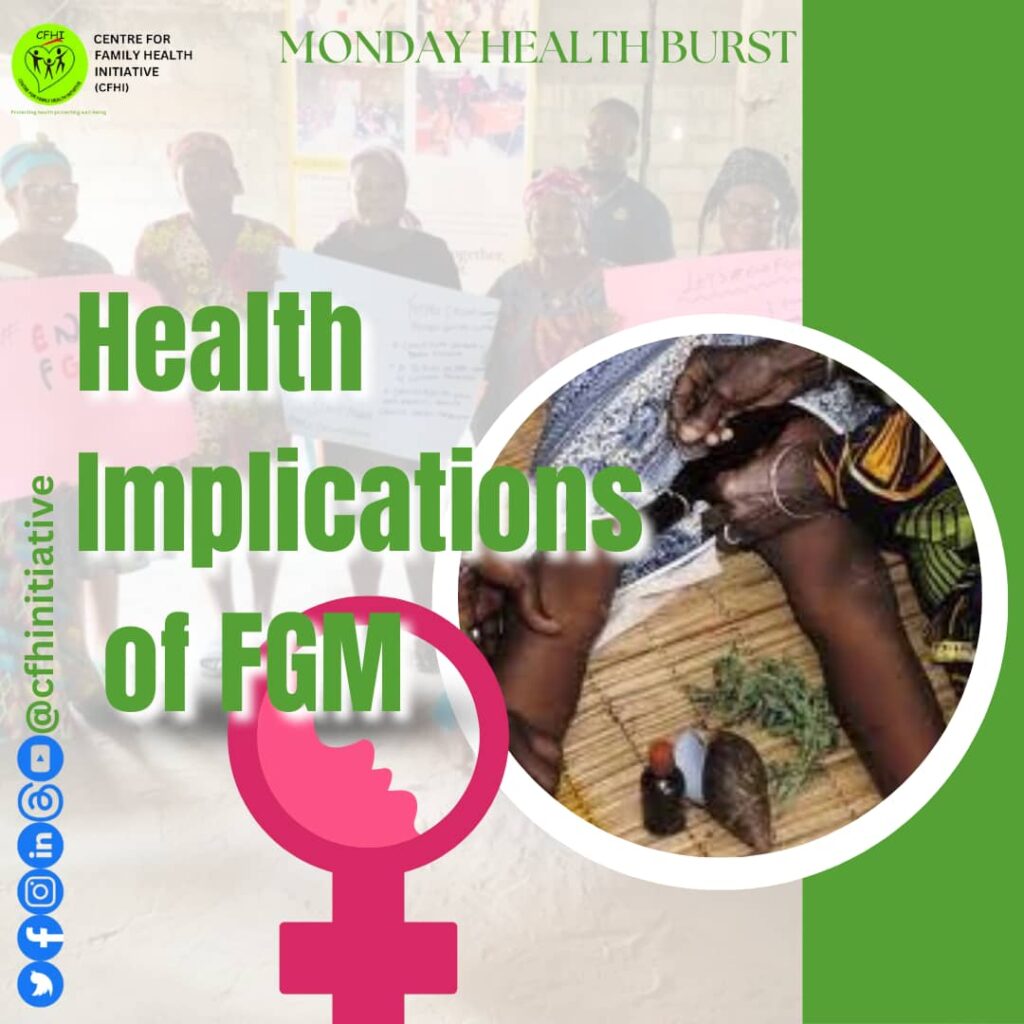
HEALTH IMPLICATIONS OF FEMALE GENITAL MUTILATION

Female Genital Mutilation (FGM) is a harmful traditional practice that involves altering or injuring the female genitalia for non-medical reasons.1 This practice, prevalent in many cultures around the world, has severe health implications for women and girls who undergo it. From physical to psychological consequences, FGM leaves a lasting impact on the well-being of individuals subjected to it. Some of the health implications include:

Immediate Complications: FGM can result in severe pain, bleeding, and shock immediately following the procedure. In some cases, it can even lead to death due to excessive bleeding or infections.

Long-term Health Issues: Women and girls who undergo FGM may face long-term health problems such as chronic pain, infections, urinary problems, and complications during childbirth. Scar tissue formation and damage to the reproductive organs can cause difficulties in sexual intercourse and menstruation.

Increased Risk of Infections: The practice of FGM often involves using unsterilized tools or performing the procedure in unsanitary conditions, leading to an increased risk of infections such as tetanus, HIV/AIDS, and hepatitis B and C.

Trauma and Psychological Distress: The experience of undergoing FGM can cause significant trauma and psychological distress, leading to anxiety, depression, and post-traumatic stress disorder (PTSD). The violation of bodily integrity and the associated pain can have long-lasting effects on mental well-being.

Interference with Sexual Functioning: FGM can interfere with sexual functioning and intimacy, causing pain during intercourse and reducing sexual pleasure. This can strain relationships and have negative effects on overall quality of life.

The health implications of FGM are profound and multifaceted, encompassing physical, psychological, and social dimensions. Efforts to address FGM must take a comprehensive approach, including education, advocacy, and support for affected individuals, as well as community engagement and legal reforms to eradicate this harmful practice and uphold the rights and dignity of women and girls.

Over the years, CFHI has observed the International Day of Zero Tolerance for Female Genital Mutilation as part of its own efforts to curb Female Genital Mutilation (FGM). A notable aspect of it was the celebration held at the St. Theresa Catholic church in Anurie Omanze, Idu LGA, Imo state, wherein the community was made aware of the importance of achieving zero FGM records. Over 100 participants were reached and they all pledged to join the movement.

Monday Health Burst is an initiative of CFHI to address issues of basic health concern. Join us every Monday on all our social media platforms for more episodes.

.1. World Health Organization_Female Genital Mutilation

HEALTH IMPLICATIONS OF FEMALE GENITAL MUTILATION Read More »

SPEAK WEDNESDAY ON THE IMPACT OF FGM ON GIRLS’ REPRODUCTIVE RIGHTS

I could barely walk after the cut. My mother and the old woman who helped to hold me down during the process tried to help me up, but I collapsed. I almost bled to death. ~ FGM Survivor

Female Genital Mutilation is a form of gender-based violence that girls have suffered for ages. It has been recognized internationally as a violation of the reproductive rights of girls and women.

FGM can be described as the practice of the partial or total removal of the external genital organs in young girls and women. This procedure predominantly occurs in females from infancy to adolescence, and sometimes in adult women. This procedure is carried out by a religious leader, elder, or amateur medical practitioner using a razor or a sharp glass.

The fact that there are no health benefits of FGM but harm cannot be overemphasized.

The World Health Organization states that girls who undergo the practice of FGM run the immediate risk of hemorrhage, excruciating pain, fever, genital tissue swelling, infections like tetanus, urinary problems, problems with wound healing, shock, and death.

Due to their lack of knowledge about the act’s effects, girls and women who undergo FGM run a higher risk of developing accumulated life-long health issues that may not be discovered immediately after the cut. The long-term side effects also include a higher risk of complications during childbirth and urinary, vaginal, menstrual, and scar tissue issues. It is pertinent to note that all forms and types of FGM can result in immediate or long-term health complications, and a victim can suffer multiple complications.

To this extent, research has unquestionably demonstrated that FGM is only connected to endangering the well-being of women and girls, with consequences that may last a lifetime.

The Convention on the Rights of the Child (Article 24 (3)) mandates states to abolish traditional practices prejudicial to children’s health. Therefore, it is urgent to step up efforts to end FGM, educate the general public about the health effects of FGM, and provide medical help to victims of FGM.

FGM is a violation of the reproductive rights of children. Say no to FGM!

Speak Wednesday is an initiative of CFHI to address issues around gender-based violence and gender bias.
#SpeakWednesday # FGM #EndFGM #ChildHealth #ChildRights #GenderStereotype #GenderBias #GenderInequality

SPEAK WEDNESDAY ON THE IMPACT OF FGM ON GIRLS’ REPRODUCTIVE RIGHTS Read More »