#WomenEmpowernment

International Women’s Day 2026 Celebration in Adamawa State

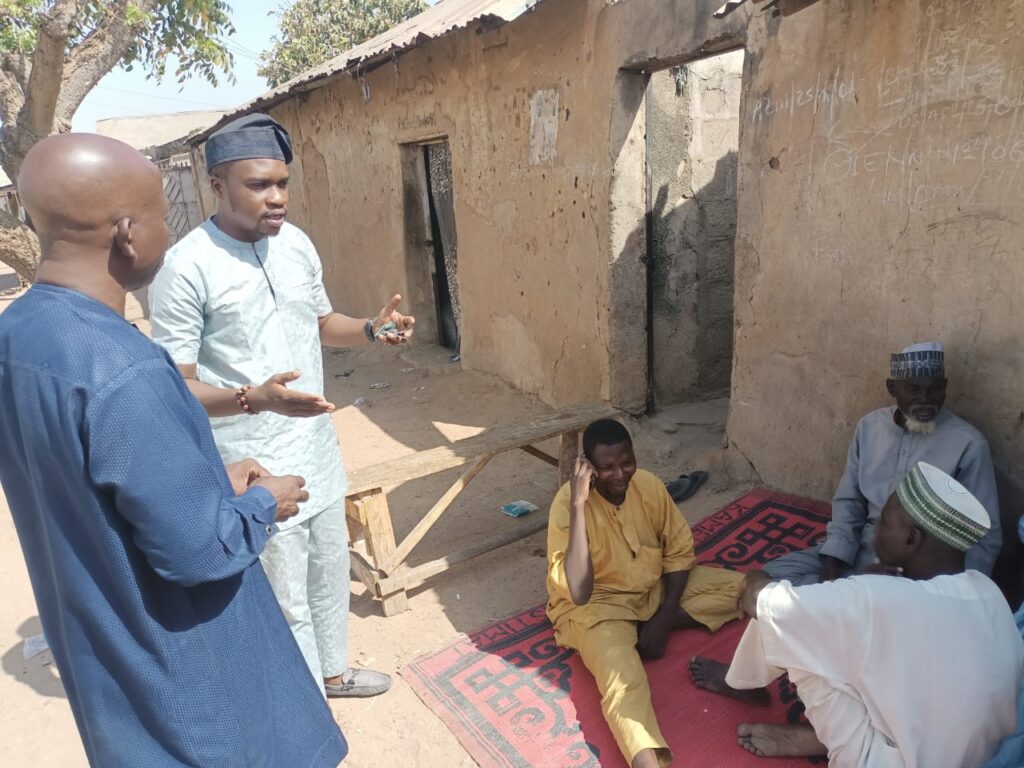
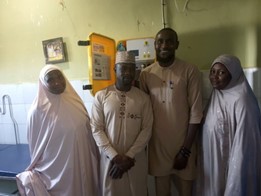
In commemoration of International Women’s Day (IWD) 2026, the Centre for Family Health Initiative (CFHI) hosted a landmark community engagement at the residence of the Ward Development Chairman (WDC) in Rumde, Yola North LGA. The event was attended by high-level stakeholders, including the CFHI Project Coordinator, the Facility Manager of Rumde PHCC, and the Yola North Women Leader.

The activity was centered on the localized theme, “Lafiyar Iyali, Girman Namiji” (A healthy family is a man’s pride). This theme was strategically chosen to engage men as active partners in the domestic sphere. It reinforces the idea that a man’s true strength and dignity are reflected in the well-being of his wife and children. This local perspective is deeply connected to the 2026 United Nations IWD theme: “Rights, Justice, and Action.” While the UN focuses on the systemic justice and legal rights of women, the Rumde celebration translated these global goals into domestic action. By ensuring a woman’s right to health and safety is upheld within the home, the community is delivering “Justice” at the most fundamental level. A healthy home is the ultimate celebration of IWD, where a man’s role shifts from a mere provider to a protector of health and a champion of his family’s fundamental rights.

The gathering in Yola North was not merely a celebration but a blueprint for future interventions across the region. This meeting intended to spark a behavioural shift, emphasizing that community development is impossible without the active participation of men in women’s health issues. The goal of this dialogue is to foster a society where men take pride in escorting their wives to clinics and ensuring their daughters are educated and healthy.

As we celebrate International Women’s Day, we honour the homes where equality and health reside, recognizing that when a woman thrives, the entire family and indeed the entire community prospers.


International Women’s Day 2026 Celebration in Adamawa State Read More »

Gender Inequality: A Threat to the Health, Safety, and Rights of Women and Girls in Nigeria

Gender inequality remains a deeply entrenched threat to the health, safety, and rights of women and girls in Nigeria, undermining progress toward equitable development and directly shaping outcomes in health, education, economic participation, political representation, and freedom from violence. According to the United Nations Development Programme (UNDP), Nigeria ranks 147 out of 191 countries on the Gender Inequality Index, reflecting large disparities between men and women in reproductive health, empowerment, and labour market participation. ¹ These inequalities manifest in real and measurable ways that compromise the wellbeing and opportunities of women and girls across the country.

One of the most profound impacts of gender inequality in Nigeria is observed in health outcomes. The maternal mortality ratio remains unacceptably high at 512 maternal deaths per 100,000 live births, indicating that women are still at disproportionate risk during pregnancy and childbirth compared to global averages. ² Factors driving this include limited access to quality reproductive health services, lack of autonomy in health decision-making, and economic barriers that delay care-seeking. Research shows that women who lack financial independence or decision-making power are less likely to utilise antenatal care or deliver in health facilities, increasing the likelihood of preventable complications. ³

Education is another field deeply affected by gender inequality. UNESCO reports that girls’ school completion rates in Nigeria lag boys’, particularly at the secondary level, a gap that translates into reduced opportunities for advanced learning, better jobs, and informed health choices later in life. ⁴ Early marriage, still prevalent in many regions, significantly contributes to school dropout rates among girls. UNICEF estimates that 43% of girls in Nigeria are married before their 18th birthday, limiting educational attainment and exposing them to early pregnancy and increased health risks such as obstetric fistula and maternal mortality. ⁵

Gender-based violence (GBV) is another grave consequence of systemic inequality. The Nigeria Demographic and Health Survey (NDHS) reveals that around 30% of ever-married women aged 15–49 have experienced physical violence, with many cases going unreported due to stigma, fear, and weak legal enforcement. ⁶ Violence affects not only physical health but also leads to long-term psychological trauma, increased vulnerability to HIV infection, and reduced participation in economic and community life. ⁷

Political inequality further illustrates the scale of exclusion. In the current 10th National Assembly (2023–2027), women remain severely underrepresented in national decision-making. Out of 109 Senate seats, only 4 are held by women (approximately 3.7%), while 105 seats (96.3%) are held by men. In the House of Representatives, only 17 out of 360 seats are occupied by women (approximately 4.7%), compared to 343 men. Altogether, women hold just 21 out of 469 seats in the National Assembly, representing about 4.2% of federal lawmakers.¹⁰ This means that despite women making up nearly half of Nigeria’s population, their voice in shaping laws and policies that directly affect their health, safety, and rights remains below 5% — one of the lowest representation rates in the region.¹¹ Limited political participation restricts the advancement of gender-responsive policies and slows progress on critical issues such as maternal health funding, protection from violence, and equal economic opportunities.

Economic inequality further compounds these threats. Although women actively participate in Nigeria’s labour force, wage gaps, informal employment, and occupational segregation persist. The World Economic Forum’s Global Gender Gap Report highlights that women often earn less than men for similar work and remain underrepresented in leadership positions. ⁸ Without economic empowerment, many women are unable to afford essential health services, invest in their education, or break cycles of poverty and dependency.

These disparities are not inevitable; they are shaped by social norms, discriminatory practices, and gaps in policy implementation. Research consistently shows that gender-responsive policies including universal access to reproductive healthcare, enforcement of laws against child marriage, protection from gender-based violence, equal educational opportunities, and increased political inclusion significantly improve health, economic, and social outcomes. ⁹

Addressing gender inequality is therefore not only a moral obligation but also a public health, governance, and economic priority. When women and girls have equal access to education, healthcare, leadership opportunities, and economic resources, maternal and infant mortality decline, household incomes rise, communities become safer, and national development accelerates. Nigeria cannot achieve sustainable development while half of its population remains structurally disadvantaged.

We call on the Federal and State Governments to strengthen and fully enforce laws protecting women and girls from discrimination and violence, expand access to quality healthcare services, promote girls’ education, and implement affirmative measures to increase women’s political representation. Development partners, civil society, and community leaders must intensify advocacy, scale up gender-responsive programming, and challenge harmful norms that sustain inequality. Every sector health, education, justice, governance, and economic development must mainstream gender equity as a foundational principle. The health, safety, and rights of Nigeria’s women and girls demand bold, sustained, and collective action.

References

  1. UNDP Gender Inequality Index
    https://hdr.undp.org/data-center/thematic-composite-indices/gender-inequality-index
  2. WHO Trends in Maternal Mortality 2000–2023
    https://www.who.int/publications/i/item/9789240068759
  3. Journal of Women’s Health – Decision-Making Power & Maternal Service Utilisation
    https://www.liebertpub.com/doi/10.1089/jwh.2020.8805
  4. UNESCO Institute for Statistics – Girls’ Education
    https://uis.unesco.org/en/topic/girls-education
  5. UNICEF – Child Marriage in Nigeria
    https://data.unicef.org/topic/child-protection/child-marriage/
  6. Nigeria Demographic and Health Survey (NDHS)
    https://dhsprogram.com/pubs/pdf/FR379/FR379.pdf
  7. WHO – Violence Against Women Prevalence Estimates
    https://www.who.int/publications/i/item/9789240022256
  8. World Economic Forum – Global Gender Gap Report 2023
    https://www3.weforum.org/docs/WEF_GGGR_2023.pdf
  9. Journal of Gender & Development – Gender-Responsive Policies
    https://www.tandfonline.com/doi/full/10.1080/13552074.2021.1952743
  10. The Nation Newspaper – Women in the 10th National Assembly
    https://thenationonlineng.net/meet-the-only-four-female-senators-in-10th-nass/
  11. The Guardian Nigeria – Women’s Representation in N’Assembly
    https://guardian.ng/news/national/only-4-5-of-nassembly-members-are-women-says-wilan-report/
Gender Inequality: A Threat to the Health, Safety, and Rights of Women and Girls in Nigeria Read More »

The Role of Families and Communities in Preventing FGM

In the landscape of global health in 2026, Female Genital Mutilation (FGM) stands as one of the most persistent violations of human rights, yet the tide is beginning to turn through sophisticated, community-led interventions. As of this year, over 230 million women and girls alive today have undergone the procedure, and UNICEF projects that 4.5 million more remain at risk in 2026 alone [1]. The struggle to end this practice is no longer just a legal battle; it has evolved into a deep-rooted cultural shift focusing on the intersection of family protection and communal health [4].

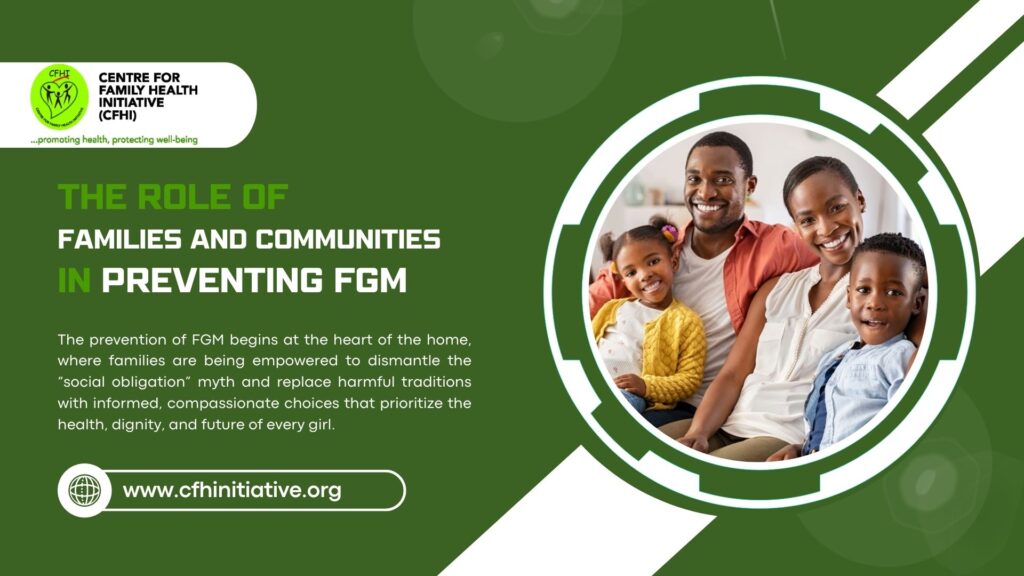
The prevention of FGM begins at the heart of the home, where families are being empowered to dismantle the “social obligation” myth. Recent research from the UNFPA-UNICEF Joint Programme indicates that when mothers are provided with formal education and economic agency, the likelihood of their daughters being cut drops significantly [3]. Families are now being reached through “Positive Masculinity” programs, where over 800,000 men and boys have pledged to protect their female relatives, challenging the outdated notion that FGM is a prerequisite for marriageability [3]. By addressing the family as the primary decision-making unit, advocacy groups are successfully replacing fear of social exclusion with a shared commitment to a daughter’s physical integrity and future health.

Moving beyond the front door, the most effective preventative measure in 2026 has been the rise of Public Declarations of Abandonment within local communities. This collective approach shifts the “social contract,” ensuring that no single family feels isolated in their choice to stop the practice. Many regions have successfully implemented Alternative Rites of Passage (ARP), which preserve the cultural celebration of womanhood through education, mentorship, and gifts minus the physical harm. This allows communities to maintain their rich heritage while evolving their health standards. Simultaneously, health systems are closing the gap on “medicalization” the dangerous trend of health professionals performing the cut. The World Health Organization has recently tightened codes of conduct, training midwives and doctors to serve as the first line of defense, educating parents on the $1.4 billion annual global cost of treating FGM-related complications, ranging from obstetric hemorrhage to lifelong psychological trauma [2].

To ensure these gains are permanent, a robust network of local surveillance and cross-border cooperation has emerged. In 2026, over 3,200 communities have established “watchdog” groups that monitor girls during school holidays, a peak time for the practice [3]. These grassroots efforts, supported by national laws that criminalize “vacation cutting,” create a safety net that follows a girl from her village to the city and beyond. The data proves that this holistic approach works; for every dollar invested in these prevention measures, there is a tenfold return in health savings and economic productivity [2]. By weaving together, the strength of the family unit with the collective will of the community, we are finally moving toward a world where every girl can grow up whole, healthy, and empowered.

Call to Action

The end of FGM is within our reach, but it requires your voice and your action. You can make a difference today:

  • Educate and Advocate: Share the facts about the health risks of FGM within your social circles. Silence is where the practice thrives.
  • Support Grassroots Organizations: Donate to or volunteer with local NGOs that facilitate Alternative Rites of Passage and provide education to at-risk families.
  • Report Risk: If you know a girl is at risk of being subjected to FGM, contact local child protection services or international helplines immediately.
  • Engage Men and Boys: Start conversations with the men in your community about the importance of protecting the rights and health of women and girls.

Monday Health Burst is an initiative of CFHI to address issues of basic health concern. Join us every Monday on all our social media platforms for more episodes.

References

  • UNICEF Data (2025/2026): FGM Prevalence and Statistics
  • WHO Global Health Update: The Cost of FGM and Prevention Strategies
  • UNFPA 2025 Annual Report: Eliminating FGM through Community Action
  • United Nations: International Day of Zero Tolerance for FGM


The Role of Families and Communities in Preventing FGM Read More »

Creating a Safe Environment for Girls in Schools and Communities.

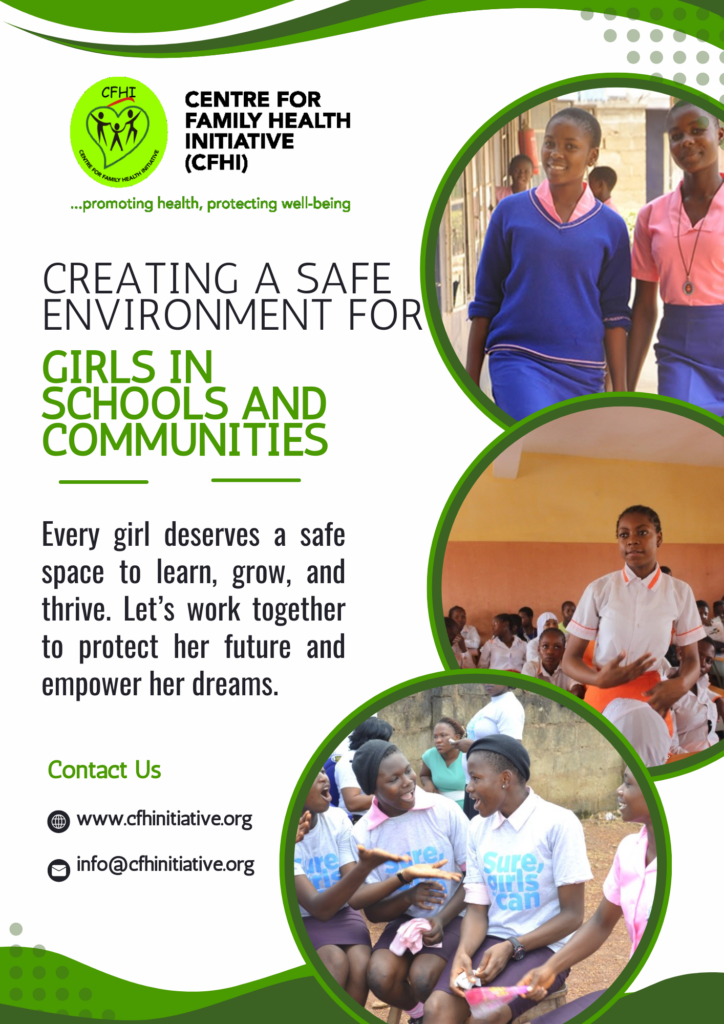
Creating a safe environment for girls in schools and communities is not a luxury; it is a necessity for national growth, justice, and human dignity. When a girl walks into a classroom, she should be thinking about her lessons and dreams not about fear. Yet for millions of girls around the world, safety is not guaranteed. According to the Malala Fund State of Girls’ Education Report, more than 120 million girls globally are out of school, with insecurity, poverty, and gender discrimination among the leading causes (Malala Fund, 2023). Behind these numbers are real girls whose futures are delayed or permanently disrupted.

Nigeria reflects this global crisis in painful ways. Data from UNICEF shows that Nigeria has one of the highest numbers of out-of-school children in the world estimated at over 18 million with girls disproportionately affected in conflict-affected regions (UNICEF Nigeria, 2023). The abduction of schoolgirls from Chibok in 2014 drew global outrage, yet attacks on schools have continued in parts of Kaduna, Niger, Zamfara, and Sokoto States. Recent education security reporting highlights ongoing threats and forced withdrawals of girls from school due to fear of violence. (See UNICEF Press Release on education safety.)

Violence is not only external. Research by Plan International shows that many girls experience harassment, bullying, or sexual violence within school environments, often from peers or authority figures. Such incidents frequently go unreported due to stigma and weak reporting mechanisms (Plan International, 2022). When girls feel unsafe in school, attendance drops and dropout rates increase. According to UNESCO Global Education Monitoring Report, school-related gender-based violence significantly affects learning outcomes and contributes to early school leaving (UNESCO, 2023).

Infrastructure gaps also contribute to insecurity. Thousands of schools in Nigeria lack perimeter fencing, security personnel, and adequate lighting, making them vulnerable to intrusion, theft, and attacks (Nigeria Security and Civil Defence Corps Report, 2024). Beyond physical security, access to water, sanitation, and hygiene (WASH) facilities is essential. The WHO/UNICEF Joint Monitoring Programme reports that inadequate sanitation disproportionately affects adolescent girls, especially during menstruation, leading to absenteeism and reduced participation (WHO/UNICEF JMP Report, 2023).

Community norms further shape girls’ vulnerability. According to UN Women, harmful gender norms, early marriage, and tolerance of violence increase girls’ risk of dropping out and experiencing abuse. In areas with high gender inequality, girls face restricted mobility and limited decision-making power, undermining their educational continuity and safety (UN Women, 2023).

Creating safer environments therefore requires coordinated action. Governments must strengthen school security architecture, implement early warning systems, and enforce child protection policies. Schools should adopt safeguarding frameworks and confidential reporting systems. Communities must challenge harmful norms and actively support girls’ education. Civil society organizations should be supported to expand advocacy, mentorship, and survivor support services.

Ensuring safety for girls is not simply about protection it is about possibility. When girls learn in secure environments, they are more likely to complete their education, participate in the workforce, delay early marriage, and contribute to economic growth. Safety forms the bedrock of confidence and achievement. If development is truly our goal, then protecting girls in schools and communities must be our shared responsibility.

Speak Wednesday is an initiative of CFHI to address issues around gender-base violence and gender-bias.

References

Creating a Safe Environment for Girls in Schools and Communities. Read More »

Female Genital Mutilation as Gender-Based Violence: A Violation of Girls’ Rights

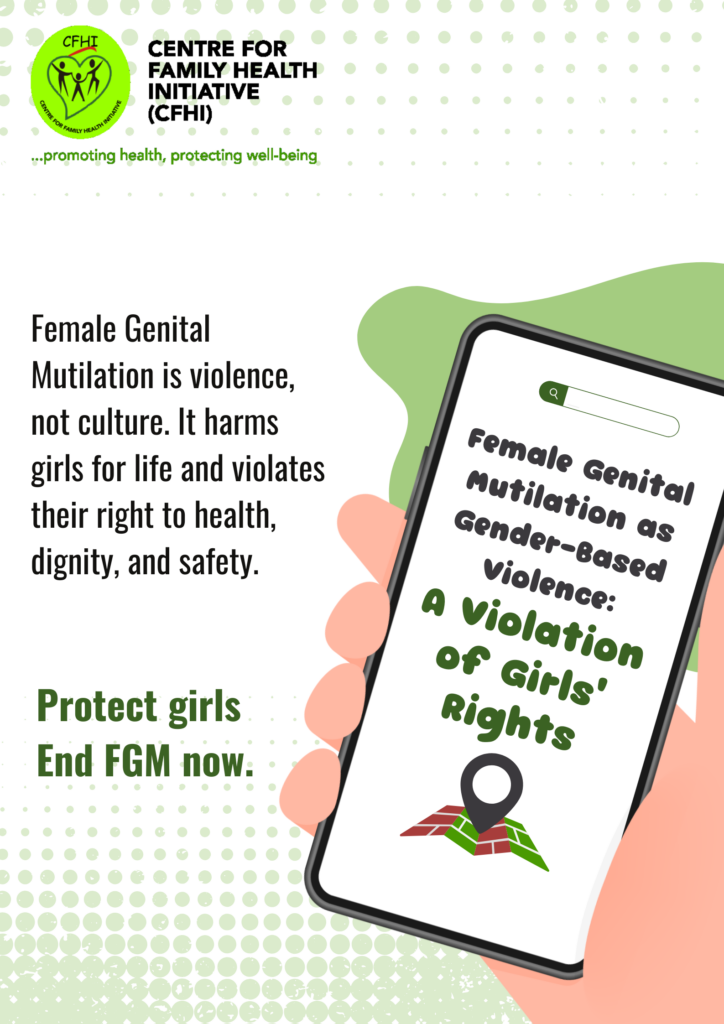
Female Genital Mutilation (FGM) is a harmful traditional practice and a clear form of gender-based violence that fundamentally violates the human rights of girls and women. The World Health Organization defines FGM as all procedures involving the partial or total removal of the external female genitalia or other injury to female genital organs for non-medical reasons (1). The practice has no health benefits and causes lifelong harm, violating girls’ rights to health, bodily integrity, security, and freedom from cruel, inhuman, or degrading treatment (1).

Globally, more than 230 million girls and women alive today have undergone FGM, spanning at least 30 countries across Africa, the Middle East, and parts of Asia (1). Each year, an estimated 4 million additional girls remain at risk, most of them under the age of 15, highlighting the urgent need for accelerated action (1). These figures reflect not isolated incidents, but a sustained pattern of violence rooted in gender inequality.

FGM persists primarily because of unequal power relations and entrenched social norms that subordinate girls and women. In many communities, the practice is falsely justified as a cultural rite of passage, a prerequisite for marriage, or a means of controlling female sexuality. These beliefs reinforce the notion that girls’ bodies are subject to communal control rather than individual rights, a hallmark of gender-based violence (2).

FGM remains most prevalent in sub-Saharan Africa, with some of the highest rates recorded in Somalia (approximately 99%), Guinea (94.5%), and Djibouti (93%) among women aged 15–49 (3). In Nigeria, an estimated 19.9 million girls and women have undergone FGM, making it one of the countries with the highest absolute number of survivors globally (4). Prevalence varies significantly across regions, with higher rates reported in the South-East and South-West, including states such as Imo, where prevalence exceeds 60% in some communities (4). These statistics underscore how deeply embedded the practice remains at both national and sub-national levels.

As a form of violence, FGM is typically carried out without informed consent, often during childhood, and results in enduring physical, psychological, and social harm. Survivors frequently report anxiety, emotional distress, reduced self-esteem, and loss of bodily autonomy, which can persist throughout adulthood (5). The trauma associated with the experience often affects girls’ confidence, participation in education, and ability to form healthy relationships later in life.

Beyond psychological harm, FGM has serious implications for sexual and reproductive health. It increases the risk of complications during pregnancy and childbirth, contributes to maternal and neonatal morbidity, and places additional strain on already fragile health systems in low-resource settings (1). These consequences further affirm why FGM is recognized globally as both a public health crisis and a human rights violation.

Recognizing its severity, the international community has committed to eliminating FGM under Sustainable Development Goal (SDG) Target 5.3, with a global target year of 2030 (5). Agencies such as the World Health Organization (WHO) and UNICEF have led coordinated efforts focusing on legal reform, community engagement, survivor-centred health services, and prevention strategies that challenge harmful gender norms (6).

At the national level, progress has been uneven. In countries like Somalia, WHO and partners have supported health system reforms, professional training, and community-based interventions to address both FGM and broader gender-based violence (7). In Nigeria, UNICEF has supported community-led abandonment initiatives in high-prevalence states, mobilizing local leaders, families, and youth to protect girls at risk and shift social norms (4).

The impact of FGM on confidence and well-being cannot be overstated. Many survivors live with lasting psychological effects, including post-traumatic stress, fear, and diminished self-worth, which influence education, employment, and social participation (5). These invisible scars are often overlooked, yet they shape the life chances of millions of women and girls.

Ending FGM requires decisive, multi-level action. Governments must strengthen and enforce laws that criminalize the practice. Communities must be supported to challenge harmful norms through dialogue and education. Health systems must provide survivor-centred care, including mental health services. Men and boys must be engaged as allies in promoting gender equality, while robust data systems are needed to monitor progress and guide policy decisions. Only through sustained, coordinated action can FGM be eliminated, and girls’ rights fully protected.

FGM is not culture it is violence. Ending it is not optional; it is an urgent moral, public health, and human rights imperative.

Speak Wednesday is an initiative of CFHI to address issues around gender-base violence and gender-bias.

References

  1. World Health Organization (WHO). Female Genital Mutilation.
    https://www.who.int/health-topics/female-genital-mutilation
  2. WHO Regional Office for Africa. Female Genital Mutilation.
    https://www.afro.who.int/health-topics/female-genital-mutilation
  3. UNICEF. New Statistical Report on Female Genital Mutilation.
    https://www.unicef.org/png/press-releases/new-statistical-report-female-genital-mutilation-shows-harmful-practice-global
  4. UNICEF Nigeria. FGM on the Rise Among Young Nigerian Girls.
    https://www.unicef.org/nigeria/press-releases/unicef-warns-fgm-rise-among-young-nigerian-girls
  5. UNICEF DATA. Female Genital Mutilation Statistics.
    https://data.unicef.org/topic/gender/fgm/
  6. World Health Organization. New Recommendations to End Medicalized FGM.
    https://www.who.int/news/item/28-04-2025-who-issues-new-recommendations-to-end-the-rise-in–medicalized–female-genital-mutilation-and-support-survivors
  7. World Health Organization. Addressing FGM and GBV in Somalia.
    https://www.who.int/about/accountability/results/who-results-report-2020-mtr/country-story/2023/improving-maternal-health-outcomes-by-addressing-female-genital-mutilation-and-gender-based-violence-in-somalia


Female Genital Mutilation as Gender-Based Violence: A Violation of Girls’ Rights Read More »

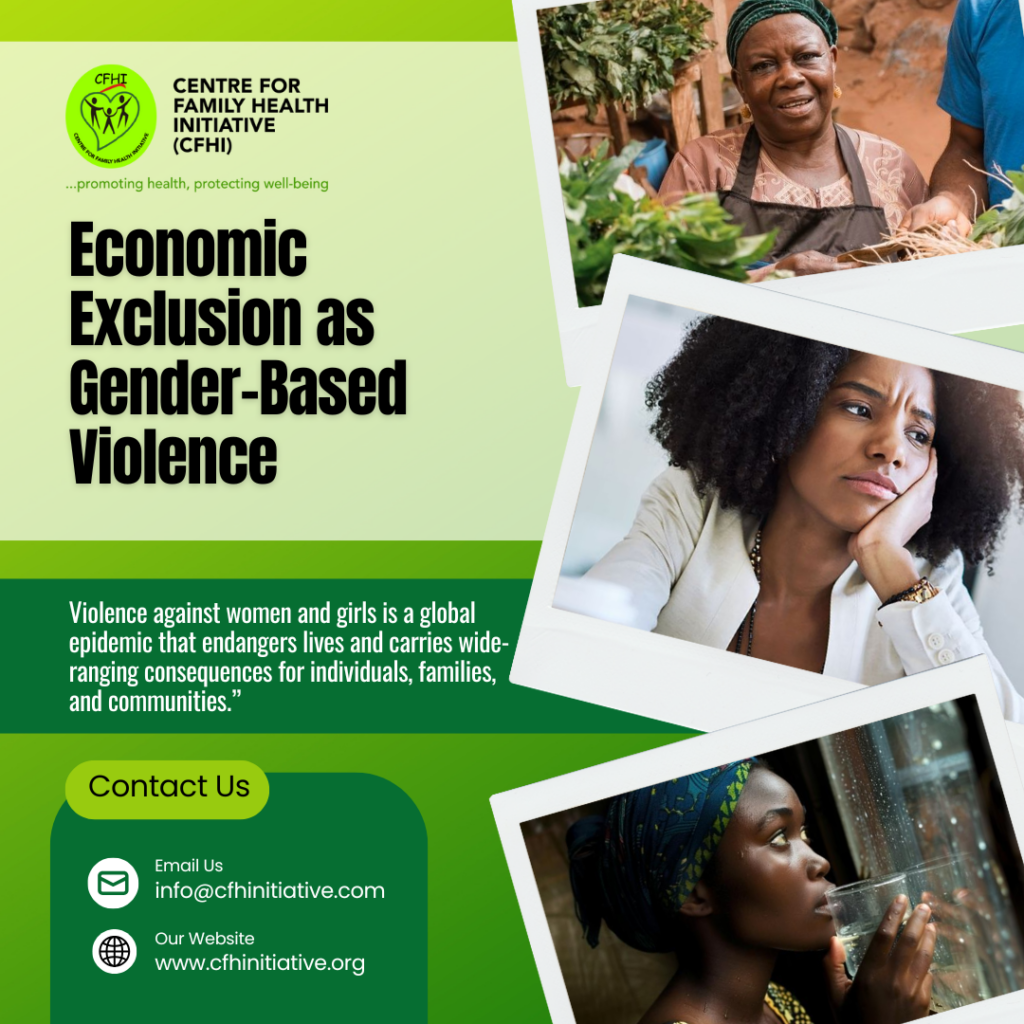
Economic Exclusion as Gender-Based Violence

Gender-based violence (GBV) is most often associated with physical or sexual abuse. However, economic exclusion – the systematic denial of women’s access to jobs, income, assets, and economic decision-making is itself a form of violence that harms individuals, families, and societies. When women are excluded from economic opportunities, the impact goes far beyond loss of income; it restricts freedom, autonomy, safety, and long-term development (1).

At its core, GBV includes economic abuse, where financial control is used as a tool of power and coercion. Economic violence may involve denying women access to money, preventing them from working, confiscating earnings, or restricting access to education and financial resources, forcing dependency and disempowerment (1). In many contexts, economic abuse is one of the most widespread yet least recognized forms of gender-based violence.

Economic exclusion is sustained by discriminatory laws, weak institutional protections, and unequal social norms. Globally, over 2.7 billion women live in countries where laws restrict the types of jobs they can do, and at least 43 economies still lack legislation addressing workplace sexual harassment, creating unsafe and unequal labor environments (2).

Intimate partner violence which frequently includes economic abuse affects approximately one in three women worldwide, limiting their ability to earn, save, and participate fully in public and economic life (3). In South Africa, studies indicate that one in eight adult women has experienced economic abuse, including being deliberately deprived of money or access to financial resources by a partner (4).

The consequences extend beyond individuals to national economies. Gender-based violence, including its economic dimensions, has measurable effects on productivity and growth. Evidence suggests that GBV can cost countries between 1–2% of Gross Domestic Product (GDP) due to absenteeism, reduced productivity, healthcare costs, and forced withdrawal from the workforce (5).

In Nigeria, the economic cost of gender-based violence is estimated at approximately USD 3 billion annually, equivalent to about 1% of the nation’s GDP, underscoring the scale of economic loss linked to women’s exclusion and abuse (6).

Economic exclusion intersects with social norms that treat women as inferior, dependent, or secondary earners. When women lack control over income, are denied access to employment, or are discouraged from education and financial decision-making, the result is structural violence a normalized and persistent denial of rights and well-being.

This exclusion is not accidental; it is deeply rooted in patriarchal systems and discriminatory practices that limit women’s autonomy and participation. The World Bank has emphasized that violence against women undermines economic growth and damages communities and future generations by restricting women’s productive potential (7).

Experts have consistently highlighted both the human and economic costs of this form of violence. According to the World Bank:

“Violence against women and girls is a global epidemic that endangers lives and carries wide-ranging consequences for individuals, families, and communities.” (7)

Research further shows that economic abuse and exclusion lead to long-term psychological harm, loss of independence, and restricted life opportunities for women and girls. Conversely, policies that promote women’s economic empowerment are associated with reduced exposure to GBV and increased participation in education, employment, and leadership (8).

Ending economic exclusion as a form of gender-based violence requires deliberate and sustained action, including:

  • Strong legal protections guaranteeing equal work rights, pay equity, and safeguards against economic abuse.
  • Transformation of harmful social norms that portray women as dependents rather than economic actors.
  • Targeted economic empowerment initiatives that expand women’s access to education, finance, and entrepreneurship.
  • Inclusive workplace policies that ensure safety, fair remuneration, and career advancement for women

Economic exclusion is not merely an economic challenge it is a human rights violation. Recognizing it as a form of gender-based violence strengthens advocacy, accountability, and policy responses, and is essential to building societies where women can live, work, and thrive free from coercion and inequality.

References

  1. Women’s World Banking. What is economic violence against women and why does it matter? Available from:
    https://www.womensworldbanking.org/insights/what-is-economic-violence-against-women-and-why-does-it-matter/
  2. UN Women. Facts and figures: Women’s economic empowerment. Available from:
    https://knowledge.unwomen.org/en/articles/facts-and-figures/facts-and-figures-economic-empowerment
  3. Asia-Pacific Economic Cooperation (APEC). Violence against women: An overlooked economic barrier. Available from:
    https://www.apec.org/press/blogs/2025/violence-against-women–an-overlooked-economic-barrier
  4. Independent Online (IOL). Economic abuse: The most common yet overlooked form of GBV in South Africa. Available from:
    https://iol.co.za/mercury/2025-07-02-economic-abuse-the-most-common-yet-overlooked-form-of-gender-based-violence-in-south-africa/
  5. International Monetary Fund. How domestic violence is a threat to economic development. Available from:
    https://www.imf.org/en/blogs/articles/2021/11/24/how-domestic-violence-is-a-threat-to-economic-development
  6. The Whistler Newspaper. Nigeria loses estimated $3bn annually to gender-based violence. Available from:
    https://thewhistler.ng/nigeria-loses-estimated-3-0bn-annually-to-gender-based-violence/
  7. World Bank. More than 1 billion women lack legal protection against domestic and sexual violence. Available from:
    https://www.worldbank.org/en/news/press-release/2018/02/01/more-than-1-billion-women-lack-legal-protection-against-domestic-sexual-violence-finds-world-bank-study
  8. MDPI. The quest for female economic empowerment in Sub-Saharan Africa and implications for GBV. Available from:
    https://www.mdpi.com/1911-8074/17/2/51

Economic Exclusion as Gender-Based Violence Read More »

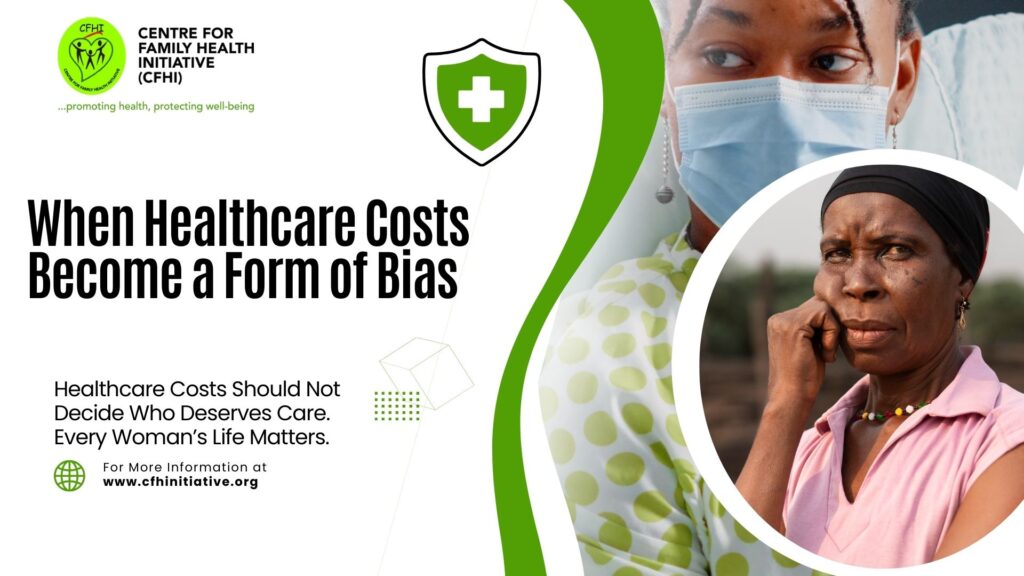
When Healthcare Costs Become a Form of Bias

When healthcare costs rise beyond the reach of ordinary people, they silently become a form of bias one that decides who lives, who suffers, and who is forced to endure preventable pain. In Nigeria today, access to quality healthcare is increasingly determined not by need, but by ability to pay. For millions of women and girls, especially in low-income and underserved communities, the cost of care has become a cruel barrier that denies them their most basic right: the right to health. This hidden injustice affects lives, futures, and communities.

The impact of this bias is devastating. Pregnant women delay antenatal care because consultation fees are unaffordable, adolescent girls are denied reproductive health services, and survivors of gender-based violence cannot access timely medical attention due to cost. These barriers fuel inequality, worsen health outcomes, and perpetuate cycles of suffering. When healthcare becomes a privilege instead of a right, women and girls bear the heaviest burden, trapped in a system that marginalizes them and ignores their dignity.

The financial strain of out-of-pocket spending is crushing. Families are forced to choose between food, education, and medical care, often at the expense of women and girls. This reality exposes a health system that has failed to protect those most vulnerable, leaving them at risk of illness, neglect, and further gender-based harm. A functional, responsive healthcare system should uplift women and girls, not push them into vulnerability. Every woman and girl deserve care, respect, and protection regardless of income.

The Nigerian government must act decisively. Investing in maternal, reproductive, and gender-sensitive health services, strengthening primary healthcare, implementing effective insurance schemes, and ensuring accountability at every level are not optional, they are urgent obligations. Health must be treated as a national priority, because no society can prosper while its women and girls remain unwell, unprotected, and underserved. A fair and just society is one where access to healthcare is based on need, not income. Ending cost-driven bias in healthcare requires collective action from policymakers prioritizing women’s health financing, to institutions delivering quality care, to communities demanding equitable systems.

The call to action is clear: the government, stakeholders, and citizens must commit to ensuring healthcare is affordable, accessible, and equitable for all. Healthcare should heal, protect, and empower women and girls, and not discriminate against them. Until costs no longer determine who can access care, gender-based bias will continue to persist quietly, unfairly, and at an unacceptable human cost.

Speak Wednesday is an initiative of CFHI to address issues around gender-base violence and gender-bias.

When Healthcare Costs Become a Form of Bias Read More »

Strengthening Maternal Health Services at Rumde PHCC, Yola North

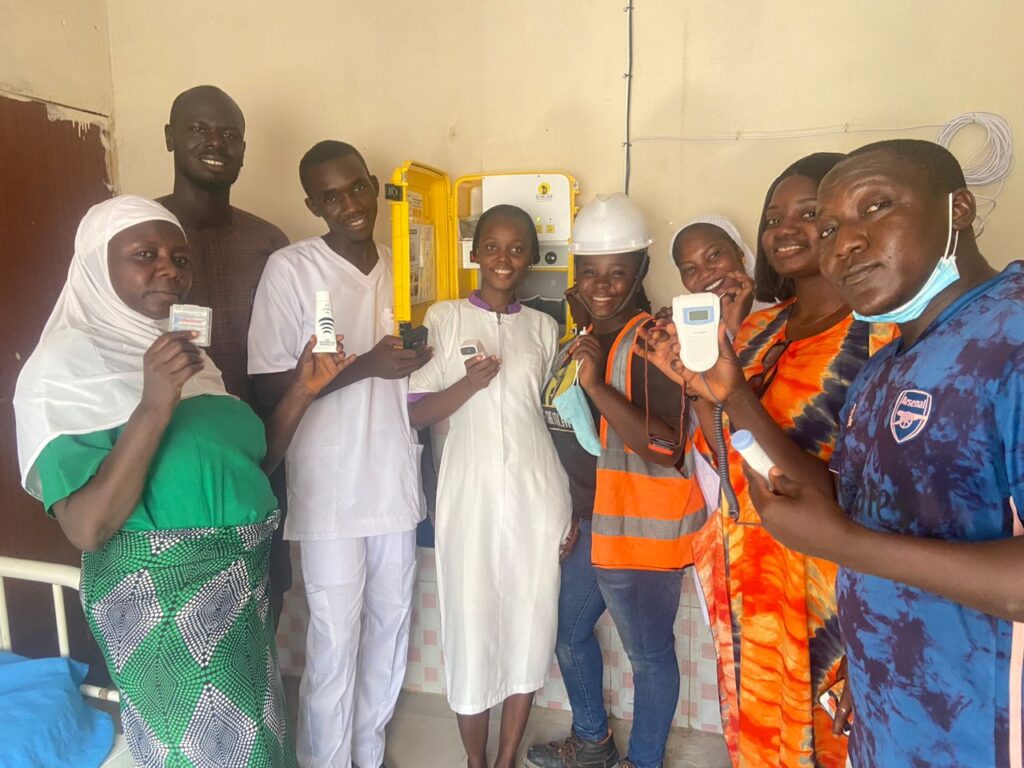
In a major boost to maternal and newborn health services in Adamawa State, Grand Challenges Nigeria, in partnership with the Centre for Family Health Initiative (CFHI), has donated and installed a Solar Birth Kit at the Rumde Primary Health Care Centre (PHCC) in Yola North Local Government Area. The installation was followed by a comprehensive training session for facility health workers to ensure effective and sustainable use of the equipment.

The Solar Birth Kit designed to provide uninterrupted power for childbirth aims to improve the safety and quality of deliveries, particularly in rural and low-resource settings prone to frequent power outages. The kit provides essential lighting and electricity needed for night-time deliveries, emergency procedures, sterilization, and critical maternal health interventions. Its primary purpose is to strengthen health system resilience, support skilled birth attendance, and reduce preventable maternal and neonatal complications linked to poor power supply.

The handover ceremony brought together key stakeholders including the Community Leader, the Local Government Health Secretary, the Facility Health Manager, the Women Leader, the Ward Development Committee Chairman, and the CFHI project team. Stakeholders collectively emphasized accountability, sustainability, and improved service delivery as central to achieving better health outcomes for mothers and infants in the community.

CFHI facilitated a hands-on training for health workers on the proper use, handling, and routine maintenance of the Solar Birth Kit. This capacity-building session was designed to ensure longevity of the technology and empower the facility team to optimize its benefits for safe delivery services.

Community leaders expressed deep appreciation for the intervention, noting that the Solar Birth Kit will significantly reduce risks during childbirth, especially during power interruptions. They reaffirmed their commitment to supporting the facility to maintain the equipment and sustain maternal health gains.

The installation marks a critical step in strengthening primary healthcare delivery in Yola North and advancing efforts to promote safer births in underserved communities.


Strengthening Maternal Health Services at Rumde PHCC, Yola North Read More »

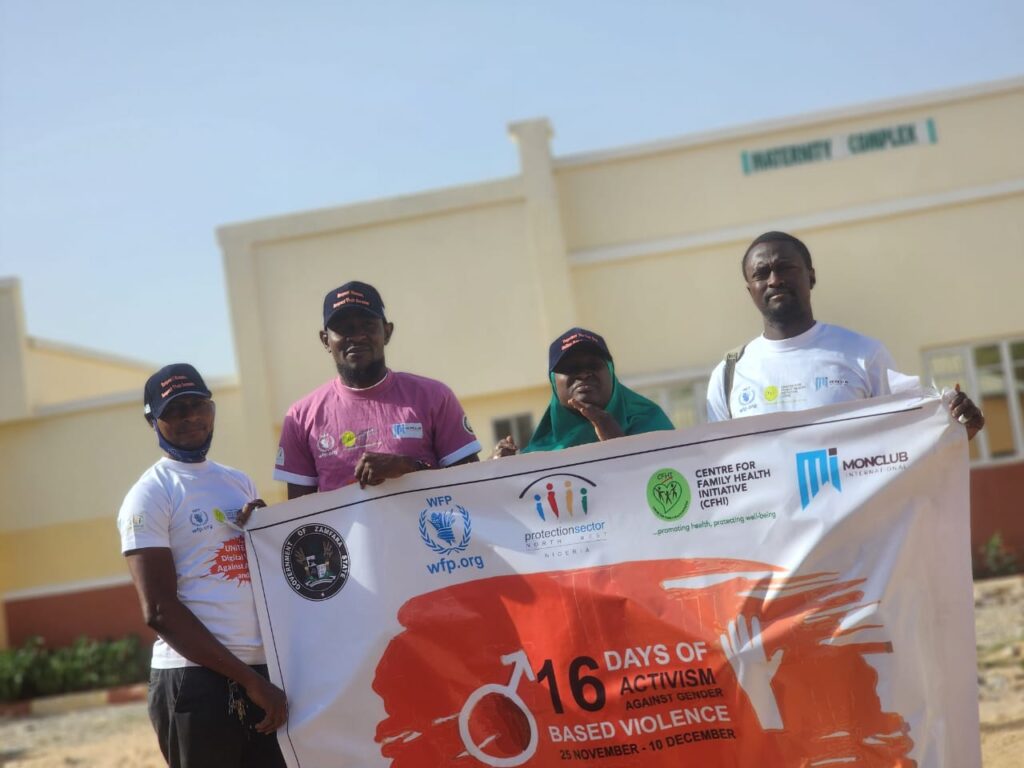
CFHI Leads GBV Awareness Outreach at King Fahad Hospital to Mark 16 Days of Activism

As part of activities commemorating the 2025 16 Days of Activism Against Gender-Based Violence, the Centre for Family Health Initiative (CFHI) in collaboration with MonClub International conducted a targeted GBV awareness and sensitization outreach at King Fahad Hospital in Gusau, Zamfara State. The session which held during the facility’s Antenatal Clinic (ANC) day, formed part of CFHI’s intensified advocacy to reduce violence against women and girls and strengthen community-level prevention systems within maternal health settings.

More than 120 pregnant women and caregivers in attendance received comprehensive enlightenment on the various forms of GBV including domestic violence, emotional abuse, harmful traditional practices, and sexual abuse. Facilitators also emphasized key prevention approaches, early disclosure, available medical and psychosocial support systems, and safe channels for reporting cases. Questions raised by attendees were addressed to promote improved knowledge, confidence, and help-seeking behavior.

Stakeholders present at the outreach included CFHI and MonClub International staff, ANC matrons, facility health workers, and a UNICEF supervision team. During the sensitization, attendees were educated on the impact of gender-based violence on maternal health, emotional wellbeing, and household stability, and further enlightened on its wider social and economic repercussions. Their participation reinforced collaborative support for survivor-centered response mechanisms and validated the effectiveness of the outreach on facility-based clients.

Facility staff expressed appreciation, noting that GBV remains an underlying barrier to maternal health outcomes, and that continuous sensitization helps improve disclosure and access to services.

The outreach was successfully executed and well-received by both participants and the facility leadership, who commended CFHI’s timely engagement during the global campaign period. CFHI reaffirmed its commitment to advancing stronger advocacy, providing information, enhancing survivor referral pathways, and working with institutional partners to scale GBV prevention initiatives across Zamfara State

CFHI Leads GBV Awareness Outreach at King Fahad Hospital to Mark 16 Days of Activism Read More »

Solar Birth Kit Installed at Shagari PHC to Improve Maternal Care Services

In a strategic move aimed at strengthening maternal healthcare delivery in Zamfara State, Grand Challenges Nigeria in partnership with the Centre for Family Health Initiative (CFHI), installed a Solar Birth Kit at the Shagari Primary Health Centre (PHC) in Gusau Local Government Area on Tuesday, November 25, 2025. The initiative is expected to significantly improve safe childbirth, lighting, and emergency response services at the facility, which serves several communities within the LGA.

Installation activities commenced at approximately 1:00 p.m. following the arrival of installation equipment and technical personnel from Kebbi State. The process, which lasted about four hours, included mounting solar panels and the internal lighting system, followed by operational testing. The kit provides reliable lighting and power sources required for deliveries conducted at night, vaccine storage, and essential medical procedures critical needs in facilities where electricity supply remains unstable.

Following the installation, engineers led a practical training session for CFHI field officers and health workers at Shagari PHC. The training focused on safe usage, battery maintenance, troubleshooting, and documentation of power output for service records. This capacity building effort is expected to enhance sustainability and ensure that healthcare workers maximize the support offered by the Solar Birth Kit.

The equipment was formally handed over to the Officer-in-Charge of the facility and representatives of the host community, symbolizing joint ownership and accountability. Traditional leaders expressed appreciation for the intervention, noting that improved lighting and equipment support will benefit pregnant women, particularly during night-time emergencies.

Although installation began behind schedule due to delayed arrival of equipment resulting in health workers waiting several hours beyond their duty time the activity was fully completed by 5:12 p.m. The successful deployment of the Solar Birth Kit stands as a notable milestone toward ensuring safer maternal care in underserved areas. CFHI urged government agencies and development partners to prioritise infrastructural upgrades at PHCs to complement such projects and guarantee quality healthcare delivery for women and children across the state.

Solar Birth Kit Installed at Shagari PHC to Improve Maternal Care Services Read More »