Events

The Role of Families and Communities in Preventing FGM

In the landscape of global health in 2026, Female Genital Mutilation (FGM) stands as one of the most persistent violations of human rights, yet the tide is beginning to turn through sophisticated, community-led interventions. As of this year, over 230 million women and girls alive today have undergone the procedure, and UNICEF projects that 4.5 million more remain at risk in 2026 alone [1]. The struggle to end this practice is no longer just a legal battle; it has evolved into a deep-rooted cultural shift focusing on the intersection of family protection and communal health [4].

The prevention of FGM begins at the heart of the home, where families are being empowered to dismantle the “social obligation” myth. Recent research from the UNFPA-UNICEF Joint Programme indicates that when mothers are provided with formal education and economic agency, the likelihood of their daughters being cut drops significantly [3]. Families are now being reached through “Positive Masculinity” programs, where over 800,000 men and boys have pledged to protect their female relatives, challenging the outdated notion that FGM is a prerequisite for marriageability [3]. By addressing the family as the primary decision-making unit, advocacy groups are successfully replacing fear of social exclusion with a shared commitment to a daughter’s physical integrity and future health.

Moving beyond the front door, the most effective preventative measure in 2026 has been the rise of Public Declarations of Abandonment within local communities. This collective approach shifts the “social contract,” ensuring that no single family feels isolated in their choice to stop the practice. Many regions have successfully implemented Alternative Rites of Passage (ARP), which preserve the cultural celebration of womanhood through education, mentorship, and gifts minus the physical harm. This allows communities to maintain their rich heritage while evolving their health standards. Simultaneously, health systems are closing the gap on “medicalization” the dangerous trend of health professionals performing the cut. The World Health Organization has recently tightened codes of conduct, training midwives and doctors to serve as the first line of defense, educating parents on the $1.4 billion annual global cost of treating FGM-related complications, ranging from obstetric hemorrhage to lifelong psychological trauma [2].

To ensure these gains are permanent, a robust network of local surveillance and cross-border cooperation has emerged. In 2026, over 3,200 communities have established “watchdog” groups that monitor girls during school holidays, a peak time for the practice [3]. These grassroots efforts, supported by national laws that criminalize “vacation cutting,” create a safety net that follows a girl from her village to the city and beyond. The data proves that this holistic approach works; for every dollar invested in these prevention measures, there is a tenfold return in health savings and economic productivity [2]. By weaving together, the strength of the family unit with the collective will of the community, we are finally moving toward a world where every girl can grow up whole, healthy, and empowered.

Call to Action

The end of FGM is within our reach, but it requires your voice and your action. You can make a difference today:

  • Educate and Advocate: Share the facts about the health risks of FGM within your social circles. Silence is where the practice thrives.
  • Support Grassroots Organizations: Donate to or volunteer with local NGOs that facilitate Alternative Rites of Passage and provide education to at-risk families.
  • Report Risk: If you know a girl is at risk of being subjected to FGM, contact local child protection services or international helplines immediately.
  • Engage Men and Boys: Start conversations with the men in your community about the importance of protecting the rights and health of women and girls.

Monday Health Burst is an initiative of CFHI to address issues of basic health concern. Join us every Monday on all our social media platforms for more episodes.

References

  • UNICEF Data (2025/2026): FGM Prevalence and Statistics
  • WHO Global Health Update: The Cost of FGM and Prevention Strategies
  • UNFPA 2025 Annual Report: Eliminating FGM through Community Action
  • United Nations: International Day of Zero Tolerance for FGM


The Role of Families and Communities in Preventing FGM Read More »
Economic Exclusion as Gender-Based Violence

Gender-based violence (GBV) is most often associated with physical or sexual abuse. However, economic exclusion – the systematic denial of women’s access to jobs, income, assets, and economic decision-making is itself a form of violence that harms individuals, families, and societies. When women are excluded from economic opportunities, the impact goes far beyond loss of income; it restricts freedom, autonomy, safety, and long-term development (1).

At its core, GBV includes economic abuse, where financial control is used as a tool of power and coercion. Economic violence may involve denying women access to money, preventing them from working, confiscating earnings, or restricting access to education and financial resources, forcing dependency and disempowerment (1). In many contexts, economic abuse is one of the most widespread yet least recognized forms of gender-based violence.

Economic exclusion is sustained by discriminatory laws, weak institutional protections, and unequal social norms. Globally, over 2.7 billion women live in countries where laws restrict the types of jobs they can do, and at least 43 economies still lack legislation addressing workplace sexual harassment, creating unsafe and unequal labor environments (2).

Intimate partner violence which frequently includes economic abuse affects approximately one in three women worldwide, limiting their ability to earn, save, and participate fully in public and economic life (3). In South Africa, studies indicate that one in eight adult women has experienced economic abuse, including being deliberately deprived of money or access to financial resources by a partner (4).

The consequences extend beyond individuals to national economies. Gender-based violence, including its economic dimensions, has measurable effects on productivity and growth. Evidence suggests that GBV can cost countries between 1–2% of Gross Domestic Product (GDP) due to absenteeism, reduced productivity, healthcare costs, and forced withdrawal from the workforce (5).

In Nigeria, the economic cost of gender-based violence is estimated at approximately USD 3 billion annually, equivalent to about 1% of the nation’s GDP, underscoring the scale of economic loss linked to women’s exclusion and abuse (6).

Economic exclusion intersects with social norms that treat women as inferior, dependent, or secondary earners. When women lack control over income, are denied access to employment, or are discouraged from education and financial decision-making, the result is structural violence a normalized and persistent denial of rights and well-being.

This exclusion is not accidental; it is deeply rooted in patriarchal systems and discriminatory practices that limit women’s autonomy and participation. The World Bank has emphasized that violence against women undermines economic growth and damages communities and future generations by restricting women’s productive potential (7).

Experts have consistently highlighted both the human and economic costs of this form of violence. According to the World Bank:

“Violence against women and girls is a global epidemic that endangers lives and carries wide-ranging consequences for individuals, families, and communities.” (7)

Research further shows that economic abuse and exclusion lead to long-term psychological harm, loss of independence, and restricted life opportunities for women and girls. Conversely, policies that promote women’s economic empowerment are associated with reduced exposure to GBV and increased participation in education, employment, and leadership (8).

Ending economic exclusion as a form of gender-based violence requires deliberate and sustained action, including:

  • Strong legal protections guaranteeing equal work rights, pay equity, and safeguards against economic abuse.
  • Transformation of harmful social norms that portray women as dependents rather than economic actors.
  • Targeted economic empowerment initiatives that expand women’s access to education, finance, and entrepreneurship.
  • Inclusive workplace policies that ensure safety, fair remuneration, and career advancement for women

Economic exclusion is not merely an economic challenge it is a human rights violation. Recognizing it as a form of gender-based violence strengthens advocacy, accountability, and policy responses, and is essential to building societies where women can live, work, and thrive free from coercion and inequality.

References

  1. Women’s World Banking. What is economic violence against women and why does it matter? Available from:
    https://www.womensworldbanking.org/insights/what-is-economic-violence-against-women-and-why-does-it-matter/
  2. UN Women. Facts and figures: Women’s economic empowerment. Available from:
    https://knowledge.unwomen.org/en/articles/facts-and-figures/facts-and-figures-economic-empowerment
  3. Asia-Pacific Economic Cooperation (APEC). Violence against women: An overlooked economic barrier. Available from:
    https://www.apec.org/press/blogs/2025/violence-against-women–an-overlooked-economic-barrier
  4. Independent Online (IOL). Economic abuse: The most common yet overlooked form of GBV in South Africa. Available from:
    https://iol.co.za/mercury/2025-07-02-economic-abuse-the-most-common-yet-overlooked-form-of-gender-based-violence-in-south-africa/
  5. International Monetary Fund. How domestic violence is a threat to economic development. Available from:
    https://www.imf.org/en/blogs/articles/2021/11/24/how-domestic-violence-is-a-threat-to-economic-development
  6. The Whistler Newspaper. Nigeria loses estimated $3bn annually to gender-based violence. Available from:
    https://thewhistler.ng/nigeria-loses-estimated-3-0bn-annually-to-gender-based-violence/
  7. World Bank. More than 1 billion women lack legal protection against domestic and sexual violence. Available from:
    https://www.worldbank.org/en/news/press-release/2018/02/01/more-than-1-billion-women-lack-legal-protection-against-domestic-sexual-violence-finds-world-bank-study
  8. MDPI. The quest for female economic empowerment in Sub-Saharan Africa and implications for GBV. Available from:
    https://www.mdpi.com/1911-8074/17/2/51

Economic Exclusion as Gender-Based Violence Read More »

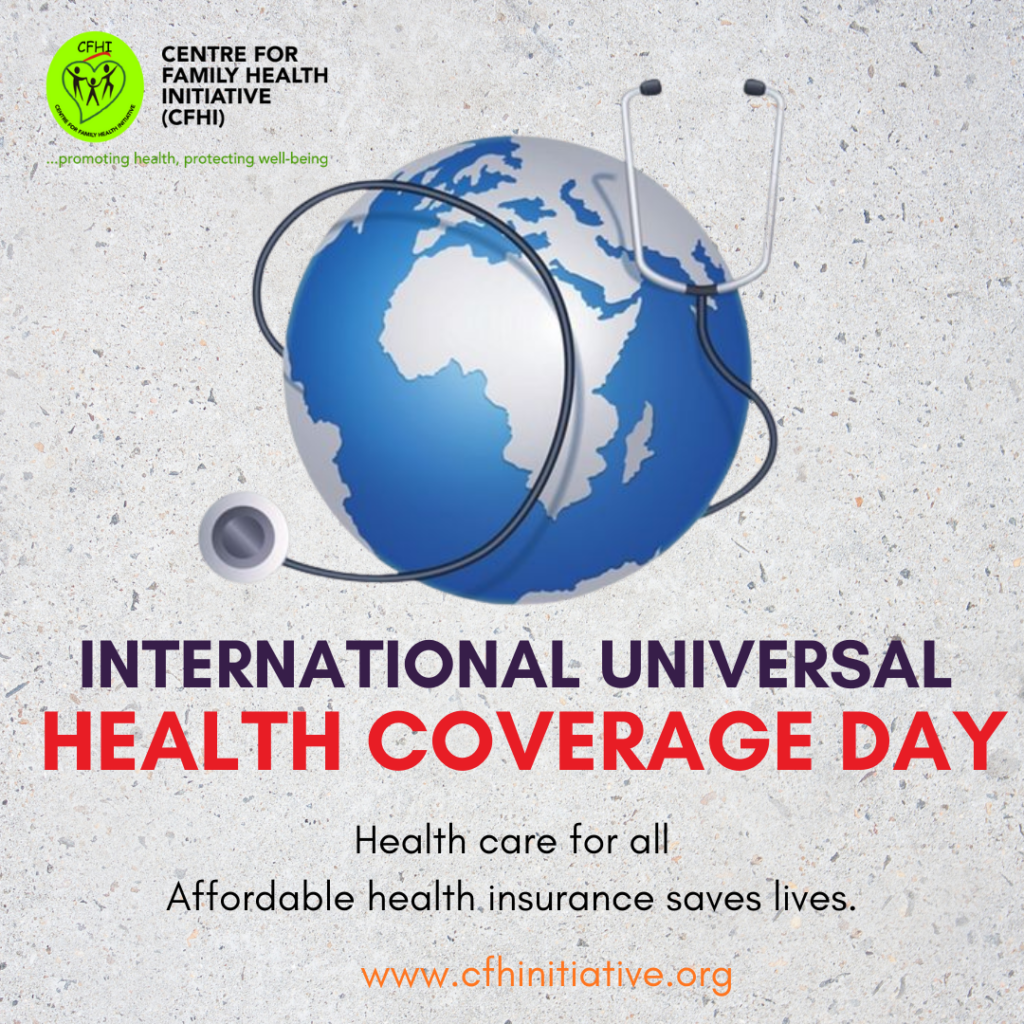
UHC Day 2025: Unaffordable health costs? We’re sick of it!

Universal Health Coverage (UHC) Day is a global reminder that access to quality health care is a fundamental right, not a privilege reserved for the wealthy. This year’s theme, “Unaffordable health costs? We’re sick of it!”, speaks directly to one of the biggest barriers facing millions of Nigerians: skyrocketing healthcare costs and the widening gap between health needs and the ability to pay.

While achieving UHC requires multisectoral commitment, one of the most critical systems needed to bridge this gap is health insurance, an essential mechanism designed to protect individuals from financial hardship, ensure continuity of care, and promote equitable access to essential services. Yet, despite the existence of the National Health Insurance Authority (NHIA) and state-level schemes, enrolment remains abysmally low. Out-of-pocket payments still account for over 76% of total health spending in Nigeria, pushing millions deeper into poverty every year.

Health insurance providers cannot succeed alone; they face chronic underfunding, limited subsidies, weak enforcement, and low public awareness. Sustainable progress requires stronger government leadership, increased premium subsidies for the poor, upgraded health facilities, and digital systems that make enrolment seamless.

Yet progress is possible, and CFHI is proving it every day.

Through relentless community mobilization and strategic partnerships with philanthropists like Satoshi Koiso and development partners such as the Institute of Human Virology Nigeria (IHVN), CFHI has successfully enrolled 224 vulnerable individuals into NHIA-supported health coverage this year alone.

These are not just numbers.

They are mothers who no longer skip medication.

They are children who can see a doctor without their parents selling assets.

They are families now protected from choosing between medicine and food.

Health insurance must be affordable, accessible, and functional for every Nigerian. It is not just a policy tool; it is a lifeline that protects households from falling into poverty and guarantees timely care, especially for vulnerable groups.

On UHC Day 2025, our message is unequivocal:

No Nigerian should be denied quality care because they cannot afford it.

We call on federal and state governments to:

  • Fully subsidize premiums for low-income and vulnerable households
  • Strengthen primary health care facilities that deliver insured services
  • Enforce mandatory coverage and streamline digital enrolment

It is time to end the era of unaffordable health costs.

Health care is a right for every Nigerian, irrespective of socio-economic status.

Together, we can make “We’re sick of it” a rallying cry that finally delivers results.

UHC Day 2025: Unaffordable health costs? We’re sick of it! Read More »

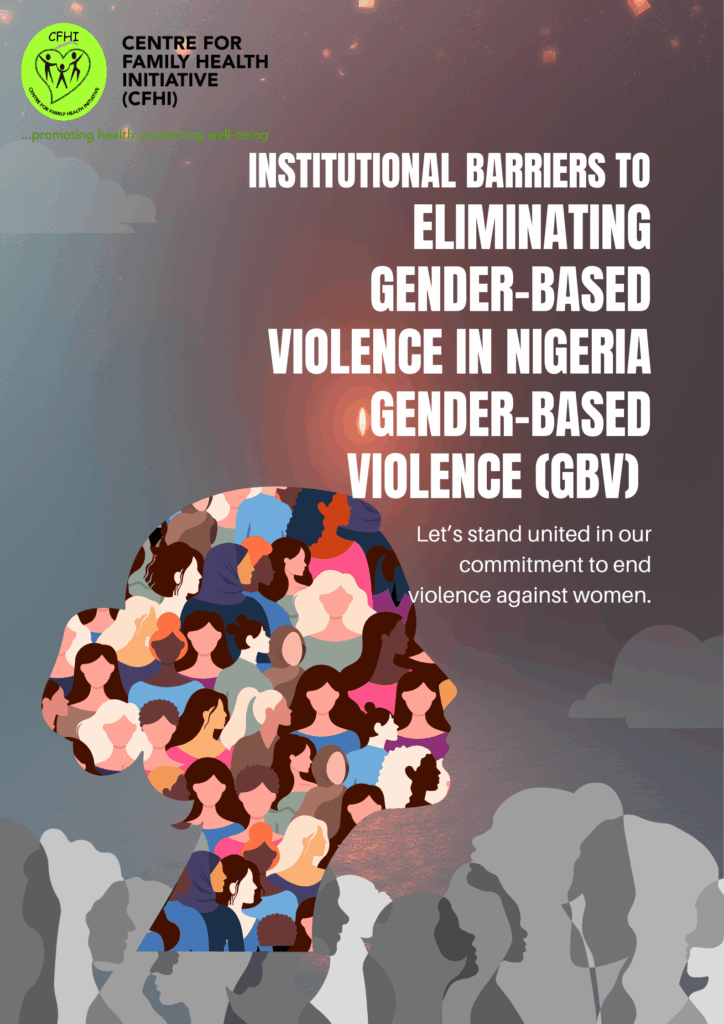
Institutional Barriers to Eliminating Gender-Based Violence in Nigeria

Gender-Based Violence (GBV) remains one of the most pervasive human rights violations in Nigeria, cutting across age, class, religion, and region. Despite significant progress through policies such as the Violence Against Persons (Prohibition) Act (VAPP) 2015 and the National Gender Policy, the persistence of GBV points to a deeper problem institutional barriers that hinder real progress. While advocacy, awareness, and community engagement have improved over the years, the systems designed to protect survivors and hold perpetrators accountable often fail to function effectively, leaving many victims without justice or support (WHO, UN Women Nigeria).

One of the major institutional barriers lies within the legal and policy framework itself. Although the VAPP Act was enacted at the federal level, its domestication across Nigeria has been uneven. Several states are yet to fully implement the Act, creating inconsistencies in protection and enforcement. Even where laws exist, weak sanctions, unclear definitions of offences, and a lack of gender-sensitive judicial processes often discourage survivors from seeking justice. Studies reveal that institutional delays, corruption, and lack of trust in law enforcement agencies further compound the challenge, allowing perpetrators to act with impunity while survivors continue to suffer in silence (UNIZIK Journal of Contemporary Law).

Another critical issue is institutional capacity and accountability. Many key institutions from the police and judiciary to hospitals and social welfare departments are under-resourced and poorly coordinated. A BMC Women’s Health (2025) study found that more than half of young women surveyed in Nigeria reported not knowing where or how to access post-violence services, indicating major gaps in awareness and accessibility. Furthermore, the lack of training among personnel on survivor-centred approaches leads to secondary victimization, where victims experience stigma, judgment, or even blame when they report abuse. Without adequate funding, coordination, and monitoring systems, institutions cannot effectively carry out their mandates in the fight against GBV (PubMed).

Institutional culture also plays a silent but powerful role. In many organizations and workplaces, gender inequality is embedded in the structure itself from male-dominated leadership to discriminatory workplace practices. Research in Nigerian universities has shown a high prevalence of sexual harassment and bullying, often perpetuated by hierarchical power systems that silence victims (BMC Women’s Health, 2021). The absence of internal reporting mechanisms, confidentiality policies, and disciplinary structures reinforces a culture of impunity. When institutions themselves tolerate or ignore acts of violence, it sends a dangerous message that such behaviour is acceptable or can be overlooked.

Finally, the lack of effective data systems and poor inter-agency coordination weaken national response efforts. Many institutions fail to collect or share accurate data on GBV cases, making it difficult to track progress or design informed interventions. Without reliable evidence, resource allocation becomes arbitrary, and survivors remain invisible in policy decisions (MDPI Social Sciences Journal). These systemic weaknesses mean that even well-intentioned programs struggle to achieve lasting change.

The Centre for Family Health Initiative (CFHI) continues to advocate for institutional reforms that promote gender equality, justice, and survivor centred GBV response systems. Through its gender norms interventions and community engagement projects, CFHI works to sensitize service providers, law enforcement officers, and community leaders on the importance of implementing the VAPP Act effectively. The organization also conducts awareness campaigns under its SpeakWednesday platform to highlight barriers that hinder justice for survivors. By fostering collaboration between government agencies, CSOs, and communities, CFHI contributes to strengthening institutional frameworks that ensure women and girls live free from violence and discrimination.

Eliminating GBV in Nigeria requires more than awareness it demands institutional transformation. Laws must not only exist but be enforced; systems must not only respond but protect. As CFHI and partners continue to push for accountability and systemic change, a safer, more equitable Nigeria becomes achievable for all.

References

  1. Violence Against Persons (Prohibition) Act (VAPP) 2015. Policy Vault Africa. Available from: https://policyvault.africa/wp-content/uploads/policy/NGA1408.pdf
  2. Federal Ministry of Women Affairs. National Gender Policy. Available from: https://nigeriarising.org.ng/wp-content/uploads/2021/06/National-Gender-Policy.pdf
  3. World Health Organization (WHO). Violence against women. Available from: https://www.who.int/news-room/fact-sheets/detail/violence-against-women
  4. UN Women Nigeria. Gender-Based Violence in Nigeria: Review of Institutional Responses. Available from: https://nigeria.un.org/en/222675-gender-based-violence-nigeria-review-institutional-responses
  5. Ezeibe CC. The Challenges of Implementing the VAPP Act in Nigeria. UNIZIK Journal of Contemporary Law. Available from: https://journals.unizik.edu.ng/jcpl/article/download/6488/5405/14850
  6. BMC Women’s Health (2025). Institutional Barriers and Women’s Access to GBV Services in Nigeria. Available from: https://bmcwomenshealth.biomedcentral.com/articles/10.1186/s12905-025-03714-2
  7. PubMed Central. Barriers to Accessing GBV Services in Nigeria. Available from: https://pubmed.ncbi.nlm.nih.gov/37830664/
  8. BMC Women’s Health (2021). Sexual Harassment in Nigerian Universities. Available from: https://bmcwomenshealth.biomedcentral.com/articles/10.1186/s12905-021-01273-w
  9. MDPI Social Sciences Journal (2024). Institutional Weakness and Gender-Based Violence Response in Nigeria. Available from: https://www.mdpi.com/2076-0760/14/6/336
  10. Centre for Family Health Initiative (CFHI). Official Website. Available from: https://www.cfhinitiative.org/

TO BE CONTINUED…WATCH OUT FOR

NO 3 BARRIER

Institutional Barriers to Eliminating Gender-Based Violence in Nigeria Read More »

MONDAY HEALTH BURST- Covid 19


MONDAY HEALTH BURST – COVID19
According to the WHO,coronaviruses are a family of viruses that cause illnesses ranging from the common cold to more severe diseases such as severe acute
respiratory syndrome(SARS)and the Middle East respiratory syndrome(MERS).
These viruses were originally transmitted from animals to people. Several known coronaviruses are circulating in animals that have not yet infected humans.
Covid-19 is an infectious disease caused by a new strain of coronavirus Sars-cov-2 which was not previously identified in humans.

MODE OF TRANSMISSION
COVID19 can be transmitted via respiratory droplets from an infected individual
during sneezing,coughing or blowing of the nose. The virus can also stay on surfaces of objects when it comes in contact with them for a period of time.

SYMPTOMS
According to the WHO,signs of infection include fever, cough,shortness of breath and breathing difficulties.
In more severe cases,it can lead to pneumonia,multiple organ failure and even death.
The most common symptoms of coronavirus disease (COVID-19) are fever, tiredness,and dry cough.
Most people(about 80%)recover from the disease without needing special treatment. Older people,and people with other medical conditions(such as asthma,
diabetes,or heart disease), may be more vulnerable to becoming severely ill.

INCUBATION PERIOD
The incubation period ranges from 1-14days. Most infected people show
symptoms within 5-6days.

PREVENTION
To help stop the spread of coronavirus, practice handwashing with soap and water regularly for 20 seconds, sanitize your hands, door handles etc, with alcohol-based hand sanitizer, cover your nose and mouth with a disposable tissue or flexed elbow when you cough or sneeze, avoid touching your face, maintain social distance (1 meter or 3 feet) and stay at home and self-isolate from others in the household if you feel unwell.
There is currently no treatment or vaccine to prevent coronavirus disease(COVID-19).
People may need supportive care to help them breathe.

SELF CARE
If you have mild symptoms, stay at home until fully recovered. You can relieve the symptoms if you rest and sleep, keep warm, drink plenty of liquids, use a
room humidifier or take a hot shower to help ease a sore throat and cough.

MEDICAL TREATMENTS
If you develop a fever, cough and have difficulty breathing, promptly seek medical care. Call in advance and tell your health provider of any recent travel or recent contact with travelers.

CONCLUSION
In conclusion, Covid-19 is a deadly infection which spreads very fast. There is no current vaccine or drug for the cure of this disease, hence taking preventive
measures will help limit the spread, morbidity and
mortality.

MONDAY HEALTH BURST- Covid 19 Read More »

Nigerian Children’s Day 2018

CFHI joins the nation to celebrate the about 45% of Nigerians-children under 15 years of age, especially orphans and vulnerable children in the Abuja Municipal Area Council.

Event ScheduleMay 28, 2018 at 08:00 AM to May 28, 2018 at 6:00 PM

Location: Abuja Municipal
Price: from ₦0

On this day, CFHI would continue reaching about 3,000 children with comprehensive care and support services, as it does in its ongoing CCFN supported SUSTAIN project. These services would include the provision of primary health care to sick children; the provision of nutritional supplements and vital vitamins to malnourished children; registration of the children’s birth dates with the National Population Council; delivery of clothing and educational materials to those in need; and the supply of start-up grants to parents of vulnerable households.

Nigerian Children’s Day 2018 Read More »

Women Empowerment And Human Right

All of us from CFHI do celebrate every woman and their contributions towards building a better tomorrow and world. “Women’s Rights are Universal Rights, They’re Human Rights”-Sharmeen Obaid-Chinoy, Pakistani Film makerRemember to join us @CFHInitiative, @HAFAIng & other speakers at our #UNWomen #CSW62 parallel event- #WomenEmpowerment & #HumanRights #IWD2018 #Africa4Her

Price: from ₦0

All of us from CFHI do celebrate every woman and their contributions towards building a better tomorrow and world. “Women’s Rights are Universal Rights, They’re Human Rights”-Sharmeen Obaid-Chinoy, Pakistani Film makerRemember to join us @CFHInitiative, @HAFAIng & other speakers at our #UNWomen #CSW62 parallel event- #WomenEmpowerment & #HumanRights #IWD2018 #Africa4Her

Women Empowerment And Human Right Read More »

World AIDS Day

Event Schedule: Dec 01, 2018 at 08:00 AM to Dec 01, 2018 at 6:00 PM
Location: Abuja
Price: from ₦0

Since 1988, every December 1, the world unites in the fight against HIV, by showing their support for people living with HIV (PLHIV) and remember those who have died.

As such, CFHI organizes an annual HIV Testing Services Outreach in different communities within the Federal Capital Territory, every year. During this outreach, the public is provided with free HIV tests and counselling; linkages to access treatment and care at health facilities are established for identified HIV positive persons; and other complementary health checks are provided.

World AIDS Day Read More »