Girl Education

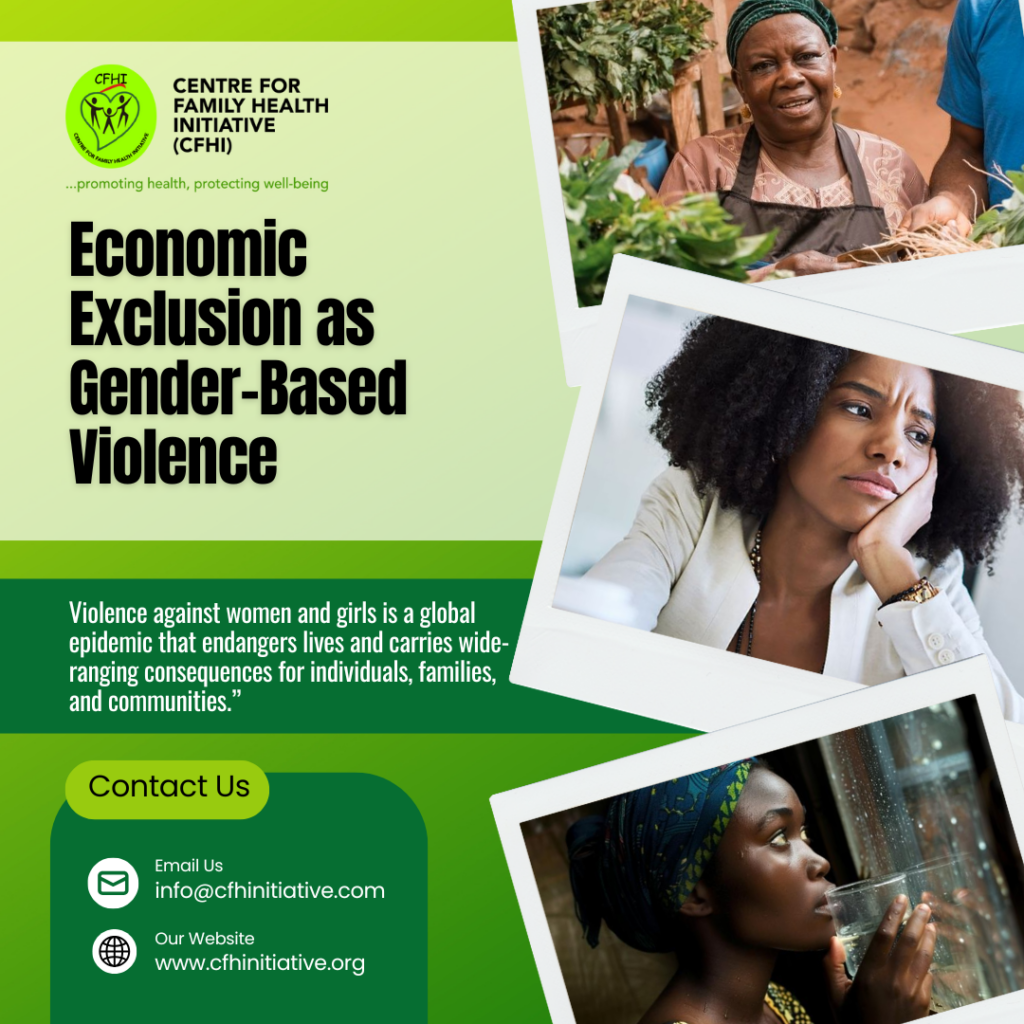
Economic Exclusion as Gender-Based Violence

Gender-based violence (GBV) is most often associated with physical or sexual abuse. However, economic exclusion – the systematic denial of women’s access to jobs, income, assets, and economic decision-making is itself a form of violence that harms individuals, families, and societies. When women are excluded from economic opportunities, the impact goes far beyond loss of income; it restricts freedom, autonomy, safety, and long-term development (1).

At its core, GBV includes economic abuse, where financial control is used as a tool of power and coercion. Economic violence may involve denying women access to money, preventing them from working, confiscating earnings, or restricting access to education and financial resources, forcing dependency and disempowerment (1). In many contexts, economic abuse is one of the most widespread yet least recognized forms of gender-based violence.

Economic exclusion is sustained by discriminatory laws, weak institutional protections, and unequal social norms. Globally, over 2.7 billion women live in countries where laws restrict the types of jobs they can do, and at least 43 economies still lack legislation addressing workplace sexual harassment, creating unsafe and unequal labor environments (2).

Intimate partner violence which frequently includes economic abuse affects approximately one in three women worldwide, limiting their ability to earn, save, and participate fully in public and economic life (3). In South Africa, studies indicate that one in eight adult women has experienced economic abuse, including being deliberately deprived of money or access to financial resources by a partner (4).

The consequences extend beyond individuals to national economies. Gender-based violence, including its economic dimensions, has measurable effects on productivity and growth. Evidence suggests that GBV can cost countries between 1–2% of Gross Domestic Product (GDP) due to absenteeism, reduced productivity, healthcare costs, and forced withdrawal from the workforce (5).

In Nigeria, the economic cost of gender-based violence is estimated at approximately USD 3 billion annually, equivalent to about 1% of the nation’s GDP, underscoring the scale of economic loss linked to women’s exclusion and abuse (6).

Economic exclusion intersects with social norms that treat women as inferior, dependent, or secondary earners. When women lack control over income, are denied access to employment, or are discouraged from education and financial decision-making, the result is structural violence a normalized and persistent denial of rights and well-being.

This exclusion is not accidental; it is deeply rooted in patriarchal systems and discriminatory practices that limit women’s autonomy and participation. The World Bank has emphasized that violence against women undermines economic growth and damages communities and future generations by restricting women’s productive potential (7).

Experts have consistently highlighted both the human and economic costs of this form of violence. According to the World Bank:

“Violence against women and girls is a global epidemic that endangers lives and carries wide-ranging consequences for individuals, families, and communities.” (7)

Research further shows that economic abuse and exclusion lead to long-term psychological harm, loss of independence, and restricted life opportunities for women and girls. Conversely, policies that promote women’s economic empowerment are associated with reduced exposure to GBV and increased participation in education, employment, and leadership (8).

Ending economic exclusion as a form of gender-based violence requires deliberate and sustained action, including:

  • Strong legal protections guaranteeing equal work rights, pay equity, and safeguards against economic abuse.
  • Transformation of harmful social norms that portray women as dependents rather than economic actors.
  • Targeted economic empowerment initiatives that expand women’s access to education, finance, and entrepreneurship.
  • Inclusive workplace policies that ensure safety, fair remuneration, and career advancement for women

Economic exclusion is not merely an economic challenge it is a human rights violation. Recognizing it as a form of gender-based violence strengthens advocacy, accountability, and policy responses, and is essential to building societies where women can live, work, and thrive free from coercion and inequality.

References

  1. Women’s World Banking. What is economic violence against women and why does it matter? Available from:
    https://www.womensworldbanking.org/insights/what-is-economic-violence-against-women-and-why-does-it-matter/
  2. UN Women. Facts and figures: Women’s economic empowerment. Available from:
    https://knowledge.unwomen.org/en/articles/facts-and-figures/facts-and-figures-economic-empowerment
  3. Asia-Pacific Economic Cooperation (APEC). Violence against women: An overlooked economic barrier. Available from:
    https://www.apec.org/press/blogs/2025/violence-against-women–an-overlooked-economic-barrier
  4. Independent Online (IOL). Economic abuse: The most common yet overlooked form of GBV in South Africa. Available from:
    https://iol.co.za/mercury/2025-07-02-economic-abuse-the-most-common-yet-overlooked-form-of-gender-based-violence-in-south-africa/
  5. International Monetary Fund. How domestic violence is a threat to economic development. Available from:
    https://www.imf.org/en/blogs/articles/2021/11/24/how-domestic-violence-is-a-threat-to-economic-development
  6. The Whistler Newspaper. Nigeria loses estimated $3bn annually to gender-based violence. Available from:
    https://thewhistler.ng/nigeria-loses-estimated-3-0bn-annually-to-gender-based-violence/
  7. World Bank. More than 1 billion women lack legal protection against domestic and sexual violence. Available from:
    https://www.worldbank.org/en/news/press-release/2018/02/01/more-than-1-billion-women-lack-legal-protection-against-domestic-sexual-violence-finds-world-bank-study
  8. MDPI. The quest for female economic empowerment in Sub-Saharan Africa and implications for GBV. Available from:
    https://www.mdpi.com/1911-8074/17/2/51

Economic Exclusion as Gender-Based Violence Read More »

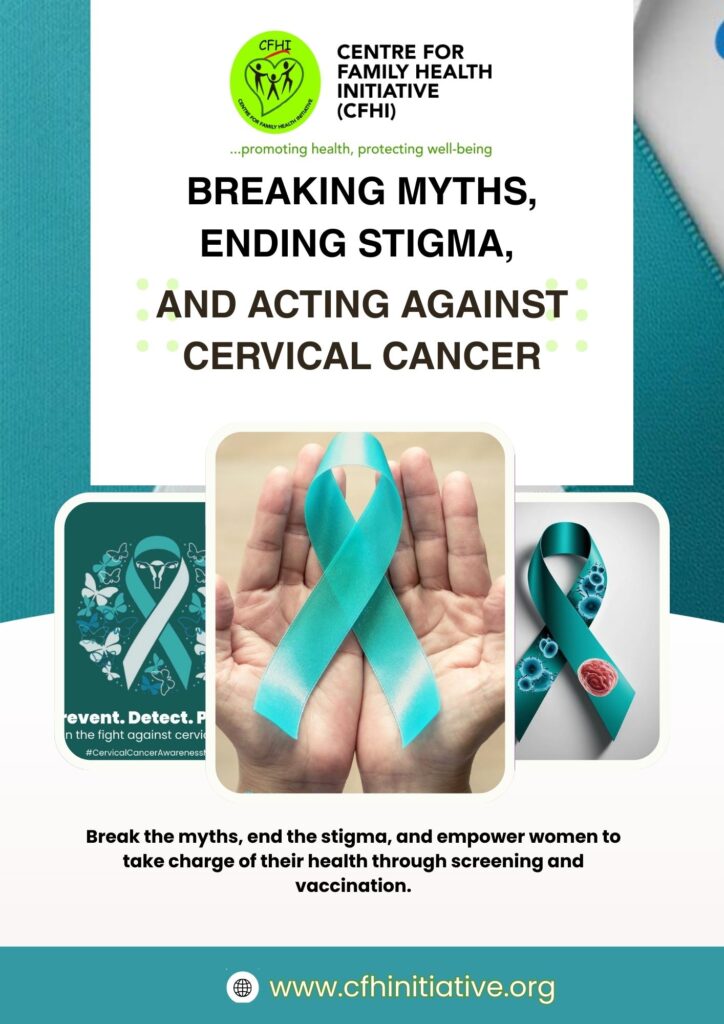
Breaking Myths, Ending Stigma, and Acting Against Cervical Cancer

Cervical cancer is a major global health issue yet one of the most preventable forms of cancer. Almost all cervical cancer cases (about 99%) are linked to infection with high-risk human papillomaviruses (HPV), which are extremely common and transmitted through sexual contact. Persistent HPV infection can cause cervical cancer if left untreated, but early detection and prevention make this disease largely preventable. ¹

Despite this, myths and misinformation persist and contribute to stigma around cervical cancer screening and HPV. Studies show that many women feel shame, anxiety, and embarrassment when diagnosed with HPV or advised to get screened, often because HPV is incorrectly perceived as a sign of promiscuity or extreme risk. ² This stigma can deter women from seeking preventive care and early diagnosis, undermining efforts to reduce disease burden. ³

Globally, cervical cancer remains a leading cause of cancer deaths among women. In 2022, an estimated 660,000 new cases were diagnosed worldwide, with about 350,000 deaths many of which could be prevented through vaccination, regular screening, and early treatment. ¹ In Nigeria, cervical cancer is the second most common cancer among women and carries significant risk in the reproductive age group. ⁴

Despite proven benefits, uptake of cervical cancer screening and HPV vaccination remains low. Studies in Nigeria (2021–2023) show that fewer than 15% of adolescent girls have received the HPV vaccine and only about 10% of women have ever been screened, indicating slow progress compared to global targets.⁵ This low uptake is driven by limited awareness, misconceptions, stigma, and weak family or partner support, while reviews from 2022–2024 highlight persistent beliefs that screening is only for certain women or may cause harm, further discouraging participation.⁶

Myths about cervical cancer include beliefs that HPV always leads to cancer, that only women with symptoms should screen, or that screening itself causes harm. Evidence shows these are false HPV does not always cause cancer, early stages of disease often have no symptoms, and regular screening (Pap tests or HPV testing) is safe and effective in detecting abnormalities before they progress. ⁷

Stigma further compounds the problem. Surveys indicate that significant numbers of women experience emotional distress or feel ashamed after receiving abnormal screening results, which can delay follow-up care and discourage others from attending future screenings. ² Overcoming this stigma requires not just medical interventions but community education and open conversations about HPV and cervical health.

Acting against cervical cancer involves three key strategies: vaccination, screening, and treatment. The World Health Organization’s global strategy targets HPV vaccination of 90% of girls by age 15, screening 70% of eligible women twice in their lifetimes, and ensuring 90% of women with pre-cancer or invasive cancer receive appropriate care. ⁴ Countries such as Pakistan have demonstrated wide vaccination coverage, with campaigns reaching millions of girls despite resistance fueled by misinformation.

Breaking myths and ending stigma is essential to increase screening uptake and vaccine acceptance. Community education campaigns, trusted health messaging, and culturally sensitive outreach can help shift perceptions, build trust, and empower women to take preventive action. We urge communities, health workers, and families to actively support women in accessing screenings and vaccinations, speak openly about cervical health, and challenge harmful myths whenever they arise. When women understand the facts and feel supported rather than judged, lives can be saved, and the stigma that hinders progress can be dismantled.

References

  1. World Health Organization (WHO). Cervical cancer prevention, diagnosis, screening.
    https://www.who.int/cancer/prevention/diagnosis-screening/cervical-cancer/en/
  2. Sheena Meredith. HPV stigma leads to shame for women with diagnosis. Medscape.
    https://www.medscape.com/viewarticle/HPV-Stigma-Leads-Shame-Women-Diagnosis-2022a10004lc
  3. BMC Public Health. Barriers to cervical cancer screening in Africa.
    https://bmcpublichealth.biomedcentral.com/articles/10.1186/s12889-024-17842-1
  4. WHO Africa. Cervical cancer early detection saves lives (Nigeria context).
    https://www.afro.who.int/countries/nigeria/news/cervical-cancer-early-detection-saves-lives
  5. BMC Women’s Health. Cervical cancer screening and HPV vaccination knowledge in Nigeria.
    https://bmcwomenshealth.biomedcentral.com/articles/10.1186/s12905-023-02345-9
  6. PubMed Central. Cervical cancer stigma—a silent barrier to elimination.
    https://pmc.ncbi.nlm.nih.gov/articles/PMC11869935/
  7. Thomson Medical. 9 common myths about cervical cancer debunked.
    https://www.thomsonmedical.com/blog/myths-about-cervical-cancer


Breaking Myths, Ending Stigma, and Acting Against Cervical Cancer Read More »

Sexual Violence Against Women with Disabilities

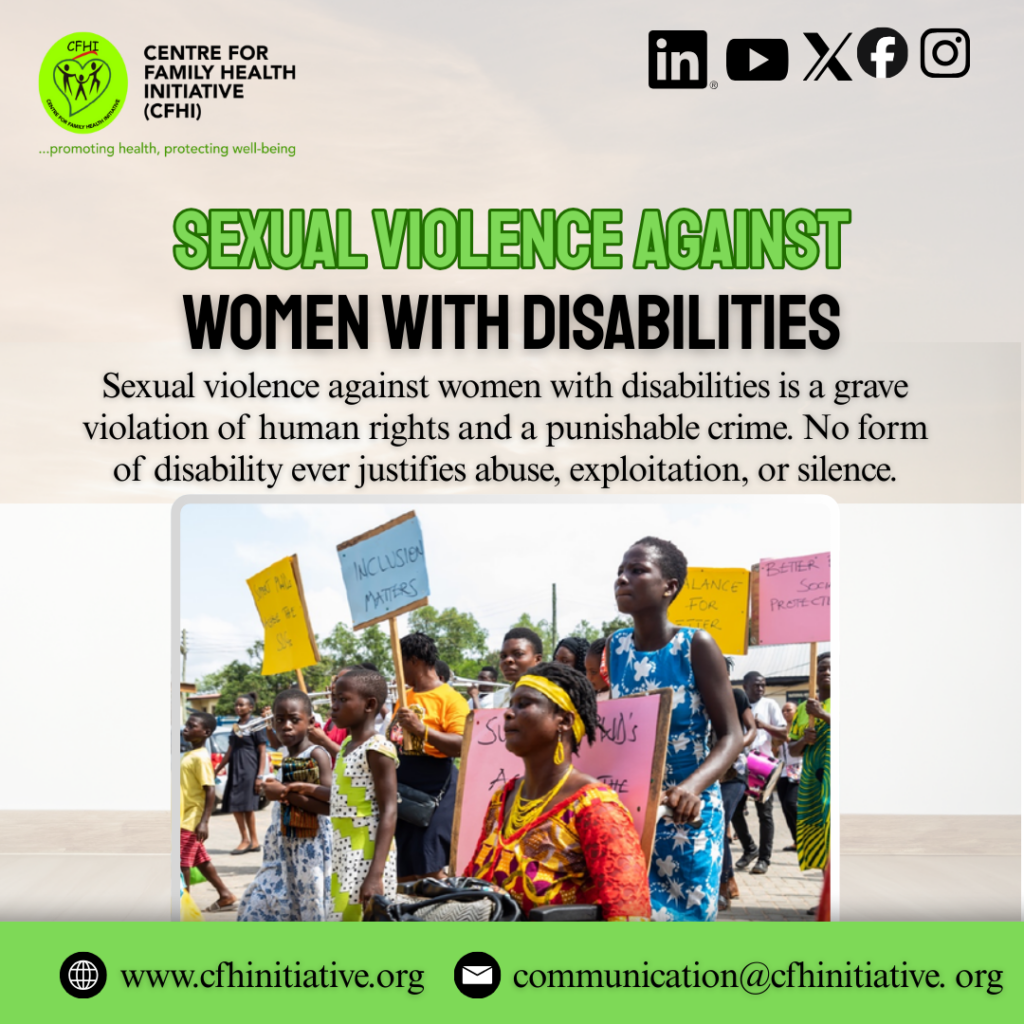
Sexual violence against women with disabilities is a deeply troubling yet often overlooked dimension of gender-based violence that intersects with ableism, discrimination, and social neglect. Evidence shows that women with disabilities face a significantly higher risk of sexual violence compared to women without disabilities, in part because of societal attitudes that devalue their autonomy and normalize their marginalization. Research indicates that women with any form of disability may experience sexual violence at roughly double the rate of women without disabilities over their lifetimes, with heightened vulnerability among those with multiple or cognitive disabilities [1]. In some settings, women with disabilities are disproportionately likely to be victims of rape and other forms of coerced sexual contact, underscoring the urgent need to recognize their specific risks and experiences as part of broader violence prevention efforts [2].

The vulnerability of women with disabilities to sexual violence is driven by multiple factors including dependency on caregivers or partners for daily needs, limited mobility or communication barriers, and pervasive myths that deny their sexual agency and rights. These conditions not only increase exposure to abuse but also make it harder for survivors to report violence or access support services due to fear, shame, or lack of accessible reporting mechanisms. Global research highlights that women with disabilities are more likely to face not only sexual violence but also emotional and physical abuse, with long-term impacts on physical and mental health, autonomy, and quality of life [3]. The Office of the United Nations High Commissioner for Human Rights has repeatedly called attention to the disproportionate risk of violence faced by women with disabilities and the necessity for better data, inclusive services, and tailored policies to protect their rights [4].

In Nigeria, too, gender-based violence is addressed under laws such as the Violence Against Persons (Prohibition) Act 2015, which aims to eliminate all forms of violence against individuals, including sexual violence. While such legal frameworks exist, enforcement, awareness, and protection for women with disabilities remain inconsistent, with many survivors still falling through gaps in reporting, healthcare, and justice systems [5]. It is therefore critical for policymakers, health systems, community leaders, and service providers to mainstream disability-inclusive approaches that recognize the intersecting vulnerabilities that these women face.

At the Centre for Family Health Initiative (CFHI), addressing violence against women especially among vulnerable populations like women with disabilities is integral to our community health work. CFHI integrates gender-based violence awareness and response into school and community engagements, ensuring that information on rights, reporting pathways, and support services reaches diverse audiences. Through partnerships with health facilities, community leaders, and referral networks, CFHI also supports safe and confidential reporting channels, linking survivors to medical care, psychosocial support, and legal aid where available. By advocating for inclusive prevention strategies and survivor-centred responses, CFHI reinforces that violence against women with disabilities is not inevitable it is preventable and must be confronted collectively.

Ending violence against women with disabilities requires an intersectional approach that dismantles harmful social norms, strengthens legal protections, and ensures that services are accessible and responsive to the unique needs of survivors. Education and awareness campaigns must challenge myths about disability and sexuality, while community-level prevention programmes should promote respect, consent, and equality for all women regardless of ability. Health workers, educators, and law enforcement must be trained to recognise and respond to sexual violence sensitively and without bias. Importantly, women with disabilities themselves should be engaged as leaders in advocating for change, ensuring that policies and interventions are shaped by their lived experiences.

The fight against sexual violence is not only a matter of law or policy it is a moral imperative rooted in human rights, dignity, and justice. As communities, governments, and organisations, we must commit to creating environments where vulnerable women anf girls can live free from the threat of violence, access support without barriers, and assert their rights with confidence and respect.


References

  1. Centers for Disease Control and Prevention. Sexual Violence and Intimate Partner Violence Among People with Disabilities. Available from: https://www.cdc.gov/sexual-violence/about/sexual-violence-and-intimate-partner-violence-among-people-with-disabilities.html (CDC)
  2. Z. C. et al. Sexual Violence Against Women With Disabilities: Experiences With Force and Lifetime Risk. American Journal of Preventive Medicine (lifetime risk higher among women with disabilities). (Reddit)
  3. Health and Socioeconomic Determinants of Abuse among Women with Disabilities. International Journal of Environmental Research and Public Health (higher prevalence and lower escape rates). (MDPI)
  4. World Health Organization. WHO calls for greater attention to violence against women with disabilities and older women. WHO. (World Health Organization)
  5. Violence Against Persons (Prohibition) Act 2015 (Nigeria). Available from: https://en.wikipedia.org/wiki/Violence_Against_Persons_%28Prohibition%29_Act_2015 (en.wikipedia.org

Sexual Violence Against Women with Disabilities Read More »

Cervical Cancer: What Every Woman Should Know

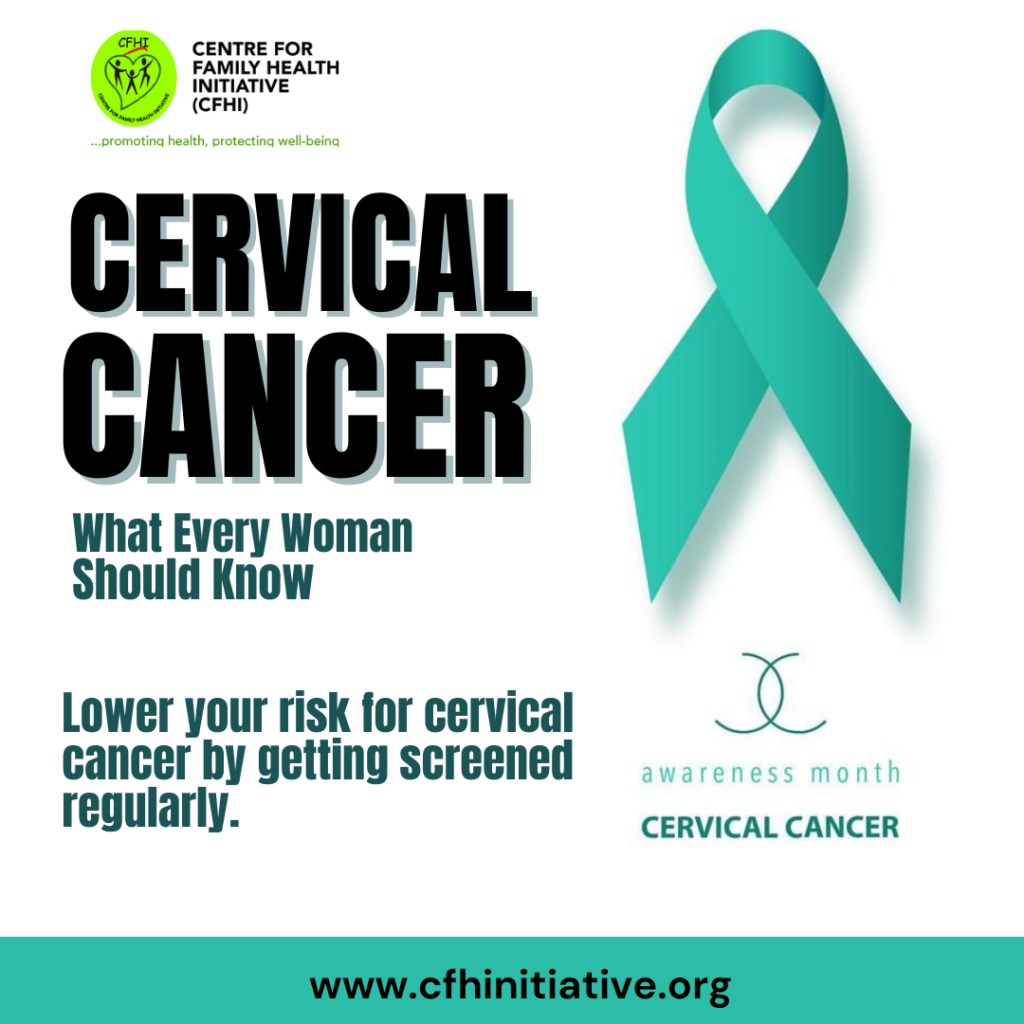
Cervical cancer remains a significant public health concern for women both globally and in Nigeria, yet it is largely preventable and treatable when detected early. Understanding its causes, risk factors, prevention strategies, and interventions is critical for improving women’s health outcomes. Cervical cancer develops in the cervix, the lower part of the uterus that connects to the vagina and is one of the most common cancers affecting women worldwide. In 2022, an estimated 660,000 new cervical cancer cases were reported globally, with about 350,000 deaths attributed to the disease, largely in low- and middle-income countries due to disparities in prevention and care access [1].

Almost all cervical cancers, over 99%, are caused by persistent infection with high-risk types of Human Papillomavirus (HPV), a sexually transmitted virus. While most HPV infections are naturally cleared by the immune system, persistent infection with oncogenic HPV types, particularly HPV 16 and 18, can lead to abnormal cell changes and eventual cancer over many years if not identified and treated [2]. Beyond HPV infection, several factors increase the risk of cervical cancer in women. HIV infection and weakened immunity accelerate cancer progression [1]. Smoking impairs immune response and promotes cellular changes [3]. Early onset of sexual activity, multiple sexual partners, and long-term use of certain hormonal contraceptives also contribute to heightened risk [4].

Cervical cancer is highly preventable and much more treatable when detected early. HPV vaccination, administered to girls typically aged 9 to 14, is highly effective at preventing infections that cause most cervical cancers [1]. Regular screening through Pap smears or HPV tests allows for the detection of precancerous changes before they progress to cancer, significantly improving treatment outcomes [2]. Despite these preventive measures, in Nigeria, cervical cancer remains the second most frequent cancer among women and a leading cause of cancer-related death [5]. Awareness and screening uptake are low, particularly in rural areas, due to financial barriers, limited access to screening facilities, and insufficient information about prevention [6].

To further reduce the burden of cervical cancer, it is essential to scale up HPV vaccination campaigns targeting adolescent girls before exposure to the virus, expand the availability and affordability of cervical cancer screening at primary healthcare levels, and strengthen health education to promote understanding of cervical health through sustained community engagement. Addressing gender and social barriers that limit women’s access to preventive care is also critical. Cervical cancer should not be a life sentence. With knowledge, preventive action, and supportive community health services, every woman can protect her health and future.

References

  1. World Health Organization. Human papillomavirus (HPV) and cervical cancer fact sheet. Dec 2025. Available from: https://www.who.int/news-room/fact-sheets/detail/human-papillomavirus-%28hpv%29-and-cervical-cancer
  2. World Health Organization. Cervical cancer prevention, diagnosis, and screening overview. Available from: https://www.who.int/cancer/prevention/diagnosis-screening/cervical-cancer/en/
  3. Centers for Disease Control and Prevention. Cervical Cancer Risk Factors. Available from: https://www.cdc.gov/cervical-cancer/risk-factors/index.html
  4. National Cancer Institute. Cervical Cancer Causes, Risk Factors, and Prevention. Available from: https://www.cancer.gov/types/cervical/causes-risk-prevention
  5. World Health Organization Regional Office for Africa. Cervical cancer early detection saves lives (Nigeria). Available from: https://www.afro.who.int/countries/nigeria/news/cervical-cancer-early-detection-saves-lives
  6. The Guardian (Nigeria). Screening, awareness gaps slow cervical cancer elimination. Available from: https://guardian.ng/features/health/screening-awareness-gaps-slow-cervical-cancer-elimination/


Cervical Cancer: What Every Woman Should Know Read More »

When Healthcare Costs Become a Form of Bias

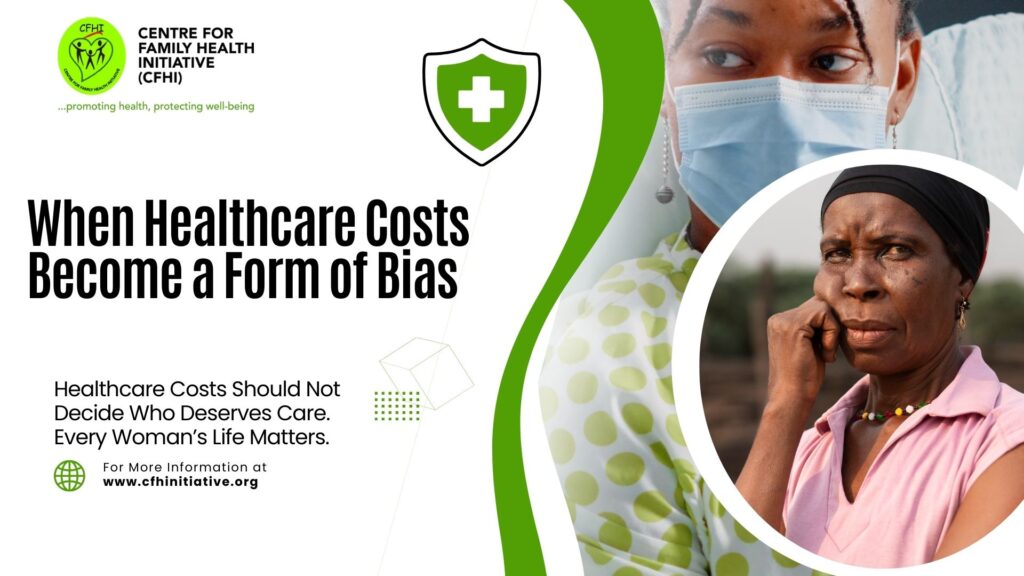
When healthcare costs rise beyond the reach of ordinary people, they silently become a form of bias one that decides who lives, who suffers, and who is forced to endure preventable pain. In Nigeria today, access to quality healthcare is increasingly determined not by need, but by ability to pay. For millions of women and girls, especially in low-income and underserved communities, the cost of care has become a cruel barrier that denies them their most basic right: the right to health. This hidden injustice affects lives, futures, and communities.

The impact of this bias is devastating. Pregnant women delay antenatal care because consultation fees are unaffordable, adolescent girls are denied reproductive health services, and survivors of gender-based violence cannot access timely medical attention due to cost. These barriers fuel inequality, worsen health outcomes, and perpetuate cycles of suffering. When healthcare becomes a privilege instead of a right, women and girls bear the heaviest burden, trapped in a system that marginalizes them and ignores their dignity.

The financial strain of out-of-pocket spending is crushing. Families are forced to choose between food, education, and medical care, often at the expense of women and girls. This reality exposes a health system that has failed to protect those most vulnerable, leaving them at risk of illness, neglect, and further gender-based harm. A functional, responsive healthcare system should uplift women and girls, not push them into vulnerability. Every woman and girl deserve care, respect, and protection regardless of income.

The Nigerian government must act decisively. Investing in maternal, reproductive, and gender-sensitive health services, strengthening primary healthcare, implementing effective insurance schemes, and ensuring accountability at every level are not optional, they are urgent obligations. Health must be treated as a national priority, because no society can prosper while its women and girls remain unwell, unprotected, and underserved. A fair and just society is one where access to healthcare is based on need, not income. Ending cost-driven bias in healthcare requires collective action from policymakers prioritizing women’s health financing, to institutions delivering quality care, to communities demanding equitable systems.

The call to action is clear: the government, stakeholders, and citizens must commit to ensuring healthcare is affordable, accessible, and equitable for all. Healthcare should heal, protect, and empower women and girls, and not discriminate against them. Until costs no longer determine who can access care, gender-based bias will continue to persist quietly, unfairly, and at an unacceptable human cost.

Speak Wednesday is an initiative of CFHI to address issues around gender-base violence and gender-bias.

When Healthcare Costs Become a Form of Bias Read More »

Ensuring Health Services Reach Everyone


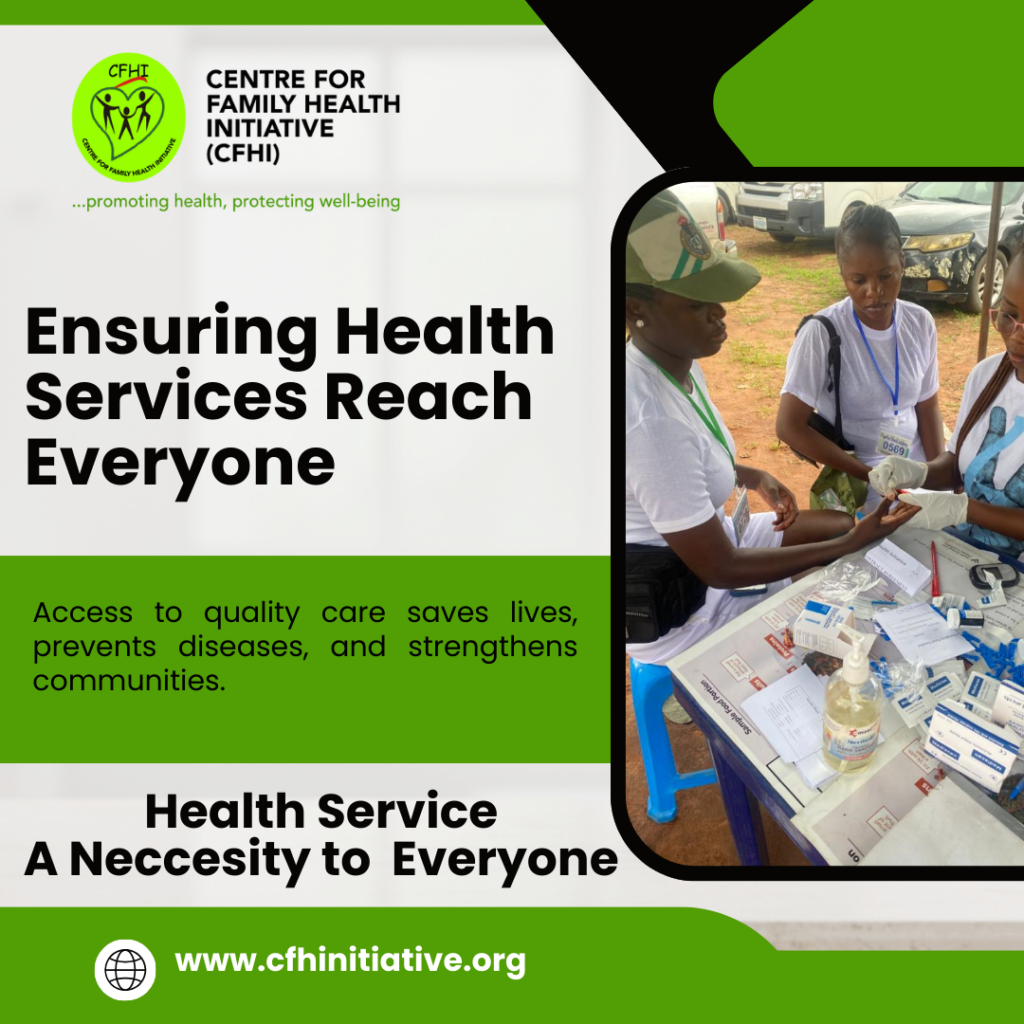
Ensuring that health services reach everyone remains one of the world’s most urgent development challenges, especially as global progress toward Universal Health Coverage (UHC) continues to slow. Worldwide, more than 4.6 billion people still lack access to essential health services, leaving millions at risk of preventable illness and financial hardship [1]. Although the global service coverage index has risen from the mid-50s in 2000 to around 71 in 2023, the gains remain uneven and fragile [2]. In Nigeria, persistent gaps in primary healthcare, maternal and newborn services, limited staffing, shortages of essential supplies and unreliable electricity continue to restrict access for many communities, particularly in rural and underserved areas [3,4].

Electricity is one of the most basic requirements for safe and functional health care. In many low-resource settings, including parts of Nigeria, frequent power interruptions limit the ability of facilities to conduct safe night-time deliveries, sterilize equipment, store vaccines, or run lifesaving laboratory tests. Evidence shows that roughly one-third to two-fifths of Nigeria’s primary health care centres still lack stable electricity, forcing some to rely on kerosene lamps, phone flashlights or fuel-powered generators that often fail when needed most [5,6]. Without reliable light and power, both mothers and newborns face heightened risks, and health workers struggle to provide the standard of care for which they are trained.

These structural challenges contribute to persistent health inequalities. Nigeria retains one of the highest maternal mortality ratios globally, despite substantial global declines since the early 2000s [2,7]. Skilled birth attendance an essential determinant of maternal and newborn survival has improved in some regions but still varies widely across northern states, where many young women remain unable to access skilled care at birth [4]. Preventive services such as immunisation have also fluctuated, with pandemic-related disruptions causing setbacks. Although recovery efforts are ongoing, routine immunisation coverage remains below global and regional benchmarks, leaving children in remote communities at disproportionate risk [3,8].

Nonetheless, evidence from recent interventions demonstrates that targeted, practical investments can quickly strengthen essential health services. Solar electrification of primary health care facilities, particularly through durable systems designed for maternal and emergency care, has been shown to improve night-time service delivery, stabilize cold-chain systems and increase overall service availability [6,9]. When paired with training and continuous supervision, such interventions support proper equipment use, routine maintenance and long-term sustainability an approach consistently endorsed by global health experts and backed by facility-level assessments [7]. Furthermore, integrating community engagement, leadership participation and strong referral mechanisms encourages service uptake and strengthens public trust.

To accelerate progress, policymakers, donors, and community leaders must prioritize primary healthcare revitalization, commit to electrifying facilities, invest in continuous staff training, and support service delivery models proven to work. Ensuring that health services reach everyone is both achievable and urgent. With collective action, equitable investment and strengthened partnerships, Nigeria can move closer to a future where every individual regardless of geography or socioeconomic status receives the essential care needed to live a healthy and dignified life.


References

  1. World Health Organization. Universal health coverage (UHC) fact sheet. 2024 [cited 2025 Dec 12]. Available from: https://www.who.int/news-room/fact-sheets/detail/universal-health-coverage-%28uhc%29
  2. World Bank. Tracking Universal Health Coverage — 2025 Global Monitoring Report. 2025 [cited 2025 Dec 12]. Available from: https://www.worldbank.org/en/topic/universalhealthcoverage/publication/2025-global-monitoring-report-gmr
  3. WHO. Nigeria Country Health Profile — Health System Performance, Immunisation & Primary Care Indicators. 2024 [cited 2025 Dec 12]. Available from: https://www.who.int/countries/nga
  4. Afape AO, et al. Prevalence and determinants of skilled birth attendance among young women in Northern Nigeria. 2024 [cited 2025 Dec 12]. Available from: https://www.ncbi.nlm.nih.gov/pmc/articles/PMC11389318/
  5. World Health Organization. Electricity in health-care facilities. 2023 [cited 2025 Dec 12]. Available from: https://www.who.int/news-room/fact-sheets/detail/electricity-in-health-care-facilities
  6. Sustainable Energy for All. Powering primary healthcare in Nigeria. 2024 [cited 2025 Dec 12]. Available from: https://www.seforall.org
  7. World Bank. Maternal mortality ratio — Nigeria. 2024 [cited 2025 Dec 12]. Available from: https://data.worldbank.org/indicator/SH.STA.MMRT?locations=NG
  8. UNICEF. Immunisation data and analysis. 2024 [cited 2025 Dec 12]. Available from: https://data.unicef.org/topic/child-health/immunization/
  9. Nigeria Health Watch. Solar power solutions for primary healthcare centres. 2024 [cited 2025 Dec 12]. Available from: https://articles.nigeriahealthwatch.com/a-solar-power-project-is-keeping-primary-healthcare-centres-running-in-abuja/


Ensuring Health Services Reach Everyone Read More »

Supporting Survivors Beyond the Statistics: A Call to Action This 16 Days of Activism

Each year, the 16 Days of Activism Against Gender-Based Violence reminds the world that violence against women and girls is not just a crisis it is a daily reality for millions [1]. Reports, data sheets, and global indicators help us understand the magnitude, but behind every statistic is a living, breathing person whose life has been altered by harm. This year, as we observe the campaign, it is crucial that we shift our collective attention from the numbers to the humans behind them. True progress lies in supporting survivors beyond the statistics.

Too often, survivors are reduced to percentages “1 in 3,” “1 in 5,” “35% globally” [2]. While these numbers capture attention, they do not capture the emotional, physical, and economic aftermath that survivors carry. They do not speak to the silence, the stigma, the fear of seeking help, or the systemic barriers that make healing harder than the violence itself. Ending gender-based violence requires more than awareness. It demands empathy, survivor-centered systems, and long-term support [3].

Supporting survivors goes far beyond responding to incidents; it means creating environments where they are believed, protected, and empowered to rebuild. It means ensuring access to justice, psychosocial care, healthcare, safe spaces, and economic opportunities [5]. It also means challenging harmful gender norms, dismantling structures that enable violence, and educating communities to recognize and prevent abuse before it happens.

At the Centre for Family Health Initiative (CFHI), this survivor-centered approach is at the heart of our work. Through our gender norms interventions, community dialogues, capacity-building programs, and youth engagement initiatives, CFHI champions the rights, dignity, and well-being of women, girls, and all survivors. From preventive education to psychosocial support and referral services, we ensure that survivors are not lost in the numbers but seen, heard, and supported through their healing journey.

But CFHI cannot do this alone. Ending violence is a collective responsibility; As we mark this year’s 16 Days of Activism, we call on, communities to break the culture of silence and create safe spaces for survivors, institutions to strengthen reporting systems, legal protections, and survivor-friendly services. Parents and caregivers to model respect and equality within their homes, young people to speak up against online and offline violence and promote positive gender norms. Government and policymakers to invest in prevention, strengthen accountability, and fund survivor services, you, reading this, to challenge harmful behaviours, support survivors around you, and become an advocate for a violence-free world.

Survivors are not statisticsthey are individuals deserving of dignity, justice, and healing. As we stand together during the 16 Days of Activism, let us commit to building a society that supports survivors not just in reports but in real life, every day [4].

CFHI remains steadfast in its mission: promoting health, protection, and empowerment for all. Together, we can end violence one voice, one action, and one survivor supported at a time.


References

[1] UN Women. (2024). Ending Violence Against Women: Facts & Figures.
https://www.unwomen.org/en/what-we-do/ending-violence-against-women/facts-and-figures

[2] World Health Organization. (2021). Violence Against Women Prevalence Estimates 2018.
https://www.who.int/publications/i/item/9789240022256

[3] UN Women. 16 Days of Activism Against Gender-Based Violence Campaign.
https://www.unwomen.org/en/what-we-do/ending-violence-against-women/take-action/16-days-of-activism

[4] United Nations. (2024). International Day for the Elimination of Violence Against Women  Background.
https://www.un.org/en/observances/ending-violence-against-women-day

[5] UNFPA. (2023). Gender-Based Violence: Global Overview and Response Strategies.
https://www.unfpa.org/gender-based-violence


Supporting Survivors Beyond the Statistics: A Call to Action This 16 Days of Activism Read More »

Protecting Our Children from Common Illnesses

Children remain highly vulnerable to common illnesses, and preventing these diseases is essential to safeguarding their growth and wellbeing. In Nigeria, infections such as diarrhea, malaria, and acute respiratory infections continue to be among the leading causes of sickness and death in children under five, despite being largely preventable. Evidence shows that environmental and structural factors contribute significantly to this burden. Research highlights that improved water, sanitation, and hygiene (WASH) are strongly associated with reduced childhood diarrhea and respiratory infections (1). Additionally, findings from Nigeria’s Demographic and Health Surveys indicate that poor housing conditions including overcrowding and inadequate ventilation are major predictors of child illness across the country (2).

The impact of these illnesses extends far beyond short-term discomfort. Children who frequently experience diarrhea or respiratory infections are at increased risk of stunting, and spatial health research in Nigeria reveals that these conditions often overlap, creating compounded threats to child growth and development (3). Preventable infections such as measles also have long-term consequences on immunity and overall health in later life, as demonstrated in studies tracking early-life measles exposure (6). Even though effective vaccines exist, childhood immunization coverage remains suboptimal in many regions, prompting the introduction of innovative solutions such as artificial intelligence systems to increase vaccine uptake (5). Reliable hospital data further confirm that pneumonia, malaria, and diarrheal diseases remain major contributors to child mortality in Nigerian healthcare settings (4). Alongside medical treatment, community-based interventions such as hygiene promotion, nutrition counselling, and timely referral are essential to reducing morbidity. Globally, standardized caregiver resources like UNICEF’s “Facts for Life” continue to guide families on preventing and responding to common childhood illnesses (7).

The Centre for Family Health Initiative (CFHI) plays a critical role in reducing the burden of childhood illnesses through targeted community programs. CFHI supports maternal, newborn, and child health activities, including MNCH weeks where children receive essential interventions such as vaccinations, deworming, vitamin A supplementation, growth monitoring, and malnutrition screening (8). The organization also drives WASH improvements aimed at reducing disease spread and implements extensive community health education on hygiene, sanitation, immunization, and early care-seeking. Through capacity-building efforts, CFHI strengthens the skills of health workers and volunteers to deliver quality child health services (9). CFHI’s approach is evidence-based and community-centered, ensuring that interventions respond to local needs and contribute meaningfully to child survival and development.

Protecting children from preventable illnesses requires collective responsibility. Caregivers should ensure full vaccination, practice proper handwashing, maintain clean household environments, and seek medical care early when their children show signs of illness. Community members must actively share health information and support local awareness programs. Policy and government actors should invest in clean water systems, sanitation infrastructure, and housing improvements to create healthier environments for children. Finally, individuals and organizations can strengthen CFHI’s efforts by volunteering, partnering, or supporting programs that promote child health. Together, these actions can secure a safer, healthier future for every child.


References

  1. Oyebanji TO, Chandra-Mouli V. Burden of Common Childhood Diseases in Relation to Improved Water, Sanitation, and Hygiene (WASH) among Nigerian Children. PubMed [Internet]. 2018 [cited 2025 Nov 23]. Available from: https://pubmed.ncbi.nlm.nih.gov/29895758/
  2. Olusanya BO, Odeyemi OA, Abimbola S, Adebowale SA. Housing conditions as predictors of common childhood illness: Evidence from Nigeria Demographic and Health Surveys, 2008–2018. PubMed [Internet]. 2021 [cited 2025 Nov 23]. Available from: https://pubmed.ncbi.nlm.nih.gov/33476186/
  3. Gai T, Cunningham E, Chukwuogo O, et al. Spatial Co-Morbidity of Childhood Acute Respiratory Infection, Diarrhoea and Stunting in Nigeria. PubMed [Internet]. 2022 [cited 2025 Nov 23]. Available from: https://pubmed.ncbi.nlm.nih.gov/35162859/
  4. van den Berg GJ, von Hinke S, Vitt N. Early life exposure to measles and later-life outcomes: Evidence from the introduction of a vaccine. arXiv [Internet]. 2023 [cited 2025 Nov 23]. Available from: https://arxiv.org/abs/2301.10558
  5. Kehinde O, Abdul R, Afolabi B, et al. Deploying ADVISER: Impact and Lessons from Using Artificial Intelligence for Child Vaccination Uptake in Nigeria. arXiv [Internet]. 2023 [cited 2025 Nov 23]. Available from: https://arxiv.org/abs/2402.00017
  6. Morbidity and Mortality Pattern of Childhood Illnesses Seen at the Children Emergency Unit of Federal Medical Center, Asaba, Nigeria. AMHSR [Internet]. [cited 2025 Nov 23]. Available from: https://www.amhsr.org/articles/morbidity-and-mortality-pattern-of-childhood-illnesses-seen-at-the-children-emergency-unit-of-federal-medical-center-asaba-nigeria.html
  7. Facts for Life. [Internet]. [cited 2025 Nov 23]. Available from: https://en.wikipedia.org/wiki/Facts_for_Life
  8. Centre for Family Health Initiative. 2020 Annual Report. Abuja: CFHI; 2020. [Internet]. [cited 2025 Nov 23]. Available from: https://www.cfhinitiative.org/wp-content/uploads/2022/10/CFHI_2020-Annual-Report.pdf
  9. Centre for Family Health Initiative. Who We Are. [Internet]. [cited 2025 Nov 23]. Available from: https://www.cfhinitiative.org/who-we-are/

Protecting Our Children from Common Illnesses Read More »

SPEAK WEDNESDAY

“NO Means NO”

Today, the simple word “No” still struggles to carry the weight it deserves. For many young people, especially girls and young women, saying “no” can come with fear, pressure, or misunderstanding. Yet, “no” should be enough. It is a complete sentence one that should be heard, respected, and never questioned. As we continue to raise awareness around gender equality and safety, understanding the true meaning of consent and personal boundaries becomes essential for building a healthy society.

Consent is more than just permission; it is about respect, autonomy, and communication. It means that every person has the right to decide what happens to their body, their time, and their emotions. Consent must be freely given, not forced, tricked, or coerced. It cannot be assumed from silence or past behaviour, and it can be withdrawn at any time. In relationships, friendships, or social settings, learning to respect a person’s “no” whether spoken or unspoken reflects maturity and integrity.

Unfortunately, the statistics around consent violations remain alarming. According to the World Health Organization (WHO), nearly one in three women globally has experienced physical or sexual violence in her lifetime, most often at the hands of an intimate partner 1. In Nigeria, the National Bureau of Statistics (NBS) reports that many incidents of sexual or domestic violence are never reported, often due to fear of stigma, shame, or disbelief 2. These figures highlight how deeply ingrained gender norms and societal silence can make it difficult for survivors to speak out and for young people to learn what healthy respect truly looks like.

For young girls, learning to say “no” and knowing that it must be respected is an important part of personal development and self-protection. Saying “no” is valid when faced with peer pressure to engage in sexual activity, when uncomfortable with unwanted touching, or when asked to share private information or photos online. “No” is equally powerful in social and emotional spaces: refusing manipulative statements like “If you love me, you’ll do it,” or declining invitations that compromise one’s comfort or safety. Every young person must understand that their voice matters, and their boundaries define who they are.

Equally important is educating boys and young men about consent, empathy, and accountability. True respect means not only hearing “no” but also actively seeking a clear and enthusiastic “yes.” It means understanding that real strength lies in restraint, understanding, and kindness not in control or pressure. When communities, schools, and families foster open conversations about respect and consent, they equip young people with the values needed to build relationships rooted in trust and equality.

Through our gender norms interventions, CFHI empowers young people with knowledge and confidence to challenge and transform harmful gender norms (especially those that disadvantage women and girls) while protecting respect, equality and fairness. Each adolescent club activity, school campaign, and community outreach brings us closer to a society where consent is understood, respected, and upheld where “NO” truly means “NO.

Speak Wednesday is an initiative of CFHI to address issues around gender-base violence and gender-bias.


References

  1. World Health Organization. Violence Against Women: Key Facts. WHO, 2023. Available from: https://www.who.int/news-room/fact-sheets/detail/violence-against-women
  2. National Bureau of Statistics. National Survey on Domestic and Sexual Violence in Nigeria. Abuja: NBS; 2022. Available from: https://nigerianstat.gov.ng/elibrary/read/1241055


SPEAK WEDNESDAY Read More »

SPEAK WEDNESDAY ON ADDRESSING GENDER-BASED VIOLENCE: A HEALTH IMPERATIVE

Gender-Based Violence (GBV) is not merely a social injustice; it is a profound public health crisis that demands immediate and sustained attention. According to the World Health Organization (WHO), nearly 1 in 3 women worldwide have been subjected to physical and/or sexual violence by an intimate partner or non-partner sexual violence, or both.

The Health Consequences of GBV

The repercussions of GBV extend far beyond immediate physical injuries. Survivors often face long-term health issues, including chronic pain, gastrointestinal disorders, and sexually transmitted infections. Mental health is also severely impacted, with increased risks of depression, anxiety, post-traumatic stress disorder, and suicidal tendencies. WHO emphasizes that GBV has significant and long-lasting impacts on physical and mental health, including injury, unintended pregnancy, pregnancy complications, sexually transmitted infections, HIV, depression, post-traumatic stress disorder, and even death.

GBV as a Barrier to Gender Equality

GBV perpetuates gender inequalities, hindering women’s and girls’ access to education, economic opportunities, and political participation. It reinforces societal norms that devalue females, creating an environment where discrimination and violence are tolerated.

The Role of the Health Sector

Healthcare providers are often the first point of contact for survivors. Therefore, the health sector plays a crucial role in identifying and supporting victims. This includes providing medical care, psychological support, and referrals to legal and social services. Training healthcare workers to recognize signs of abuse and respond appropriately is essential.

Policy and Legal Frameworks

Furthermore, robust legal frameworks are vital in combating GBV. Nigeria’s Violence Against Persons Prohibition (VAPP) Act is a step in the right direction, but effective implementation and enforcement are critical. Policies must be backed by adequate resources and political will to ensure survivors receive justice and perpetrators are held accountable.

Conclusion

GBV is a multifaceted issue that demands a comprehensive response. Recognizing it as a health imperative underscores the urgency of coordinated action across sectors. Community leaders, educators, and religious institutions must be involved in challenging harmful gender norms and promoting respectful relationships. Educational programs that focus on gender equality and non-violent conflict resolution can foster a culture of respect and safety.

By prioritizing survivor-centred care, engaging communities, and strengthening legal systems, we can move towards a society where women and girls live free from violence and discrimination.

Speak Wednesday is an initiative of CFHI to address issues around gender-based violence and gender bias.

#SpeakWednesday #GBV #GenderBasedViolence #EndGBV #ViolenceAgainstWomen #DomesticViolence #EqualityForAll #GenderEquality #GenderBias


References:

  1. World Health Organization. “Violence against women.” WHO
  2. World Health Organization. “Gender-based violence is a public health issue.” WHO
  3. World Health Organization. “Strengthening health sector response to violence against women.” WHO
  4. International IDEA. “Funding and Oversight for VAPP Implementation.” International IDEA

SPEAK WEDNESDAY ON ADDRESSING GENDER-BASED VIOLENCE: A HEALTH IMPERATIVE Read More »