Hygiene

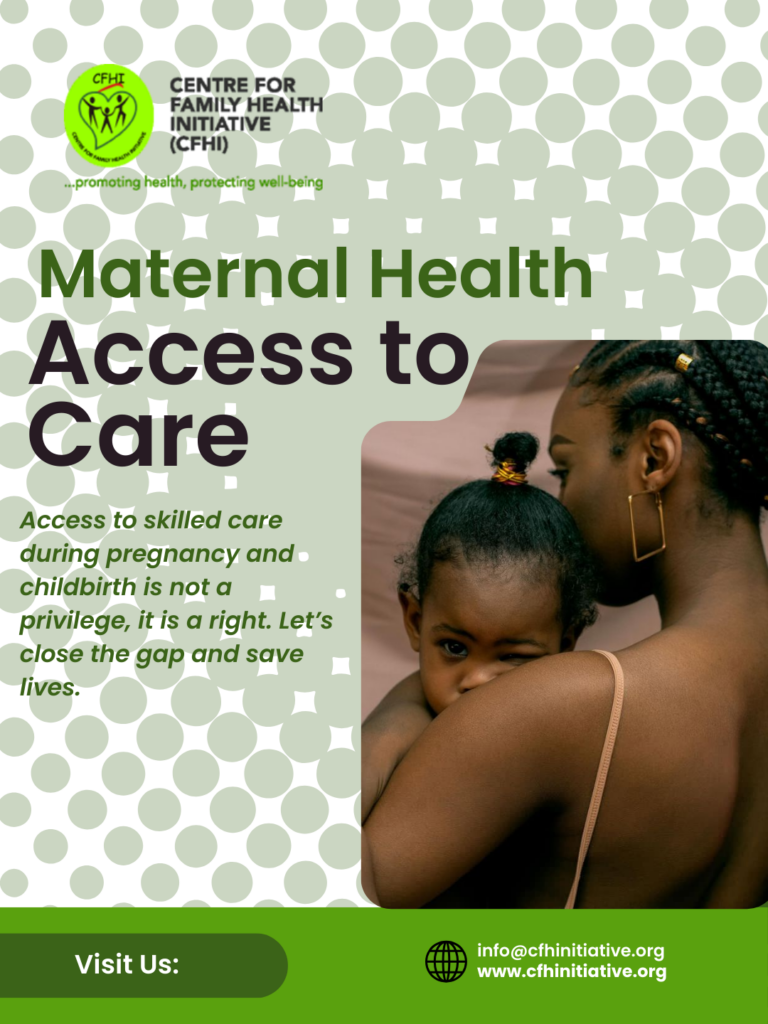
Maternal Health – Access to Care

Nigeria’s maternal health landscape continues to reveal stark inequalities that jeopardize the lives of women and newborns, particularly in underserved states like Adamawa and Zamfara. Despite global and national efforts to improve maternal survival, access to essential care remains limited for millions of women across the country. Research shows that utilisation of maternal healthcare services including antenatal care, skilled delivery, and postnatal care is persistently low, with only about 52% of women attending at least four antenatal visits, 38% delivering in health facilities, and about 37% receiving postnatal care. These gaps contribute directly to preventable complications and deaths during pregnancy and childbirth. ¹

According to the 2024 Nigeria Demographic and Health Survey (NDHS), while antenatal care coverage has improved to 63%, only 46% of births are attended by skilled health personnel, leaving more than half of Nigerian mothers vulnerable during their most critical hour.² The stakes are staggering; a woman in Nigeria faces a 1 in 19 lifetime risk of dying during pregnancy or childbirth, compared to 1 in 4,900 in high-income countries.³ Despite these daunting statistics, recent government reports from the 2025 Joint Annual Review indicate a 17% reduction in maternal deaths across high-burden areas, driven largely by initiatives like the Maternal and Neonatal Mortality Reduction Innovation Initiative (MAMII), which facilitated over 4,000 free Cesarean sections and revitalized 435 health facilities within one year.⁴

At the heart of this changing landscape is the work of the Centre for Family Health Initiative (CFHI) through the BIRTH Project (Building Innovative Responses to Transform Healthcare), currently being implemented in Adamawa State and Zamfara State. In these regions, where geographical, financial, and systemic barriers often stand between a mother and survival, CFHI’s interventions are providing practical and life-saving solutions to improve access to skilled maternal care.

In Adamawa State, CFHI strengthened the Rumde Primary Health Care Centre in Yola North by installing a solar-powered birth suitcase, ensuring uninterrupted delivery services even in the absence of stable electricity. The intervention has become the primary source of light during childbirth in the facility, enabling safe deliveries at all hours. Beyond the health facility, the project promotes maternal wellbeing through community-led nutrition demonstrations aimed at preventing maternal anemia, a condition responsible for a significant proportion of pregnancy-related complications worldwide³.

In Zamfara State, where facility-based delivery rates have historically been low, similar solar-powered birth kits were installed at facilities such as Shagari Primary Health Centre, improving nighttime emergency response and increasing community confidence in the health system. However, the BIRTH Project goes beyond the provision of equipment. It directly addresses the five delays identified under the Maternal and Neonatal Mortality Reduction Innovation Initiative (MAMII).

The consequences of poor access are not only clinical but social and economic. Women who cannot reach care in time often resort to unskilled birth attendants or home deliveries, increasing the likelihood of complications and long-term disability. National analyses show that financial constraints, distance to facilities, and perceived poor quality of care are major determinants of home births, even among women who attend antenatal care. ⁶ Beyond these structural issues, cultural norms and limited decision-making autonomy further restrict women’s ability to seek timely and appropriate maternal healthcare.

To transform maternal health outcomes in Nigeria with Adamawa and Zamfara as case studies sustained investment is required in strengthening primary healthcare systems, expanding referral networks, improving emergency transport, and increasing the availability of skilled health workers trained in emergency obstetric and newborn care. Governments, donors, and civil society must work together to remove financial barriers, improve transportation systems, and empower women socially and economically so that no woman is forced to choose between distance and survival.

CFHI’s ongoing MNCH interventions demonstrate that progress is possible when communities are engaged, health systems are supported, and maternal care is prioritized. The task ahead is to scale these efforts with urgency, political commitment, and adequate funding to ensure that every pregnancy is safe, and every mother survives childbirth.

Monday Health Burst is an initiative of CFHI to address issues of basic health concern. Join us every Monday on all our social media platforms for more episodes.


References

  1. National Library of Medicine (PMC). Determinants of maternal healthcare service utilization in Nigeria.
    https://www.ncbi.nlm.nih.gov/pmc/articles/PMC
  2. National Population Commission (NPC) Nigeria and ICF. Nigeria Demographic and Health Survey 2024 (Key Indicators Report).
    https://dhsprogram.com
  3. World Health Organization (WHO). Trends in Maternal Mortality 2000–2023.
    https://www.who.int/publications
  4. Federal Ministry of Health Nigeria. 2025 Joint Annual Review Report & MAMII Initiative Update.
    https://health.gov.ng
  5. National Library of Medicine (PubMed). Barriers to facility-based delivery after antenatal care attendance in Nigeria.
    https://pubmed.ncbi.nlm.nih.gov


Maternal Health – Access to Care Read More »
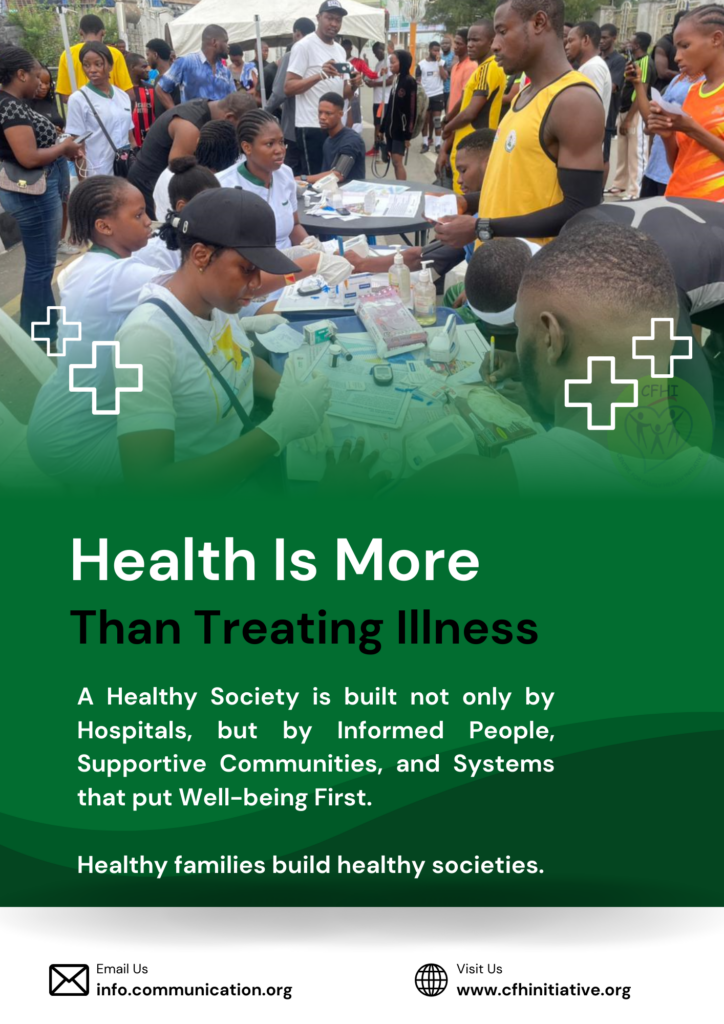
Health Is More Than Treating Illness

Health is often misunderstood as the absence of illness, yet evidence shows that health is far more than treating disease after it occurs. The World Health Organization defines health as a state of complete physical, mental, and social well-being, not merely the absence of disease or infirmity (1). This means that healthcare systems and communities must move beyond reactive treatment and prioritize prevention, education, and supportive environments that enable people to live healthy lives long before they become patients.

Globally, nearly 60% of deaths are linked to preventable causes, including infections, maternal complications, malnutrition, and non-communicable diseases that could be reduced through early awareness, healthy behaviors, and timely care (1). Treating illness alone addresses only the final stage of a much longer health journey. When communities lack access to accurate information, clean water, nutrition, and preventive services, diseases spread faster and outcomes worsen, even when treatment is available.

In Nigeria, the limits of treatment-focused health systems are clearly visible. The country bears a disproportionate burden of preventable conditions, accounting for about 20% of global maternal deaths, many of which are linked to delays in care-seeking, poor nutrition, and lack of antenatal education rather than lack of hospitals alone (2). Similarly, malaria remains endemic, with over 1.9 million reported cases annually, despite the disease being largely preventable through awareness, environmental control, and early testing (3). These figures demonstrate that treatment without prevention is insufficient.

Recent public health emergencies further reinforce this reality. Between 2023 and 2024, Nigeria recorded over 19,000 suspected cholera cases, driven by unsafe water, poor sanitation, and limited hygiene awareness (4). Cholera is not primarily a failure of medicine but a failure of systems that support healthy living. Likewise, outbreaks of measles and other vaccine-preventable diseases continue to occur, largely due to misinformation and low community awareness rather than lack of vaccines (5).

Health also includes mental and social well-being, areas often overlooked in treatment-centered approaches. Studies show that people living in environments marked by poverty, stress, gender inequality, or violence experience poorer health outcomes even when medical care is available (6). Women and girls exposed to harmful practices or denied health information often suffer long-term physical and psychological consequences that treatment alone cannot undo.

Research consistently shows that preventive and promotive health interventions can reduce disease burden by up to 40%, improve service uptake, and lower healthcare costs (1). Community education, early screening, nutrition support, immunization, clean water access, and supportive social structures are as essential to health as hospitals and medicines. Healthy communities are built through informed choices, safe environments, and systems that support well-being at every stage of life.

Call to Action: If health is truly more than treating illness, then governments, health institutions, civil society organizations, and communities must invest in prevention, awareness, and social support systems. Strengthening health education, promoting early screening, improving water and sanitation, addressing gender and social inequalities, and empowering communities with knowledge are critical steps toward sustainable health outcomes. Treating illness saves lives but preventing illness and promoting well-being transforms societies.

References

  1. World Health Organization – Constitution & Health Promotion
    https://www.who.int/about/governance/constitution
    https://www.who.int/teams/health-promotion
  2. WHO Nigeria – Maternal Health Facts
    https://www.who.int/nigeria/health-topics/maternal-health
  3. World Health Organization – Malaria Factsheet
    https://www.who.int/news-room/fact-sheets/detail/malaria
  4. Nigeria Centre for Disease Control – Cholera Updates
    https://ncdc.gov.ng/diseases/cholera
  5. UNICEF Nigeria – Immunization and Disease Prevention
    https://www.unicef.org/nigeria/health
  6. World Health Organization – Social Determinants of Health
    https://www.who.int/health-topics/social-determinants-of-health
  7. PAHO Calls for Increased Surveillance Amid Rising Measles Cases https://www.reuters.com/business/healthcare-pharmaceuticals/paho-calls-increased-surveillance-amid-rising-measles-cases-americas-2026-02-04/ (turn0news26)

Health Is More Than Treating Illness Read More »

Female Genital Mutilation as Gender-Based Violence: A Violation of Girls’ Rights

Female Genital Mutilation (FGM) is a harmful traditional practice and a clear form of gender-based violence that fundamentally violates the human rights of girls and women. The World Health Organization defines FGM as all procedures involving the partial or total removal of the external female genitalia or other injury to female genital organs for non-medical reasons (1). The practice has no health benefits and causes lifelong harm, violating girls’ rights to health, bodily integrity, security, and freedom from cruel, inhuman, or degrading treatment (1).

Globally, more than 230 million girls and women alive today have undergone FGM, spanning at least 30 countries across Africa, the Middle East, and parts of Asia (1). Each year, an estimated 4 million additional girls remain at risk, most of them under the age of 15, highlighting the urgent need for accelerated action (1). These figures reflect not isolated incidents, but a sustained pattern of violence rooted in gender inequality.

FGM persists primarily because of unequal power relations and entrenched social norms that subordinate girls and women. In many communities, the practice is falsely justified as a cultural rite of passage, a prerequisite for marriage, or a means of controlling female sexuality. These beliefs reinforce the notion that girls’ bodies are subject to communal control rather than individual rights, a hallmark of gender-based violence (2).

FGM remains most prevalent in sub-Saharan Africa, with some of the highest rates recorded in Somalia (approximately 99%), Guinea (94.5%), and Djibouti (93%) among women aged 15–49 (3). In Nigeria, an estimated 19.9 million girls and women have undergone FGM, making it one of the countries with the highest absolute number of survivors globally (4). Prevalence varies significantly across regions, with higher rates reported in the South-East and South-West, including states such as Imo, where prevalence exceeds 60% in some communities (4). These statistics underscore how deeply embedded the practice remains at both national and sub-national levels.

As a form of violence, FGM is typically carried out without informed consent, often during childhood, and results in enduring physical, psychological, and social harm. Survivors frequently report anxiety, emotional distress, reduced self-esteem, and loss of bodily autonomy, which can persist throughout adulthood (5). The trauma associated with the experience often affects girls’ confidence, participation in education, and ability to form healthy relationships later in life.

Beyond psychological harm, FGM has serious implications for sexual and reproductive health. It increases the risk of complications during pregnancy and childbirth, contributes to maternal and neonatal morbidity, and places additional strain on already fragile health systems in low-resource settings (1). These consequences further affirm why FGM is recognized globally as both a public health crisis and a human rights violation.

Recognizing its severity, the international community has committed to eliminating FGM under Sustainable Development Goal (SDG) Target 5.3, with a global target year of 2030 (5). Agencies such as the World Health Organization (WHO) and UNICEF have led coordinated efforts focusing on legal reform, community engagement, survivor-centred health services, and prevention strategies that challenge harmful gender norms (6).

At the national level, progress has been uneven. In countries like Somalia, WHO and partners have supported health system reforms, professional training, and community-based interventions to address both FGM and broader gender-based violence (7). In Nigeria, UNICEF has supported community-led abandonment initiatives in high-prevalence states, mobilizing local leaders, families, and youth to protect girls at risk and shift social norms (4).

The impact of FGM on confidence and well-being cannot be overstated. Many survivors live with lasting psychological effects, including post-traumatic stress, fear, and diminished self-worth, which influence education, employment, and social participation (5). These invisible scars are often overlooked, yet they shape the life chances of millions of women and girls.

Ending FGM requires decisive, multi-level action. Governments must strengthen and enforce laws that criminalize the practice. Communities must be supported to challenge harmful norms through dialogue and education. Health systems must provide survivor-centred care, including mental health services. Men and boys must be engaged as allies in promoting gender equality, while robust data systems are needed to monitor progress and guide policy decisions. Only through sustained, coordinated action can FGM be eliminated, and girls’ rights fully protected.

FGM is not culture it is violence. Ending it is not optional; it is an urgent moral, public health, and human rights imperative.

Speak Wednesday is an initiative of CFHI to address issues around gender-base violence and gender-bias.

References

  1. World Health Organization (WHO). Female Genital Mutilation.
    https://www.who.int/health-topics/female-genital-mutilation
  2. WHO Regional Office for Africa. Female Genital Mutilation.
    https://www.afro.who.int/health-topics/female-genital-mutilation
  3. UNICEF. New Statistical Report on Female Genital Mutilation.
    https://www.unicef.org/png/press-releases/new-statistical-report-female-genital-mutilation-shows-harmful-practice-global
  4. UNICEF Nigeria. FGM on the Rise Among Young Nigerian Girls.
    https://www.unicef.org/nigeria/press-releases/unicef-warns-fgm-rise-among-young-nigerian-girls
  5. UNICEF DATA. Female Genital Mutilation Statistics.
    https://data.unicef.org/topic/gender/fgm/
  6. World Health Organization. New Recommendations to End Medicalized FGM.
    https://www.who.int/news/item/28-04-2025-who-issues-new-recommendations-to-end-the-rise-in–medicalized–female-genital-mutilation-and-support-survivors
  7. World Health Organization. Addressing FGM and GBV in Somalia.
    https://www.who.int/about/accountability/results/who-results-report-2020-mtr/country-story/2023/improving-maternal-health-outcomes-by-addressing-female-genital-mutilation-and-gender-based-violence-in-somalia


Female Genital Mutilation as Gender-Based Violence: A Violation of Girls’ Rights Read More »

Sexual Violence Against Women with Disabilities

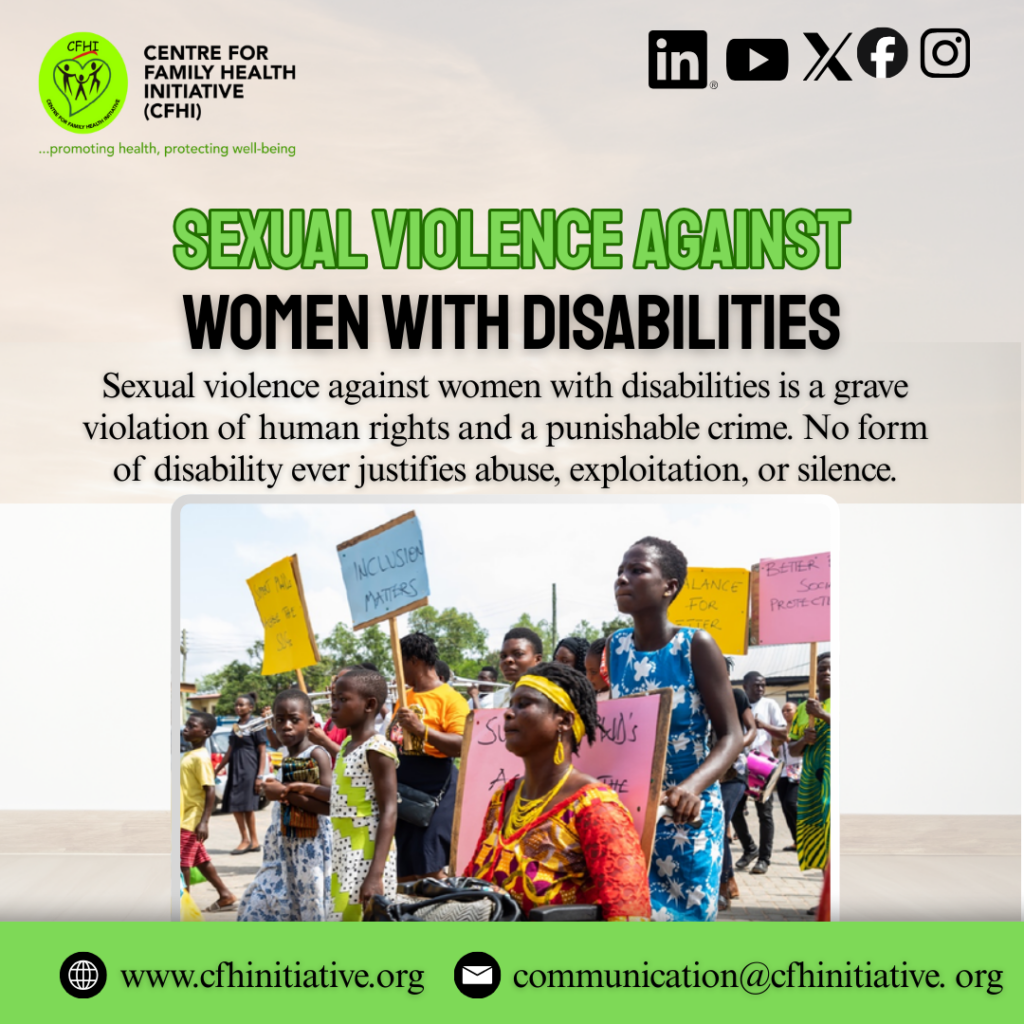
Sexual violence against women with disabilities is a deeply troubling yet often overlooked dimension of gender-based violence that intersects with ableism, discrimination, and social neglect. Evidence shows that women with disabilities face a significantly higher risk of sexual violence compared to women without disabilities, in part because of societal attitudes that devalue their autonomy and normalize their marginalization. Research indicates that women with any form of disability may experience sexual violence at roughly double the rate of women without disabilities over their lifetimes, with heightened vulnerability among those with multiple or cognitive disabilities [1]. In some settings, women with disabilities are disproportionately likely to be victims of rape and other forms of coerced sexual contact, underscoring the urgent need to recognize their specific risks and experiences as part of broader violence prevention efforts [2].

The vulnerability of women with disabilities to sexual violence is driven by multiple factors including dependency on caregivers or partners for daily needs, limited mobility or communication barriers, and pervasive myths that deny their sexual agency and rights. These conditions not only increase exposure to abuse but also make it harder for survivors to report violence or access support services due to fear, shame, or lack of accessible reporting mechanisms. Global research highlights that women with disabilities are more likely to face not only sexual violence but also emotional and physical abuse, with long-term impacts on physical and mental health, autonomy, and quality of life [3]. The Office of the United Nations High Commissioner for Human Rights has repeatedly called attention to the disproportionate risk of violence faced by women with disabilities and the necessity for better data, inclusive services, and tailored policies to protect their rights [4].

In Nigeria, too, gender-based violence is addressed under laws such as the Violence Against Persons (Prohibition) Act 2015, which aims to eliminate all forms of violence against individuals, including sexual violence. While such legal frameworks exist, enforcement, awareness, and protection for women with disabilities remain inconsistent, with many survivors still falling through gaps in reporting, healthcare, and justice systems [5]. It is therefore critical for policymakers, health systems, community leaders, and service providers to mainstream disability-inclusive approaches that recognize the intersecting vulnerabilities that these women face.

At the Centre for Family Health Initiative (CFHI), addressing violence against women especially among vulnerable populations like women with disabilities is integral to our community health work. CFHI integrates gender-based violence awareness and response into school and community engagements, ensuring that information on rights, reporting pathways, and support services reaches diverse audiences. Through partnerships with health facilities, community leaders, and referral networks, CFHI also supports safe and confidential reporting channels, linking survivors to medical care, psychosocial support, and legal aid where available. By advocating for inclusive prevention strategies and survivor-centred responses, CFHI reinforces that violence against women with disabilities is not inevitable it is preventable and must be confronted collectively.

Ending violence against women with disabilities requires an intersectional approach that dismantles harmful social norms, strengthens legal protections, and ensures that services are accessible and responsive to the unique needs of survivors. Education and awareness campaigns must challenge myths about disability and sexuality, while community-level prevention programmes should promote respect, consent, and equality for all women regardless of ability. Health workers, educators, and law enforcement must be trained to recognise and respond to sexual violence sensitively and without bias. Importantly, women with disabilities themselves should be engaged as leaders in advocating for change, ensuring that policies and interventions are shaped by their lived experiences.

The fight against sexual violence is not only a matter of law or policy it is a moral imperative rooted in human rights, dignity, and justice. As communities, governments, and organisations, we must commit to creating environments where vulnerable women anf girls can live free from the threat of violence, access support without barriers, and assert their rights with confidence and respect.


References

  1. Centers for Disease Control and Prevention. Sexual Violence and Intimate Partner Violence Among People with Disabilities. Available from: https://www.cdc.gov/sexual-violence/about/sexual-violence-and-intimate-partner-violence-among-people-with-disabilities.html (CDC)
  2. Z. C. et al. Sexual Violence Against Women With Disabilities: Experiences With Force and Lifetime Risk. American Journal of Preventive Medicine (lifetime risk higher among women with disabilities). (Reddit)
  3. Health and Socioeconomic Determinants of Abuse among Women with Disabilities. International Journal of Environmental Research and Public Health (higher prevalence and lower escape rates). (MDPI)
  4. World Health Organization. WHO calls for greater attention to violence against women with disabilities and older women. WHO. (World Health Organization)
  5. Violence Against Persons (Prohibition) Act 2015 (Nigeria). Available from: https://en.wikipedia.org/wiki/Violence_Against_Persons_%28Prohibition%29_Act_2015 (en.wikipedia.org

Sexual Violence Against Women with Disabilities Read More »

Silent Reproductive Health Struggles

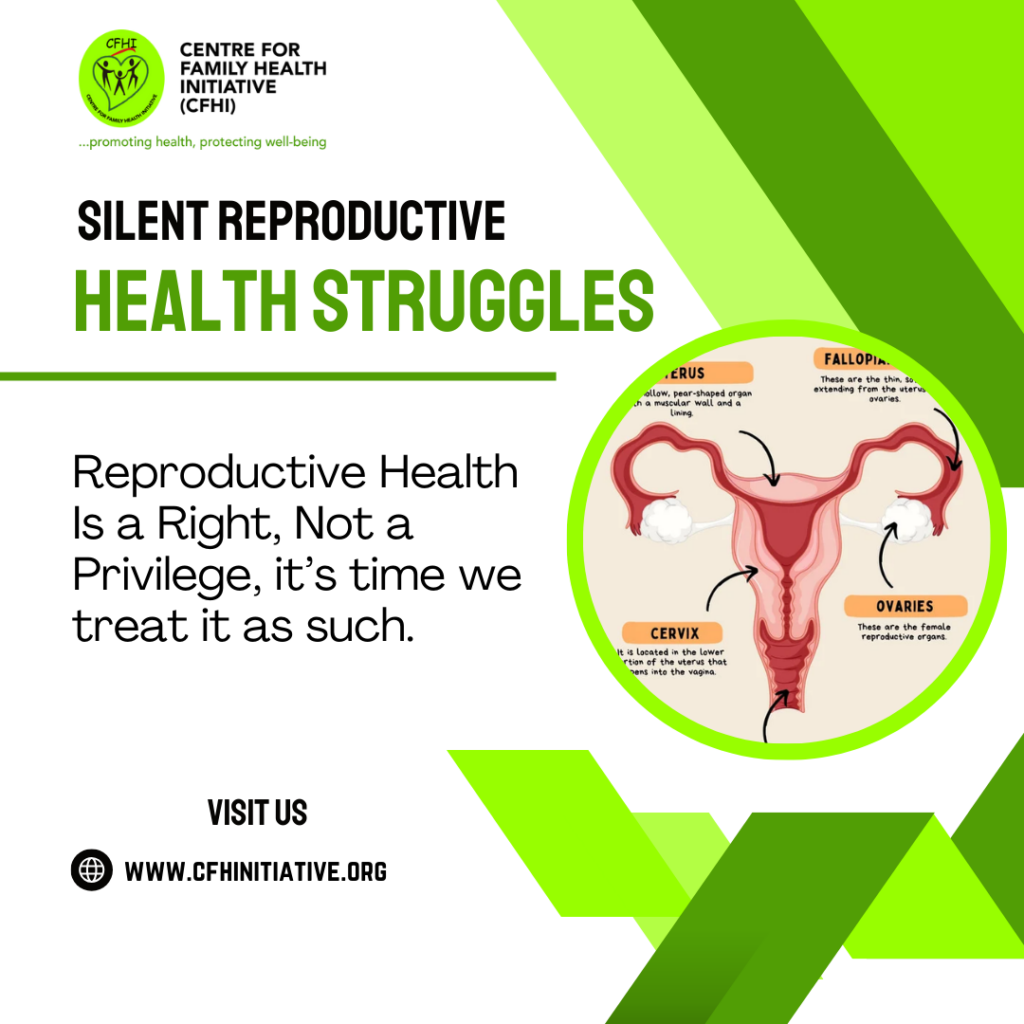
Women’s reproductive health is fundamental to their overall well-being, yet millions of women globally and in Nigeria face persistent, often silent challenges that compromise their health, autonomy, and quality of life [1]. Despite progress in some areas, vast inequities remain in access to services, information, and rights leaving many women vulnerable to preventable health problems [2].

One of the major silent struggles is limited access to essential reproductive health services, including family planning, maternal care, and safe delivery support. In sub-Saharan Africa, one in four women who wish to delay or stop childbearing do not use any contraceptive method, reflecting gaps in availability, choice, and quality of reproductive care [1][5]. These shortfalls contribute to high rates of unintended pregnancies, unsafe abortions, and increased maternal morbidity and mortality. Globally, about 800 women die each day from pregnancy-related causes, many of which are preventable with proper services and support [1].

In Nigeria, reproductive health disparities are stark. A survey of reproductive health concerns found that sexual health, contraception, infections, fertility issues, and reproductive cancers were among the most pressing worries for women, indicating broad unmet needs across the reproductive spectrum [3]. Despite various policies, only a few Nigerian states meet benchmarks for women’s participation in decisions about their sexual and reproductive health, reflecting systemic barriers rooted in socio-cultural norms and limited autonomy [4]. Economic challenges also contribute, with millions of women lacking access to modern contraceptives and comprehensive family planning services due to cost, misinformation, fear of side effects, cultural opposition, and weak health systems [5][6].

Another under-recognized struggle is infertility, which affects a significant portion of women yet remains stigmatized and poorly supported. Recent WHO guidance highlights infertility as a major public health concern, with more than one in six people of reproductive age affected [7]. Access to affordable fertility evaluation and treatment is limited in many countries, forcing women to choose between financial hardship and their desire for children [7].

Maternal health remains a critical issue. Globally, approximately 287,000 women die yearly from complications in pregnancy and childbirth, with nearly all these deaths occurring in low- and middle-income settings where health systems are weak and resources scarce [1]. In areas affected by conflict or economic strain, such as parts of northern Nigeria, women face even greater risks due to disrupted services, insecurity, and collapsed care infrastructure [8].

The impact of these struggles extends beyond physical health. When women cannot access respectful, quality reproductive care, the consequences ripple into social and economic domains limiting educational opportunities, reducing workforce participation, and perpetuating cycles of poverty and inequality [2].

Improving women’s reproductive health requires a holistic approach that ensures affordable and accessible services such as contraception, antenatal care, skilled delivery, and emergency support reach even the most underserved communities [1][5], while also equipping women with accurate, culturally sensitive information to make informed choices about their bodies and health [2]. At the same time, policies must actively protect women’s autonomy and reproductive rights by challenging harmful norms and discrimination [2][4], supported by strong, well-funded health systems with trained personnel to guarantee continuity of care, especially in fragile settings [1][8]. Integrating affordable infertility care and psychosocial support into routine reproductive health services is also essential to address the often hidden emotional and social burdens many women silently endure [7].

Speak Wednesday is an initiative of CFHI to address issues around gender-base violence and gender-bias.

References

  1. WHO Regional Office for Africa. Women’s Health. Available from: https://www.afro.who.int/health-topics/womens-health
  2. United Nations Population Fund (UNFPA). New UNFPA report finds 30 years of progress in sexual and reproductive health has mostly ignored the most marginalized communities. Available from: https://www.unfpa.org/press/new-unfpa-report-finds-30-years-progress-sexual-and-reproductive-health-has-mostly-ignored
  3. Sa’adatu TS, Dieng B, Danmadami AM. Reproductive health issues of concern among Nigerians: an online survey. Int J Community Med Public Health. Available from: https://doi.org/10.18203/2394-6040.ijcmph20234114
  4. Premium Times Nigeria. Only eight Nigerian states meet women’s health benchmark – Report. Available from: https://www.premiumtimesng.com/news/top-news/830200-only-eight-nigerian-states-meet-womens-health-benchmark-report.html
  5. World Health Organization. Sexual and Reproductive Health and Research (SRH): Family planning and contraception. Available from: https://www.who.int/teams/sexual-and-reproductive-health-and-research-%28srh%29
  6. Ballard Brief. Barriers to Family Planning for Women in West Africa. Available from: https://ballardbrief.byu.edu/issue-briefs/barriers-to-family-planning-for-women-in-west-africa
  7. WHO releases first global guideline on infertility care. Reddit; 2025. Available from: https://www.reddit.com/r/EmbryologyIVFSupport/comments/1pcjrzh/who_releases_first_global_guideline_on/
  8. AP News. Pregnancy has become a nightmare for many women in Nigeria’s conflict-hit north. Available from: https://apnews.com/article/c5846961ed87cddd8a24d1c2b04564a0

Silent Reproductive Health Struggles Read More »

UHC Day 2025: Unaffordable health costs? We’re sick of it!

Universal Health Coverage (UHC) Day is a global reminder that access to quality health care is a fundamental right, not a privilege reserved for the wealthy. This year’s theme, “Unaffordable health costs? We’re sick of it!”, speaks directly to one of the biggest barriers facing millions of Nigerians: skyrocketing healthcare costs and the widening gap between health needs and the ability to pay.

While achieving UHC requires multisectoral commitment, one of the most critical systems needed to bridge this gap is health insurance, an essential mechanism designed to protect individuals from financial hardship, ensure continuity of care, and promote equitable access to essential services. Yet, despite the existence of the National Health Insurance Authority (NHIA) and state-level schemes, enrolment remains abysmally low. Out-of-pocket payments still account for over 76% of total health spending in Nigeria, pushing millions deeper into poverty every year.

Health insurance providers cannot succeed alone; they face chronic underfunding, limited subsidies, weak enforcement, and low public awareness. Sustainable progress requires stronger government leadership, increased premium subsidies for the poor, upgraded health facilities, and digital systems that make enrolment seamless.

Yet progress is possible, and CFHI is proving it every day.

Through relentless community mobilization and strategic partnerships with philanthropists like Satoshi Koiso and development partners such as the Institute of Human Virology Nigeria (IHVN), CFHI has successfully enrolled 224 vulnerable individuals into NHIA-supported health coverage this year alone.

These are not just numbers.

They are mothers who no longer skip medication.

They are children who can see a doctor without their parents selling assets.

They are families now protected from choosing between medicine and food.

Health insurance must be affordable, accessible, and functional for every Nigerian. It is not just a policy tool; it is a lifeline that protects households from falling into poverty and guarantees timely care, especially for vulnerable groups.

On UHC Day 2025, our message is unequivocal:

No Nigerian should be denied quality care because they cannot afford it.

We call on federal and state governments to:

  • Fully subsidize premiums for low-income and vulnerable households
  • Strengthen primary health care facilities that deliver insured services
  • Enforce mandatory coverage and streamline digital enrolment

It is time to end the era of unaffordable health costs.

Health care is a right for every Nigerian, irrespective of socio-economic status.

Together, we can make “We’re sick of it” a rallying cry that finally delivers results.

UHC Day 2025: Unaffordable health costs? We’re sick of it! Read More »

Beyond Stigma: Community-Led Support for Women and Girls Living with HIV

Stigma remains one of the greatest obstacles to ending HIV: globally, according to the latest UNAIDS estimates, about 40.8 million people were living with HIV as of the end of 2024, with women and girls accounting for approximately 53% of all infections [1]. Despite progress in expanding treatment access bringing lifesaving antiretroviral therapy to over 31 million people worldwide millions still face stigma, discrimination, and social exclusion, which continue to limit their ability to seek testing, care, and long-term support [1].

Evidence shows that stigma discourages people from testing, delays linkage to treatment, and undermines adherence; pooled analyses across African surveys and facility studies find that people who experience stigma are significantly less likely to know their status or remain engaged in care, which in turn reduces chances of viral suppression and worsens health outcomes [2,3]. The scientific consensus that “U=U” (Undetectable = Untransmittable) underscores why ending stigma is also a prevention strategy: people on effective antiretroviral therapy (ART) who achieve and maintain an undetectable viral load do not sexually transmit HIV [4]. Despite these advances, gaps remain UNAIDS reports that while millions are on treatment, about 31.6 million people were accessing ART in 2024, leaving a substantial number still unreached by life-saving services [1].

Community-led support is central to bridging those gaps for women and girls. Practical, evidence-based community interventions peer support groups, community health worker follow-up, safe disclosure spaces, integrated mental-health services, and targeted outreach to adolescents have been shown to increase testing uptake, improve retention on ART, and reduce internalized stigma [5,6]. In Nigeria and other countries, facility-level and community studies link stigma with lower adherence and higher loss to follow up, highlighting the need for local, culturally sensitive responses that engage families, faith leaders, youth networks, and women’s groups [3,7]. Gender-sensitive programming is particularly important: women and girls face intersectional stigma driven by gender norms, economic dependence, and the risk of gender-based violence barriers that require combined social protection, livelihood support, and confidential clinical services to overcome [5].

At the Centre for Family Health Initiative (CFHI), community-led support is operationalized through sustained activities that go beyond one-day events. CFHI provides community HIV testing and counselling, adolescent-friendly education, psychosocial support, and peer navigation to link women and girls to care and keep them on treatment [8]. The organization integrates stigma-reduction messaging into gender-norms dialogues, trains community health volunteers in respectful care, and runs livelihood and empowerment sessions that reduce economic vulnerability an important factor that often forces women to remain in situations where disclosure is dangerous. CFHI’s community outreach also emphasizes U=U messaging to demystify treatment and encourage adherence and last year’s community testing and sensitization activities in Imo State reached hundreds with counselling and referrals, reinforcing the role of sustained local engagement in improving outcomes [8].

Ending HIV stigma requires action across sectors. Health facilities must adopt anti-discrimination policies and provide confidential, quality services; community leaders and faith institutions must publicly reject harmful narratives; schools and youth groups must deliver age-appropriate HIV education; and social protection programmes should prioritize women and girls so economic dependence does not block access to care. Donors and governments must sustain funding for community-led responses, which evidence shows are cost-effective and essential for reaching the UN targets to end AIDS as a public health threat [5,6].

Now is the time for communities to move from awareness to durable action. Support people living with HIV by learning and sharing accurate facts, joining, or starting peer support groups, encouraging friends and family to test, demanding respectful care at clinics, and supporting empowerment programmes that reduce vulnerability. CFHI and partners stand ready to work with communities, faith groups, schools, and health services to build safe, supportive environments where women and girls living with HIV can thrive. Together we can make stigma a thing of the past because when communities lead, lives change.


References

  1. Global HIV & AIDS statistics — Fact sheet. Geneva: Joint United Nations Programme on HIV/AIDS; 2025.
    Available from: https://www.unaids.org/en/resources/fact-sheet
  2. Doyle CM, Kuchukhidze S, Stannah J, Flores Anato JL, Xia Y, Logie CH, et al. The impact of HIV stigma and discrimination on HIV testing, antiretroviral treatment, and viral suppression in Africa: a pooled analysis of population-based surveys.
    Available from: https://www.researchgate.net/publication/391079137_The_Impact_of_HIV_Stigma_and_Discrimination_on_HIV_Testing_Antiretroviral_Treatment_and_Viral_Suppression_in_Africa_A_Pooled_Analysis_of_Population-Based_Surveys
  3. Mahlalela NB, et al. The association between HIV-related stigma and health-seeking behaviour, testing and adherence: a systematic review. J Public Health. 2024.
    Available from: https://www.ncbi.nlm.nih.gov/pmc/articles/PMC10896802/
  4. UNAIDS / IAS / Prevention Access Campaign. Undetectable = Untransmittable (U=U) consensus and evidence. Geneva: UNAIDS; 2018–2024.
    Available from: https://www.unaids.org/en/resources/presscentre/featurestories/2018/july/undetectable-untransmittable
  5. World Health Organization. Eliminating stigma and discrimination in HIV responses: evidence and interventions. Geneva: WHO; 2022.
    Available from: https://www.who.int/teams/global-hiv-hepatitis-and-stis-programmes/hiv/strategic-information/hiv-data-and-statistics
  6. Community-led monitoring / Community-led responses — evidence and good practice. Geneva: UNAIDS; 2023.
    Available from: https://www.unaids.org/en/resources/documents/2023/community-led-monitoring-in-action
  7. Okunola A, et al. The impact of stigma on ART adherence in Ondo State clinics: cross-sectional evidence. Int J Res Innov Social Sci. 2025.
    Available from: https://rsisinternational.org/journals/ijriss/articles/the-impact-of-stigma-and-discrimination-on-adherence-levels-in-hiv-positive-patients-evidence-from-ondo-state-clinics/
  8. Centre for Family Health Initiative (CFHI). Community HIV services, stigma reduction and outreach report. Owerri: CFHI; 2024–2025.
    Available from: https://www.cfhinitiative.org


Beyond Stigma: Community-Led Support for Women and Girls Living with HIV Read More »

Ending HIV Stigma: Community Support Beyond World AIDS Day

Ending HIV stigma remains one of the most critical steps in achieving an effective HIV response globally. Even though scientific progress has transformed HIV from a life-threatening illness to a manageable condition, stigma continues to undermine prevention, testing, treatment, and quality of life. Studies show that nearly 1 in 4 people living with HIV report experiencing discrimination in healthcare settings, which discourages timely care-seeking and contributes to poor health outcomes (1). Community stigma also remains widespread; in sub-Saharan Africa, where the burden of HIV is highest, research found that over 35% of adults still hold discriminatory attitudes toward people living with HIV (2). These attitudes are deeply rooted in misinformation, fear, cultural norms, and moral judgments that continue to silence individuals and limit their ability to access support.

Stigma does not only affect individuals emotionally; it has direct medical consequences. Evidence shows that people who experience HIV-related stigma are three times more likely to delay or avoid HIV testing and up to 50% less likely to adhere to treatment due to fear of being discovered (3). This delay fuels the cycle of transmission and reduces the chances of achieving viral suppression. Yet, viral suppression keeping HIV levels undetectable is proven to eliminate the risk of sexual transmission entirely, a fact summarized in the principle U=U (Undetectable = Untransmittable) (4). Ending stigma, therefore, is not only a human rights issue but a powerful public health strategy.

Beyond World AIDS Day, communities must unite to promote supportive environments where people living with HIV feel safe to disclose, access services, and receive continuous care. Community-led awareness, inclusive language, youth-friendly education, and culturally sensitive advocacy have proven to reduce stigma by strengthening empathy and understanding (5). Empowering young people with evidence-based information also plays a vital role since adolescents remain vulnerable to societal misconceptions and pressure surrounding HIV.

At the Centre for Family Health Initiative, efforts to end HIV stigma go beyond commemoration events. CFHI continues to create safe spaces within communities through targeted HIV education, gender-sensitive communication, counselling support for adolescents and caregivers, and stigma-reduction sessions integrated into school and community health activities. Through the ASPIRE project and other community interventions, CFHI consistently promotes testing uptake, linkage to care, and treatment adherence especially among vulnerable populations. Last year in Imo State, CFHI carried out a community HIV awareness and testing outreach that reached dozens of individuals with prevention messages, counselling, and referrals, reinforcing the message that HIV is manageable and that stigma must never stand between anyone and access to care. As we move beyond World AIDS Day, CFHI encourages everyone to be intentional about kindness, to challenge myths, to stand against discrimination, and to help build communities where people living with HIV are treated with dignity. Ending stigma begins with each of us, and together we can create a society where support is stronger than silence


References

  1. Joint United Nations Programme on HIV/AIDS (UNAIDS). Confronting Discrimination: Overcoming HIV-related Stigma and Discrimination in Health-care Settings. 2020. Available from: https://www.unaids.org
  2. United Nations Children’s Fund (UNICEF). HIV and AIDS Statistical Update. 2023. Available from: https://www.unicef.org
  3. Turan B, et al. The Impact of HIV-related Stigma on Treatment Adherence. AIDS Behav. 2017;21(1):283–291. Available from: https://link.springer.com
  4. Prevention Access Campaign. The U=U Declaration. 2016. Available from: https://preventionaccess.org
  5. World Health Organization (WHO). Global HIV Programme: Eliminating Stigma and Discrimination. 2022. Available from: https://www.who.int


Ending HIV Stigma: Community Support Beyond World AIDS Day Read More »

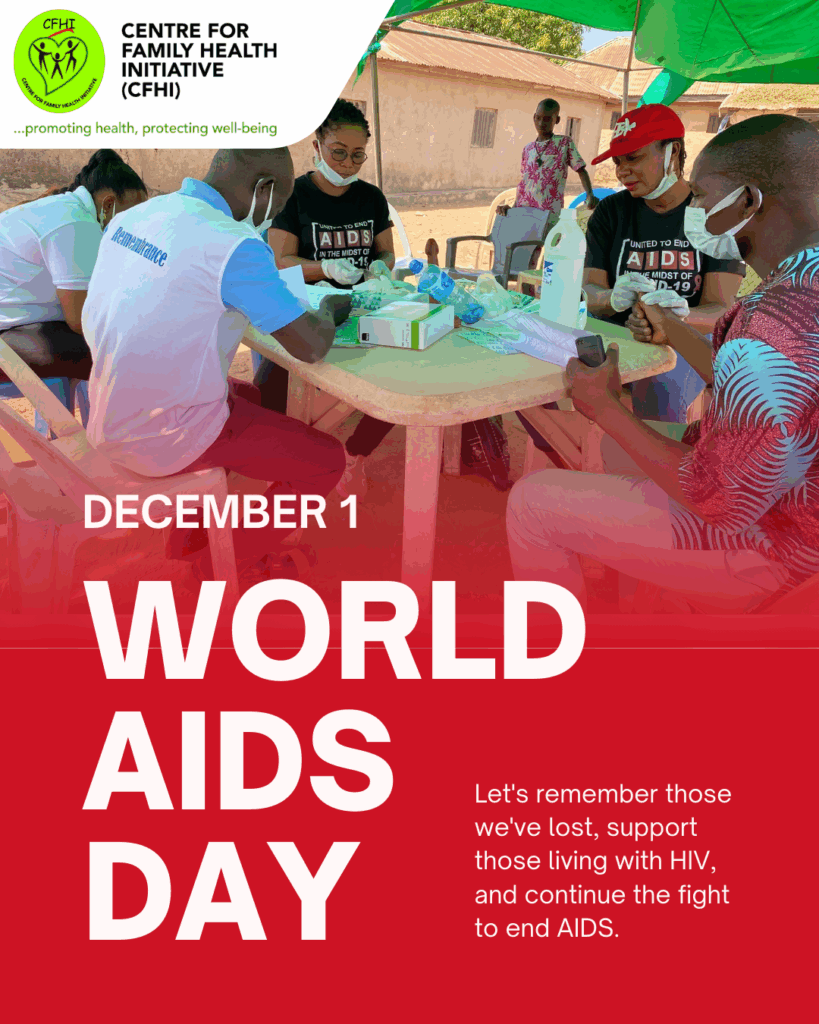
World AIDS Day

Today, December 1st, the world once again marks World AIDS Day, a global reminder of our shared responsibility to end HIV and support people living with it. This year’s theme, “Overcoming Disruption, Transforming the AIDS Response,” highlights the urgent need to rebuild stronger, more resilient, and equitable systems that ensure no one is left behind in HIV prevention and care [1]. Despite decades of progress, HIV continues to thrive where misinformation, stigma, poverty, and limited access to health services persist, especially among vulnerable groups such as adolescents, young women, and key populations [2].

Understanding how HIV spreads remains essential. The virus is transmitted through unprotected sexual intercourse, sharing contaminated needles, mother-to-child transmission during pregnancy, birth, or breastfeeding, and rarely through unscreened blood transfusion [3]. It is important to emphasize that HIV cannot be transmitted through casual contact, which means stigma rooted in misinformation must continue to be challenged [4]. Prevention remains powerful when individuals consistently use condoms, access regular HIV testing, utilize PrEP when at risk, avoid sharing needles, and ensure pregnant women living with HIV receive PMTCT services [5]. Effective treatment such as antiretroviral therapy suppresses viral load, making HIV untransmittable when undetectable (U=U), a breakthrough in global HIV care [6].

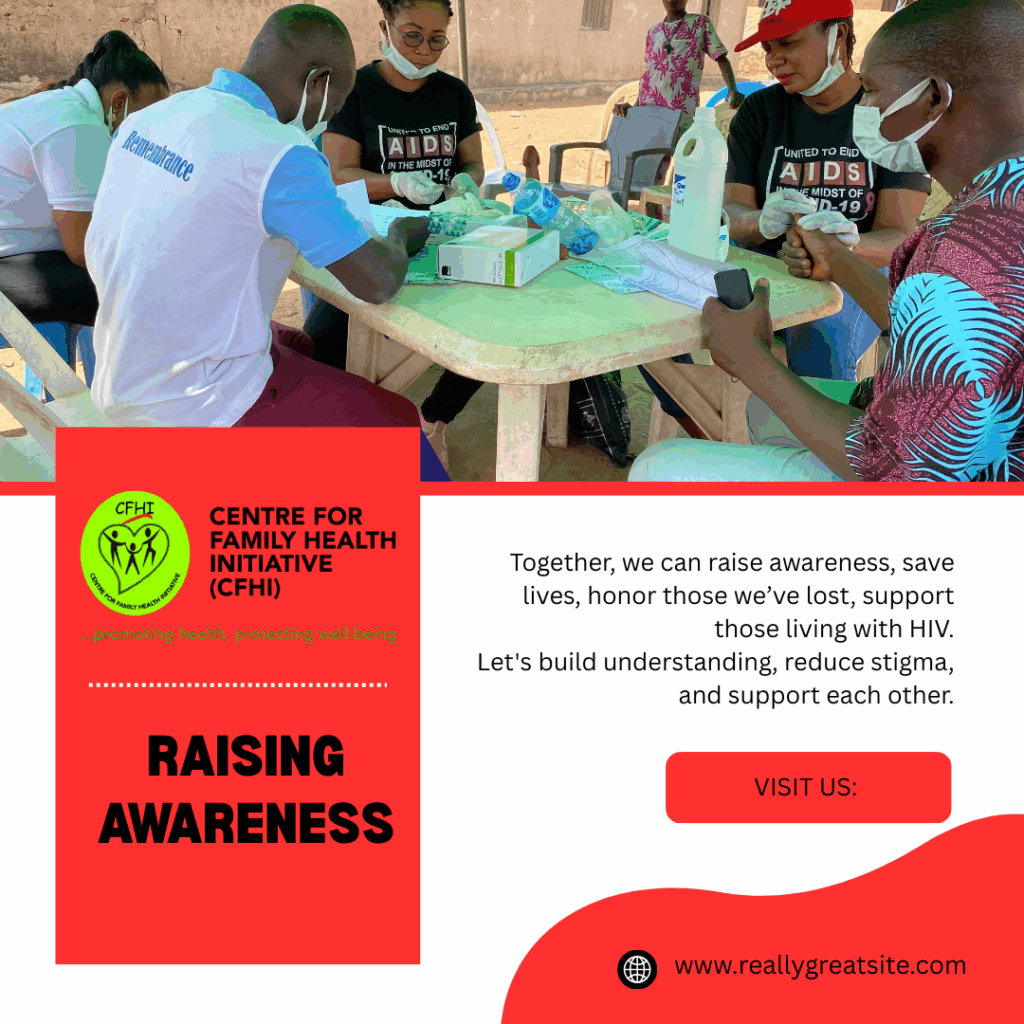
The Centre for Family Health Initiative (CFHI) remains committed to strengthening the HIV response through coordinated community engagements that include HIV testing, counselling, prevention education, PMTCT support, stigma reduction activities, and linkage to care for individuals and families. Over the years, CFHI has collaborated with partners such as Excellence and Friends Management Care Centre (EFMC), the Catholic Caritas Foundation of Nigeria (CCFN), and the Institute of Human Virology Nigeria (IHVN). These partnerships have supported CFHI in reaching over 14,000 children and caregivers with essential HIV-related services. Currently, CFHI continues to work actively with IHVN alongside support from the FCT Social Development Secretariat (SDS) to provide ongoing care, and treatment adherence services to about 6,000 children and their caregivers. Through its OVC programming, CFHI remains committed to improving long-term health, resilience, and stability for vulnerable families affected by HIV.

As Nigeria joins the global community in commemorating World AIDS Day 2025, it is essential for the government to strengthen its leadership in the national HIV response. This includes increasing investment in public health systems, ensuring consistent availability of testing kits and antiretroviral medications, expanding prevention programs such as PrEP and PMTCT, and improving data management for timely decision-making. Government action is also needed to address stigma through nationwide awareness campaigns, to support state-level implementation of HIV programs, and to create enabling environments where community organizations, healthcare workers, and development partners can scale interventions effectively. HIV is preventable and treatable, and with informed choices, prioritizing equitable access to services, sustaining political commitment, and collective action, Nigeria can accelerate progress toward ending AIDS as a public health threat.

Everyone is encouraged to take responsibility by getting tested, reducing risk, supporting those living with HIV, and rejecting stigma in every form.


References

  1. World Health Organization. World AIDS Day 2025 Theme: Overcoming Disruption, Transforming the AIDS Response. Geneva: WHO; 2025. https://www.who.int
  2. UNAIDS. Global HIV & AIDS Statistics — Fact Sheet 2025. Joint United Nations Programme on HIV/AIDS; 2025. https://www.unaids.org/en/resources/fact-sheet
  3. Centers for Disease Control and Prevention. HIV Transmission Overview. Atlanta: CDC; 2024. https://www.cdc.gov/hiv/basics/transmission.html
  4. UNAIDS. Confronting HIV Stigma and Discrimination. Joint United Nations Programme on HIV/AIDS; 2024. https://www.unaids.org/en/key-programmes/stigma-discrimination
  5. World Health Organization. HIV Prevention Guidelines. Geneva: WHO; 2024. https://www.who.int/health-topics/hiv
  6. UNAIDS. Undetectable = Untransmittable (U=U) Scientific Update. Geneva: UNAIDS; 2024. https://www.unaids.org/en/resources/presscentre/featurestories/2024/u-u
  7. Centre for Family Health Initiative. Community HIV Services and OVC Support Report. Abuja: CFHI; 2024. https://www.cfhinitiative.org

World AIDS Day Read More »

Protecting Our Children from Common Illnesses

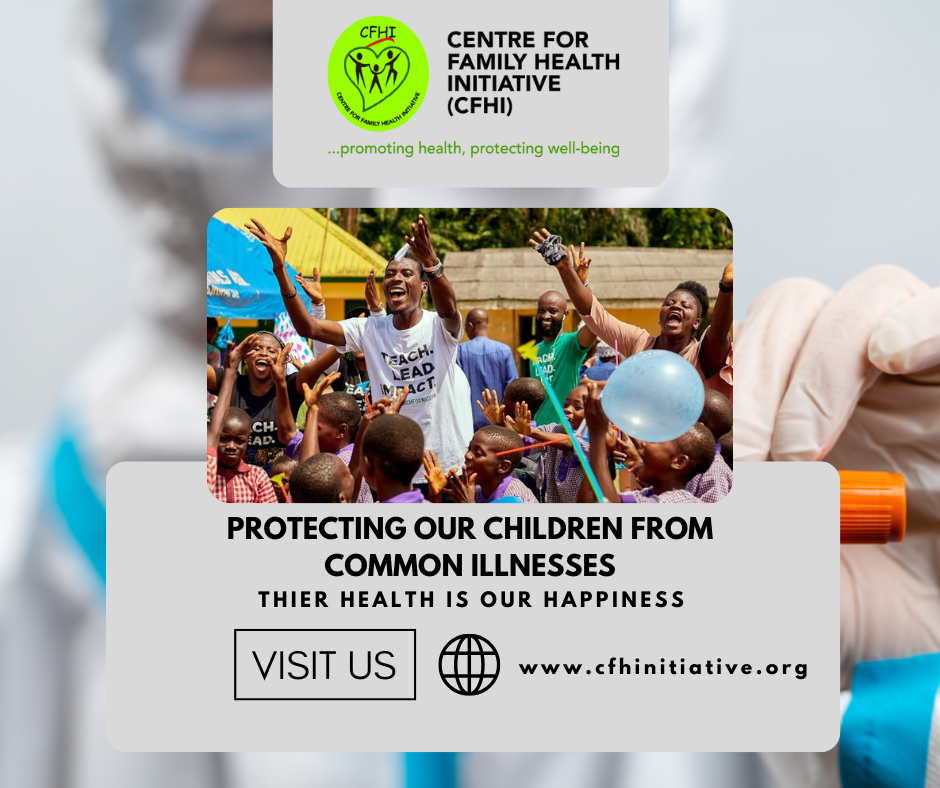
Children remain highly vulnerable to common illnesses, and preventing these diseases is essential to safeguarding their growth and wellbeing. In Nigeria, infections such as diarrhea, malaria, and acute respiratory infections continue to be among the leading causes of sickness and death in children under five, despite being largely preventable. Evidence shows that environmental and structural factors contribute significantly to this burden. Research highlights that improved water, sanitation, and hygiene (WASH) are strongly associated with reduced childhood diarrhea and respiratory infections (1). Additionally, findings from Nigeria’s Demographic and Health Surveys indicate that poor housing conditions including overcrowding and inadequate ventilation are major predictors of child illness across the country (2).

The impact of these illnesses extends far beyond short-term discomfort. Children who frequently experience diarrhea or respiratory infections are at increased risk of stunting, and spatial health research in Nigeria reveals that these conditions often overlap, creating compounded threats to child growth and development (3). Preventable infections such as measles also have long-term consequences on immunity and overall health in later life, as demonstrated in studies tracking early-life measles exposure (6). Even though effective vaccines exist, childhood immunization coverage remains suboptimal in many regions, prompting the introduction of innovative solutions such as artificial intelligence systems to increase vaccine uptake (5). Reliable hospital data further confirm that pneumonia, malaria, and diarrheal diseases remain major contributors to child mortality in Nigerian healthcare settings (4). Alongside medical treatment, community-based interventions such as hygiene promotion, nutrition counselling, and timely referral are essential to reducing morbidity. Globally, standardized caregiver resources like UNICEF’s “Facts for Life” continue to guide families on preventing and responding to common childhood illnesses (7).

The Centre for Family Health Initiative (CFHI) plays a critical role in reducing the burden of childhood illnesses through targeted community programs. CFHI supports maternal, newborn, and child health activities, including MNCH weeks where children receive essential interventions such as vaccinations, deworming, vitamin A supplementation, growth monitoring, and malnutrition screening (8). The organization also drives WASH improvements aimed at reducing disease spread and implements extensive community health education on hygiene, sanitation, immunization, and early care-seeking. Through capacity-building efforts, CFHI strengthens the skills of health workers and volunteers to deliver quality child health services (9). CFHI’s approach is evidence-based and community-centered, ensuring that interventions respond to local needs and contribute meaningfully to child survival and development.

Protecting children from preventable illnesses requires collective responsibility. Caregivers should ensure full vaccination, practice proper handwashing, maintain clean household environments, and seek medical care early when their children show signs of illness. Community members must actively share health information and support local awareness programs. Policy and government actors should invest in clean water systems, sanitation infrastructure, and housing improvements to create healthier environments for children. Finally, individuals and organizations can strengthen CFHI’s efforts by volunteering, partnering, or supporting programs that promote child health. Together, these actions can secure a safer, healthier future for every child.


References

  1. Oyebanji TO, Chandra-Mouli V. Burden of Common Childhood Diseases in Relation to Improved Water, Sanitation, and Hygiene (WASH) among Nigerian Children. PubMed [Internet]. 2018 [cited 2025 Nov 23]. Available from: https://pubmed.ncbi.nlm.nih.gov/29895758/
  2. Olusanya BO, Odeyemi OA, Abimbola S, Adebowale SA. Housing conditions as predictors of common childhood illness: Evidence from Nigeria Demographic and Health Surveys, 2008–2018. PubMed [Internet]. 2021 [cited 2025 Nov 23]. Available from: https://pubmed.ncbi.nlm.nih.gov/33476186/
  3. Gai T, Cunningham E, Chukwuogo O, et al. Spatial Co-Morbidity of Childhood Acute Respiratory Infection, Diarrhoea and Stunting in Nigeria. PubMed [Internet]. 2022 [cited 2025 Nov 23]. Available from: https://pubmed.ncbi.nlm.nih.gov/35162859/
  4. van den Berg GJ, von Hinke S, Vitt N. Early life exposure to measles and later-life outcomes: Evidence from the introduction of a vaccine. arXiv [Internet]. 2023 [cited 2025 Nov 23]. Available from: https://arxiv.org/abs/2301.10558
  5. Kehinde O, Abdul R, Afolabi B, et al. Deploying ADVISER: Impact and Lessons from Using Artificial Intelligence for Child Vaccination Uptake in Nigeria. arXiv [Internet]. 2023 [cited 2025 Nov 23]. Available from: https://arxiv.org/abs/2402.00017
  6. Morbidity and Mortality Pattern of Childhood Illnesses Seen at the Children Emergency Unit of Federal Medical Center, Asaba, Nigeria. AMHSR [Internet]. [cited 2025 Nov 23]. Available from: https://www.amhsr.org/articles/morbidity-and-mortality-pattern-of-childhood-illnesses-seen-at-the-children-emergency-unit-of-federal-medical-center-asaba-nigeria.html
  7. Facts for Life. [Internet]. [cited 2025 Nov 23]. Available from: https://en.wikipedia.org/wiki/Facts_for_Life
  8. Centre for Family Health Initiative. 2020 Annual Report. Abuja: CFHI; 2020. [Internet]. [cited 2025 Nov 23]. Available from: https://www.cfhinitiative.org/wp-content/uploads/2022/10/CFHI_2020-Annual-Report.pdf
  9. Centre for Family Health Initiative. Who We Are. [Internet]. [cited 2025 Nov 23]. Available from: https://www.cfhinitiative.org/who-we-are/

Protecting Our Children from Common Illnesses Read More »