Monday Health Burst

Gender Inequality: A Threat to the Health, Safety, and Rights of Women and Girls in Nigeria

Gender inequality remains a deeply entrenched threat to the health, safety, and rights of women and girls in Nigeria, undermining progress toward equitable development and directly shaping outcomes in health, education, economic participation, political representation, and freedom from violence. According to the United Nations Development Programme (UNDP), Nigeria ranks 147 out of 191 countries on the Gender Inequality Index, reflecting large disparities between men and women in reproductive health, empowerment, and labour market participation. ¹ These inequalities manifest in real and measurable ways that compromise the wellbeing and opportunities of women and girls across the country.

One of the most profound impacts of gender inequality in Nigeria is observed in health outcomes. The maternal mortality ratio remains unacceptably high at 512 maternal deaths per 100,000 live births, indicating that women are still at disproportionate risk during pregnancy and childbirth compared to global averages. ² Factors driving this include limited access to quality reproductive health services, lack of autonomy in health decision-making, and economic barriers that delay care-seeking. Research shows that women who lack financial independence or decision-making power are less likely to utilise antenatal care or deliver in health facilities, increasing the likelihood of preventable complications. ³

Education is another field deeply affected by gender inequality. UNESCO reports that girls’ school completion rates in Nigeria lag boys’, particularly at the secondary level, a gap that translates into reduced opportunities for advanced learning, better jobs, and informed health choices later in life. ⁴ Early marriage, still prevalent in many regions, significantly contributes to school dropout rates among girls. UNICEF estimates that 43% of girls in Nigeria are married before their 18th birthday, limiting educational attainment and exposing them to early pregnancy and increased health risks such as obstetric fistula and maternal mortality. ⁵

Gender-based violence (GBV) is another grave consequence of systemic inequality. The Nigeria Demographic and Health Survey (NDHS) reveals that around 30% of ever-married women aged 15–49 have experienced physical violence, with many cases going unreported due to stigma, fear, and weak legal enforcement. ⁶ Violence affects not only physical health but also leads to long-term psychological trauma, increased vulnerability to HIV infection, and reduced participation in economic and community life. ⁷

Political inequality further illustrates the scale of exclusion. In the current 10th National Assembly (2023–2027), women remain severely underrepresented in national decision-making. Out of 109 Senate seats, only 4 are held by women (approximately 3.7%), while 105 seats (96.3%) are held by men. In the House of Representatives, only 17 out of 360 seats are occupied by women (approximately 4.7%), compared to 343 men. Altogether, women hold just 21 out of 469 seats in the National Assembly, representing about 4.2% of federal lawmakers.¹⁰ This means that despite women making up nearly half of Nigeria’s population, their voice in shaping laws and policies that directly affect their health, safety, and rights remains below 5% — one of the lowest representation rates in the region.¹¹ Limited political participation restricts the advancement of gender-responsive policies and slows progress on critical issues such as maternal health funding, protection from violence, and equal economic opportunities.

Economic inequality further compounds these threats. Although women actively participate in Nigeria’s labour force, wage gaps, informal employment, and occupational segregation persist. The World Economic Forum’s Global Gender Gap Report highlights that women often earn less than men for similar work and remain underrepresented in leadership positions. ⁸ Without economic empowerment, many women are unable to afford essential health services, invest in their education, or break cycles of poverty and dependency.

These disparities are not inevitable; they are shaped by social norms, discriminatory practices, and gaps in policy implementation. Research consistently shows that gender-responsive policies including universal access to reproductive healthcare, enforcement of laws against child marriage, protection from gender-based violence, equal educational opportunities, and increased political inclusion significantly improve health, economic, and social outcomes. ⁹

Addressing gender inequality is therefore not only a moral obligation but also a public health, governance, and economic priority. When women and girls have equal access to education, healthcare, leadership opportunities, and economic resources, maternal and infant mortality decline, household incomes rise, communities become safer, and national development accelerates. Nigeria cannot achieve sustainable development while half of its population remains structurally disadvantaged.

We call on the Federal and State Governments to strengthen and fully enforce laws protecting women and girls from discrimination and violence, expand access to quality healthcare services, promote girls’ education, and implement affirmative measures to increase women’s political representation. Development partners, civil society, and community leaders must intensify advocacy, scale up gender-responsive programming, and challenge harmful norms that sustain inequality. Every sector health, education, justice, governance, and economic development must mainstream gender equity as a foundational principle. The health, safety, and rights of Nigeria’s women and girls demand bold, sustained, and collective action.

References

  1. UNDP Gender Inequality Index
    https://hdr.undp.org/data-center/thematic-composite-indices/gender-inequality-index
  2. WHO Trends in Maternal Mortality 2000–2023
    https://www.who.int/publications/i/item/9789240068759
  3. Journal of Women’s Health – Decision-Making Power & Maternal Service Utilisation
    https://www.liebertpub.com/doi/10.1089/jwh.2020.8805
  4. UNESCO Institute for Statistics – Girls’ Education
    https://uis.unesco.org/en/topic/girls-education
  5. UNICEF – Child Marriage in Nigeria
    https://data.unicef.org/topic/child-protection/child-marriage/
  6. Nigeria Demographic and Health Survey (NDHS)
    https://dhsprogram.com/pubs/pdf/FR379/FR379.pdf
  7. WHO – Violence Against Women Prevalence Estimates
    https://www.who.int/publications/i/item/9789240022256
  8. World Economic Forum – Global Gender Gap Report 2023
    https://www3.weforum.org/docs/WEF_GGGR_2023.pdf
  9. Journal of Gender & Development – Gender-Responsive Policies
    https://www.tandfonline.com/doi/full/10.1080/13552074.2021.1952743
  10. The Nation Newspaper – Women in the 10th National Assembly
    https://thenationonlineng.net/meet-the-only-four-female-senators-in-10th-nass/
  11. The Guardian Nigeria – Women’s Representation in N’Assembly
    https://guardian.ng/news/national/only-4-5-of-nassembly-members-are-women-says-wilan-report/
Gender Inequality: A Threat to the Health, Safety, and Rights of Women and Girls in Nigeria Read More »

Maternal Health – Access to Care

Nigeria’s maternal health landscape continues to reveal stark inequalities that jeopardize the lives of women and newborns, particularly in underserved states like Adamawa and Zamfara. Despite global and national efforts to improve maternal survival, access to essential care remains limited for millions of women across the country. Research shows that utilisation of maternal healthcare services including antenatal care, skilled delivery, and postnatal care is persistently low, with only about 52% of women attending at least four antenatal visits, 38% delivering in health facilities, and about 37% receiving postnatal care. These gaps contribute directly to preventable complications and deaths during pregnancy and childbirth. ¹

According to the 2024 Nigeria Demographic and Health Survey (NDHS), while antenatal care coverage has improved to 63%, only 46% of births are attended by skilled health personnel, leaving more than half of Nigerian mothers vulnerable during their most critical hour.² The stakes are staggering; a woman in Nigeria faces a 1 in 19 lifetime risk of dying during pregnancy or childbirth, compared to 1 in 4,900 in high-income countries.³ Despite these daunting statistics, recent government reports from the 2025 Joint Annual Review indicate a 17% reduction in maternal deaths across high-burden areas, driven largely by initiatives like the Maternal and Neonatal Mortality Reduction Innovation Initiative (MAMII), which facilitated over 4,000 free Cesarean sections and revitalized 435 health facilities within one year.⁴

At the heart of this changing landscape is the work of the Centre for Family Health Initiative (CFHI) through the BIRTH Project (Building Innovative Responses to Transform Healthcare), currently being implemented in Adamawa State and Zamfara State. In these regions, where geographical, financial, and systemic barriers often stand between a mother and survival, CFHI’s interventions are providing practical and life-saving solutions to improve access to skilled maternal care.

In Adamawa State, CFHI strengthened the Rumde Primary Health Care Centre in Yola North by installing a solar-powered birth suitcase, ensuring uninterrupted delivery services even in the absence of stable electricity. The intervention has become the primary source of light during childbirth in the facility, enabling safe deliveries at all hours. Beyond the health facility, the project promotes maternal wellbeing through community-led nutrition demonstrations aimed at preventing maternal anemia, a condition responsible for a significant proportion of pregnancy-related complications worldwide³.

In Zamfara State, where facility-based delivery rates have historically been low, similar solar-powered birth kits were installed at facilities such as Shagari Primary Health Centre, improving nighttime emergency response and increasing community confidence in the health system. However, the BIRTH Project goes beyond the provision of equipment. It directly addresses the five delays identified under the Maternal and Neonatal Mortality Reduction Innovation Initiative (MAMII).

The consequences of poor access are not only clinical but social and economic. Women who cannot reach care in time often resort to unskilled birth attendants or home deliveries, increasing the likelihood of complications and long-term disability. National analyses show that financial constraints, distance to facilities, and perceived poor quality of care are major determinants of home births, even among women who attend antenatal care. ⁶ Beyond these structural issues, cultural norms and limited decision-making autonomy further restrict women’s ability to seek timely and appropriate maternal healthcare.

To transform maternal health outcomes in Nigeria with Adamawa and Zamfara as case studies sustained investment is required in strengthening primary healthcare systems, expanding referral networks, improving emergency transport, and increasing the availability of skilled health workers trained in emergency obstetric and newborn care. Governments, donors, and civil society must work together to remove financial barriers, improve transportation systems, and empower women socially and economically so that no woman is forced to choose between distance and survival.

CFHI’s ongoing MNCH interventions demonstrate that progress is possible when communities are engaged, health systems are supported, and maternal care is prioritized. The task ahead is to scale these efforts with urgency, political commitment, and adequate funding to ensure that every pregnancy is safe, and every mother survives childbirth.

Monday Health Burst is an initiative of CFHI to address issues of basic health concern. Join us every Monday on all our social media platforms for more episodes.


References

  1. National Library of Medicine (PMC). Determinants of maternal healthcare service utilization in Nigeria.
    https://www.ncbi.nlm.nih.gov/pmc/articles/PMC
  2. National Population Commission (NPC) Nigeria and ICF. Nigeria Demographic and Health Survey 2024 (Key Indicators Report).
    https://dhsprogram.com
  3. World Health Organization (WHO). Trends in Maternal Mortality 2000–2023.
    https://www.who.int/publications
  4. Federal Ministry of Health Nigeria. 2025 Joint Annual Review Report & MAMII Initiative Update.
    https://health.gov.ng
  5. National Library of Medicine (PubMed). Barriers to facility-based delivery after antenatal care attendance in Nigeria.
    https://pubmed.ncbi.nlm.nih.gov


Maternal Health – Access to Care Read More »

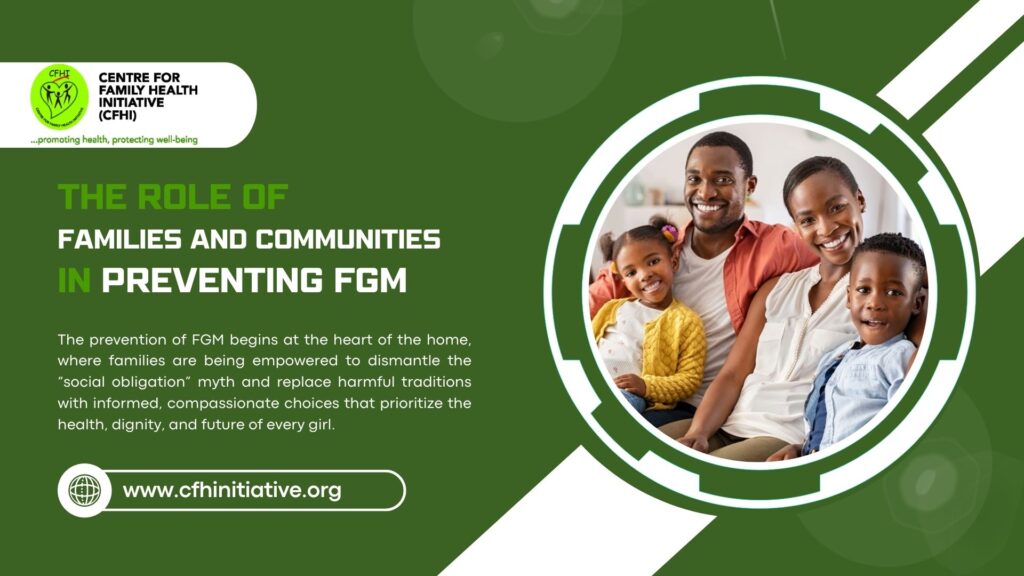
The Role of Families and Communities in Preventing FGM

In the landscape of global health in 2026, Female Genital Mutilation (FGM) stands as one of the most persistent violations of human rights, yet the tide is beginning to turn through sophisticated, community-led interventions. As of this year, over 230 million women and girls alive today have undergone the procedure, and UNICEF projects that 4.5 million more remain at risk in 2026 alone [1]. The struggle to end this practice is no longer just a legal battle; it has evolved into a deep-rooted cultural shift focusing on the intersection of family protection and communal health [4].

The prevention of FGM begins at the heart of the home, where families are being empowered to dismantle the “social obligation” myth. Recent research from the UNFPA-UNICEF Joint Programme indicates that when mothers are provided with formal education and economic agency, the likelihood of their daughters being cut drops significantly [3]. Families are now being reached through “Positive Masculinity” programs, where over 800,000 men and boys have pledged to protect their female relatives, challenging the outdated notion that FGM is a prerequisite for marriageability [3]. By addressing the family as the primary decision-making unit, advocacy groups are successfully replacing fear of social exclusion with a shared commitment to a daughter’s physical integrity and future health.

Moving beyond the front door, the most effective preventative measure in 2026 has been the rise of Public Declarations of Abandonment within local communities. This collective approach shifts the “social contract,” ensuring that no single family feels isolated in their choice to stop the practice. Many regions have successfully implemented Alternative Rites of Passage (ARP), which preserve the cultural celebration of womanhood through education, mentorship, and gifts minus the physical harm. This allows communities to maintain their rich heritage while evolving their health standards. Simultaneously, health systems are closing the gap on “medicalization” the dangerous trend of health professionals performing the cut. The World Health Organization has recently tightened codes of conduct, training midwives and doctors to serve as the first line of defense, educating parents on the $1.4 billion annual global cost of treating FGM-related complications, ranging from obstetric hemorrhage to lifelong psychological trauma [2].

To ensure these gains are permanent, a robust network of local surveillance and cross-border cooperation has emerged. In 2026, over 3,200 communities have established “watchdog” groups that monitor girls during school holidays, a peak time for the practice [3]. These grassroots efforts, supported by national laws that criminalize “vacation cutting,” create a safety net that follows a girl from her village to the city and beyond. The data proves that this holistic approach works; for every dollar invested in these prevention measures, there is a tenfold return in health savings and economic productivity [2]. By weaving together, the strength of the family unit with the collective will of the community, we are finally moving toward a world where every girl can grow up whole, healthy, and empowered.

Call to Action

The end of FGM is within our reach, but it requires your voice and your action. You can make a difference today:

  • Educate and Advocate: Share the facts about the health risks of FGM within your social circles. Silence is where the practice thrives.
  • Support Grassroots Organizations: Donate to or volunteer with local NGOs that facilitate Alternative Rites of Passage and provide education to at-risk families.
  • Report Risk: If you know a girl is at risk of being subjected to FGM, contact local child protection services or international helplines immediately.
  • Engage Men and Boys: Start conversations with the men in your community about the importance of protecting the rights and health of women and girls.

Monday Health Burst is an initiative of CFHI to address issues of basic health concern. Join us every Monday on all our social media platforms for more episodes.

References

  • UNICEF Data (2025/2026): FGM Prevalence and Statistics
  • WHO Global Health Update: The Cost of FGM and Prevention Strategies
  • UNFPA 2025 Annual Report: Eliminating FGM through Community Action
  • United Nations: International Day of Zero Tolerance for FGM


The Role of Families and Communities in Preventing FGM Read More »

Families as Frontline Defenders Against Harmful Practices.

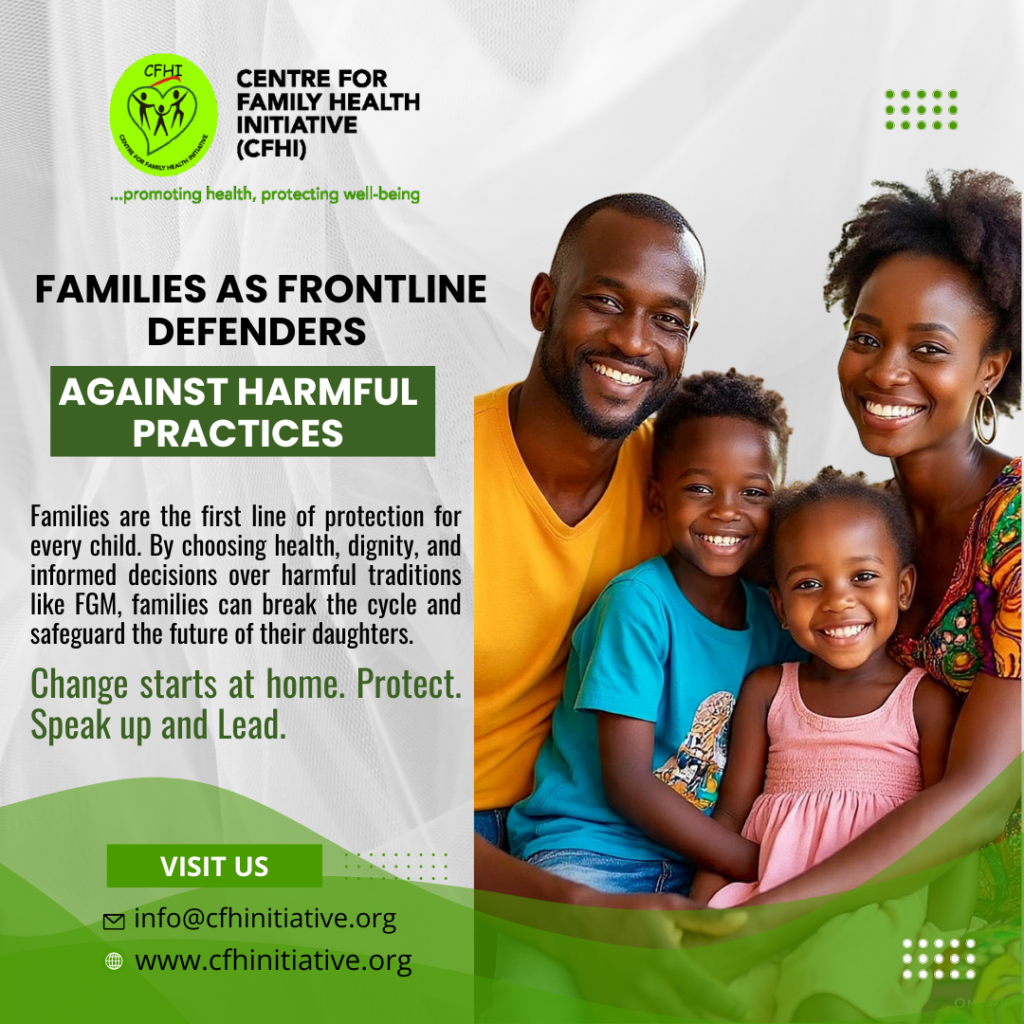
Across the world, harmful practices such as female genital mutilation (FGM) and child marriage continue to violate the rights, health, and futures of millions of girls and young women, often entrenched in patriarchal norms and social pressures. UNICEF estimates that at least 230 million girls and women alive today have undergone FGM, and over 12 million girls are married before age 18 every year, both of which are rooted in gender inequality and harmful social norms upheld at the family and community level. These practices not only harm physical and psychological wellbeing but also constrain girls’ access to education, livelihoods, and basic human rights. (UNICEF)

Families are not merely passive bystanders in this landscape they can be frontline defenders against harmful practices. Research shows that families influence health behavior, decision-making, and wellbeing from early life through adolescence and adulthood, making them invaluable actors in preventing and countering abuse and discrimination. Family-oriented health promotion strategies have been found to be effective in reducing child maltreatment and strengthening protective factors by enhancing parenting practices, social support, and overall family wellbeing. (PubMed)

In many communities where harmful practices like FGM and child marriage persist, decision making often occurs within the household, with parents, extended family members, and elders shaping whether girls are subjected to such rites. In parts of sub-Saharan Africa, families fear social ostracism and harm to a girl’s “marriage prospects” if she is not cut or married early beliefs that are enforced by elders and community expectations. This social pressure persists even where awareness of harm is increasing, illustrating how deeply family influence and social norms are intertwined. (acrl-rfp.org) In Mali, for example, prevalence rates of FGM remain high only dropping from 91% to 89% over two decades underscoring that legal change alone is insufficient without deep shifts in family and community norms. (ODI: Think change)

However, when families act as agents of change rather than enforcers of harmful norms, progress is possible. In Sudan in 2025, community committees that included family members mobilized against an FGM practitioner’s arrival, stopping the practice in its tracks, and demonstrating the power of collective family and community action to protect children. This local action, grounded in awareness about health risks and legal protections, helped shift attitudes and strengthen community resistance against harmful practices. (UNICEF)

Education is another critical lever. Families that value girls’ schooling and future potential are more likely to delay or abandon harmful practices, recognizing the long-term benefits of learning and opportunity. Research from UNICEF indicates that education can shift attitudes and reduce the transmission of harmful practices across generations, as families who understand the risks and benefits are better positioned to protect their daughters. (UNICEF DATA)

Promoting family engagement as a public health strategy also aligns with broader efforts to prevent violence and abuse. Evidence shows that family-based interventions reduce harmful behaviors such as bullying among children and adolescents by improving parenting, communication, and protective supervision. These family systems create environments where children feel supported, informed, and safer, reducing the likelihood of various forms of harm. (SpringerLink)

Yet meaningful change requires more than individual awareness it requires collective, sustained action that equips families with knowledge, resources, and support to challenge harmful norms. Governments, civil society, health systems, and community leaders must invest in education, legal protections, economic opportunities, and culturally appropriate outreach that reinforces families as protectors rather than perpetuators of harmful practices. As one advocate puts it, “Families who understand the suffering these practices cause is increasingly willing to resist, one conversation at a time.” (UNICEF)

Call to Action: Ending harmful practices such as FGM and child marriage depends on empowering families with evidence, support, and tools to reject harmful norms and champion girls’ rights. Invest in family-focused education and prevention, strengthen community support networks, involve elders and parents in advocacy, and ensure every girl’s health, education, and dignity are protected.

References

Families as Frontline Defenders Against Harmful Practices. Read More »

Health Is More Than Treating Illness

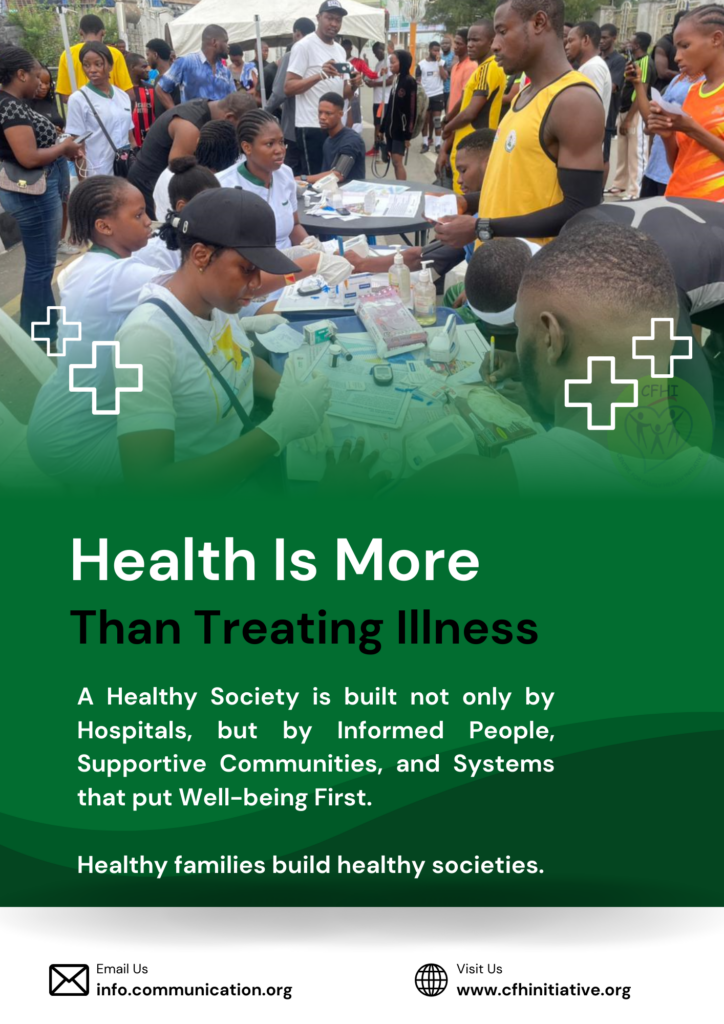
Health is often misunderstood as the absence of illness, yet evidence shows that health is far more than treating disease after it occurs. The World Health Organization defines health as a state of complete physical, mental, and social well-being, not merely the absence of disease or infirmity (1). This means that healthcare systems and communities must move beyond reactive treatment and prioritize prevention, education, and supportive environments that enable people to live healthy lives long before they become patients.

Globally, nearly 60% of deaths are linked to preventable causes, including infections, maternal complications, malnutrition, and non-communicable diseases that could be reduced through early awareness, healthy behaviors, and timely care (1). Treating illness alone addresses only the final stage of a much longer health journey. When communities lack access to accurate information, clean water, nutrition, and preventive services, diseases spread faster and outcomes worsen, even when treatment is available.

In Nigeria, the limits of treatment-focused health systems are clearly visible. The country bears a disproportionate burden of preventable conditions, accounting for about 20% of global maternal deaths, many of which are linked to delays in care-seeking, poor nutrition, and lack of antenatal education rather than lack of hospitals alone (2). Similarly, malaria remains endemic, with over 1.9 million reported cases annually, despite the disease being largely preventable through awareness, environmental control, and early testing (3). These figures demonstrate that treatment without prevention is insufficient.

Recent public health emergencies further reinforce this reality. Between 2023 and 2024, Nigeria recorded over 19,000 suspected cholera cases, driven by unsafe water, poor sanitation, and limited hygiene awareness (4). Cholera is not primarily a failure of medicine but a failure of systems that support healthy living. Likewise, outbreaks of measles and other vaccine-preventable diseases continue to occur, largely due to misinformation and low community awareness rather than lack of vaccines (5).

Health also includes mental and social well-being, areas often overlooked in treatment-centered approaches. Studies show that people living in environments marked by poverty, stress, gender inequality, or violence experience poorer health outcomes even when medical care is available (6). Women and girls exposed to harmful practices or denied health information often suffer long-term physical and psychological consequences that treatment alone cannot undo.

Research consistently shows that preventive and promotive health interventions can reduce disease burden by up to 40%, improve service uptake, and lower healthcare costs (1). Community education, early screening, nutrition support, immunization, clean water access, and supportive social structures are as essential to health as hospitals and medicines. Healthy communities are built through informed choices, safe environments, and systems that support well-being at every stage of life.

Call to Action: If health is truly more than treating illness, then governments, health institutions, civil society organizations, and communities must invest in prevention, awareness, and social support systems. Strengthening health education, promoting early screening, improving water and sanitation, addressing gender and social inequalities, and empowering communities with knowledge are critical steps toward sustainable health outcomes. Treating illness saves lives but preventing illness and promoting well-being transforms societies.

References

  1. World Health Organization – Constitution & Health Promotion
    https://www.who.int/about/governance/constitution
    https://www.who.int/teams/health-promotion
  2. WHO Nigeria – Maternal Health Facts
    https://www.who.int/nigeria/health-topics/maternal-health
  3. World Health Organization – Malaria Factsheet
    https://www.who.int/news-room/fact-sheets/detail/malaria
  4. Nigeria Centre for Disease Control – Cholera Updates
    https://ncdc.gov.ng/diseases/cholera
  5. UNICEF Nigeria – Immunization and Disease Prevention
    https://www.unicef.org/nigeria/health
  6. World Health Organization – Social Determinants of Health
    https://www.who.int/health-topics/social-determinants-of-health
  7. PAHO Calls for Increased Surveillance Amid Rising Measles Cases https://www.reuters.com/business/healthcare-pharmaceuticals/paho-calls-increased-surveillance-amid-rising-measles-cases-americas-2026-02-04/ (turn0news26)

Health Is More Than Treating Illness Read More »

Breaking Myths, Ending Stigma, and Acting Against Cervical Cancer

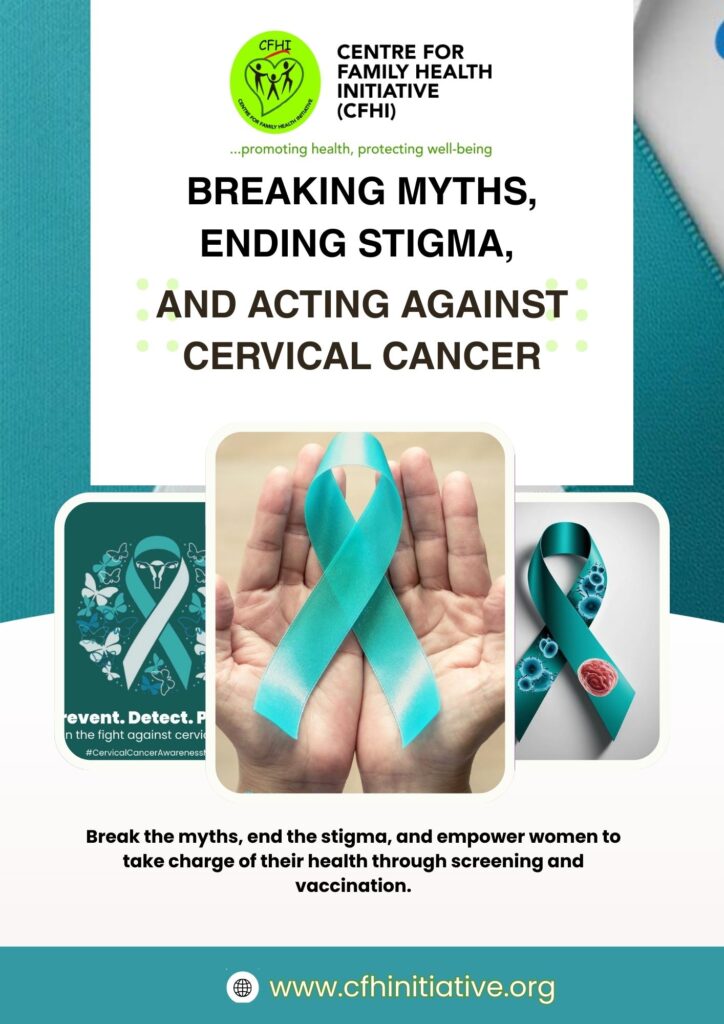
Cervical cancer is a major global health issue yet one of the most preventable forms of cancer. Almost all cervical cancer cases (about 99%) are linked to infection with high-risk human papillomaviruses (HPV), which are extremely common and transmitted through sexual contact. Persistent HPV infection can cause cervical cancer if left untreated, but early detection and prevention make this disease largely preventable. ¹

Despite this, myths and misinformation persist and contribute to stigma around cervical cancer screening and HPV. Studies show that many women feel shame, anxiety, and embarrassment when diagnosed with HPV or advised to get screened, often because HPV is incorrectly perceived as a sign of promiscuity or extreme risk. ² This stigma can deter women from seeking preventive care and early diagnosis, undermining efforts to reduce disease burden. ³

Globally, cervical cancer remains a leading cause of cancer deaths among women. In 2022, an estimated 660,000 new cases were diagnosed worldwide, with about 350,000 deaths many of which could be prevented through vaccination, regular screening, and early treatment. ¹ In Nigeria, cervical cancer is the second most common cancer among women and carries significant risk in the reproductive age group. ⁴

Despite proven benefits, uptake of cervical cancer screening and HPV vaccination remains low. Studies in Nigeria (2021–2023) show that fewer than 15% of adolescent girls have received the HPV vaccine and only about 10% of women have ever been screened, indicating slow progress compared to global targets.⁵ This low uptake is driven by limited awareness, misconceptions, stigma, and weak family or partner support, while reviews from 2022–2024 highlight persistent beliefs that screening is only for certain women or may cause harm, further discouraging participation.⁶

Myths about cervical cancer include beliefs that HPV always leads to cancer, that only women with symptoms should screen, or that screening itself causes harm. Evidence shows these are false HPV does not always cause cancer, early stages of disease often have no symptoms, and regular screening (Pap tests or HPV testing) is safe and effective in detecting abnormalities before they progress. ⁷

Stigma further compounds the problem. Surveys indicate that significant numbers of women experience emotional distress or feel ashamed after receiving abnormal screening results, which can delay follow-up care and discourage others from attending future screenings. ² Overcoming this stigma requires not just medical interventions but community education and open conversations about HPV and cervical health.

Acting against cervical cancer involves three key strategies: vaccination, screening, and treatment. The World Health Organization’s global strategy targets HPV vaccination of 90% of girls by age 15, screening 70% of eligible women twice in their lifetimes, and ensuring 90% of women with pre-cancer or invasive cancer receive appropriate care. ⁴ Countries such as Pakistan have demonstrated wide vaccination coverage, with campaigns reaching millions of girls despite resistance fueled by misinformation.

Breaking myths and ending stigma is essential to increase screening uptake and vaccine acceptance. Community education campaigns, trusted health messaging, and culturally sensitive outreach can help shift perceptions, build trust, and empower women to take preventive action. We urge communities, health workers, and families to actively support women in accessing screenings and vaccinations, speak openly about cervical health, and challenge harmful myths whenever they arise. When women understand the facts and feel supported rather than judged, lives can be saved, and the stigma that hinders progress can be dismantled.

References

  1. World Health Organization (WHO). Cervical cancer prevention, diagnosis, screening.
    https://www.who.int/cancer/prevention/diagnosis-screening/cervical-cancer/en/
  2. Sheena Meredith. HPV stigma leads to shame for women with diagnosis. Medscape.
    https://www.medscape.com/viewarticle/HPV-Stigma-Leads-Shame-Women-Diagnosis-2022a10004lc
  3. BMC Public Health. Barriers to cervical cancer screening in Africa.
    https://bmcpublichealth.biomedcentral.com/articles/10.1186/s12889-024-17842-1
  4. WHO Africa. Cervical cancer early detection saves lives (Nigeria context).
    https://www.afro.who.int/countries/nigeria/news/cervical-cancer-early-detection-saves-lives
  5. BMC Women’s Health. Cervical cancer screening and HPV vaccination knowledge in Nigeria.
    https://bmcwomenshealth.biomedcentral.com/articles/10.1186/s12905-023-02345-9
  6. PubMed Central. Cervical cancer stigma—a silent barrier to elimination.
    https://pmc.ncbi.nlm.nih.gov/articles/PMC11869935/
  7. Thomson Medical. 9 common myths about cervical cancer debunked.
    https://www.thomsonmedical.com/blog/myths-about-cervical-cancer


Breaking Myths, Ending Stigma, and Acting Against Cervical Cancer Read More »

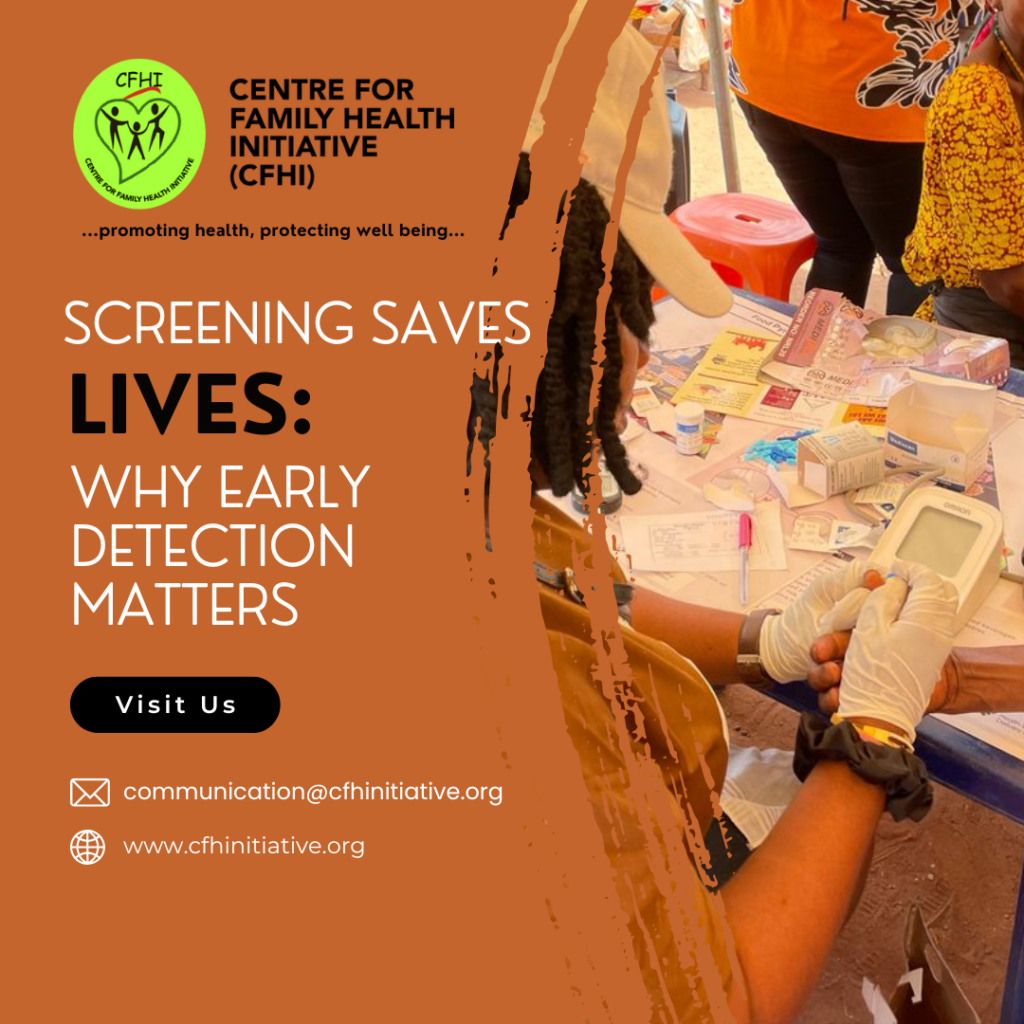
Screening Saves Lives: Why Early Detection Matters

Health screening and early detection are critical tools in the fight against cervical cancer, one of the most preventable yet deadly cancers affecting women worldwide. Cervical cancer develops slowly and is often caused by persistent infection with high-risk types of the human papillomavirus (HPV). Screening allows precancerous changes and early-stage disease to be detected and treated before they progress into life-threatening cancer, significantly improving survival, reducing complications, and saving lives¹.

Early detection plays a decisive role in cervical cancer outcomes. When cervical cancer is identified at an early stage, the chances of successful treatment are very high. Evidence shows that women diagnosed with early-stage cervical cancer have a five-year survival rate of over 90%, compared to much lower survival rates when the disease is detected late². Regular screening methods such as Pap smears, HPV testing, and visual inspection with acetic acid (VIA) help identify abnormal cervical changes early, long before symptoms appear³. Countries with strong screening programs have recorded substantial declines in cervical cancer incidence and mortality, demonstrating the life-saving impact of early detection⁴.

Detecting cervical cancer early also reduces the severity and complexity of treatment. Early-stage disease can often be managed with simpler procedures that preserve fertility and reduce long-term health complications. In contrast, late diagnosis frequently requires extensive surgery, chemotherapy, or radiotherapy, which can lead to long-term physical, emotional, and financial strain for affected women and their families⁵. In many low- and middle-income settings, late presentation remains a major challenge, contributing to high cervical cancer mortality rates.

Screening for cervical cancer is also cost-effective. Preventing cancer through early detection and treatment of precancerous lesions costs far less than treating advanced cervical cancer. Investing in routine screening programs reduces hospital admissions, lowers healthcare expenditure, and improves productivity by keeping women healthy and active in their communities⁶.

Despite the proven benefits of screening, many women particularly those in underserved and rural communities still lack access to cervical cancer screening services. Barriers such as poverty, limited health facilities, stigma, low awareness, and fear of diagnosis contribute to low screening uptake and late detection. These gaps underscore the need for sustained public health efforts to expand access to affordable, acceptable, and community-based screening services⁷.

Screening saves lives, but only when women act. CFHI calls on women to prioritize regular cervical cancer screening, caregivers, and community leaders to support awareness and reduce stigma, and policymakers and partners to invest in accessible and sustainable screening programs. Early detection of cervical cancer is not just a medical intervention it is a powerful step toward protecting women’s health, dignity, and lives.


References

  1. World Health Organization (WHO). Cervical cancer – Key facts.
    https://www.who.int/news-room/fact-sheets/detail/cervical-cancer
  2. American Cancer Society. Cervical Cancer Survival Rates.
    https://www.cancer.org/cancer/types/cervical-cancer/detection-diagnosis-staging/survival-rates.html
  3. World Health Organization (WHO). Comprehensive cervical cancer control: A guide to essential practice.
    https://www.who.int/publications/i/item/9789241548953
  4. International Agency for Research on Cancer (IARC). Impact of cervical cancer screening on incidence and mortality.
    https://www.iarc.who.int/research-groups/cancer-screening/
  5. National Cancer Institute. Cervical cancer treatment and outcomes.
    https://www.cancer.gov/types/cervical
  6. Centers for Disease Control and Prevention (CDC). Cervical cancer screening saves lives and reduces costs.
    https://www.cdc.gov/cancer/cervical/basic_info/screening.htm
  7. World Health Organization (WHO). Global strategy to accelerate the elimination of cervical cancer.
    https://www.who.int/initiatives/cervical-cancer-elimination-initiative


Screening Saves Lives: Why Early Detection Matters Read More »

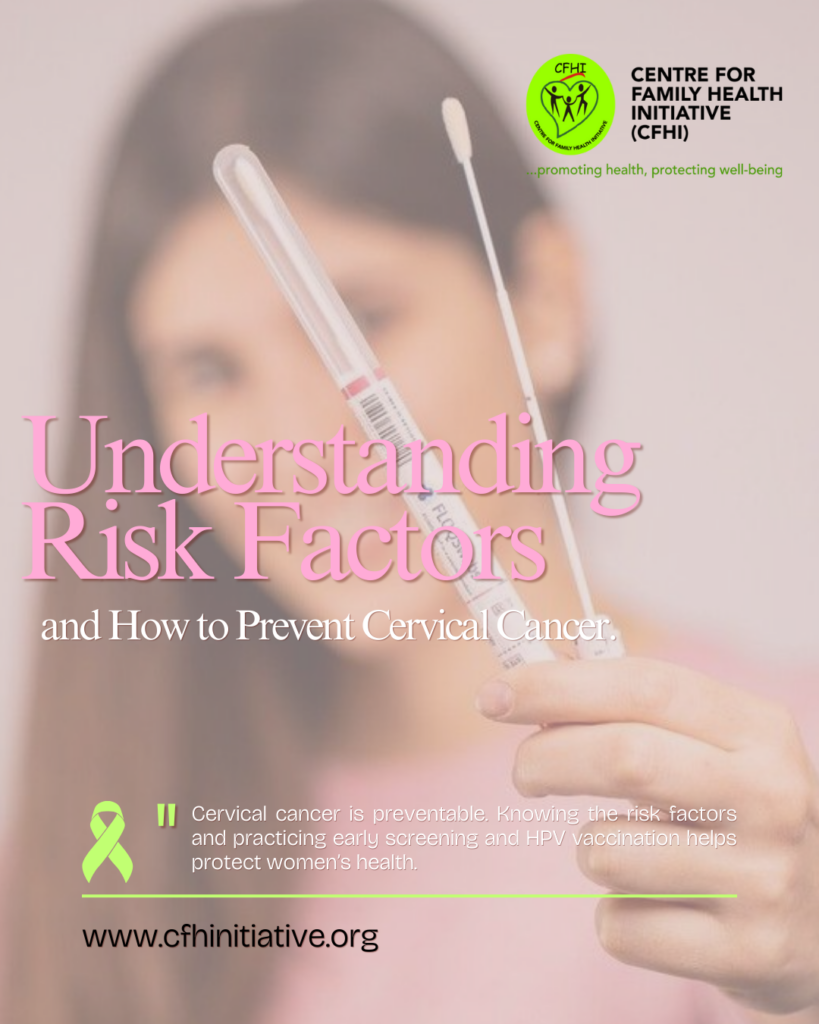
Understanding Risk Factors and How to Prevent Cervical Cancer

Cervical cancer remains one of the most preventable yet deadly cancers affecting women globally and in Nigeria. In 2022 alone, about 660,000 new cases and 350,000 deaths were recorded worldwide, with the highest burden in low- and middle-income countries where access to prevention and care is limited [1]. The disease develops in the cervix and is caused almost entirely by persistent infection with high-risk Human Papillomavirus (HPV), a common sexually transmitted virus that often shows no early symptoms [1].

Several factors increase a woman’s risk of developing cervical cancer. These include early sexual activity, multiple sexual partners, smoking, long-term use of hormonal contraceptives, and weakened immunity, especially among women living with HIV [1]. Women with HIV are up to six times more likely to develop cervical cancer due to reduced immune response to HPV infections [2]. In Nigeria, cervical cancer is the second most common cancer among women, and many cases are detected late due to low screening uptake and limited awareness [2].

The good news is that cervical cancer is largely preventable and treatable when detected early. The HPV vaccine, recommended for girls aged 9–14 years, can prevent up to 70–90% of cervical cancer cases linked to high-risk HPV types [1]. Regular screening through HPV testing or Pap smears helps detect precancerous changes early, allowing timely treatment before cancer develops. However, misinformation, cost, fear, and limited access continue to hinder screening in many communities [3].

In 2023, CFHI partnered with the National Primary Healthcare Development Agency, Women Advocates for Vaccine Access, Johns Hopkins International Vaccine Access Center, and other relevant partners to support HPV vaccine introduction in Nigeria, train ten vaccine champions, and sensitise over 4,000 persons in Bwari LGA, Abuja.

Every woman deserves the chance to prevent cervical cancer. Get screened regularly, ensure eligible girls receive the HPV vaccine, and share accurate information within your community. Together, we can reduce preventable deaths and protect women’s health.

References

  1. World Health Organization. Cervical cancer. Available from: https://www.who.int/news-room/fact-sheets/detail/cervical-cancer
  2. World Health Organization Regional Office for Africa. Cervical cancer early detection saves lives (Nigeria). Available from: https://www.afro.who.int/countries/nigeria/news/cervical-cancer-early-detection-saves-lives
  3. BMC Women’s Health. Cervical cancer screening and vaccination awareness in Nigeria. Available from: https://bmcwomenshealth.biomedcentral.com/articles/10.1186/s12905-023-02345-9


Understanding Risk Factors and How to Prevent Cervical Cancer Read More »

Cervical Cancer: What Every Woman Should Know

Cervical cancer remains a significant public health concern for women both globally and in Nigeria, yet it is largely preventable and treatable when detected early. Understanding its causes, risk factors, prevention strategies, and interventions is critical for improving women’s health outcomes. Cervical cancer develops in the cervix, the lower part of the uterus that connects to the vagina and is one of the most common cancers affecting women worldwide. In 2022, an estimated 660,000 new cervical cancer cases were reported globally, with about 350,000 deaths attributed to the disease, largely in low- and middle-income countries due to disparities in prevention and care access [1].

Almost all cervical cancers, over 99%, are caused by persistent infection with high-risk types of Human Papillomavirus (HPV), a sexually transmitted virus. While most HPV infections are naturally cleared by the immune system, persistent infection with oncogenic HPV types, particularly HPV 16 and 18, can lead to abnormal cell changes and eventual cancer over many years if not identified and treated [2]. Beyond HPV infection, several factors increase the risk of cervical cancer in women. HIV infection and weakened immunity accelerate cancer progression [1]. Smoking impairs immune response and promotes cellular changes [3]. Early onset of sexual activity, multiple sexual partners, and long-term use of certain hormonal contraceptives also contribute to heightened risk [4].

Cervical cancer is highly preventable and much more treatable when detected early. HPV vaccination, administered to girls typically aged 9 to 14, is highly effective at preventing infections that cause most cervical cancers [1]. Regular screening through Pap smears or HPV tests allows for the detection of precancerous changes before they progress to cancer, significantly improving treatment outcomes [2]. Despite these preventive measures, in Nigeria, cervical cancer remains the second most frequent cancer among women and a leading cause of cancer-related death [5]. Awareness and screening uptake are low, particularly in rural areas, due to financial barriers, limited access to screening facilities, and insufficient information about prevention [6].

To further reduce the burden of cervical cancer, it is essential to scale up HPV vaccination campaigns targeting adolescent girls before exposure to the virus, expand the availability and affordability of cervical cancer screening at primary healthcare levels, and strengthen health education to promote understanding of cervical health through sustained community engagement. Addressing gender and social barriers that limit women’s access to preventive care is also critical. Cervical cancer should not be a life sentence. With knowledge, preventive action, and supportive community health services, every woman can protect her health and future.

References

  1. World Health Organization. Human papillomavirus (HPV) and cervical cancer fact sheet. Dec 2025. Available from: https://www.who.int/news-room/fact-sheets/detail/human-papillomavirus-%28hpv%29-and-cervical-cancer
  2. World Health Organization. Cervical cancer prevention, diagnosis, and screening overview. Available from: https://www.who.int/cancer/prevention/diagnosis-screening/cervical-cancer/en/
  3. Centers for Disease Control and Prevention. Cervical Cancer Risk Factors. Available from: https://www.cdc.gov/cervical-cancer/risk-factors/index.html
  4. National Cancer Institute. Cervical Cancer Causes, Risk Factors, and Prevention. Available from: https://www.cancer.gov/types/cervical/causes-risk-prevention
  5. World Health Organization Regional Office for Africa. Cervical cancer early detection saves lives (Nigeria). Available from: https://www.afro.who.int/countries/nigeria/news/cervical-cancer-early-detection-saves-lives
  6. The Guardian (Nigeria). Screening, awareness gaps slow cervical cancer elimination. Available from: https://guardian.ng/features/health/screening-awareness-gaps-slow-cervical-cancer-elimination/


Cervical Cancer: What Every Woman Should Know Read More »

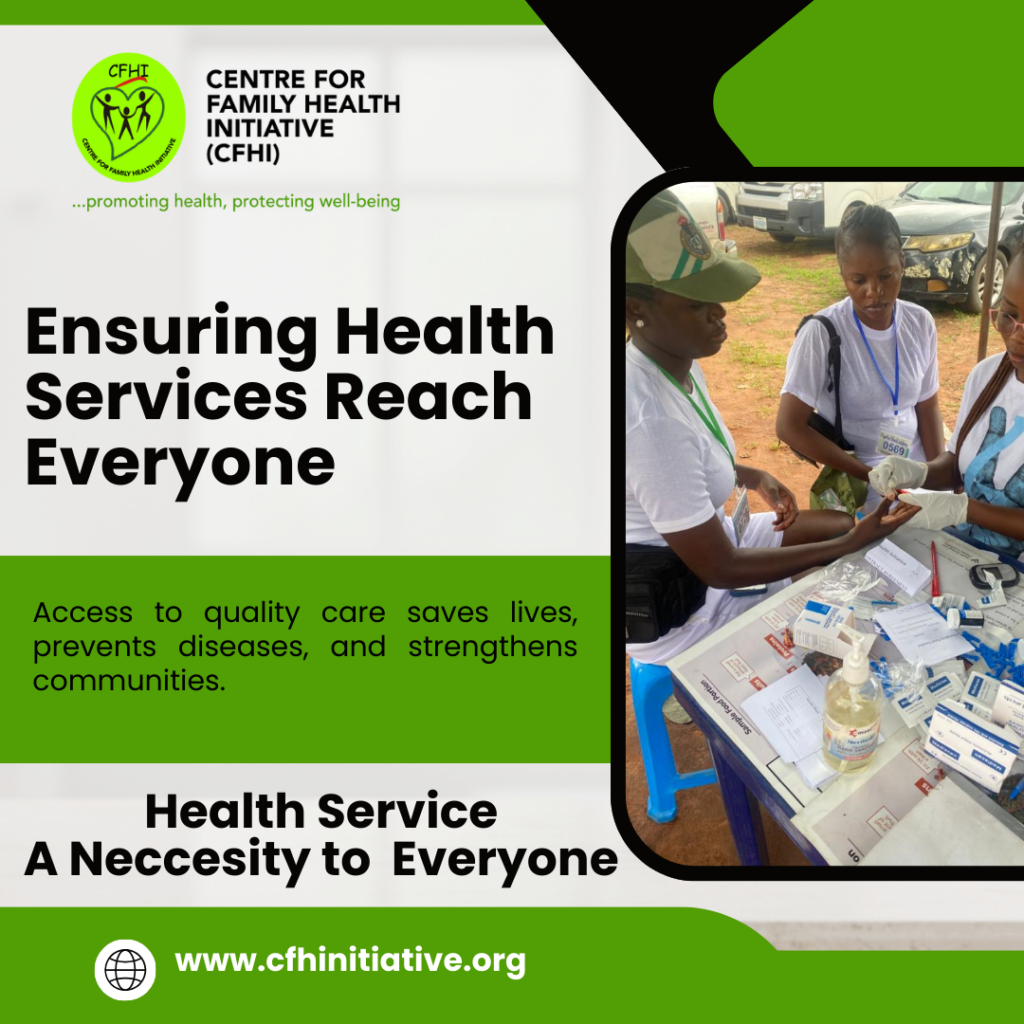
Ensuring Health Services Reach Everyone


Ensuring that health services reach everyone remains one of the world’s most urgent development challenges, especially as global progress toward Universal Health Coverage (UHC) continues to slow. Worldwide, more than 4.6 billion people still lack access to essential health services, leaving millions at risk of preventable illness and financial hardship [1]. Although the global service coverage index has risen from the mid-50s in 2000 to around 71 in 2023, the gains remain uneven and fragile [2]. In Nigeria, persistent gaps in primary healthcare, maternal and newborn services, limited staffing, shortages of essential supplies and unreliable electricity continue to restrict access for many communities, particularly in rural and underserved areas [3,4].

Electricity is one of the most basic requirements for safe and functional health care. In many low-resource settings, including parts of Nigeria, frequent power interruptions limit the ability of facilities to conduct safe night-time deliveries, sterilize equipment, store vaccines, or run lifesaving laboratory tests. Evidence shows that roughly one-third to two-fifths of Nigeria’s primary health care centres still lack stable electricity, forcing some to rely on kerosene lamps, phone flashlights or fuel-powered generators that often fail when needed most [5,6]. Without reliable light and power, both mothers and newborns face heightened risks, and health workers struggle to provide the standard of care for which they are trained.

These structural challenges contribute to persistent health inequalities. Nigeria retains one of the highest maternal mortality ratios globally, despite substantial global declines since the early 2000s [2,7]. Skilled birth attendance an essential determinant of maternal and newborn survival has improved in some regions but still varies widely across northern states, where many young women remain unable to access skilled care at birth [4]. Preventive services such as immunisation have also fluctuated, with pandemic-related disruptions causing setbacks. Although recovery efforts are ongoing, routine immunisation coverage remains below global and regional benchmarks, leaving children in remote communities at disproportionate risk [3,8].

Nonetheless, evidence from recent interventions demonstrates that targeted, practical investments can quickly strengthen essential health services. Solar electrification of primary health care facilities, particularly through durable systems designed for maternal and emergency care, has been shown to improve night-time service delivery, stabilize cold-chain systems and increase overall service availability [6,9]. When paired with training and continuous supervision, such interventions support proper equipment use, routine maintenance and long-term sustainability an approach consistently endorsed by global health experts and backed by facility-level assessments [7]. Furthermore, integrating community engagement, leadership participation and strong referral mechanisms encourages service uptake and strengthens public trust.

To accelerate progress, policymakers, donors, and community leaders must prioritize primary healthcare revitalization, commit to electrifying facilities, invest in continuous staff training, and support service delivery models proven to work. Ensuring that health services reach everyone is both achievable and urgent. With collective action, equitable investment and strengthened partnerships, Nigeria can move closer to a future where every individual regardless of geography or socioeconomic status receives the essential care needed to live a healthy and dignified life.


References

  1. World Health Organization. Universal health coverage (UHC) fact sheet. 2024 [cited 2025 Dec 12]. Available from: https://www.who.int/news-room/fact-sheets/detail/universal-health-coverage-%28uhc%29
  2. World Bank. Tracking Universal Health Coverage — 2025 Global Monitoring Report. 2025 [cited 2025 Dec 12]. Available from: https://www.worldbank.org/en/topic/universalhealthcoverage/publication/2025-global-monitoring-report-gmr
  3. WHO. Nigeria Country Health Profile — Health System Performance, Immunisation & Primary Care Indicators. 2024 [cited 2025 Dec 12]. Available from: https://www.who.int/countries/nga
  4. Afape AO, et al. Prevalence and determinants of skilled birth attendance among young women in Northern Nigeria. 2024 [cited 2025 Dec 12]. Available from: https://www.ncbi.nlm.nih.gov/pmc/articles/PMC11389318/
  5. World Health Organization. Electricity in health-care facilities. 2023 [cited 2025 Dec 12]. Available from: https://www.who.int/news-room/fact-sheets/detail/electricity-in-health-care-facilities
  6. Sustainable Energy for All. Powering primary healthcare in Nigeria. 2024 [cited 2025 Dec 12]. Available from: https://www.seforall.org
  7. World Bank. Maternal mortality ratio — Nigeria. 2024 [cited 2025 Dec 12]. Available from: https://data.worldbank.org/indicator/SH.STA.MMRT?locations=NG
  8. UNICEF. Immunisation data and analysis. 2024 [cited 2025 Dec 12]. Available from: https://data.unicef.org/topic/child-health/immunization/
  9. Nigeria Health Watch. Solar power solutions for primary healthcare centres. 2024 [cited 2025 Dec 12]. Available from: https://articles.nigeriahealthwatch.com/a-solar-power-project-is-keeping-primary-healthcare-centres-running-in-abuja/


Ensuring Health Services Reach Everyone Read More »